

 Follow
 Rekomendasi
15 Movies Full of Easter Eggs That Will Leave You Stunned, Must-Watch Again and Again
Recommendations for 15 movies filled with secret easter eggs and hidden messages that will amaze you when you watch them again!
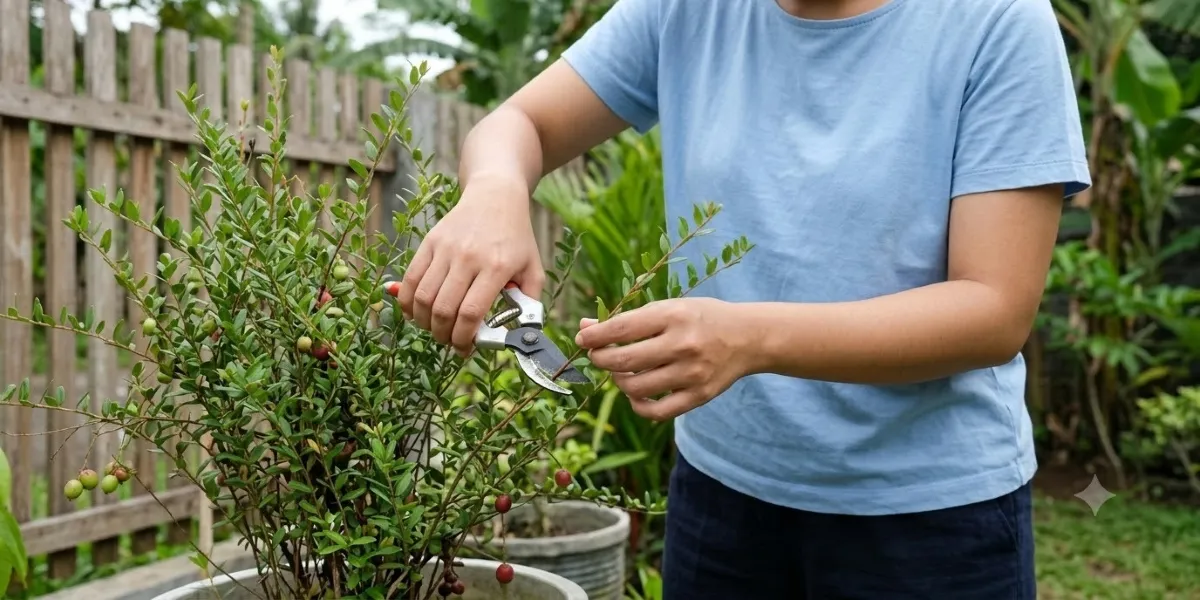
Kapanlagi.com - Many people think that planting cranberries must be done in a water pond, whereas this plant actually thrives in dry sandy soil and is only flooded with water during the harvest season.
This myth often makes beginners hesitant, but with the right planting medium, such as a mixture of peat soil and sand, you can cultivate this "super fruit" even in your backyard or a large pot. Besides being unique, cranberries are rich in antioxidants and vitamin C, which are excellent for maintaining urinary tract health and boosting the immune system.
Before getting into the technical details, it is important to clarify some basic understanding. According to the book The American Cranberry by Paul Eck (1990), cranberries (Vaccinium macrocarpon) are creeping plants (evergreen vines) that grow in natural peat bogs, not aquatic plants like water lilies. The water pooling we often see in juice advertisements is merely a commercial harvesting technique called "wet harvesting" to facilitate the floating of the fruit.
Understanding how to properly plant cranberries begins with mimicking their natural habitat in North America, which is an environment with acidic soil that has good drainage yet remains moist.
The key to success is not how much water you flood, but rather the level of soil acidity (pH) that must be kept low so that the plant's roots can absorb nutrients optimally without rotting.
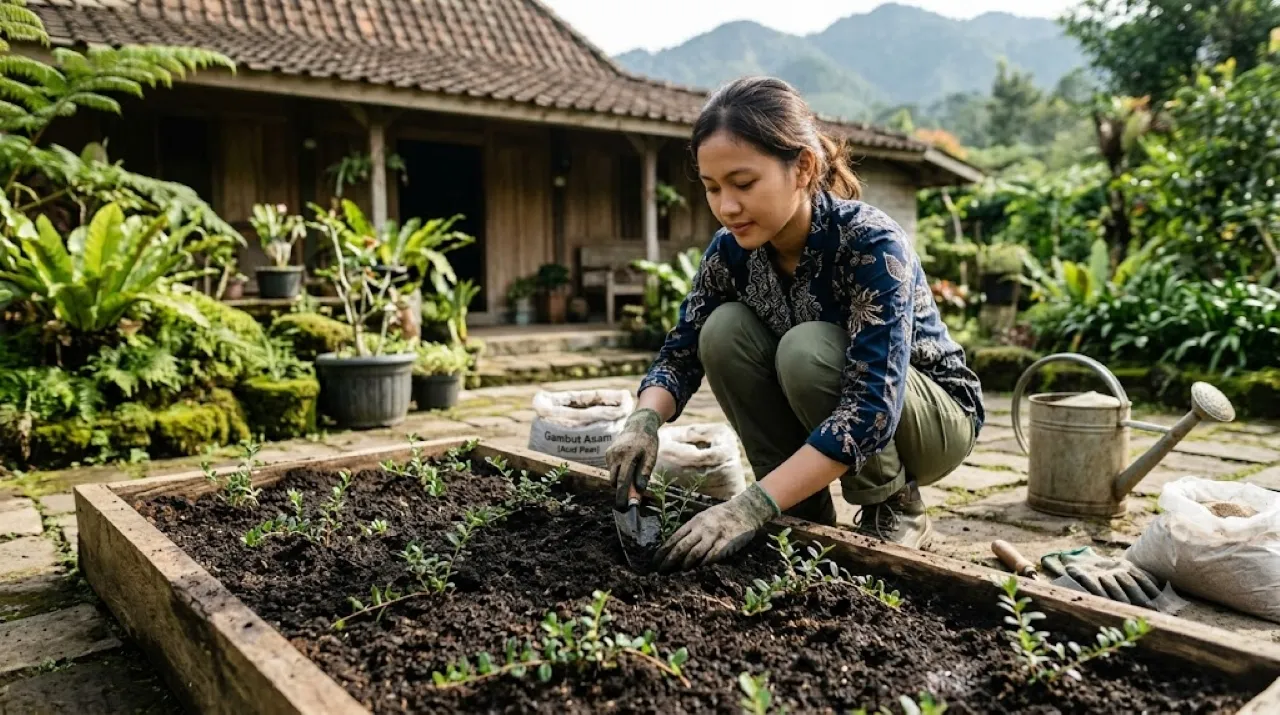
To successfully plant cranberries, you must manipulate the environment to match their natural habitat.
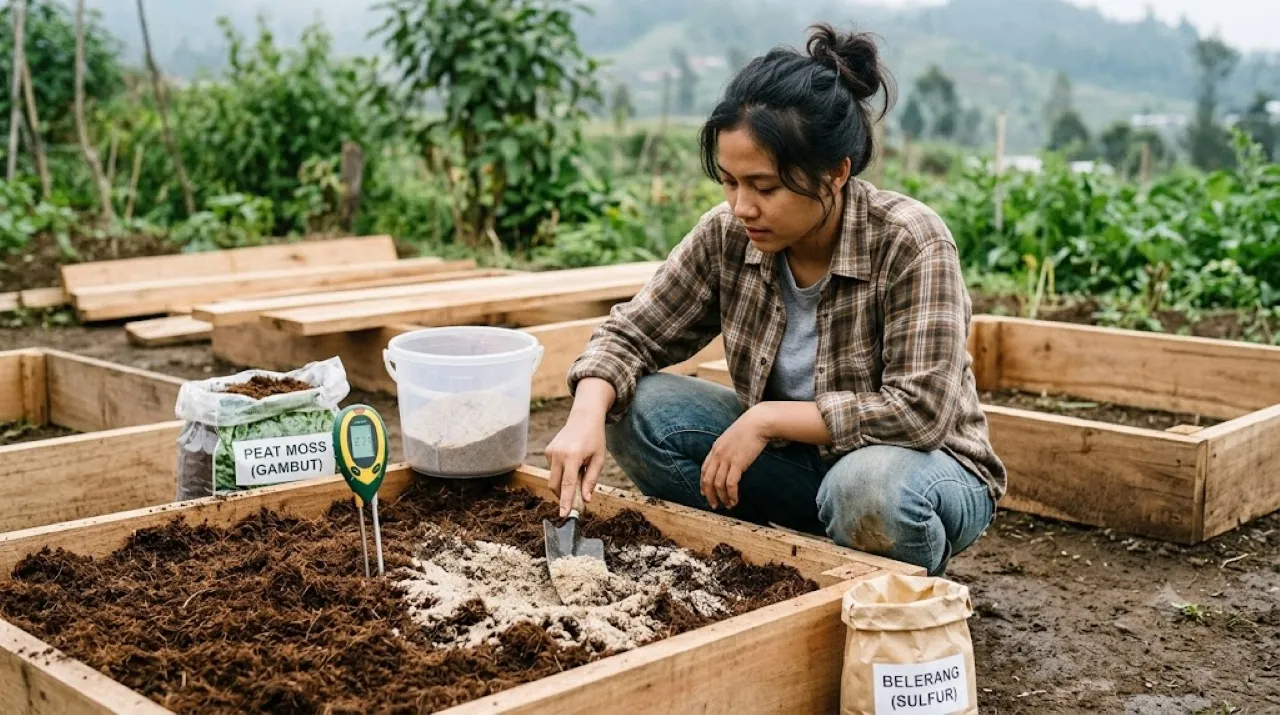
The uniqueness of the method of planting cranberries lies in its planting medium, which does not use regular clay soil. You need to create a "man-made swamp" on a small scale.
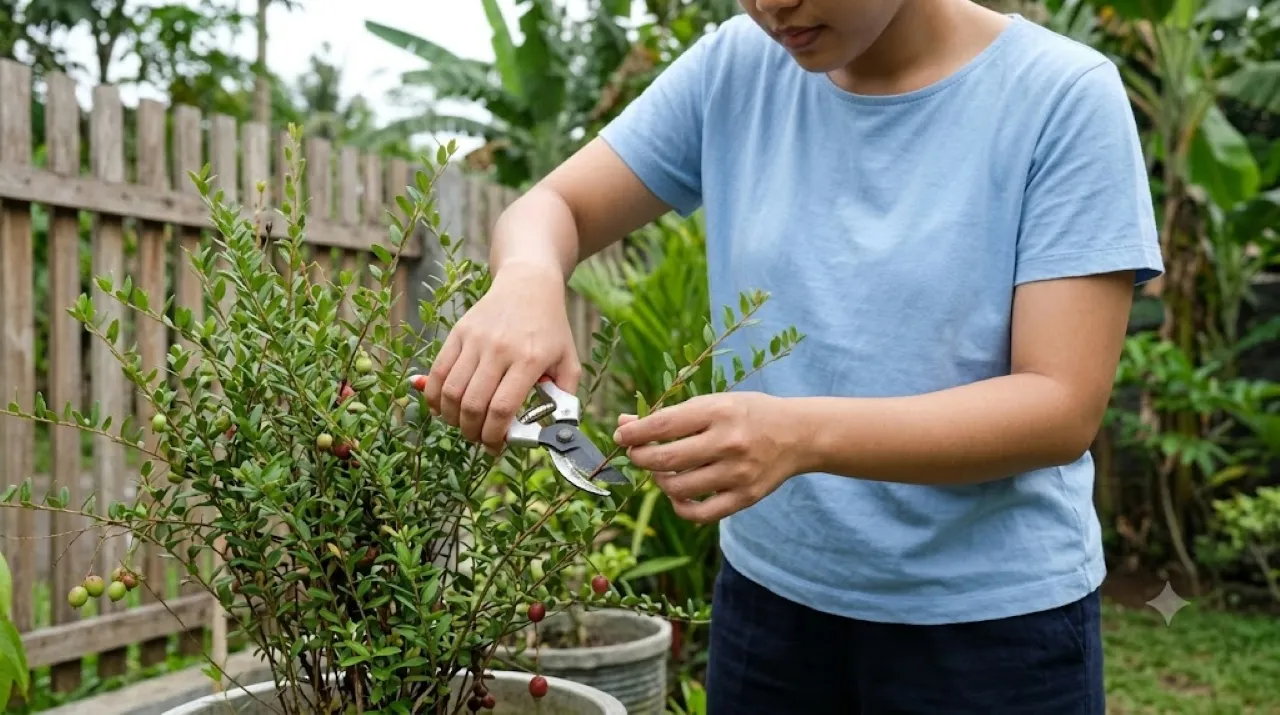
There are two methods for planting cranberries, but their success rates vary significantly.
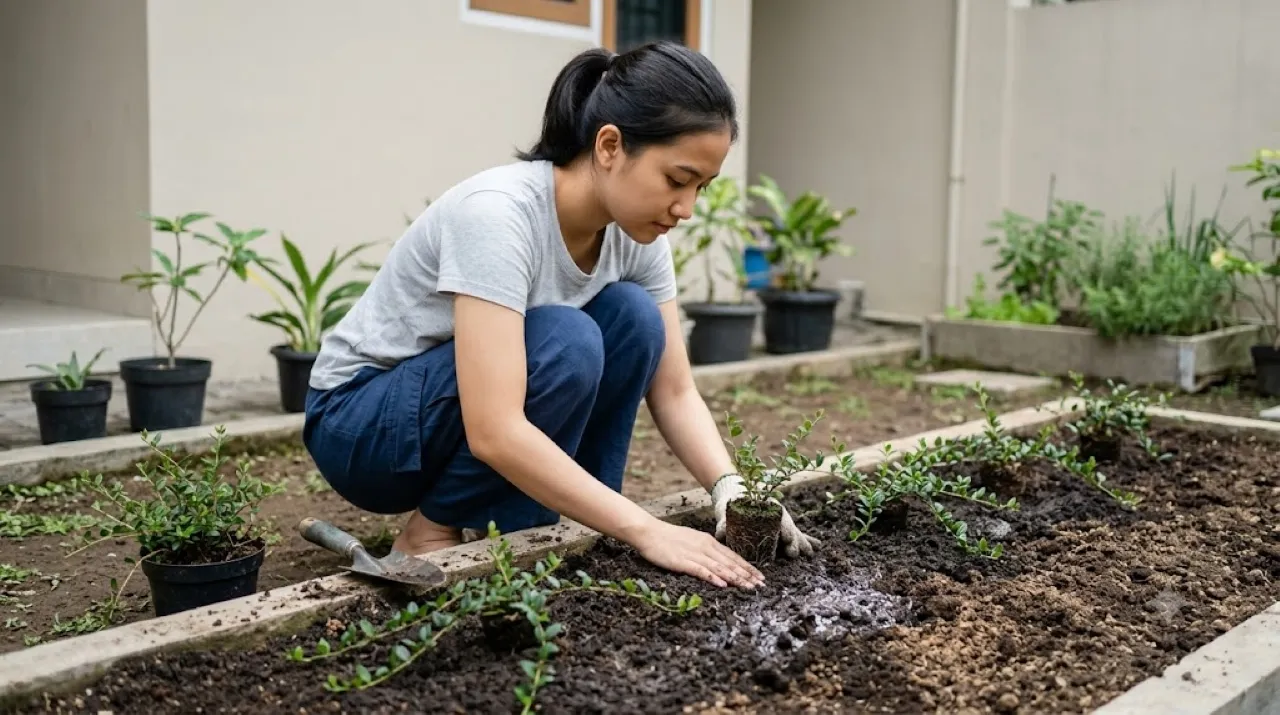
Once the media and seedlings are ready, the next step in planting cranberries is to transfer them to the field:
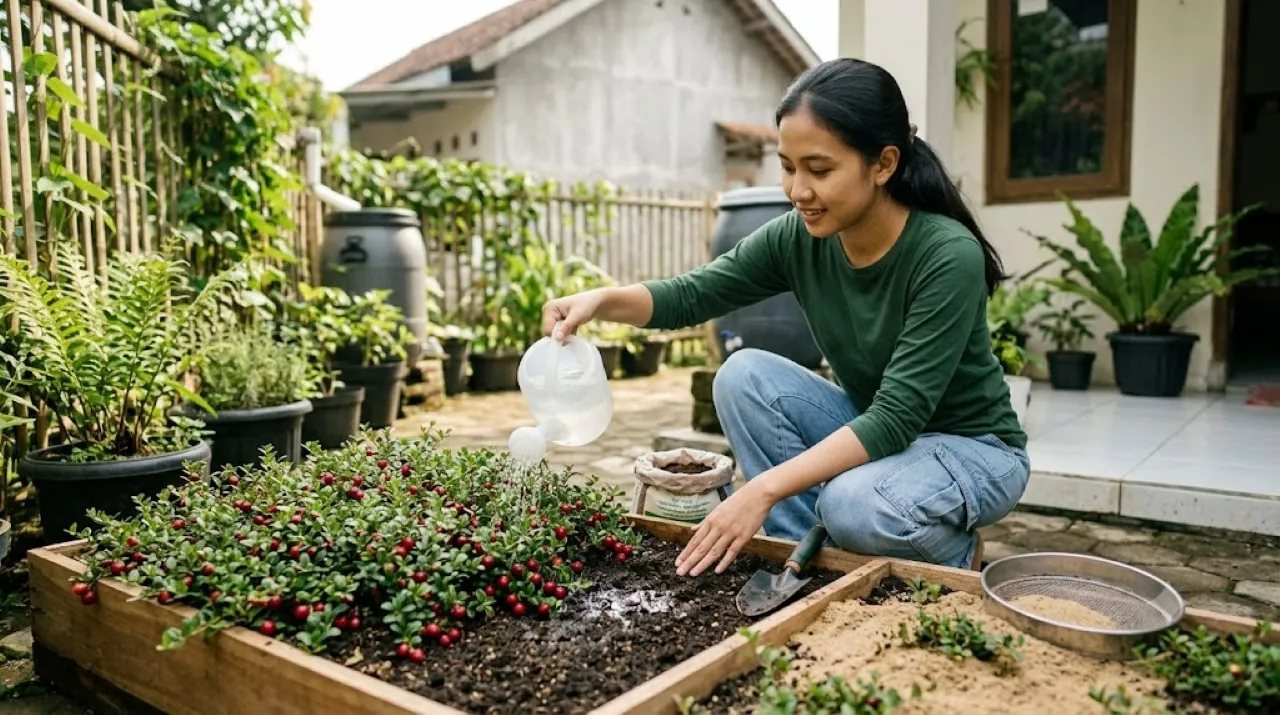
Maintenance is a crucial phase in the way of growing cranberries. A common mistake for beginners is watering with tap water that contains chlorine or has a high pH.
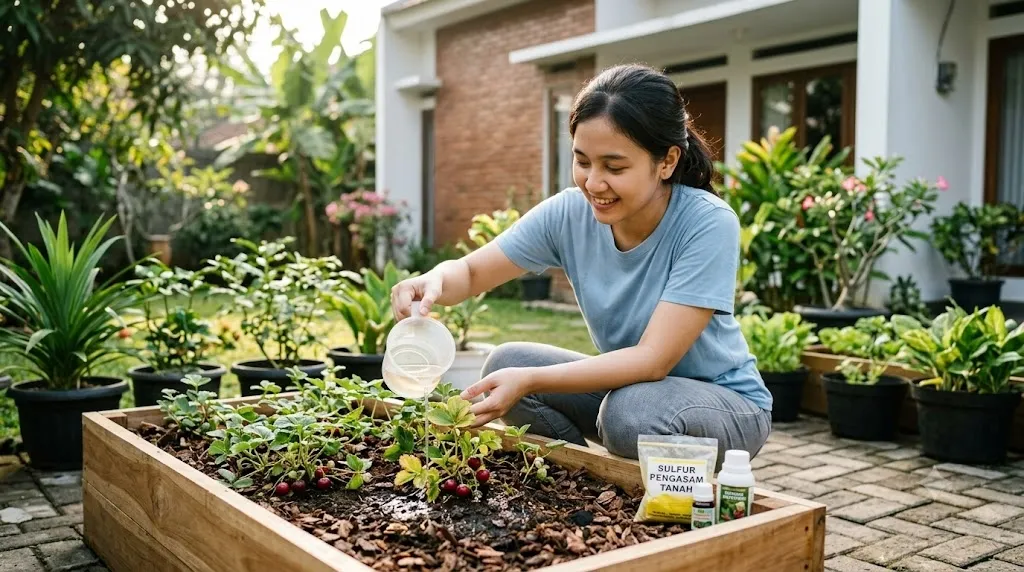
When planting cranberries, the main enemy is not insects, but root rot (root rot) due to overly wet soil.
If the leaves turn yellow but the leaf veins remain green (chlorosis), it indicates that the soil pH is too high (not acidic enough).
Immediately water with a diluted vinegar solution or add sulfur. For caterpillar or aphid pests, simply spray with plant-based insecticide or remove them manually.
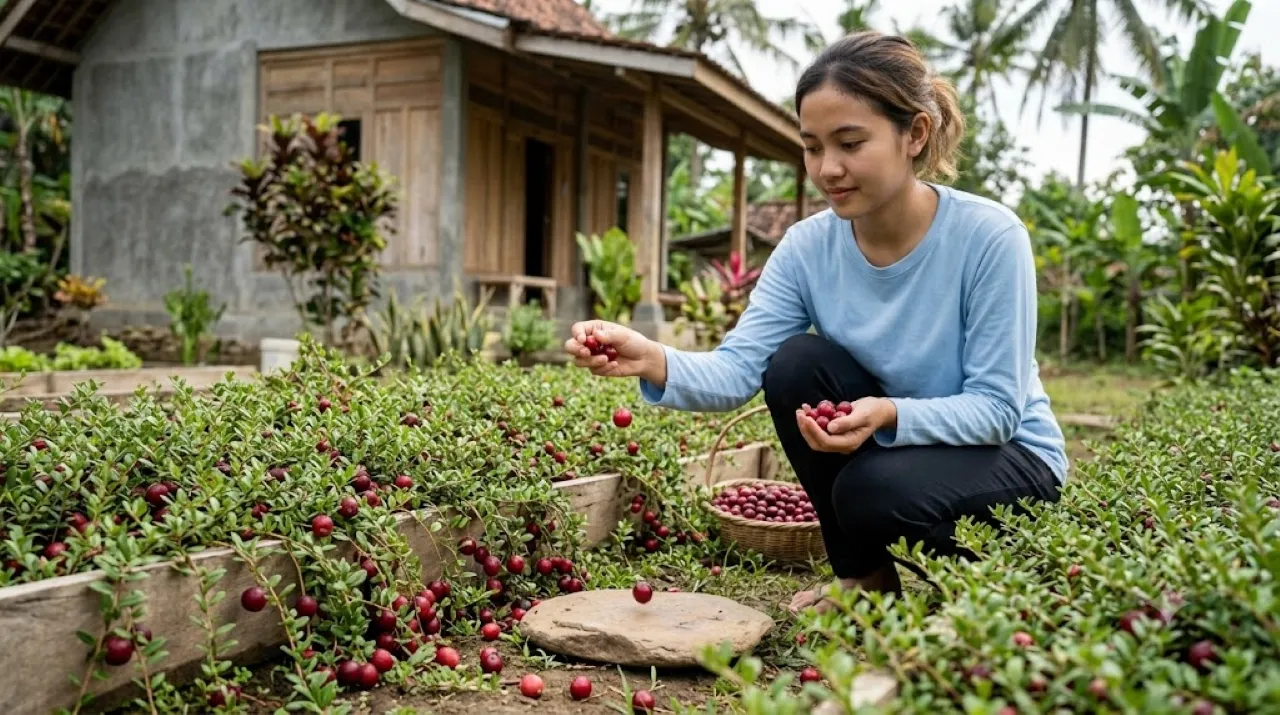
The long-awaited moment in how to plant cranberries is the harvest. In their natural habitat, harvesting occurs in the fall (September-November).
Can cranberries grow in hot lowland areas like Jakarta?
Naturally, cranberries are subtropical plants that require extreme cold temperatures for their life cycle, making it very difficult for them to bear fruit in hot lowland areas. However, the plants may survive as ornamental foliage if placed in a shady spot and the soil is kept moist and acidic, although the chances of fruiting are very slim.
Why are my cranberry leaves turning yellow even though I water them regularly?
This condition is called iron chlorosis, usually occurring because the soil pH is too high (above 5.5). When the soil is not acidic enough, cranberry roots cannot absorb iron even if it is available in the soil. The solution is not to add more water, but to lower the soil pH by adding sulfur or watering with slightly acidified water.
How long does it take from planting seeds to harvesting the first fruit?
Planting from seeds requires a high level of patience as it takes 3 to 5 years to start producing fruit productively. For quicker results, it is highly recommended to use the stem cutting method from mature parent plants, which can usually bear fruit within 2 years after planting.
(kpl/ibr)
Cobain For You Page (FYP) Yang kamu suka ada di sini,
lihat isinya
Recommendations for 15 movies filled with secret easter eggs and hidden messages that will amaze you when you watch them again!

Don't miss out! Here is a list of recommended movies themed around inheritance and family wealth disputes, ranging from emotional Asian dramas to thrilling thrillers.

Want a more beautiful garden but still productive? Discover 10 unique food plants suitable for home gardens along with their care tips.

From Disney star to Golden Globe-nominated actress, Zendaya has proven her talent across various genres. Check out the list of her best movies and series that are worth watching.
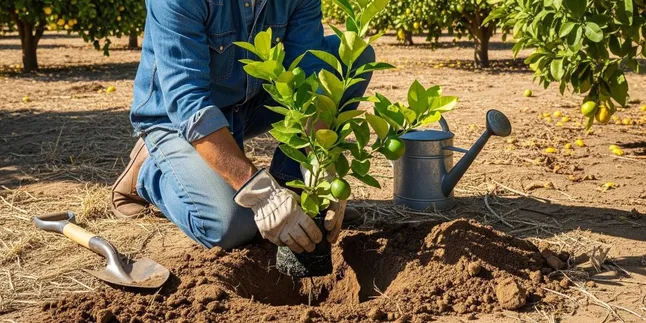
Learn 7 ways to plant California lemons for quick fruit production and healthy growth, starting from selecting seeds, planting media, to proper care.

15 Korean dramas that initially feel ordinary but gradually develop into a storyline that's so engaging that it's hard to stop watching.

Do you often complain unconsciously? Check out 8 benefits of stopping complaining according to psychology that can make life more peaceful, happy, and full of gratitude.

Bed bugs can disrupt sleep comfort. Recognize the signs, learn how to eradicate them using physical and chemical methods, as well as proper bite treatment.

Looking for hidden gem Korean dramas? Check out 15 Korean dramas that are not viral but must be watched because they have quality stories and are addictive.

Mountain and climbing themed films have their own allure as they present stories of humans battling unpredictable natural conditions.

Want to know which zodiac signs stand out the most in the creative world? Check out the complete guide to the characteristics and art fields that best match your star sign.

A collection of recommendations for popular international films that feature the theme of twin siblings living apart, who are then reunited.
