

 Follow
 Rekomendasi
Ria Ricis and Moana Happy on the Plane, Taking an 8-Hour Flight for Vacation
Ria Ricis and her daughter, Moana, are enjoying a happy moment during their year-end holiday abroad. They spent 8 hours on the plane, here's their excitement!
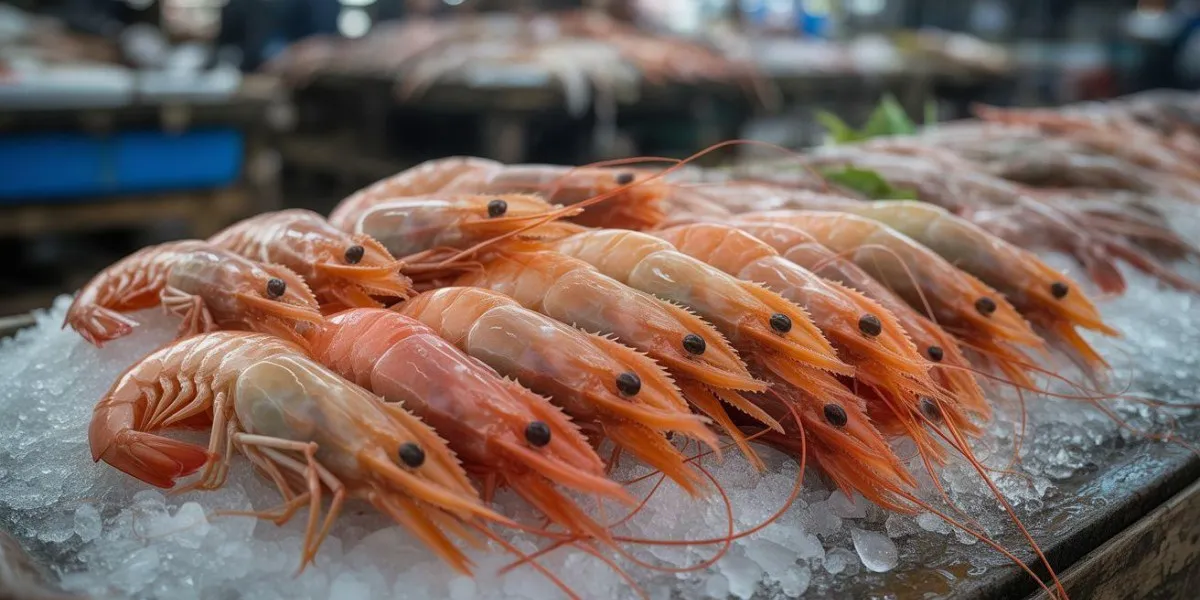
Kapanlagi.com - Shrimp is one of the most popular and versatile seafoods in various culinary preparations. The freshness of shrimp greatly affects the taste and quality of the dishes produced.
Understanding how to choose fresh shrimp is an important skill for every housewife and culinary enthusiast. Shrimp that is not fresh can ruin the flavor of the dish and even pose health risks to the family.
This article will comprehensively discuss various aspects of selecting high-quality shrimp. By knowing the characteristics of fresh shrimp, you can ensure that every shrimp dish served has optimal flavor and is safe for consumption.
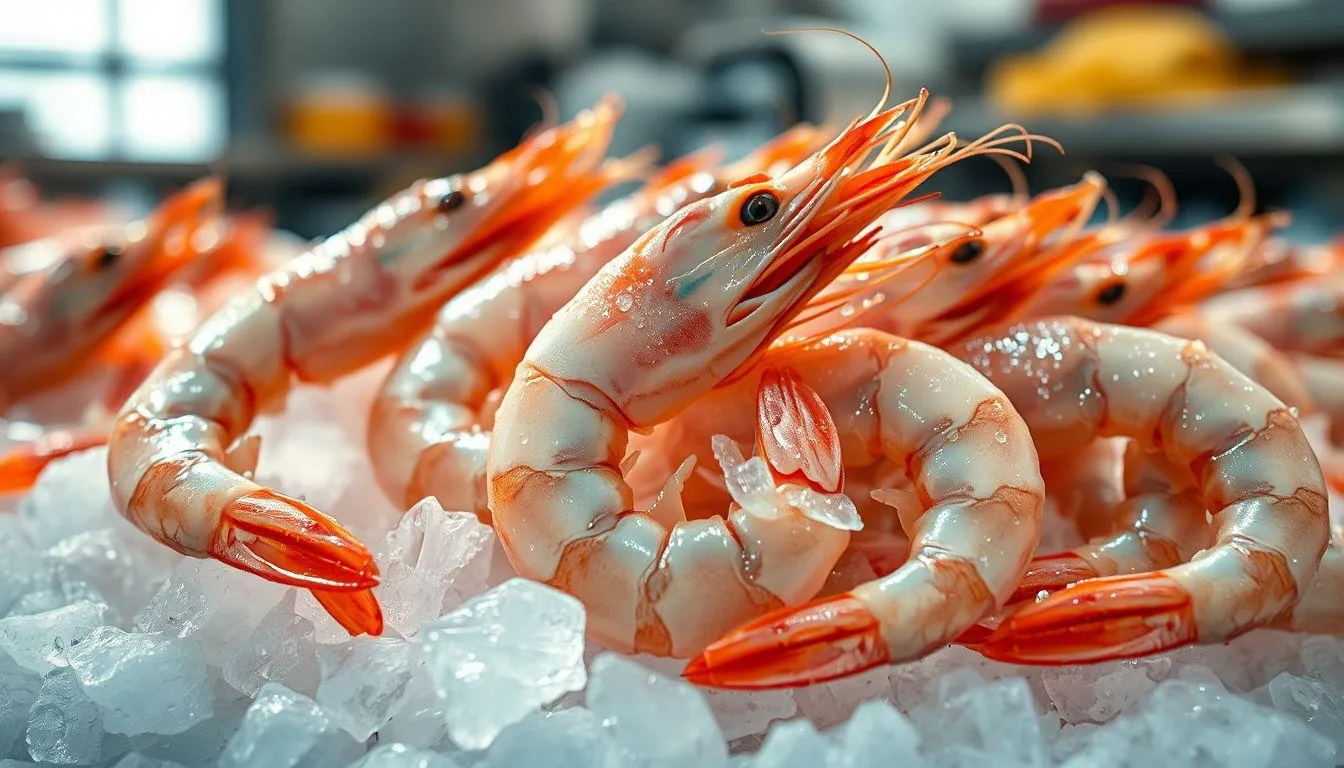
The Importance of Choosing Fresh Shrimp (c) AI Illustration
The freshness of shrimp not only affects the taste but also the nutritional content and food safety. Fresh shrimp contains high protein, essential amino acids, as well as omega-3 and omega-6 that are beneficial for body health. Conversely, shrimp that is no longer fresh tends to lose its nutritional value and is at risk of containing harmful bacteria that can cause digestive issues.
According to Healthy and Delicious Recipes for Kids by Fika Faila Sufa, shrimp as a source of animal protein is very rich in calcium and protein. Shrimp also contains high levels of amino acids as well as omega-3 and omega-6 that are important for growth and development.
The process of shrimp spoilage occurs quite quickly compared to other types of seafood. This is due to the high water content in shrimp meat and natural enzymes that accelerate protein degradation. Therefore, the ability to identify fresh shrimp from the very beginning of purchase is crucial to ensure the quality of the dishes and the health of the family.
Good quality shrimp will also provide a chewy texture and natural sweet flavor when cooked. Investing time to carefully choose shrimp will pay off with satisfying cooking results and a more enjoyable culinary experience for all family members.
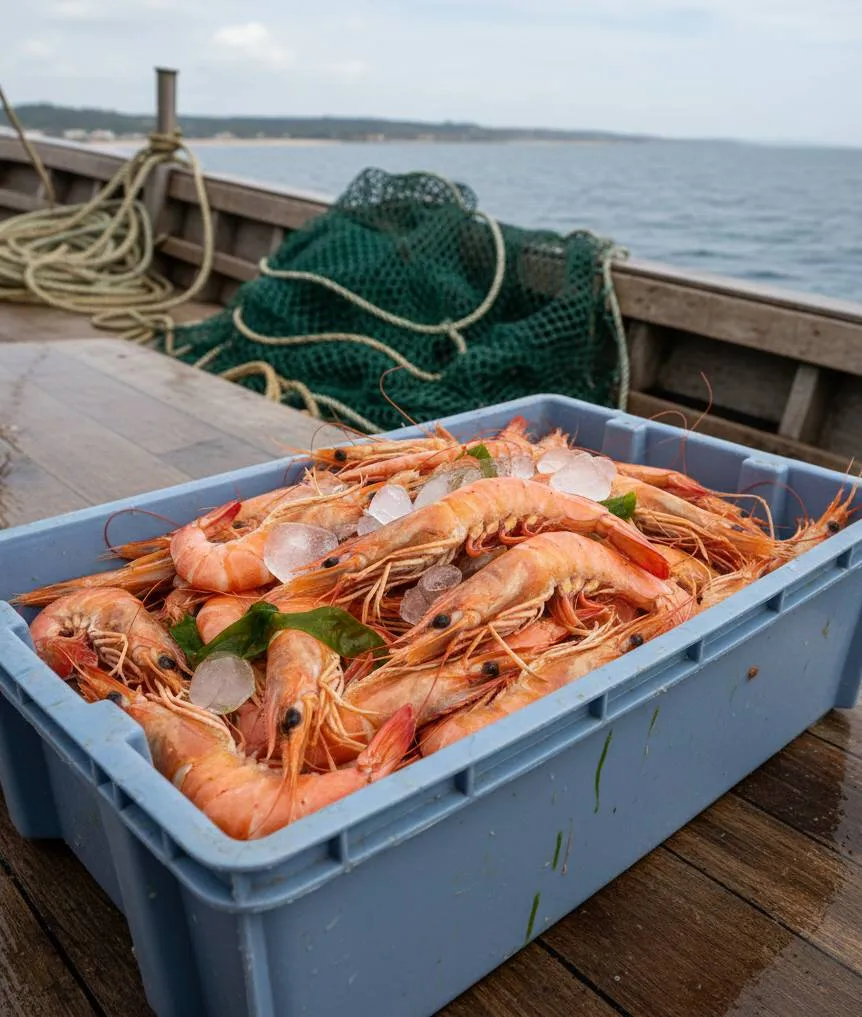
shrimp illustration - image by AI
Recognizing the physical characteristics of fresh shrimp is the first step in choosing shrimp that are still fresh. Here are some visual indicators you can pay attention to:
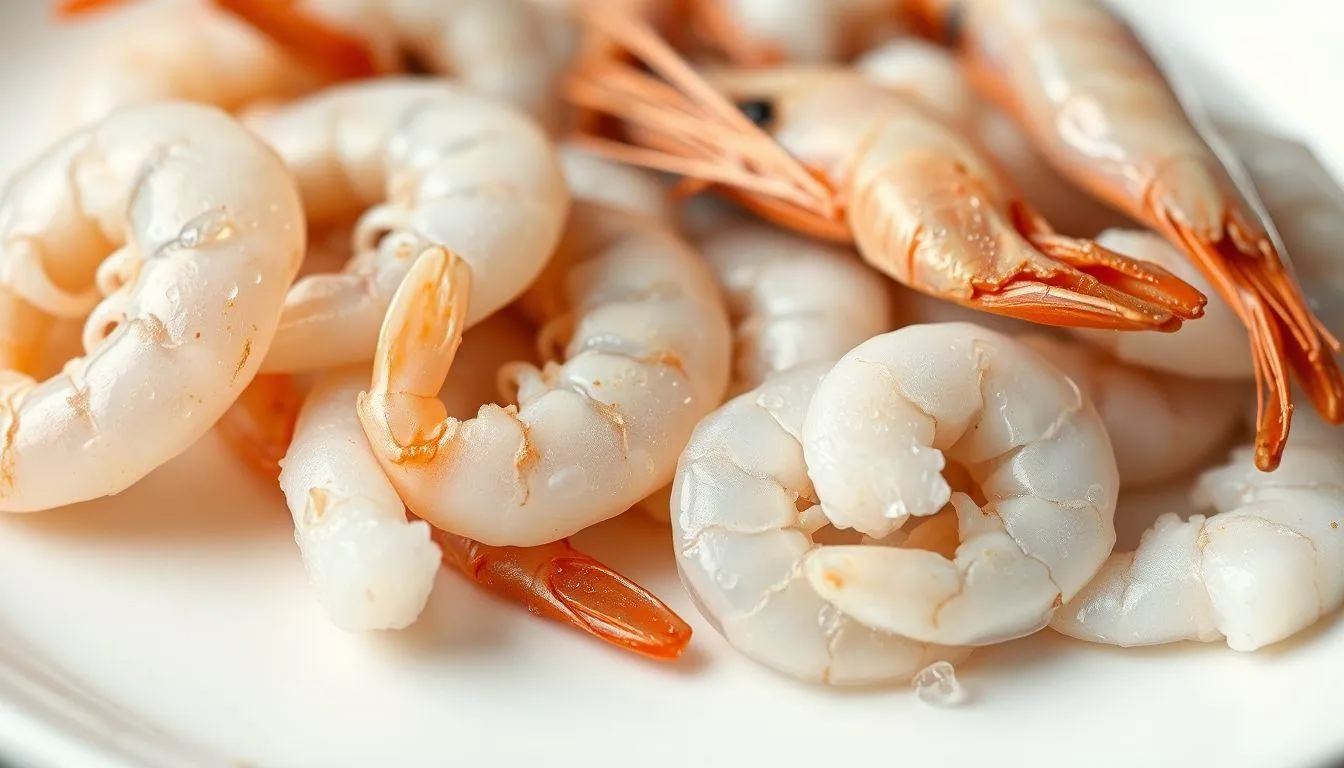
Fresh shrimp have a bright and consistent shell color according to their type. Fresh vannamei shrimp are grayish-white with slight transparency, while windu shrimp have a bright greenish-black color. Avoid shrimp with dull, brownish colors or those with reddish spots on their skin while still raw, as this indicates that the shrimp are starting to spoil.
Fresh shrimp skin appears shiny and slightly slippery but not slimy. The shell or exoskeleton of the shrimp should be intact, hard, and perfectly attached to the body of the shrimp. If the shrimp's shell looks dry, dull, or has started to exude slime, this is a sign that the shrimp has entered the decomposition phase and is not suitable for consumption.
The head of fresh shrimp is firmly attached to its body and does not come off easily. The color of fresh shrimp heads is a bright gray, not reddish or blackish. The gills of the shrimp located in the head are also an important indicator; fresh gills are bright gray, while blackened gills indicate reduced quality.
Fresh shrimp eyes appear clear, black, and protruding. Cloudy, sunken, or even detached eyes from the body indicate that the shrimp is no longer fresh. The condition of the shrimp's eyes is one of the easiest and most accurate indicators to visually assess the freshness of shrimp.
Fresh shrimp generally have a slightly naturally curved body shape. Shrimp that appear straight or stiff can be a sign that the shrimp is no longer fresh or has undergone prolonged rigor mortis. A curved shape indicates that the shrimp's muscles are still in good and elastic condition.

shrimp illustration - image by AI
Aroma is one of the easiest and quickest indicators to assess the freshness of shrimp. Fresh shrimp has a characteristic sea scent that is slightly fishy but not overpowering or unpleasant. This aroma comes from the natural compounds contained in the shrimp's flesh and is still within normal limits.
On the other hand, shrimp that are no longer fresh will emit a very strong fishy odor, sour smell, or even a clearly rotten smell. This unpleasant odor is caused by the decomposition of proteins and bacterial growth on the shrimp's flesh. If you detect an abnormal aroma when selecting shrimp, it is best to avoid purchasing that shrimp even if it looks good visually.
To test the aroma of shrimp, bring your nose close to the head or body of the shrimp and gently inhale. Don't hesitate to ask the seller if you can smell the shrimp before deciding to buy. A trustworthy seller will usually be happy to allow you to do this check because they are confident in the quality of the products they sell.
It is important to note that the aroma of thawed frozen shrimp may be slightly different from fresh shrimp that has never been frozen. However, the basic principle remains the same: the aroma should still be a fresh sea scent and not have a strong rotten or sour smell.
The texture of the meat is an important aspect in choosing fresh shrimp. Fresh shrimp has firm, chewy, and elastic meat. When you gently press the shrimp meat with your finger, it will quickly return to its original shape. This chewy texture indicates that the protein structure in the shrimp meat is still intact and has not degraded.
Shrimp that is no longer fresh will have a soft, easily crumbled, or even watery meat texture. When pressed, the meat does not return to its original shape and leaves an indentation. This condition indicates that the protein in the shrimp meat has started to break down and its quality has drastically decreased.
In addition to chewiness, also observe whether the shrimp meat appears clear or transparent. Fresh shrimp that has not been frozen typically has meat that is somewhat clear with a slight white color. If the shrimp meat looks very pale white or even yellowish, this could be a sign that the shrimp has been stored too long or has undergone quality changes.
For shrimp sold with shells, make sure the shell is still tightly attached to the meat and does not easily peel off. A shell that comes off easily indicates that the bond between the shell and the meat has weakened due to the decay process or prolonged storage.

shrimp illustration - image by AI
The place of purchase and how the seller stores the shrimp greatly affect the quality you receive. Here are some practical tips when shopping for shrimp:
Buy shrimp from a seller with a good reputation who is known for selling fresh products. A trusted seller usually has a good storage system and quick stock turnover, so the shrimp sold are always fresh. Don’t hesitate to ask the seller about the origin of the shrimp and when they were harvested or arrived at the store.
Make sure the shrimp are stored at the proper cold temperature, either on ice or in a refrigerator at 0-4°C. Shrimp left at room temperature for too long will spoil quickly. Also pay attention to the cleanliness of the storage area and ensure there are no unpleasant odors around the shrimp selling place.
Purchase shrimp according to your immediate consumption needs. Although shrimp can be stored in the freezer, the best freshness and quality are obtained from shrimp that are processed immediately after purchase. If you need to buy in large quantities, make sure you have adequate storage facilities at home.
For packaged shrimp, check the expiration date, the condition of the packaging that is still intact and undamaged, as well as the presence of food safety certification. Good packaging will protect the shrimp from contamination and keep it fresh for longer. Avoid buying packaged shrimp that are damaged or leaking even if they are cheaper.
For certain types of shrimp such as lobster or giant shrimp, choosing those that are still alive and actively moving is the best option. Live shrimp indicate optimal freshness and you can ensure that the shrimp has just been harvested. However, make sure you can process them immediately after arriving home.
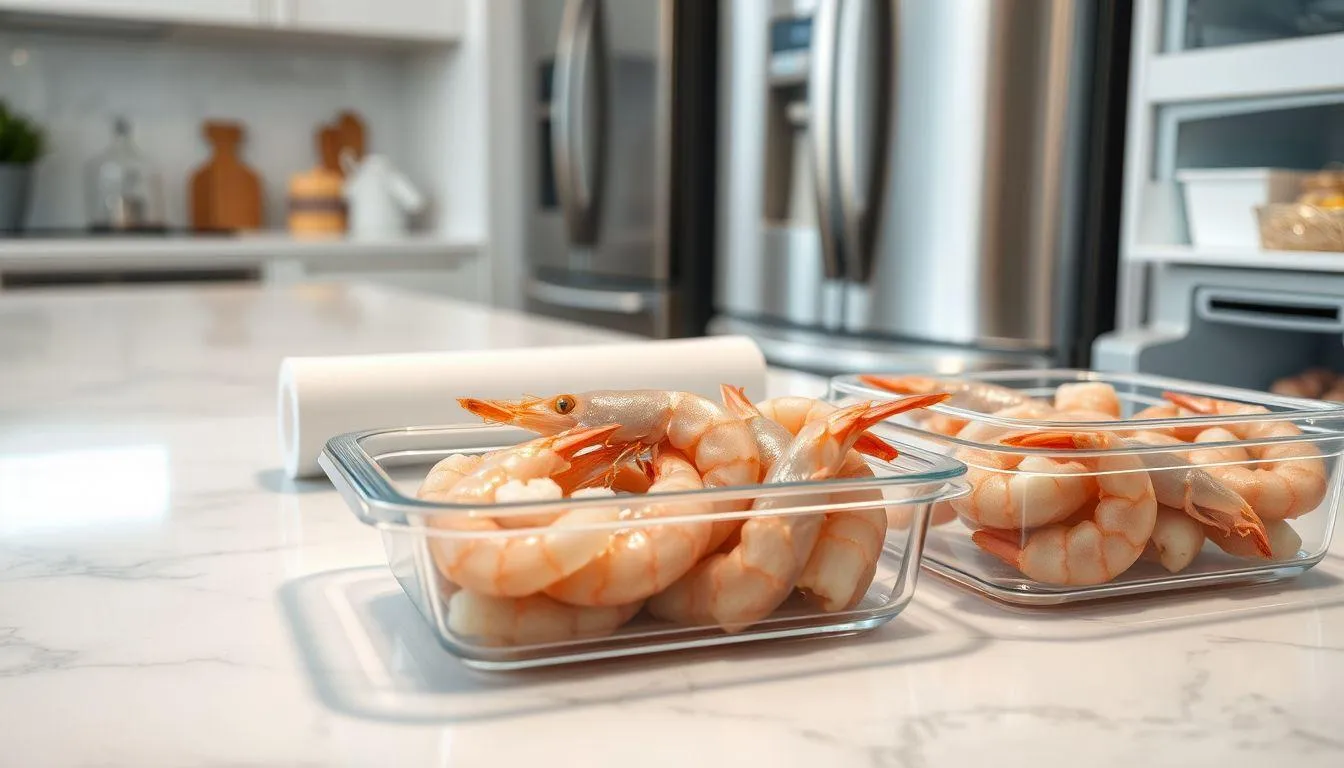
How to Store and Process Fresh Shrimp (c) Illustration AI
After successfully selecting fresh shrimp, the next step is to store and process it properly to maintain its quality. The right storage method will preserve the freshness of the shrimp and prevent early spoilage.
If the shrimp will be used within 1-2 days, store it in the coldest part of the refrigerator at a temperature of 0-4°C. Place the shrimp in an airtight container or wrap it in plastic wrap to prevent cross-contamination with other foods. Make sure the shrimp is not submerged in water as this can accelerate spoilage.
For long-term storage, freeze the shrimp in the freezer at a temperature of -18°C. Before freezing, clean the shrimp first and store it in an airtight container or zip lock bag. Frozen shrimp can last for 3-6 months while still maintaining good quality. Avoid thawing and refreezing shrimp as this can damage its texture and quality.
When preparing frozen shrimp, thaw it slowly in the refrigerator or by soaking it in cold water. Do not thaw shrimp with hot water or leave it at room temperature as it can cause bacterial growth and ruin the texture of the meat. After thawing, cook the shrimp immediately and do not store it back in its raw state.
To clean shrimp before cooking, remove the head by pulling it downwards so that the meat does not get pulled along. Peel the shell from the legs towards the back, and remove the black vein on the back of the shrimp using a toothpick or small knife. Rinse the shrimp under running water and dry before cooking for optimal results.
FAQ (Frequently Asked Questions) (c) Illustration AI
Fresh shrimp has clearer meat and a firmer texture compared to thawed frozen shrimp. Thawed frozen shrimp tends to have whiter meat and is slightly softer. Additionally, fresh shrimp has a stronger but fresh sea aroma, while thawed frozen shrimp has a more neutral smell.
Shrimp with detached heads can still be consumed if the body shows signs of freshness such as bright color, firm texture, and no foul smell. However, heads that detach easily can indicate that the shrimp is not very fresh, so it is best to cook it immediately and not store it for too long.
Fresh shrimp can last in a regular fridge at temperatures of 0-4°C for a maximum of 1-2 days. After that, the quality of the shrimp will decline and is at risk of rotting. For longer storage, it is best to freeze the shrimp in the freezer at a temperature of -18°C, which can maintain quality for up to 3-6 months.
Yes, a straight or stiff-shaped shrimp tends to indicate that the shrimp is no longer fresh or has undergone prolonged rigor mortis. Fresh shrimp usually has a slightly curved body shape naturally because its muscles are still elastic and have not yet become stiff.
Rotten shrimp usually has a dull color, brownish, or there are red and black spots on its skin and flesh. The head of rotten shrimp will be red or black, and its flesh appears very pale white or even yellowish. If you notice any abnormal color changes, it is best to avoid consuming that shrimp.
Shrimp with slimy shells should not be cooked because the slime is a sign that the shrimp has entered the rotting phase. The slime is formed due to the activity of bacteria and enzymes that break down the proteins in the shrimp meat. Consuming shrimp that is already slimy can cause digestive disturbances and food poisoning.
The basic principle of choosing fresh shrimp is the same for all types of shrimp, which is to pay attention to color, texture, aroma, and physical condition. The difference lies in the natural color of each type: fresh vannamei shrimp is grayish-white, while windu shrimp is dark greenish. However, all types of fresh shrimp should have bright colors, a firm texture, a fresh sea-like aroma, and should not smell rotten.
(kpl/fed)
Cobain For You Page (FYP) Yang kamu suka ada di sini,
lihat isinya
Ria Ricis and her daughter, Moana, are enjoying a happy moment during their year-end holiday abroad. They spent 8 hours on the plane, here's their excitement!
A complete guide on how to choose the right condom size for your needs. Learn how to measure the penis, determine the right size, and important tips for optimal condom performance.

Before everyone knew, it turns out Safa Marwah had received a DM from Lisa Mariana who claimed to be pregnant by Ridwan Kamil, here is her confession.

Annisa Dalimunthe Indonesia Fashion Runway, a stunning 6-year-old child singer who performed at the prestigious event.

Hotman Paris's nostalgic journey to Australia recalls the hard times of washing dishes by himself until he succeeded. Check out his story of struggle and inspiration here!

Recommendations for Chinese dramas with themes of young love featuring warm stories, full of struggle, and emotional bonds.

Many people are looking for something to watch to relieve stress. Of course, light and entertaining shows are very much needed in such situations. Recommendations for adult romantic Chinese dramas might be a good choice.

Ari Wibowo, an Indonesian actor, has just celebrated his 55th birthday, with a sweet surprise from his children. Check out the full information below!

A series of Chinese dramas that drain your emotions but still provide a warm and satisfying ending.

Raisa Marie is known to be a model who has ventured into acting. It's no surprise that this beautiful woman still possesses a supermodel aura when wearing any outfit.

Interested in watching Chinese dramas? If so, here are some exciting recommendations for Chinese dramas that kapanlagi.com has compiled from various sources.

The song Give Me Your Forever by Zack Tabudlo depicts a sincere love that wishes to last forever.
