Kapanlagi.com - Fish pindang is one of Indonesia's signature dishes known for its savory and fresh taste. Cooking fish pindang is not only easy but also provides a delightful flavor experience. With simple ingredients, you can serve a dish rich in taste and nutrition for your beloved family.
The process of cooking fish pindang involves boiling techniques that preserve the freshness of the fish and natural spices. A combination of spices like ginger, turmeric, and bay leaves gives an appetizing aroma. This dish is perfect to enjoy with warm rice and sambal.
In this article, we will share practical steps to cook delicious and fresh fish pindang. Prepare your ingredients, and let's start creating a special dish that the whole family will surely love!
1. Introducing Pindang Fish as a Traditional Archipelago Dish

Introducing Pindang Fish as a Traditional Archipelago Dish (credit:unsplash.com/id/@hpmanju)
Pindang fish is one of Indonesia's traditional dishes rich in flavor and aromatic spices. This soupy dish combines the freshness of fish with natural seasonings that create a blend of savory, sour, and spicy flavors that tantalize the taste buds.
The uniqueness of pindang lies in the use of spices such as turmeric, ginger, galangal, and aromatic leaves that give it a distinctive character. This dish is not only delicious but also healthy because it is rich in protein and antioxidants from natural spices.
The cooking method for pindang fish is actually quite simple and can be practiced at home with easily found ingredients. The cooking process does not require complicated techniques, making it suitable for beginners who want to try traditional soupy dishes from the Archipelago.
2. Understanding and Types of Fish Pindang

Understanding and Types of Fish Pindang (c) AI Illustration
Fish pindang is a method of processing fish by boiling or cooking it in a rich spice seasoning. This cooking technique has been passed down through generations and has become part of Indonesia's culinary heritage, especially in the regions of Java and Sumatra.
There are several types of fish pindang that are popular in Indonesia. Yellow spice pindang uses turmeric as the main ingredient, giving it a bright yellow color and distinctive flavor. Spicy sour pindang emphasizes the fresh taste of tamarind or starfruit combined with chili. Meanwhile, Jepara's characteristic serani pindang has a more complex spice profile with the addition of certain spices.
The types of fish used for pindang are very diverse, ranging from freshwater fish such as catfish, gouramy, and carp, to saltwater fish like skipjack, mackerel, snapper, and mackerel scad. The choice of fish type is adjusted according to taste and availability in each region. Fish with thick flesh tends to be preferred due to its firm texture and resistance to breaking apart during cooking.
Each region has its own variation of cooking fish pindang with distinctive characteristics. Palembang pindang is known for its thick and spice-rich broth, while Central Java pindang tends to be fresher with the addition of vegetables like pineapple and starfruit. This variation showcases Indonesia's culinary richness that deserves to be preserved.
3. Ingredients Needed to Cook Fish Pindang
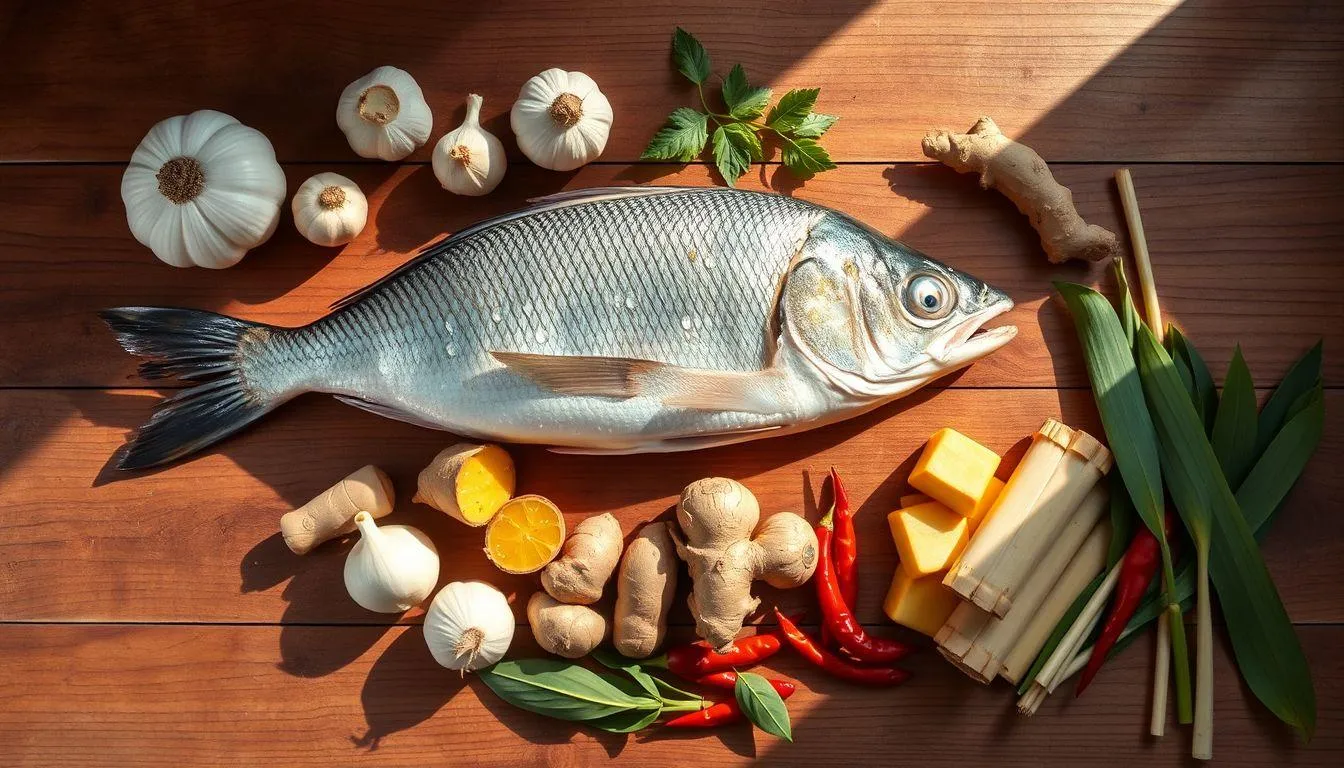
Ingredients Needed to Cook Fish Pindang (c) AI Illustration
Preparing the ingredients is an important step in how to cook perfect fish pindang. The main ingredient needed is fresh fish weighing about 300-700 grams, adjusted according to the desired portion size.
For the spice paste, prepare 5-8 shallots, 2-4 cloves of garlic, 2-3 cm of turmeric, 1-2 cm of ginger, 1-2 candlenuts, and red chilies to taste. These spices will be ground to create a strong and aromatic flavor base. The use of fresh turmeric is recommended over powder as it provides a more natural color and aroma.
Complementary spices that should not be missed include 1-2 stalks of lemongrass that are bruised, 1-2 cm of galangal, 1-2 bay leaves, 2-3 kaffir lime leaves, and basil leaves to taste. Fresh ingredients like starfruit, pineapple, or tomatoes provide a refreshing sour taste and help eliminate the fishy smell. Lime or calamondin juice is also important for soaking the fish before cooking.
Seasoning ingredients needed include salt, sugar, broth powder, and pepper. Whole bird's eye chilies can be added for a stronger spicy sensation. About 1-1.5 liters of clean water is needed to make the broth, with the amount adjustable according to the desired thickness of the broth.
4. Steps to Cook Fish Pindang
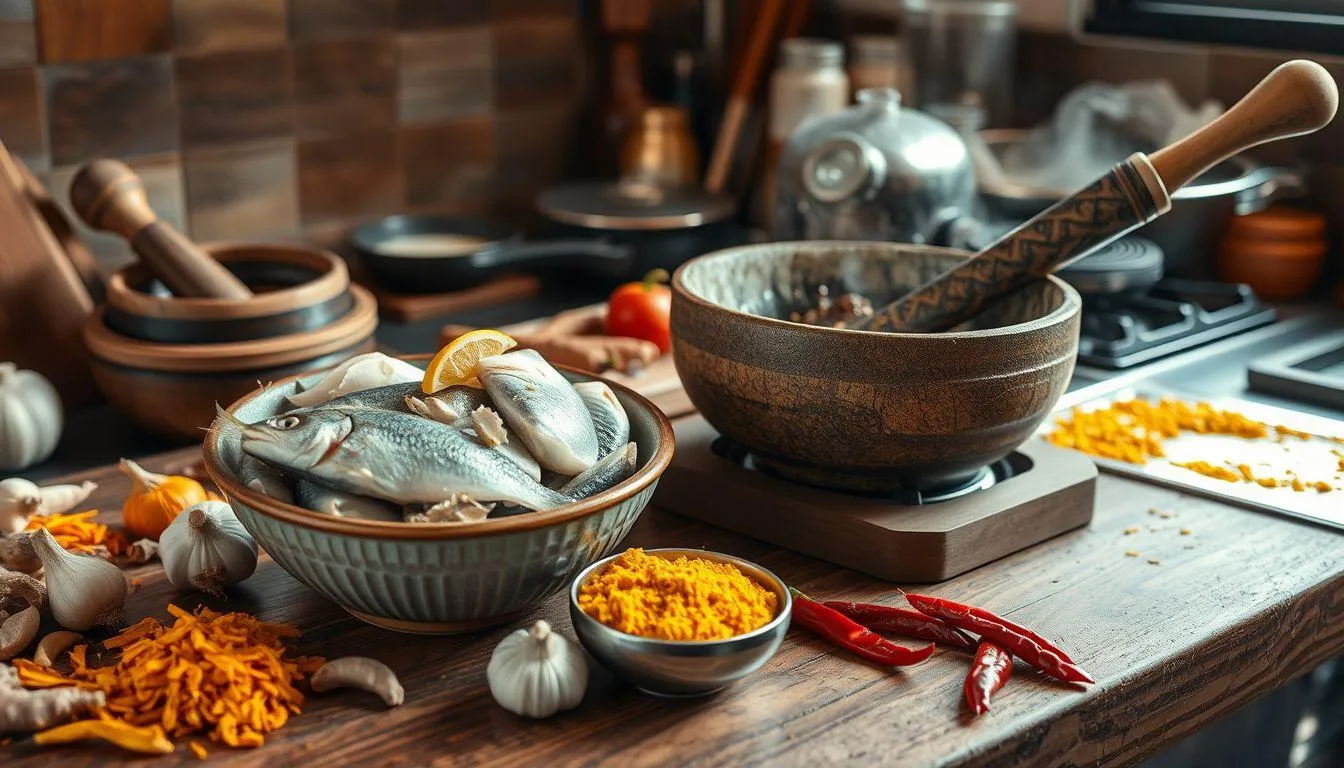
Steps to Cook Fish Pindang (c) AI Illustration
The process of cooking fish pindang begins with the proper preparation of the fish to produce a delicious and non-fishy dish.
- Cleaning and Preparing the Fish: Clean the fish by removing the scales, gutting, and gills under running water. Cut the fish into 3-4 pieces according to the desired size. Rub the fish with lime juice and salt, then let it sit for 15 minutes to allow the spices to penetrate and the fishy smell to dissipate.
- Grinding the Spices: Grind shallots, garlic, turmeric, ginger, candlenuts, and red chilies using a blender or mortar and pestle. Add a little water to make the grinding process easier and the spices smoother in texture.
- Sautéing the Ground Spices: Heat oil in a pan or pot over medium heat. Sauté the sliced shallots until fragrant and wilted. Add the ground spices that have been prepared, stirring continuously until the spices are cooked and release a fragrant aroma. This process is important to eliminate the raw taste of the spices.
- Adding Aromatic Herbs: After the ground spices are cooked, add lemongrass, galangal, bay leaves, and kaffir lime leaves. Sauté briefly until the aroma of the spices is released and mixed with the ground spices. This stage will provide a more complex layer of flavor to the pindang.
- Boiling with Water: Pour enough water into the pot, adjusting to the desired amount of broth. Let the water boil first to ensure the spices dissolve perfectly. Add salt, sugar, and powdered broth, then stir until evenly mixed.
- Adding Fish: After the broth boils and the spices are well mixed, carefully add the fish pieces one by one. Cook over medium heat so the fish cooks evenly without breaking apart. Avoid stirring too often as it can damage the fish flesh.
- Adding Complementary Ingredients: When the fish is half cooked, add tomatoes, whole bird's eye chilies, starfruit or pineapple, and sliced green onions. These ingredients provide freshness and balance of flavor to the pindang broth.
- Finishing Touch: Just before serving, add basil leaves and a squeeze of lime juice. Just stir briefly so that the basil leaves do not wilt too much and still provide a fresh aroma. Adjust the taste according to preference, then lift and serve warm.
5. Tips and Tricks for Perfectly Cooking Fish Pindang
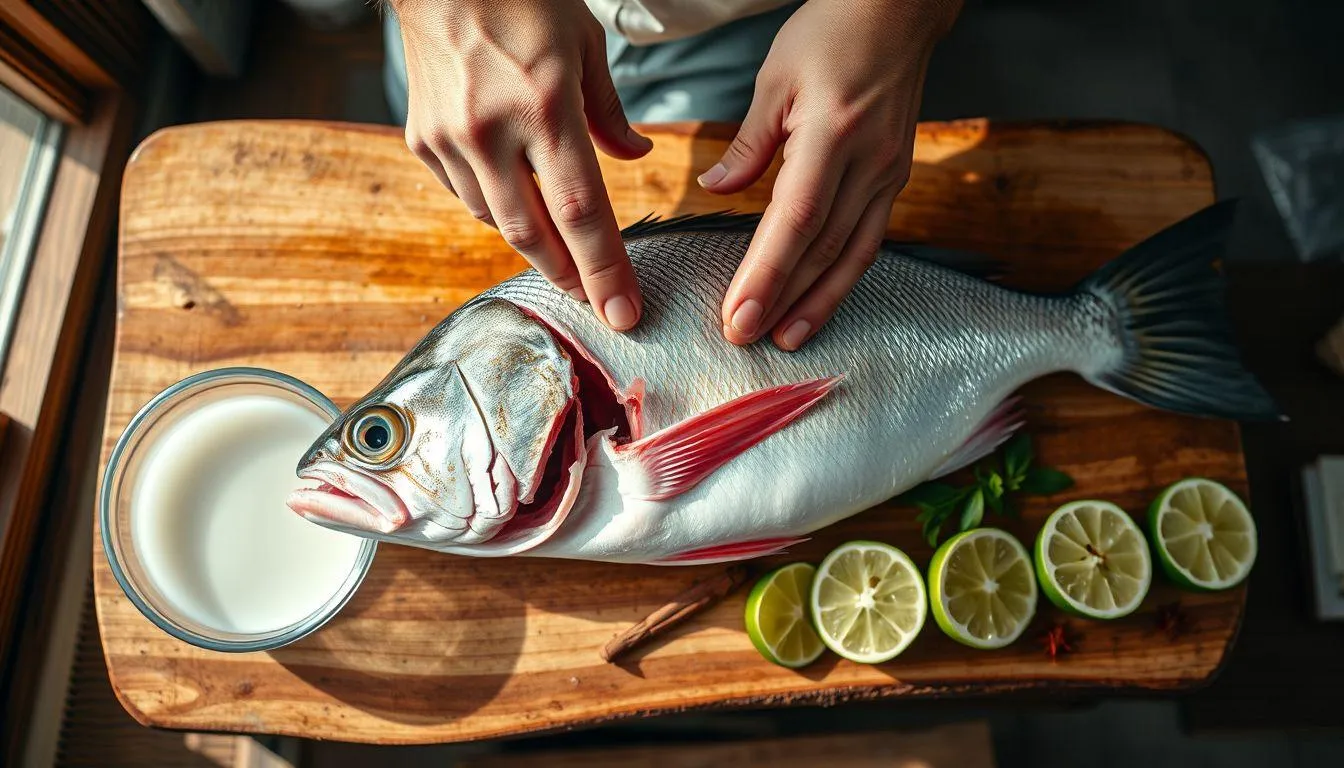
Tips and Tricks for Perfectly Cooking Fish Pindang (c) AI Illustration
The success of cooking fish pindang is greatly determined by several important factors that need to be considered. The selection of fresh fish is the main key to producing delicious and non-fishy pindang.
- Choosing the Right Fish: Choose fish that is still fresh, characterized by clear eyes, bright red gills, and firm flesh when pressed. Fresh fish will result in dense meat texture that does not easily crumble when cooked. Avoid fish that has a fishy smell or has a soft texture.
- Eliminating Fishy Smell: Soaking the fish in lime juice or vinegar for 15-30 minutes is very effective in eliminating the fishy smell. This process also helps to clean the slime on the fish's surface. After soaking, rinse the fish with clean water and drain.
- Sautéing Spices Until Cooked: Do not rush when sautéing the ground spices. Sauté until the spices are completely cooked and release oil so that the broth does not taste stale. Perfectly cooked spices will provide a fragrant aroma and a richer flavor to the pindang.
- Regulating the Heat Properly: Use medium heat when cooking the fish so that the spices are absorbed perfectly without breaking the fish. Too high a heat will cause the fish to break apart quickly, while too low a heat will make the cooking process too long and the fish will become too soft.
- Adding Fresh Ingredients: The use of pineapple, starfruit, or tomatoes not only adds a fresh sour taste but also helps to tenderize the fish meat and balance the savory flavor of the spices. Add these ingredients when the fish is half-cooked.
- Keeping the Freshness of Basil Leaves: Add the basil leaves at the end of the cooking process and turn off the heat immediately. Basil leaves that are cooked too long will wilt and lose their fresh aroma. Just stir once to mix the basil with the broth.
- Avoiding Too Much Stirring: After the fish is added to the broth, avoid stirring too often. Just gently shake the pot occasionally to distribute the spices evenly. Excessive stirring can break the fish meat and make the appearance of the pindang less appealing.
6. Variations of Fish Pindang Recipes for Different Tastes
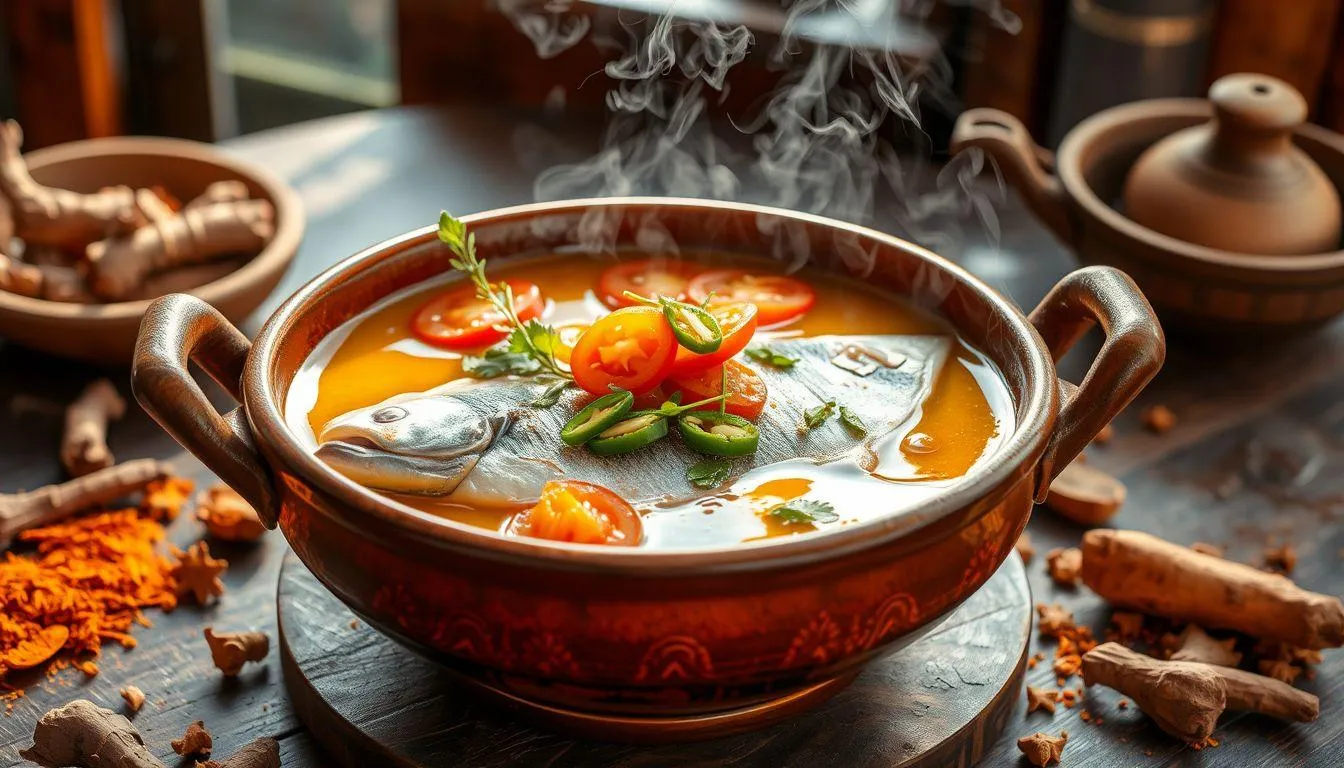
Variations of Fish Pindang Recipes for Different Tastes (c) AI Illustration
Fish pindang has many variations that can be tailored to taste preferences and the types of fish available. Each variation has unique characteristics that make it special.
Yellow Spiced Fish Pindang is the most popular variation, characterized by its bright yellow color from turmeric. The cooking method for yellow spiced fish pindang emphasizes the use of fresh turmeric blended with other spices. This yellow broth is not only visually appealing but also rich in health benefits from the curcumin found in turmeric. Gourami, catfish, or snapper are very suitable for this variation.
Sour Spicy Pindang highlights a fresh and strong spicy flavor. This variation uses more chili and tamarind or starfruit to create a fresh and tangy broth. Sea fish such as mackerel, skipjack, or yellowtail are very suitable for sour spicy pindang because their firm flesh can absorb the spices well. The addition of whole tomatoes and bird's eye chilies provides a more intense spicy sensation.
Palembang Patin Soup is characterized by a thicker broth rich in spices. The use of pineapple as a refreshing ingredient sets it apart from other variations. Pineapple not only adds a unique sweet and sour flavor but also helps to tenderize the thick texture of the patin fish meat. This dish is usually served with shrimp paste sambal and warm rice.
Sliced Spiced Tuna uses a slightly different technique with spices sliced thinly, rather than ground. The tuna is fried first until cooked, then cooked with sliced spices and coconut milk. This variation results in a drier texture with a richer flavor from the coconut milk. Petai is often added to provide a distinctive aroma that many people enjoy.
7. Health Benefits and Nutritional Value of Fish Pindang
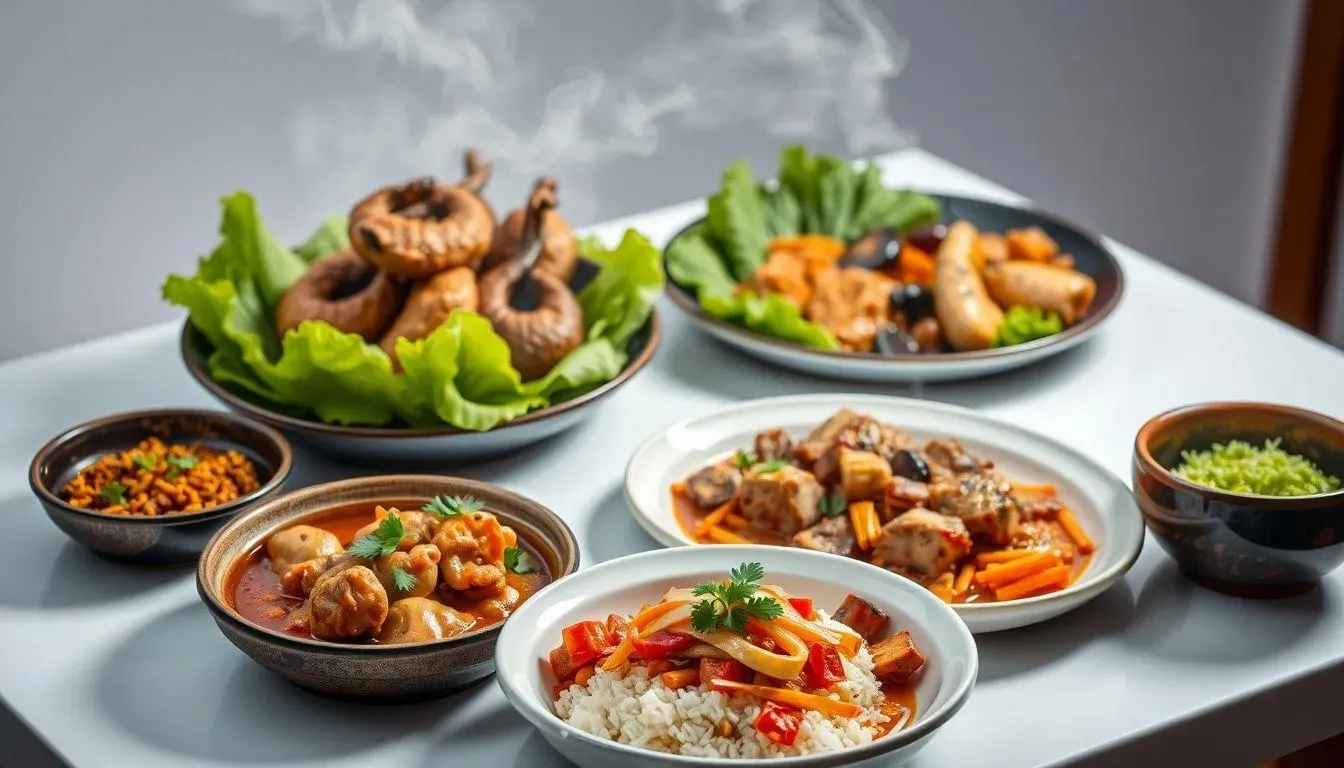
Health Benefits and Nutritional Value of Fish Pindang (c) AI Illustration
Fish pindang is not only delicious but also holds various health benefits that are good for the body. The nutritional content in this dish makes it a healthy menu choice for families.
Fish as the main ingredient is a source of high-quality animal protein that is easily digestible. The protein in fish contains essential amino acids necessary for the growth and repair of body cells. Sea fish such as skipjack and mackerel are also rich in omega-3, which is good for heart health and brain development. Cooking fish pindang by boiling or steaming is healthier compared to frying as it does not add saturated fat.
The spices used in pindang have various health benefits. Turmeric contains curcumin, which has anti-inflammatory and strong antioxidant properties, helping to fight free radicals in the body. Ginger aids digestion and reduces nausea, while galangal has antibacterial properties that are good for the immune system. Garlic and shallots contain allicin compounds that can help lower blood pressure and cholesterol.
Aromatic leaves such as bay leaves, lime leaves, and basil also contribute nutrients. Bay leaves contain vitamins A and C, which are good for eye and skin health. Basil leaves are rich in antioxidants and have anti-inflammatory properties. The use of these natural ingredients makes fish pindang a dish that is not only delicious but also healthy.
The calorie content in fish pindang is relatively low, especially if coconut milk is not used. This makes it a good choice for a healthy diet program. The spice-rich broth of pindang also helps boost the body’s metabolism. With the right portion, fish pindang can be part of a balanced diet that supports optimal health.
8. FAQ (Frequently Asked Questions)
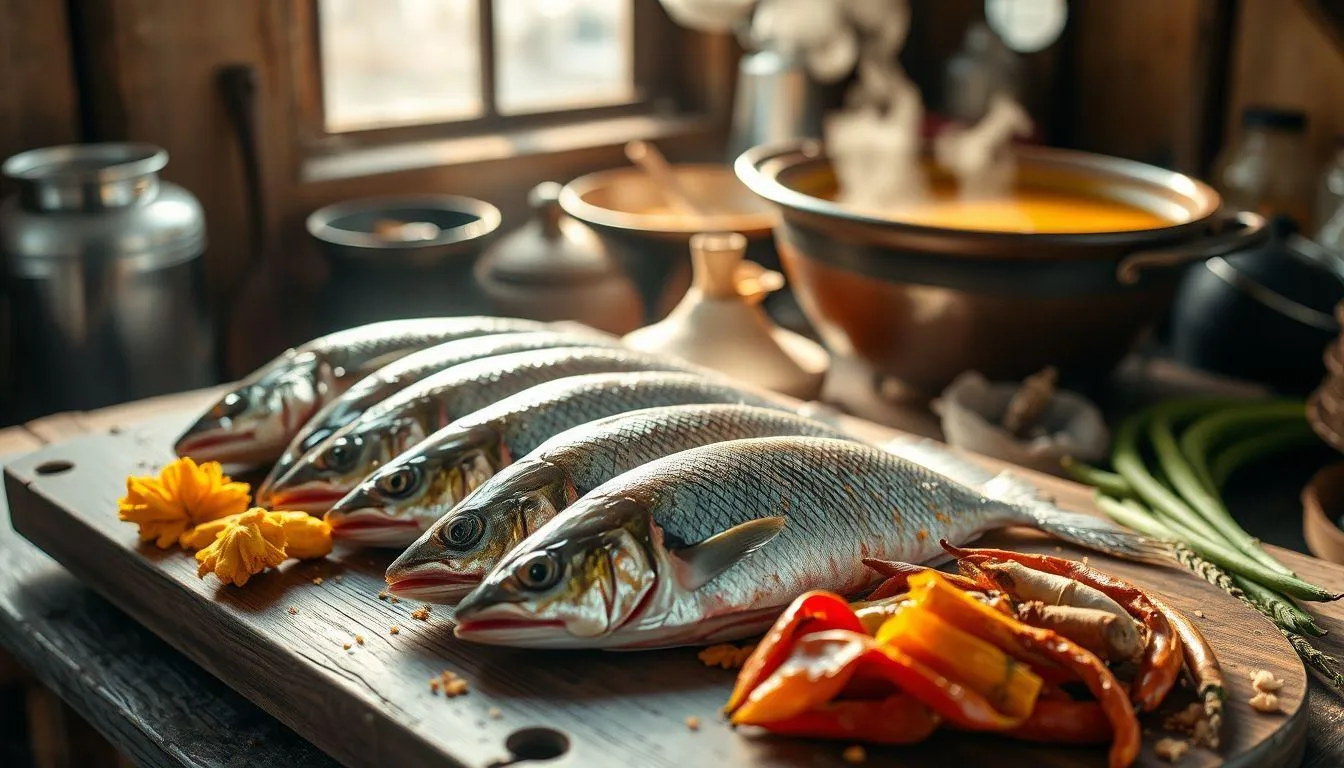
FAQ (Frequently Asked Questions) (c) AI Illustration
1.How long does it take to cook fish pindang?
The cooking time for fish pindang generally ranges from 30-45 minutes, depending on the type and size of the fish used. Small or medium-sized fish will cook faster compared to large fish. The process of preparing the spices takes about 15-20 minutes, so the total time from start to serving is around 45-60 minutes.
2.What types of fish are suitable for making pindang?
Various types of fish can be used to make pindang, both freshwater and saltwater fish. Popular freshwater fish include catfish, gourami, carp, and tilapia. For saltwater fish, good options are skipjack, mackerel, snapper, mackerel scad, and sweetlip. Choose fish with thick flesh so it doesn't break easily during cooking and can absorb the spices well.
3. How to eliminate the fishy smell from fish before cooking?
The most effective way to remove the fishy smell is by soaking the fish in lime juice or vinegar for 15-30 minutes. Add a little salt while soaking for better results. After soaking, rinse the fish with clean water and drain it. The use of ginger and turmeric in the spices also helps reduce the fishy smell during the cooking process.
4. Can fish pindang be stored and how long is its shelf life?
Fish pindang can be stored in a closed container in the refrigerator for 2-3 days. Make sure the pindang is cool before putting it in the refrigerator to maintain its quality. When ready to consume again, heat it on low until boiling. For longer storage, pindang can be frozen for up to 1 month, although the texture of the fish may change slightly after thawing.
5. Why does fish break apart when cooked into pindang?
Fish breaking apart is usually caused by several factors such as using fish that is not fresh, too high heat, or stirring too often. To prevent this, use fresh fish with firm flesh, cook over medium heat, and avoid stirring too frequently. Just shake the pot occasionally to evenly distribute the spices without damaging the texture of the fish.
6. Does fish pindang have to use coconut milk?
Not all fish pindang uses coconut milk. Yellow spiced pindang and sour spicy pindang generally do not use coconut milk, making them lighter and fresher. Coconut milk is usually used in certain variations such as spicy tuna pindang to provide a richer savory flavor. The choice of using coconut milk or not depends on personal taste and the type of pindang one wants to make.
7. What makes the fish pindang broth taste fresh?
The freshness of the pindang broth comes from a combination of natural sour ingredients such as starfruit, pineapple, tomatoes, or tamarind water. The use of basil leaves added at the end of the cooking process also gives a distinctive fresh aroma. Squeezing lime or calamondin juice added just before serving will enhance the freshness of the broth. Spices like lemongrass and kaffir lime leaves also contribute to the appetizing fresh aroma.
Come on, read articles about guides and other interesting tips on Kapanlagi.com. If not now, when?
(kpl/vna)
Disclaimer: This translation from Bahasa Indonesia to English has been generated by Artificial Intelligence.


 Follow
 Rekomendasi