

 Follow
 Rekomendasi
Feeling Overwhelmed by a Full Closet? Here's How to Choose What to Keep, Toss, or Donate
Closet full but confused about what to wear? Let's follow this practical guide to sort clothes to keep, throw away, or donate.
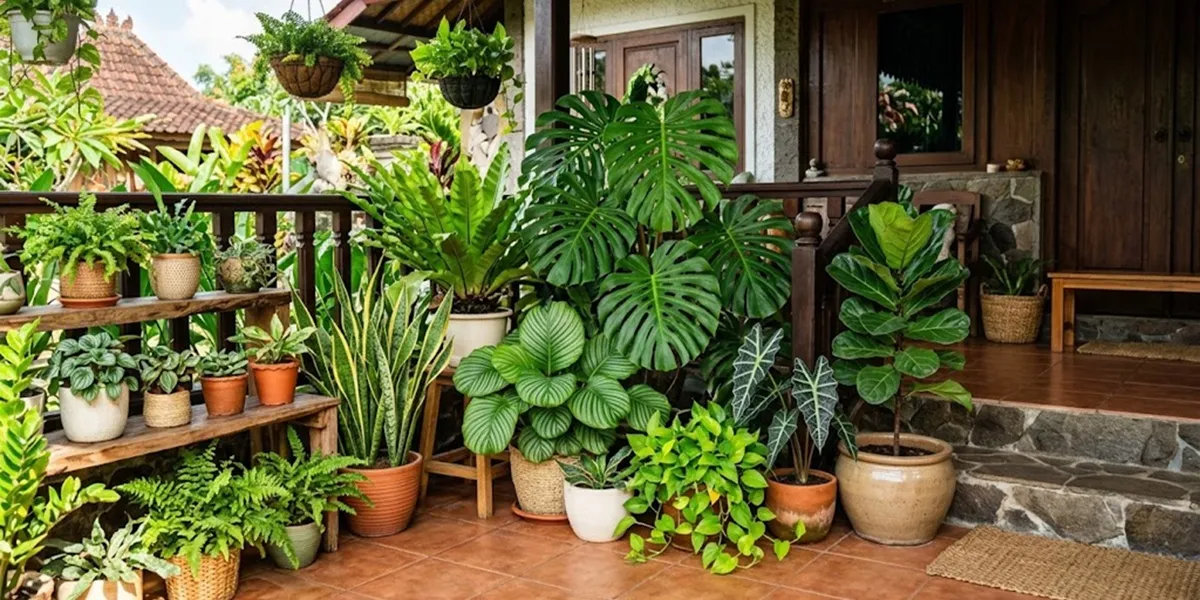
Kapanlagi.com - Ornamental plants that grow lush certainly make the atmosphere of the house feel fresher and more pleasant. However, caring for them is not just about watering every day or occasionally providing fertilizer. The condition of the leaves, the growth of buds, the color of the plants, and the strength of their roots are all greatly influenced by how we meet their basic needs accurately and consistently.
For those of you who still often find yellowing leaves, slow growth, or plants that look wilted even though they have been regularly cared for, some simple habits may need to be corrected. By understanding the needs for light, water, growing media, nutrients, and air circulation, the way to make ornamental plants grow lush can be done with more directed steps without always having to use complicated care.
Light is one of the important factors that determine the growth of ornamental plants because plants use it for photosynthesis. Without sufficient lighting, plants may grow slower, produce smaller leaves, or undergo changes in shape as they try to seek out light sources. Therefore, place the plants in areas that match their light requirements.
Each plant has different light needs, so the best position is not always directly under sunlight. Plants like monstera, pothos, and aglaonema generally prefer bright but indirect light, while some types of succulents and flowering plants may require more intense sunlight.
Also, pay attention to changes in the condition of the plants after being moved to certain locations. Pale leaves and elongated growth can be signs that the plant is lacking light, while brown spots on the leaves may appear when the plant receives sudden exposure to too strong sunlight. Position adjustments should be made gradually so that the plants do not experience stress.
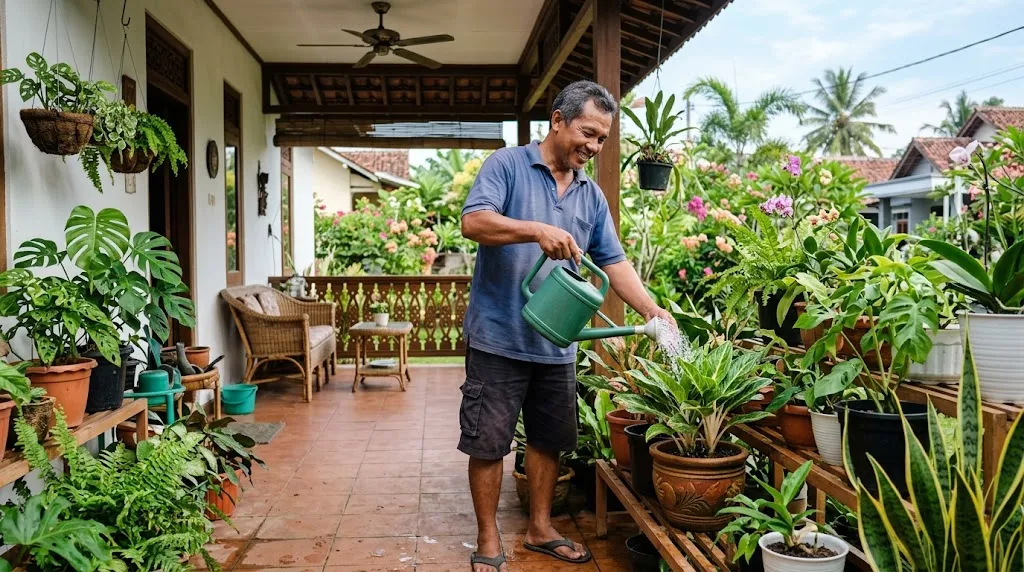
Watering plants (AI Generated)
Watering plants is indeed important, but too much water can actually cause problems for the roots. Constantly wet media can reduce the air space around the roots, making it difficult for the roots to obtain the oxygen needed to stay healthy. Therefore, watering should be done based on the condition of the media, not just according to a daily schedule.
Before watering, first check the top part of the media by touching it with your finger or observing its moisture level. If the top layer still feels wet, watering can be postponed until the media starts to dry out according to the plant's needs. This method helps reduce the risk of overwatering, especially during the rainy season or when placed in a room with minimal evaporation.
The type of plant, pot size, pot material, and environmental conditions also affect the frequency of watering. Plants in small pots in hot areas can lose water more quickly than plants in large pots in cool rooms. By paying attention to these conditions, you can determine the amount and timing of watering more accurately so that the roots receive water without being too wet.
Growing media serves as a place for roots to obtain water, air, and nutrients, so its quality greatly affects the health of the plants. Media that is too dense can make it difficult for water to flow and cause roots to be in overly moist conditions, while media that dries too quickly can also make it hard for plants to obtain enough water.
For many ornamental plants, porous growing media can help create a balance between moisture and air circulation. A mixture of soil with materials such as burnt husk, cocopeat, compost, or lightweight structured materials can be chosen according to the type of plant and environmental conditions. This composition does not have to be the same for all plants because each type has different root needs.
In addition to choosing the right materials, the condition of the media also needs to be checked periodically. Media that has hardened, decreased in volume, or started to smell unpleasant can be signs that it is time for repair or replacement. Healthy media will help roots develop better, providing plants with a strong foundation for producing new growth.
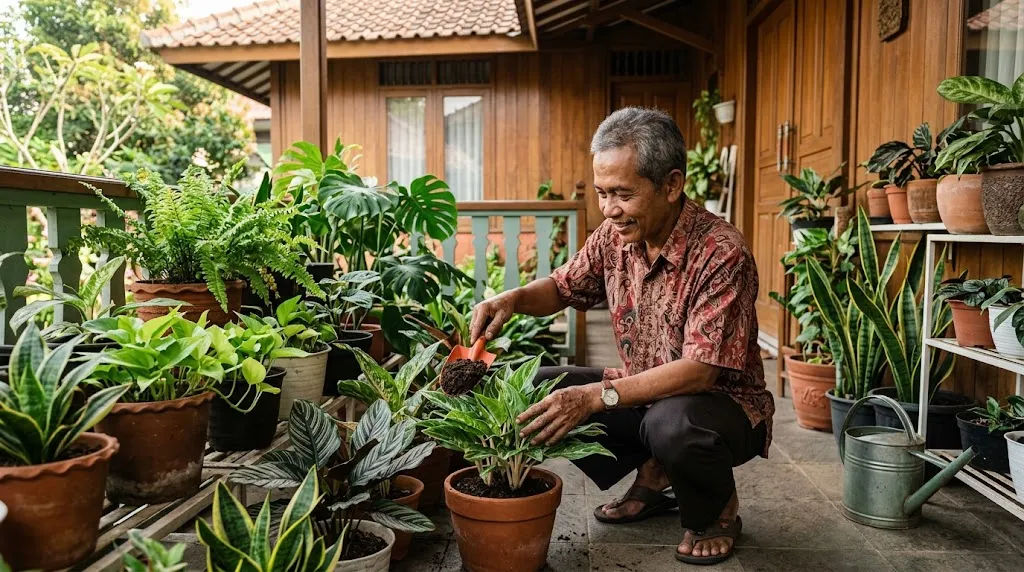
Fertilizer Application (AI Generated)
Ornamental plants require nutrients to support the growth of leaves, roots, stems, and flowers. Although some nutrients can be obtained from the growing medium, potted plants usually need additional nutrients periodically because the amount of medium and nutrients within it is limited. Providing the right fertilizer can help maintain plant growth in optimal conditions.
However, giving as much fertilizer as possible does not mean that plants will grow faster. Excessive doses can increase the concentration of salts in the medium and potentially harm the roots. Therefore, use fertilizers according to the type of plant, growth conditions, and the instructions on the packaging, and then observe the plant's response after providing nutrition.
The timing of fertilizer application also needs to be considered so that it is not done haphazardly. Plants that are experiencing serious problems, such as damaged roots or very wilted conditions, do not always require immediate additional fertilizer. In such cases, improving the conditions of the medium, water, and light first is usually more important before gradually providing the necessary nutrients again.
Broad-leaved ornamental plants often become a place for dust to accumulate, especially if the plants are indoors or near areas with a lot of activity. The layer of dust that settles can reduce the cleanliness of the leaf surface and make the plants look dull. Regularly cleaning the leaves can be a simple part of care that helps the plants remain looking healthy and well-maintained.
Use a soft cloth that is slightly dampened with water to gently clean the surface of the leaves. Avoid rubbing too hard as some types of plants have sensitive leaf surfaces that can easily get damaged. For plants with small leaves or a large number of leaves, cleaning with a light spray of water can also be done while considering the needs of the plants.
The habit of cleaning leaves also helps you more easily spot signs of problems early on. While cleaning, pay attention to whether there are spots, color changes, small insects, or damaged parts of the leaves. Simple checks like this allow you to take action more quickly before issues spread to other parts of the plant.
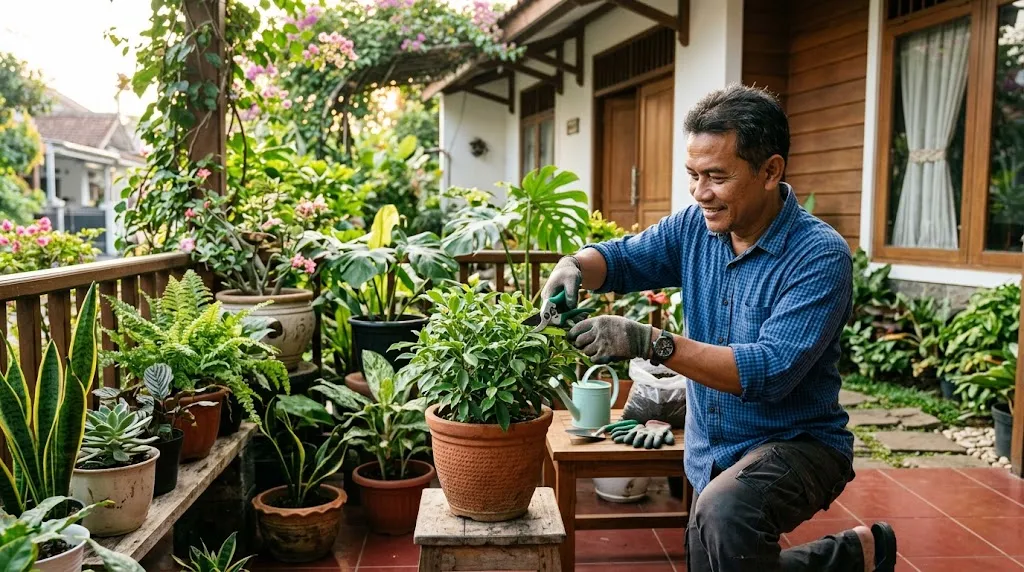
Plant Pruning (AI Generated)
Pruning is not only aimed at making ornamental plants look tidy, but it can also help reduce parts that are already damaged or no longer productive. Yellowing, dry, or severely damaged leaves can be pruned so that the plant does not continue to maintain parts that are in decline. This step also makes the appearance of the plant cleaner.
Use clean, sharp scissors when pruning to ensure a neater cut and to avoid excessive damage to the stem or leaves. Avoid pruning too many parts at once, especially on weak plants. Pruning should be done selectively, considering which parts truly need to be removed.
In some plants, proper pruning can support the emergence of new growth and make the shape of the plant more compact. However, each type of plant has different growth characteristics, so the pruning method should also be adjusted accordingly. With careful maintenance, pruning can be an important step in keeping plants healthy and attractive.
Air circulation is often overlooked when caring for indoor ornamental plants. However, well-moving air can help prevent the environment around the plants from becoming too stuffy and humid. This condition is especially important for plants that are placed close together in large numbers or in rooms with limited ventilation.
Plants should not be placed too closely together to the point where their leaves are touching without space. Provide enough distance so that air can move between the plants and the leaf surfaces do not remain constantly damp. A more spaced arrangement also makes it easier for you to routinely observe the condition of each plant.
Although circulation is necessary, plants still need to be protected from strong, continuous drafts. Fans or air conditioners that directly blow air onto the plants can cause humidity to change rapidly and make some plants uncomfortable. Position the plants in a place that receives a gentle and stable airflow.
Plant care will be easier when inspections are conducted regularly, not just when the plants show severe conditions. Take a few minutes to observe the color of the leaves, the condition of the stems, the surface of the media, and the development of new buds so that small changes can be noticed promptly. This habit also helps you understand the growth patterns of the plants over time.
Check the underside of the leaves as some pests often hide in areas that are not easily seen. Aphids, whiteflies, or mites can cause discoloration, spots, curling leaves, or slow plant growth. The sooner these signs are detected, the greater the chance of addressing the problem before it affects other parts of the plant.
In addition to pests, also pay attention to changes that may be caused by water, light, or growing media. Yellowing leaves do not always mean that the plant is lacking fertilizer, as this condition can also relate to overwatering, inappropriate lighting, or root issues. With regular inspections, you can identify the cause first before providing additional care indiscriminately.
There is no one-size-fits-all schedule for all plants because the frequency of watering is influenced by the type of plant, pot size, growing medium, temperature, and environmental humidity. Check the condition of the medium before watering to avoid overwatering the plants.
Not always, as the light requirements of each plant vary. Some plants are better suited for bright, indirect light, while certain types require direct sunlight exposure for some time.
Yellowing leaves can be caused by various factors, such as overwatering, lack of light, leaf age, root problems, or nutrient imbalance. The overall condition of the plant needs to be checked before determining the cause.
Fertilizers should be applied according to the needs of the plant and the usage instructions of the products used. Avoid over-fertilizing as excessively high doses can disrupt root health.
A plant that is lacking light may show slow growth, elongated stems, or smaller and paler leaves. Gradually moving it to a location with more appropriate lighting can help improve its condition.
(kpl/ank)
Cobain For You Page (FYP) Yang kamu suka ada di sini,
lihat isinya
Closet full but confused about what to wear? Let's follow this practical guide to sort clothes to keep, throw away, or donate.

Discover captivating recommendations for Japanese movies featuring thrilling train themes and heartwarming summer journeys, ready to accompany your leisure time.

There are zodiac signs that don't easily experience FOMO and are not quick to follow others. Check out the 7 zodiac signs that remain relaxed even when trends are buzzing around them.

Protect your chili plants from dangerous pests such as aphids, caterpillars, and fruit flies. Recognize the symptoms and apply integrated control strategies to ensure a bountiful harvest.

Not all foods are suitable for freezing. Some ingredients can actually ruin their texture and taste after being frozen, and may even pose health risks. Let's take a look at the complete list!

Often appearing perfect, these films actually reveal the conflicts, secrets, and deep issues hidden within marriage. Peek into the bitter reality of relationships that make you reflect!

Seven Korean movies with culinary themes and restaurants featuring dishes that make you hungry at midnight.

Explore recommendations for touching earthquake and tsunami themed movies, full of struggles, hope, and human resilience in the midst of natural destruction.

Have you ever imagined having to work together again with an ex-lover? This series of films and dramas presents hilarious to touching stories about such unexpected situations.

These recommendations for Indian movies with military and patriotism themes are perfect to watch when you want to feel the fighting spirit and love for the homeland.
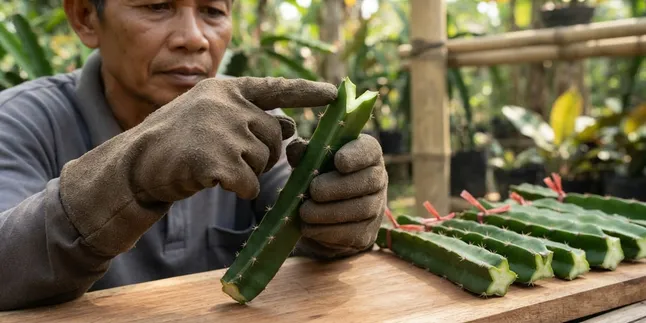
Want to cultivate dragon fruit at home? Check out this step-by-step guide on how to plant dragon fruit from cuttings that is easy, simple, and effective for quick and lush growth.

Discover a collection of 15 recommendations for meaningful road trip themed movies, ranging from stories of personal transformation, adventures in nature, to family reconciliation.
