

 Follow
 Rekomendasi
How to Plant Lemongrass in Your Yard, Easy for Beginners
Discover an easy guide to planting lemongrass in your yard, from selecting seeds to optimal care for healthy and aromatic lemongrass.
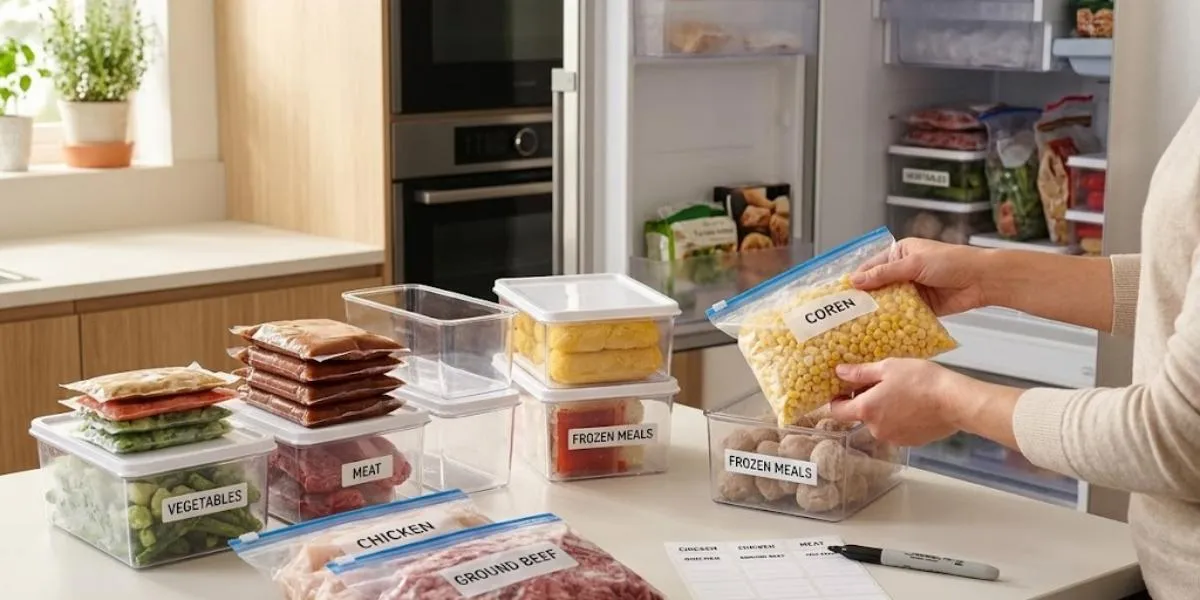
Kapanlagi.com - The freezer is indeed a reliable way to extend the shelf life of various food ingredients. However, not all foods are suitable for freezing, so it is important to know which foods should not be stored in the freezer to maintain the quality of the ingredients.
Very low temperatures can help slow down the growth of microorganisms and maintain food safety. However, the freezing and thawing process can change the water content, cell structure, texture, and even the appearance of certain foods.
Therefore, the habit of putting all food ingredients in the freezer is not always the best choice. Some foods may become mushy, watery, cracked, or change in taste after being thawed. Here are several foods that should not be immediately placed in the freezer, Wednesday (19/8/2026).
foods that should not be stored in the freezer (AI generated)
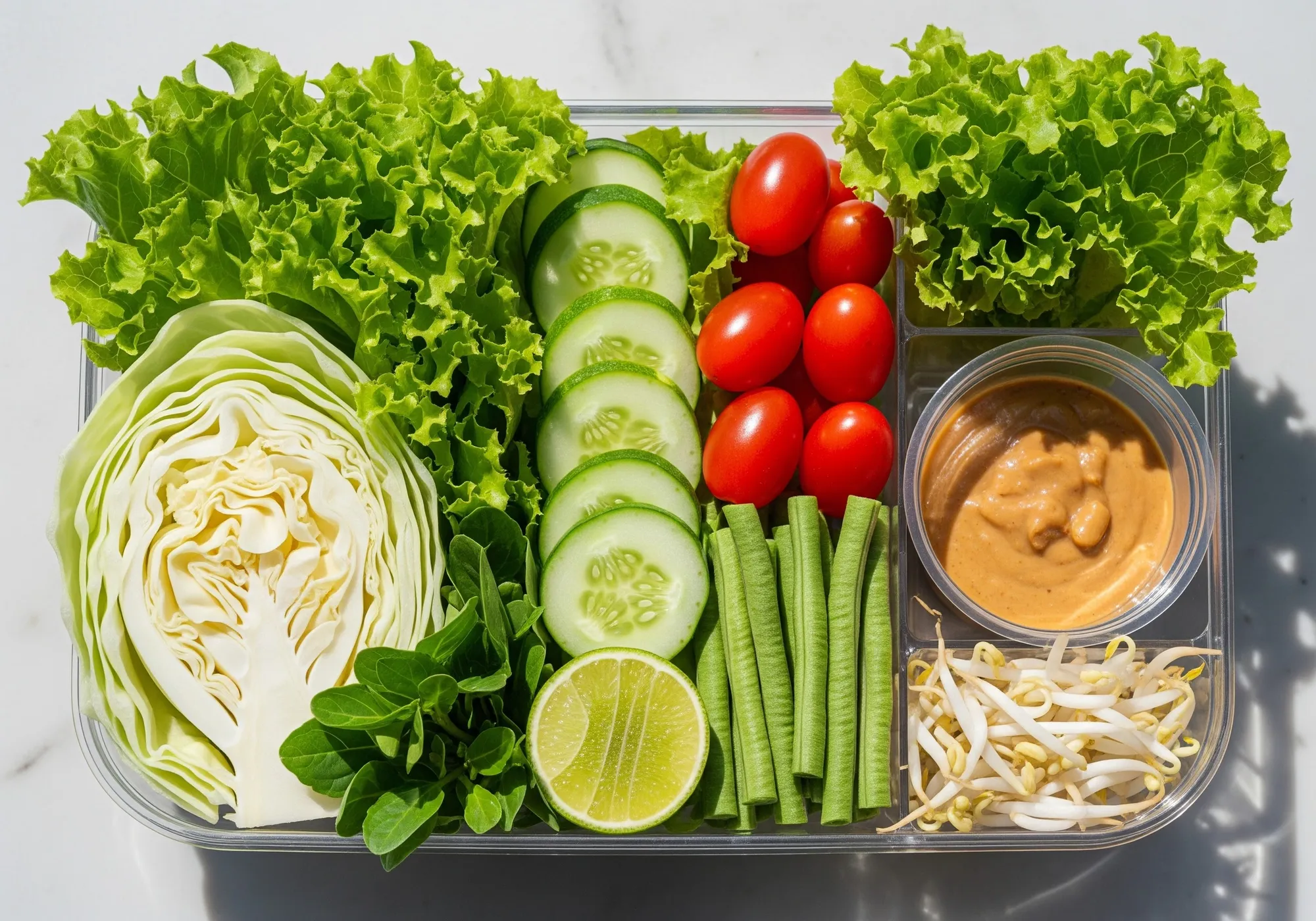
Lettuce, cucumbers, celery, and some leafy greens have a high water content. When frozen, the water inside the plant cells turns into ice crystals that can damage the cell structure. Once thawed, these vegetables tend to become limp, mushy, watery, and even slimy.
Better Homes & Gardens explains that vegetables with high water content, including lettuce and cucumbers, are not suitable for freezing if you want to use them later in a fresh condition. Therefore, these ingredients are better stored in the refrigerator's vegetable drawer and used within a relatively short time.
However, there are exceptions. Leafy greens whose texture does not need to be preserved, for instance for soups or smoothies, can still be frozen. People also note that green vegetables like spinach and kale can be used after freezing if they are going to be processed into dishes or drinks that do not require fresh texture.
Raw potatoes are also among the foods that are less suitable for being placed directly in the freezer. The water content and cell structure cause potatoes to become mushy, watery, or feel like flour after thawing.
Southern Living explains that the cell walls of raw potatoes can be damaged during the freezing process. As a result, the quality of the potatoes decreases, and the final outcome is less pleasant when cooked.
If you want to store potatoes in the freezer, it is best to cook or briefly boil them first. Potato Goodness also mentions that cooked potatoes are more suitable for freezing compared to raw potatoes. Meanwhile, raw potatoes should be stored in a cool, dry, dark place with good air circulation.
In addition to cucumbers, certain fruits and vegetables like tomatoes and whole avocados can also undergo significant texture changes after being frozen.
People explains that raw tomatoes can become soft and watery after thawing. This condition makes them less suitable for reuse as salad ingredients or fresh dishes. However, frozen tomatoes can still be used for soups, sauces, or other dishes that do not require the texture of fresh tomatoes.
Whole avocados also tend to change color to brown and their texture becomes mushy. If you want to freeze avocados, it is better to cut or mash them first, then store them in an airtight container. Adding a little lemon or lime juice can help maintain their quality.
foods that should not be stored in the freezer (AI generated)
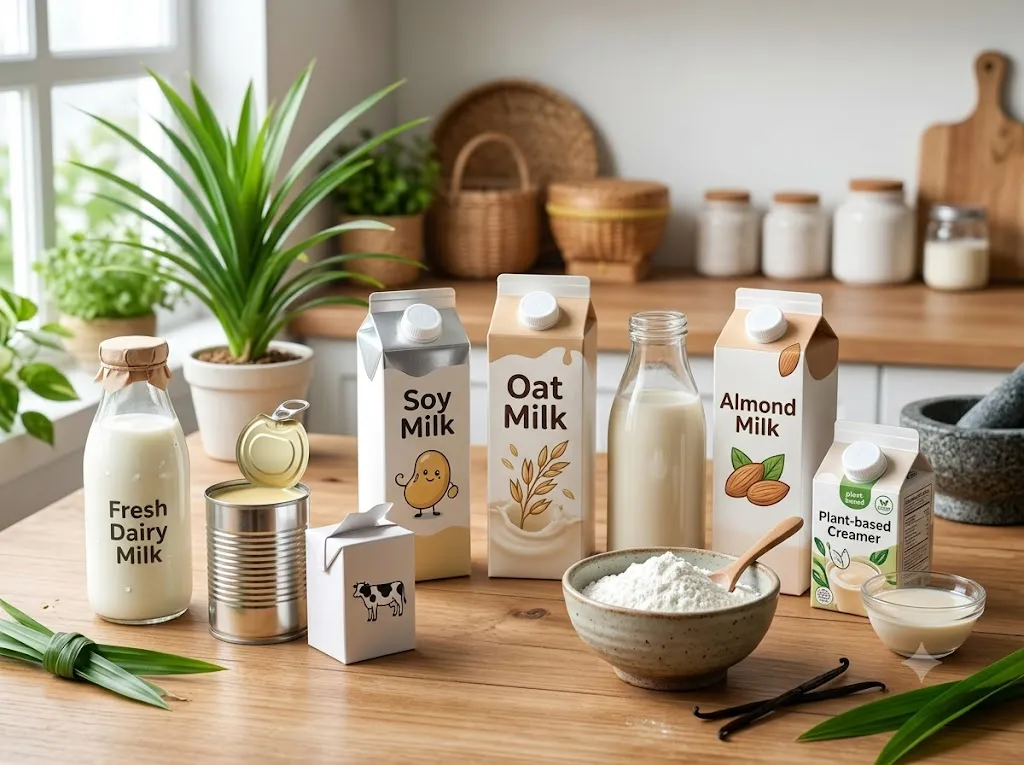
Dairy products are another group of foods to consider before putting them in the freezer. Milk, yogurt, sour cream, buttermilk, and dairy products with certain consistencies can experience separation after being frozen and thawed.
According to Southern Living, this process can cause dairy products to have a watery, grainy, or clumpy texture. A similar condition can occur with cream-based soups and sauces.
Yogurt can technically still be consumed after thawing, but its texture may change. People, citing Healthline, mention that yogurt can become more watery and grainy after freezing. Therefore, yogurt that is intended to be frozen is better suited for smoothies or other preparations rather than being eaten directly with its original texture.
Soft cheeses such as fresh mozzarella, brie, ricotta, cream cheese, and goat cheese are also not ideal choices for the freezer. Its relatively high water content makes the cheese structure prone to change during the freezing process.
Southern Living notes that soft cheeses can become grainy or experience separation when thawed. People also refer to cream cheese, ricotta, and goat cheese as types of cheese that tend to undergo texture changes.
In contrast, harder cheeses like cheddar and Parmesan are relatively more resistant to freezing. Parmesan can even be frozen in grated form for later use. However, the texture of some cheeses may still become more brittle after being frozen.
Mayonnaise is an example of an emulsion-based food that does not perform well after freezing. When thawed, the components in the emulsion can separate, resulting in a watery and less appealing texture.
The same applies to egg salad, chicken salad, tuna salad, potato salad, and macaroni salad that use mayonnaise as one of the main ingredients. Both Southern Living and People highlight the issue of texture separation in mayonnaise-based foods.
If you want to prepare food for stock, a better approach is to freeze the main ingredients separately. For example, cooked chicken can be frozen beforehand, while mayonnaise is only mixed in when the dish is to be served.
foods that should not be stored in the freezer (AI generated)
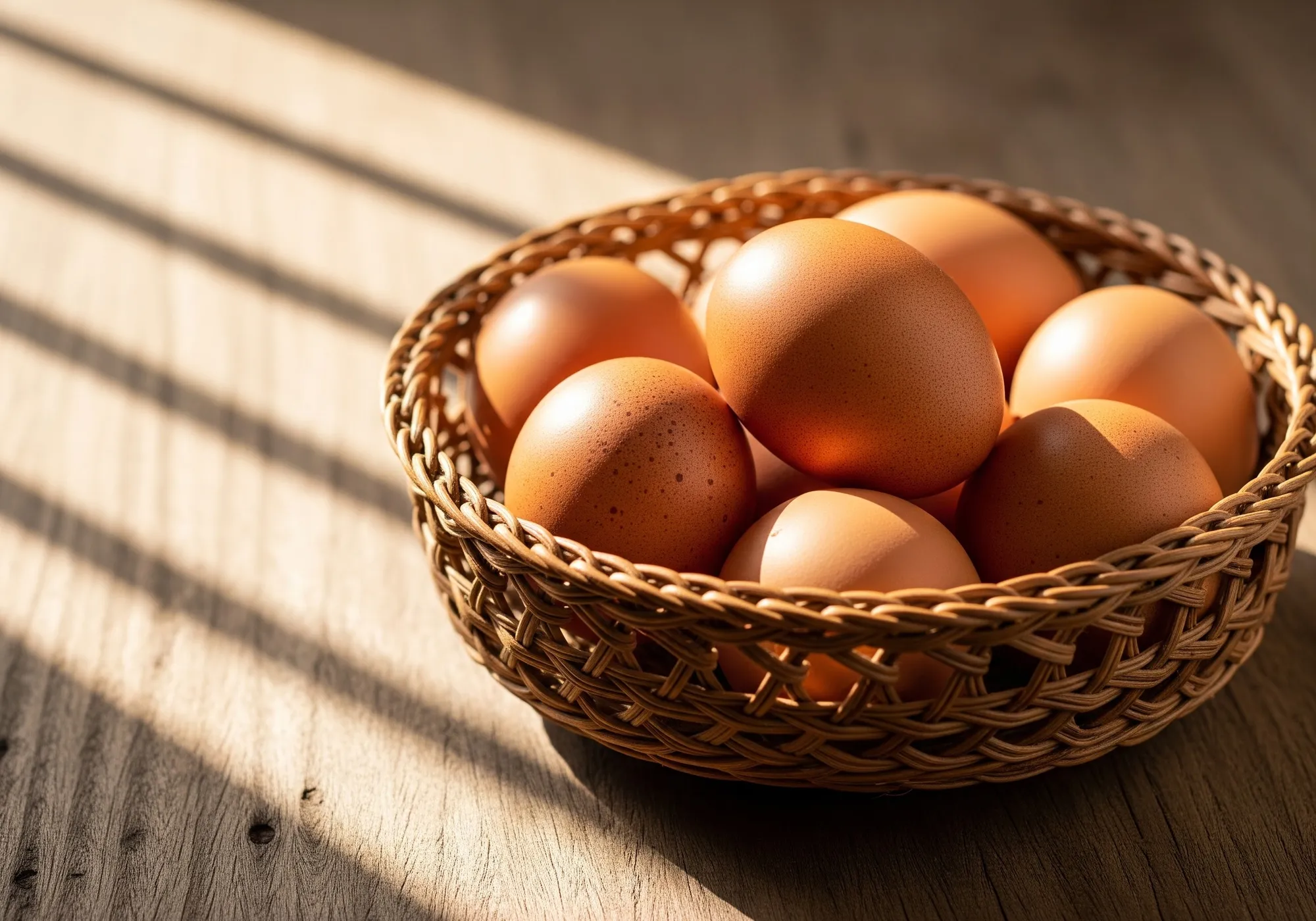
Raw eggs or boiled eggs still in their shells should not be placed directly in the freezer. The liquid inside the egg will expand when frozen, which can cause the shell to crack.
Better Homes & Gardens explains that freezing eggs in the shell can also affect the texture of the egg yolk. Meanwhile, Southern Living mentions that frozen eggs can have a chewier texture once thawed.
If you need to freeze raw eggs, remove them from their shells first. Whisk the egg whites and yolks together until combined, then store them in an airtight container that is freezer-safe. This way, the eggs can be reused for dishes that require eggs as an ingredient.
Homemade boiled pasta does not always yield the best quality after freezing. The water absorbed during boiling can make the pasta softer. After being thawed and reheated, the texture can become mushy or clump together.
People suggests that if you must freeze pasta, cook it to al dente and use a little oil to prevent the strands from sticking together too much. Another option is to freeze the sauce separately and cook fresh pasta when ready to eat.
However, there are some pasta dishes that are better suited for freezing. Southern Living provides the example of lasagna that can be assembled ahead of time and then frozen to be baked later.
Fried chicken, fried fish, fried tofu, or other battered foods typically have a crispy texture that is their main appeal. Unfortunately, that texture can easily be lost when the food is frozen and then thawed.
According to People and Better Homes & Gardens, the coating of flour or batter on fried foods can absorb moisture during storage and thawing. As a result, the outer layer becomes soggy and no longer crispy like when it was freshly fried.
Homemade fried foods are better stored in the refrigerator if they will be consumed soon. When reheating, an oven or air fryer can be used to help restore crispiness compared to simply heating it in the microwave.
Foods like gelatin pudding, jelly, and other dishes that rely on gelatin for a chewy texture are also less suitable for the freezer. Better Homes & Gardens explains that ice crystals can damage the structure of gelatin.
Once thawed, these foods may lose their original consistency and become more watery or mushy. Because their characteristics depend on the gel structure, storing them in the refrigerator is usually a more appropriate choice.
foods that should not be stored in the freezer (AI generated)
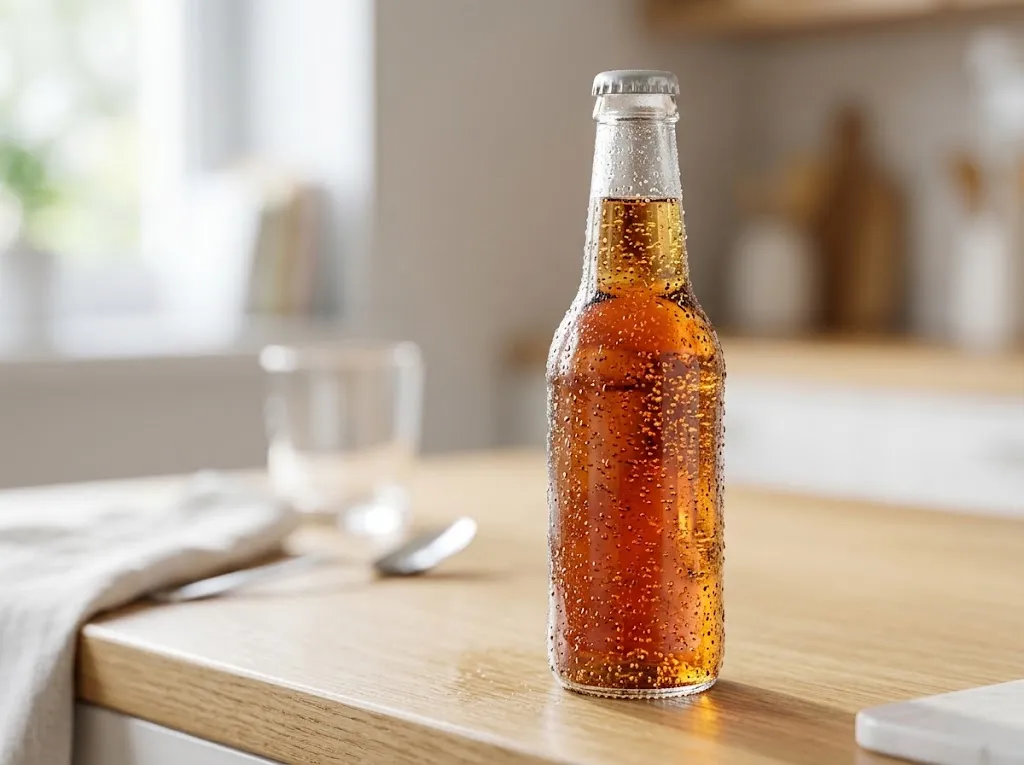
In addition to food, several types of drinks and packaging should also be kept away from the freezer. Carbonated drinks, beer, wine, or other carbonated beverages can expand when frozen. Increased pressure can cause cans to burst or bottles to crack.
Southern Living warns that carbonated drinks should not be placed in the freezer for quick chilling. If a cold drink is needed, a refrigerator or other cooling methods that do not cause freezing are safer.
The same applies to canned food. The contents of the can will expand when frozen and can increase the pressure inside the packaging. Therefore, canned food should not be placed directly in the freezer with its packaging.
Glass containers can actually be used to freeze food under certain conditions, but they must provide empty space so that the expanding food does not press against the container. Southern Living recommends using straight-sided jars and leaving enough headspace, rather than filling the container to the top.
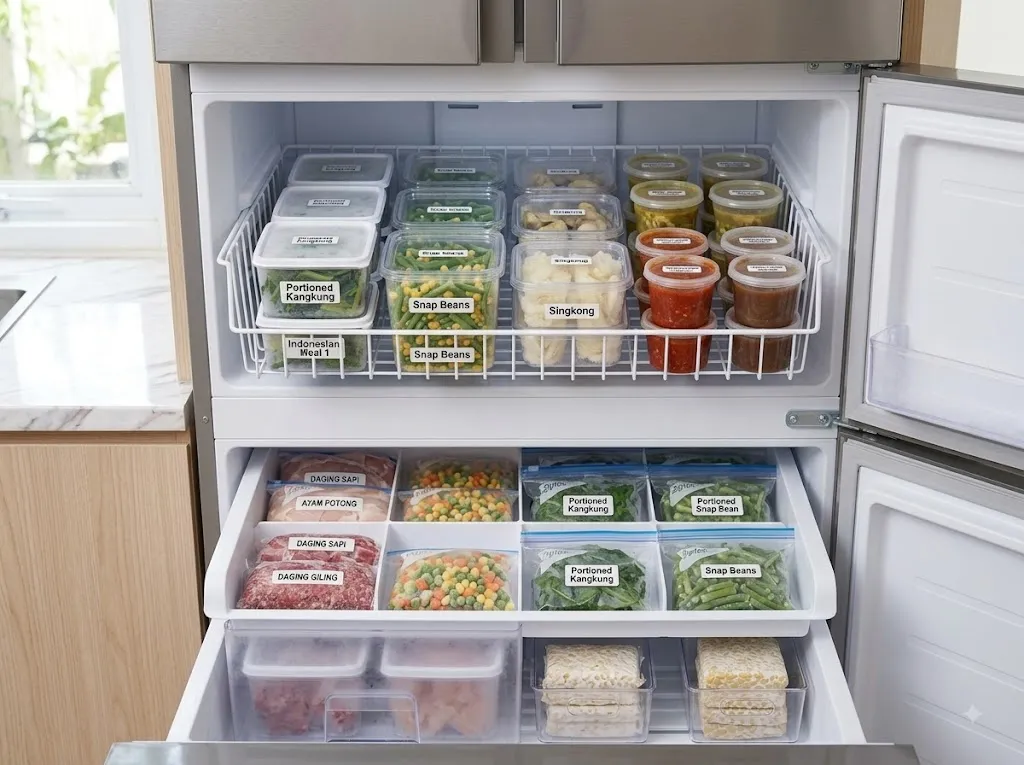
Ultimately, the freezer remains a very useful tool for extending the shelf life of food. According to the USDA as quoted by Better Homes & Gardens, food that is consistently stored at 0°F or about -18°C remains safe because freezing inhibits the growth of microorganisms that cause spoilage and foodborne illness. However, safety does not always mean that the quality remains the same.
That is why understanding foods that should not be stored in the freezer becomes important. The goal is not only to prevent food waste but also to ensure that thawed ingredients still have a taste, aroma, texture, and appearance that are enjoyable.
foods that should not be stored in the freezer (AI generated)
Not all foods maintain good quality after being frozen. Many foods remain microbiologically safe if frozen properly, but their texture and flavor can deteriorate after thawing. High-water-content vegetables, certain dairy products, mayonnaise-based foods, and some gelatin-containing foods are among the items that are less suitable for freezing.
The water inside vegetable cells forms ice crystals when frozen. These crystals can damage the cell structure, causing the vegetables to become mushy, wilted, or watery after thawing. Therefore, lettuce and cucumbers are better stored fresh in the refrigerator if intended for salads.
Eggs should not be frozen in their shells because the contents expand and can cause the shell to crack. If you need to freeze eggs, remove them from the shell, beat the whites and yolks together, and then store them in an airtight container that is safe for the freezer.
Not necessarily. Most issues are related to quality, not just safety. Proper freezing can help inhibit the growth of microorganisms, but certain foods may undergo changes in texture, flavor, or appearance that make them less enjoyable to eat.
Pay attention to water content, type of ingredients, packaging, and texture of the food. Avoid freezing ingredients that easily become mushy or separate after thawing, and do not freeze food or drinks in sealed containers that do not allow for expansion. For items that are indeed suitable for freezing, use airtight containers or packaging and label with the storage date.
Reference Sources
(kpl/yni)
Cobain For You Page (FYP) Yang kamu suka ada di sini,
lihat isinya
Discover an easy guide to planting lemongrass in your yard, from selecting seeds to optimal care for healthy and aromatic lemongrass.
How to overcome curling and wilting taro leaves by identifying the causes and appropriate care steps.
Learn the complete way to plant watermelon in narrow land using pots or polybags. Find tips on choosing mini varieties, planting media, care, and pruning to ensure abundant and sweet fruits.
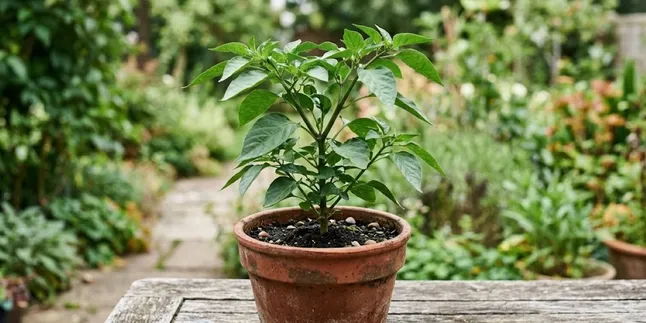
10 ways to address chili plants not bearing fruit so that flowers do not easily drop and the plants can produce fruit again at home.

Shoes that start to emit an unpleasant aroma can certainly disrupt comfort. Fortunately, there are several ways to eliminate shoe odor without washing that can be done using simple materials at home.

Tricks to brighten a dark room can be achieved by playing with colors, lighting, and decorations to create a more comfortable atmosphere.

Check out the complete guide on how to make roses bloom frequently, starting from lighting, fertilization, to proper pruning.
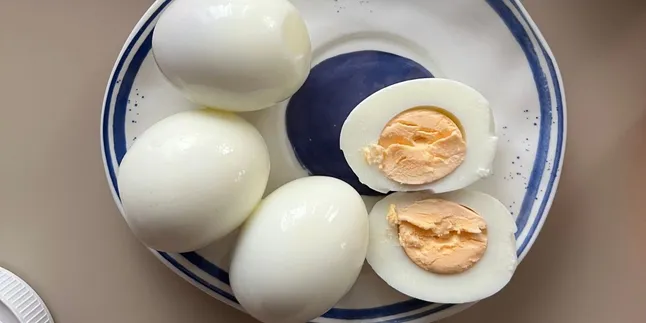
A guide to 6 levels of boiling eggs, from runny yolk to perfectly cooked, to achieve the desired texture.

Make your home corners livelier! Discover a selection of plants with cascading shapes that are perfect for decorating home corners.

Bring an artistic touch to your home with a collection of uniquely-stemmed plants; this collection is not only beautiful but also easy to care for.
Maintaining the quality of food ingredients and equipment is important? Pay close attention, there are kitchen items that should not be placed near windows due to exposure to sunlight and temperature.
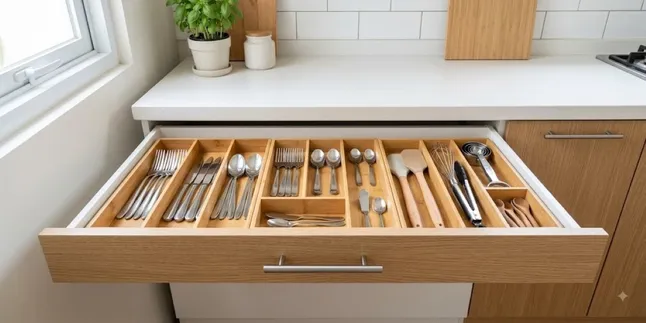
These tricks for organizing kitchen drawers help keep cooking utensils from getting messy and make them easier to find.
