

 Follow
 Rekomendasi
How to Overcome Curling and Wilting Taro Leaves, Identify the Causes and Solutions
How to overcome curling and wilting taro leaves by identifying the causes and appropriate care steps.
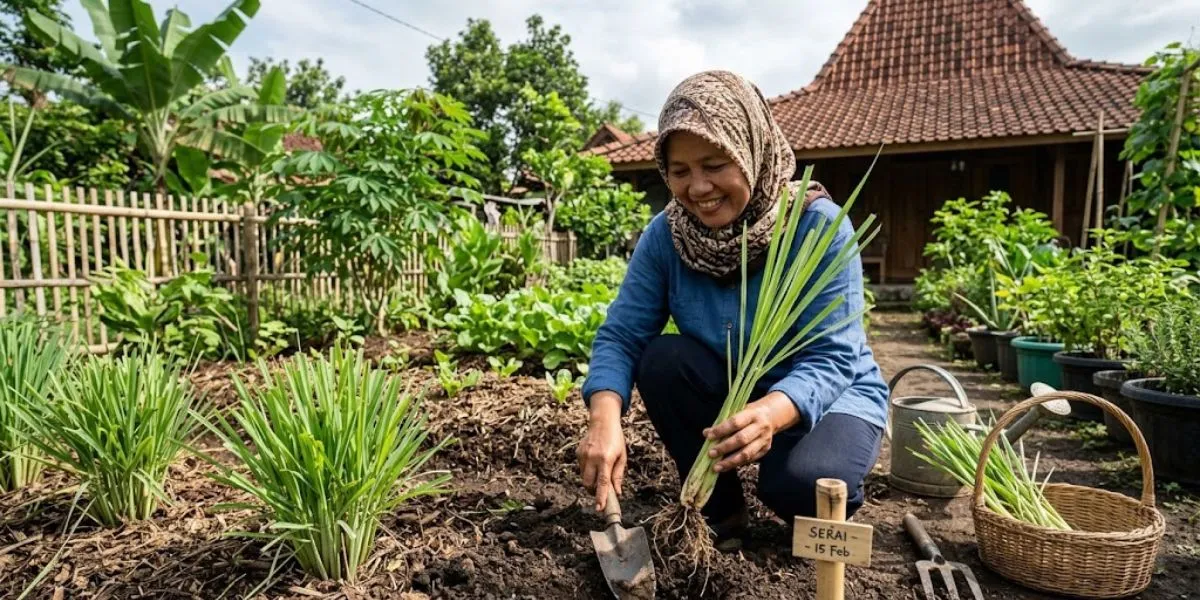
Kapanlagi.com - Having a supply of fresh lemongrass straight from your yard is a dream for many people. Lemongrass, or Cymbopogon citratus, is not only an essential spice in Indonesian cuisine but is also known for its rich herbal benefits that have traditionally been used for health. From soto, rendang, to various soupy dishes, the distinctive aroma of lemongrass always whets the appetite.
The good news is that planting lemongrass in your yard is easy, even for beginners. This tropical plant can thrive in Indonesia's climate, does not require a large area, and its care is relatively simple. Besides saving money, harvesting your own lemongrass also brings a unique satisfaction and ensures the freshness of your cooking ingredients.
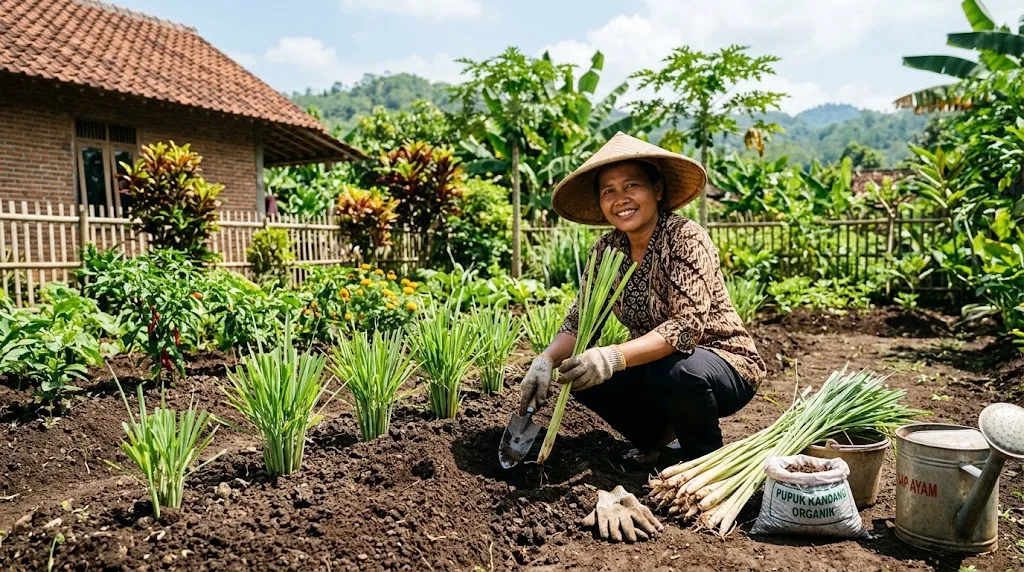
How to Plant Lemongrass in the Yard/AI Generated
One of the most popular and practical ways to start planting lemongrass is by utilizing the stalks of lemongrass that you usually buy at the market. This process is very easy and does not require special seeds.
The first step is to choose the right stalks of lemongrass. You need to ensure that the stalks are still fresh and have an intact white base. It’s also important to check if there are some small roots attached or tiny shoots starting to emerge.
After obtaining the ideal lemongrass stalks, cut the top of the stalk, leaving about 5-10 cm from the base. The top part can be used directly for cooking. Then, soak the base of the lemongrass in a glass of clean water. Make sure the water is only 2-3 cm high and place the glass in a bright spot that receives indirect sunlight, such as near a window. Change the water every two to three days to keep it clean.
Within a few days to one to three weeks, new roots will start to grow about 2-3 cm from the base of the stalk. If the lemongrass stalks you chose are very fresh, the roots can even appear faster. Once the roots are long enough, the lemongrass is ready to be transferred and planted in soil or a pot.
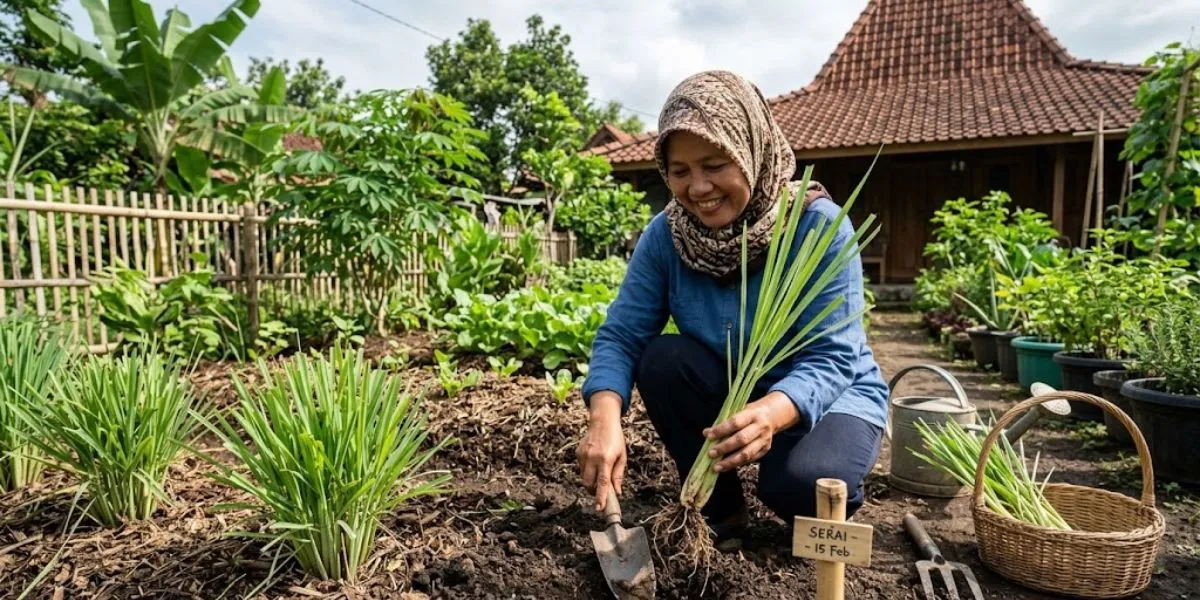
How to Plant Lemongrass in the Yard/AI Generated
Determining the location and preparing the planting media are key for lemongrass to thrive. You can choose to plant lemongrass directly in the yard if you have enough space, or use pots and polybags if space is limited.
For direct planting in the ground, lemongrass requires full sunlight for at least 6-8 hours a day to grow optimally and produce a strong aroma. Dig planting holes about 10-15 cm deep, and provide a distance between holes of about 30-60 cm to give space for the lemongrass clumps to develop. Some sources suggest wider planting distances, namely 100x100 cm in fertile soil or 75x75 cm in less fertile soil, with hole sizes of 30x30x30 cm.
If your yard is limited, planting lemongrass in pots or polybags is a practical solution. Choose pots or polybags with a diameter of at least 20-30 cm to give the lemongrass roots enough space to grow. Lemongrass can also grow well in pots, so it can be moved indoors during the winter if you live in a climate that experiences such conditions.
Lemongrass thrives in loose, fertile soil with a pH between 6.0 and 7.0. To improve soil fertility and structure, add mature compost or manure to the soil. Loosening the soil is also important to ensure that the roots can penetrate easily. If the soil has poor drainage, you can add sand or organic materials like humus to improve it.
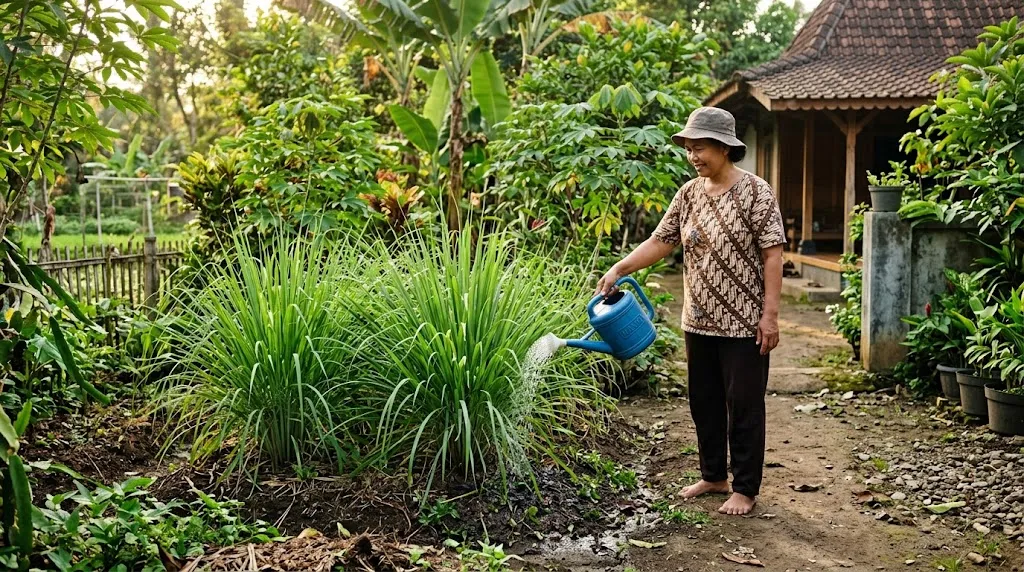
How to Plant Lemongrass in the Yard/AI Generated
After planting, routine care is an integral part of successful lemongrass cultivation. Consistent care will ensure your plants grow strong and yield abundant harvests.
Watering:
Lemongrass requires adequate watering, especially during the dry season. Make sure the soil remains moist but not waterlogged. Regular watering every day is highly recommended for lemongrass to grow lush and develop well.
Fertilization:
Fertilize periodically to support the growth of leaves and rhizomes. Fertilization can be done every 2-3 months with organic fertilizer or balanced NPK fertilizer. For example, 25 grams of Urea fertilizer per clump can be applied at a distance of 25 cm from the clump during loosening, or 2 kg of manure per clump every 6 months.
Sunlight Requirements:
Paying attention to sunlight requirements is crucial. Lemongrass is a tropical plant that loves sunlight. Make sure the planting location receives direct sunlight for at least 6-8 hours a day. A lack of sunlight can cause lemongrass to grow thin, less fragrant, and even brittle.
Pest Control:
Although lemongrass is known to be resistant to pests, control is still necessary. Pests that sometimes attack lemongrass include aphids or caterpillars. You can use organic pesticides or soap solutions to deal with them. It is important to check the plants regularly to detect signs of pest or disease attacks early.
By following this guide to planting lemongrass in your yard, you can enjoy fresh lemongrass whenever needed for cooking or herbal remedies. Happy gardening.
Where can I easily obtain lemongrass seedlings to plant in my yard?
Lemongrass seedlings can be easily obtained from lemongrass stalks that have roots or lemongrass bases sold in the market, then soaked in water until roots grow.
How long should lemongrass be soaked in water before planting?
Lemongrass should be soaked in a glass of clean water for several days until new roots grow about 2-3 cm, or around 3-7 days.
How much sunlight does lemongrass need for optimal growth?
Lemongrass needs full sunlight for at least 6-8 hours a day for optimal growth.
What is a good growing medium composition for lemongrass in pots?
A good growing medium for lemongrass is loose, fertile soil with a pH between 6.0 and 7.0, enriched with compost or manure.
How often should lemongrass be fertilized?
Lemongrass should be fertilized every 2-3 months with organic fertilizer or balanced NPK fertilizer to support leaf and rhizome growth.
(kpl/nti)
Cobain For You Page (FYP) Yang kamu suka ada di sini,
lihat isinya
How to overcome curling and wilting taro leaves by identifying the causes and appropriate care steps.
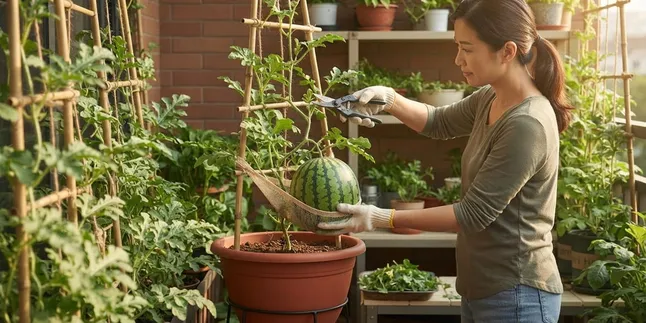
Learn the complete way to plant watermelon in narrow land using pots or polybags. Find tips on choosing mini varieties, planting media, care, and pruning to ensure abundant and sweet fruits.
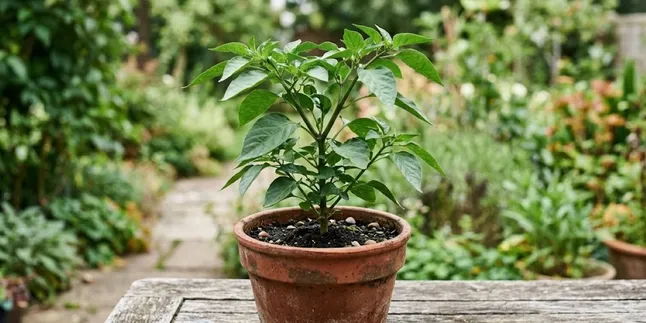
10 ways to address chili plants not bearing fruit so that flowers do not easily drop and the plants can produce fruit again at home.

Shoes that start to emit an unpleasant aroma can certainly disrupt comfort. Fortunately, there are several ways to eliminate shoe odor without washing that can be done using simple materials at home.

Tricks to brighten a dark room can be achieved by playing with colors, lighting, and decorations to create a more comfortable atmosphere.

Check out the complete guide on how to make roses bloom frequently, starting from lighting, fertilization, to proper pruning.

A guide to 6 levels of boiling eggs, from runny yolk to perfectly cooked, to achieve the desired texture.
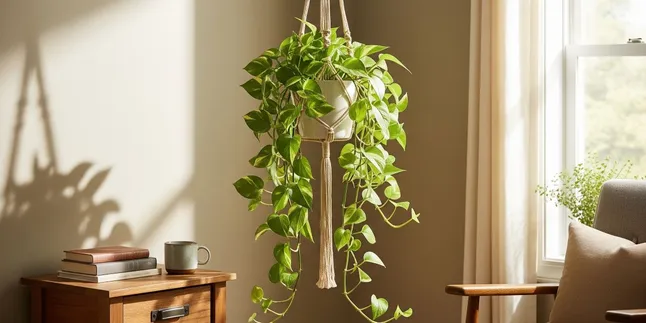
Make your home corners livelier! Discover a selection of plants with cascading shapes that are perfect for decorating home corners.
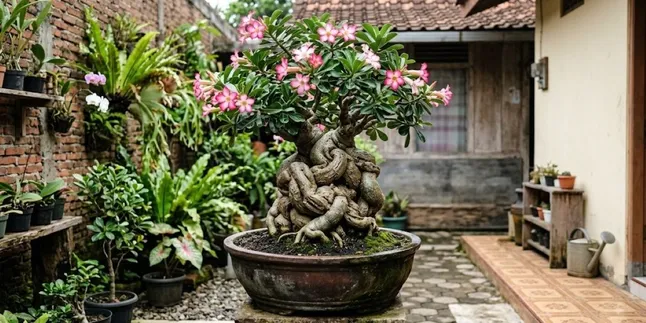
Bring an artistic touch to your home with a collection of uniquely-stemmed plants; this collection is not only beautiful but also easy to care for.
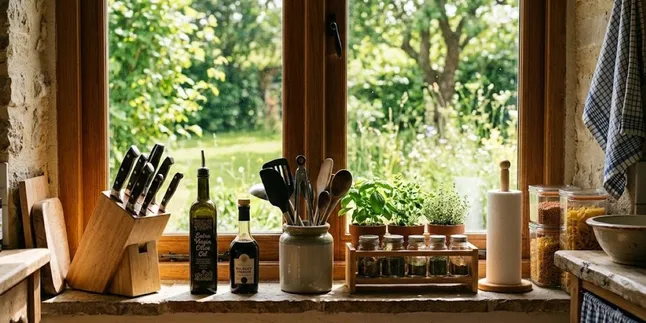
Maintaining the quality of food ingredients and equipment is important? Pay close attention, there are kitchen items that should not be placed near windows due to exposure to sunlight and temperature.

These tricks for organizing kitchen drawers help keep cooking utensils from getting messy and make them easier to find.
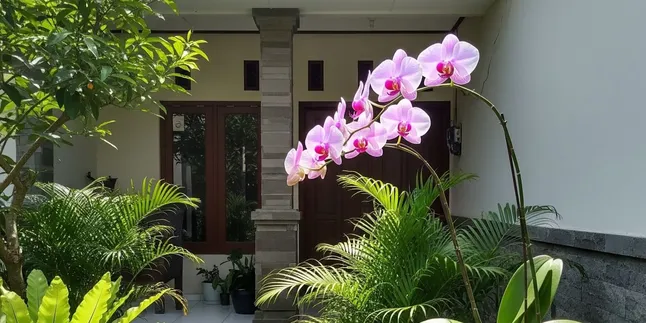
How to care for orchids to bloom quickly with a complete guide on lighting, watering, fertilizing, and the ideal temperature for maximum results.
