

 Follow
 Rekomendasi
12 Plants with Unique Stem Shapes Worth Collecting, Making Your Garden More Attractive
Bring an artistic touch to your home with a collection of uniquely-stemmed plants; this collection is not only beautiful but also easy to care for.
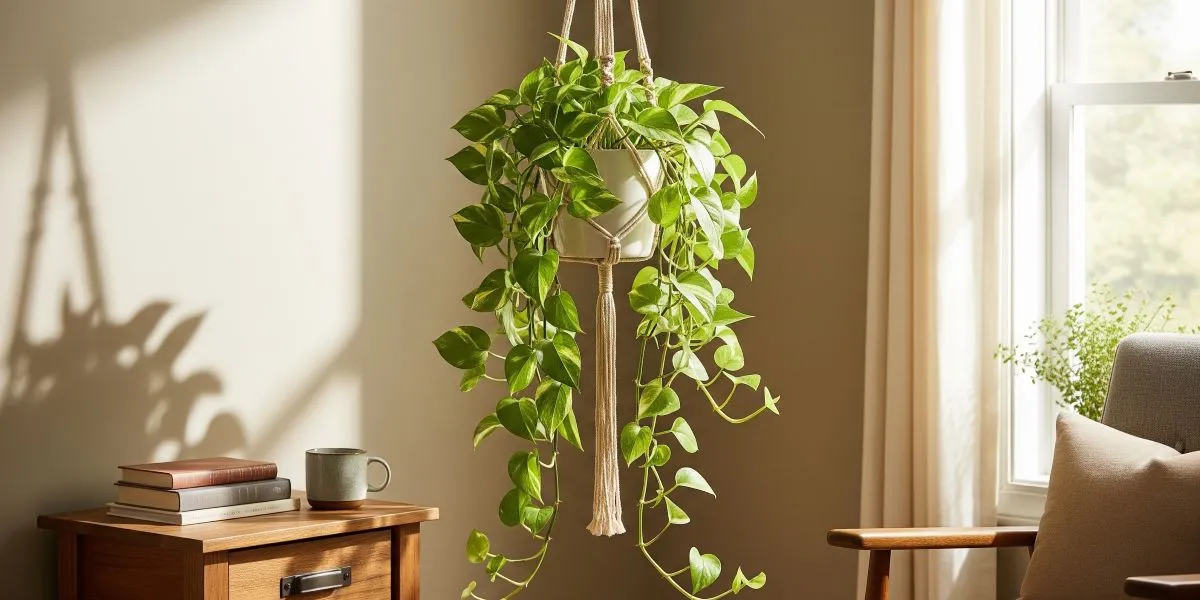
Kapanlagi.com - Minimalist interiors do not always need various ornaments to feel alive. A single pot of plants with long tendrils is enough to provide a natural accent in the living room, bedroom, balcony, or near the window area. Plants with cascading shapes suitable for decorating home corners can be a choice for homeowners wanting to bring simple decor without making the room feel cramped.
The shape of the leaves, length of the tendrils, pot size, and growth characteristics are important factors to consider before making a selection. Certain types of plants have long, thin stems, while other varieties produce lush leaves, giving a fuller appearance. Recognizing these characteristics helps you choose plants with cascading shapes that are suitable for decorating home corners, according to the size of the area and the interior style.
In addition to considering appearance, maintenance needs should also be taken into account. Each plant has different requirements for light, water, humidity, and growing space. Proper placement of pots allows plants to thrive optimally while keeping the home corners tidy. A variety of plants with cascading shapes suitable for decorating home corners are available, ranging from easy-care types to ornamental plants for experienced hobbyists.
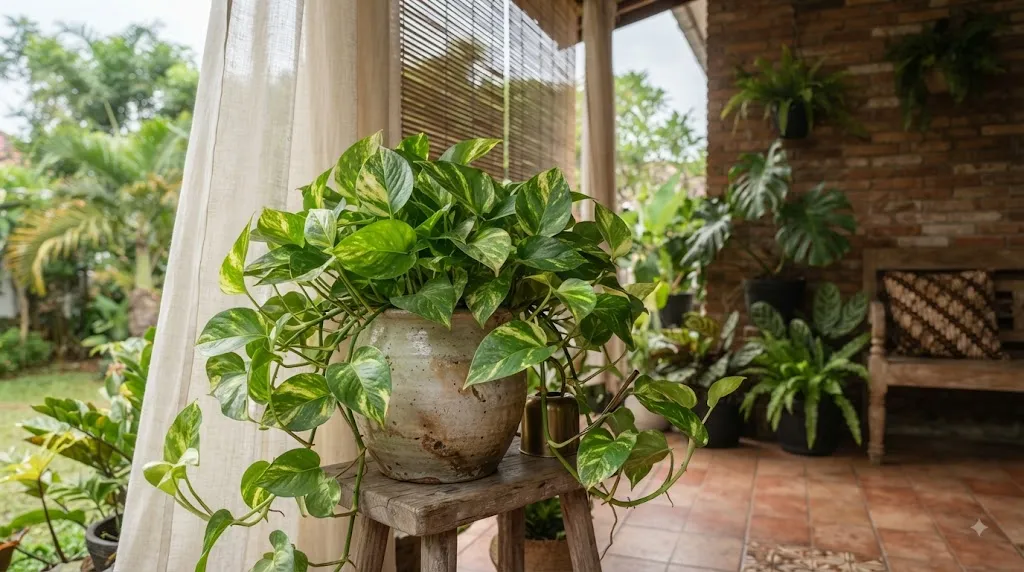
Pothos (AI Generated)
Golden pothos is one of the popular ornamental plants to be placed indoors, especially for residents who want to bring in a green element without having to provide a large floor area. This plant has stems or vines that can grow long and drape out of the pot, making it very suitable for placement on tall shelves, wall ledges, or certain furniture surfaces. When allowed to grow naturally, its vines can hang down and create an attractive decorative look in the corner of a room.
The leaves have an interesting shape and appearance and come in several variations of color and pattern, allowing them to be chosen according to the character of the home’s interior. Golden pothos is also relatively easy to combine with various decoration concepts, ranging from minimalist and modern interiors to natural-style rooms. The presence of the green draping vines can provide a fresher impression while helping to make a corner of the home feel more alive without needing many additional ornaments.
To maximize its appearance, place the golden pothos in a decorative pot that has a design suitable for the character of the room. Choose a position that is high enough so that the stems and vines have space to grow down freely. By allowing this growth to happen naturally, golden pothos can create the effect of draping plants that beautify the corner of the home while also providing vertical dimension to the interior decoration.
The spider plant or spider plant can also be an interesting choice to decorate corners of the house, especially for those who want a plant with elongated leaves and a fairly lush growth. Its leaves grow elongated, curved, and spread from the center of the plant, creating a fuller appearance when placed at a higher position. This growth shape allows the spider plant to naturally provide a cascading effect when its leaves drape over the sides of the pot.
This plant can be placed in various media, such as hanging pots, wall shelves, ledges, or tall plant stands. As the plant grows, the increasingly long leaves will curve downwards, forming a decorative accent in the room. Its appearance can also help fill vertical space that previously looked empty without making the floor area too crowded with furniture or additional decorations.
Choose a location with lighting that meets the plant's needs for optimal leaf growth. Avoid placing it in areas that are too dark if you want to maintain the plant's condition and keep the leaf appearance attractive. Before determining a permanent location, also consider the distance from activity paths so that the cascading leaves do not obstruct the movement of household residents.
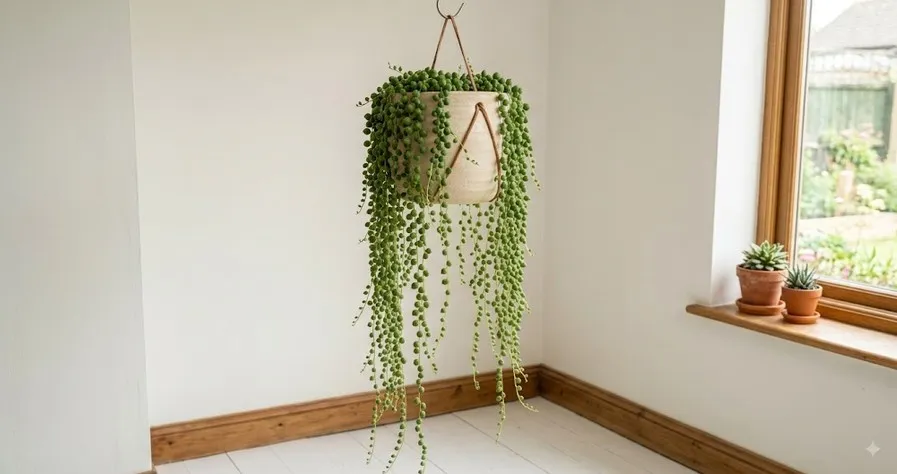
String of Pearls (AI Generated)
For those of you who love small-sized plants with a unique growth form, string of pearls can be an interesting choice to decorate a corner of your home. This succulent plant has long, slender stems adorned with round leaves resembling a string of beads. This characteristic gives it a distinct appearance compared to trailing plants with broad or elongated leaves.
The growth form becomes even more attractive when the plant is placed in a pot on a high shelf, ledge, or hung in a specific position. Its stems can grow long and then trail over the edge of the pot, creating an effect like green strands cascading down. Its relatively compact size also makes this plant a suitable choice for corners of the home with limited space without giving a feeling of overcrowding.
As a succulent plant, string of pearls requires attention to its water needs and the condition of the growing medium. Avoid overwatering if the medium is still wet, as excessive moisture can disrupt the plant's condition. Place it in an area with lighting suitable for its needs to ensure healthy growth and optimal development of its trailing form.
Tradescantia has attractive colored leaves, making it a great choice for homeowners who want to add a more striking decorative accent to corners of a room. The variations in color and patterns on its leaves provide visual appeal, while its stems can grow long and trail when the plant is placed at a sufficiently high position. The combination of the stem's shape and the appearance of the leaves makes Tradescantia not only function as a green plant but also as part of interior decoration.
This plant can be placed on shelves, ledges, or in hanging pots depending on the room conditions and its growth needs. When the stems start to elongate, the tendrils can be allowed to grow over the edge of the pot, resulting in a more pronounced trailing appearance. The blend of leaf colors along with this growth character makes Tradescantia suitable as a focal point in corners of a room that previously looked empty or lacked decorative elements.
Place Tradescantia in an area with lighting that meets the needs of the variety being cared for. The right light conditions can help support the plant's growth while maintaining the color and pattern characteristics of the leaves. Before determining the position, first understand the variety's requirements so that the plant receives an appropriate growing environment and continues to look attractive as part of home decor.
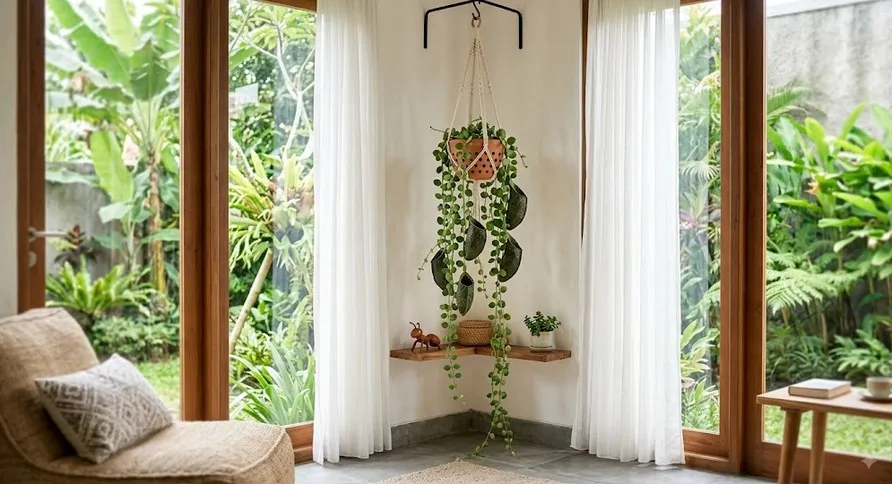
Dischidia (AI generated)
Dischidia is an epiphytic plant that has a trailing growth character and can be an interesting choice to bring a touch of green to limited interior spaces. Its stems and leaves can grow out of the pot and then hang down, making this plant look appealing when placed at a higher position. Its growth form gives a light, natural impression and does not overcrowd the room.
This plant is suitable for placement in corners of the house that need additional green decoration without having to use large pots. Tall shelves, ledges, or hanging pots can be utilized as placement options so that the shape of its stems and leaves can be maximally displayed. When allowed to grow naturally, the parts of the plant that extend out of the pot can create a trailing accent that enriches the appearance of the room's corner.
Pay attention to the light and humidity needs according to the type of Dischidia being cared for, as environmental conditions can affect the growth and appearance of the plant. Proper placement can help maintain the plant's health while also preserving its decorative character. Ensure that the placement area has adequate air circulation so that the environment around the plant does not become too humid.
English ivy has long stems and leaves that grow along its vines, creating a fairly strong trailing plant character. When placed in a high position, its stems can grow over the edge of the pot and then droop downwards. This characteristic makes English ivy attractive as a decorative element in areas of the home that need additional plants without taking up floor space.
This plant can be utilized as decoration on shelves, ledges, or hanging pots. The extending vines can provide a more natural impression to the interior while also helping to fill vertical areas that previously looked empty. Its placement in a high position also makes the growth shape of the plant easier to see and adds additional dimension to the corners of the room.
Before choosing English ivy as an indoor plant, make sure the lighting conditions and air circulation in the house meet the plant's needs. Don’t just consider its decorative appearance, but also pay attention to the placement conditions so that the plant receives a supportive growing environment. With the right position, the vines of English ivy can grow more regularly and provide a green appearance to the corners of the house.
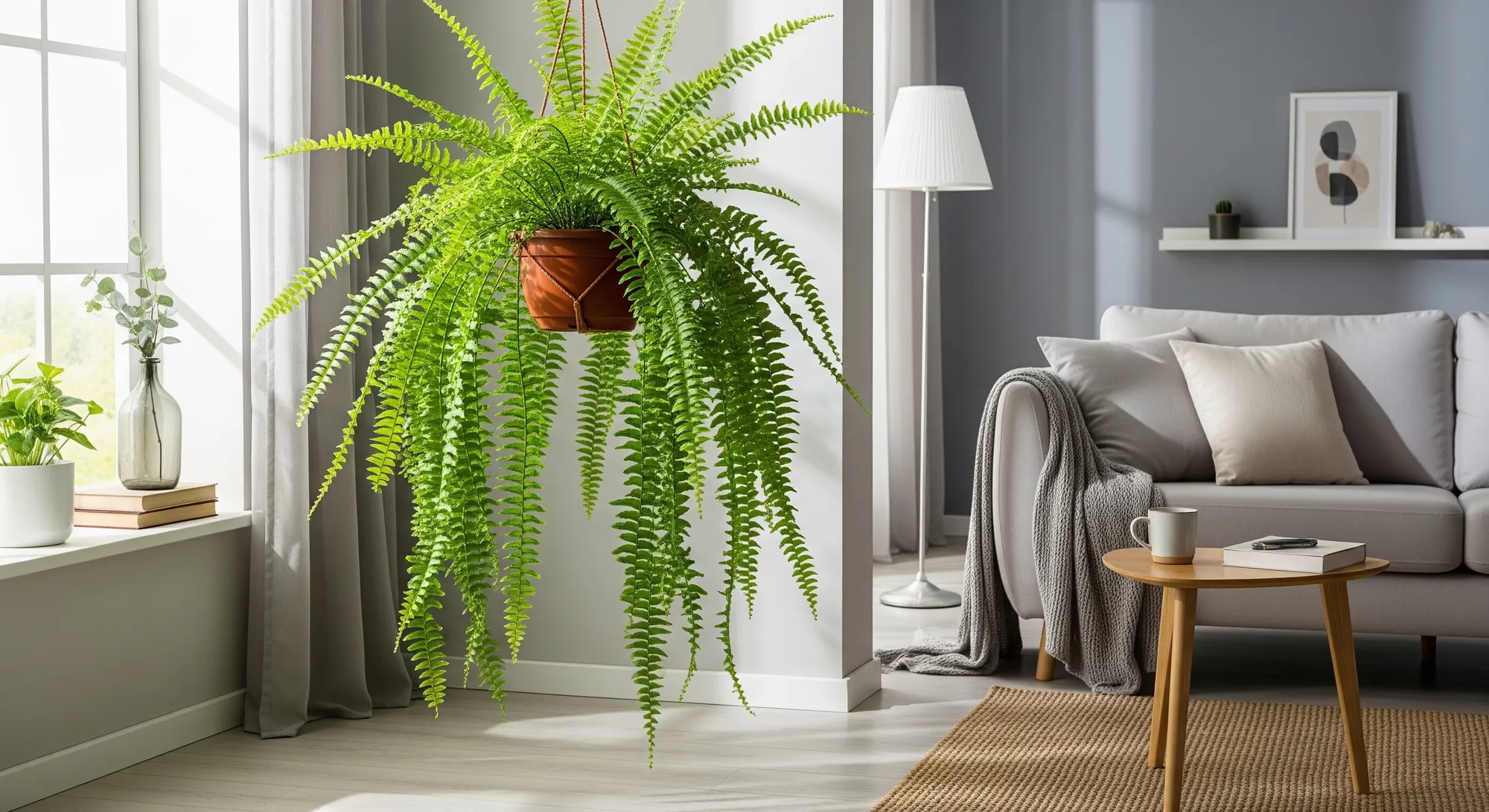
The Boston Fern has long, thin, and lush leaves that can curve downward from the center of the plant. This growth characteristic makes it suitable for decorating corners of the house through hanging pots or tall stands. As the plant grows denser, the collection of curved leaves can create a cascading appearance that looks fuller compared to plants with small tendrils.
Unlike small-leaved cascading plants, the Boston Fern can provide a more lush impression, making it suitable for use in fairly spacious corners of a room. The green color of its leaves can also bring a fresh and natural ambiance to the interior. Placing it in a hanging pot allows the leaves to develop in various directions before eventually curving downward, resulting in an attractive decorative shape from different angles.
This plant requires special attention to the moisture of the growing medium and the environmental conditions in which it grows. Ensure that the placement location receives lighting according to the needs of the Boston Fern, while also providing environmental conditions that support leaf growth. Regular maintenance is also necessary to keep the plant looking lush and to prevent the leaves from deteriorating easily.
Hoya has stems or vines that can grow long and hang out of the pot, making this plant suitable for providing vertical accents in the corners of the house. Hoya plants are also available in various shapes and leaf characteristics, allowing for choices that can be tailored to the decoration style and interior look you wish to present. When placed in a high position, the vines can grow over the edge of the pot and create an interesting trailing effect.
Hoya can be placed on high shelves, brackets, or hanging pots so that the shape of the vines is more clearly visible. In addition to having leaves with diverse shapes, some types of Hoya are also known to produce attractive flowers if they receive suitable growing conditions. The presence of these flowers can add extra appeal to the plant, especially when used as a decorative element in the corners of the house.
Do not place Hoya plants in locations that receive no light at all. Choose areas with lighting that meets the needs of the Hoya variety you have to ensure the plant's growth is maintained. In addition to light, also pay attention to the environmental conditions and care requirements so that Hoya can grow optimally while maintaining its trailing shape as part of home decoration.
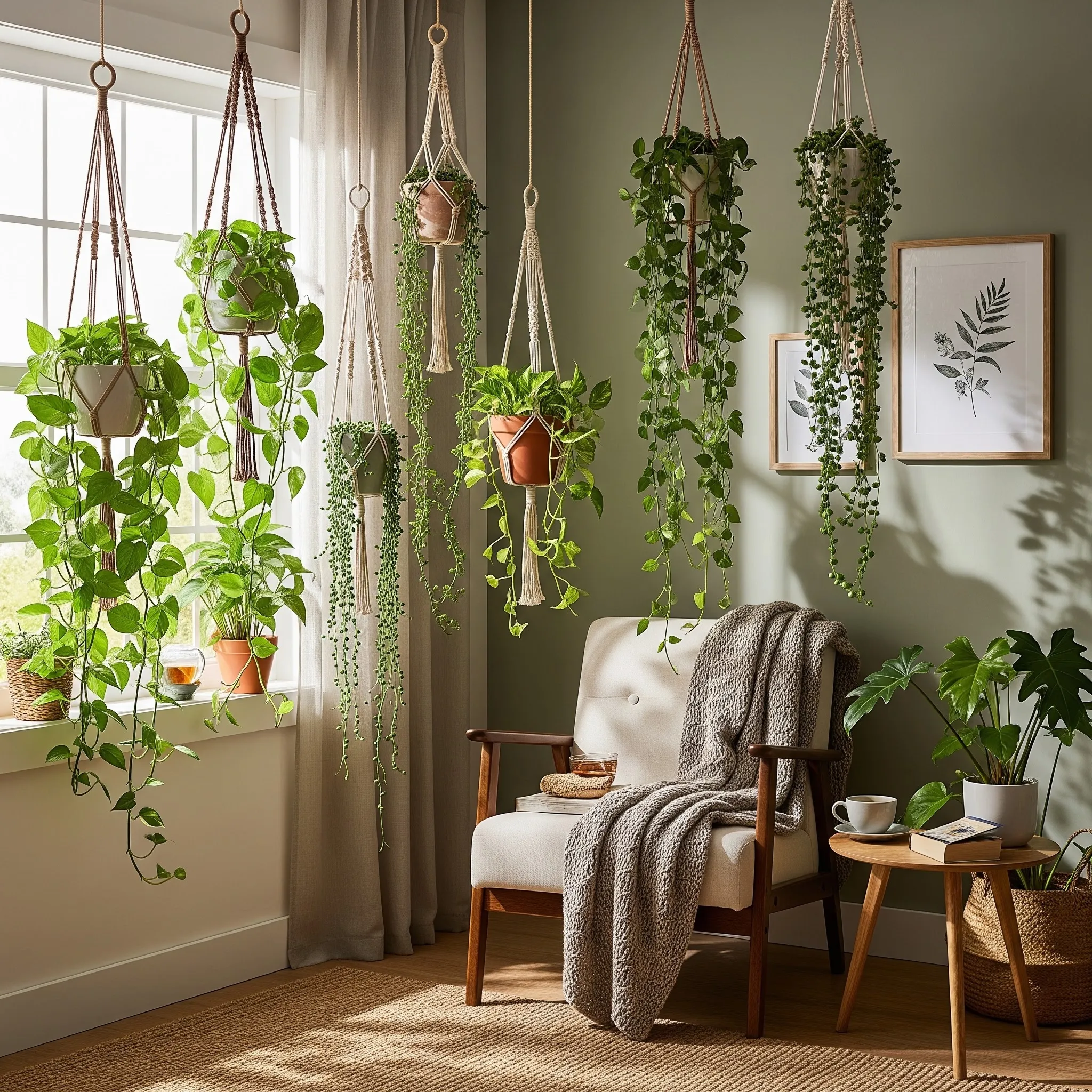
How to Place Trailing Plants in the Corners of Your Home (AI generated)
Trailing plants can provide a touch of green while enlivening corners of the house that previously looked empty. The elongated form of the tendrils, stems, or leaves gives this type of plant a unique visual appeal, especially when placed at a higher position. To ensure that its appearance is not just a room decoration, the placement of the plant needs to be adjusted according to the size of the corner, light source, type of plant, and the condition of the surrounding furniture.
A high shelf can be a practical option for displaying trailing plants. Place the pot at the top of the shelf so that the stems and leaves have enough space to grow over the sides of the container and then move downward. This position makes the character of the plant more visible while also helping to utilize vertical space.
To achieve a neater appearance, choose a shelf with a simple design and size that fits the area of the corner in the house. Avoid placing too many pots on one shelf if the plant's tendrils have already grown thick. Provide space between plants so that each leaf shape remains visible and the corners of the room do not feel too crowded.
Hanging pots can be a choice if you want trailing plants to stand out more. Plants can be hung from the ceiling, wall hooks, or other structures that have adequate strength. This position allows the tendrils to grow freely downward, creating a vertical decorative effect.
Make sure the mounting point is strong enough to support the weight of the pot, the growing medium, and the plant when it has grown large. Also, choose a location that is not directly in the path of foot traffic so that the leaves or tendrils do not interfere with the activities of the occupants of the house.
The corners near windows can be used as a place for trailing plants, especially for types of plants that require sufficient lighting. Place the pot on a shelf, ledge, or stand near the light source so that the plants continue to receive an environment that meets their needs.
However, do not assume that all trailing plants require the same light intensity. Pay attention to the characteristics of each type before determining the position. If the plant is not suitable for direct sunlight, choose a location near a window but protected from excessive exposure.
Trailing plants can be placed on top of cabinets, cupboards, bookshelves, corner tables, or other furniture with a stable surface. This method can transform ordinary furniture into a part of the decor while filling vertical space in the room.
Choose furniture that has a height appropriate to the characteristics of the plant. Small-sized plants can be placed on tables or cabinets, while plants with long tendrils are better suited to higher surfaces so that their trailing parts can be seen without disturbing other objects around them.
Before placing the plants, consider the overall size of the area. Small corners of the house should not be filled with plants that have very dense foliage or excessively long tendrils. Choose proportionally sized plants so that the decoration maintains a spacious impression.
Conversely, a large room corner can utilize larger hanging plants to create a focal point. The balance between pot size, vine length, and area size will make the decoration look more harmonious.
Do not only consider beauty when determining the position of the plants. Ensure that the pots are still easily accessible when they need to be watered, pruned, cleaned, or checked. Plants placed too high can complicate the maintenance process if there is no safe access available.
Also consider the position of the plants when watering. Avoid locations directly above electronic devices or furniture that can be easily damaged by water. Practical placement will facilitate routine maintenance while keeping the surrounding area clean.
Tailing plants are ornamental plants that have stems, tendrils, or leaves that grow elongated and then droop downwards. This characteristic makes them attractive when placed on high shelves, ledges, hanging pots, or certain furniture.
Their growth form can fill vertical space without requiring much floor space. Long tendrils or leaves also provide decorative accents in the corners of a room, making empty areas appear more lively.
Pothos can be a popular choice for beginners. This plant has long tendrils and can be placed in various positions, as long as its lighting and watering needs are met.
Yes. The form of trailing plants can provide a natural touch without requiring many additional ornaments. Choose a simply designed pot to keep the appearance harmonious with the minimalist concept.
(kpl/ses)
Cobain For You Page (FYP) Yang kamu suka ada di sini,
lihat isinya
Bring an artistic touch to your home with a collection of uniquely-stemmed plants; this collection is not only beautiful but also easy to care for.
Maintaining the quality of food ingredients and equipment is important? Pay close attention, there are kitchen items that should not be placed near windows due to exposure to sunlight and temperature.
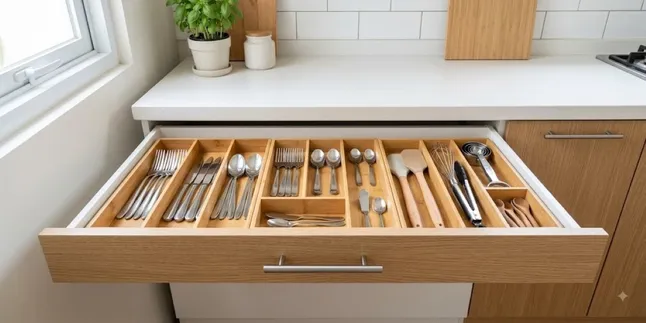
These tricks for organizing kitchen drawers help keep cooking utensils from getting messy and make them easier to find.
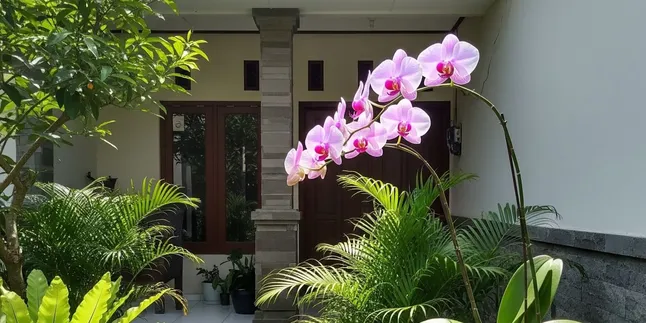
How to care for orchids to bloom quickly with a complete guide on lighting, watering, fertilizing, and the ideal temperature for maximum results.
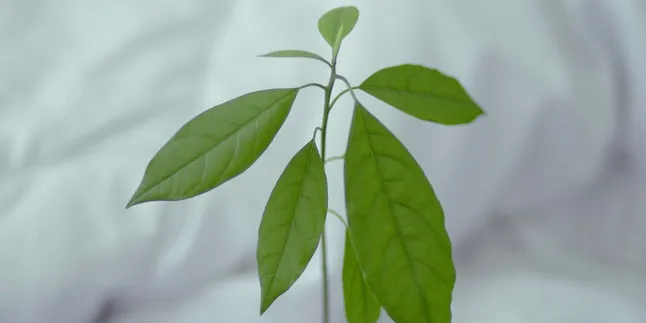
How to easily plant avocado from seed at home, starting from germination to being transferred to a pot.
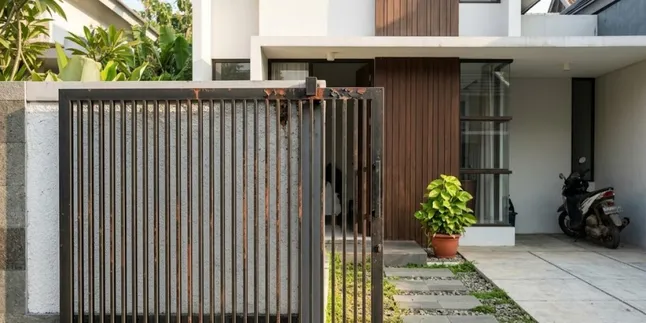
Rust on home fences can be addressed without repainting. Learn practical guidelines for cleaning rust with natural materials, mechanical methods, and special products for a clean and well-maintained fence.
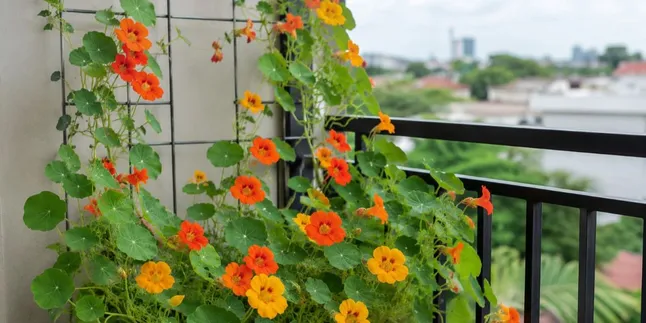
Describes climbing plants to beautify balconies, from variegated ivy to easy-care nasturtiums.
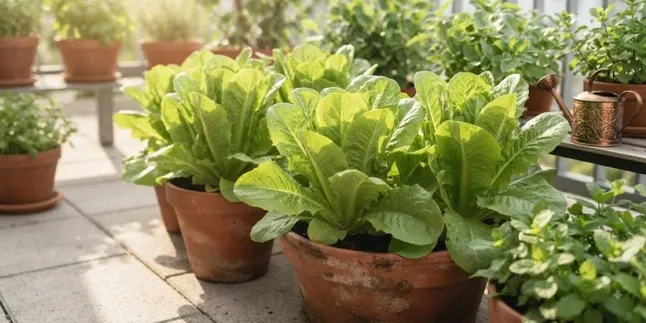
How to grow romaine lettuce at home, from choosing seeds to harvesting fresh and crunchy leaves.
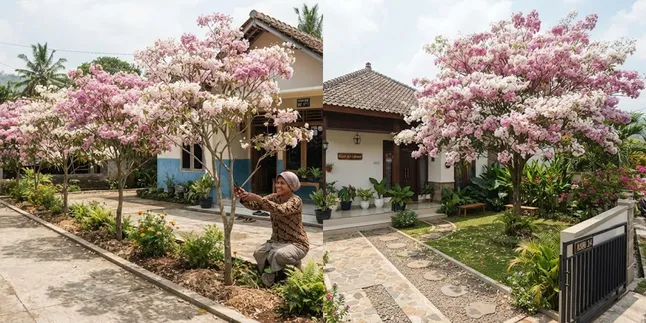
Discover effective ways to care for the Tabebuya tree to encourage frequent flowering with these eight easy steps.
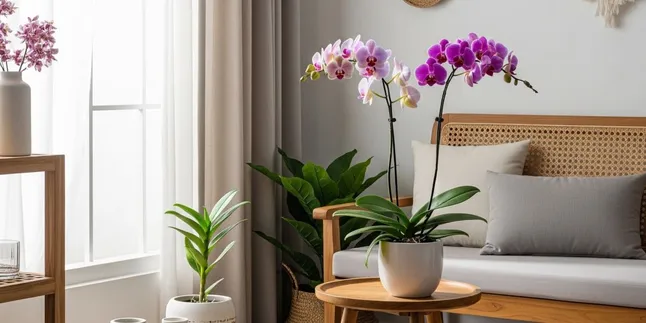
Recommendations for indoor plants that not only beautify the home but are also safe for children and pets.
Here's how to plant cosmos in your yard to ensure they grow lush, healthy, and bloom frequently with the right care.
How to plant chili from kitchen chili can be done by following the right steps. Read more in this article.
