

 Follow
 Rekomendasi
9 Ways to Grow Romaine Lettuce at Home, Easy for Beginners
How to grow romaine lettuce at home, from choosing seeds to harvesting fresh and crunchy leaves.
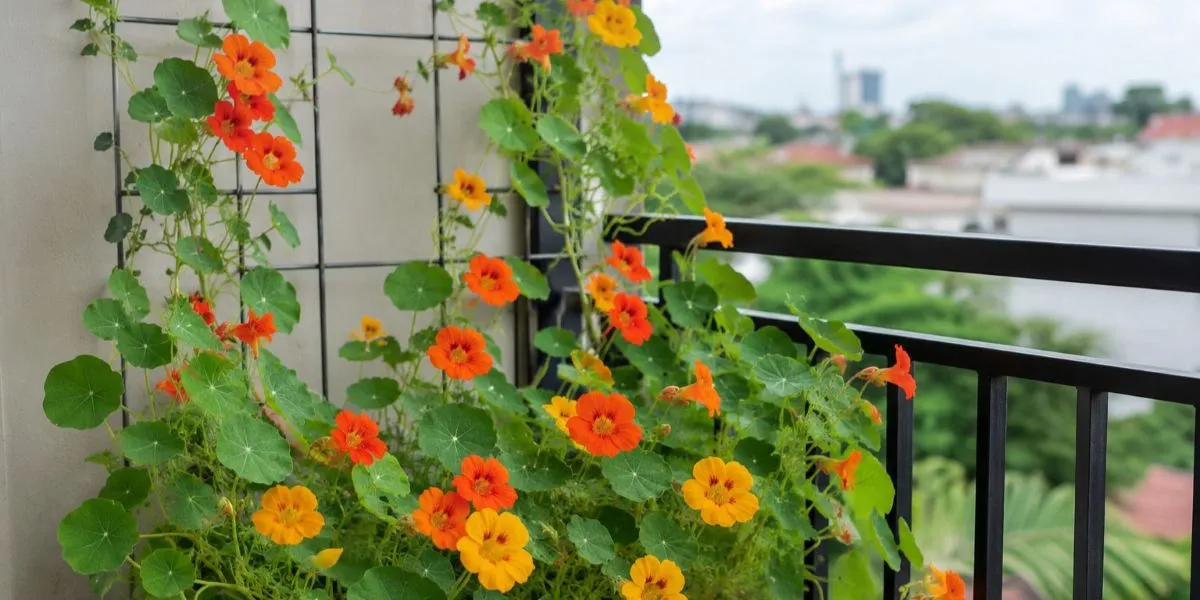
Kapanlagi.com - Balconies can be an attractive green corner even with limited space. One way to utilize them is by planting climbing plants that can be directed to trellises, balcony railings, or allowed to drape from pots.
In addition to beautifying the appearance, climbing plants can also provide a cooler and livelier atmosphere. However, their selection needs to be adjusted to the balcony's conditions, especially sunlight intensity, pot size, and the space available for plant growth.
Here are climbing plants that can be considered to beautify your balcony, presented by KapanLagi.com from various sources, Tuesday (11/8).
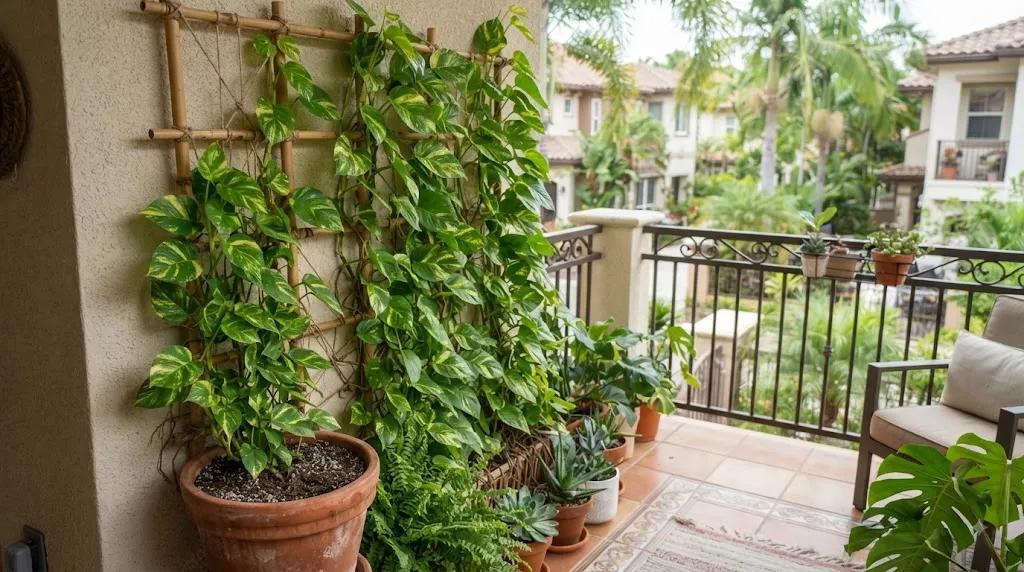
Pothos/AI Generated
Pothos (Epipremnum aureum) is a relatively easy-to-care-for plant that is suitable for balconies with bright indirect light or filtered light. Its stems can be allowed to trail from the pot or directed towards a pole and trellis.
Its leaves are heart-shaped and green, which can have yellow or white variegation depending on the cultivar. This plant can be grown in relatively small containers as long as the size is adjusted to accommodate the plant's growth and root conditions.
Pothos can also be grown in water media. However, for long-term growth, a planting medium with good drainage is generally more suitable.
Butterfly pea (Clitoria ternatea) is a climbing plant known for its blue or white flowers. Its stems can twine around supports, making it suitable for planting near balcony trellises.
This plant enjoys plenty of sunlight and a planting medium with good drainage. Because of its fairly active growth, butterfly pea should be given a trellis so that the stems can grow more directed.
The presence of brightly colored flowers makes it suitable for balconies that want a tropical touch along with natural colors.
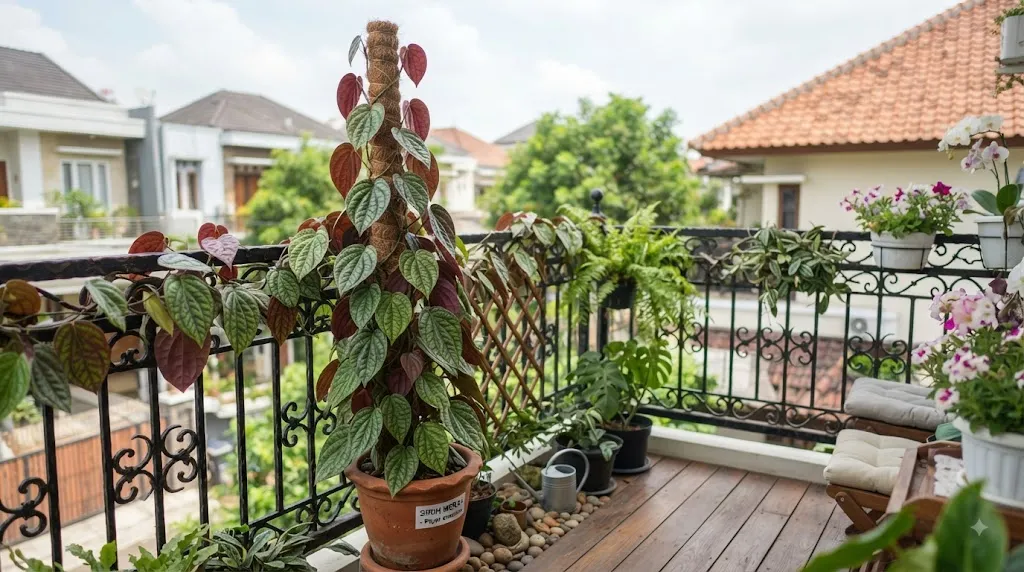
Red Betel Leaf/AI Generated
The term "climbing aglaonema" is sometimes used in the plant trade, but aglaonema is not a climbing plant. Red betel leaf refers to several types of Piper, a plant from the Piperaceae family.
Many plants from the Piper group have a creeping growth habit and can be directed onto supports. Red betel leaf is attractive for balconies because it has heart-shaped leaves with green color and a purplish-red tinge, especially on the underside of the leaves.
This plant is best placed in an area with bright light that is not too harsh. The growing medium should also be moist but not waterlogged.
Dutch jasmine or ceguk (Combretum indicum, previously known as Quisqualis indica) is a flowering climbing plant that can provide a more vibrant look to balconies.
Its main attraction lies in the flowers that change color as they develop. Newly bloomed flowers can be white, then change to pink and finally red. The flowers also have a distinctive fragrance.
This plant requires a strong support because its growth can become bushy. For balconies, regular pruning is important to keep its size manageable.
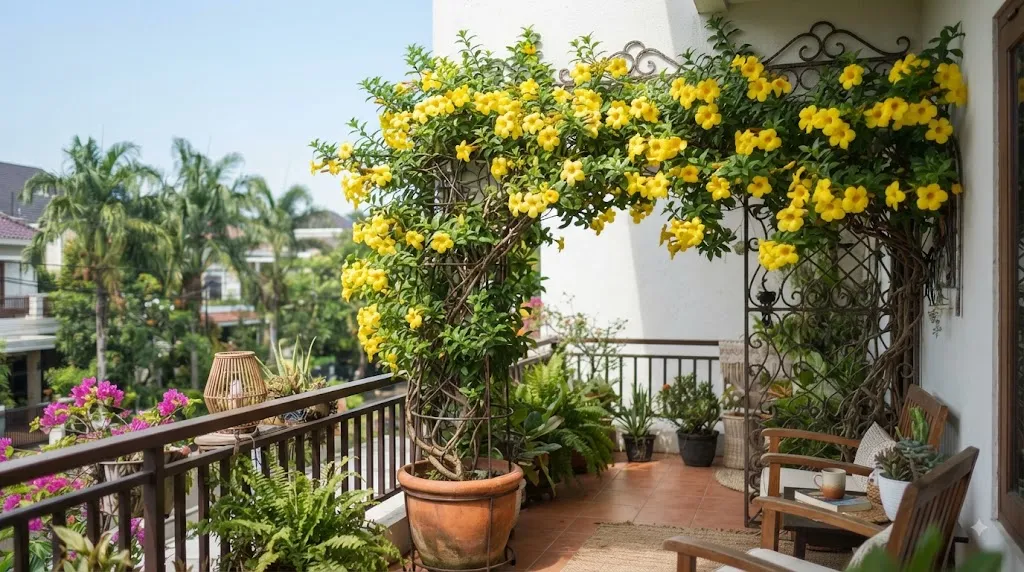
Bell Flower/AI Generated
The name "bell flower" can be used for several plants with bell-shaped flowers. One of the plants known by that name in Indonesia is the yellow alamanda (Allamanda cathartica), which is also known as the golden trumpet flower.
Its flowers are bright yellow and trumpet-shaped, making it an easy focal point on a balcony. Alamanda is a woody plant that can grow long and be directed onto trellises or fences.
This plant enjoys plenty of sunlight. Because its growth can be quite vigorous, use a sturdy container and prune it to prevent the plant from taking up too much space.
Lady's slipper flower generally refers to Clerodendrum thomsoniae, an ornamental plant known for its combination of white petals and a crown of red to purplish-red color.
This plant can grow as a climber with support. Therefore, balcony trellises can be utilized as a climbing space while creating a vertical display.
Place it in an area with bright light to receive some sunlight. Pruning can be done to maintain the shape of the plant and control its growth.
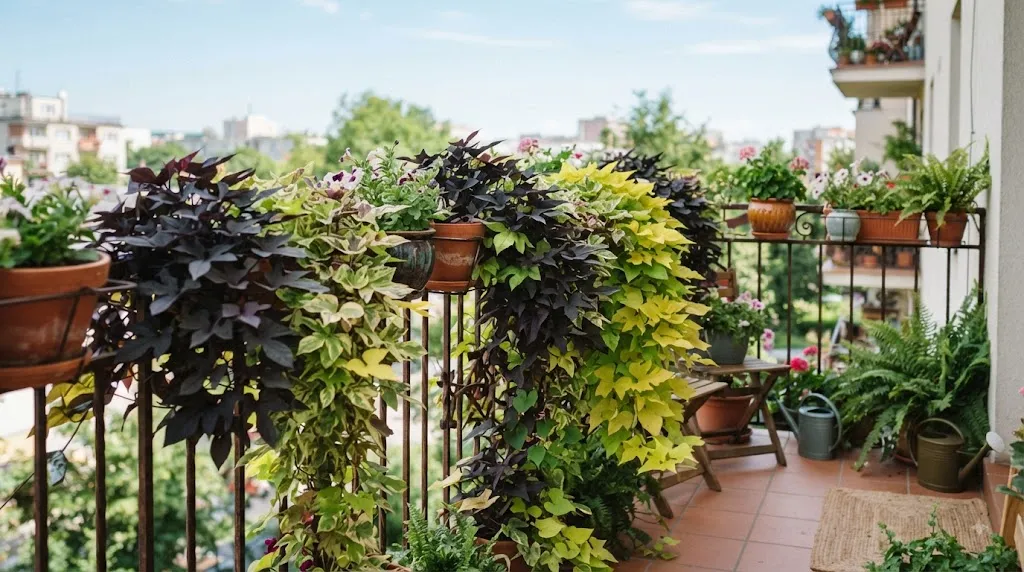
Ornamental Sweet Potato / AI Generated
Ornamental sweet potato (Ipomoea batatas ornamental cultivar) is primarily grown for its colorful and shaped leaves, rather than for tuber production as food. This plant has a creeping growth habit and can be allowed to cascade from balcony pots.
The leaf colors are very diverse, ranging from green, yellowish-green, purplish-red, to combinations of several colors. Its character makes ornamental sweet potato suitable for use as a filler plant or hanging plant.
This plant enjoys bright light and can grow quickly when provided with suitable conditions. Pruning is necessary if its vines start to become too long or fill the balcony area.
Sulawesi Betel (Piper ornatum) is a plant from the Piperaceae family that has a climbing growth habit. This plant is attractive as a balcony decoration because it has decorative leaves with striking patterns and colors.
The plant can be directed onto supports or trellises to create a vertical display. Sulawesi Betel is best placed in areas with bright but not too harsh light to prevent its leaves from easily getting damaged due to excessive sun exposure.
The growing medium should have good drainage and be kept moist without allowing water to pool.
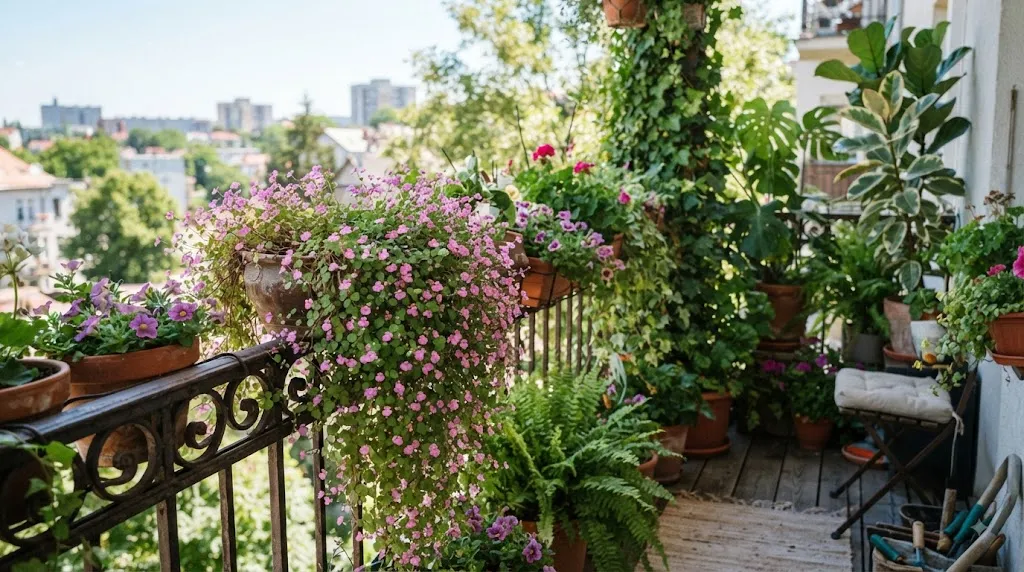
Morning Dew Flower/AI Generated
The morning dew flower (Heterotis rotundifolia) is a small shrub ornamental plant that can provide a lush appearance on the balcony. This plant can be placed in pots at the edge of the balcony so that its foliage gives a green and soft impression.
Its relatively compact size makes it suitable as a filler plant among other balcony plants. The presence of lush foliage can also help create a more refreshing balcony look.
This plant is suitable to be combined with plants that have an upright or climbing growth character, making the composition look more layered.
The silk plant has small-sized leaves that grow densely, giving a soft and green appearance to the balcony. The shape and texture of its leaves resemble those of the Dutch teak, but they are smaller in size.
The dense foliage makes the silk plant attractive as a greening element on the balcony. This plant can create a more lush and shady impression, especially when placed in areas that you want to make greener.
To keep its appearance tidy, regular pruning should be done if its growth starts to fill the balcony area. The placement of the plant should also be adjusted to the available space so as not to obstruct access or overcrowd the trellis.
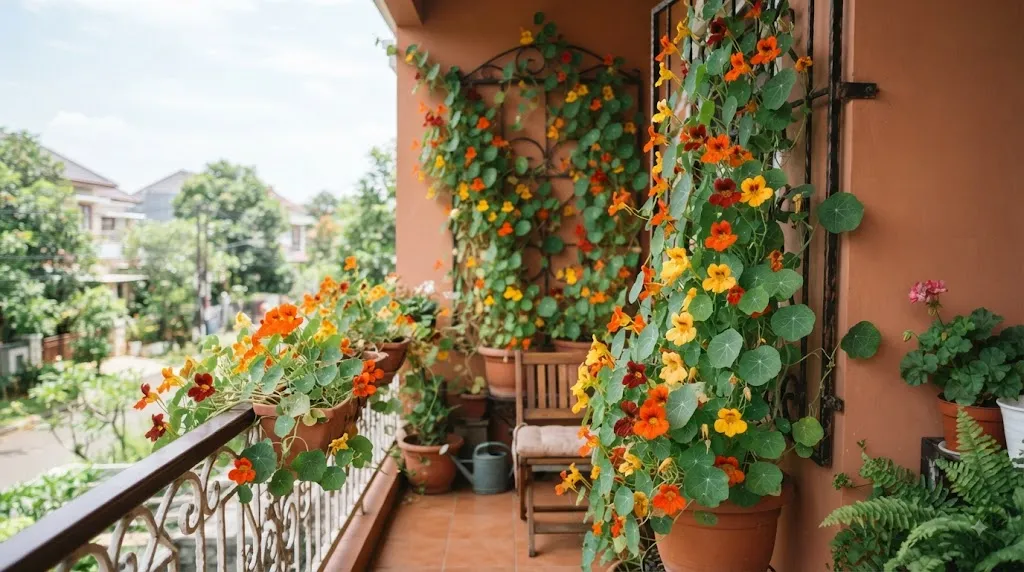
Nasturtium/AI Generated
Nasturtium (Tropaeolum majus) is a flowering plant that can grow as a trailing or short climbing plant. Its leaves are round like shields, while its flowers can be yellow, orange, or red.
This plant is suitable for balcony pots because its stems can be directed to the trellis or allowed to trail over the side of the container. Nasturtium requires sufficient light to grow and bloom well.
Compared to woody climbing plants that can grow large, nasturtium is relatively easier to control, making it suitable for balconies that are not too spacious.
Not all climbing plants are suitable for placement on balconies with the same conditions. Before choosing, consider the direction of sunlight, the size of the balcony, the strength of the railing or trellis, and the size of the pot.
For balconies that are shady or only receive bright indirect light, golden pothos and some types of Piper can be good options. Meanwhile, butterfly pea, Dutch jasmine, allamanda, and nasturtium are more suitable if the balcony receives sufficient sunlight.
Also, pay attention to the weight of the plants once they have grown large. Pots filled with wet growing media can become quite heavy, so it is advisable not to place large containers carelessly on the balcony railing.
With the right choice of plants and regular pruning, a balcony does not need to be filled with many pots to look lush. One or two well-directed climbing plants on a trellis can already create an attractive green accent without making the balcony feel cramped.
1. What climbing plants are suitable for a balcony with limited space?
Golden pothos, ornamental sweet potato, and nasturtium can be good choices as they can be allowed to hang from the pot, taking up minimal floor space.
2. Do all climbing plants for balconies require direct sunlight?
No. Golden pothos and some types of Piper are more suited to bright indirect light, while butterfly pea, Dutch jasmine, alamanda, and nasturtium require more sunlight.
3. How can I care for climbing plants so they don't overcrowd the balcony?
Regular pruning, directing stems or tendrils onto trellises, and choosing pots that are appropriately sized for the plant's growth are essential. Also, ensure that the containers have good drainage.
(kpl/rmt)
Cobain For You Page (FYP) Yang kamu suka ada di sini,
lihat isinya
How to grow romaine lettuce at home, from choosing seeds to harvesting fresh and crunchy leaves.
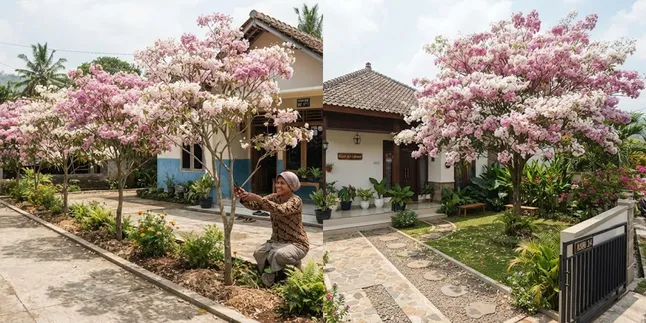
Discover effective ways to care for the Tabebuya tree to encourage frequent flowering with these eight easy steps.
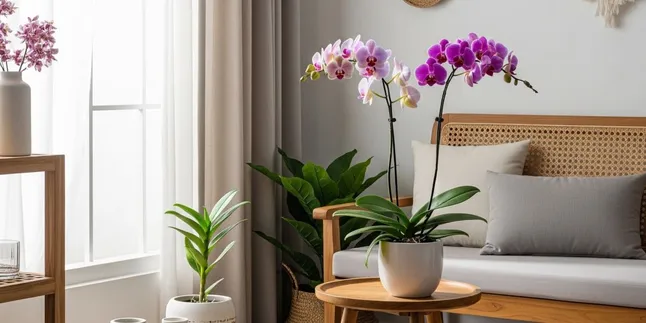
Recommendations for indoor plants that not only beautify the home but are also safe for children and pets.
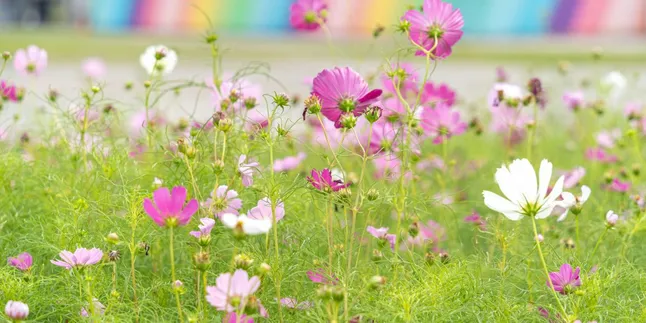
Here's how to plant cosmos in your yard to ensure they grow lush, healthy, and bloom frequently with the right care.
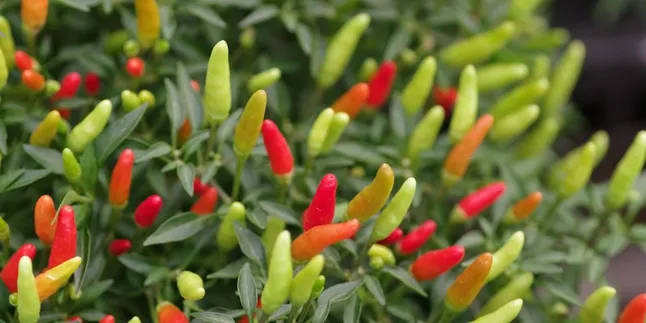
How to plant chili from kitchen chili can be done by following the right steps. Read more in this article.
Check out the complete guide to planting lychee for quick fruiting, from selecting superior seeds to optimal care for abundant results.

Discover various low-maintenance hair coloring techniques such as French Highlights to Balayage that offer stunning looks and save time.

Fixing soft rice to make it fluffy can actually be done with a few simple steps. Check out the causes and tips to ensure the rice always turns out just right.

Bed bugs can disrupt sleep comfort. Recognize the signs, learn how to eradicate them using physical and chemical methods, as well as proper bite treatment.

Learn how to safely plant fruit trees near the carport so that the roots do not damage the foundation and floor of the house.
Growing sweet starfruit in pots is an attractive option for those who want to enjoy their own harvest without having to own a large garden.
How to plant katuk to encourage budding needs to be considered from the planting process to its care.
