

 Follow
 Rekomendasi
9 Low Maintenance Hair Colors, Stay Beautiful Without Frequent Touch Ups
Discover various low-maintenance hair coloring techniques such as French Highlights to Balayage that offer stunning looks and save time.
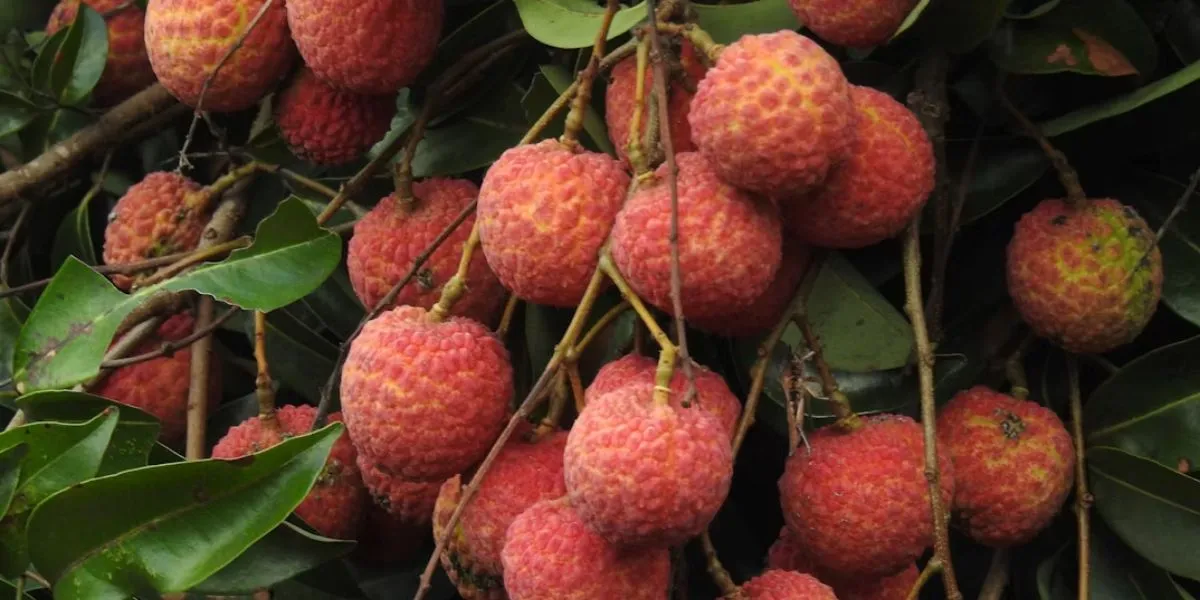
Kapanlagi.com - Lychee, a tropical fruit with a sweet and sour taste and a refreshing aroma, always manages to captivate many people's palates. It's no wonder that many want to cultivate it themselves, whether in their backyard or on larger land. However, the main challenge often lies in how to plant lychee for quick fruiting and produce an abundant harvest.
Indeed, lychee cultivation requires special attention, from seed selection to daily care. A small mistake at the beginning can have a big impact on delayed harvest time or even failure to bear fruit. To help you achieve optimal lychee harvests, this article will delve into the guide to planting lychee, as reported by KapanLagi.com from various sources, Thursday (6/8/2026).
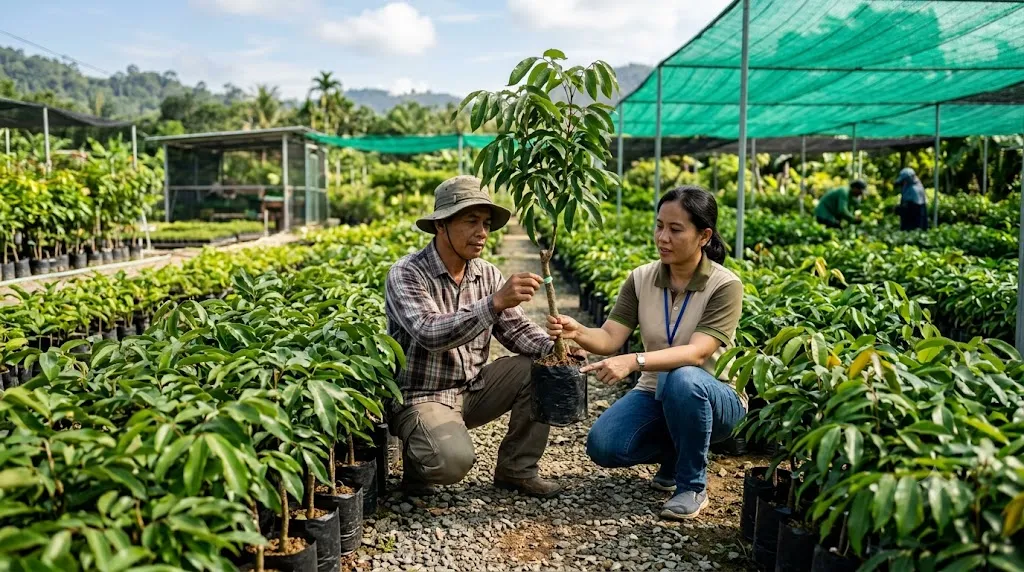
How to Plant Lychee for Quick Fruiting/AI Generated
The crucial first step in planting lychee for a quick harvest is selecting the right varieties and seeds. This choice will greatly affect the plant's adaptation to the environment and its fruiting speed.
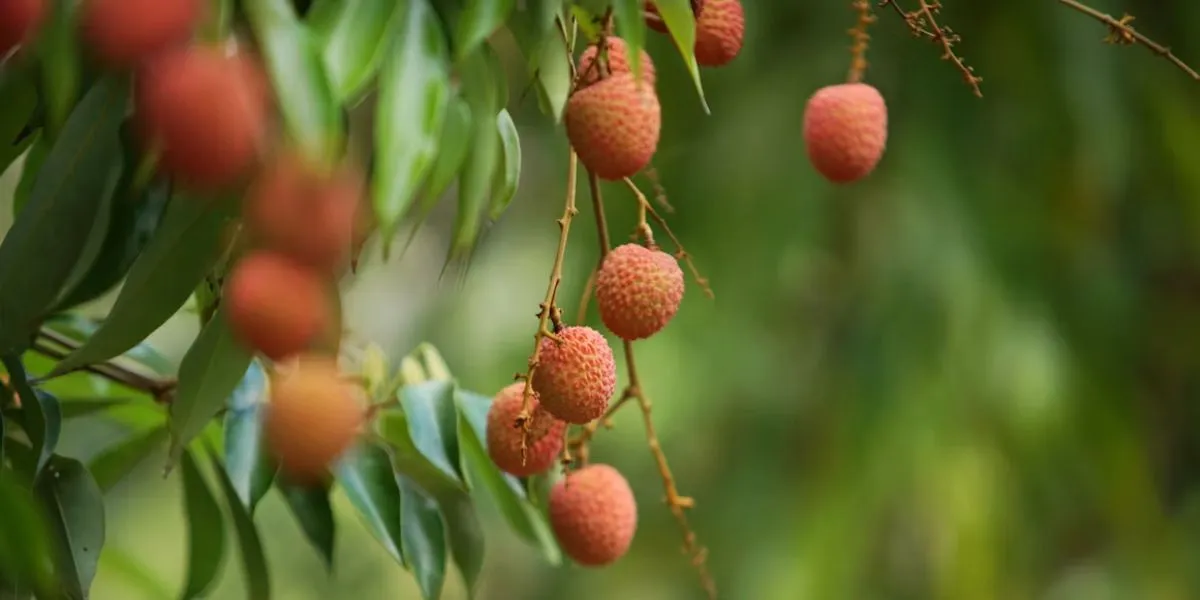
Traditionally, lychee grows optimally in cool areas at an altitude of more than 700 meters above sea level. However, there are now adaptive varieties available that are suitable for lowland areas with hot temperatures, such as Kom Lychee or Red Lychee. The Water Lychee variety, on the other hand, is more suited for medium to high altitudes and requires cool air to trigger flowering.
If you want a quick harvest, it is highly recommended not to start cultivation from seeds. Planting lychee from seeds takes 7 to 10 years to bear fruit, and the characteristics of the fruit can also change from the parent. As an alternative, choose seedlings from grafting or budding, as lychee trees from these types of seedlings usually start to bear fruit at the age of 2 to 3 years.
When using seedlings from grafting or budding, lychee trees typically begin to bear fruit at the age of 2 to 3 years. If planting from seeds, you will need to be patient for 7 years or more. In addition to the propagation method, make sure to choose healthy seedlings, characterized by shiny dark green leaves, sturdy non-wrinkled stems, and free from disease spots or pest bite marks.
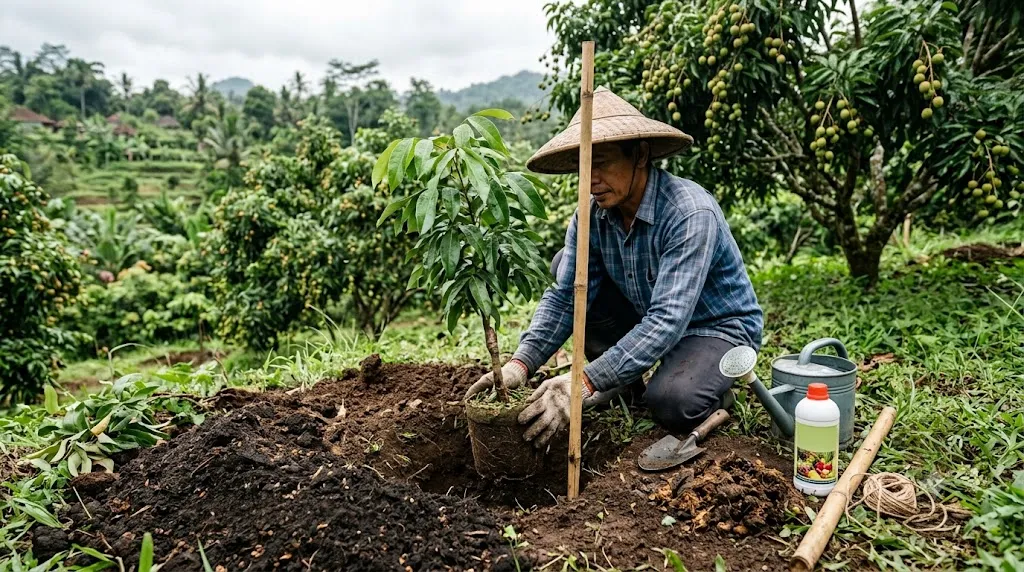
How to Plant Lychee for Quick Fruiting/AI Generated
The environmental conditions play a crucial role in the success of how to plant lychee for quick fruiting. The right climate and soil type will support optimal growth and trigger fruit formation.
Lychee grows optimally in areas with an altitude of more than 700 meters above sea level. This plant requires rainfall of about 2,000 mm per year. The ideal temperature ranges from 9 to 19 degrees Celsius during the rainy season and 25 to 33 degrees Celsius during the dry season.
The contrasting temperature difference between day and night, especially on the eastern side of the plant, can influence generative hormones and stimulate flowering. This climatic factor is important to consider so that the lychee plant can bear fruit as expected.
In addition to climate, lychee requires loose, organic-rich soil with good drainage. Sandy soil is preferred because its drainage is better than clayey soil, which tends to absorb and retain water, risking root rot. The ideal soil acidity or pH level for lychee is between 5 and 7.
Before planting, the land must be prepared and fertilized first. Make planting holes measuring about 60 cm x 60 cm x 60 cm. Mix the topsoil with 20-30 kg of well-rotted manure, along with enough burnt rice husks to maintain soil looseness. Let the planting holes sit for about 2 weeks for the fertilizer to integrate with the soil and be ready to receive seedlings.
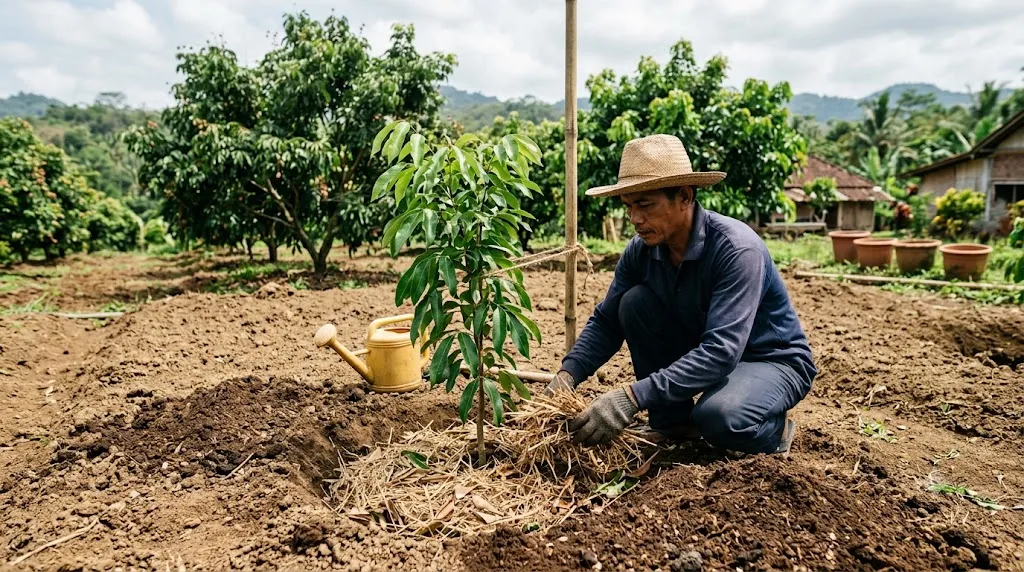
How to Plant Lychee for Quick Fruit Production/AI Generated
Proper planting and early care are crucial foundations for how to plant lychee for quick fruiting. Mistakes at this stage can hinder the growth and productivity of the plants.
Once the planting hole is ready, transfer the lychee seedlings from the seedling media to the planting hole. Be sure to carefully remove the pot or polybag where the seedlings were initially planted. Cover the planting hole with soil mixed with media and water thoroughly. If planting more than one seedling, leave enough space between each plant to avoid competition for nutrients and light.
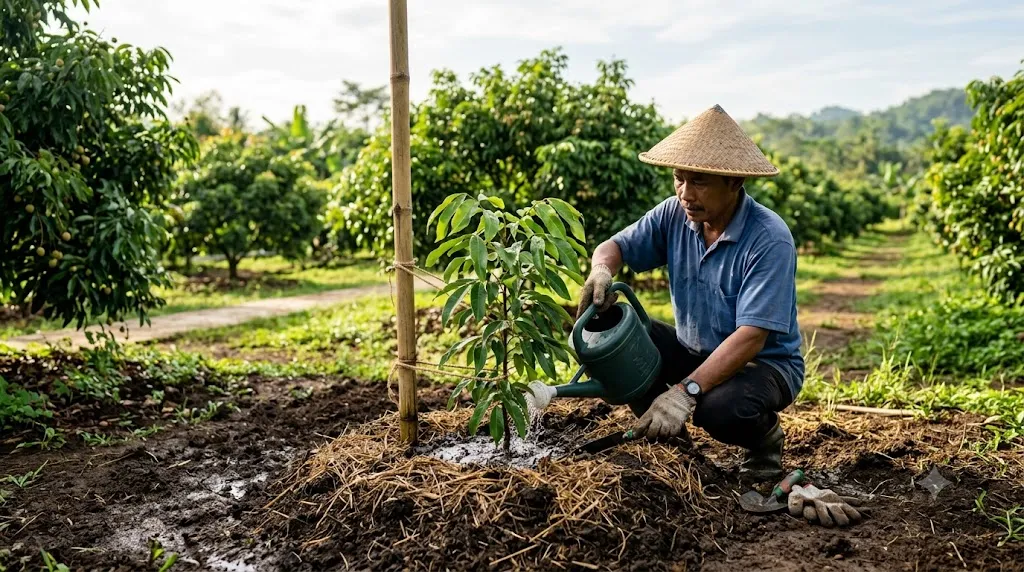
In the early growth phase (0-2 years), watering should be done regularly, 1-2 times a day in the morning or evening. The soil should always be moist, but avoid soggy or flooded conditions that can cause root rot. Lychee requires high humidity and consistent irrigation without overwatering.
How to Grow Lychee for Quick Fruiting/AI Generated
Interestingly, lychee is known as a "shy" plant when it comes to fruiting if it is overly pampered with water. Therefore, the "water stress" technique can be applied to mature plants to trigger flower emergence. Many beginners fail simply by planting without knowing that lychee requires special treatment such as "water stress" to stimulate flowering. This technique involves gradually reducing watering as the plant matures, while still paying attention to the plant's condition to prevent wilting.
Early care also includes replanting and weeding. Replanting, which means replacing dead or abnormal plants, should be done during the rainy season so that new plants can adapt quickly. Weeding out weeds or wild plants around the lychee is also very important to avoid nutrient competition. The first weeding should be done 2 weeks after planting, and then every 1-2 months afterwards or adjusted according to weed population.
How to Plant Lychee for Quick Fruiting/AI Generated
Proper fertilization is one of the important secrets in how to grow lychee for quick fruiting. Providing balanced nutrition that matches the growth phase will greatly support the productivity of the plants.
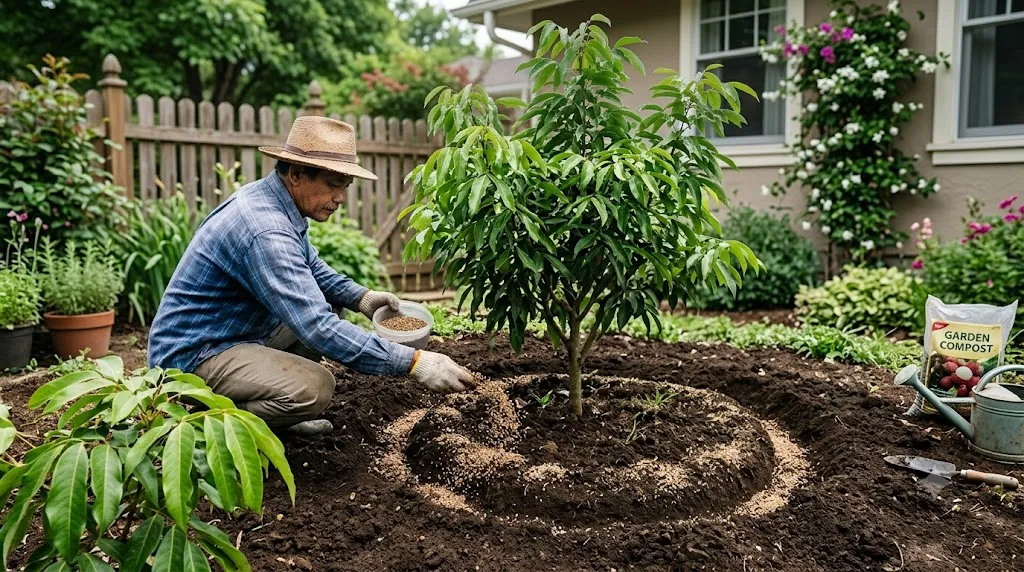
At the beginning of planting, bury about 30 kg of manure fertilizer for each tree. This organic fertilizer will serve as a good source of basic nutrients for the early growth of the plants.
For mature lychee, regular fertilization every two months is highly recommended. During the active growth phase, you can increase the frequency of fertilization to every month. Use fertilizers with high phosphorus content to stimulate flowering and fruit formation, as well as balanced nutrient fertilizers for overall growth. Regular fertilization every 6 months with 5 kg of NPK 16:16:16 and 50 kg of chicken manure fertilizer per tree is recommended for the vegetative growth period.
One month before the flowering period, spray NPK fertilizer with a high ratio of P (phosphorus) and K (potassium), such as 8:24:24, to stimulate flower emergence. When the flowers have become fruit buds, provide high-K NPK fertilizer, such as 13:13:21. High potassium is very helpful for the fruit to grow quickly and taste sweeter. Additionally, lychee fruit booster fertilizers are also available to enhance the quantity and quality of the harvest, prevent drop-off, and increase fruit density.
How to Plant Lychee for Quick Fruiting/AI Generated
Pruning is an important technique that should not be overlooked in how to plant lychee for quick fruiting. This technique aims to direct the plant's energy to focus on fruit formation, rather than just vegetative growth.
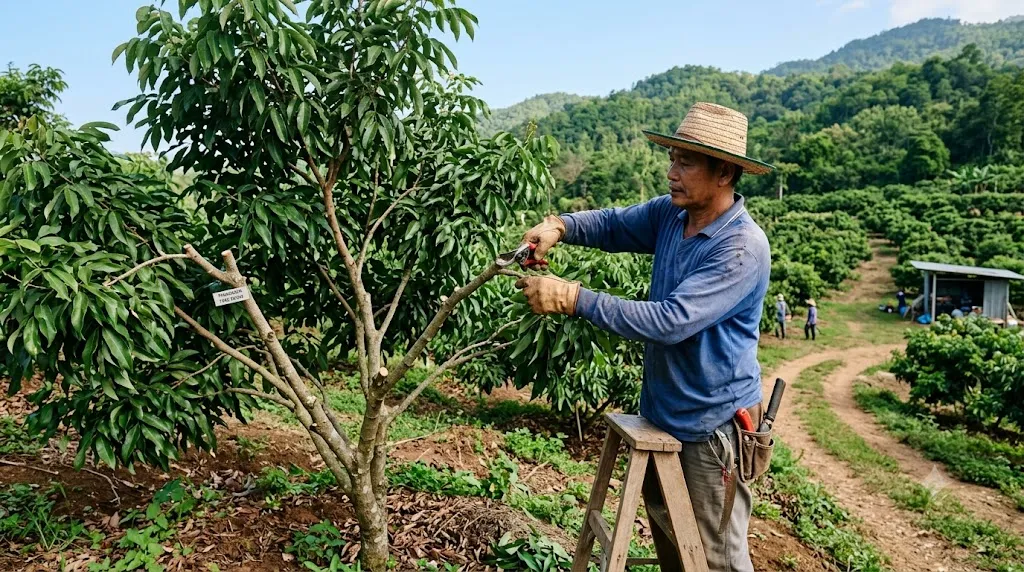
Pruning should be done between early and late spring, or after the harvest period. The main goal is to remove dead or diseased branches, as well as to thin the canopy to improve air circulation and sunlight penetration throughout the plant.
Light and regular pruning will encourage more productive yields and reduce the risk of pest infestations. For potted lychee plants (tabulampot), perform root and canopy pruning regularly once a year to keep the tree small yet productive.
How to Plant Lychee for Quick Fruiting/Photo by Arwin Neil Baichoo on Unsplash
Pests and diseases can significantly hinder the growth and formation of fruit, making their control an integral part of how to grow lychee for quick fruiting.
Common pests that often attack lychee plants include aphids, mites, and scale insects. These pests can suck the sap from the plants, causing the leaves to yellow and wilt. Severe aphid infestations can weaken growth, reduce fruit yield, and trigger the secretion of honeydew that promotes the growth of black mold.
Meanwhile, diseases such as anthracnose and root rot are generally caused by fungal infections exacerbated by poor air circulation and overly moist soil conditions.
Effective control strategies begin with regular monitoring to detect early signs of pest presence. Biological control can be carried out by introducing natural enemies such as ladybugs and lace flies to naturally reduce pest populations. Physical removal, such as manually cleaning aphids using water sprays or wiping with alcohol, can also be applied. For organic care, use horticultural oil or neem oil that is effective without harming plants or beneficial insects.
Maintaining garden cleanliness by pulling weeds and clearing plant debris can prevent pest habitats. To deter larger pests like bats and squirrels when fruit begins to appear, you can hang old CDs, neon lights, or shiny colored flags. The reflection of light and the loud noise produced can drive them away from the garden area.
What lychee varieties are recommended for quick fruiting in lowland areas?
The Kom Lychee or Red Lychee varieties are highly recommended as they are adaptable to lowland areas with hot temperatures.
How long does it take for a lychee tree to start bearing fruit if planted from grafted or budded seedlings?
Lychee trees from grafted or budded seedlings usually start bearing fruit at 2 to 3 years after planting.
How can flowering be triggered in lychee trees?
The "water stress" technique and fertilization with high phosphorus and potassium NPK a month before the flowering period can trigger the appearance of flowers on lychee trees.
What type of fertilizer is effective for stimulating lychee fruit?
To stimulate flowers, use NPK fertilizer with a high ratio of P and K (for example, 8:24:24) a month before flowering. When the flowers become fruit buds, provide high-K NPK (for example, 13:13:21).
(kpl/nti)
Cobain For You Page (FYP) Yang kamu suka ada di sini,
lihat isinya
Discover various low-maintenance hair coloring techniques such as French Highlights to Balayage that offer stunning looks and save time.
Fixing soft rice to make it fluffy can actually be done with a few simple steps. Check out the causes and tips to ensure the rice always turns out just right.

Bed bugs can disrupt sleep comfort. Recognize the signs, learn how to eradicate them using physical and chemical methods, as well as proper bite treatment.
Learn how to safely plant fruit trees near the carport so that the roots do not damage the foundation and floor of the house.
Growing sweet starfruit in pots is an attractive option for those who want to enjoy their own harvest without having to own a large garden.
How to plant katuk to encourage budding needs to be considered from the planting process to its care.
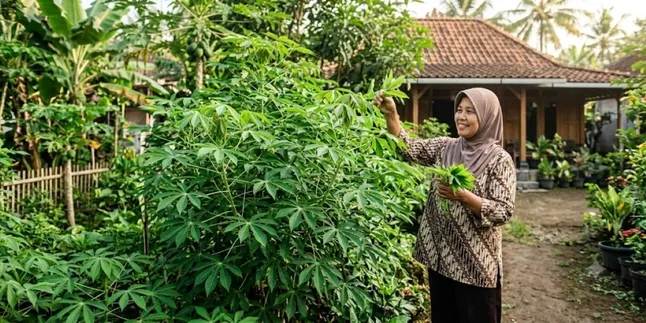
How to plant cassava leaves for abundant shoots helps the plant produce more buds without interfering with tuber formation.

Learn how to clean marble floors without wearing them down to keep them clean, shiny, and durable.
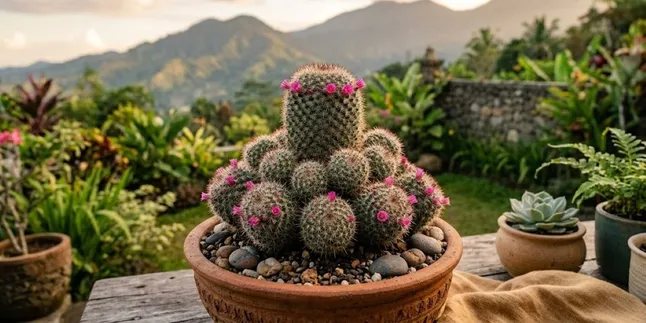
How to make cacti reproduce quickly with the right care so they grow healthy and produce many offsets.

Inspiration for house facades with yellow palms that make the residence look cooler, greener, and more elegant in various design styles.
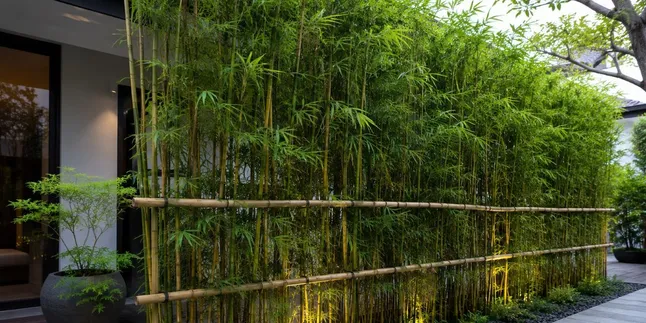
Check out the plants that make your home more private while being beautiful to look at, from Japanese bamboo to tea plants.
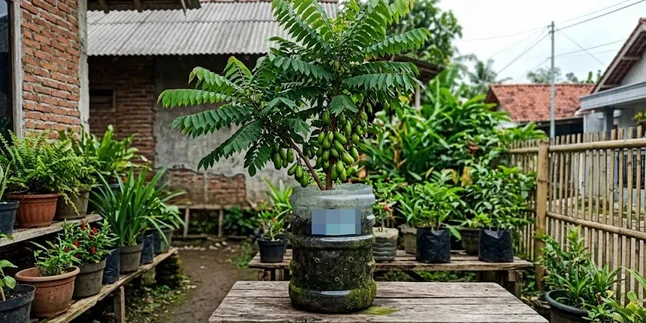
Create a mini garden at home by planting starfruit in used gallon containers. Follow the complete guide from seed selection to care for abundant fruit throughout the year.
