

 Follow
 Rekomendasi
6 Tricks to Brighten a Dark Room, Change the Atmosphere to Be More Comfortable
Tricks to brighten a dark room can be achieved by playing with colors, lighting, and decorations to create a more comfortable atmosphere.
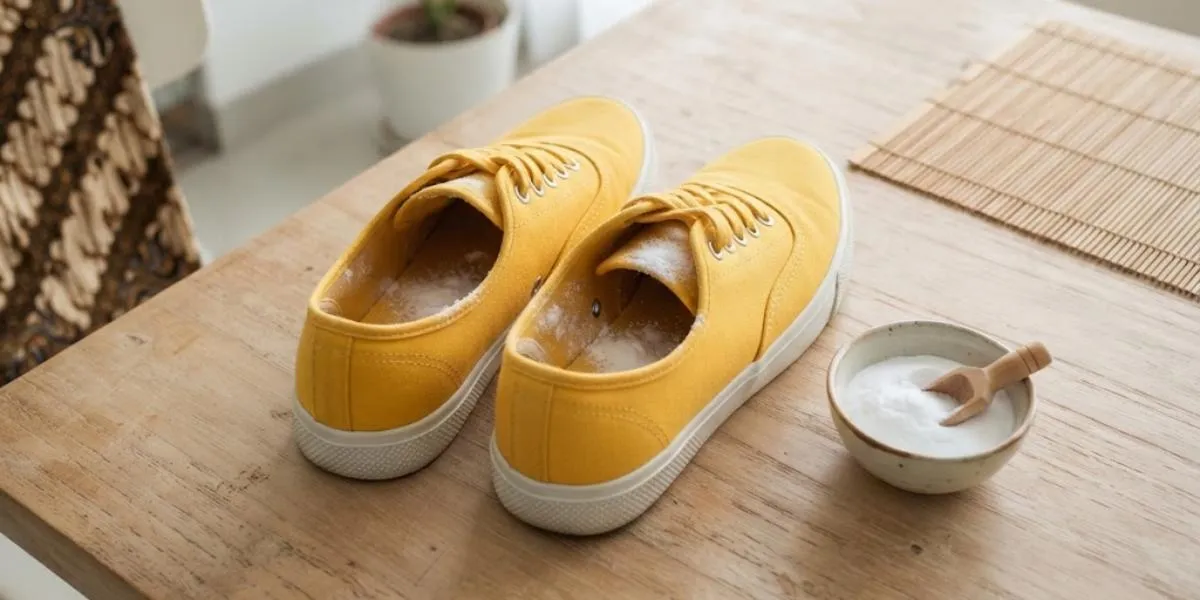
Kapanlagi.com - Shoes that start to emit an unpleasant aroma can certainly disrupt comfort. Fortunately, there are several ways to eliminate shoe odor without washing that can be done using simple materials at home. This method is suitable when the shoes are not completely dirty but already feel damp or smelly after frequent use.
Shoe odor is generally related to moisture, sweat, and microorganisms that develop inside the shoes. Shoes that are stored immediately after use also tend to retain unpleasant odors more easily, especially if placed in a closed space with minimal air circulation.
Not all types of shoes are safe to wash. Shoes made of leather, suede, or certain materials require more careful handling to avoid damaging their shape and texture. Therefore, odor elimination methods without washing can be a practical choice for daily maintenance, Friday (14/8/2026).
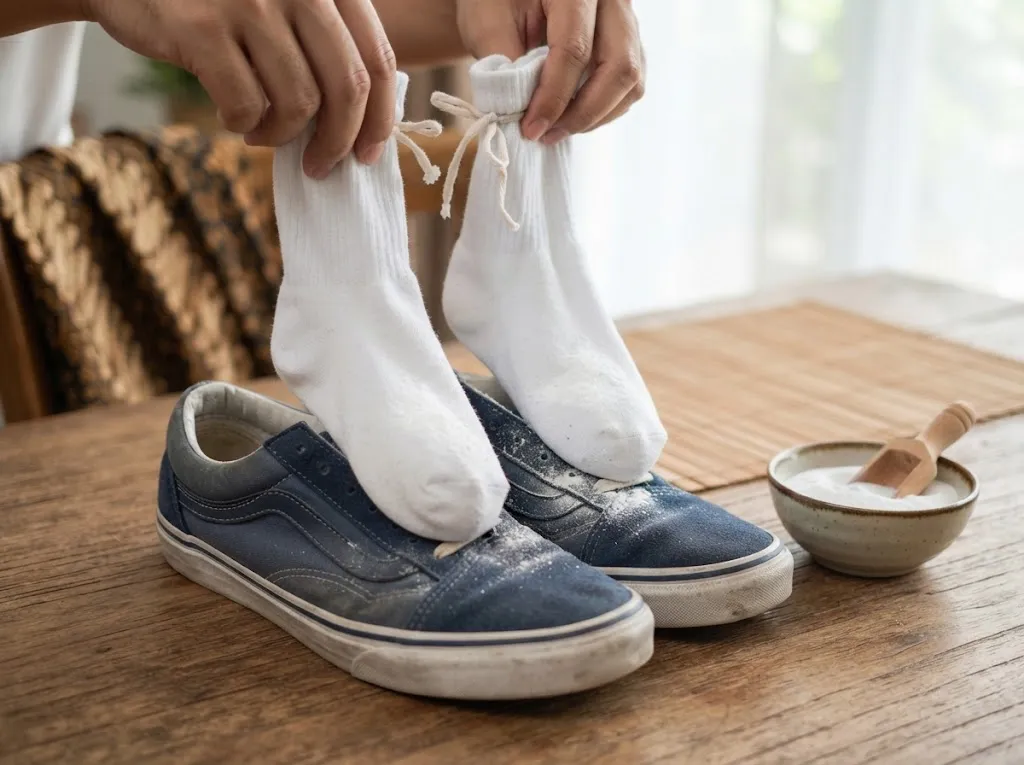
How to Eliminate Shoe Odor Without Washing/ Utilize Odor and Moisture Absorbing Materials (AI generated)
One of the simplest ways to reduce shoe odor is to use materials that can absorb moisture while also helping to neutralize smells. According to The Spruce, baking soda is a practical odor eliminator because it can absorb unpleasant odors. The method is quite simple: sprinkle enough baking soda inside the shoes, then let it sit overnight.
The next day, the shoes need to be shaken or cleaned of any remaining baking soda before use. If you don’t want the baking soda powder to come into direct contact with the shoe material, place the substance into a clean sock or a small porous bag, then put it inside the shoes.
Better Homes & Gardens also recommends baking soda as one of the simple methods to tackle shoe odor. In its use, baking soda can be combined with a little cornstarch and a few drops of essential oil, then placed into a small bag before being put inside the shoes.
In addition to baking soda, activated charcoal can also be utilized. According to Better Homes & Gardens, small bags containing activated charcoal can be placed inside shoes when they are not in use. Activated charcoal works by helping to absorb odor-causing compounds, making the inside of the shoes feel fresher.
Another material that can be used is old newspapers. Crumple several sheets of newspaper until they are dense enough, then place them inside the shoes and let them sit for a few hours or overnight. This method not only helps absorb odors but also any remaining moisture inside the shoes.
If you don't have those materials, dry bar soap can be an alternative. The Spruce explains that dry, porous bar soap can be placed inside the shoes overnight to help absorb odors while leaving a fresher scent. Use soap specifically for this purpose to avoid mixing it with soap used for the body.
For closed shoes, leather, or shoes that cannot get too much liquid, absorbent methods like baking soda, activated charcoal, and newspaper tend to be more practical than spraying liquid directly inside.
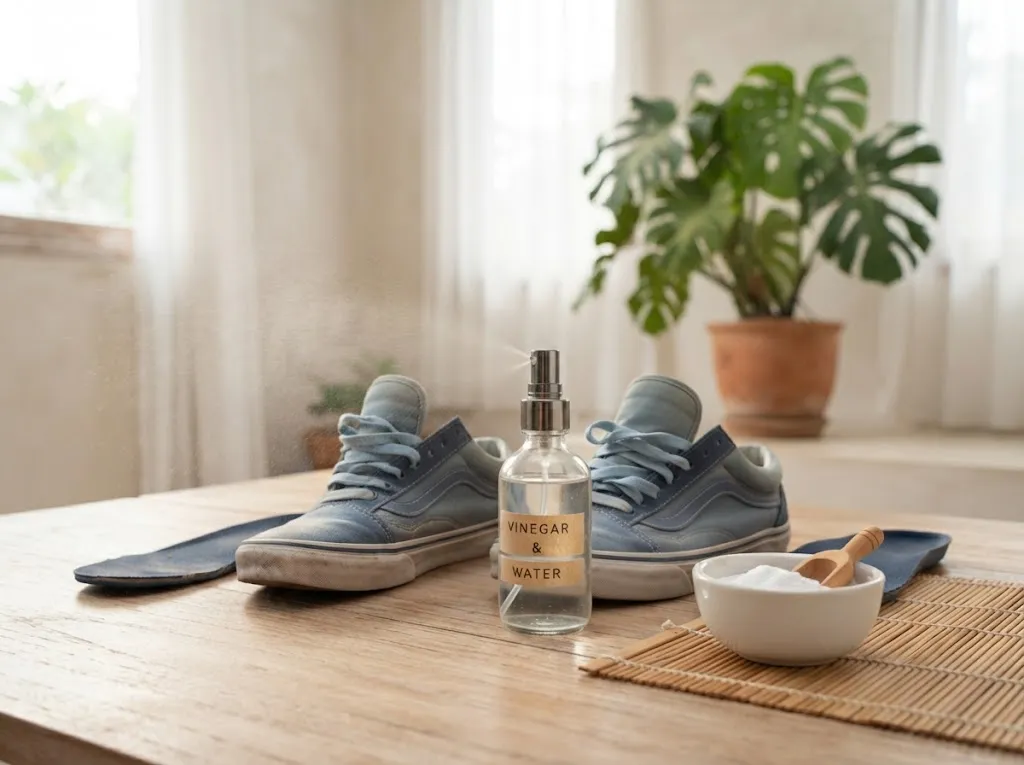
How to Eliminate Shoe Odor Without Washing/ Use a Mild Solution, Alcohol, or Fresh Scented Materials (AI generated)
If the shoe odor is quite strong, absorbent materials alone may not be enough. One option discussed by The Spruce and Better Homes & Gardens is white vinegar mixed with water in a 1:1 ratio.
Put this mixture into a spray bottle, then lightly spray the inside of the shoes. Avoid making the shoes too wet. After that, place the shoes in a well-ventilated area until completely dry before using them again.
It is important to note that vinegar should not be mixed with bleach, as this combination can produce harmful fumes. If the shoes were previously exposed to bleach products, do not use the vinegar solution immediately.
Another alternative is rubbing alcohol. Better Homes & Gardens mentions that alcohol can help neutralize odors as well as tackle bacteria inside the shoes. You can use it by spraying a little alcohol inside the shoes or dampening a cloth with alcohol and then lightly wiping it.
For leather shoes or materials that should not get too wet, The Spruce recommends using alcohol in a way that does not make the inside of the shoes too damp. After application, the shoes still need to be aired out until dry.
In addition to solutions, scented materials can also help freshen up the shoes. Orange peels, for example, can be placed inside closed shoes overnight. The citrus aroma will help reduce unpleasant odors and provide a fresher scent.
The Spruce also mentions the use of essential oils and certain spices such as cloves, cinnamon, and cedar. A few drops of essential oil can be placed on cotton, then the cotton should be put inside the shoes. Do not pour a large amount of oil directly onto the shoe surface as it may leave stains or alter certain materials.
Fragrant materials like orange peels and essential oils are more suitable for refreshing the scent rather than replacing the drying process. If the source of the problem is very damp shoes, reducing moisture remains a primary step.
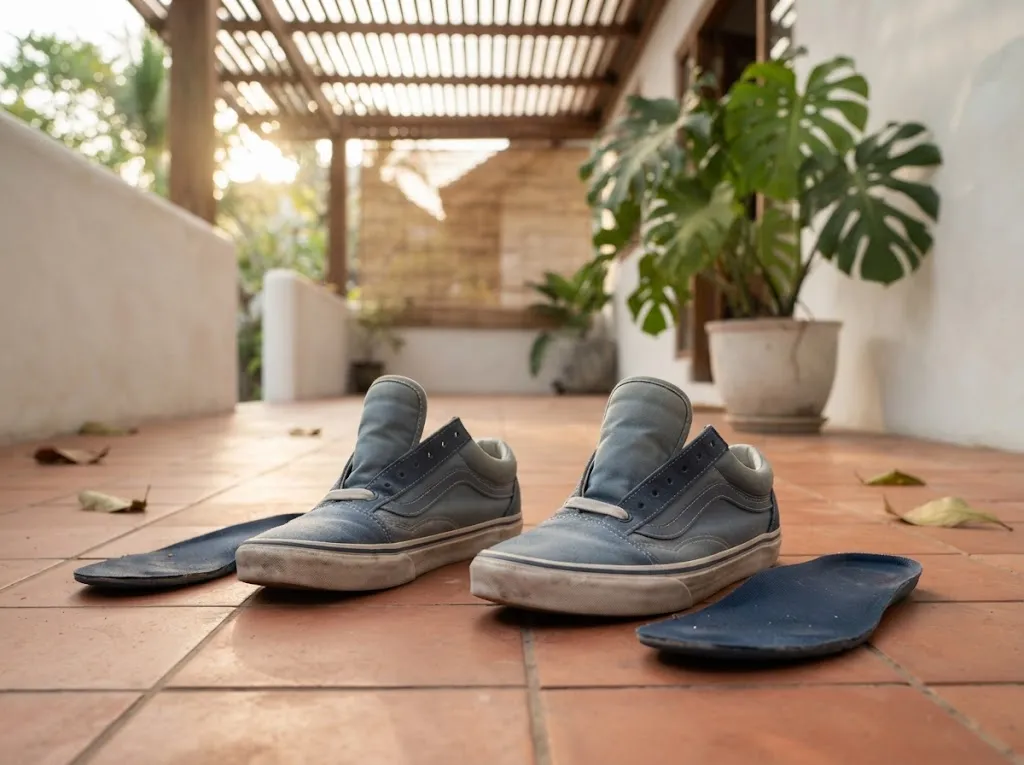
How to Eliminate Shoe Odor Without Washing/ Dry, Air Out, and Perform Routine Maintenance (AI generated)
Removing shoe odor without washing does not always have to involve specific materials. Sometimes, the most important step is simply allowing the shoes to dry thoroughly.
According to The Spruce, excess moisture inside the shoes is one of the key factors related to the emergence of odor. Therefore, after wearing them, remove the laces and insoles if possible. Place the shoes in an area with good air circulation so that moisture can decrease.
Sunlight can also be utilized. Better Homes & Gardens includes exposure to sunlight as one of the methods to help dry and refresh shoes. Shoes can be placed in a sunlit area for a few hours, while still considering the characteristics of the material.
However, not all shoes should be left in direct sunlight for long periods. Certain materials may discolor or become damaged if frequently exposed to heat. For shoes made of sensitive materials, choose a bright shaded area with good airflow.
If the odor remains stubborn, the freezing method can also be tried on suitable shoes. The Spruce and Better Homes & Gardens both list the freezer as one of the alternatives. Place the shoes in a clean, closed bag before putting them in the freezer overnight.
After removing them, allow the shoes to return to room temperature and dry naturally before use. Do not place the shoes directly in contact with food in the freezer. This method should also be considered based on the material and construction of the shoes, as extreme temperature changes are not always suitable for all types of materials.
In addition to addressing existing odors, daily habits also play a significant role. Better Homes & Gardens recommends wearing comfortable socks that can help manage moisture. Socks should be changed daily and after engaging in activities that cause the feet to sweat a lot.
Avoid wearing the same shoes every day if possible. Giving them a break allows the shoes time to release moisture before being used again. Old insoles can also become a breeding ground for odors. If they are difficult to refresh, replacing the insoles may be a more effective option than continually applying fragrances.
Shoes should also not be placed directly into a closed cabinet immediately after use. Let it stay open first so that air can enter the inside. After it is completely dry, the shoes should be stored in a cool, dry place with ventilation.
Thus, the way to eliminate shoe odor without washing can actually be done through several simple approaches: absorbing moisture, neutralizing odors, providing air circulation, and preventing moisture from accumulating again. For more lasting results, several methods can be used alternately depending on the condition and material of the shoes.
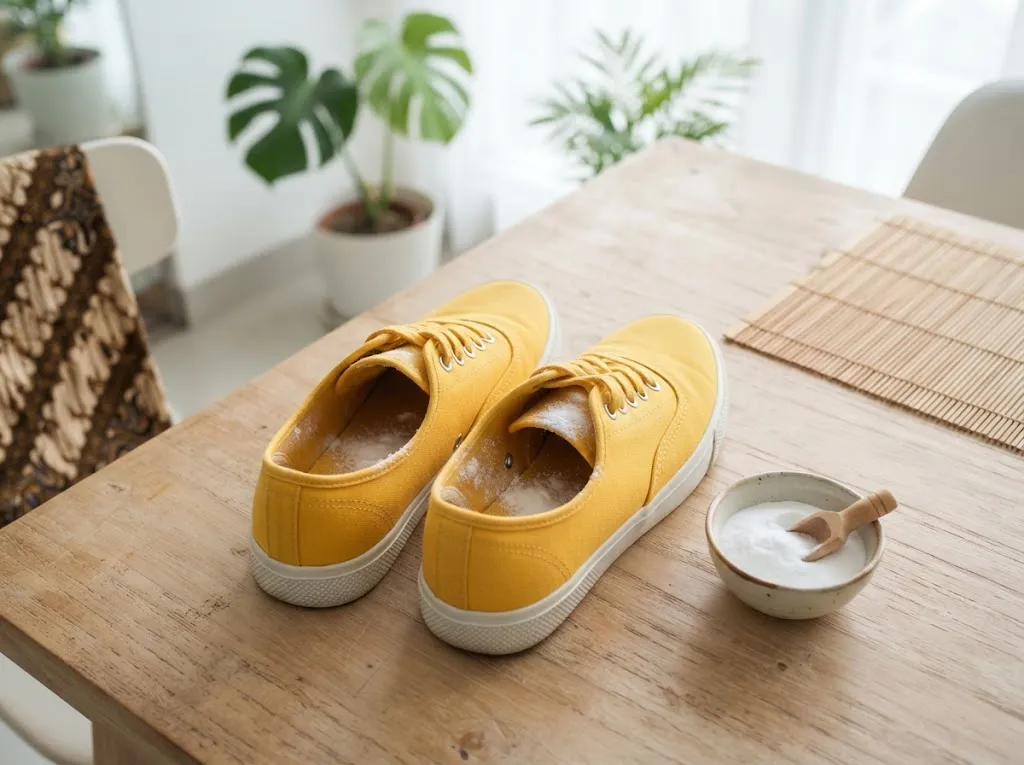
How to Eliminate Shoe Odor Without Washing (AI generated)
Baking soda is commonly used as an odor absorber, but it should not be left excessively on sensitive materials. For special material shoes like suede, it is advisable to test on a small area first or use baking soda in a fabric pouch to avoid direct contact with the shoe surface.
Baking soda can be left overnight and then removed in the morning. If the odor still lingers, the process can be repeated. Make sure no powder remains before wearing the shoes.
Yes.
After using vinegar or alcohol solution, shoes need to be aired out until completely dry. Do not wear shoes when the inside is still damp.Use clean socks and change them regularly, dry your feet before wearing shoes, give a break between wearing different shoes, and store shoes in a dry place with good air circulation. The insoles that have absorbed odors can also be replaced if necessary.
If the smell keeps returning even after drying and using a deodorizer, or if the inside of the shoes has been dirty and damp for a long time, more thorough care may be needed. Choose a cleaning method based on the shoe material and care instructions to avoid damaging their shape or surface.
References
(kpl/yni)
Cobain For You Page (FYP) Yang kamu suka ada di sini,
lihat isinya
Tricks to brighten a dark room can be achieved by playing with colors, lighting, and decorations to create a more comfortable atmosphere.

Check out the complete guide on how to make roses bloom frequently, starting from lighting, fertilization, to proper pruning.
A guide to 6 levels of boiling eggs, from runny yolk to perfectly cooked, to achieve the desired texture.
Make your home corners livelier! Discover a selection of plants with cascading shapes that are perfect for decorating home corners.
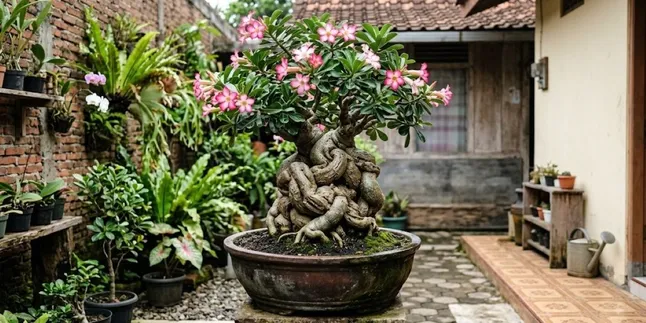
Bring an artistic touch to your home with a collection of uniquely-stemmed plants; this collection is not only beautiful but also easy to care for.
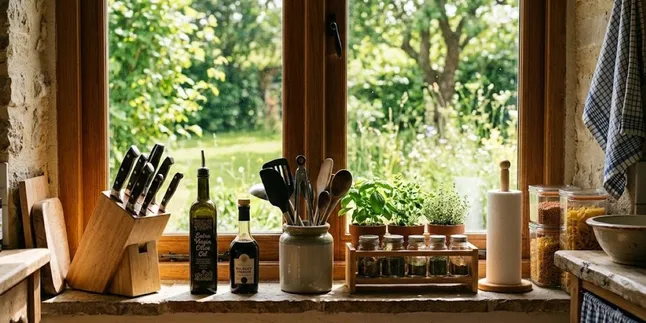
Maintaining the quality of food ingredients and equipment is important? Pay close attention, there are kitchen items that should not be placed near windows due to exposure to sunlight and temperature.
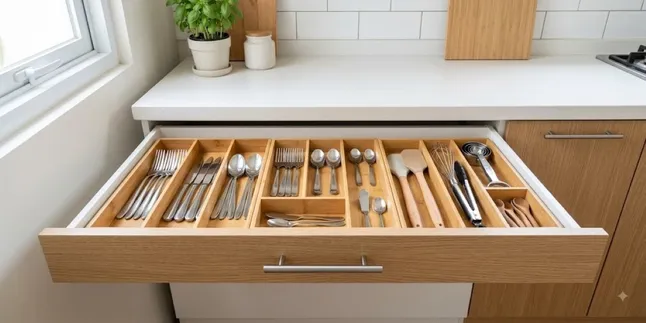
These tricks for organizing kitchen drawers help keep cooking utensils from getting messy and make them easier to find.
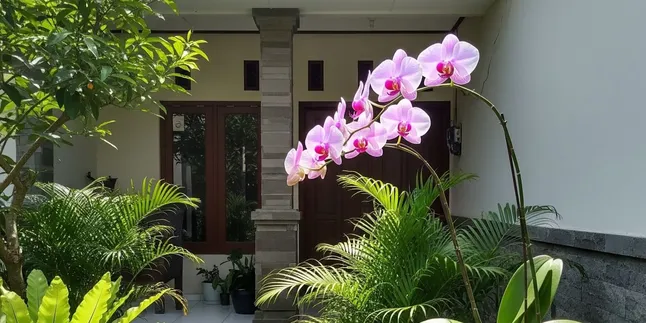
How to care for orchids to bloom quickly with a complete guide on lighting, watering, fertilizing, and the ideal temperature for maximum results.
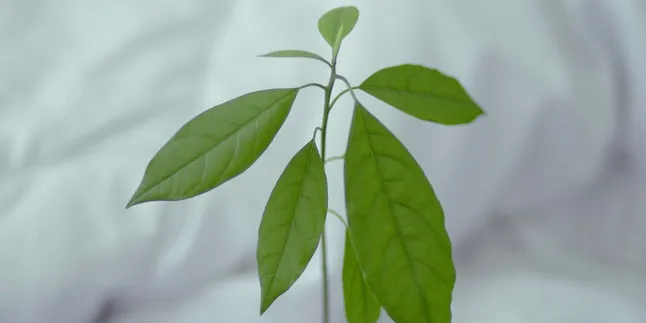
How to easily plant avocado from seed at home, starting from germination to being transferred to a pot.
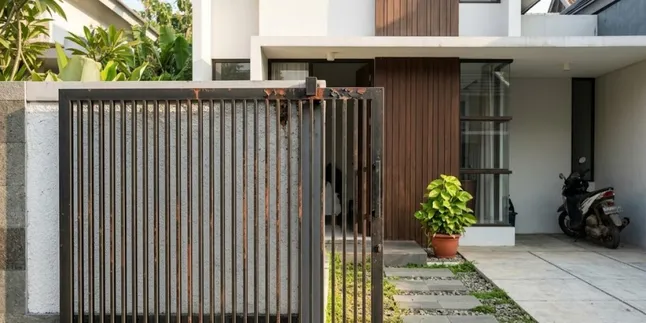
Rust on home fences can be addressed without repainting. Learn practical guidelines for cleaning rust with natural materials, mechanical methods, and special products for a clean and well-maintained fence.
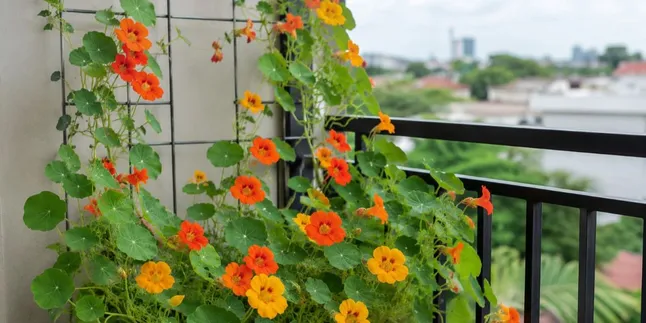
Describes climbing plants to beautify balconies, from variegated ivy to easy-care nasturtiums.
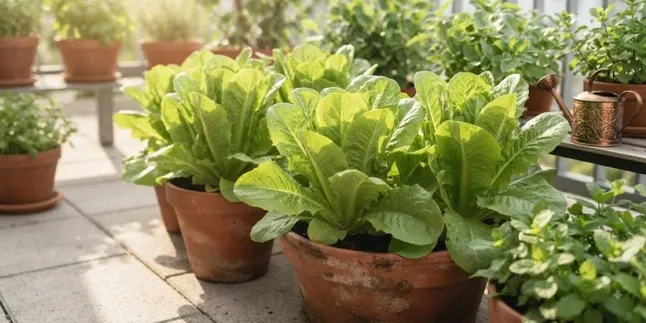
How to grow romaine lettuce at home, from choosing seeds to harvesting fresh and crunchy leaves.
