

 Follow
 Rekomendasi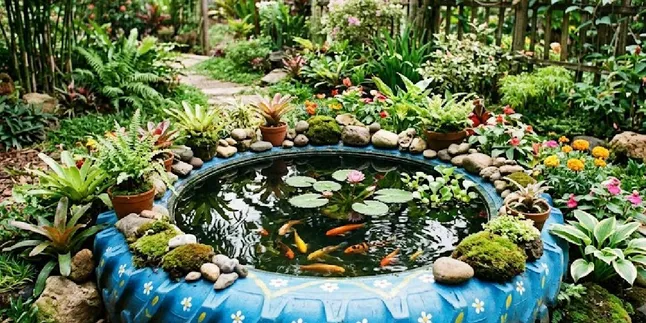
How to Make a Mini Pond from Used Tires for Garden Decoration
A mini pond made from used tires can be created with simple steps, starting from choosing the tires to maintenance to keep it clean and comfortable.
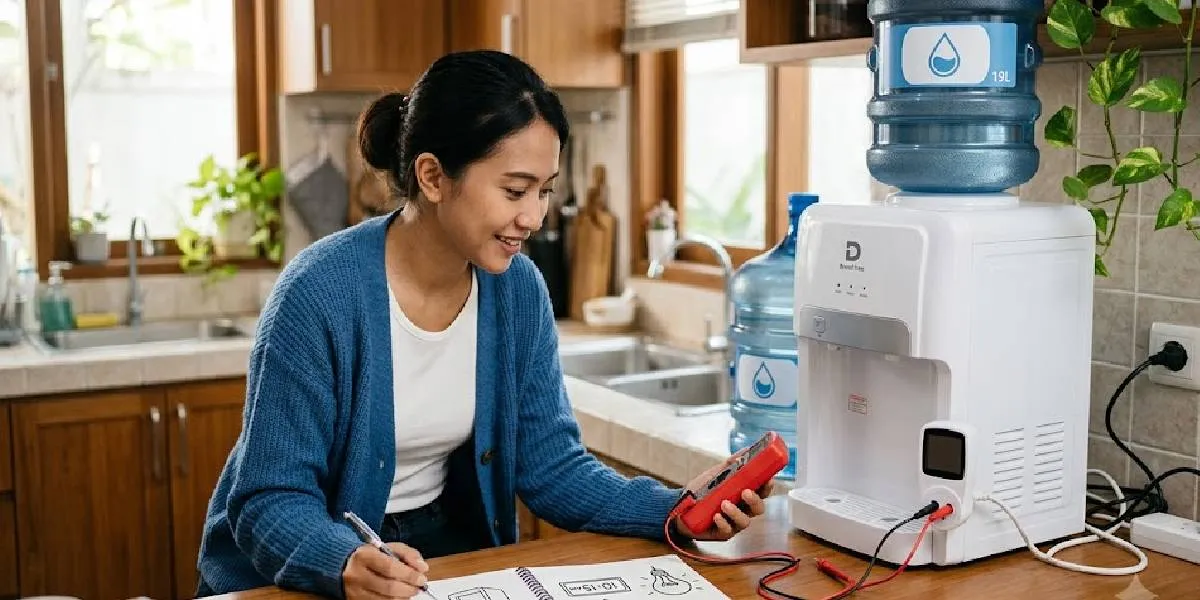
Kapanlagi.com - The question of whether a power-hungry dispenser still lingers for many household users. This device, which provides hot and cold water, is indeed practical for daily use, but its continuous operation often raises concerns as it is thought to increase electricity bills.
In fact, the electricity consumption of a dispenser is not only determined by the habit of keeping it on all the time. The type of dispenser, heating or cooling features, and maintenance methods also influence the amount of energy used. Energy Star certified water dispensers are recorded to be about 22 percent more efficient than standard models.
The power rating is one of the factors to consider before assessing whether a dispenser is power hungry. By understanding how it works and its energy needs, the use of the dispenser can still be done efficiently.
In general, the electricity consumption of dispensers ranges from 150 to 500 watts, depending on the available features. Devices with both hot and cold functions require more power compared to dispensers that provide only one function.
Hot and cold dispensers typically require around 300 to 500 watts when fully operational because they need to run both the heating and cooling systems simultaneously. Meanwhile, dispensers with a single function, whether hot or cold, generally use about 150 to 200 watts.
The heating component is the part that requires the most energy. The heating element of a dispenser can use around 400 to 700 watts, and can even reach up to 1,000 watts in certain models that have a reheat feature.
The cooling system has different energy requirements. Thermoelectric coolers that do not use a compressor require about 60 to 80 watts, while compressor cooling systems use around 100 to 120 watts.
When the dispenser is only in standby mode to maintain water temperature, electricity consumption is lower. International energy efficiency standards limit standby power usage for hot and cold units to below 1.2 kWh per day.
Compared to several other household appliances, the consumption of dispensers is still within a reasonable category. For example, a hair dryer can use about 800 to 1,000 watts, while a refrigerator can reach 400 to 1,500 watts depending on its type.
Dispensers do not always use full power all the time. Electricity is mostly used when the heating or cooling system is active, and then the device will temporarily stop once the water temperature reaches the required level.
This operation is similar to refrigerators that use a cycle system. According to Bob Vila, dispensers with on-demand hot or cold systems generally use less energy compared to storage tank models that must continuously maintain temperature.
However, electricity consumption can increase when the dispenser is left on for 24 hours without a break, especially if it is rarely used. In such conditions, the heating and cooling components continue to work to maintain the water temperature.
Another habit that can increase electricity usage is turning on both the hot and cold functions simultaneously. Having both systems active at the same time makes the machine work harder compared to using just one function.
The placement location of the dispenser also affects energy consumption. Placing the device in an area exposed to direct sunlight or near heat sources like stoves can make the cooling system work harder.
Additionally, the condition of the device also determines efficiency. Damaged tank insulation, scale or mineral deposits, older models without energy-saving features, and problematic thermostats can cause the dispenser to work more frequently to maintain water temperature.
Saving electricity with a dispenser can be done without reducing user comfort. One of the easiest ways is to turn off or unplug the dispenser when not in use, especially at night or when the house is left unattended for a long time.
Users can also take advantage of energy-saving features if available. Modes such as Eco Mode or Energy Saver help adjust electricity consumption according to the device's needs.
Using a timer or smart plug is another option to set the dispenser's operating time. These devices can help schedule the dispenser to be active at certain times, for example, in the morning when hot water is needed or during the day for cold water.
Placing the dispenser in a cool area with good air circulation also helps reduce the workload of the machine. Additionally, regular cleaning is necessary to ensure that scale and mineral deposits do not hinder the heating or cooling process.
Maintenance of the inside of the dispenser includes checking the condition of the tank insulation. Good insulation can help maintain water temperature longer so that the machine does not need to turn on frequently.
The use of hot water should also be adjusted to needs. Since the heating function requires more power, taking just enough hot water can help reduce energy consumption.
For those looking to buy a new dispenser, low watt or inverter technology can be a consideration. The system is designed to adjust energy usage to be more efficient compared to certain conventional devices.
The selection of the dispenser from the beginning can affect electricity usage in the long term. The first thing to pay attention to is the wattage number on the device's label, especially the heating power, as this part becomes one of the largest contributors to energy consumption.
Low watt dispensers with lower heating power and thermoelectric cooling systems generally use less energy compared to models with large capacity compressors.
In addition to power, supporting features should also be considered. Eco mode, built-in timers, and stainless steel tanks with good insulation can help maintain stable water temperature so that the machine does not need to be activated too often.
Energy-saving certifications can also be a consideration when choosing a device. According to tests by Bob Vila, dispensers with energy efficiency certifications typically use less electricity and can help reduce operational costs.
The capacity of the dispenser should be adjusted to the household needs. Devices that are too large may work harder for water needs that are actually not much, while excessively high power can burden the home's electrical installation with small capacity.
So, is the dispenser wasteful of electricity? The answer depends on the type of device and how it is used. By choosing the right model, utilizing energy-saving features, turning it off when not needed, and performing routine maintenance, the electricity consumption of the dispenser can remain controlled.
(kpl/mda)
Cobain For You Page (FYP) Yang kamu suka ada di sini,
lihat isinya
A mini pond made from used tires can be created with simple steps, starting from choosing the tires to maintenance to keep it clean and comfortable.
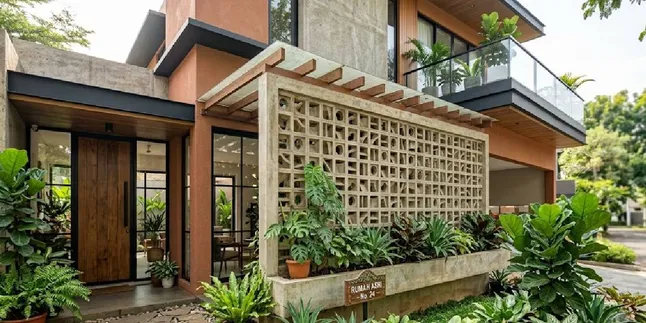
Concrete rosters on home facades can be combined with ornamental plants. Check out 7 motif options and types of plants that are suitable.

Recommendations for family dining places in West Jakarta with menu options, prices, facilities, and atmosphere suitable for dining together.

How to make tempe meatballs without meat with a chewy texture can be done at home. Check out the ingredients, steps, and tips to ensure the results don't easily fall apart.

TasteAtlas has released a list of the 10 best coffee beans in Asia 2026. Indonesia contributes three representatives alongside premium coffees from Thailand, Laos, and India.

This collection of films and dramas featuring Gong Yoo presents a variety of genres, ranging from fantasy, zombie, to romance. Most of them also achieve high ratings and receive widespread appreciation.
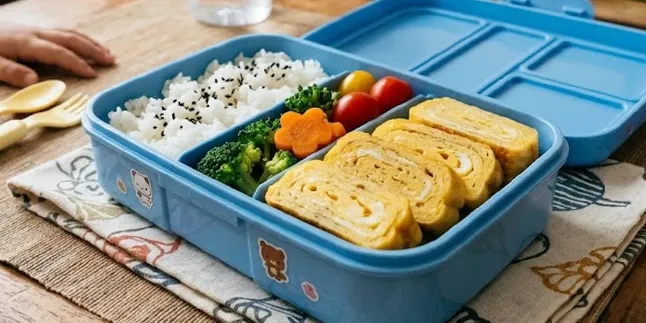
Tamagoyaki can be a practical, nutritious school lunch option that is ready in 10 minutes. Check out the ingredients, rolling technique, and serving ideas.
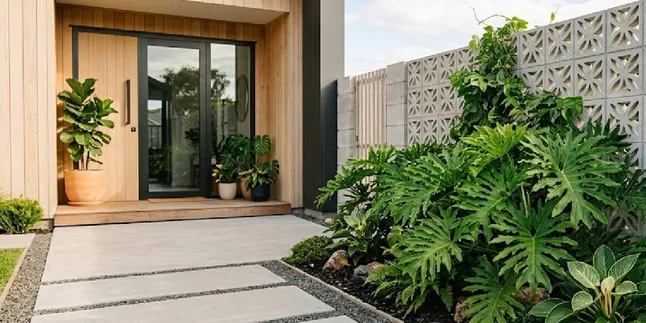
The combination of concrete roster and philodendron can create a cool and modern home garden. Check out six inspiration layouts below.
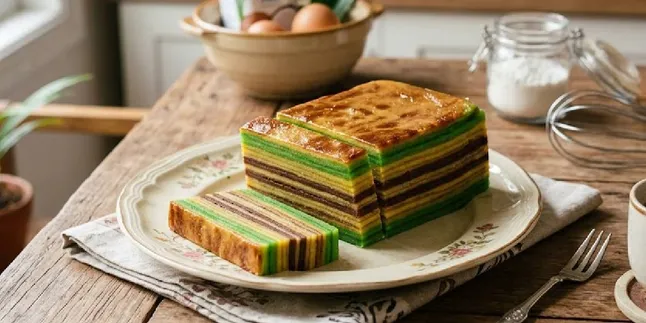
Want to make a layer cake without tapioca flour? Try this recipe that combines hunkwe flour and wheat flour to create a soft and chewy texture.
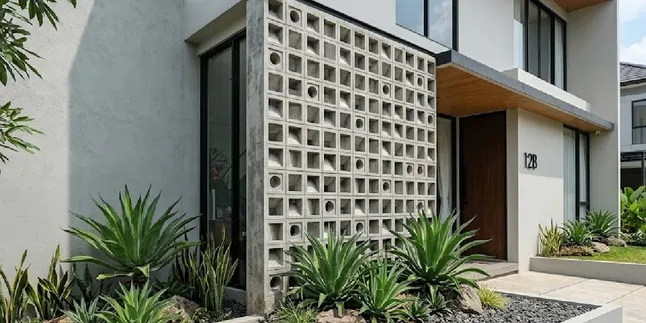
The combination of concrete roster and agave plants can beautify the house facade without requiring complicated maintenance. Check out various inspirations suitable for different housing styles.

The combination of concrete roster and yellow palms can make the terrace feel cooler and tidier. Here are eight inspirations that can be adapted to various house styles.

From INSANE to YADANG: THE SNITCH, this lineup of Korean films presents mystery, thrillers, and plots that keep changing until the end of the story. What are they? Let's take a look.
