

 Follow
 Rekomendasi
Complete Profile of Korean Actress Park Yoo Na, Career and Personal Life
Complete profile of Park Yoo Na, career journey, popular dramas, and her latest projects on Disney+
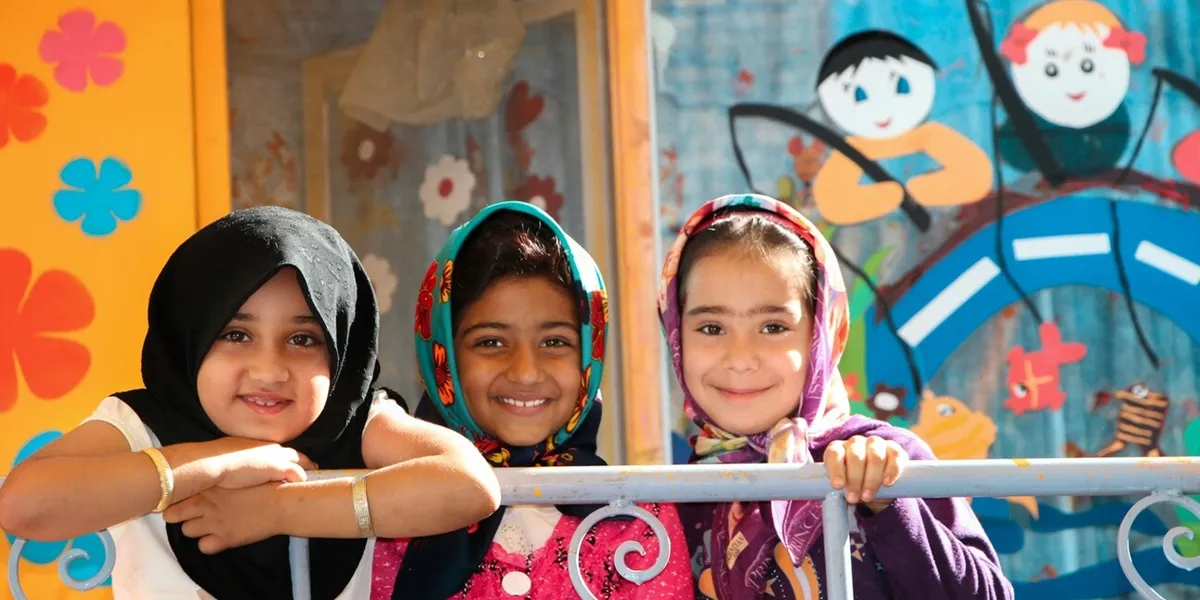
Kapanlagi.com - The Eid holidays bring a warm, relaxed atmosphere filled with togetherness. Sleep schedules change, activities become more flexible, and social interactions increase drastically. However, when the holiday period ends, children must return to a more structured school routine.
This sudden change often triggers mood swings. Some children become more fussy, have difficulty waking up in the morning, and even resist going back to school. This condition is known as post-holiday blues and needs to be addressed with empathy and appropriate strategies.
This phenomenon occurs due to the contrast between the joys of the holiday and the usual daily activities. Parents need to understand the signs that their children are experiencing post-holiday blues and implement ways to maintain their mood so they can regain enthusiasm.
Find other news related to Eid at Liputan6.com.
Find ways to maintain children's mood after the euphoria of the Eid holiday (credit:unsplash.com/id/@azarbadam)
Changes in mood after a holiday do not mean that a child is lazy or undisciplined. The transition from a relaxed atmosphere to a strict schedule is a significant change for their nervous system. Children may show symptoms such as difficulty sleeping, reduced appetite, and becoming more spoiled.
This response arises because they feel comfortable during the holiday and face a heavy return to school rules. Holidays usually alter sleep schedules, eating patterns, and the intensity of activities. When everything suddenly returns to normal, the body and brain need time to adjust.
Other triggers include overstimulation during the holidays and anxiety about facing new obligations. This combination of factors can affect a child's mood stability.
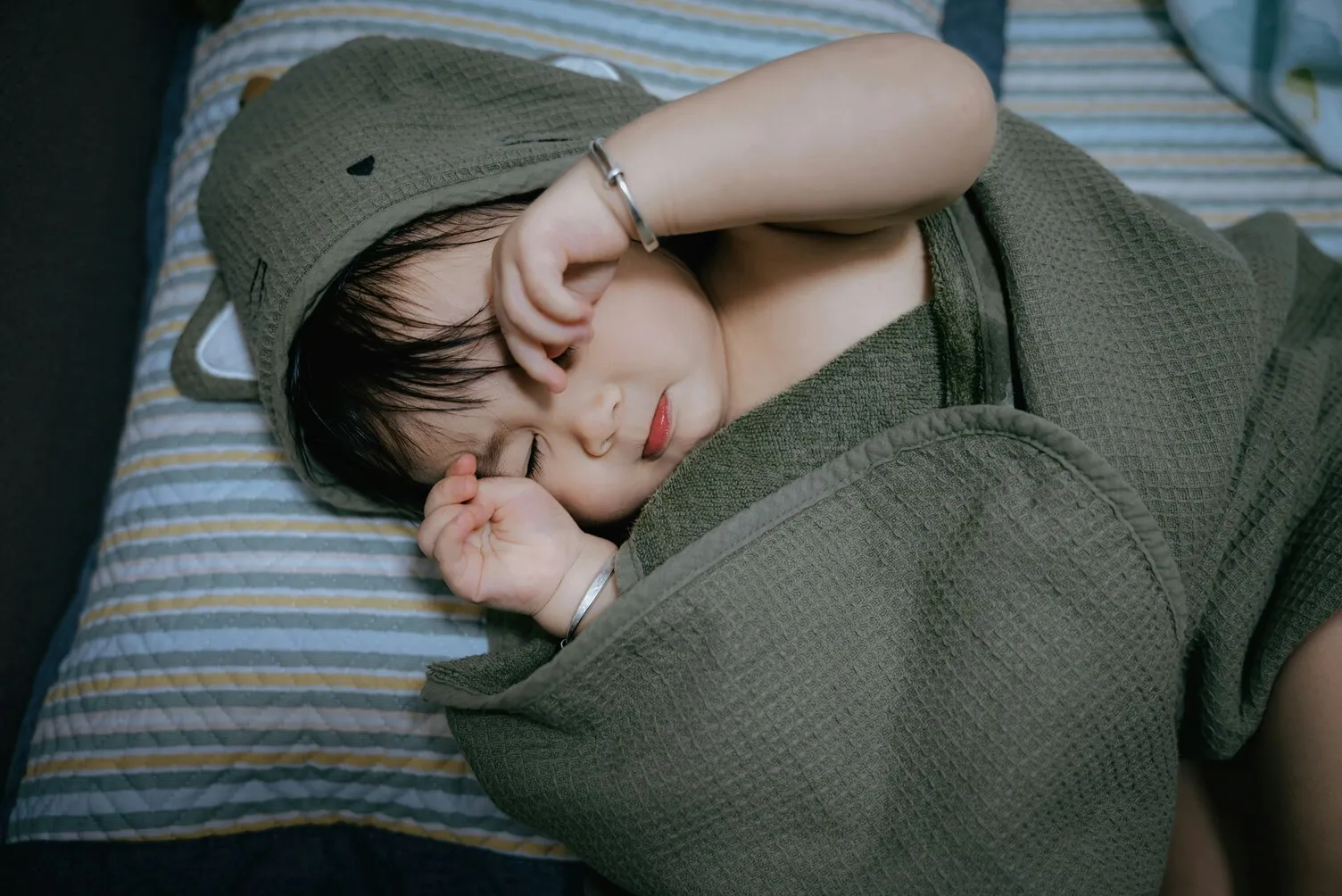
Find ways to maintain your child's mood after the euphoria of the Eid holiday (credit:unsplash.com/id/@wangbinghua)
During the holidays, children tend to sleep later and wake up later. Changing this habit suddenly can trigger drama in the morning. Start shifting bedtime 15 minutes earlier each night, at least one week before school starts.
This gradual approach helps the biological clock adjust without excessive pressure. Getting enough sleep is a fundamental foundation for emotional stability. A well-rested child is more prepared to face learning activities.
Resetting sleep patterns also helps reduce crankiness in class. A smooth transition makes adaptation more comfortable.
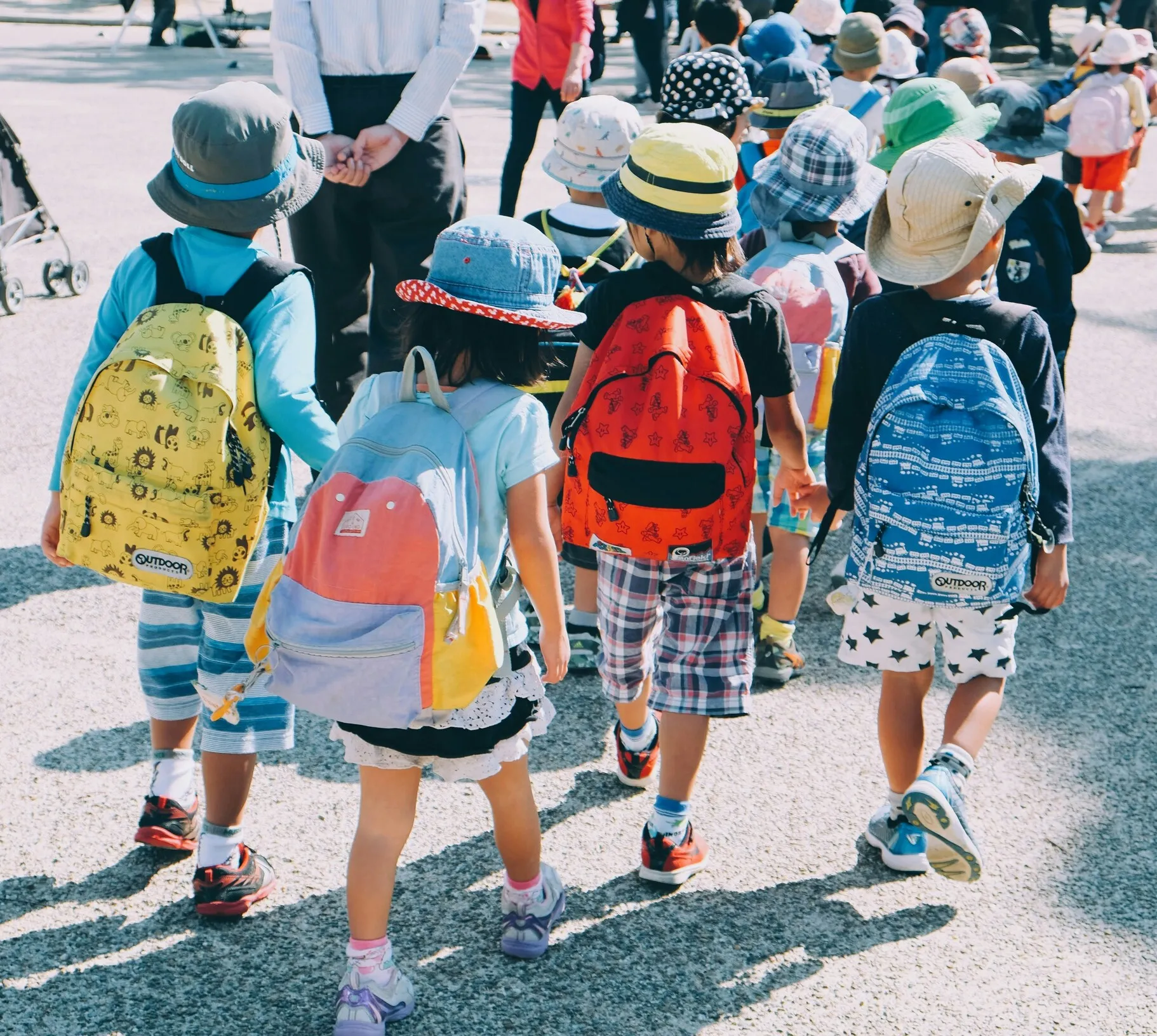
Find ways to maintain children's mood after the euphoria of the Eid holiday (credit:unsplash.com/id/@notethanun)
Anxiety often arises because children feel they are losing control over changing situations. Involving them in school preparations can boost their confidence. Invite children to choose school supplies or organize books together.
This activity fosters a sense of ownership and pride in the back-to-school process. Preparing together also creates a warm communication space. Children can be encouraged to talk about their hopes and exciting experiences at school.
With this approach, school is no longer seen as a burden. Children begin to view it as part of a new adventure.
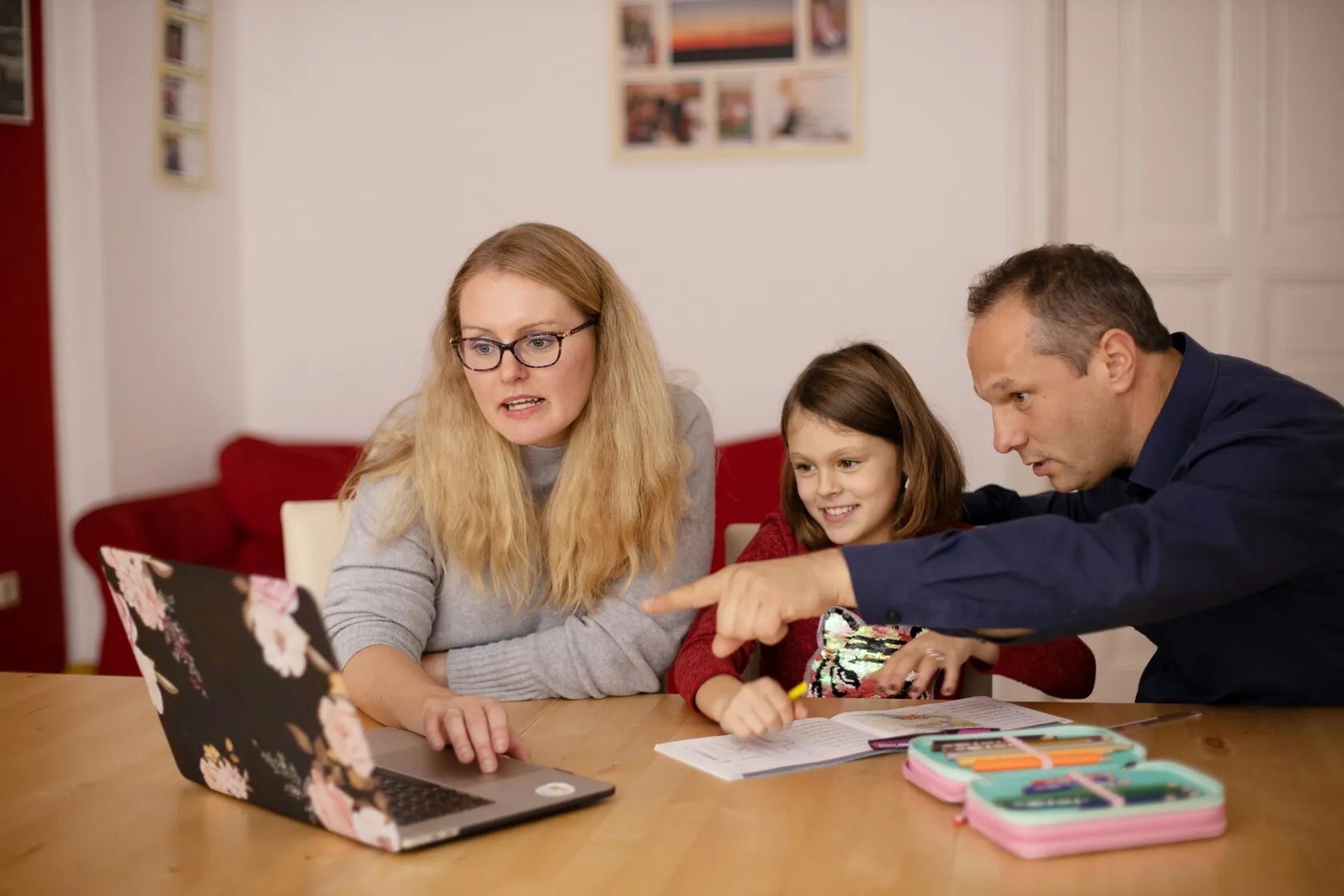
Find ways to maintain children's mood after the euphoria of the Eid holiday (credit:unsplash.com/id/@sofatutor)
Parents' words have a significant impact on children's mental state. Sentences with a tone of pressure can reinforce their anxiety. Conversely, positive affirmations help build self-confidence.
Simple statements like the belief that they can have a good day can serve as mental reinforcement. Affirmations should be delivered with eye contact and a calm tone. This moment can take place before leaving or during the journey to school.
A positive approach helps children feel fully supported. This becomes an emotional shield when they face social challenges at school.
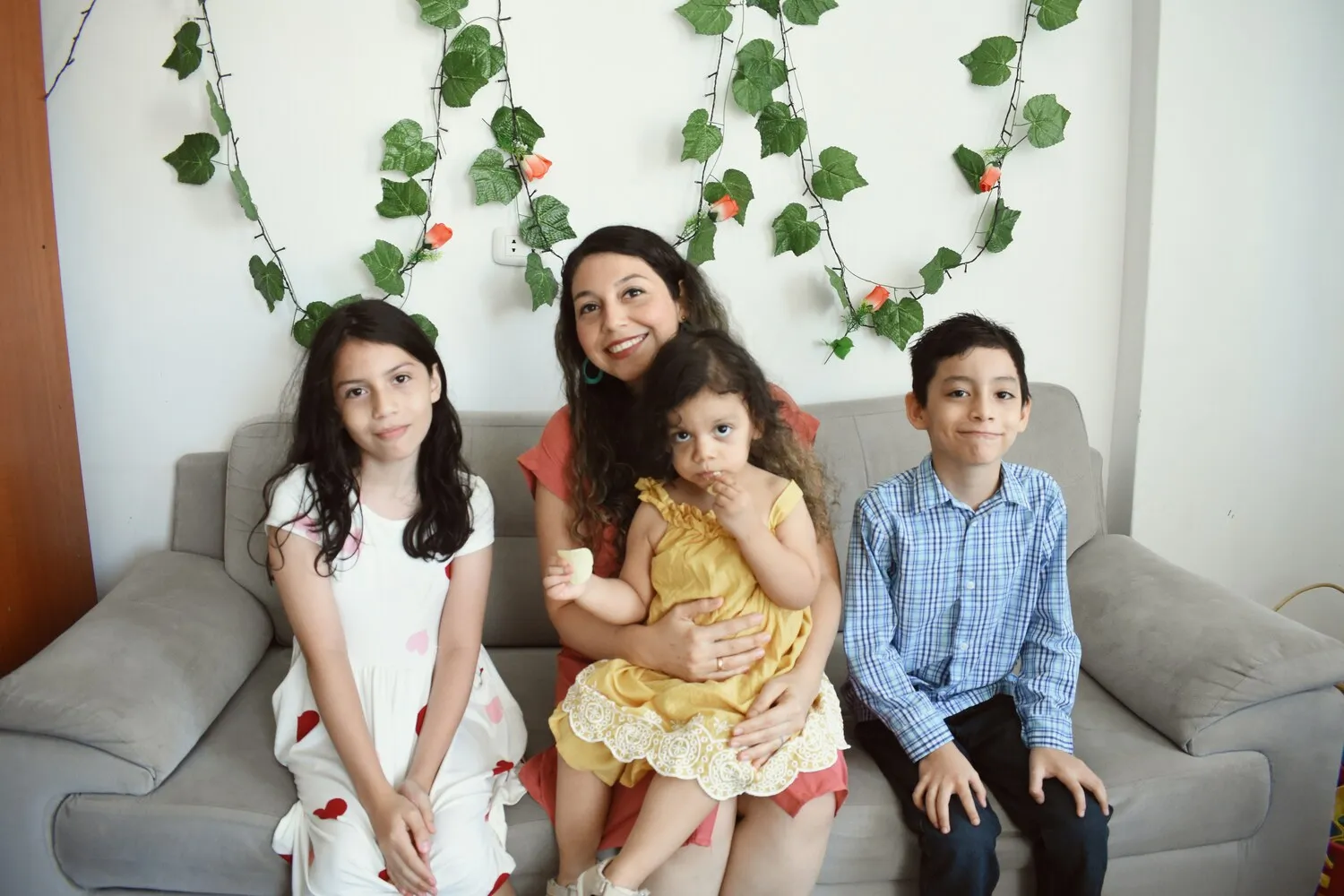
Find ways to maintain your child's mood after the euphoria of the Eid holidays (credit:unsplash.com/id/@noorvasquezfoto)
A hurried home atmosphere can trigger stress from the start of the day. Shouting and time pressure make children feel tense. Wake up earlier and prepare necessities before the child wakes up. Greet the morning with a relaxed rhythm so that the child does not feel rushed.
A consistent routine provides a sense of security. Children will be more emotionally stable throughout the day. A mindful morning helps create a conducive atmosphere before starting activities. A calm morning lays the foundation for a more positive mood.
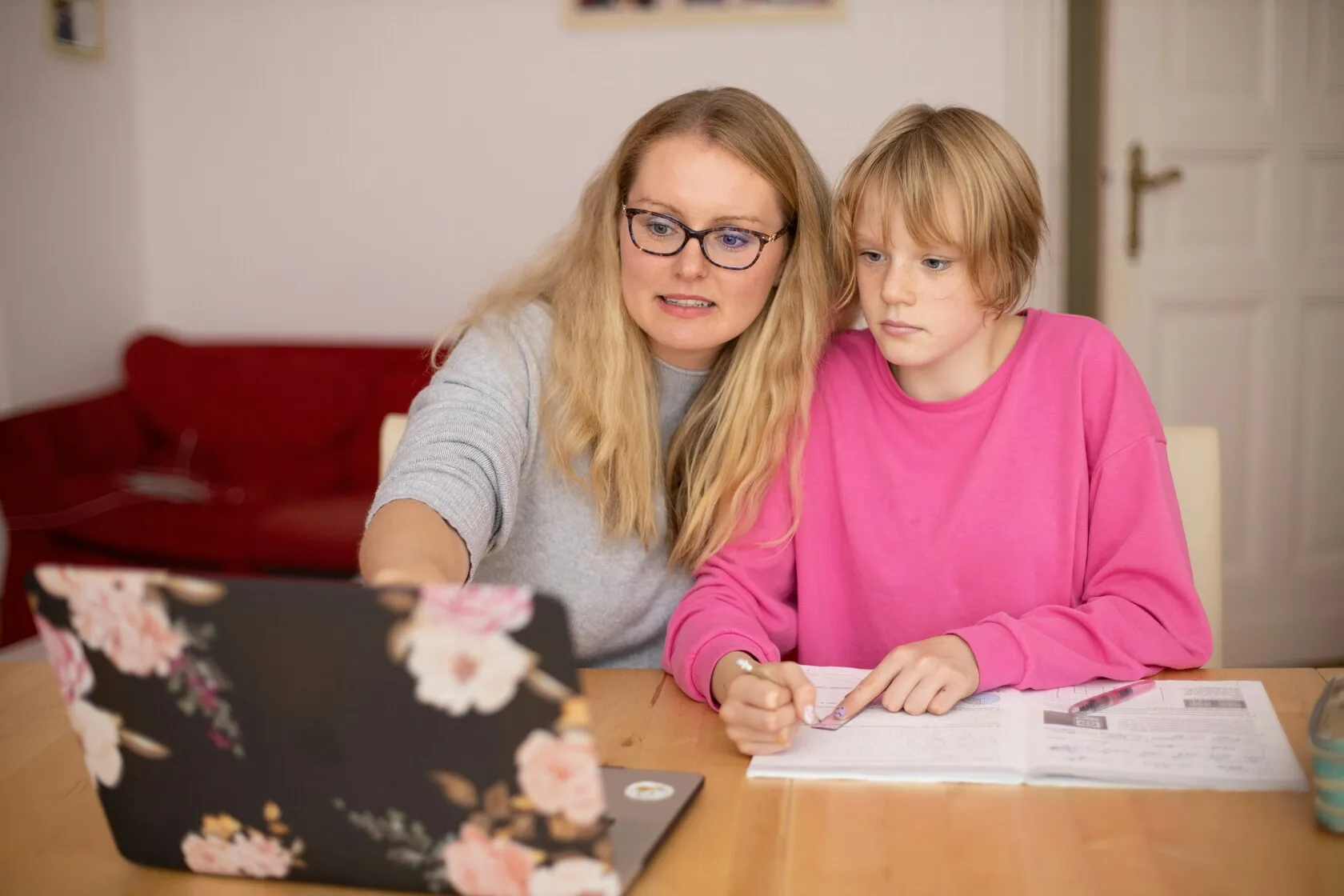
Find out how to maintain children's mood after the euphoria of Eid holidays (credit:unsplash.com/id/@noorvasquezfoto)
The moments after a child comes home from school are crucial for evaluating their feelings. Focus on their emotional experiences before discussing academics. Listen to their stories attentively without immediately giving advice.
Empathetic responses help children feel valued. If a child expresses difficulties, validate their feelings. Acknowledging their emotions helps alleviate mental burdens.
With open communication, school becomes a safe space for discussion. This strengthens the child's confidence in adapting.

Find out how to maintain children's mood after the euphoria of Eid holidays (credit:unsplash.com/id/@timmossholder)
The first week of school is an adaptation period. Demanding maximum performance at the beginning can actually increase anxiety. Give children space to adjust to their environment and learning rhythm. This approach helps reduce mental pressure.
Reduce excessive expectations and increase empathy. Focus on the adaptation process before academic results. Consistency and patience are key in mentoring. Every child has a different adaptation time and it needs to be appreciated.
Q: Why do children become fussy after the Eid holiday?
A: Because there is a drastic change in routine. The body and brain need time to readjust.
Q: What is post-holiday blues in children?
A: A condition of mood changes after the holiday ends. Symptoms can include difficulty sleeping, anxiety, and reluctance to return to regular activities.
Q: How can I help my child get excited to go back to school?
A: Involve your child in school preparations and use positive affirmations every morning. Maintain a sleep routine and create a calm morning atmosphere.
Q: How long does it take for a child to adjust after a holiday?
A: Every child is different. Some adjust quickly, while others may take longer.
Come on, read articles about guides and other interesting ways on Kapanlagi.com. If not now, when?
(kpl/vna)
Cobain For You Page (FYP) Yang kamu suka ada di sini,
lihat isinya
Complete profile of Park Yoo Na, career journey, popular dramas, and her latest projects on Disney+
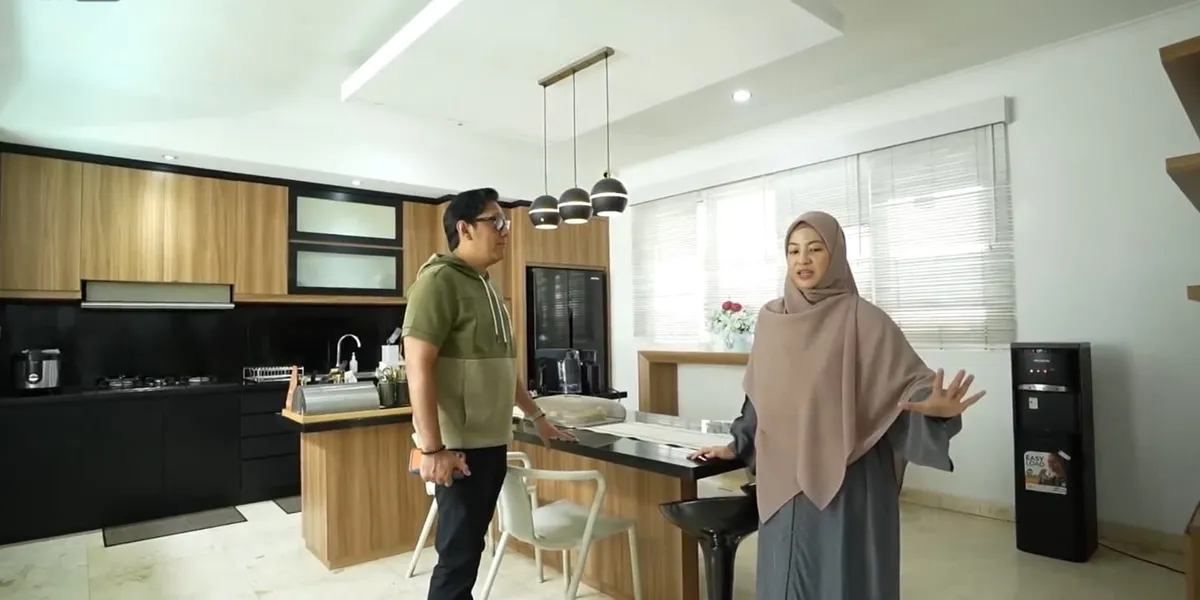
Not only aesthetic, Natasha Rizky's kitchen also feels very comfortable. Let's take a look at some photos of Natasha Rizky's kitchen below.

A list of Netflix films adapted from classic novels to bestsellers that you must watch.

Indonesian films set in the mountains continue to captivate audiences with stories of adventure, horror, and meaningful friendship. Don't miss this lineup of films.

Strategies to reorganize finances after big expenses during Eid to quickly stabilize financial conditions.

A list of Chinese dramas about music filled with romance, dreams, and entertainment industry conflicts.

Confused about finding entertainment during the journey? Let's check out fun podcast recommendations that are ready to make your moments more enjoyable and insightful.

Ways to maintain body health after the Eid eating pattern to stay fit and keep weight under control.

Recommendations for Chinese dramas about sibling rivalry filled with emotional conflict and family intrigue.

Recommendations for underrated Chinese historical dramas with intrigue, conspiracy, and romance filled with conflict.

7 forgotten isekai anime with unique concepts that are less popular than big titles.
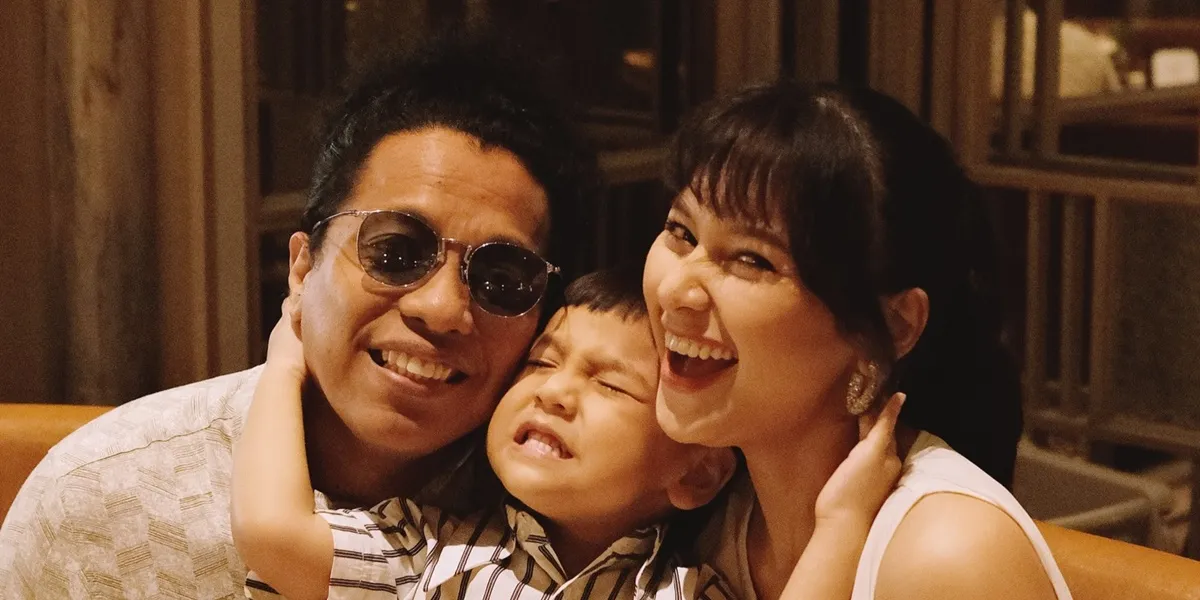
Let's take a look at some romantic photos of Arie Kriting and Indah Permatasari at home below.
