

 Follow
 Rekomendasi
Due to Mismanagement, Here Are the Reasons Why THR Runs Out Quickly and How to Avoid It from the Start
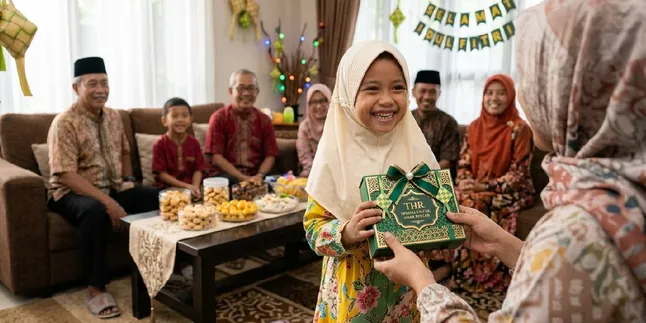
Reasons why THR runs out quickly and smart strategies to manage Eid money better and avoid waste.
Kapanlagi.com - Eid or Eid al-Fitr is synonymous with big expenses. Starting from paying zakat, buying new clothes, preparing dishes, to giving Eid envelopes, all require a significant amount of funds. Unbeknownst to many, various additional needs such as going home, hampers, and small snacks also add to the budget burden.
As a result, financial conditions after Eid often feel heavier than regular months. This situation makes many people need to reorganize their financial strategies. To restore cash flow stability, recovery steps must be taken in a planned and disciplined manner.
Therefore, here are some ways to manage finances after big expenses during Eid that you can apply. With these steps, it is hoped that your financial condition remains healthy and stable.
Find other news related to Eid at Liputan6.com.
How to manage finances after expenditures during Eid (credit:unsplash.com/@mufidpwt)
The first step to take is to review all financial records. Identify which items caused expenses to swell during Ramadan and Eid. Starting from household needs, holiday bonuses for family, transportation costs for returning home, to small expenses that are often overlooked in records.
All transactions need to be detailed so that the flow of funds that have already been spent is clear. This evaluation helps understand the current financial condition. From here, you can identify which areas need to be tightened or improved. The review is not meant to blame oneself. The goal is to serve as a foundation for developing a more effective recovery strategy.
How to manage finances after spending during Eid (credit:unsplash.com/@kellysikkema)
After evaluating the expenditure records, the next step is to create a new budget. This budget must be realistic and adjust to the conditions after Eid. Include fixed expenses such as electricity, water, internet bills, installments, and daily needs. Don't forget to set aside a portion of your income for savings or investments.
Reorganizing the budget aims to cut down on less important items. This way, post-Eid expenditures can be more controlled. A clear budget helps avoid financial deficits. Every rupiah has a directed function.
How to manage finances after spending during Eid (credit:unsplash.com/@kharp)
After understanding your financial condition, create a priority needs list. Rank essential needs such as daily shopping and mandatory monthly contributions at the top. Tertiary needs or non-urgent wants should be postponed for a while. Focus your funds on basic needs first.
Establishing priorities helps maintain financial stability. With a clear list, spending is less likely to be tempted by things outside the plan. This step also helps avoid financial conflicts within the family. All decisions become more directed and measurable.
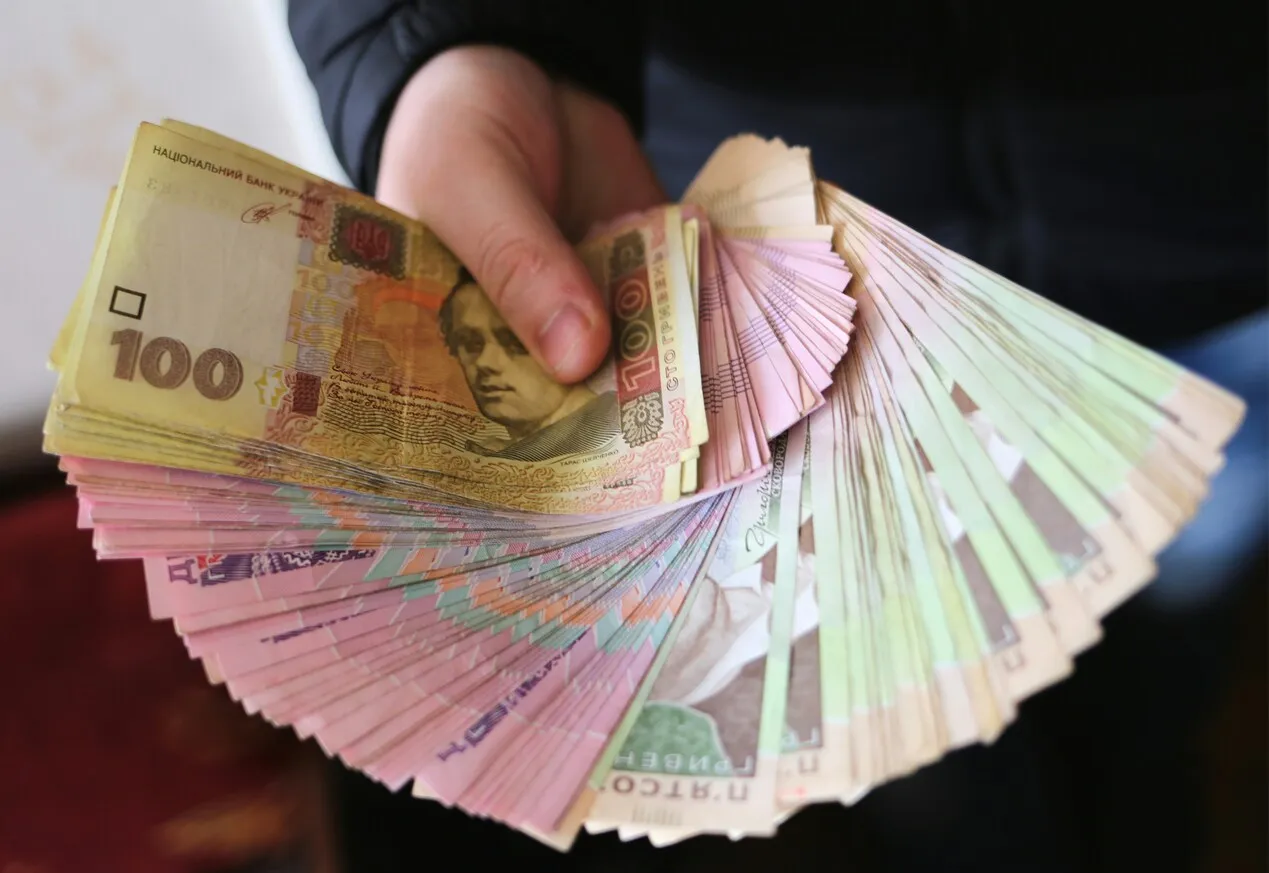
How to manage finances after expenses during Eid (credit:unsplash.com/@synkevych)
Daily expenditures need to be limited so that the financial condition can recover quickly. One way to do this is to set a maximum amount that can be used each day. For example, by determining a specific limit for daily shopping and not bringing more money than planned. Discipline in adhering to this limit is key to success.
Additionally, avoid the habit of eating out which tends to be extravagant. Cooking at home can be an effective saving alternative. Creating a shopping list according to needs also helps avoid impulsive purchases. Expenditures become more controlled and aligned with priorities.

How to manage finances after expenses during Eid (credit:unsplash.com/@silverkblack)
After Eid, promotions and discounts often still appear. However, shopping decisions must still be carefully considered. Evaluate each purchase by distinguishing between needs and wants. If it is not urgent, it is better to postpone.
Going into debt to fulfill a lifestyle should also be avoided. If you already have consumer debt, immediately record it and prioritize paying it off. Do not delay payments on interest-bearing debts like credit cards or pay later services. Consistent payments will prevent the burden from piling up in the future.

How to manage finances after expenses during Eid (credit:unsplash.com/@jakubzerdzicki)
Large expenses during Eid often deplete savings and emergency funds. Therefore, it is important to replenish them as soon as possible. Set aside money to save first before using it for other needs. Do not wait for leftovers, but make savings a priority.
An emergency fund is crucial for facing unexpected situations such as health issues or job loss. The amount should remain sufficient. With savings replenished, financial security becomes more assured. You will also be better prepared to face risks in the future.
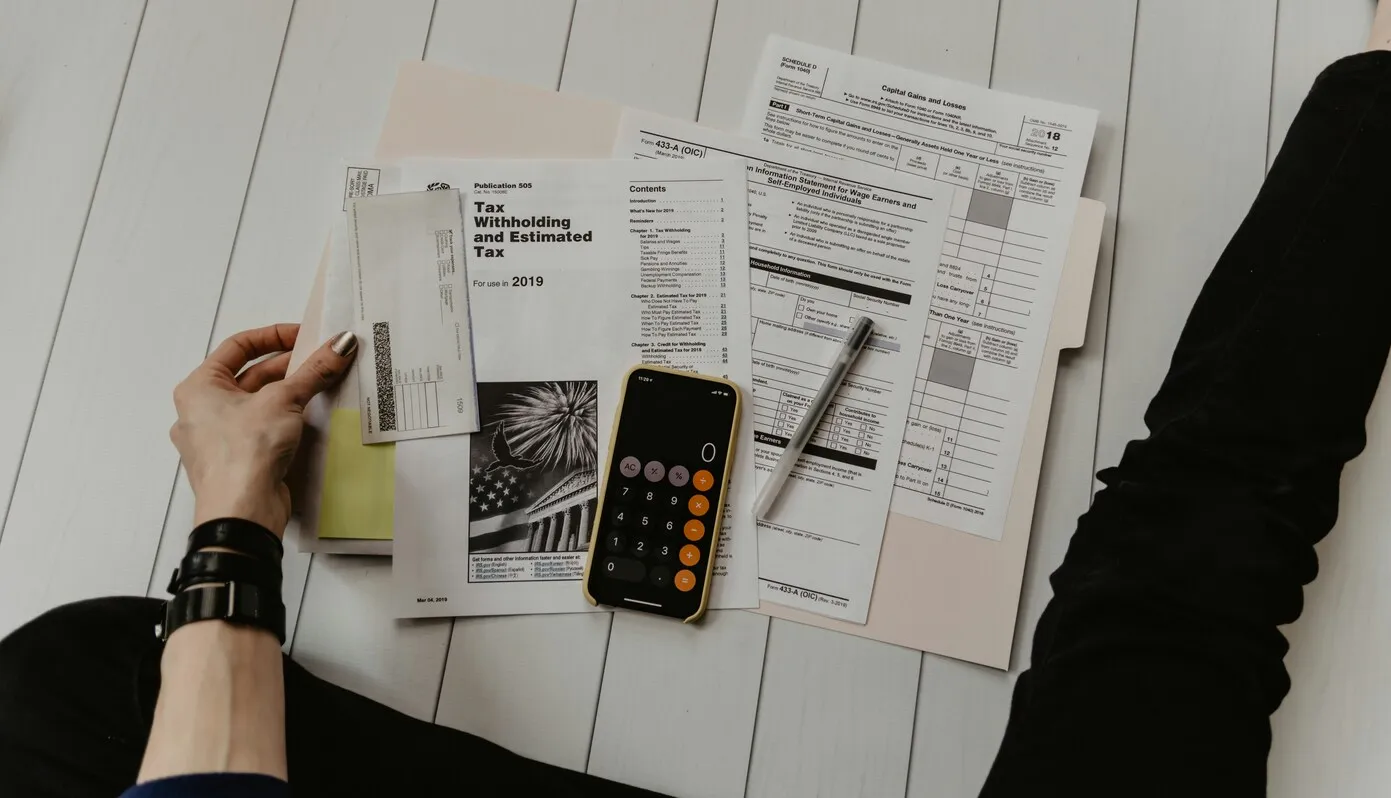
How to manage finances after expenses during Eid (credit:unsplash.com/@kellysikkema)
If cash flow conditions are still unstable, consider looking for additional income opportunities. Side jobs or new opportunities can help improve income. Additionally, set short-term and long-term financial goals. These goals could include paying off installments, preparing funds for the next Eid, or investments.
Allocating funds for savings, investments, and insurance is an important step. Income should not be exhausted solely for consumption. With clear goals, the motivation to manage finances becomes stronger. Targeted planning helps avoid making the same mistakes in the following year.
Q: How to recover finances after Eid?
A: Start by evaluating all expenses and creating a new realistic budget. Focus on essential needs and replenish savings.
Q: What should be prioritized after large expenses?
A: Regular bills, daily needs, and debt repayment should be the top priorities. Tertiary needs should be temporarily postponed.
Q: What if the emergency fund is used during Eid?
A: Immediately allocate a portion of income to rebuild the emergency fund. This fund is important for facing unexpected situations.
Q: Is it necessary to seek additional income after Eid?
A: If cash flow is disrupted, increasing income can be a solution. This helps accelerate the recovery of financial conditions.
Let's read articles about guides and other interesting tips at Kapanlagi.com. If not now, when?
(kpl/vna)
Cobain For You Page (FYP) Yang kamu suka ada di sini,
lihat isinya
Reasons why THR runs out quickly and smart strategies to manage Eid money better and avoid waste.

Vidi Aldiano's family Eid plans remain unchanged, still gathering at home. Read more here!

Harry Kiss shares Vidi Aldiano's favorite food during Eid. Read more here!
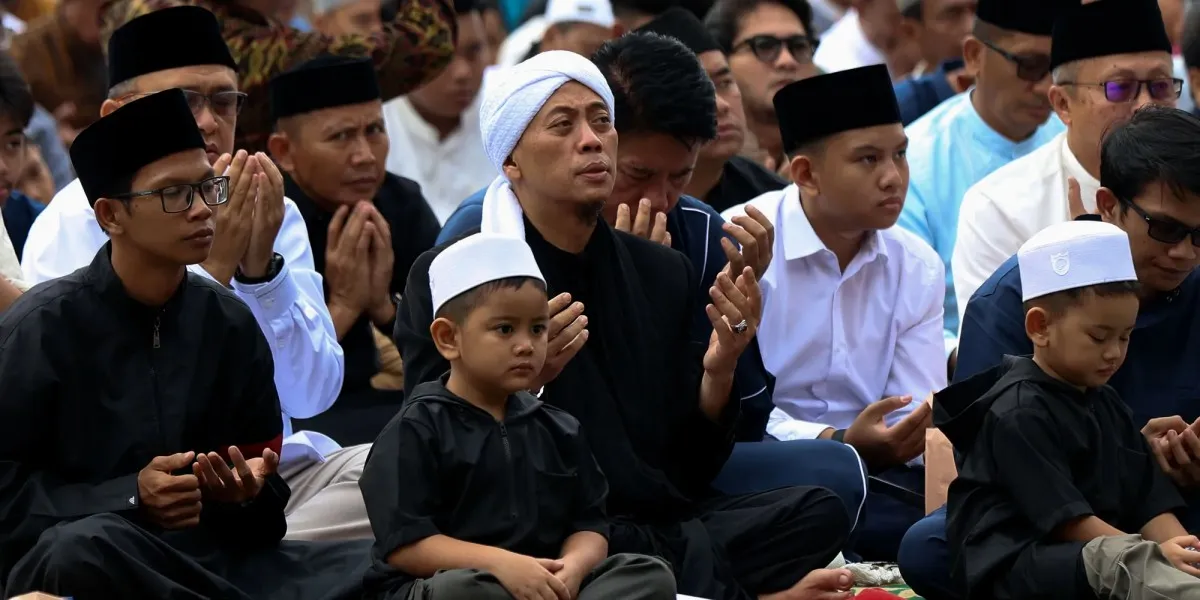
Opick prays Eid al-Fitr with his child at Pakansari Stadium in Bogor, a warm moment full of meaning. Read the complete story and its inspiration here!

A collection of 65 polite, touching halal bihalal Idul Fitri greetings that are suitable to share with family and colleagues.
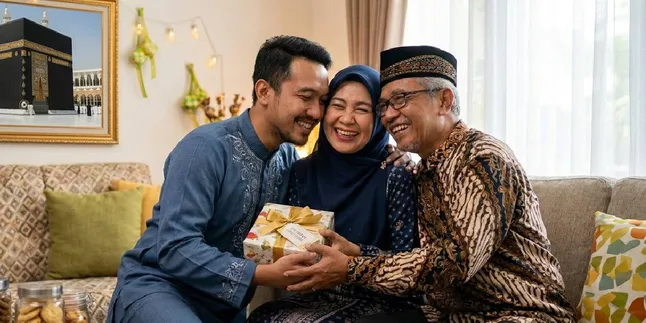
Recommendations for Eid gifts in 2026 for parents are now increasingly diverse and meaningful. Not just a symbol of affection, the right gift choice can be a form of long-term care for the comfort, health, and happiness of parents in the future.

A collection of 70 meaningful Eid al-Fitr greetings, suitable to be shared with family, friends, and colleagues.

75 words of halal bihalal for Idul Fitri that are full of meaning to strengthen ties, suitable to share during the Eid moment.

80 unique Eid greetings that can be shared with family, friends, and colleagues to celebrate the Eid al-Fitr holiday.

The tradition of gathering with family during Eid al-Fitr often becomes the best time to plan a fun short vacation. For those of you who are gathering with your extended family this year, here are some recommendations for the latest Eid holiday tours in 2026 that you can visit.

For those of you who will gather with your extended family again during Eid 2026, there are many game ideas for family gatherings during Eid 2026 that you can try. Let's check out the recommended list.
Now, it's time for us to shift from old habits and give something more than just sheets of rupiah. Here are a series of the latest THR gift recommendations for kids that can be given during Lebaran 2026.
