
 Follow
 Rekomendasi
Sheila Dara Celebrates Eid with Vidi's Family, Even Though the Atmosphere is Different
Vidi Aldiano's family Eid plans remain unchanged, still gathering at home. Read more here!

Kapanlagi.com - Holiday Allowance or THR is always the most awaited moment every year. This extra money is often seen as a bonus that can be spent freely. However, the reality is that many people experience financial pressure after Eid.
The THR received runs out in a short time without providing a long-term impact on financial conditions. This phenomenon is not just about the amount, but also about how to manage it. A small mistake in planning can have a big impact, especially when expenses increase simultaneously.
Various factors such as impulsive shopping and excessive spending are the main causes. If you don't want to experience the same thing, now is the time to change your perspective on THR. Recognize the reasons why THR runs out quickly and implement preventive measures from the start.
Find other news related to Eid at Liputan6.com.
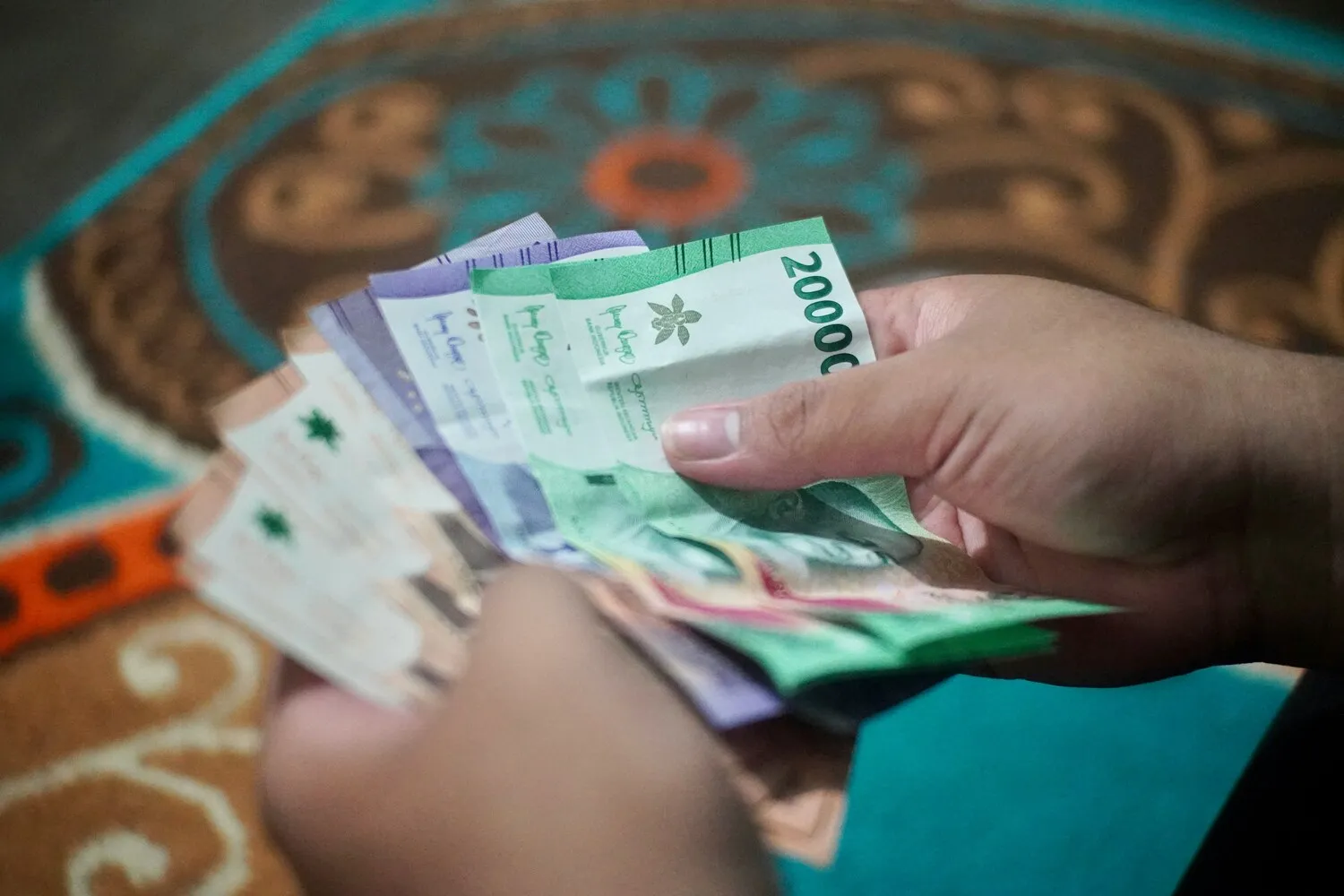
Find out the reasons why THR runs out quickly and how to avoid it (credit:unsplash.com/@black0ut)
Many people view THR as a pure bonus that does not need to be included in financial planning. This mindset leads to spending without clear priorities. When THR is considered free money, shopping decisions tend to be impulsive.
As a result, funds are depleted without providing any real long-term benefits. This approach often makes one forget that expenses after Eid continue. Without planning, cash flow in the following month can be disrupted.
The way to avoid this is to incorporate THR into the financial plan from the start. Treat THR like any other income that needs to be allocated consciously.

Find out the reasons why your holiday bonus runs out quickly and how to avoid it (credit:unsplash.com/@bangunstockproductions)
The biggest mistake that often occurs is not preparing a financial plan before receiving THR. Without a budget, money flows out without clear control. Small seemingly trivial expenses can accumulate quickly. In just a few days, THR can be gone without realizing it.
A solution that can be applied is to make a list of essential needs first. Include items such as zakat, Eid expenses, installments, as well as savings or investments. By setting limits from the beginning, the risk of overspending can be minimized. A simple budget becomes the foundation to ensure THR usage remains directed.

Find out the reasons why your holiday bonus runs out quickly and how to avoid it (credit:unsplash.com/@aswinynn)
The temptation to buy new clothes, gadgets, or consumable goods is often hard to resist. Focusing on wants makes primary needs neglected. The momentary satisfaction from consumer shopping does not improve long-term financial conditions. In fact, this habit can trigger financial pressure after the holiday season ends.
One step that can be taken is to create a priority scale. Prioritize essential needs before purchasing secondary items. Changing the order of priorities helps maintain financial stability. This way, your holiday bonus won’t be spent just for temporary satisfaction.
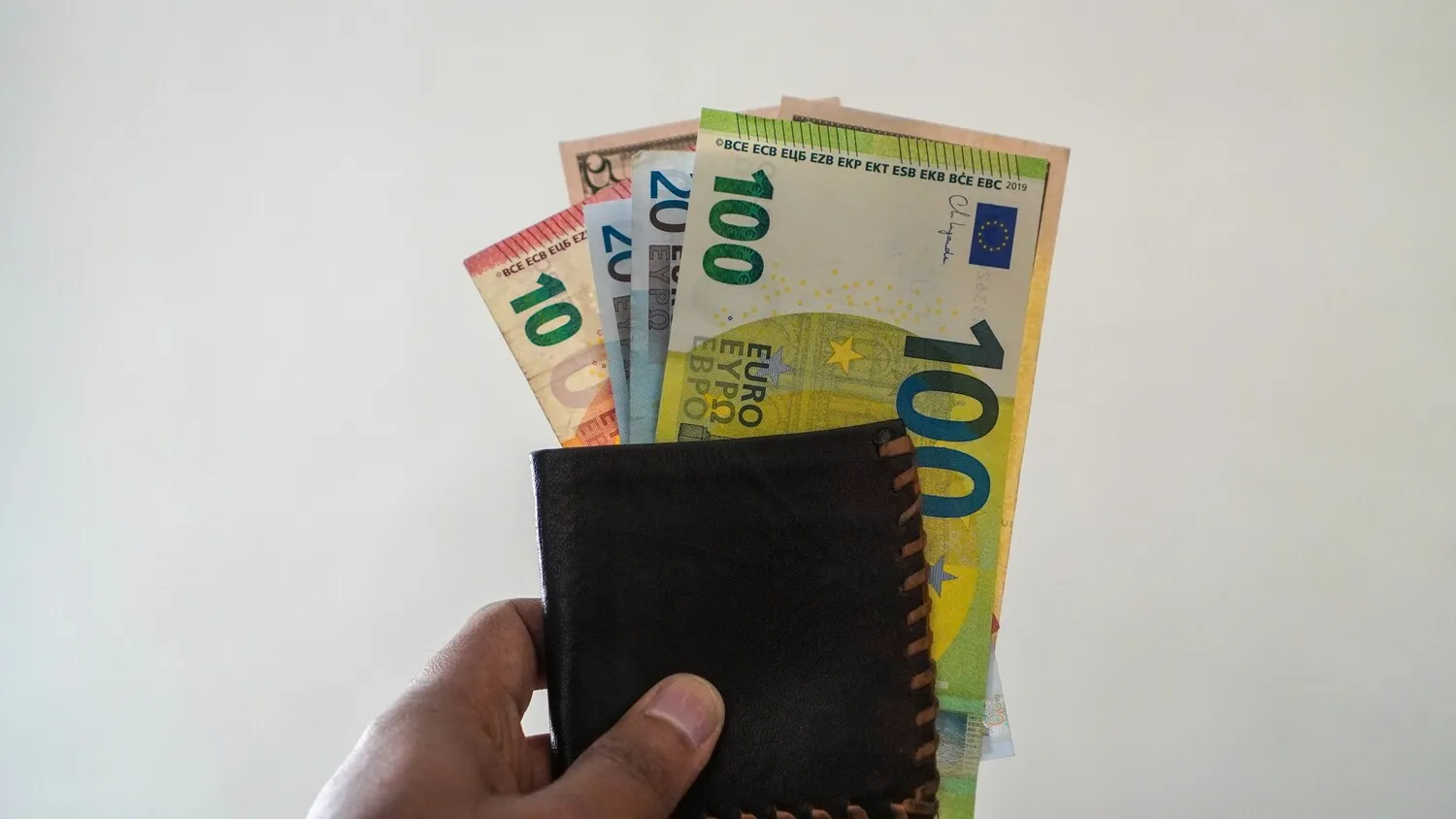
Find out the reasons why holiday bonuses run out quickly and how to avoid it (credit:unsplash.com/@hamedtaha)
Sharing holiday bonuses with family and those around you is indeed a meaningful tradition. However, without careful calculation, social spending can spiral out of control. Giving large amounts without clear limits risks depleting funds faster than expected. As a result, personal needs may be neglected.
The solution is to set a specific amount for sharing from the beginning. With clear boundaries, kindness can continue without disrupting financial stability. What matters most is not the amount, but the meaning and intention behind the giving. Planning keeps the sharing activity under control.

Find out the reasons why THR runs out quickly and how to avoid it (credit:unsplash.com/@belart84)
Massive promotions and discounts during Eid often trigger emotional shopping. Without a clear shopping list, one can easily be tempted to buy items beyond their needs. Discounts may seem beneficial, but they still involve spending money. If not aligned with the plan, expenses can balloon in a short time.
The way to address this is to create a shopping list before going to the mall. Stick to the budget that has been prepared. Adjusting lifestyle to financial capability is the key. Focus on happiness with family, not on fleeting luxury.
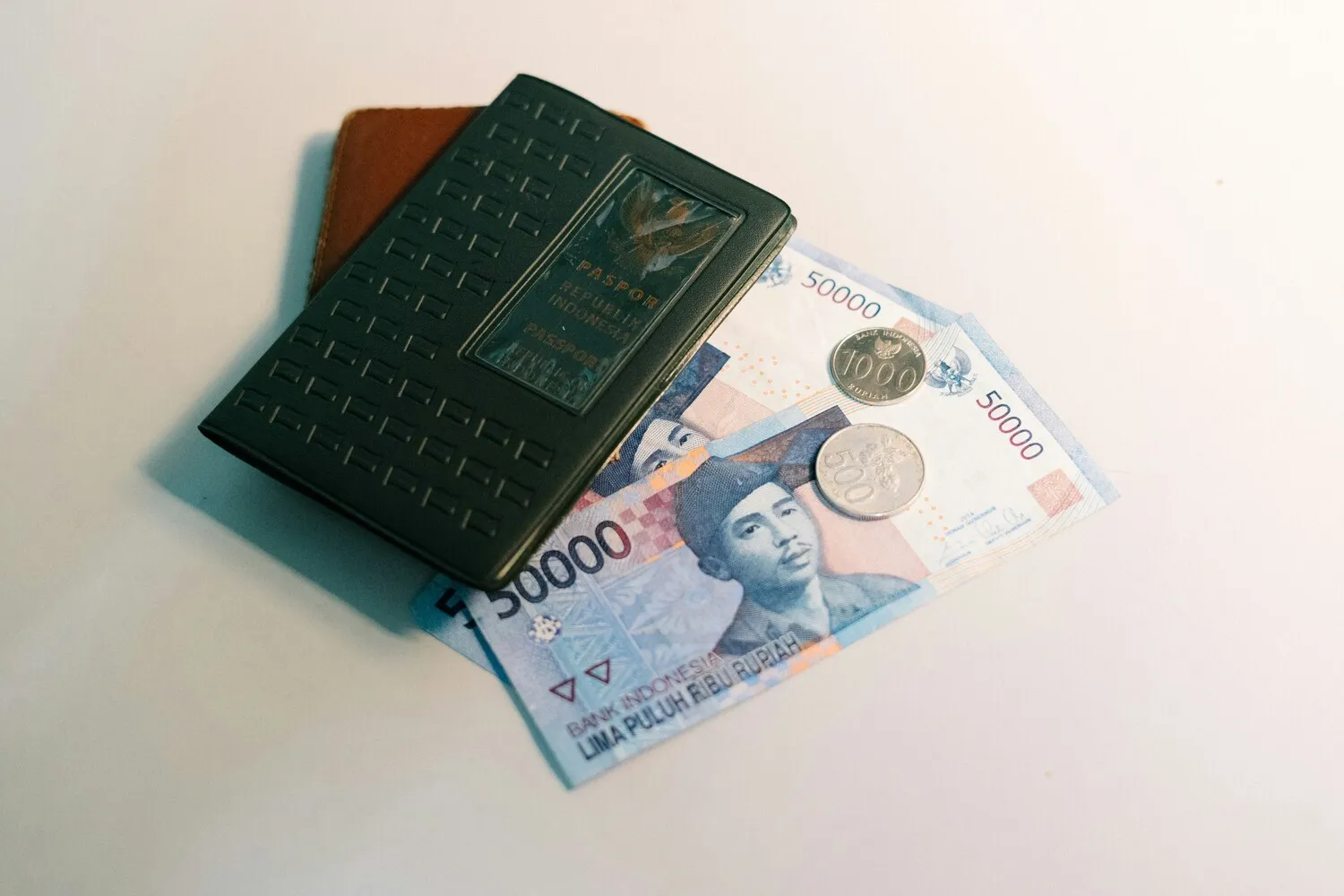
Find out the reasons why THR runs out quickly and how to avoid it (credit:unsplash.com/@bady)
Many people spend their entire THR on short-term needs. In fact, THR can be a momentum to strengthen financial conditions. Without leftover funds after Eid, financial pressure can arise in the following months. Cash flow becomes tighter after the long holiday period.
Setting aside a portion of THR for emergency funds helps maintain stability. Allocating 20-30 percent for savings or investments can be a good starting step. This buffer provides financial breathing room. Thus, THR does not just run out, but also contributes to long-term security.
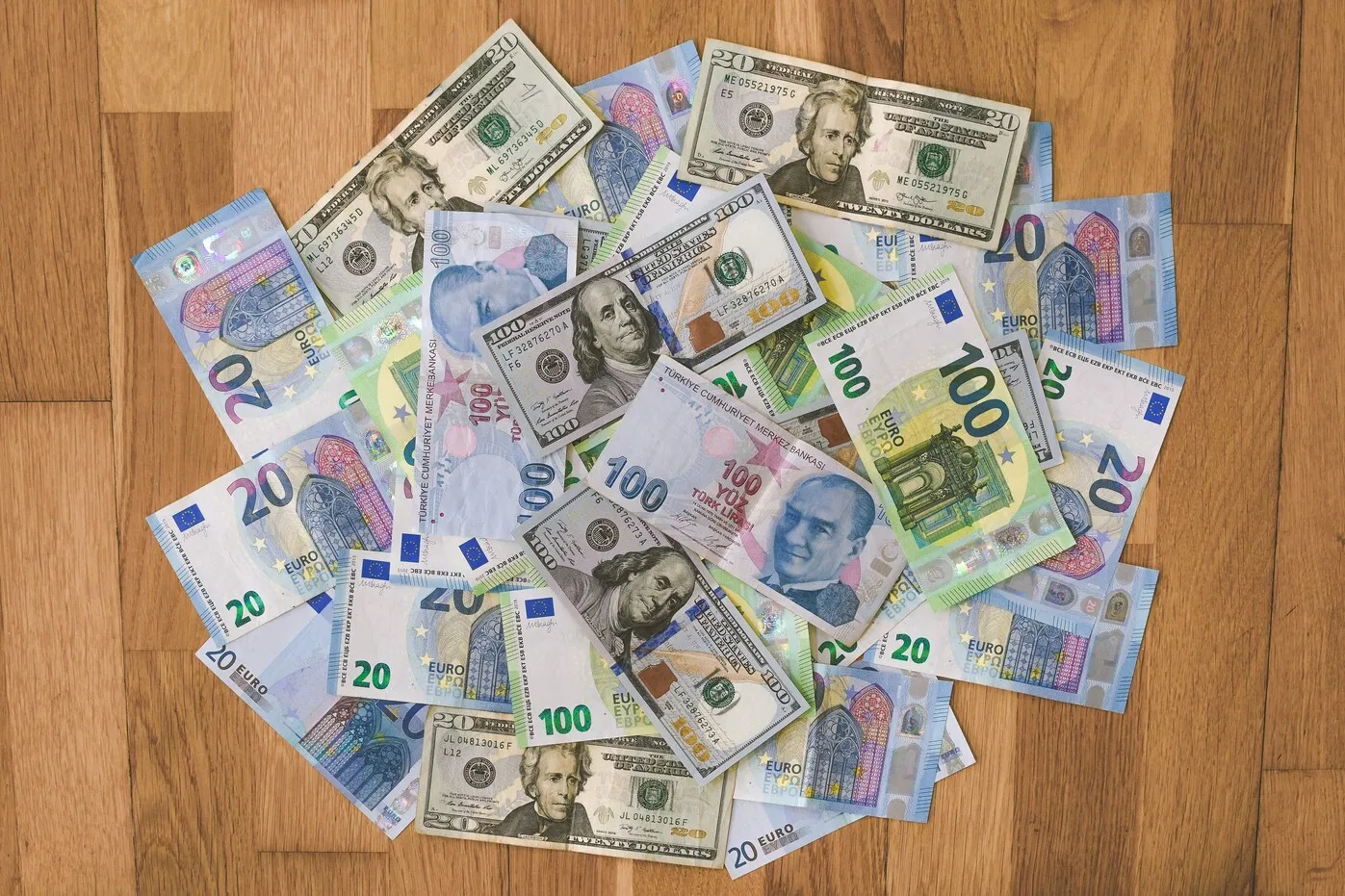
Find out the reasons why THR runs out quickly and how to avoid it (credit:unsplash.com/@ibrahimboran)
Some people use their holiday bonus (THR) to pay off existing consumer debts. However, without changing spending habits, the same problem is likely to recur. Relying on THR as a temporary solution does not address the root of the issue. Once the funds are depleted, the cycle of debt may happen again.
To be healthier financially, avoid borrowing for consumer needs before receiving THR. Improve shopping habits to avoid dependence on this annual fund. If needs and savings are already met, THR can be directed towards simple investment instruments. Consistency is more important than a large instant amount.
Q: Why does THR run out quickly after Eid?
A: Because there is no planning and clear priorities in its use. Consumer spending and emotional expenditures often become the main causes.
Q: How much percent of THR should be saved?
A: About 20-30 percent can be allocated for savings or investments. The amount does not have to be large, what matters is consistency.
Q: Is it permissible to use THR to pay off debts?
A: Yes, especially for important obligations. However, it should be accompanied by a change in habits to prevent debt issues from recurring.
Q: How can I ensure THR does not run out before Eid?
A: Create a budget from the start and set limits for each spending category. Avoid emotional decisions when receiving THR.
Come on, read articles about guidelines and other interesting ways on Kapanlagi.com. If not now, when?
(kpl/vna)
Cobain For You Page (FYP) Yang kamu suka ada di sini,
lihat isinya
Vidi Aldiano's family Eid plans remain unchanged, still gathering at home. Read more here!

Harry Kiss shares Vidi Aldiano's favorite food during Eid. Read more here!

Opick prays Eid al-Fitr with his child at Pakansari Stadium in Bogor, a warm moment full of meaning. Read the complete story and its inspiration here!

A collection of 65 polite, touching halal bihalal Idul Fitri greetings that are suitable to share with family and colleagues.

Recommendations for Eid gifts in 2026 for parents are now increasingly diverse and meaningful. Not just a symbol of affection, the right gift choice can be a form of long-term care for the comfort, health, and happiness of parents in the future.

A collection of 70 meaningful Eid al-Fitr greetings, suitable to be shared with family, friends, and colleagues.

75 words of halal bihalal for Idul Fitri that are full of meaning to strengthen ties, suitable to share during the Eid moment.

80 unique Eid greetings that can be shared with family, friends, and colleagues to celebrate the Eid al-Fitr holiday.

The tradition of gathering with family during Eid al-Fitr often becomes the best time to plan a fun short vacation. For those of you who are gathering with your extended family this year, here are some recommendations for the latest Eid holiday tours in 2026 that you can visit.

For those of you who will gather with your extended family again during Eid 2026, there are many game ideas for family gatherings during Eid 2026 that you can try. Let's check out the recommended list.
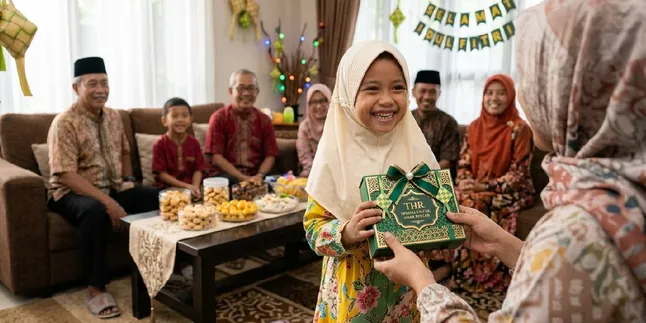
Now, it's time for us to shift from old habits and give something more than just sheets of rupiah. Here are a series of the latest THR gift recommendations for kids that can be given during Lebaran 2026.

60 warm, polite, and prayerful Eid hamper wishes for family, friends, and colleagues in 2026.
