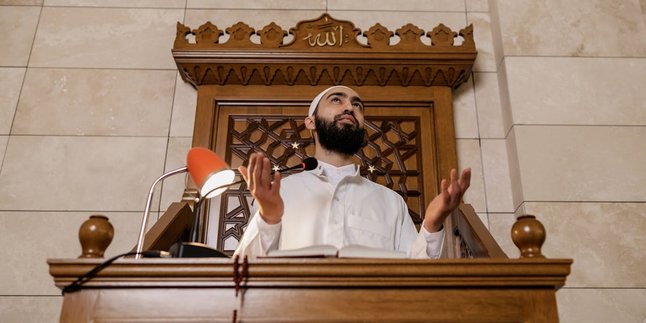
Kapanlagi.com - The month of Ramadan always has the most awaited moment for Muslims, which is the last ten days. During this phase, many Muslims increase their worship in hopes of attaining the Night of Decree (Lailatul Qadar) which is said to be better than a thousand months.
One of the highly recommended practices during this time is i'tikaf in the mosque. This worship is performed by staying in the mosque while increasing various forms of worship such as prayers, dhikr, reading the Qur'an, and supplication.
In Ramadan 1447 Hijriah, the last ten days will begin on the night of Tuesday (March 10, 2026). This momentum is often utilized by Muslims to increase their worship and perform i'tikaf as an effort to draw closer to Allah SWT.
1. Understanding Itikaf and Its Evidence in the Al-Qur'an
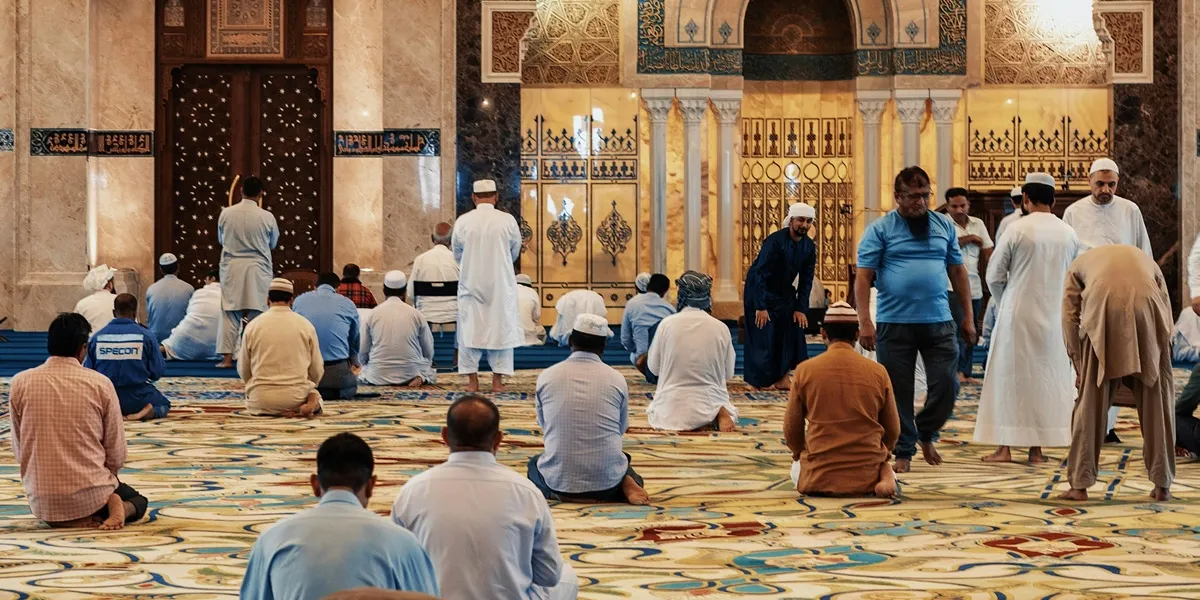
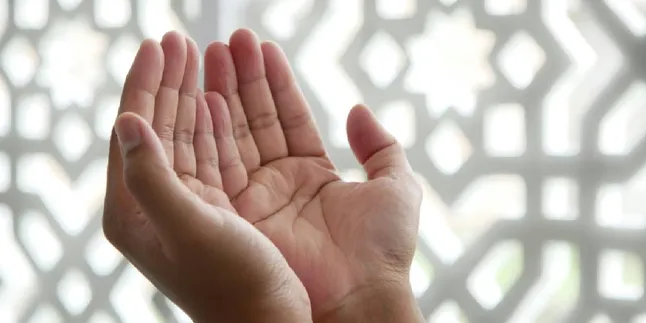
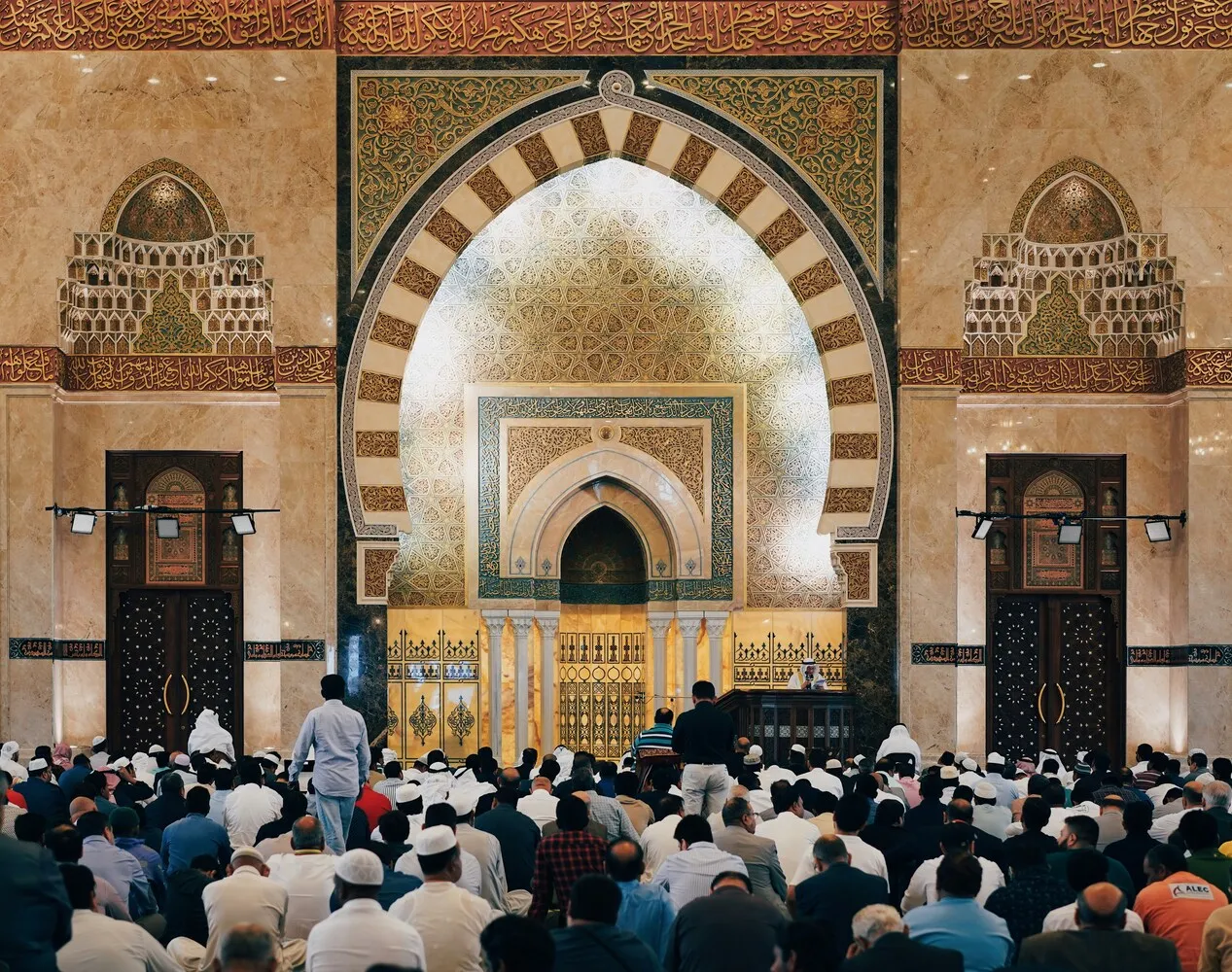
The atmosphere of Muslims worshiping in the mosque while performing itikaf (credit:unsplash.com/@rumanamin)
In linguistic terms, itikaf means to stay or remain in a place for a certain period of time. In the shari'ah sense, itikaf is to reside in the mosque with the intention of worshiping Allah SWT.
During itikaf, it is recommended for a person to increase their acts of worship such as prayer, dhikr, reading the Al-Qur'an, and supplication. This worship becomes a form of drawing closer to Allah, especially during the last ten days of Ramadan.
The basis for the worship of itikaf is explained in the Al-Qur'an Surah Al-Baqarah verse 125. This verse mentions that the House of Allah is sanctified for those who perform tawaf, itikaf, bowing, and prostration.
Which means: "And (remember) when We made the House (Baitullah) a place of assembly for mankind and a place of safety. And take the maqam of Ibrahim as a place of prayer. And We commanded Ibrahim and Ismail: 'Purify My House for those who perform tawaf, those who itikaf, those who bow, and those who prostrate'"
2. The Sunnah of the Prophet Performing Itikaf in the Last 10 Days of Ramadan
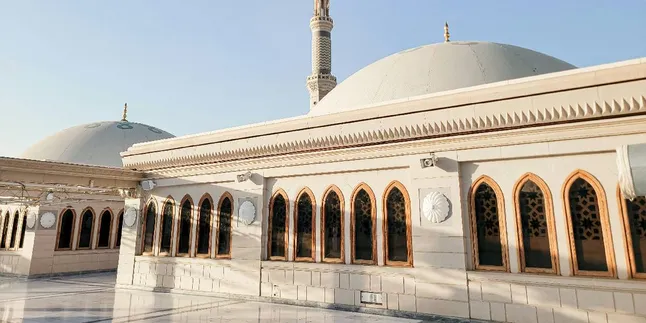
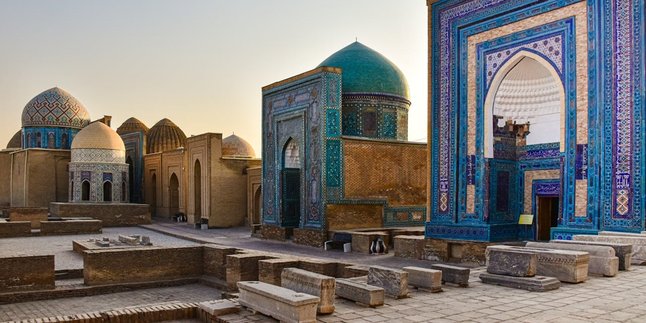
Itikaf in the last ten days of Ramadan is performed as a sunnah (credit:unsplash.com/@rachidnl)
Itikaf in the last ten days of Ramadan is a sunnah practiced by the Prophet Muhammad SAW. This practice is also narrated in a hadith conveyed by Aisha radhiyallahu 'anha.
In the hadith recorded in the book Bulughul Marom number 699, it is mentioned that the Prophet Muhammad SAW always performed itikaf during the last ten days of Ramadan until he passed away.
The hadith means: "From Aisha radhiyallahu 'anha, she said that the Prophet Muhammad SAW used to perform itikaf in the last ten days of Ramadan until he passed away."
After the Prophet's death, his wives also continued to perform itikaf as a way to follow this sunnah.
3. Intention and Procedure for Performing Itikaf
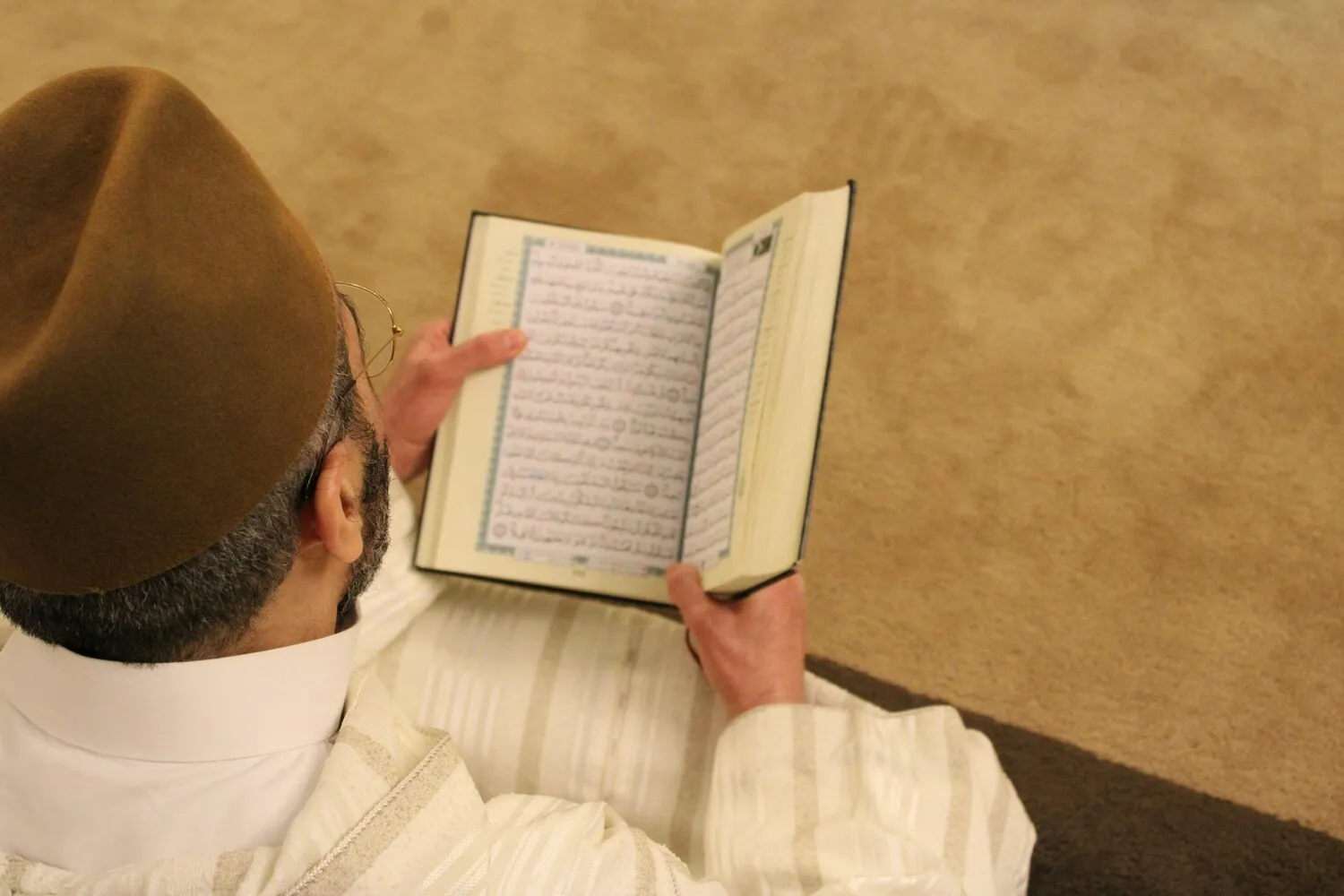
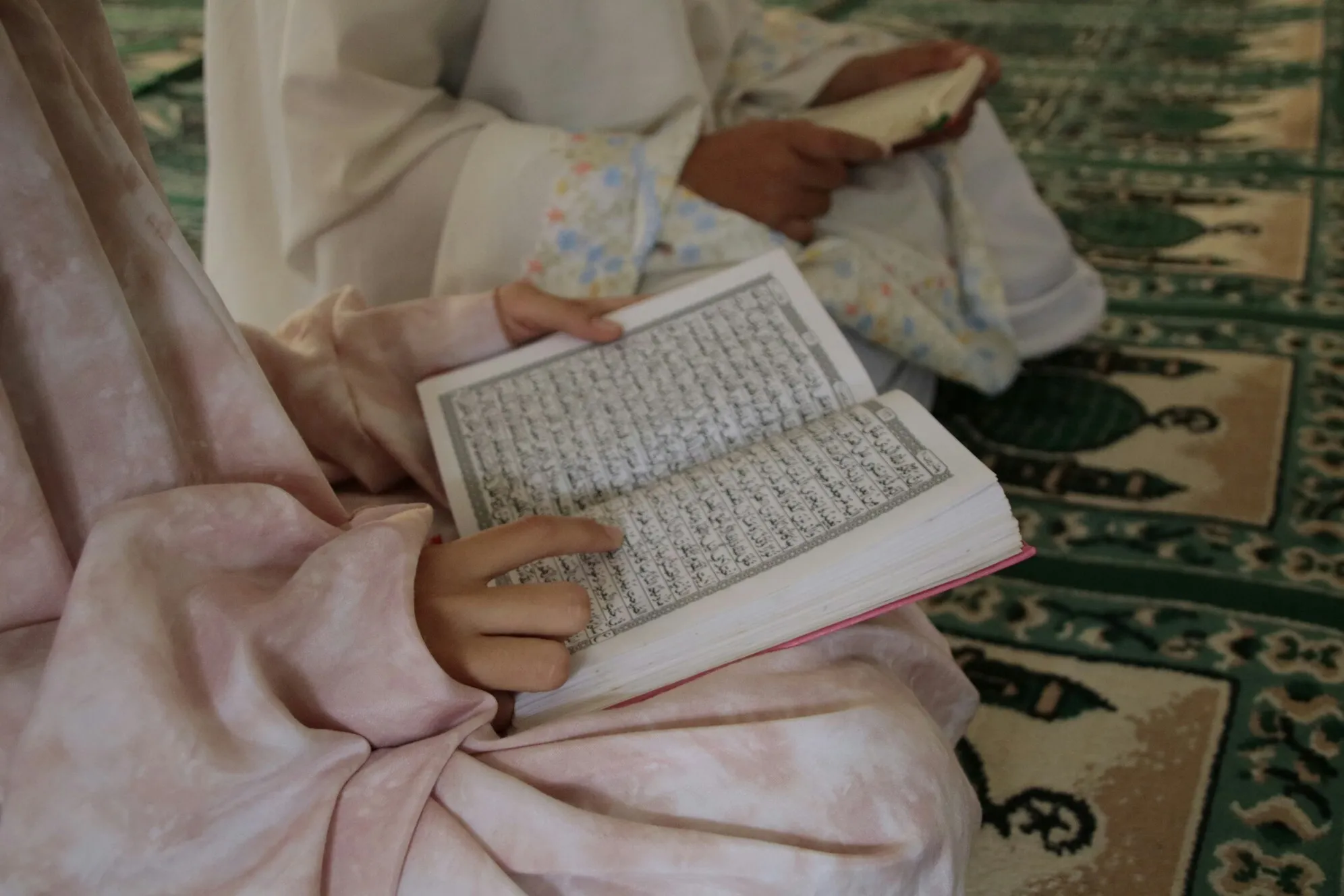
The congregation reads the Qur'an and recites dhikr in the mosque (credit:/unsplash.com/@rumanamin)
In performing the worship of itikaf, intention is an important aspect that must exist in the heart. The Deputy Secretary of LBM PBNU, Ustadz Alhafiz Kurniawan, explains that the intention for itikaf is essentially made in the heart.
A person who intends to perform itikaf just needs to come to the mosque and engage in various acts of worship. However, if the intention is expressed verbally, it is still considered valid.
Some of the phrases for the intention of itikaf that are known include: Nawaitu an a'takifa fi hadzal masjidi fardhan lillahi ta'ala.
It means: "I intend to perform itikaf in this mosque as long as I am in it."
In addition, there is another intention that states: Nawaitul i'tikafa fī hadzal masjidi lillāhi ta'ala.
It means: "I intend to perform itikaf in this mosque for the sake of Allah SWT."
The procedure for itikaf begins with the intention, then entering the mosque and spending time in worship. During itikaf, it is recommended to avoid unproductive activities such as playing on the phone or excessive chatting.
4. The Virtue of I'tikaf and the Multiplying Rewards
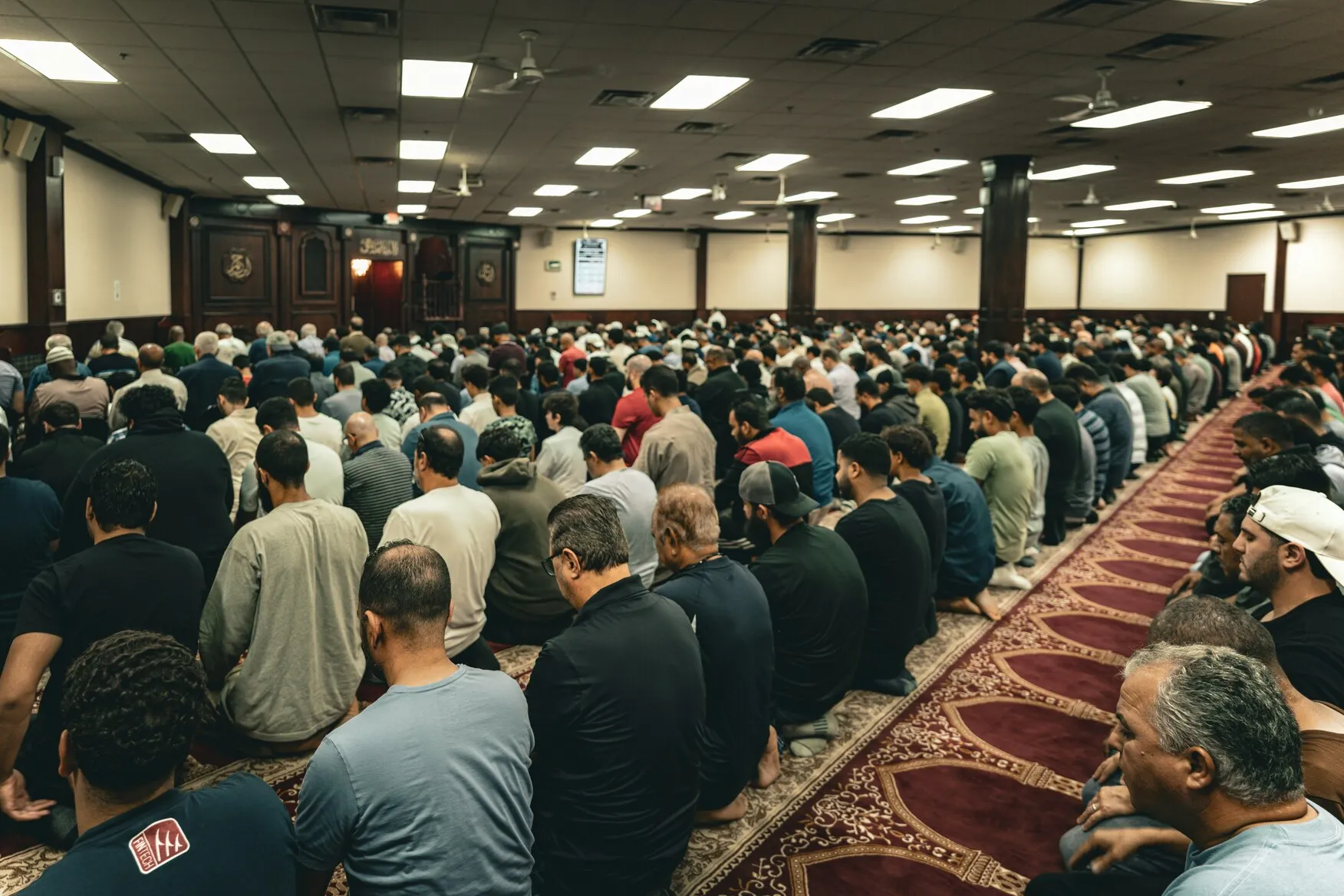
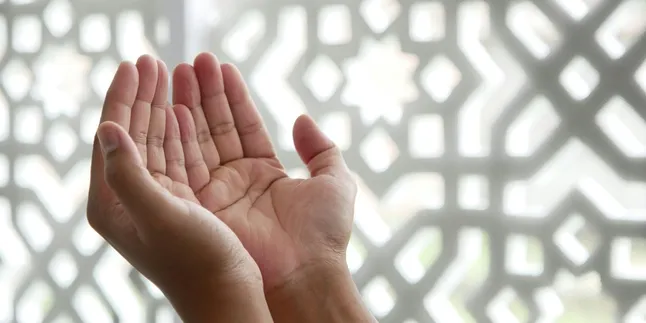
Itikaf is a moment for Muslims to increase their worship (credit:unsplash.com/@nhuenerfuerst)
The Head of the AIK Learning and Islamic Scientific Studies Subdivision of LPPIK Muhammadiyah, Dr. Mujazin S.Pd., M.A., explains that itikaf can actually be performed at any time. However, its implementation during the month of Ramadan holds greater virtue.
This is because the rewards for worship during the month of Ramadan are multiplied by Allah SWT. Therefore, many Muslims choose to perform itikaf during the last ten days of that month. One of the main purposes of itikaf is to seek the night of Lailatul Qadar. This night has a virtue of worship that is worth more than a thousand months or about 80 years.
According to Mujazin, a person who reads the Al-Qur'an or performs night prayers on the night of Lailatul Qadar will receive immense rewards. Even a donation of Rp50,000 can be valued as if giving charity for decades.
There are four pillars of itikaf that must be fulfilled: intention, staying in the mosque, the mosque as the place, and the person performing itikaf. The intention must be made for the sake of Allah SWT.
5. Things That Nullify Itikaf and Their Conditions
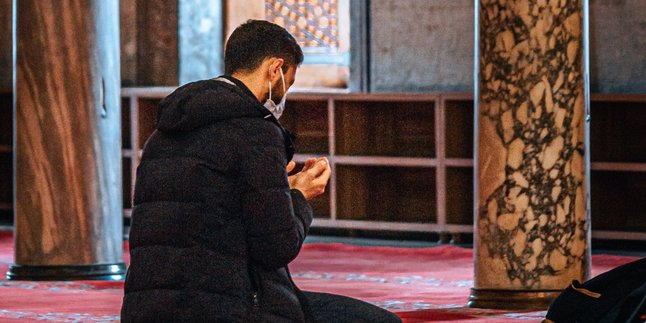
Congregants who perform itikaf are advised to maintain etiquette (credit:unsplash.com/@isengrapher)
In its implementation, there are several things that can nullify itikaf. Mujazin explains that a Muslim who is performing this worship needs to protect themselves from things that can nullify it.
Some things that can nullify itikaf include:
- Leaving the mosque without a valid reason
- Engaging in marital relations
- Experiencing menstruation or postpartum bleeding
- Loss of sanity
- Apostasy
Additionally, itikaf is generally performed in a mosque. However, under certain conditions, women may perform it at home if there is a special room designated for prayer.
For women who wish to perform itikaf in the mosque, it is recommended to seek permission from their husbands. It is also advised to maintain etiquette such as dressing modestly and not neglecting family responsibilities.
6. Popular Q&A About I'tikaf in the Mosque
Q: What is meant by itikaf in the mosque?
A: Itikaf is a form of worship involving staying in the mosque with the intention of getting closer to Allah through various acts of worship.
Q: When is the best time to perform itikaf?
A: The most recommended time is the last ten days of Ramadan to seek the Night of Decree (Lailatul Qadar).
Q: Does itikaf have to be done for 10 days?
A: There is no minimum time limit for itikaf. Even staying in the mosque for a few minutes with the intention of worship is already considered itikaf.
Q: What activities are done during itikaf?
A: Activities during itikaf include praying, reading the Qur'an, remembering Allah (dhikr), making supplications, and performing other acts of worship.
Q: What invalidates itikaf?
A: Some things that invalidate itikaf include leaving the mosque without a valid reason, engaging in marital relations, menstruation, loss of sanity, and apostasy.
Let's read other articles about Ramadan on Kapanlagi.com. If not now, when?
(kpl/vna)
Disclaimer: This translation from Bahasa Indonesia to English has been generated by Artificial Intelligence.


 Follow
 Rekomendasi