Kapanlagi.com -
The Takakura method is one of the organic waste processing methods that can be done very easily and offers many benefits. This smart innovation was initially developed by Koji Takakura for household scale. This technique utilizes used baskets as a very efficient compost maker.
The result of the Takakura method is high-quality fertilizer processed without a strong odor. This method also generates very little leachate that usually dirties the floor. Now, every family can process their kitchen waste into a blessing.
Curious about what the composting process is like with the Takakura method? Let's take a look at the following review, sourced from Instagram @bank_sampah_holistik.
1. The Process of Making a Takakura Basket Composter
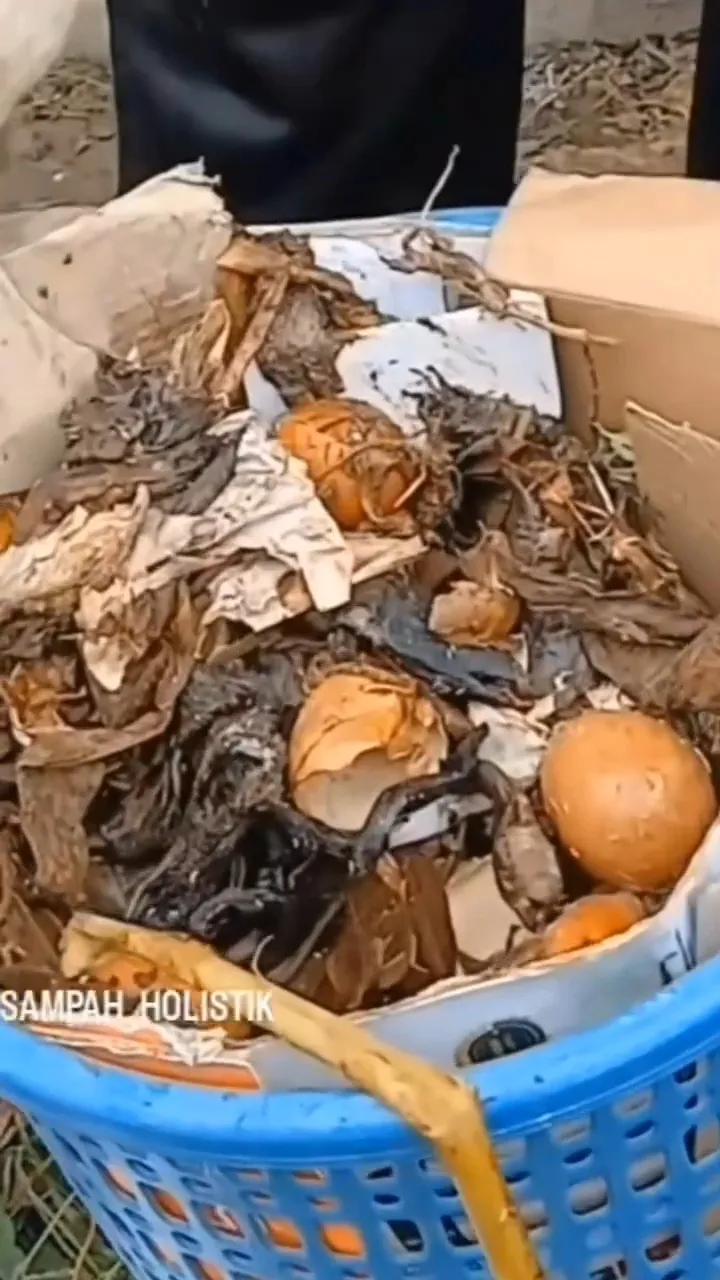
The Process of Making a Takakura Basket Composter (credit: instagram/bank_sampah_holistik)
The initial step of the Talalura method is to prepare a used basket that has many ventilation holes. Line the inside of the basket with cardboard to absorb excess moisture. The next step is to alternately add organic waste such as vegetable scraps and dry leaves.
Once done, add EM4 liquid or stale rice MOL to accelerate the natural fermentation process. Stir the mixture periodically to maintain optimal oxygen circulation within it. Finally, loosely cover the basket and store it in a shaded area.
2. Composting Techniques in the Takakura Method
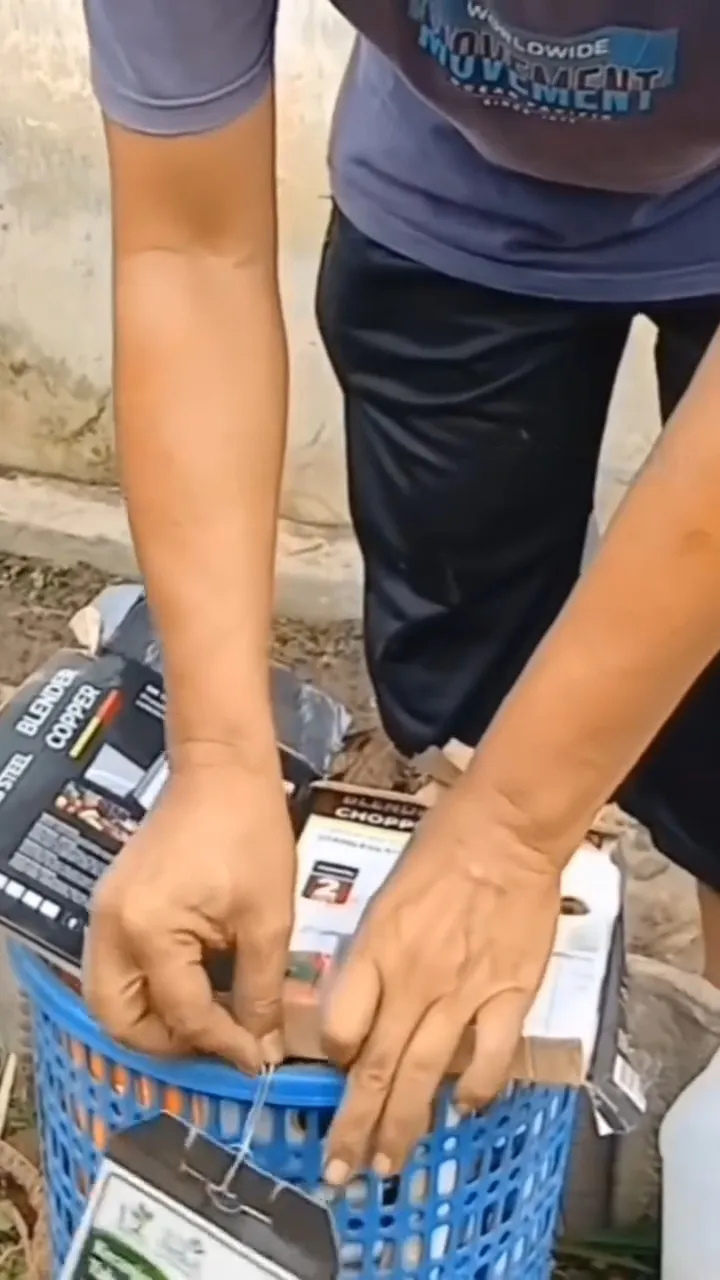
Composting Techniques in the Takakura Method (credit: instagram/bank_sampah_holistik)
The composting technique in the Takakura method actually relies on an aerobic system that requires air to break down waste. Good air circulation ensures that the composter does not emit odors that disturb the environment. The cardboard at the bottom plays a crucial role in holding back leachate from escaping.
Kitchen waste will begin to decompose naturally within one to three months. This process transforms food scraps into a dense compost pile rich in nutrients. The key to success lies in the balance of air and moisture within the basket.
3. Final Results and Uses
The final product of this method is high-quality fertile soil for houseplants. You can use it to nourish your vegetable garden or your favorite flower collection. Plants will grow healthier thanks to the natural nutrients from the compost.
The application of this method greatly helps reduce the waste burden at landfills. We also play an active role in preserving the environment from home. Waste that was once discarded is now transformed into something very beneficial.
4. FAQ
How can I prevent leachate from appearing in the Takakura basket?
Use a layer of cardboard or paper on the inside to absorb moisture.
How long does it take for waste to turn into compost?
The decomposition process usually takes about one to three months.
What liquid can be used to speed up the fermentation process?
You can use EM4 liquid or MOL made from stale rice.
Why shouldn't the compost basket be closed too tightly?
This system is aerobic, so it requires airflow for optimal processing.
Where should the Takakura compost basket be placed?
Keep the basket in a shaded area, protected from heat and rain.
Find interesting reviews about other environmental preservation actions at kapanlagi.com. If not now, when?
(kpl/psp)
Disclaimer: This translation from Bahasa Indonesia to English has been generated by Artificial Intelligence.


 Follow
 Rekomendasi