

 Follow
 Rekomendasi
Feeling Mentally Tired? Let's Find Someone to Talk To
Have you ever felt really tired but not physically? Like your head is full, your heart is heavy, but you don’t know who to talk to? Don’t worry, you’re not alone.

Kapanlagi.com - The issue of child grooming is now being voiced more loudly, especially after actress Aurelie Moeremans boldly addressed it in her memoir titled Broken Strings: Fragments of a Stolen Youth. This term has suddenly become a hot topic and an intense discussion across various social media platforms, opening the eyes of many to the dark realities that are often hidden.
However, many of us still do not fully understand what child grooming is, even though this issue is very dangerous and can leave deep wounds for victims in reality. A comprehensive understanding is key to protecting the next generation from this invisible threat.
So, what exactly is child grooming? Let’s take a closer look at this dangerous phenomenon so that we can all be at the forefront of ensuring the safety and future of children.
You can also check more information at Liputan6.com.

What is Child Grooming/credit: freepik
According to the Indonesian Child Protection Commission (KPAI), child grooming is a crime modus operandi in which the perpetrator approaches a child, builds trust, and then manipulates them for exploitation purposes. This psychological manipulation process aims to establish a relationship, trust, and emotional bond with the child or adolescent, ultimately leading to sexual abuse or exploitation.
This dangerous practice often occurs on social media, online games, or through private conversations without the knowledge of parents. Grooming perpetrators will systematically build trust and emotional bonds with children, exploiting the victim's ignorance and the negligence of supervision in their surroundings.
In general, child grooming can be defined as manipulative actions taken by adults (predators) against children or adolescents. The goal is to gain trust, build emotional relationships, and ultimately commit sexual abuse.
This process is a series of planned and gradual actions designed to break down the child's personal boundaries and create opportunities for exploitation. The perpetrator is very skilled at presenting their good side and deceiving the victim's family or environment to gain their trust, while harboring malicious intent behind it.
Recognizing child grooming can be challenging because perpetrators often appear friendly and attentive, but there are several signs to watch out for. One main characteristic is that the perpetrator often gives excessive and inappropriate gifts or attention to the child.
In addition, the perpetrator tries to establish personal and secret communication with the child, separate from parental supervision, and attempts to undermine the child's relationship with parents or other authority figures. The child who becomes a victim may show sudden changes in behavior, such as becoming more withdrawn, anxious, or depressed without a clear reason.
Perpetrators of child grooming use various methods to approach and manipulate victims, both offline and online. They often pretend to be friends, use social media platforms, or interact through online games to build relationships.
This process begins by establishing a seemingly warm, caring, and unassuming relationship, often by giving gifts or special attention. Once trust is gained, the perpetrator gradually introduces age-inappropriate content or conversations, trying to create a sense of secrecy between the victim and themselves, as well as isolating the victim from family or close friends.

What is Child Grooming/credit: freepik
Child grooming is a dangerous threat that can damage a child's mental and physical condition, with effects that can be felt into adulthood. Perpetrators of child grooming have the ability to build close relationships and trust with the victim and their family, often going unnoticed by parents.
This danger is increasing with the advancement of technology, where through the online world, perpetrators can easily approach children by disguising themselves as peers, providing excessive attention, gifts, or flattery to gain trust. Once the child feels comfortable, the perpetrator begins to lead them towards deviant and dangerous behavior.
Child grooming can have devastating effects on a child's physical and mental health, causing deep psychological trauma. Children may experience anxiety issues, depression, and post-traumatic stress disorder (PTSD).
Additionally, victims may exhibit behavioral problems such as aggression, withdrawal from social environments, or substance abuse. Other impacts include difficulties in building and maintaining healthy relationships in the future, as well as a loss of self-esteem.
Preventing child grooming requires a joint effort from parents, family, schools, and society as a whole. Educating children about personal boundaries, safe and unsafe touches, and the importance of speaking to trusted adults if they feel uncomfortable is a crucial step.
Creating an open communication environment where children feel comfortable talking to their parents or guardians about anything happening in their lives is also very important. Additionally, parents need to monitor their children's online activities and educate them about online dangers.

What is Child Grooming/credit: freepik
The threat of online child grooming is increasing along with technological advancements, making child protection in the digital realm very important. Parents can use privacy settings on social media and online gaming platforms to limit who can interact with their children.
It is also important to teach children not to share personal information such as their name, address, or phone number with strangers online. By actively monitoring their children's internet usage and teaching them how to maintain digital privacy, parents can help prevent child grooming.
If there is suspicion that a child has become a victim of child grooming, it is important to seek professional help immediately. Psychologists or therapists can assist children in coping with trauma and emotional issues related to child grooming.
Local child protection services can also be contacted for assistance and support, as well as to report cases of child grooming to the police for further investigation. Clinical psychologist Veronica Adesla emphasizes the importance of professional help for adults who have recently realized they were victims of child grooming, in order to cope with the heavy emotional shock.
What is child grooming? Child grooming is a method of psychological manipulation crime committed by adults against children or teenagers to build trust and then exploit them, often for the purpose of sexual abuse.
What are the signs of child grooming? The signs include giving gifts or excessive attention, attempts to establish secret communication, and the perpetrator's efforts to damage the child's relationship with parents or other authority figures. Victimized children may also show sudden behavioral changes such as becoming withdrawn or anxious.
What are the impacts of child grooming on victims? The impacts are very damaging, including deep psychological trauma such as anxiety, depression, post-traumatic stress disorder (PTSD), behavioral problems, difficulties in building healthy relationships, and feelings of shame and social isolation.
How can we prevent child grooming? Prevention includes educating children about personal boundaries and safe touches, building open communication with children, monitoring their online activities, and educating children about dangers in the online world.
Want to know the latest news about the entertainment world? Check it out directly at Kapanlagi.com. If not now, when?
(kpl/mda)
Cobain For You Page (FYP) Yang kamu suka ada di sini,
lihat isinya
Have you ever felt really tired but not physically? Like your head is full, your heart is heavy, but you don’t know who to talk to? Don’t worry, you’re not alone.

Anxiety is a natural reaction of the body that has evolved to protect us from danger, arising as a response to threatening stress.
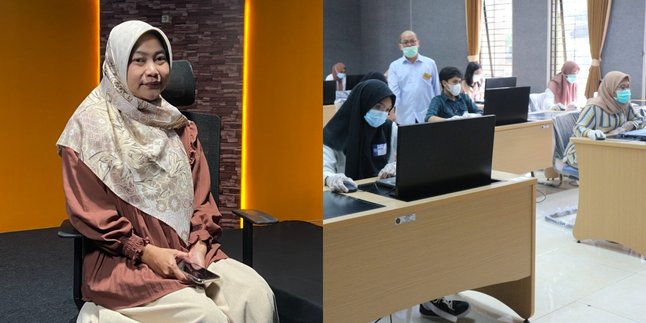
A Psychology lecturer at Brawijaya University (UB), Yuliezar Perwira Dara, S.Psi., M.Psi provides tips on the importance of mental and emotional readiness in facing exams.

Let's explore four intriguing reasons that will make you even more curious!

Explore a series of fun ideas to fill your long weekend, especially for the lazy!

Enjoy a refreshing and invigorating holiday by maintaining a regular sleep rhythm, even amidst a busy schedule!

Discover the secrets to building solid and meaningful friendships through practical tips that will help you maintain healthy and supportive relationships.

Discover the secrets to building a strong mindset to stay consistent in your post-Eid diet! With effective strategies, you will be able to overcome the temptations of unhealthy foods that are always lurking and easily maintain your ideal weight.

Control your hypertension by adopting a comprehensive healthy lifestyle: enjoy a balanced diet, exercise regularly, manage stress wisely, and stay away from bad habits to keep blood pressure within normal limits.

Eid holidays often end with a torturous feeling of fullness? Don't worry! Discover the causes behind feelings of drowsiness, weakness, and lethargy.

After the fun of celebrating Eid, it's time to shift your focus back to the working world!

Try these five simple methods tonight to help you fall asleep faster and more soundly!
