

 Follow
 Rekomendasi
Is It True That Dispensers Are Power Hungry? Here's How to Calculate Power and Save Usage
Whether a dispenser is power hungry or not depends on its power consumption, features, and usage habits. Check the watt consumption and how to save on it.
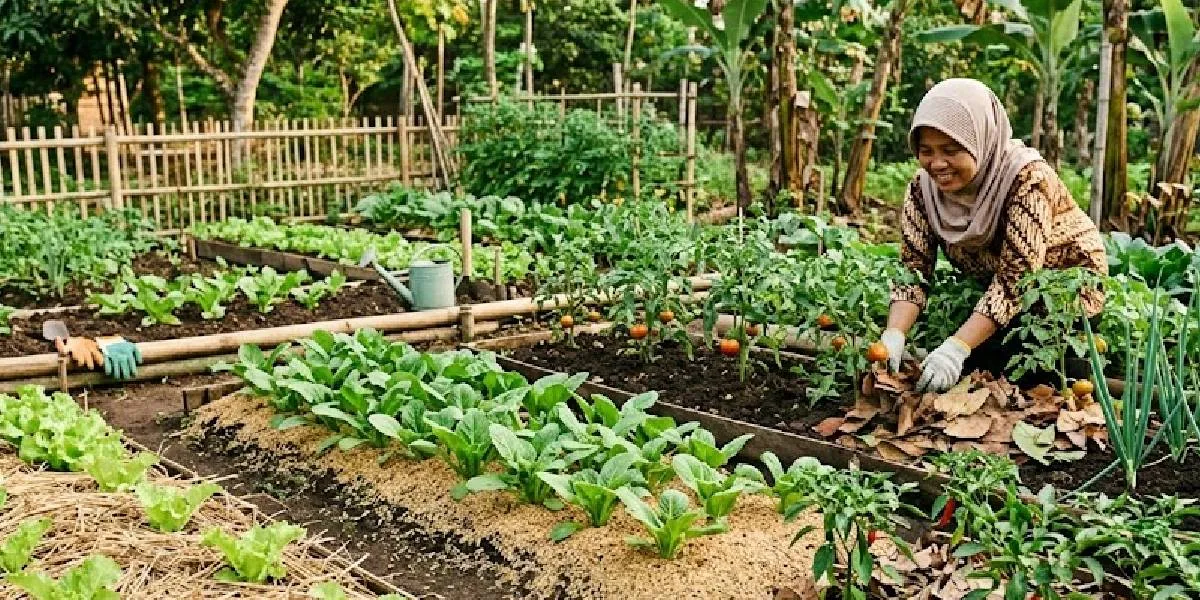
Kapanlagi.com - The use of alternative materials to plastic mulch for vegetable gardens is now increasingly being chosen by home gardeners. In addition to helping maintain soil moisture and reducing weed growth, natural materials can also reduce plastic use in planting areas.
A number of items often found around the house can actually be utilized as organic mulch. Dry leaves, used cardboard, old newspapers, and leftover grass clippings can be used to cover the soil surface to keep the garden conditions better.
Unlike plastic mulch, which must be discarded after the planting season is over, some natural materials will decompose and become an additional organic matter for the soil. Here are some options that can be used for vegetable gardens.
Dry leaves are one of the easiest materials to find for use as natural mulch. Leaves that usually accumulate in the yard or garden can be collected and spread around the plants.
The use of dry leaves can be done by covering the soil surface with a layer about five to seven centimeters thick. The area around the plant stems should still be kept clear to prevent the leaves from touching directly and causing rot at the base of the stem.
Over time, the leaves will decompose and provide additional organic material for the soil. This material also incurs no cost since it can be obtained from the surroundings of the house.
In addition to dry leaves, used cardboard can also be used as a soil cover. Cardboard without plastic or wax coating can block sunlight, thus helping to suppress the growth of weed seeds.
The way to use it is simply by laying the cardboard over the beds, then making holes in the parts that will be used to plant vegetable seedlings. To prevent it from shifting easily, the cardboard can be topped with a layer of compost or dry leaves.
The cardboard will gradually decompose and integrate with the soil. The decomposition time can take several months, depending on the thickness of the cardboard and the moisture conditions of the land.
Used newspapers can also serve as a substitute for plastic mulch for vegetable gardens, making them practical to use. Stacks of old newspapers can be utilized directly without any special processing.
To make it into mulch, several sheets of newspaper are layered to about four to six sheets thick. The newspapers are then placed on top of the soil that has been cleared of weeds to prevent sunlight from easily reaching weed seeds.
However, newspapers have a shorter lifespan because they can tear easily and be carried away by the wind. Therefore, the layer of newspaper can be covered again with dry leaves or compost to make it more durable.
Meanwhile, grass clippings from the yard can also be used as organic mulch. Grass from mowing needs to be dried first before use to prevent it from rotting when placed in the garden.
Wet grass can cause unpleasant odors and make the layer too dense, disrupting air circulation to the plant roots. Gardeners also need to ensure that the grass has not yet produced flowers or seeds to avoid creating new weeds.
Compost is another option that has a dual function. In addition to helping cover the soil surface, compost can also gradually improve soil structure.
A layer of compost on the beds can reduce water evaporation, thus maintaining soil moisture. This organic material also provides the nutrients needed by plants because it comes from the decomposition of kitchen scraps and leaves.
Sawdust from wood waste can be used as a lightweight mulch for vegetable gardens. This material is usually easy to find around woodworking shops or carpentry places.
Its use needs to be done carefully by spreading the sawdust in a thin layer. A layer that is too thick can compact and hinder water from entering the soil.
The type of wood from which the sawdust originates also needs to be considered. Gardeners should use sawdust from wood that has not been treated with paint, varnish, or other chemicals to avoid contaminating the soil.
Coconut coir or cocopeat is another alternative that is widely used because of its ability to retain water. This material can be found in plant stores or online marketplaces.
The high water absorption capacity makes coconut coir suitable for use in areas that dry out quickly. Its texture, which is denser than dry leaves or newspapers, also allows it to last longer.
Rice straw is still a choice for vegetable gardens. This material is more easily obtained in agricultural areas, but it is now also available in packaged form at agricultural stores and online shopping platforms.
As mulch, straw helps protect the soil from excessive heat while maintaining the condition of the soil surface. The hollow structure of straw also aids air circulation so that the soil does not harden easily.
Peanut shells are one of the kitchen wastes that can be reused. Their lightweight texture makes this material easy to spread among vegetable plants.
The layer of peanut shells helps reduce water evaporation from the soil surface and does not compact easily, allowing air to enter the root area. Once decomposed, peanut shells can also add organic matter to the soil.
Unlike other materials, crushed eggshells are less effective when used as the main mulch. Their small size makes them unable to cover the soil surface evenly.
However, eggshells can still be used as a supplement along with other organic materials such as compost or dry leaves. This material can help slow down water evaporation and add calcium to the soil during the decomposition process.
Eggshells are also often used by gardeners by sprinkling them around plants. The texture of the broken pieces is believed to help reduce snail disturbances in the areas where they are sprinkled.
Among the various options, dry leaves, used newspapers, and cardboard are some of the easiest materials to find at home. Meanwhile, coconut coir and straw can be options for gardeners who need materials with longer durability.
Organic mulch generally has different usage periods. Newspapers can last for several weeks, while coconut husks and straw can be used for several months before decomposing.
Compost becomes one of the materials that quickly benefits the soil because it has already undergone some decomposition before being used. Meanwhile, other materials take longer to turn into organic matter.
To keep lightweight mulch like newspapers or dry leaves from being blown away by the wind, the layer can be topped with additional compost or other heavier materials. This method helps maintain the position of the mulch on the garden surface.
(kpl/mda)
Cobain For You Page (FYP) Yang kamu suka ada di sini,
lihat isinya
Whether a dispenser is power hungry or not depends on its power consumption, features, and usage habits. Check the watt consumption and how to save on it.
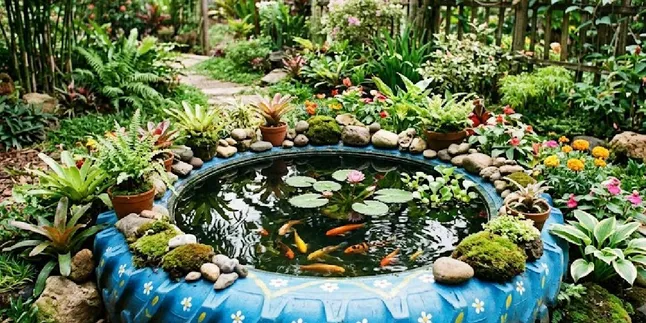
A mini pond made from used tires can be created with simple steps, starting from choosing the tires to maintenance to keep it clean and comfortable.
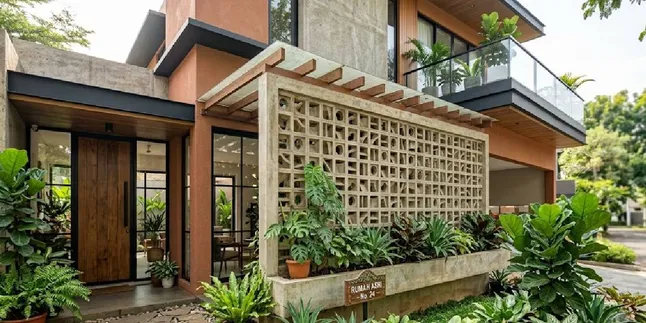
Concrete rosters on home facades can be combined with ornamental plants. Check out 7 motif options and types of plants that are suitable.

Recommendations for family dining places in West Jakarta with menu options, prices, facilities, and atmosphere suitable for dining together.
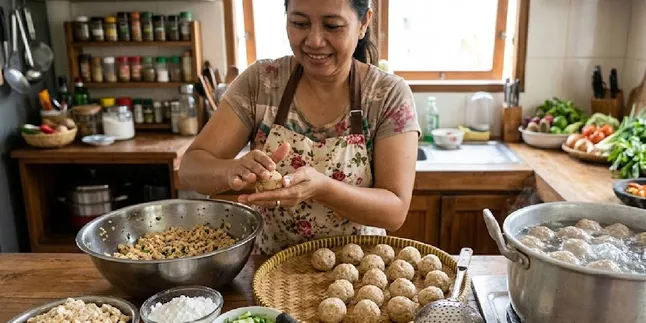
How to make tempe meatballs without meat with a chewy texture can be done at home. Check out the ingredients, steps, and tips to ensure the results don't easily fall apart.
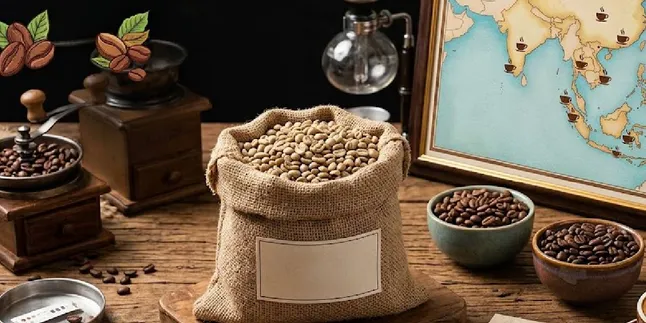
TasteAtlas has released a list of the 10 best coffee beans in Asia 2026. Indonesia contributes three representatives alongside premium coffees from Thailand, Laos, and India.

This collection of films and dramas featuring Gong Yoo presents a variety of genres, ranging from fantasy, zombie, to romance. Most of them also achieve high ratings and receive widespread appreciation.
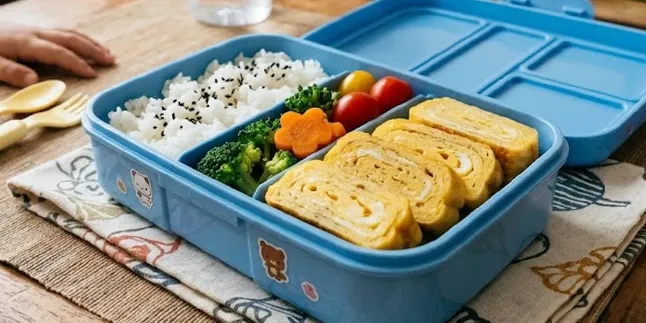
Tamagoyaki can be a practical, nutritious school lunch option that is ready in 10 minutes. Check out the ingredients, rolling technique, and serving ideas.
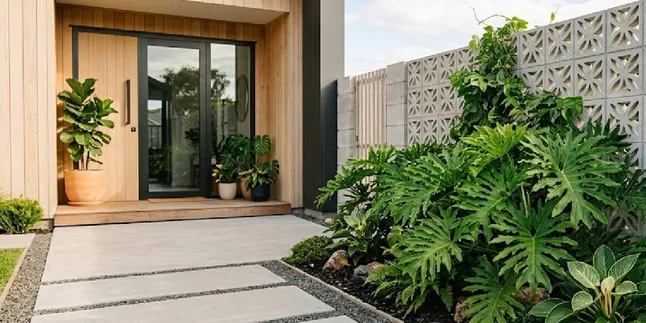
The combination of concrete roster and philodendron can create a cool and modern home garden. Check out six inspiration layouts below.
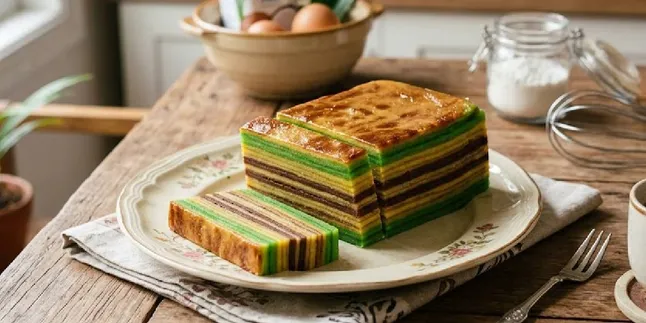
Want to make a layer cake without tapioca flour? Try this recipe that combines hunkwe flour and wheat flour to create a soft and chewy texture.
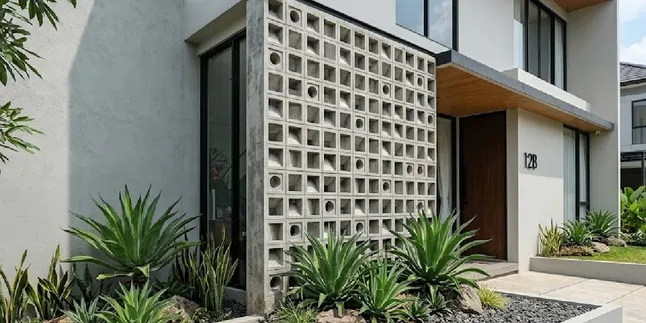
The combination of concrete roster and agave plants can beautify the house facade without requiring complicated maintenance. Check out various inspirations suitable for different housing styles.
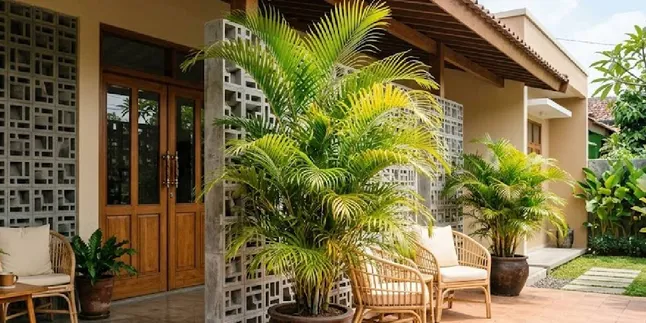
The combination of concrete roster and yellow palms can make the terrace feel cooler and tidier. Here are eight inspirations that can be adapted to various house styles.
