

 Follow
 Rekomendasi
12 Ways to Avoid Feelings of Loneliness While Solo Traveling, Keep Your Vacation Fun
Here are 12 ways to avoid feelings of loneliness while solo traveling so that your journey remains fun, comfortable, and memorable. Let's take a look.
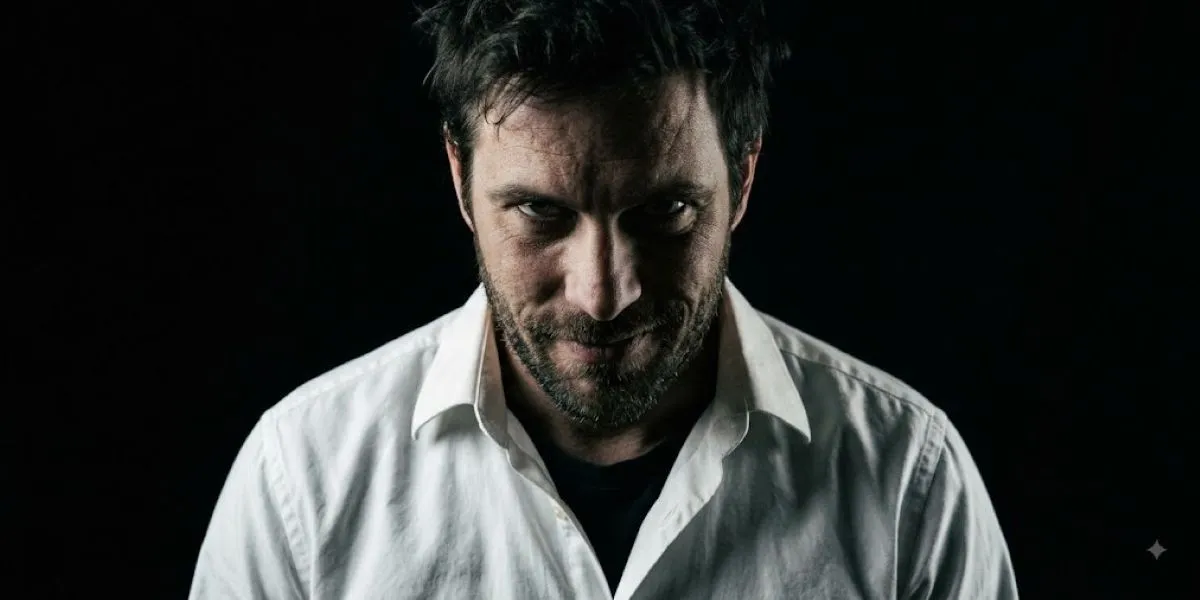
Kapanlagi.com - The sentences typically uttered by psychopaths during conversations often sound normal to the average person. In fact, behind those words lies a mindset that only prioritizes oneself. Many people only realize this after having been friends or worked with such individuals for a long time.
Everyday conversations become the easiest place to catch those signs. A person can sound confident, convincing, and even warm at the beginning of a meeting. However, a speaking pattern that repeatedly blames others or demands recognition gradually reveals their true character.
Recognizing the sentences typically uttered by psychopaths during conversations helps someone maintain distance before the relationship deepens. Here are 10 sentences often spoken by a psychopath, neatly summarized by KapanLagi.com from various sources, Wednesday (12/8/2026).

What Is a Psychopath? (Image: AI Generated)
A psychopath refers to someone with a mindset and behavior that places self-interest above all else. This individual tends to have minimal empathy, making the impact of their actions on others rarely a consideration. This condition can manifest at various levels, from mild to truly harmful to those around them.
Not everyone with these traits appears conspicuous. Some hide these tendencies behind a friendly demeanor and convincing words. This situation makes it difficult for those around them to recognize the signs early on, as the first impression they give is often pleasant.
Speech patterns become one of the easiest ways to identify this tendency. Repeatedly spoken sentences, especially when discussing mistakes or responsibilities, often lead to self-justification. From there, the true mindset slowly begins to emerge.
This phrase sounds like a form of maintaining personal boundaries, something that many people commonly say. However, when it comes from the mouth of a psychopath, the reasoning behind it is different. The phrase becomes a justification for actions that harm others, as long as those actions benefit themselves.
This attitude often goes hand in hand with other expressions like feeling indebted to no one. Personal interests are always placed in the primary position, even when the situation clearly requires a sharing or yielding attitude for the sake of those around them.

Sentences Typically Spoken by Psychopaths During Conversations. (Image: Magnific/Magnific)
This phrase often appears in work environments as well as personal relationships. A psychopath usually feels that their opinion is the most correct, and others must follow their lead. Their black-and-white thinking makes it difficult for them to accept that there are other viewpoints that are also reasonable.
The discomfort of making a mistake leads them to rely on excessive self-confidence to convince others. Instead of opening up a space for discussion or admitting they are wrong, they choose to assert their position in a tone that sounds certain and hard to refute.
Such sentences often appear alongside invitations to believe blindly without further explanation. The psychopathic figure feels they understand the needs of others best, while also feeling entitled to the time and trust given without many follow-up questions.
This pattern makes it easier for them to guide others into making decisions that are actually not beneficial for them. The aim is not always to harm intentionally, but rather for the comfort and personal interests that are prioritized in every interaction.

Sentences Typically Spoken by Psychopaths During Conversations. (Image: Vitaly Gariev/Unsplash)
Such compliments sound pleasant in the first conversation, as if showing special attention. However, for a psychopath, that sentence becomes a tool to create a good impression more quickly, making the process of exploiting others easier later on.
The need to be admired continuously drives them to throw out compliments from the initial meeting. A pleasant first impression becomes an important asset, even though it often aims merely to gather recognition to satisfy the grand image of themselves.
For a psychopath, relationships are often viewed as something temporary, only meaningful as long as they are beneficial. This sentence becomes a go-to excuse to avoid responsibility, even in relationships that should require minimal support from both parties.
Promises made are easily broken once other interests are deemed more advantageous. Commitments previously made are often abandoned without adequate explanation, especially when new opportunities are perceived to bring greater benefits to themselves.

Statements Typically Made by Psychopaths During Conversations. (Image: Vitaly Gariev/Unsplash)
This sentence reflects a tendency to shift responsibility onto others. Not because they genuinely lack empathy, but rather because an inflated ego makes it difficult for them to accept the needs or feelings of those around them as something important to consider.
The position of being a victim is often chosen over admitting fault. In this way, they do not have to face the discomfort of apologizing, and it is not uncommon for them to blame the very person who has been hurt by their actions.
Many people use this phrase to encourage themselves to step out of their comfort zone and try new things. However, for a psychopath who tends to enjoy risk, this phrase often becomes a tool of social pressure to get others to make decisions that are actually less responsible.
Apathy towards the consequences of risky actions makes them unhesitant to put others' safety in jeopardy. Instant gratification and recognition from those around them become the primary goals, far surpassing any consideration of the potential consequences that may arise later.

Sentences Typically Spoken by Psychopaths During Conversations. (Image: Vitaly Gariev/Unsplash)
Rewriting events and making others doubt their own memories is a way for a psychopath to protect their personal comfort. When mistakes feel like a significant threat, every means is employed to ensure that no one dares to demand an apology from them.
The lack of empathy that usually drives someone to take responsibility makes them unhesitant to deny others' feelings. This method is used repeatedly to maintain a self-image that is always perceived as correct in the eyes of those around them.
When confronted or asked to take responsibility for their actions, a psychopath rarely apologizes immediately. This sentence instead emerges as a form of self-defense, as if the questioned action actually deserves appreciation, rather than criticism from those around them.
Humility to acknowledge mistakes is almost non-existent in such situations. Before the word 'sorry' can be uttered, the sentence demanding gratitude often comes out first as a form of self-defense.

Sentences That Psychopaths Usually Say When Conversing. (Image: Liza Summer/Pexels)
This sentence is often used to dampen the concerns or suspicions of others regarding their actions. By accusing the conversation partner of overthinking, a psychopath tries to divert attention from questions that are actually reasonable to ask in that situation.
This method effectively makes others doubt their own judgment. Over time, the victim ends up feeling guilty for being suspicious, even though those concerns arose from behavior that was indeed questionable from the start.
Lack of Empathy
The feelings of others are rarely a primary consideration in any action. This difficulty makes it hard to deeply understand the impact of their actions on those around them.
Good at Sweet Talking
The ability to speak persuasively is often used to quickly create a good impression. This impression becomes a capital to facilitate the process of exploiting others in the future.
Difficult to Take Responsibility
Mistakes are almost always blamed on others. This pattern arises from the difficulty of accepting that they could be wrong in a situation.
Likes to Take Risks
Risky decisions are often made without considering the impact on those around them. Instant gratification becomes the main goal over collective safety.
Needs Constant Validation
Praise and validation from others become a continuously sought-after need. Without such recognition, feelings of discomfort easily arise within them.
What sentences are typically spoken by psychopaths during conversations? Some common phrases include "I only prioritize myself", "you should listen to me", and "you should be grateful to me". These sentences usually come up when discussing mistakes or responsibilities.
Do psychopaths always appear evil from the start? Not always. Many psychopaths actually seem friendly and pleasant during initial meetings. This good impression is often used to build trust before their true nature starts to show through their everyday speech patterns.
How can you recognize a psychopath from their way of speaking? A speech pattern that often blames others, demands recognition, or questions the memory of the conversation partner can be a sign. Such sentences often appear repeatedly in various different situations.
Are all selfish people psychopaths? No. Selfish behavior can occur in anyone without being related to psychopathy. The difference lies in the consistent pattern, lack of empathy, and tendency to exploit others for personal gain.
What should be done when recognizing these signs in someone close? Keeping a distance and limiting emotional involvement is a preliminary step that can be taken. Talking to a trusted person or a professional can also help to understand the situation more clearly.
(kpl/bim)
Cobain For You Page (FYP) Yang kamu suka ada di sini,
lihat isinya
Here are 12 ways to avoid feelings of loneliness while solo traveling so that your journey remains fun, comfortable, and memorable. Let's take a look.

Recommendations for movies with the saddest endings from the West, Korea, Japan, and Thailand that are sure to make the audience's hearts ache.

Rust on home fences can be addressed without repainting. Learn practical guidelines for cleaning rust with natural materials, mechanical methods, and special products for a clean and well-maintained fence.

Recommendations for musical films similar to La La Land with love stories, music, and the struggle to pursue dreams.

10 Sherlock-style detective movies with complex mysteries, hidden clues, and puzzles that make you think.

Here are recommendations for spectacular movies about storms and natural disasters featuring tornadoes, tsunamis, earthquakes, and global apocalypse with thrilling action and stunning visuals, testing your adrenaline with gripping stories.

Get ready to stay up late! This lineup of horror films with many chapters offers continuous tension, from paranormal activities to iconic serial killers that will send chills down your spine.

Want to know the signs of a child who will succeed in the future? Here are seven important behaviors that parents can recognize early on at home.

Six recommendations for Japanese movies about school kids and enthusiastic clubs, perfect to watch when you miss the high school extracurricular atmosphere.

Tired of the same old zombie movies? Here are 12 recommendations for Korean films themed around epidemics and zombies with the most epic plot twists!

Describes climbing plants to beautify balconies, from variegated ivy to easy-care nasturtiums.

Here’s how to plant Sunkist oranges in pots for limited home land. Check out the planting steps and care tips so that the plants can grow.
