

 Follow
 Rekomendasi
6 Recommendations for Japanese Movies About School Kids and Enthusiastic Clubs
Six recommendations for Japanese movies about school kids and enthusiastic clubs, perfect to watch when you miss the high school extracurricular atmosphere.

Kapanlagi.com - Every parent certainly wants to see their child grow into a successful individual in the future. However, the signs of a child who will succeed are not always evident from report card grades or academic achievements alone. Several child psychologists actually highlight daily behaviors that more accurately reflect a child's long-term potential.
Based on observations from various parenting experts and psychologists, there are certain behavioral patterns that often appear in children who will grow up to be socially, emotionally, and career-wise stable adults. These patterns are formed from an early age and usually develop in line with the parenting styles that children receive from their closest environment.
Although there is no definite formula that can guarantee a child's success, understanding the signs of a child who will succeed can help parents recognize their child's potential earlier. Here are seven signs that parents should pay attention to in supporting their child's growth and development, summarized by KapanLagi.com from various sources, Tuesday (11/8/2026).
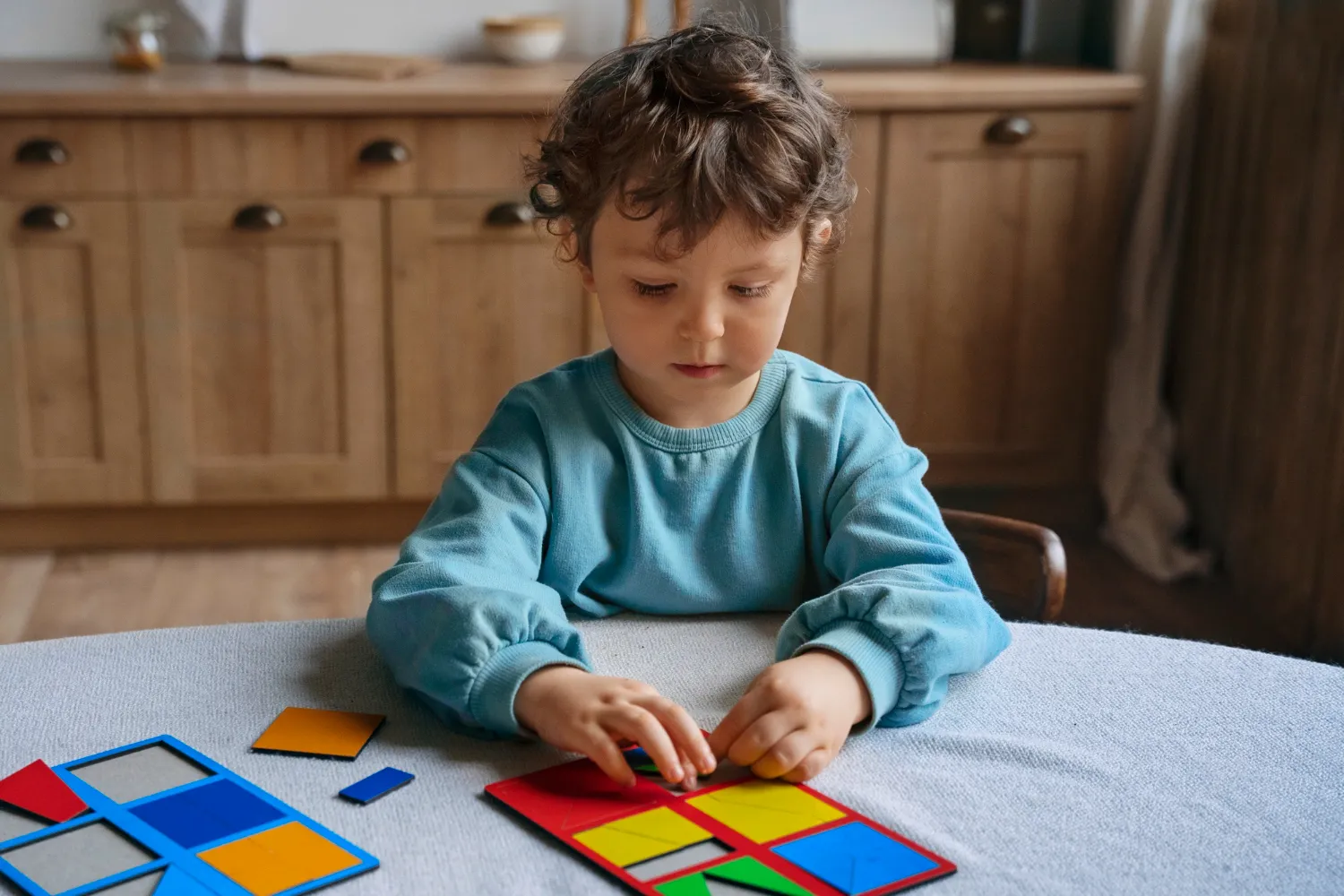
Able to Control Emotions and Focus on Tasks. (Image: Magnific/Magnific)
Children who can manage their emotions well tend to have an important foundation for facing challenges in school and social life. This ability prevents them from easily falling into anger or frustration when confronted with difficult situations, allowing them to think more clearly when making decisions.
In addition to emotional control, the ability to maintain focus is also an important indicator. Children who can persist in completing a task without easily being distracted are generally more prepared to face increasingly complex academic demands as they grow older.
The combination of emotional regulation and focus ability does not emerge spontaneously. Parents can train this through simple routines, such as providing quiet time when a child is angry or encouraging the child to finish a game before moving on to another activity.
Failure is an inevitable part of a child's growth process, whether it's disappointing exam scores or conflicts with peers. A child who can bounce back after experiencing such things shows signs of being successful in the future.
This resilience forms a kind of inner strength that makes children not easily give up when facing obstacles. They learn that failure is not the end of everything, but rather a part of a process that can be improved with the next effort.
The role of parents is crucial in shaping this resilience. Instead of directly solving the child's problems, parents can accompany the child in finding their own solutions while still providing the emotional support needed.

Diligent Effort and a High Sense of Curiosity. (Image: drobotdean/Magnific)
The willingness to work hard consistently is one of the strong predictors of a child's future success. Children who are accustomed to making an effort every day, even if the results are not immediately visible, tend to have a strong work ethic as adults.
A sense of curiosity also reinforces this habit. Children who love to ask questions, explore new things, and are not easily satisfied with surface answers usually grow into lifelong learners who adapt easily to changes in the times.
These two traits complement each other. Hard work without curiosity can make a child monotonous, while curiosity without perseverance often stops halfway before achieving the desired results.
The ability to think flexibly is one of the signs of a child who is likely to succeed, often overlooked by parents. A child who can change their approach when the initial plan does not go as expected demonstrates a level of thinking maturity that is rarely found in children of the same age.
This cognitive flexibility helps children face new situations without feeling overly anxious. They are not stuck to just one perspective, making them more open to trying alternative solutions when they encounter dead ends in problem-solving.
In contrast, children with rigid thinking patterns tend to feel pressured when situations change unexpectedly. Parents can train this flexibility by frequently engaging their children in discussions about various ways to solve the same problem.

Skilled at Collaborating and Empathizing with Others. (Image: Magnific/Magnific)
The ability to collaborate in groups is a social skill that is just as important as academic ability. Children who can take turns, listen to others' opinions, and contribute to group work are generally more easily accepted in any social environment.
Empathy is an important complement to this ability. Children who can put themselves in others' shoes tend to be more sensitive to the feelings around them, thus able to build more genuine and lasting relationships.
Not all children need to be leaders to be considered socially successful. Children who can be good team members and make real contributions also show signs of being successful in community life.
The courage to take positive risks, such as inviting a new friend to play or trying extracurricular activities that have never been attempted, is a sign of self-confidence that develops from an early age. Children who are accustomed to stepping out of their comfort zone tend to be more prepared to face uncertainties in the future.
This courage is also closely related to a child's self-confidence in their own abilities. The more often children try new things and succeed, the stronger their belief that challenges can be faced with the right effort.
Parental support plays a significant role in shaping this courage. Providing space for children to try, while still monitoring from a reasonable distance, helps children learn to assess risks without excessive fear.
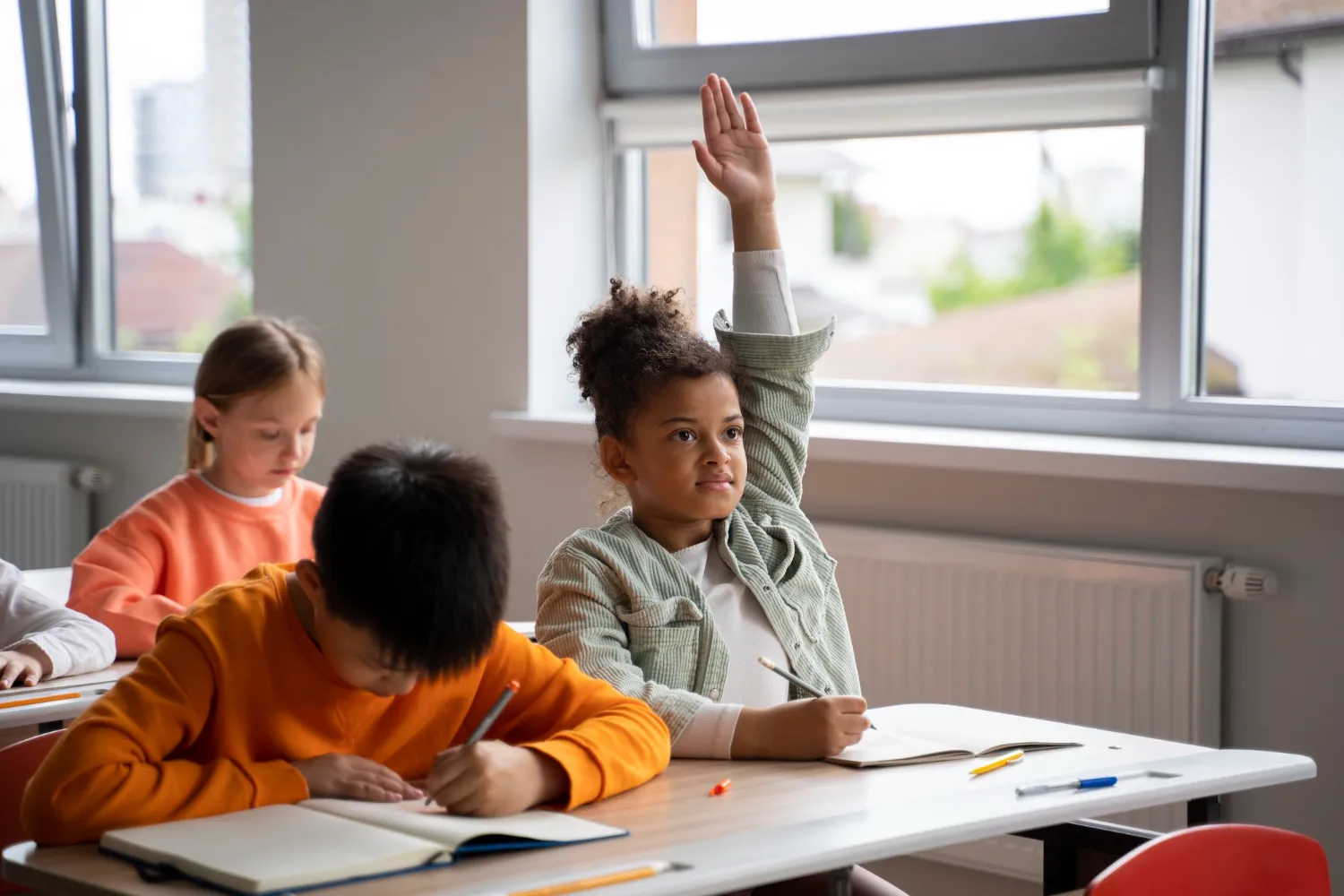
Dare to Express Opinions and Be Confident in Voicing Oneself. (Image: Magnific/Magnific)
A child who dares to express their opinion in a polite yet firm manner shows emotional maturity beyond their years. This ability will later become an important asset when they need to negotiate or present ideas in the workplace.
This attitude also reflects the sense of security that the child feels in expressing themselves. Children raised with emotional validation tend to be more confident in showing who they are, without having to hide their opinions to please others.
Parents can encourage this attitude by more frequently asking their child's opinion before giving their own answer. This simple habit helps children get used to speaking up and believing that their views are worthy of being heard.
1. What are the signs of a child who will succeed according to psychologists? Some signs that are often mentioned include the ability to control emotions, resilience in the face of failure, high curiosity, flexibility in thinking, ability to cooperate, courage to take healthy risks, and confidence in expressing opinions.
2. Do academic grades determine a child's future success? Academic grades are not the only determinant. Social and emotional skills, such as empathy, cooperation, and resilience, also play a significant role in shaping a child's future success.
3. How can resilience be trained in children? Parents can train resilience by accompanying children to find their own solutions when facing problems, rather than solving them directly, while still providing the emotional support needed.
4. Why is curiosity important for a child's future? Curiosity encourages children to continue learning throughout their lives and makes it easier for them to adapt to changes, thus becoming an important asset in facing a constantly evolving world.
5. Can a quiet child show signs of a child who will succeed? Yes. A quiet child can still demonstrate signs of success through their ability to focus, empathy, or perseverance, even if their way of expressing themselves is different from that of more expressive children.
(kpl/bim)
Cobain For You Page (FYP) Yang kamu suka ada di sini,
lihat isinya
Six recommendations for Japanese movies about school kids and enthusiastic clubs, perfect to watch when you miss the high school extracurricular atmosphere.

Tired of the same old zombie movies? Here are 12 recommendations for Korean films themed around epidemics and zombies with the most epic plot twists!

Describes climbing plants to beautify balconies, from variegated ivy to easy-care nasturtiums.

Here’s how to plant Sunkist oranges in pots for limited home land. Check out the planting steps and care tips so that the plants can grow.

How to grow romaine lettuce at home, from choosing seeds to harvesting fresh and crunchy leaves.
Avoid tomato fruit rot by understanding its causes and applying the right cultivation strategies, from variety selection to intensive care for quality harvests.

Caring for monstera to ensure its leaves are large and healthy can be done by paying attention to light, watering, planting media, and humidity.

How to fertilize chili plants for quick flowering and fruiting with proper care, fertilizer, water, and light.

A guide to cultivating California papaya (callina) from seeds to bountiful harvest. Plus, a bonus recipe for spicy sweet Korean tempeh to accompany your gardening activities.

Are your white garden stones starting to yellow and grow moss? Check out 7 ways to clean white garden stones to make them bright, clean, and pleasant to look at.

Discover the complete guide on how to grow Tamarillo in your home garden, from seed selection to harvest. Realize an exotic fruit garden rich in nutrients easily.

Discover effective ways to care for the Tabebuya tree to encourage frequent flowering with these eight easy steps.
