

 Follow
 Rekomendasi
How to Grow Tamarillo in Your Garden, Easy for Beginners and Can Quickly Bear Fruit
Discover the complete guide on how to grow Tamarillo in your home garden, from seed selection to harvest. Realize an exotic fruit garden rich in nutrients easily.
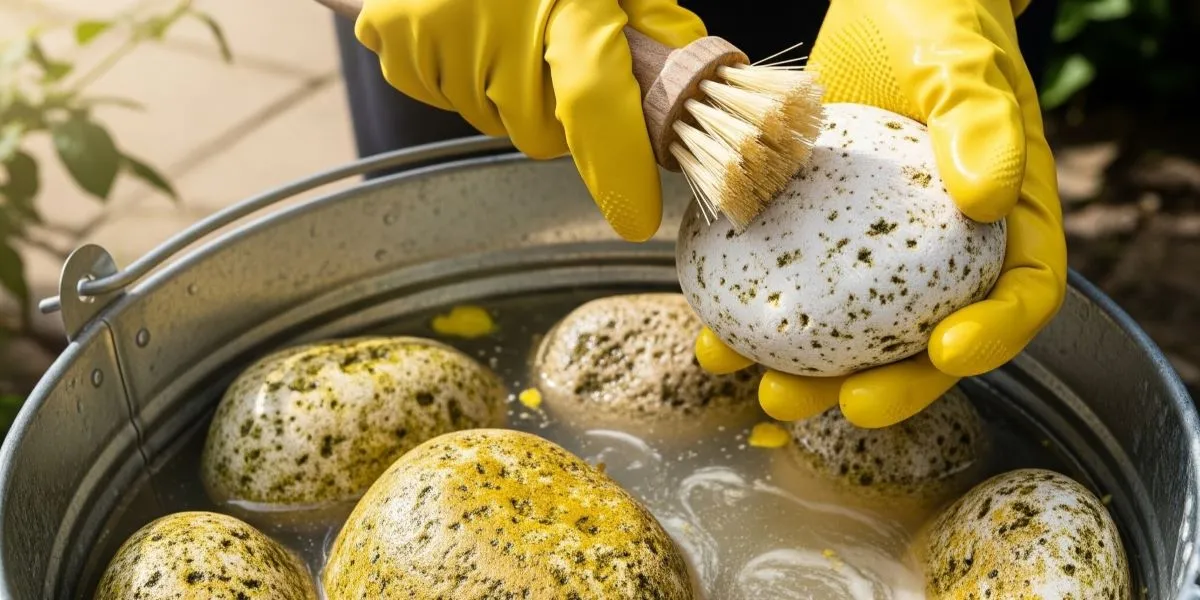
Kapanlagi.com - White garden stones can indeed make the outdoor area of a house look cleaner, brighter, and tidier. However, over time, stones that are constantly exposed to rain, dust, soil, and moisture can change color to yellowish or greenish. Moss also often grows on their surface, especially in shady gardens with poor air circulation. If left too long, dirt and moss can make the stones look dull, diminishing the beauty of the garden.
This condition does not necessarily mean that the garden stones need to be replaced with new ones. Cleaning white garden stones can be done with a few simple steps using tools and materials that are relatively easy to find. The key is to clean the dirt gradually, choose a method suitable for the condition of the stones, and avoid using materials that could potentially damage the surface or surrounding plants.
In addition to making the stones look bright again, regular cleaning also helps prevent moss and stains from accumulating thicker. You can adjust the cleaning method based on the level of dirtiness, from scrubbing the surface to using the appropriate cleaning solution. So how do you clean yellowing and mossy white garden stones? Quoting from various sources, Tuesday (11/8/2026), check out the following information review.
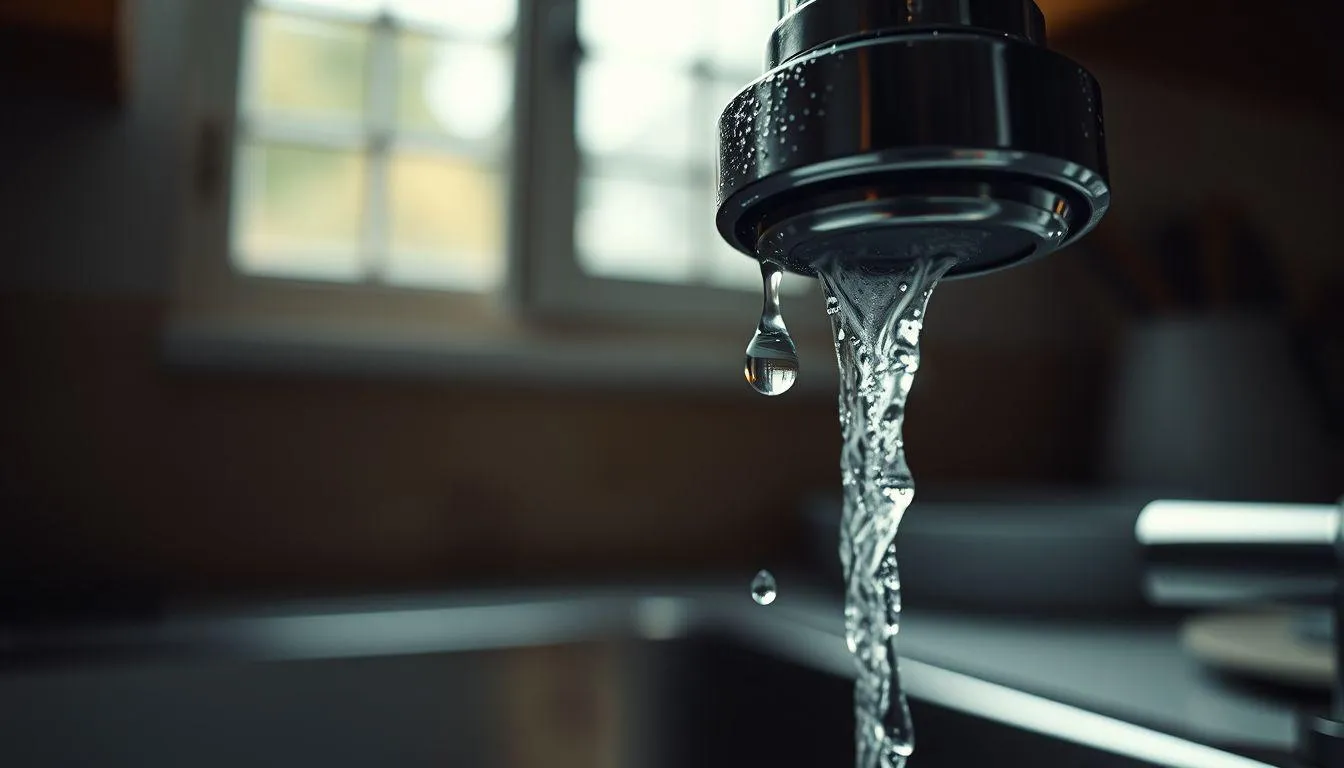
The first step to take is to remove dust, sand, dirt, and loose debris from the surface of the stone. Do not scrub the stone that is still covered in sand, as the grains can scratch the surface when brushed. Use a water hose or a spray nozzle with moderate pressure to rinse the entire stone. Direct the water from the higher part to the lower part so that dirt does not stick back to the areas that have already been cleaned.
After rinsing, pay attention to the parts of the stone that still appear yellow, green, or black. Easily removable dirt will usually be washed away, while remaining stains may be more firmly attached or may be moss and algae growth. For stones located in garden areas, also remove dry leaves, twigs, and plant debris that cover the surface of the stone. Cleaning the surrounding area will make the next process more effective.
If using a pressure sprayer, do not direct the pressure too strong from a very close distance, especially if the stone has a fragile surface or is on an easily erodible medium. Excessive water pressure can also scatter the soil between the stones and dirty other areas. After the initial rinsing is complete, let the water flow and check the condition of the stone again. This simple method is often enough to restore the appearance of stones that are just dull due to dust and dirt.
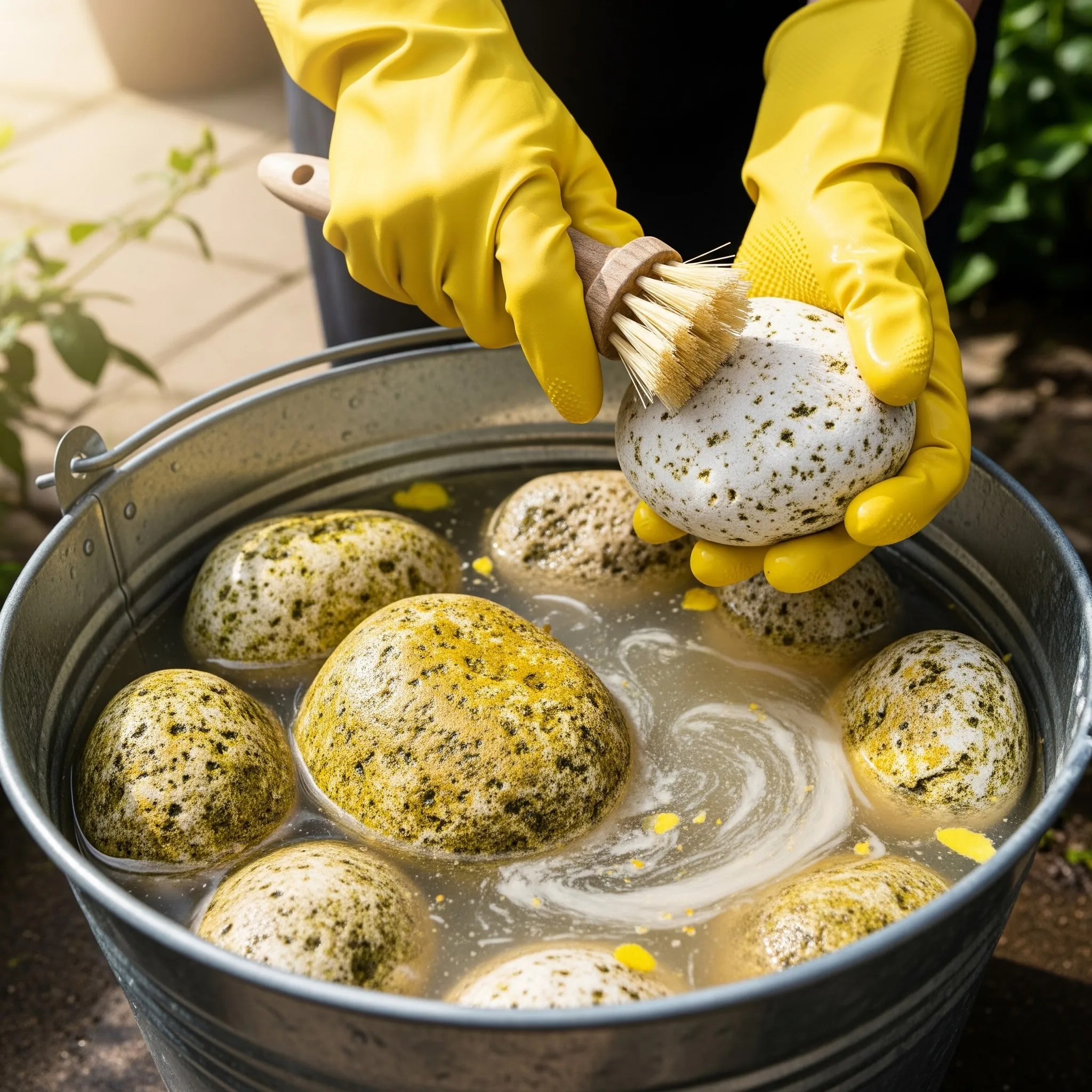
For stones that still appear dirty after rinsing, use a stiff-bristled brush to lift moss, dried soil, and layers of dirt that cling. Choose a brush that is strong enough but not too abrasive for the type of stone being cleaned. The brush can be used wet and moved back and forth on the dirty areas. Pay extra attention to crevices and textured surfaces of the stone as moss often develops in those areas.
There is no need to scrub the entire area with maximum force right away. Start with a small section to see if the method is safe and effective. If stains begin to lift, gradually move on to other areas. For smaller stones that are numerous, you can gather them first in one easy-to-clean spot, then scrub them one by one before returning them to the garden.
After scrubbing, rinse the stones again with clean water so that any remaining moss and dirt that has been dislodged does not stick back. If there are still yellowing areas, do not rush to use harsh cleaning agents. Repeat the scrubbing process on those areas or proceed to the next method. Mechanical cleaning like this is a good initial option as it does not leave chemical residues in the garden and is relatively safe for plants if done correctly.
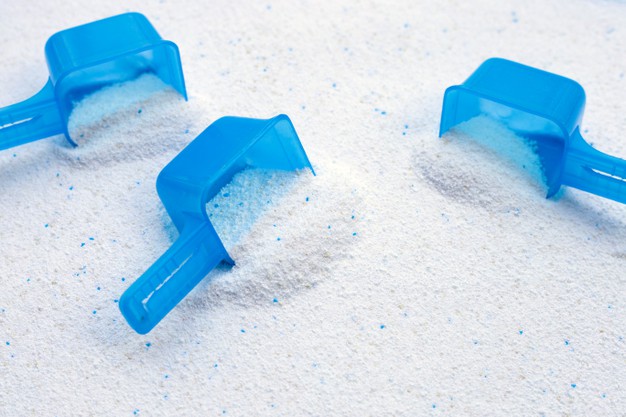
If the stone still looks dull after scrubbing, you can use a gentle cleaning solution. Mix a small amount of dish soap or mild detergent with water, then apply it to the surface of the stone. Do not use an excessive amount of soap as the residue can make the surface feel slippery and attract dirt. It is better to use just enough solution and focus on the areas with stains.
Let the solution sit for a short time to help loosen the dirt, then scrub again using a stiff-bristled brush. Scrub with consistent and not too aggressive motions, especially if the stone has a surface that can be easily scratched. For certain natural stones, it is advisable to test first on a small, less visible area to ensure that the solution does not change the color or appearance of the surface.
After the stains are lifted, rinse the stone several times with clean water until there is no soap residue left. This rinsing stage is important because leftover detergent residue can mix with dust and actually make the stone look dull more quickly. Additionally, rinse water containing soap should not be allowed to pool around plants. Once finished, allow the stone to dry naturally and check the results when the surface is completely dry.
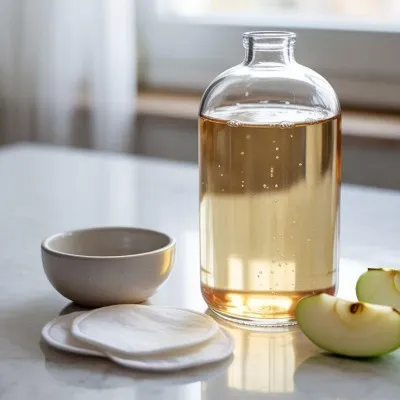
Under certain conditions, a yellowish color or dull white layer on stones may be related to mineral deposits from water. A diluted vinegar solution is often used as a household cleaner to help loosen some types of mineral buildup. However, this method needs to be done with great caution because the acidic nature can affect certain types of stone, especially some natural stones that contain minerals sensitive to acid.
Before using it, perform a test on a small and hidden area. If the surface changes color, becomes dull, bubbles, or experiences a change in texture, stop using it immediately. Do not pour vinegar directly in large amounts over the entire garden, especially if stones are near plants. If it is indeed safe for that type of stone, use a diluted solution and apply it sparingly to the stain, rather than soaking the entire garden area.
After the cleaning process is complete, rinse the stone with enough water to ensure no residue of the solution remains. Do not use acid-based methods routinely just to keep the stones white. Periodic cleaning with water and a brush is usually safer for everyday maintenance. If you are unsure of the type of stone used, it is better to choose mechanical methods first rather than risk using acidic substances.
Moss is one of the main causes of white garden stones appearing green, yellow, or even black. Its growth typically occurs more rapidly in damp, shaded areas that are frequently exposed to water. To address this, remove as much of the moss layer as possible manually using a brush. If the moss is thick, use a tool such as a plastic scraper slowly to lift the adhering layer before brushing.
For any remaining moss, you may consider using a specialized outdoor surface moss cleaning product by following the instructions on the label. Choose a product that is suitable for the stone material and check whether its use is safe around plants. Do not mix different cleaning products, as certain combinations of chemicals can produce dangerous reactions. Wear gloves and appropriate protection if the product instructions require it.
After successfully cleaning the moss, rinse the stones thoroughly and ensure that no residue of the product remains on the surface or around the plants. Simply cleaning the moss is not enough if the garden conditions remain too damp. Trim overgrown plants, fix areas that are always flooded, and ensure better air circulation. By reducing sources of moisture, moss growth can be slowed down so that the stones do not quickly turn green again.
If the white garden stones are small, such as coral stones, white pebbles, or decorative stones, one effective method is to lift them from the garden for separate cleaning. This method allows you to clean the entire surface of the stones, including the underside that is usually covered with soil and rarely exposed to sunlight. Gradually collect the stones and separate them from the soil, leaves, roots, or other materials that may be mixed in.
Place the stones in a large container, then rinse them with clean water. For very dirty stones, you can use a mild soap solution and scrub them gradually. Do not overfill the container so that the stones still have room to be scrubbed. After the washing process is complete, rinse several times until the rinse water looks much cleaner. If there are a lot of stones, do this in several batches for more even cleaning results.
Before returning them to the garden, let the stones dry completely. While waiting, take the opportunity to clean the garden area from excess soil, roots, leaves, and other sources of dirt. If the bottom part of the garden often holds water, fix the drainage first. Clean stones will stay white longer if placed back in an area with good drainage and not constantly wet.
After the cleaning process is complete, drying is a stage that should not be overlooked. Stones that remain in a damp condition will be more susceptible to moss and algae growth, especially if the garden is in an area with minimal sunlight. If possible, dry the stones in a place that receives adequate sunlight until their entire surface is dry. Ensure that the drying process does not disturb the plants or cause the stones to scatter into other areas.
Once the stones are dry, rearrange them in the garden while paying attention to water circulation. Do not stack the stones too thickly in areas that often get flooded, as the bottom will remain damp and difficult to get air. If possible, adjust the slope of the surface or the base layer so that rainwater can flow properly. Plants around the stones should also not be allowed to become too dense, covering the entire surface and making the area too shady.
Subsequent maintenance can be done routinely without waiting for the stones to change color significantly. Remove accumulated leaves and debris, rinse the stones periodically, and promptly clean off moss as soon as it starts to appear thin. If the garden area receives enough light and has good drainage, white stones will be easier to keep clean. With simple yet consistent care, you won't need to perform heavy cleaning too often, and the garden stones can remain bright for a longer time.
White garden stones can turn yellow due to the accumulation of dust, soil, plant residues, mineral deposits, and prolonged exposure to water and weather. Meanwhile, moss grows more easily on stones that are in damp, shady places with minimal air circulation. If not cleaned regularly, moss and dirt can form a layer that makes the stones look dull.
Start by rinsing the stones with water to remove loose dust and soil. After that, scrub with a stiff-bristled brush to lift off moss and dirt that is stuck. If they still look dull, use a mild soap or detergent suitable for stone materials, then rinse until there is no residue.
Vinegar can help clean some types of mineral deposits, but it must be used cautiously. The acidic nature of vinegar can damage or alter the appearance of some types of natural stone. If you want to try it, do a test first on a small, hidden area, use a diluted solution, and avoid contact with plants around the stones.
For thick moss, gently lift off as much of the moss layer as possible using a brush or plastic scraper. After that, clean with water and, if necessary, use a moss cleaning product that is suitable for stone surfaces. Always follow the product usage instructions and rinse the stones thoroughly after the cleaning process.
Garden stones can be cleaned using mild soap or detergent, but it is advisable not to use the products excessively. Choose a solution with a low concentration and conduct a trial on a small area first. Once finished, rinse the stone with clean water until no detergent residue remains.
(kpl/iya)
Cobain For You Page (FYP) Yang kamu suka ada di sini,
lihat isinya
Discover the complete guide on how to grow Tamarillo in your home garden, from seed selection to harvest. Realize an exotic fruit garden rich in nutrients easily.

Discover effective ways to care for the Tabebuya tree to encourage frequent flowering with these eight easy steps.

Transform your life to be more successful through these 12 magical micro habits. Starting with small, routine habits, your dreams can become a reality quickly.
Discover 6 best drinks for brain health that you can consume every day.

Liking to compare others can reflect certain character traits. Recognize 8 characters of people who like to compare others according to psychology.

Paper towels are often used for cleaning, but there are several items that should not be cleaned with paper towels. Check out the explanation here.
Keeping croton stunning on a porch exposed to scorching heat requires special strategies. Learn how to care for croton so that its leaves remain bright and not burnt, from watering to protection.

Explore the challenging world of journalism through recommendations for movies about journalists. From investigating major scandals to ethical dilemmas, witness their struggles to uncover the truth.

Plants that make homes cooler can serve as natural shade while making the yard feel more lush and comfortable.
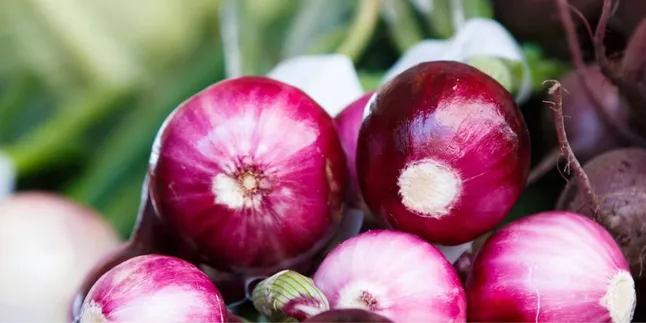
How to plant red onions without extensive land is now easier to do at home, utilizing various innovative methods for abundant harvests.
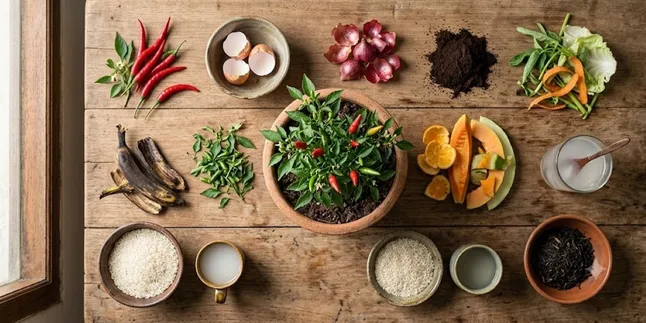
Check out 10 kitchen ingredients that can be used to care for chili plants to help them grow lush and bear fruit abundantly naturally.

The South Korean entertainment industry is increasingly enriching its works by adapting popular series from various countries, presenting familiar stories with a captivating Korean touch.
