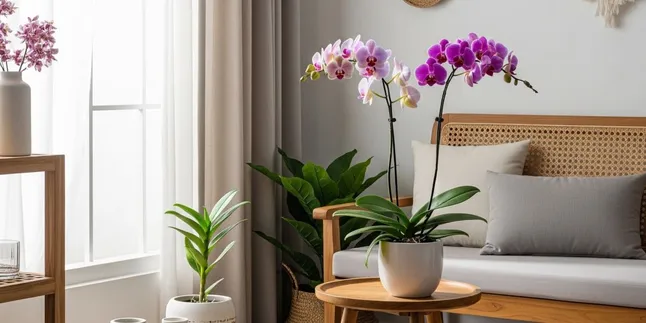
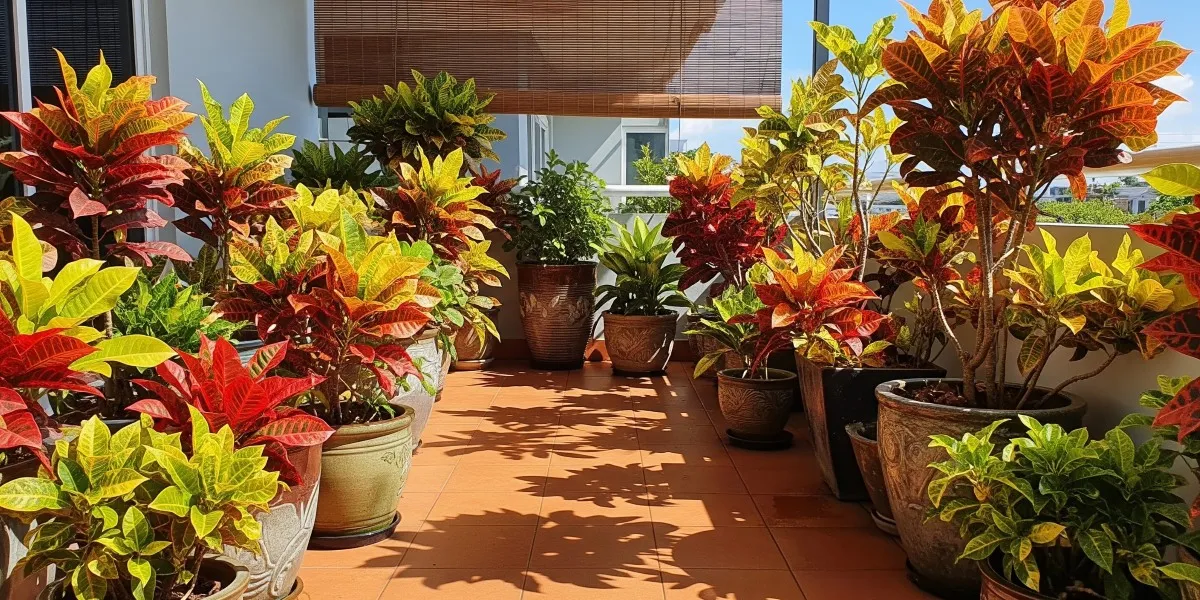
Kapanlagi.com - KLovers, are you busy arranging your porch to make it more aesthetic and Instagramable? Croton plants must be on your wishlist! The leaf patterns that combine red, yellow, green, and orange make croton an attractive choice to beautify the front area of your house.
However, caring for croton on a porch exposed to hot weather is not always easy. Although it is a tropical plant that loves light, direct sunlight that is too intense can cause its leaves to fade, turn yellow, or even burn. The humidity of the air and soil also needs to be monitored to prevent the plant from stress.
To keep croton healthy and its colors beautiful, consistent care is necessary. Starting from managing watering, choosing the right location, using appropriate planting media, fertilizing, protecting the plant from excessive heat, to performing regular pruning. Let's check out tips for caring for croton on the porch to keep it beautiful in hot weather.
1. Maintaining Optimal Moisture with Proper Watering
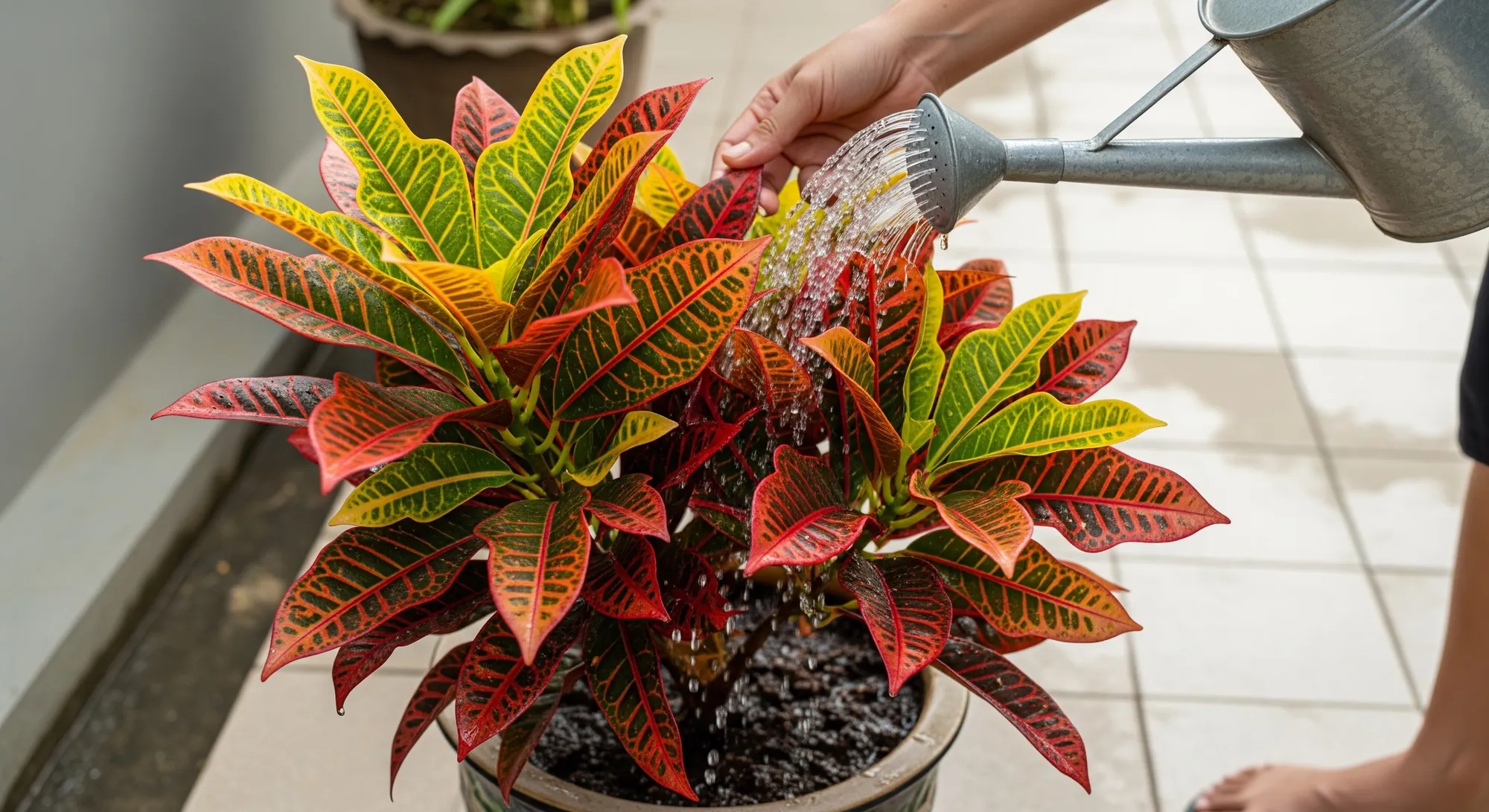
Watering Croton Plants. (AI Generated)
Watering is an important part of maintaining the health of the croton plant, especially in hot terraces. Croton plants require adequate water to remain evenly moist, but they should not be waterlogged. This is important because crotons need a lot of water, but they are not suitable for planting in muddy or wet soil.
During the dry season, watering can be done twice a day, in the morning and evening, to maintain soil moisture. However, the frequency of watering needs to be adjusted according to weather conditions and soil moisture.
Signs that a croton is lacking water can be seen from the tips of the leaves turning brown and their texture becoming dry. If this happens, the plant needs more water and regular leaf misting.
2. Strategic Placement for Ideal Sunlight Exposure
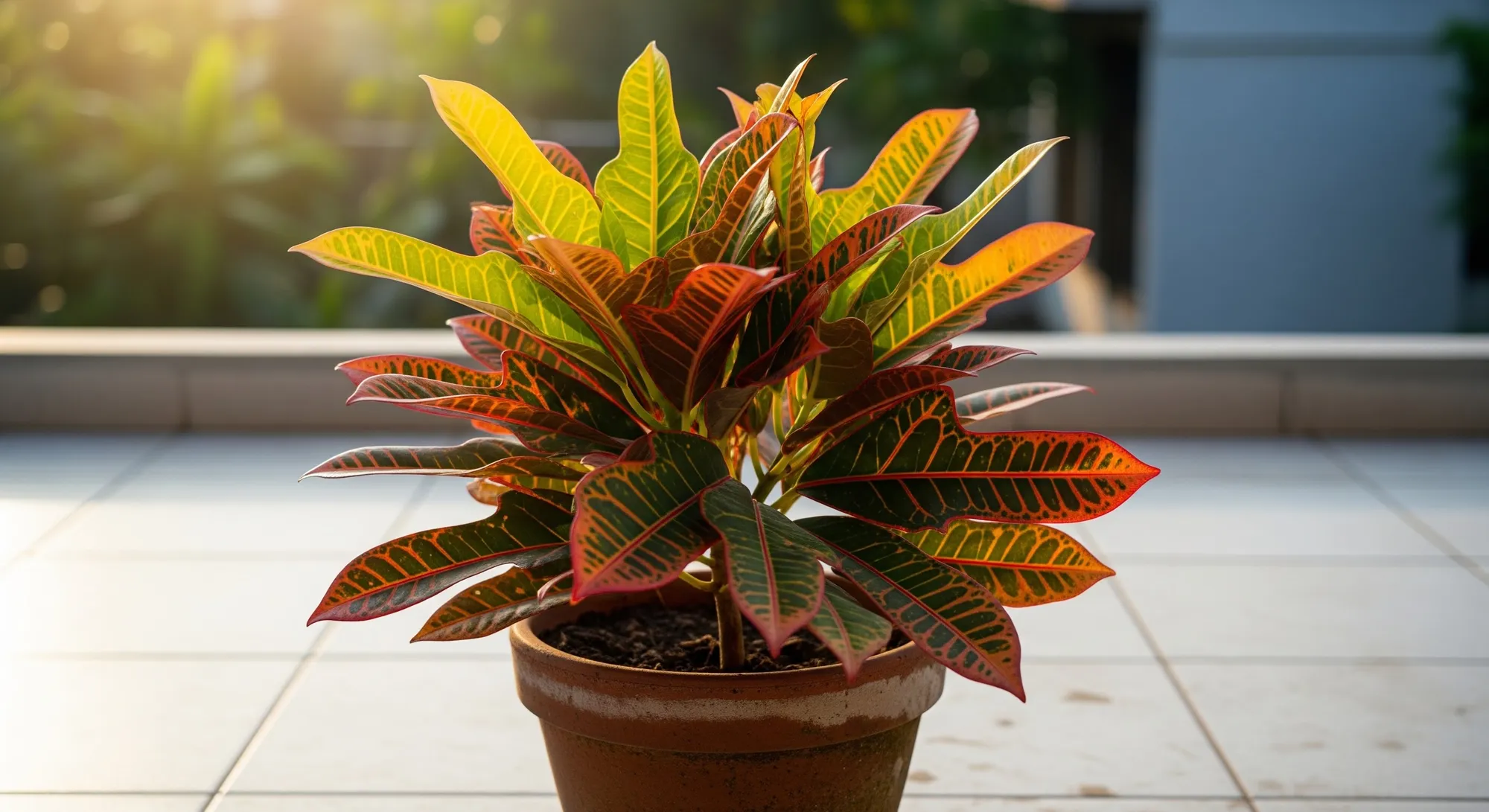
Puring Plant Exposed to Sunlight
Puring requires adequate sunlight exposure to maintain its bright leaf color. However, intense direct sunlight exposure throughout the day can cause the leaves to dry out.
The best location for puring is an area that receives morning sunlight or partial shade to prevent the leaves from burning. Morning sunlight is excellent for stimulating the leaf color of puring to remain bright and shiny.
If the leaf color of puring fades due to excessive shade, the plant needs to be moved to a brighter location. Gradually moving the plant from shade to a brighter spot can help the plant adapt without getting scorched.
3. Choosing Planting Media that Supports Root Growth
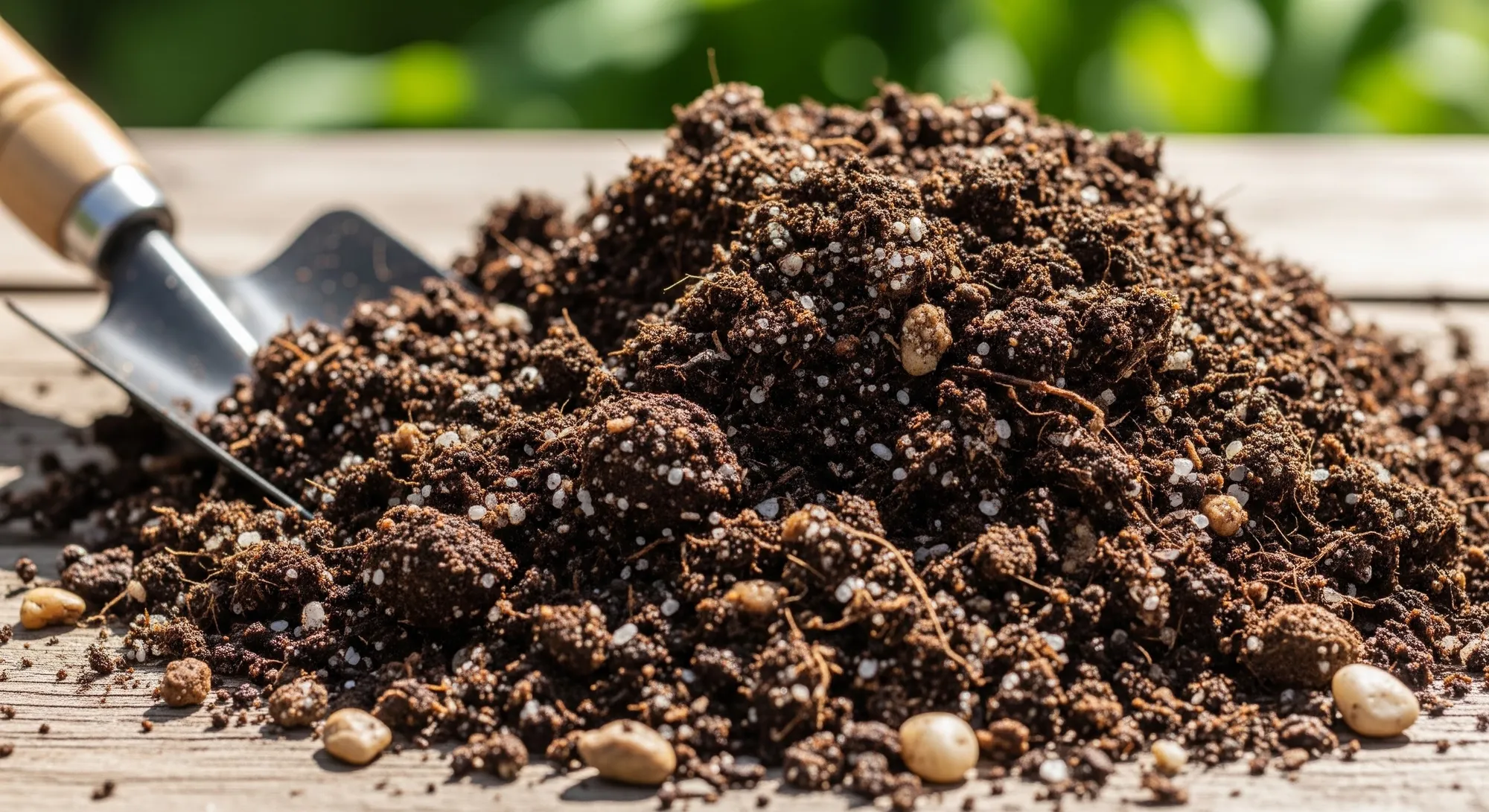
Growing Media that Supports Growth. (AI Generated)
The right planting media is essential for healthy puring growth. Puring requires loose, fertile media with good drainage. The ideal planting media for puring consists of a mixture of loose soil, compost, and sand to ensure optimal air circulation around the roots.
To create puring planting media, the mixture includes soil, rice husks, and manure. Red soil is also a good option as puring can adapt well to that type of soil.
Choose pots with good drainage. Puring needs a lot of water, but it is not suitable for planting in muddy or wet soil. To ensure the pot has good drainage, look for pots that have drainage holes at the bottom.
4. Complete Nutrition Through Regular Fertilization
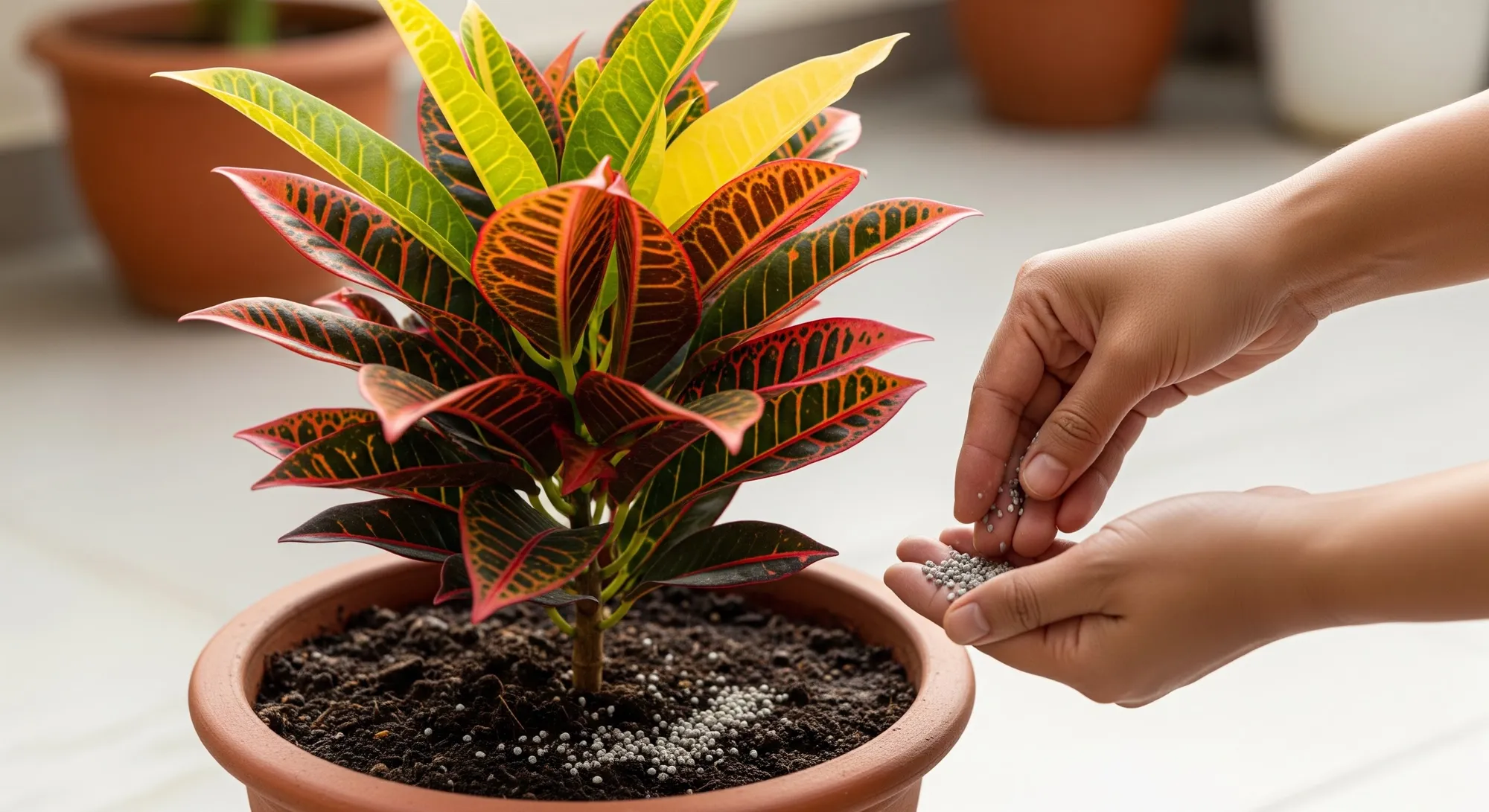
Regular Fertilization of Croton Plants. (AI Generated)
Regular fertilization supports the growth of the croton and keeps its leaves bright. Croton requires a lot of nutrients for its colorful leaves to thrive.
Provide fertilizer regularly to support the growth and development of the croton plant. Choose fertilizers that contain complete nutrients or fertilizers specifically for flowering plants for the best results. Fertilization should ideally be done during the active growth period, which is in spring, summer, and early fall.
The dosage of fertilizer does not need to be much, just one-third of a tablespoon of NPK fertilizer is sufficient. Over-fertilization can cause the plant's leaves to scorch, so it's important not to overdo it.
5. Protecting Croton from Extreme Heat Stings
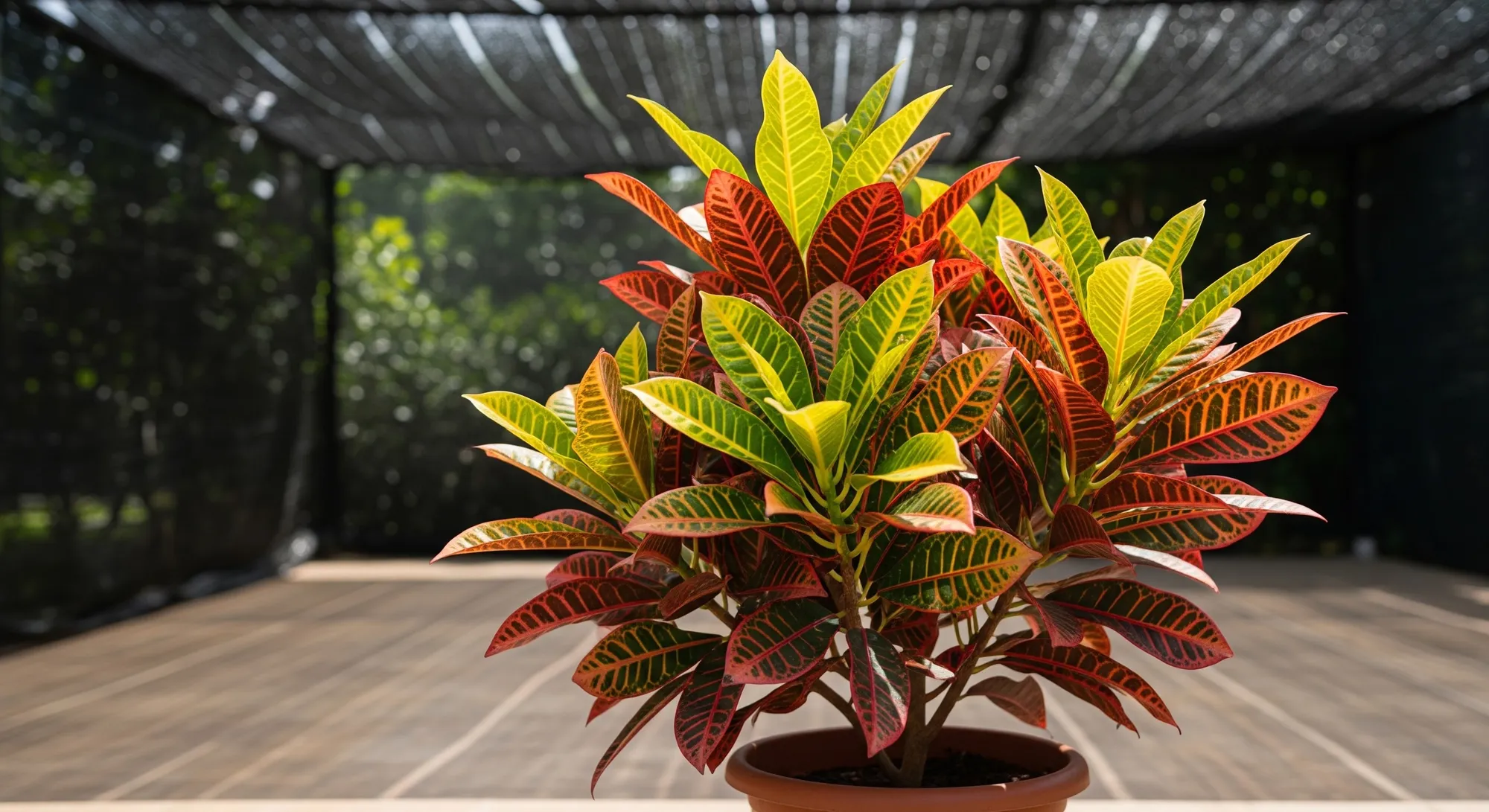
Protecting Puring from Extreme Heat Stress. (AI Generated)
A hot home terrace can make the puring susceptible to damage from high temperatures. Puring likes warm temperatures, but extreme temperatures above 41°C can make the leaf colors lighter and more vulnerable to sunburn.
Outdoors, especially in areas with very hot summers, protecting puring from the harsh midday and afternoon sunlight is very important. Consider using garden shading cloth or placing plants to receive natural shade during peak sunlight hours.
Move the plants to a shaded location from the midday and afternoon sun. Water the plants in the morning and evening to maintain soil moisture and reduce heat stress on the plants.
6. Regular Pruning and Leaf Cleanliness
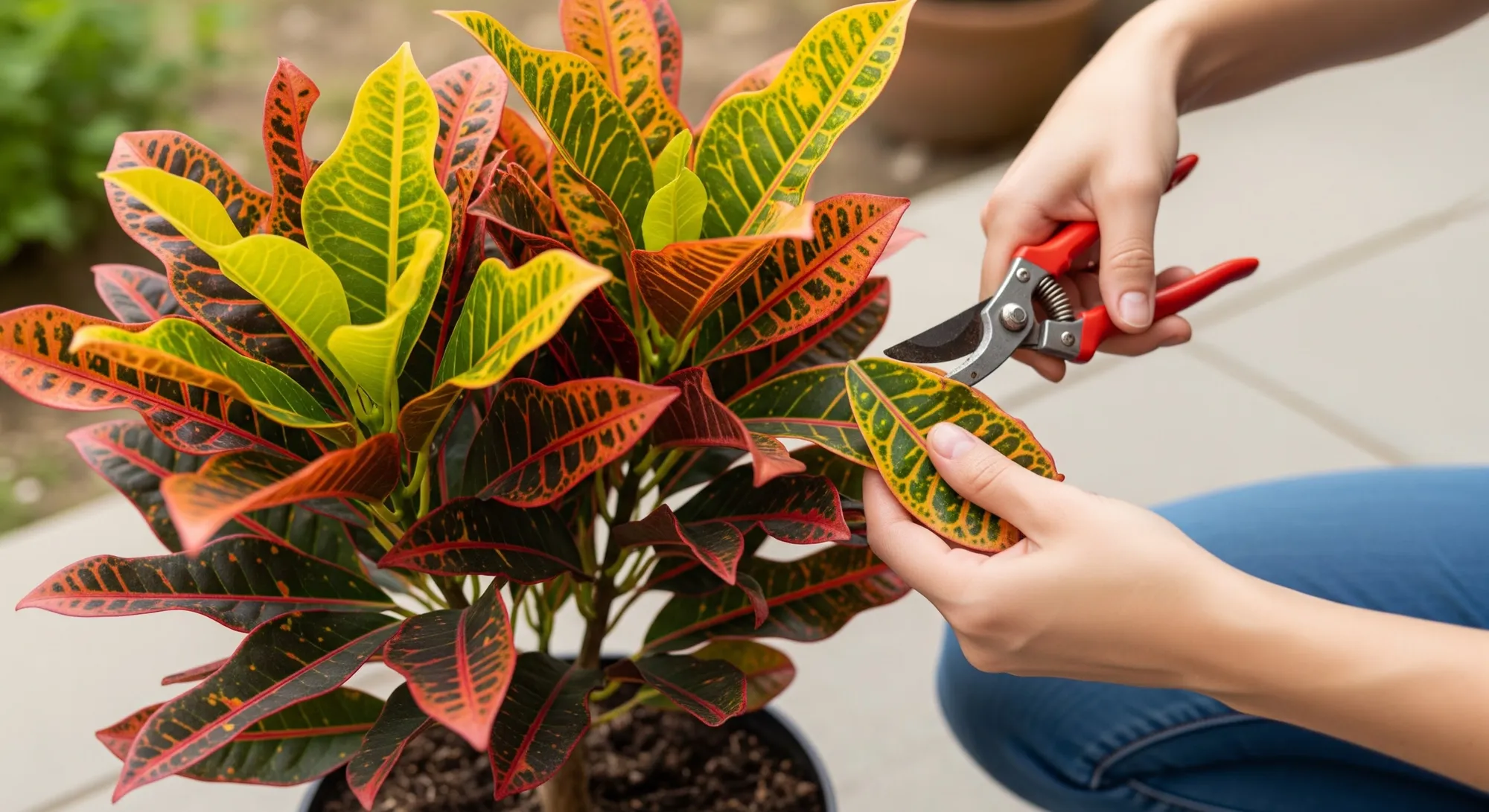
Regular Pruning of Croton Plants. (AI Generated)
Routine pruning is essential for maintaining the shape of puring, encouraging new growth, and sustaining plant health. Pruning puring promotes strong growth and maintains its shape by removing old or sick leaves and improving air circulation.
The best time to prune puring is in the winter, during its dormancy period, to keep its bright leaves. Pruning can stimulate new growth, making the plant fuller and stronger.
In addition to pruning, cleaning puring leaves of dust is also important for optimal photosynthesis. Clean leaves can absorb light better, which contributes to the brightness of the leaf colors. Pruning also involves removing yellowing or sick leaves to reduce infection.
7. Questions About Croton Care
Why do croton leaves fade in color? The color of croton leaves can fade due to improper lighting conditions, such as a lack of adequate sunlight exposure.
How often should croton be watered? For optimal health, croton needs to be watered once every 1-2 weeks, but this frequency may increase during dry seasons or hot weather.
Does croton need direct sunlight? Croton requires sufficient sunlight, but it should not be exposed to direct harsh sunlight all day long as this can cause the leaves to scorch.
What are the signs of croton lacking water? Signs of croton lacking water include leaf tips turning brown and the leaves having a dry texture.
When is the best time to prune croton? The best time to prune croton is in the winter, during its dormancy period, or light pruning can be done in summer or fall for shaping.
(kpl/rao)
Disclaimer: This translation from Bahasa Indonesia to English has been generated by Artificial Intelligence.


 Follow
 Rekomendasi