

 Follow
 Rekomendasi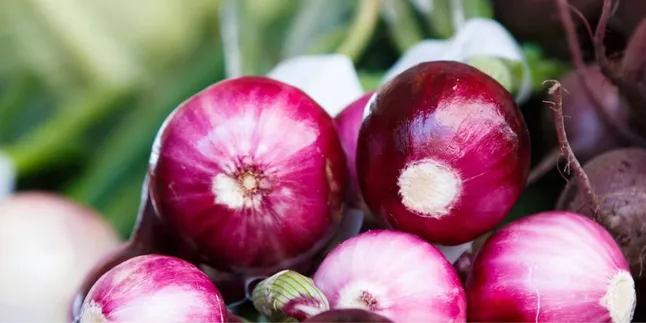
How to Plant Red Onions Without Extensive Land, A Smart Solution for Quality Harvests
How to plant red onions without extensive land is now easier to do at home, utilizing various innovative methods for abundant harvests.
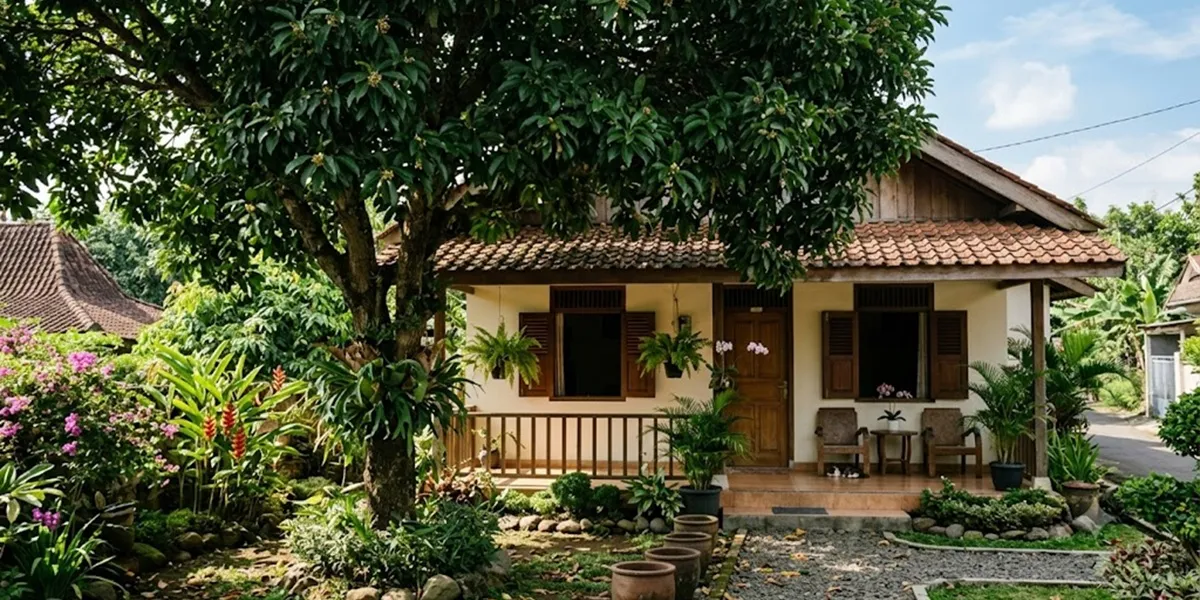
Kapanlagi.com - Homes located in hot weather areas often feel stuffy, especially when direct sunlight hits the yard, walls, roof, or windows for a long period. Besides using air conditioning, planting plants that make homes cooler can be a natural way to create a shadier environment because leafy plants can provide shade while making the areas around the house feel more lush.
The selection of plants should also be adjusted to the size of the yard, the position of the house, and the location that receives the most sunlight, as plants with large canopies require ample growing space. Some types of trees can even create significant shade once they mature, while climbing plants can be utilized to protect patios or pergolas from direct sunlight exposure.
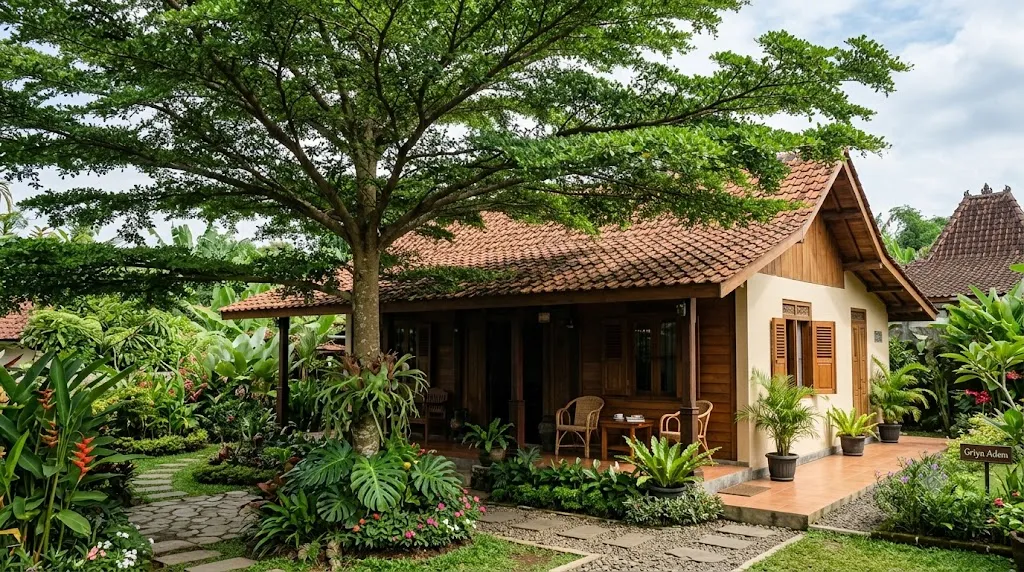
Plants That Make the House Cooler (AI Generated)
Ketapang kencana is one of the plant choices that makes the house cooler because it has wide branching with a fairly dense leaf arrangement, thus forming a natural canopy over the yard. When planted in the right position, this tree can provide shade in open areas and help reduce direct sunlight exposure to the surroundings of the house.
This plant is suitable to be placed in the front or side yard of the house that has enough space for its canopy growth, but the distance still needs to be considered so that the branches are not too close to the building. In addition to providing shade, ketapang kencana also has a neat appearance, making it a great element for greening that gives the house a cooler look.
The mango tree has quite dense leaves and a canopy that can spread wide, creating a shaded area underneath when it grows large. This characteristic makes the mango tree not only beneficial as a fruit plant but also useful as a natural shade for homes that receive strong sunlight.
The placement of the mango tree should consider the direction of sunlight and its distance from buildings because larger trees require space for their roots, trunks, and branches. If planted in the right location, the lush canopy of the mango tree can help block some sunlight before it reaches the home area, making the surrounding environment feel more comfortable.
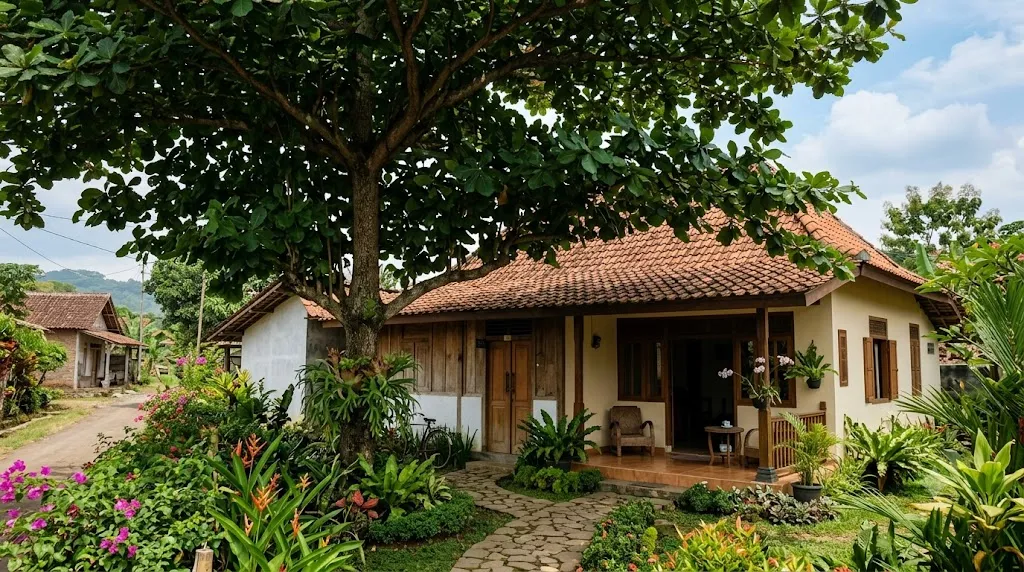
Plants That Make the House Cooler (AI Generated)
The ketapang tree is known for its large leaves and wide canopy, making it widely used as a shade tree in various open spaces for a long time. Its size, which can grow quite large, makes it a plant that cools down the house, especially if planted in a spacious yard that needs protection from sunlight exposure.
Because it can grow very large, the ketapang tree should not be planted too close to house walls, drainage channels, or other building structures. With proper placement, its canopy can provide extensive shade in the yard while also creating a more shaded and comfortable tropical atmosphere around the house.
The tanjung tree has a fairly dense crown with many leaves, making it a good choice for providing shade in the area around the house. Its relatively thick canopy prevents sunlight from directly penetrating the entire lower part of the tree, so the area underneath can feel more protected from the heat of the weather.
This tree can be a choice for homeowners who want to introduce shade plants that still look attractive and serve not just as protection from the heat. Its placement should be adjusted according to the size of the yard and the direction of sunlight so that the resulting shadow can cover more of the area intended to be shaded.
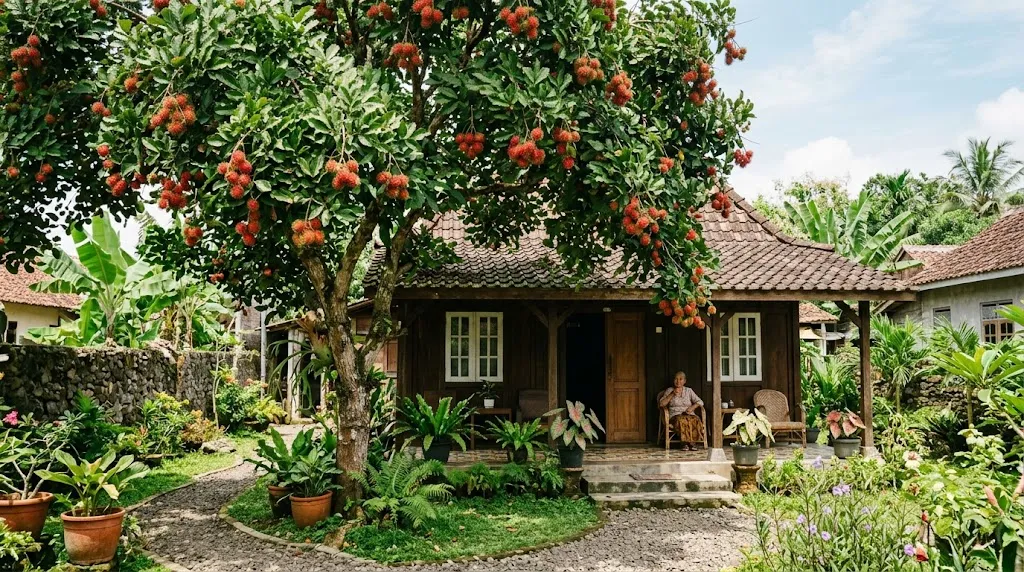
Plants That Make Homes Cooler (AI Generated)
The rambutan tree is an interesting plant because it provides two benefits at once: producing fruit and forming a fairly dense canopy when it matures. The abundance of leaves on its branches allows this tree to provide shade to the area beneath it, making the yard feel cooler compared to open areas without vegetation.
To gain these benefits, the rambutan tree should be planted in an area that receives enough sunlight but is safely distanced from buildings. In addition to helping create a cooler atmosphere, the presence of the rambutan tree can also make the yard look greener and provide an opportunity for the residents to enjoy the fruits from their own plant.
The avocado tree has a canopy that can grow quite dense with many branches and leaves, making it a good shade option for a yard with sufficient space. When the tree has grown large, the area beneath its canopy can be protected from some sunlight, making the surrounding environment feel cooler at certain times.
Planting an avocado tree needs to consider the growing space because the size of the plant will increase over time and require enough area for root and canopy development. In addition to serving as a shade plant, the avocado tree also provides added value in the form of fruit that can be harvested, making the yard more productive.
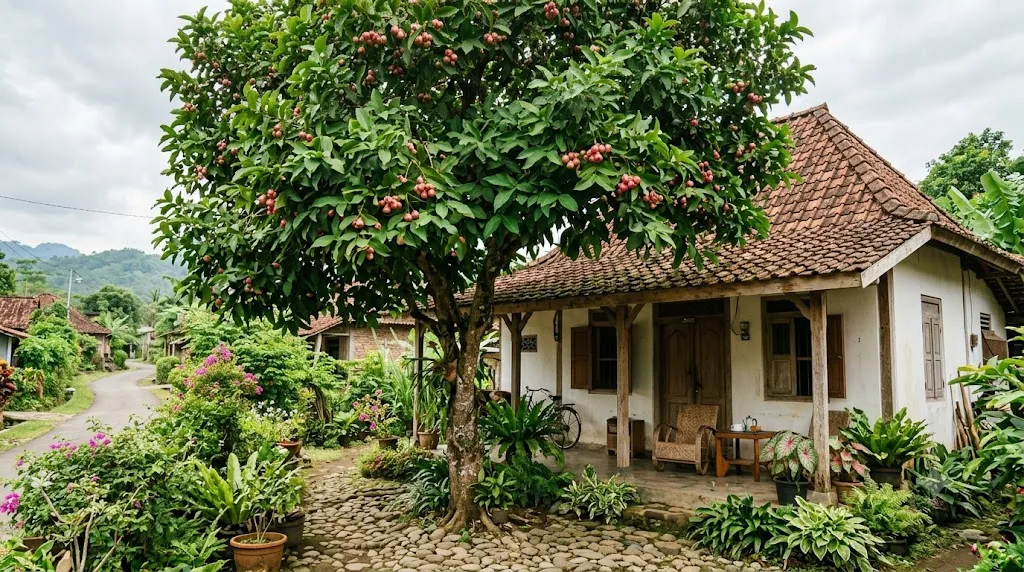
Plants that Make Homes Cooler (AI Generated)
The water guava tree can be a choice of plant that makes the house cooler because it has branches and leaves that are quite dense to form a shaded area. Its size can also be adjusted to the condition of the yard through periodic pruning so that its growth remains controlled and does not disturb the area of the house.
Planting water guava in a location that receives enough sunlight can help the plant grow well while also making the yard have more vegetation. As its canopy develops, this tree can provide shade to the surrounding area and create a green atmosphere that makes the home environment feel more comfortable.
The cherry tree is known to have relatively fast growth and branching that can form a sufficiently dense canopy, making it a popular choice when someone needs a shade plant that can grow in a relatively short time. Its abundant leaves can help block sunlight, making the area under the tree more shaded.
The cherry tree can be placed in the yard or part of the house that needs shade, but it still needs to be given space so that its growth does not interfere with the building. In addition to its function as shade, this tree can also produce small fruits that can be enjoyed, thus providing an additional function for the home environment.
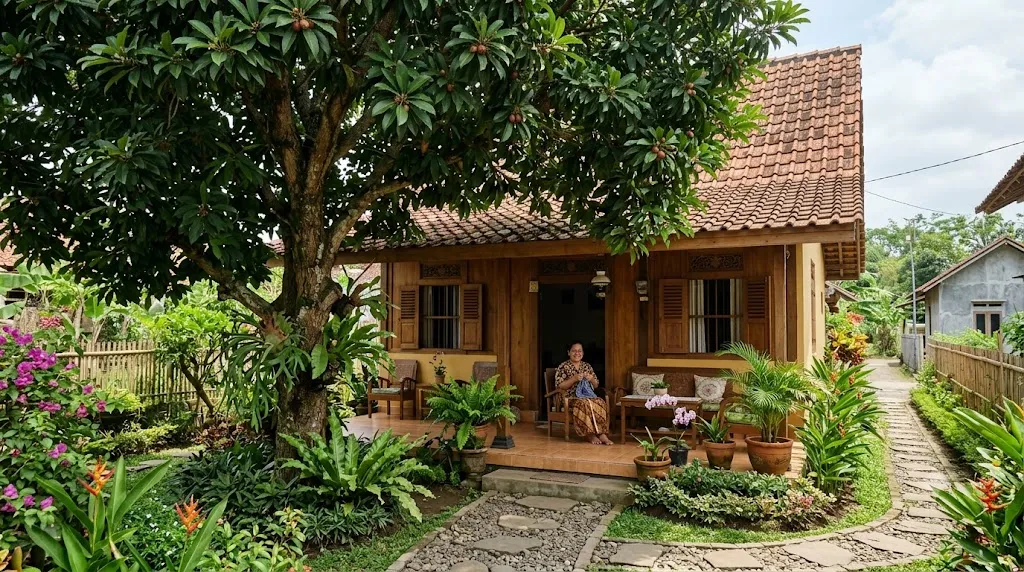
Plants That Make Homes Cooler (AI Generated)
The sapodilla tree has a fairly dense canopy with green leaves that last throughout the year, making it a good choice for providing consistent shade. The lush canopy can cast shadows over certain areas and help reduce direct sunlight exposure in the yard.
The sapodilla tree is better suited for planting in yards with enough space, as its growth can become large when allowed to develop naturally. In addition to providing shade, this tree can also produce fruit, allowing homeowners to gain additional benefits from a plant that also functions as a greening element.
The banana tree has very large leaves that can provide good shade in certain areas, especially when several plants are planted together. The characteristics of its leaves allow bananas to help block direct sunlight on the sides of the house, yard, or garden areas that need protection from heat.
Banana plants are suitable for use in homes with fairly large yards and soil that supports their growth, while their location should not be too close to frequently traversed areas. Besides providing a strong tropical impression, this plant also has productive benefits as some varieties can produce edible fruit.
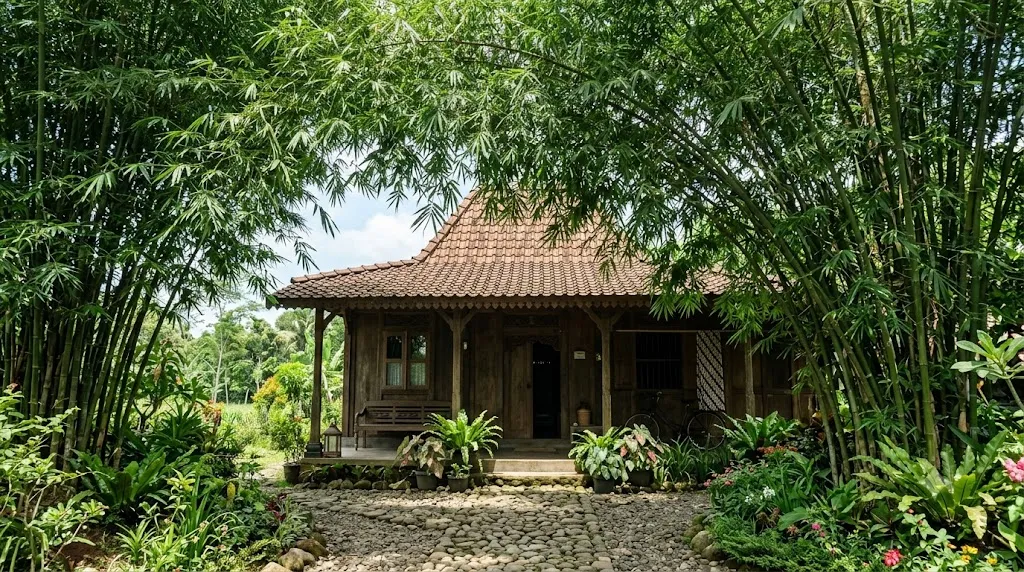
Plants That Make Homes Cooler (AI Generated)
Bamboo can be utilized as a shade plant as well as a natural barrier because some species can grow tall and form dense clumps. The arrangement of its stems and leaves can help block sunlight from certain directions, making it suitable to be placed on the side of the house that receives strong sunlight exposure.
Planting bamboo should be done with consideration of the species and its growth characteristics because some bamboo can spread quickly if not controlled. With proper management, bamboo can be a choice for creating privacy while also helping to make the yard and surrounding areas feel cooler without the need for permanent structures.
The passion fruit plant is different from most of the previous options because it does not rely on the canopy of large trees to create shade, but rather utilizes climbing growth that can be directed onto a pergola or specific framework. When its growth covers most of the framework, the collection of leaves can form a kind of green roof that helps reduce direct sunlight exposure.
The use of passion fruit is very suitable for terraces, back gardens, or seating areas that want to be made shadier without planting large trees. In addition to providing an attractive green ambiance, this plant can also produce fruit, making the pergola not only a place for shade but also a productive part of the home garden.
Plants primarily help by providing shade and reducing direct sunlight exposure, so the areas around the house can feel cooler and more comfortable.
Trees with wide and dense canopies, such as golden rain tree, ketapang, mango, tanjung, rambutan, and avocado, can be top choices.
No, large trees should be planted at a safe distance from buildings to prevent their roots and branches from interfering with the structure of the house.
Yes, especially if climbing plants are directed to cover pergolas, canopies, or specific areas that receive direct sunlight.
For limited spaces, plants that can be controlled in growth or climbing plants like passion fruit can be a more practical choice compared to large canopy trees.
(kpl/ank)
Cobain For You Page (FYP) Yang kamu suka ada di sini,
lihat isinya
How to plant red onions without extensive land is now easier to do at home, utilizing various innovative methods for abundant harvests.
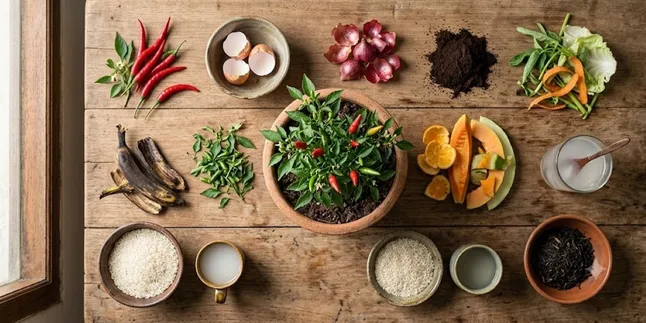
Check out 10 kitchen ingredients that can be used to care for chili plants to help them grow lush and bear fruit abundantly naturally.

The South Korean entertainment industry is increasingly enriching its works by adapting popular series from various countries, presenting familiar stories with a captivating Korean touch.

Discover 7 touching Indonesian films about firstborn children, depicting their struggles and strength in facing various challenges.

Explore a lineup of the most iconic alien invasion films, from chilling horror stories to epic battles for humanity's survival on Earth.
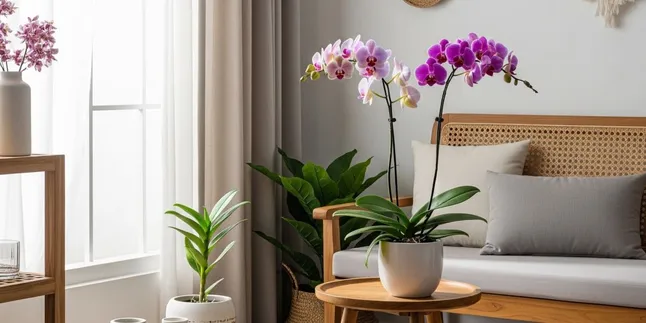
Recommendations for indoor plants that not only beautify the home but are also safe for children and pets.

From Unfaithful to Anna Karenina, here are 7 films about wives' infidelity that deeply portray the dark side of marriage.

Dividing the audience, check out movies that evoke sympathy for villains through their stories, traumas, and reasons.
Some classic stories have a universal appeal that makes them continuously adapted for the big screen, presenting new interpretations for audiences across generations.

This list of Korean dramas that makes viewers hope for a season 2 has exciting stories and cliffhanger endings that are hard to forget.
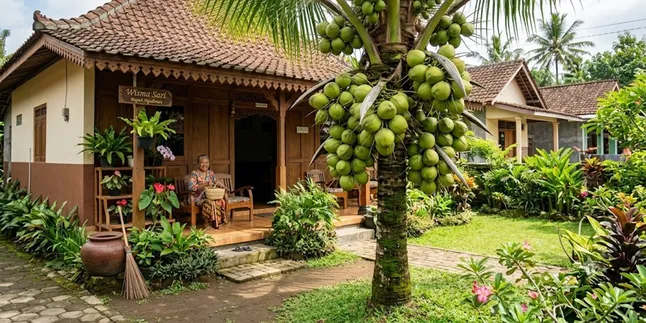
Dwarf coconuts offer the advantage of quick harvest and a low stature, making them suitable for limited land. Learn the important steps from seed selection to care so that your dwarf coconuts bear abundant fruit.
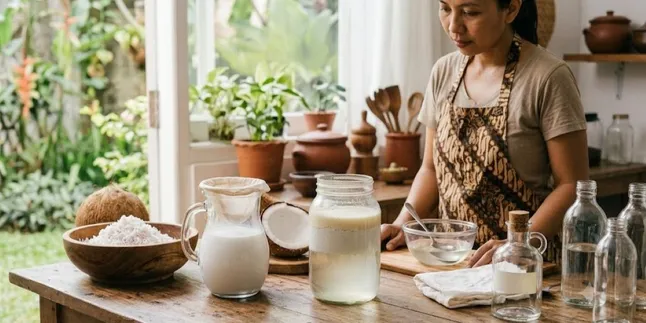
Get homemade pure Virgin Coconut Oil (VCO) at home. Follow the complete guide from selecting coconuts to the storage process for maximum health benefits.
