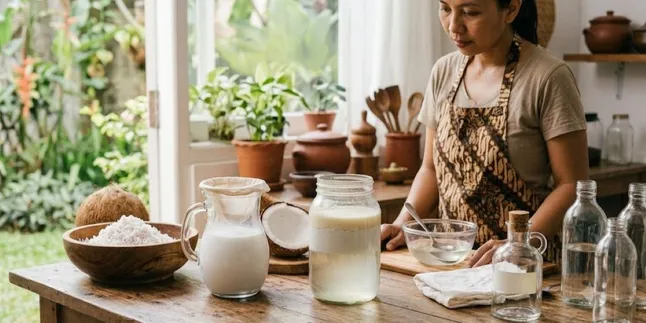
Kapanlagi.com - Taking care of chili plants at home does not always require expensive chemical fertilizers. Various kitchen ingredients that can be used to care for chili plants are often available in the kitchen every day, ranging from fruit peels to leftover washing water. These simple ingredients can contribute additional nutrients that naturally support the growth of chili.
The mineral content and organic compounds in kitchen waste, such as potassium, calcium, and nitrogen, can strengthen the stems, accelerate flowering, and enhance the fertility of the soil where chili grows. The process of utilizing them is relatively easy because many ingredients only need to be soaked, dried, or ground finely before being mixed into the planting medium.
If done correctly, the use of kitchen ingredients can be part of caring for chili at home. In addition to helping reduce waste, this method can provide additional organic material for the soil. Here are some kitchen ingredients that can be used to care for chili plants at home, summarized by KapanLagi.com from various sources, Monday (10/8/2026).
1. Banana Peel
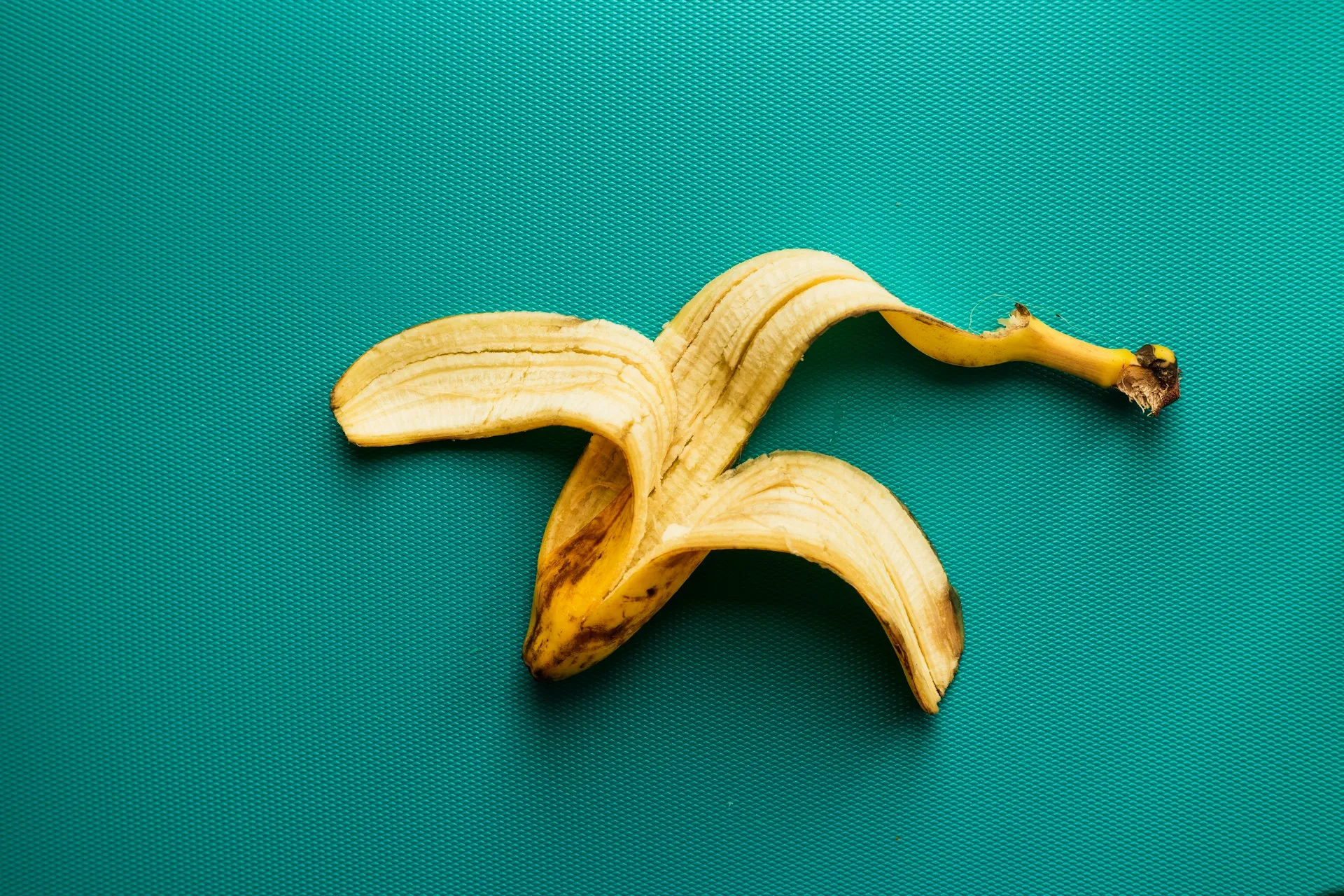
Banana Peel. (Image: Louis Hansel/Unsplash)
Banana peels are considered kitchen waste that can be easily utilized for plants. This material contains several minerals, including potassium, magnesium, calcium, and phosphorus. Potassium itself is one of the nutrients needed by plants in various growth and development processes.
The safest way is to process banana peels first into organic material or fertilizer. The peels can be cut into small pieces, dried, and then mixed into compost. This processing helps the decomposition process, making the organic material easier for plants to utilize compared to fresh banana peels that are buried directly.
Banana peels can also be processed into liquid organic fertilizer through fermentation. However, the fermentation results need to be diluted before use and should not be given excessively. The use of banana peels does not mean that chili plants do not need fertilizers with a more complete nutrient composition.
2. Eggshell
Eggshells are often considered kitchen waste, whereas this material can be utilized as a soil amendment. Eggshells are primarily composed of calcium carbonate. Calcium is needed by plants to support the formation and strength of tissues, although its release from the shell occurs relatively slowly.
To utilize it, eggshells need to be washed clean and dried. After that, crush or grind them into a fine powder. The finer the size, the larger the surface area of the material that can come into contact with the growing medium, allowing for better decomposition.
Eggshells can also be added to compost along with vegetable scraps and fruit peels. Research from the Ministry of Agriculture indicates that rice washing water and eggshell flour can be used as liquid organic fertilizer, although its effectiveness still depends on the formulation and method of application.
3. Rice Washing Water
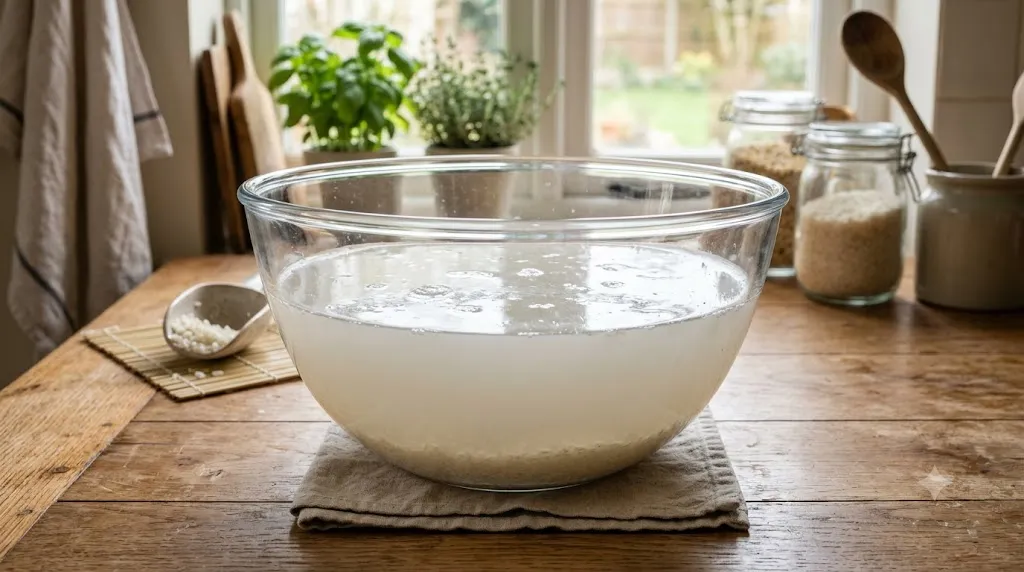
Rice Washing Water. (Image: AI Generated)
Rice washing water is one of the most easily found materials at home. This water can contain some minerals and organic substances from the rice washing process. In agricultural practice, rice washing water has also been used as one of the ingredients in making liquid organic fertilizer.
If you want to use it, collect the first or second rice washing water in a clean container. Make sure the water does not mix with soap, oil, salt, or other chemicals. After that, the water can be used to water the planting medium in sufficient amounts.
Rice washing water should not be considered a complete fertilizer for chili plants. Its nutrient content is not always the same and depends on the type of rice and the washing process. Its use is more appropriate as part of additional care, while the main nutrient needs are still met through balanced fertilization.
4. Coffee Grounds
For chili plant owners who regularly make coffee, the grounds do not have to go straight into the trash. Coffee grounds contain organic matter and a number of nutrients. A study on bird's eye chili also tested the use of coffee grounds as organic fertilizer and showed its potential in supporting plant growth.
However, coffee grounds should not be piled thickly on the surface of the pot. Mix the grounds into compost or use them in limited amounts once their condition is suitable. Excessive addition of organic material can actually disrupt the condition of the medium, especially in pots with small soil volumes.
Coffee grounds are also better viewed as an additive rather than a standalone fertilizer. Its nutrient composition cannot replace the complete needs of chili plants. Wise use can help utilize kitchen waste while also adding organic material to the planting medium.
5. Red Onion Skin
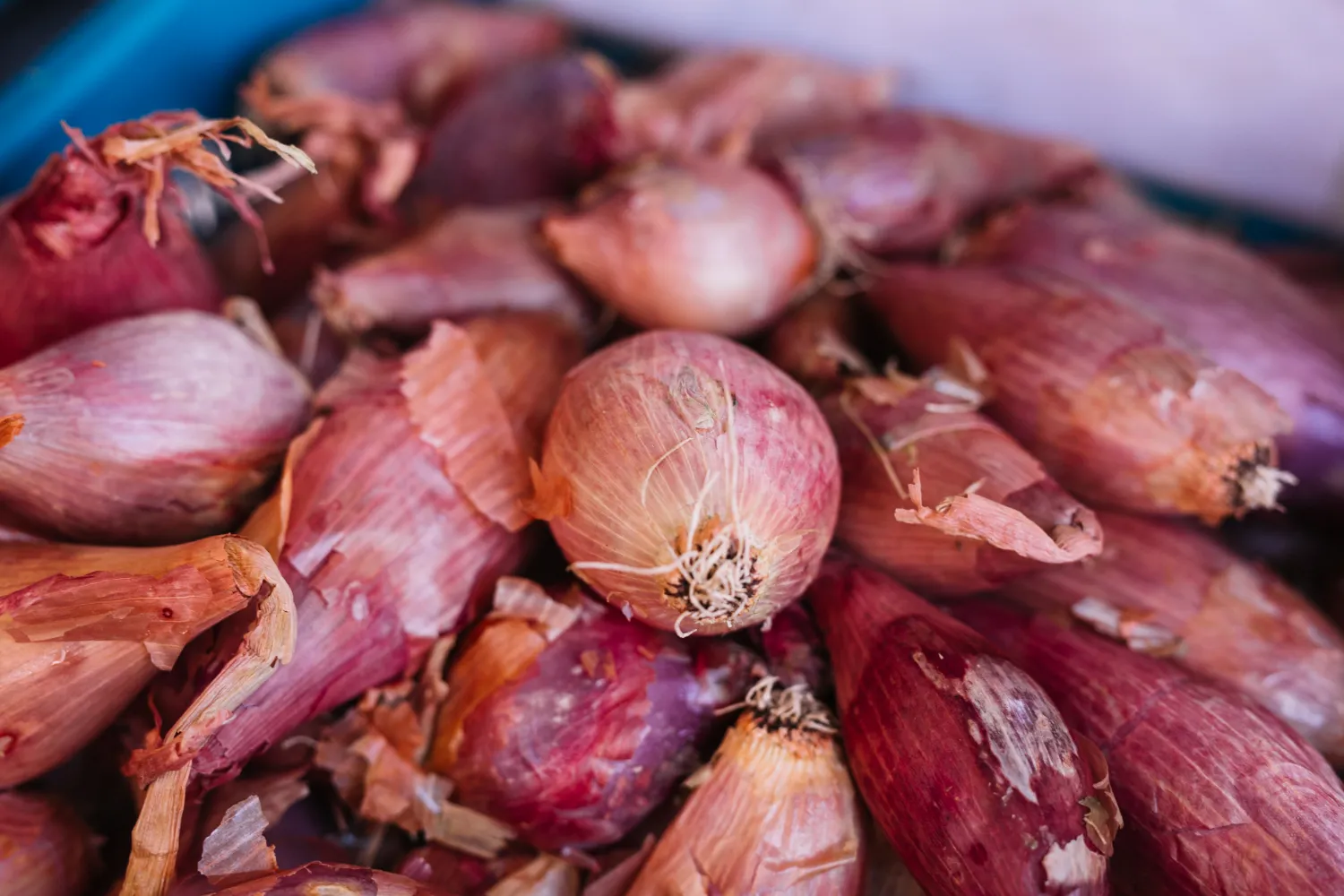
Red Onion Skin. (Image: Magnific/Magnific)
Red onion skins are kitchen waste that is usually discarded after cooking. This part can be collected and utilized as organic material. Onion skins have also been used in various formulations of liquid organic fertilizers along with other household waste.
For simple use, onion skins can be dried first before being mixed into compost. This method is safer than piling onion skins in large amounts around the chili stalks. The composting process allows the material to decompose along with other organic materials.
Onion skins can also be used as one of the fermentation materials for liquid organic fertilizers. However, the formulation, fermentation duration, and application concentration need to be considered. Do not assume that all solutions resulting from soaking kitchen materials automatically become effective fertilizers for chili without proper processing and dosage.
6. Vegetable Scraps
Vegetable scraps such as stems, outer leaves, and unused vegetable pieces are very suitable materials for compost. Waste from fruits and vegetables is indeed considered kitchen waste that can be included in the composting process along with other organic materials.
Cut vegetable scraps into small pieces to speed up the decomposition process. Mix with carbon-rich materials like dry leaves. Moisture also needs to be maintained to prevent the compost from becoming too wet. Avoid adding food scraps that contain oil, meat, or large amounts of spices.
Once it becomes mature compost, the material can be mixed into the chili planting medium. Compost serves to add organic matter and help improve soil conditions. Using compost is also more sensible than burying raw vegetable pieces directly in the plant pot.
7. Fruit Peels
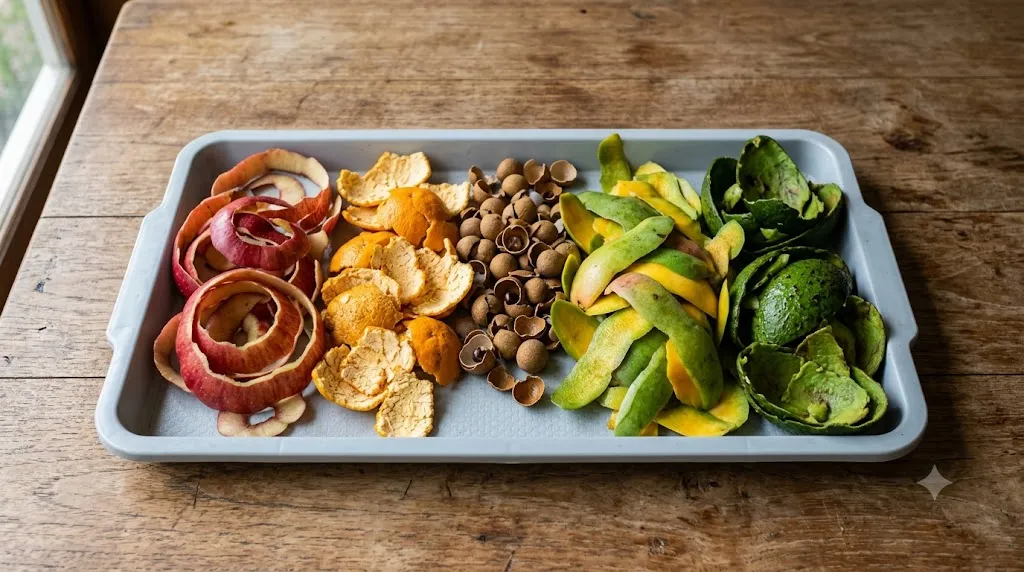
Fruit Peels. (Image: AI Generated)
In addition to banana peels, other fruit peels such as apple peels, melon peels, or several other types of fruit can be utilized as compost material. Fruit scraps are one of the common kitchen waste groups used in household composting.
Before adding to the compost, cut the fruit peels into small pieces. Mix with dry leaves or carbon-rich organic materials to achieve a more balanced compost composition. Avoid adding fruits that have been mixed with oil, coconut milk, or other cooking ingredients.
Compost made from fruit peels does not work like instant fertilizer. Nutrients are released gradually after the materials decompose. Therefore, mature compost can be used as a mix for media or an additional layer around chili plants without the need to provide fresh fruit waste directly.
8. Coconut Water
Coconut water can also be utilized in plant management because it contains various compounds and minerals. In agricultural research and community service activities, coconut water has been used as a liquid organic fertilizer or as a supporting ingredient in fertilizer formulations for chili plants.
However, the use of coconut water needs to be distinguished from merely watering plants with coconut water regularly. Research on chili generally uses specific formulations and concentrations. This means that research results do not automatically imply that pure coconut water can be given freely to plants at home.
If you want to utilize it, use fresh coconut water that does not contain added sugar. The amount should also be limited. For home care, coconut water is more appropriately viewed as a supplementary ingredient in organic fertilizer management, not as a substitute for the main fertilizer for chili plants.
9. Tea Leaves
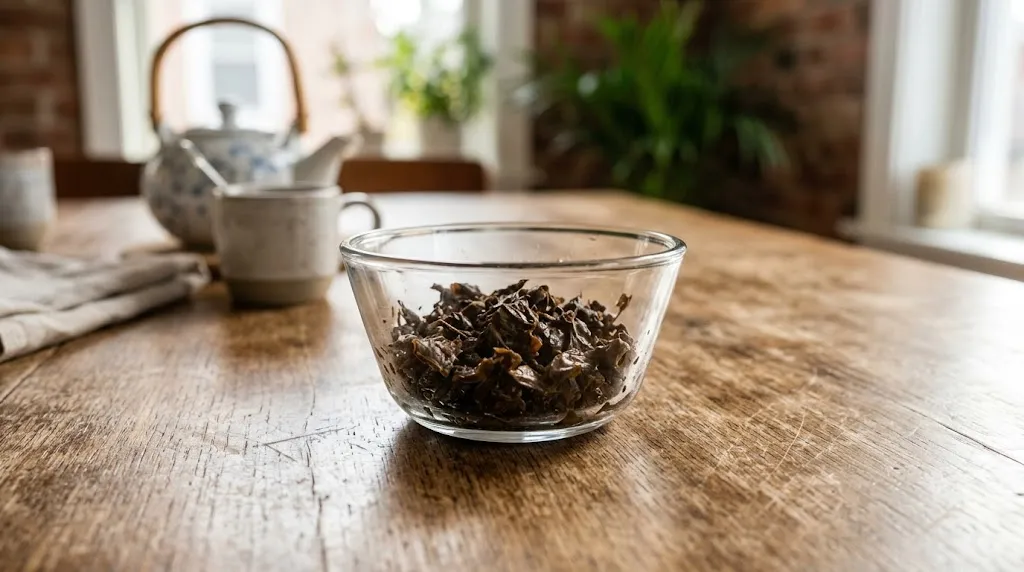
Tea Waste. (Image: AI Generated)
The tea leaves left over after brewing the drink can be utilized as organic material. Like coffee grounds, their use is more appropriately directed towards the composting process. Tea leaves can be mixed with vegetable scraps, fruit peels, dry leaves, and other organic materials.
Before using, ensure that the tea leaves do not contain sugar, milk, cream, or other sweeteners. These additives can attract insects and disrupt the composting process. If using tea bags, they should also be checked and preferably only the organic parts should go into the compost.
Compost made from tea leaves can then be used as a mixture for the planting medium of chili. This method provides dual benefits as it reduces kitchen waste while also producing organic material for plants. Its use should still be done in moderation to avoid making the medium too dense or moist.
10. Fruit and Vegetable Scraps for Compost
A mixture of fruit and vegetable scraps is the simplest option for chili plant owners who want to utilize kitchen waste sustainably. Materials such as vegetable scraps, fruit peels, and unused parts of plants can be collected to make household compost.
The method of making it is quite simple. Cut organic materials into small pieces, then mix them with dry leaves or other brown materials. Ensure the moisture is maintained and provide enough air during the process. Mature compost usually has a crumbly texture and earthy aroma, not a rotten smell.
Mature compost can be periodically mixed into the chili planting medium. Its main benefit is not to make the plants bear abundant fruit immediately, but to help provide organic material and support the condition of the medium. Plants still need sunlight, water, drainage, and appropriate nutrients to grow and produce well.
11. Questions and Answers About Kitchen Ingredients for Caring for Chili Plants
Is rice wash water good for chili plants?
Rice wash water can be utilized as an additional material in plant care. However, its nutrient content is not always the same, so it cannot be considered a substitute for complete fertilizer. Use rice wash water that is not mixed with soap, oil, salt, or other chemicals.
Can banana peels be used as fertilizer for chili plants?
Banana peels can be utilized as organic fertilizer because they contain a number of minerals, including potassium, magnesium, calcium, and phosphorus. A safer method is to process them first through composting or fermentation before applying them to the plants.
Can eggshells fertilize chili plants?
Eggshells can be a source of calcium after undergoing decomposition. To make them easier to decompose, the shells should be washed, dried, and then crushed into a fine powder. Their use should still be part of the management of the growing medium, not the sole source of nutrients.
Can coffee grounds be given directly to chili plants?
Coffee grounds should not be piled in large amounts directly around the plants. Mix them into compost or use them in moderation after processing. Research on chili peppers has indeed shown the potential of coffee grounds as organic fertilizer, but its use still requires the right measurements and methods.
What kitchen ingredients are safest for chili plants?
Clean fruit and vegetable scraps, banana peels, eggshells, and coffee grounds can be utilized as organic materials. For beginners, composting is a relatively easy option because various waste can be processed together before being used as a planting medium mix.
(kpl/bim)
Disclaimer: This translation from Bahasa Indonesia to English has been generated by Artificial Intelligence.


 Follow
 Rekomendasi