

 Follow
 Rekomendasi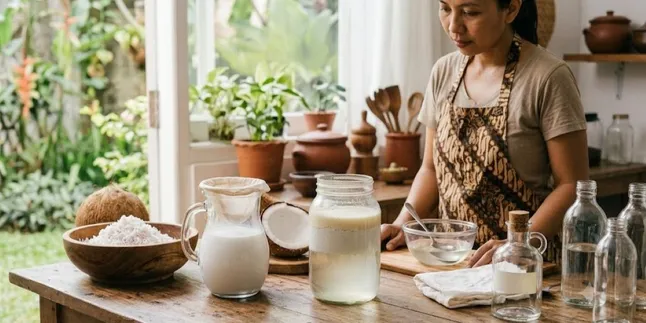
8 Ways to Make Pure Coconut Oil (VCO) at Home, Easy and Practical
Get homemade pure Virgin Coconut Oil (VCO) at home. Follow the complete guide from selecting coconuts to the storage process for maximum health benefits.
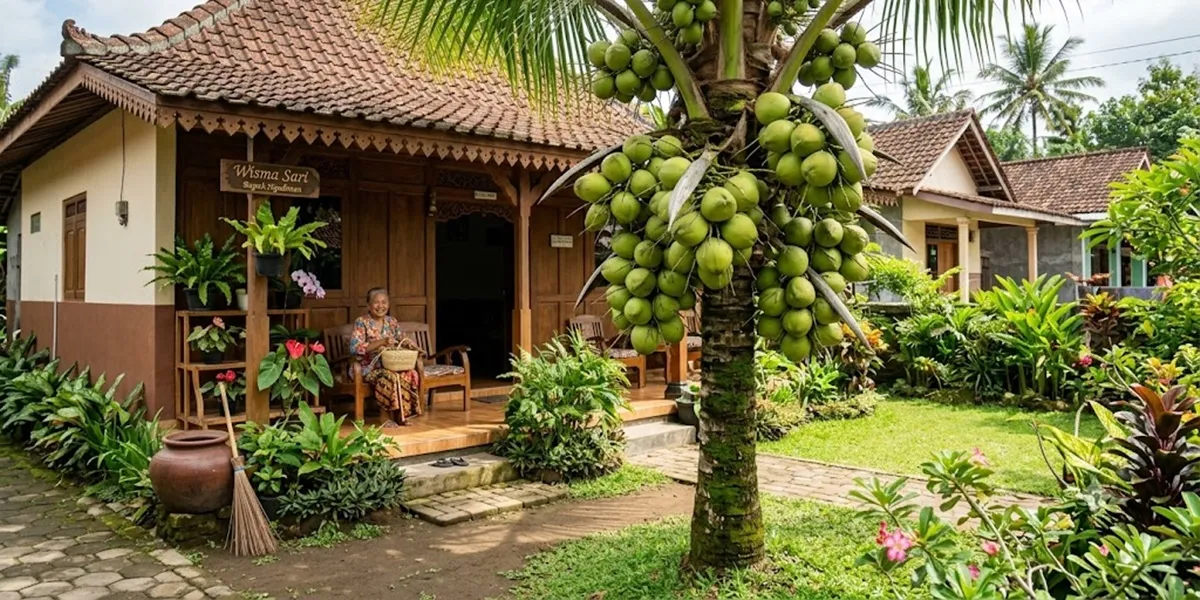
Kapanlagi.com - Dwarf coconuts have now become an attractive choice for many farmers and landowners. This coconut variety is known for its ability to bear fruit faster and has a relatively short tree stature. This advantage makes it an ideal solution for cultivation in narrow spaces. Some types of dwarf coconuts can even be harvested within 2 to 4 years after planting.
However, to achieve maximum productivity and optimal harvest time, a deep understanding of how to plant and care for dwarf coconuts properly is necessary. From seed selection to routine maintenance, each stage plays a crucial role in determining the success of cultivation.
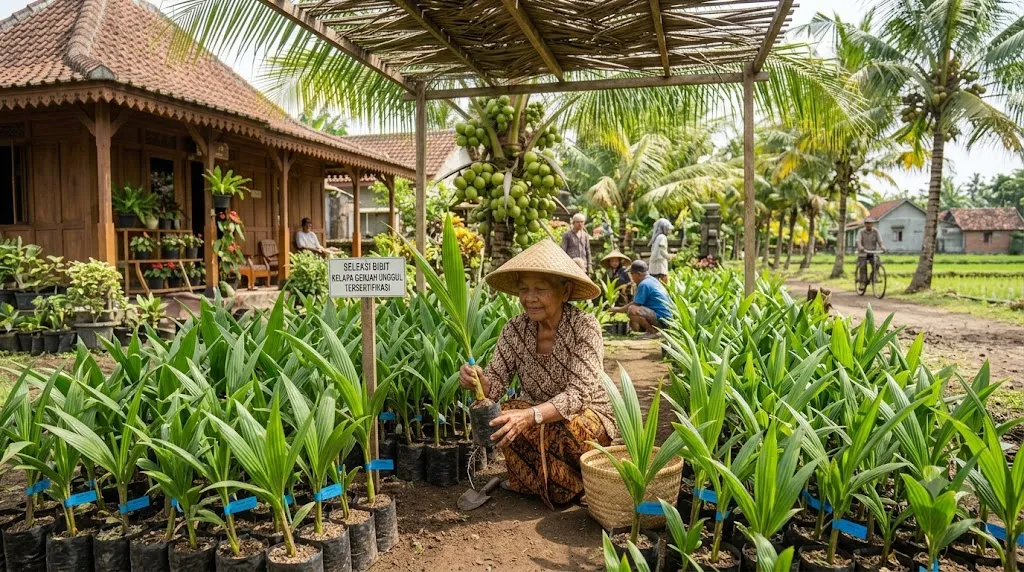
Selecting superior hybrid coconut seedlings. [AI Generated]
The selection of seedlings is the main foundation for the success of dwarf coconut cultivation. Quality seedlings will determine how quickly the plants enter the fruiting phase, their resistance to pests and diseases, as well as long-term fruit productivity. Therefore, farmers should not choose seedlings based solely on low prices, but also consider their origin and physical condition.
Characteristics of good seedlings:
Fast-fruiting varieties:
To ensure guaranteed quality, it is recommended to purchase seedlings from trusted sellers or certified seed producers.
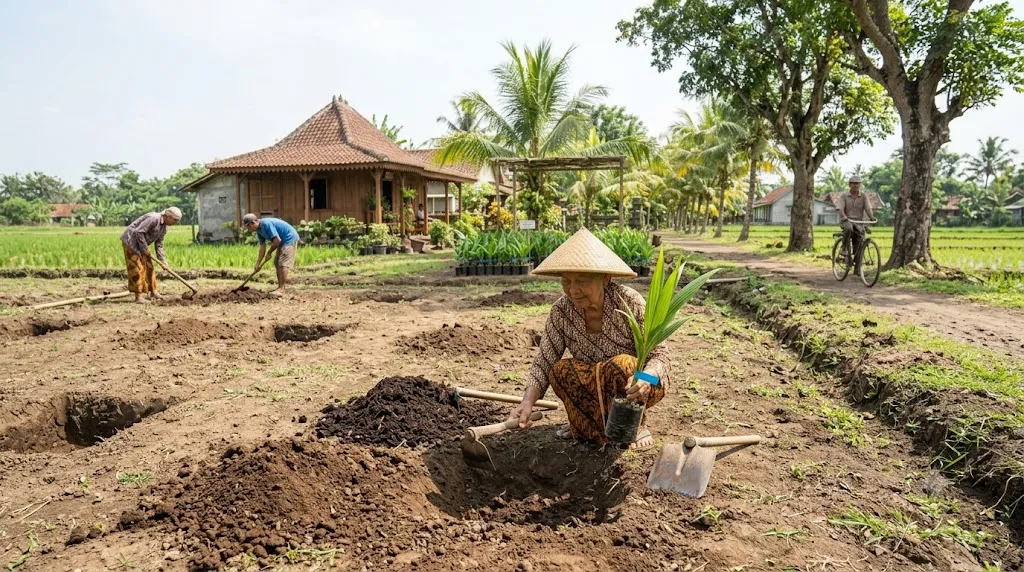
Preparing the land for planting dwarf coconuts. [AI Generated]
Good land preparation will help the roots of the hybrid coconut develop faster so that the plants can grow vigorously from the start. This stage should be done 1–2 months before planting to allow the soil time to improve its structure and fertility after being cleaned and tilled.
Steps:
Best planting time:
Carefully open the polybag to avoid damaging the roots, place the seedling in the planting hole, then cover it back with soil and gently compact it so that the seedling stands firm.
Although dwarf coconuts are quite adaptive, this plant still requires a suitable growing environment to bloom and bear fruit more quickly. Soil conditions, temperature, rainfall, and sunlight intensity greatly affect the photosynthesis process, flower formation, and fruit development.
Growing requirements:
If environmental conditions are supportive, vegetative growth will be faster, flowering will occur earlier, and the potential fruit production per tree can increase significantly.
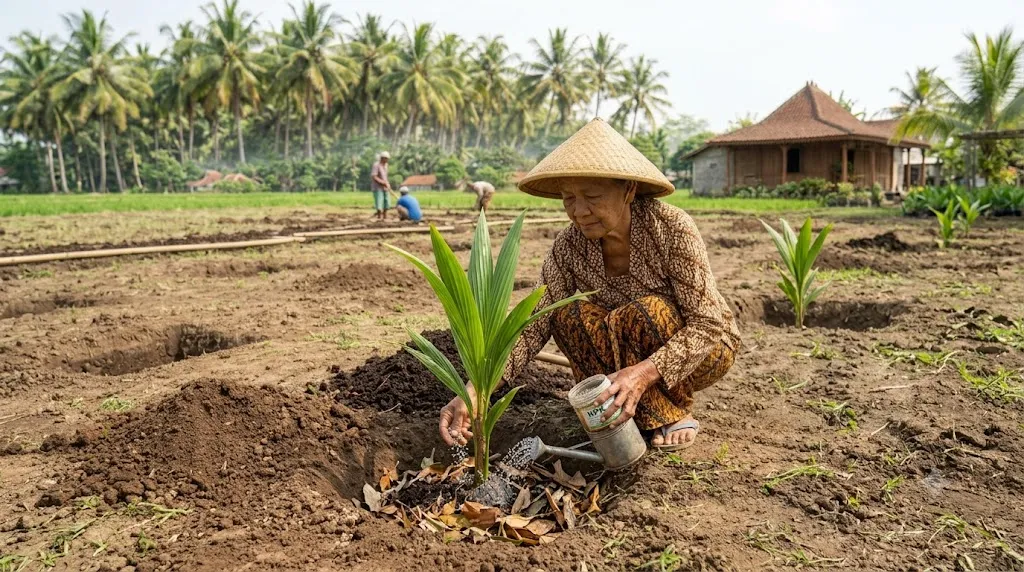
Routine care for dwarf coconuts to bear fruit quickly. [AI Generated]
Consistent care is the key so that dwarf coconuts not only grow lush but also quickly enter the production phase. Many plants fail to bear fruit optimally not because of poor seeds, but because watering, fertilizing, and weed control are not done regularly from the beginning of growth.
Watering
Fertilizing
Additional Care
Some farmers also use saltwater solution as a fruiting stimulant, but its use must be moderate. With good maintenance, dwarf coconuts can start bearing fruit at the age of 2–4 years depending on the variety, and their productivity can reach more than 100 nuts per tree per year under optimal conditions.
How long does it take for dwarf coconuts to bear fruit after being planted?
Dwarf coconuts generally start to bear fruit at 2–4 years after planting, depending on the variety, quality of the seedlings, land conditions, and care provided from the beginning of growth.
Which variety of dwarf coconuts bears fruit the fastest?
Bali Red Dwarf Coconut is among the fastest, as it can start flowering at 2–2.5 years and be harvested around 3 years old with fairly high productivity.
What is the ideal planting distance for dwarf coconuts?
The recommended planting distance is 9 × 9 meters in an equilateral triangle pattern so that each tree receives optimal sunlight and growing space.
Do dwarf coconuts need to be fertilized frequently to bear fruit quickly?
Yes, routine fertilization is very important. A combination of organic fertilizer and NPK fertilizer given according to the age of the plant can help root growth, flower formation, and increase fruit yield.
(kpl/ini)
Cobain For You Page (FYP) Yang kamu suka ada di sini,
lihat isinya
Get homemade pure Virgin Coconut Oil (VCO) at home. Follow the complete guide from selecting coconuts to the storage process for maximum health benefits.

Here's how to plant cosmos in your yard to ensure they grow lush, healthy, and bloom frequently with the right care.

Experience the thrill of being a true detective. Check out the recommended mystery films that invite viewers to analyze clues and solve cases alongside the characters.
How to plant chili from kitchen chili can be done by following the right steps. Read more in this article.

Embrace the cold atmosphere with 14 recommendations for cinematic winter and snow-themed films.
Learn the ideal boiling duration for quail eggs for various levels of doneness, from soft-boiled to perfectly cooked, as well as practical tips for easy peeling.

Three psychologists agree that learning musical instruments from an early age trains perseverance, brain function, and emotional management in children. Check out the facts!

A collection of heartwarming movie recommendations themed around the journey home that explores family conflicts, self-discovery, and healing deep past wounds.

The stories of canvas maestros are always interesting to review. Check out the reviews of recommended films themed around artists and painters that are full of turmoil, easily understood by the general public.
Discover vintage cooking tools that are irreplaceable due to their durability, versatility, and effectiveness still in use today.

Recommendations for movies featuring good and evil twin children present stories full of mystery, horror, and thrill with unpredictable plots that are sure to keep viewers tense until the end.

Discover 15 Korean dramas that remain exciting even when you know the ending. The storyline, acting, and emotions make you want to rewatch them multiple times.
