

 Follow
 Rekomendasi
15 Recommendations for Psychological Thriller Films That Make You Think with Unexpected Twist Endings
Discover 15 psychological thriller films that offer a tense storyline and unexpected endings. Ready to think critically?

Kapanlagi.com - Japanese horror films, commonly known as J-horror, have long been recognized as one of the most influential and frightening genres in global cinema. For fans of tension and mystery, these classic Japanese horror film recommendations offer a viewing experience that is not only thrilling but also rich in folklore, mythology, and deep psychological exploration.
If you are curious to find references for thrilling viewing in your spare time, here are recommendations for classic Japanese horror films that could make it to your watchlist. Recommendations sourced by KapanLagi.com from various sources, Wednesday (15/7/2026).
Film Audition/Photo: imdb.com
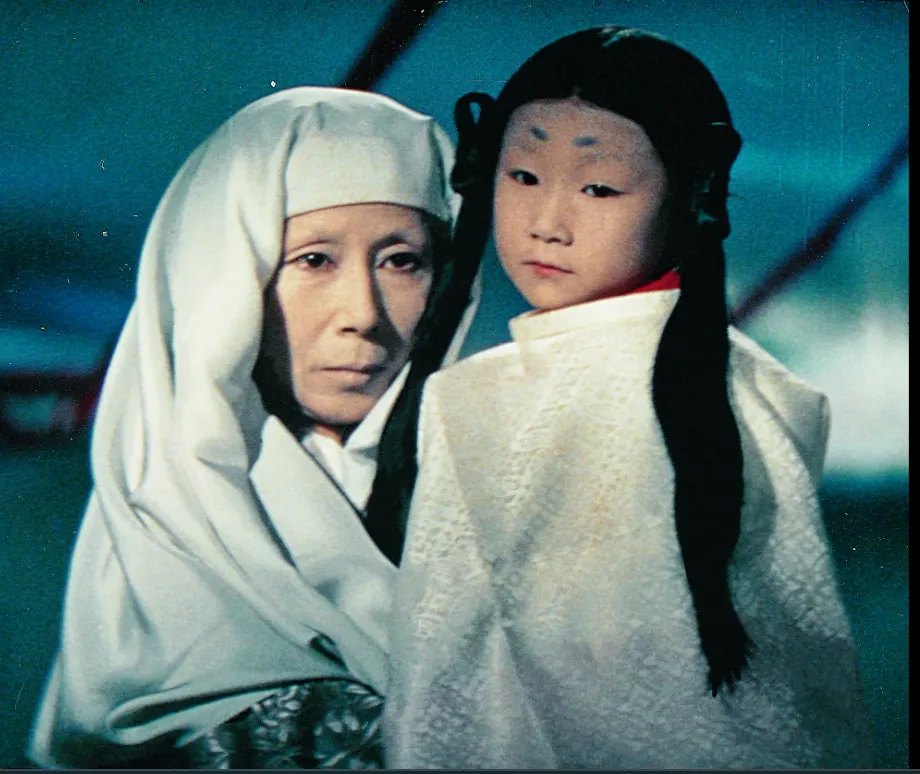
Kwaidan (1964) is a classic Japanese horror anthology film directed by Masaki Kobayashi. The film is adapted from a collection of classic Japanese folktales by Lafcadio Hearn, including two from his 1904 book Kwaidan: Stories and Studies of Strange Things, which is the namesake of the film. The film explores the supernatural through four separate ghost stories that depict moral retribution and tragic fate, without any direct connection between the stories.
The stage-like cinematography with dramatic colors makes this film feel more like a work of art than conventional horror. Nevertheless, this unique visual approach remains effective in building a sense of dread. One iconic segment of the film is the story of Yuki-Onna, the snow-covered woman spirit who haunts snowy areas in Japan.
In 1965, Kwaidan won the Jury Prize at the Cannes Film Festival and was nominated for Best Foreign Language Film at the Oscars.
Film Ringu/Photo: imdb.com
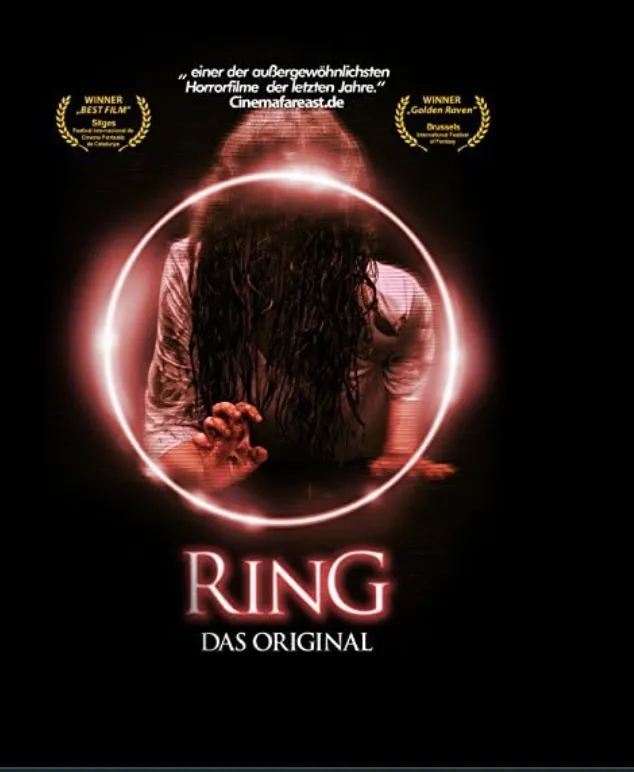
Ringu (1998) is the starting point of the explosion of Japanese horror popularity on the international stage. This film tells the story of a famous video curse that kills anyone who watches it within seven days. This phenomenon triggered the birth of several sequels, Hollywood and Korean adaptations, and revived horror filmmaking in Japan towards the modern era. The figure of Sadako Yamamura then became a globally recognized horror icon.
The tension in Ringu is built through mystery and a chilling atmosphere, not through blood and excessive violence. The film is adapted from a novel by Koji Suzuki and directed by Hideo Nakata. The story follows Reiko Asakawa, a journalist investigating the mysterious deaths of several teenagers after they watch a mysterious video tape.
Together with her ex-husband, Ryuji, Reiko tries to uncover the origins of the curse, and finds all traces leading to Sadako. The success of this film spawned various sequels, adaptations, and even the Hollywood remake titled The Ring which is also immensely popular.
Film Dark Water / Photo: imdb.com
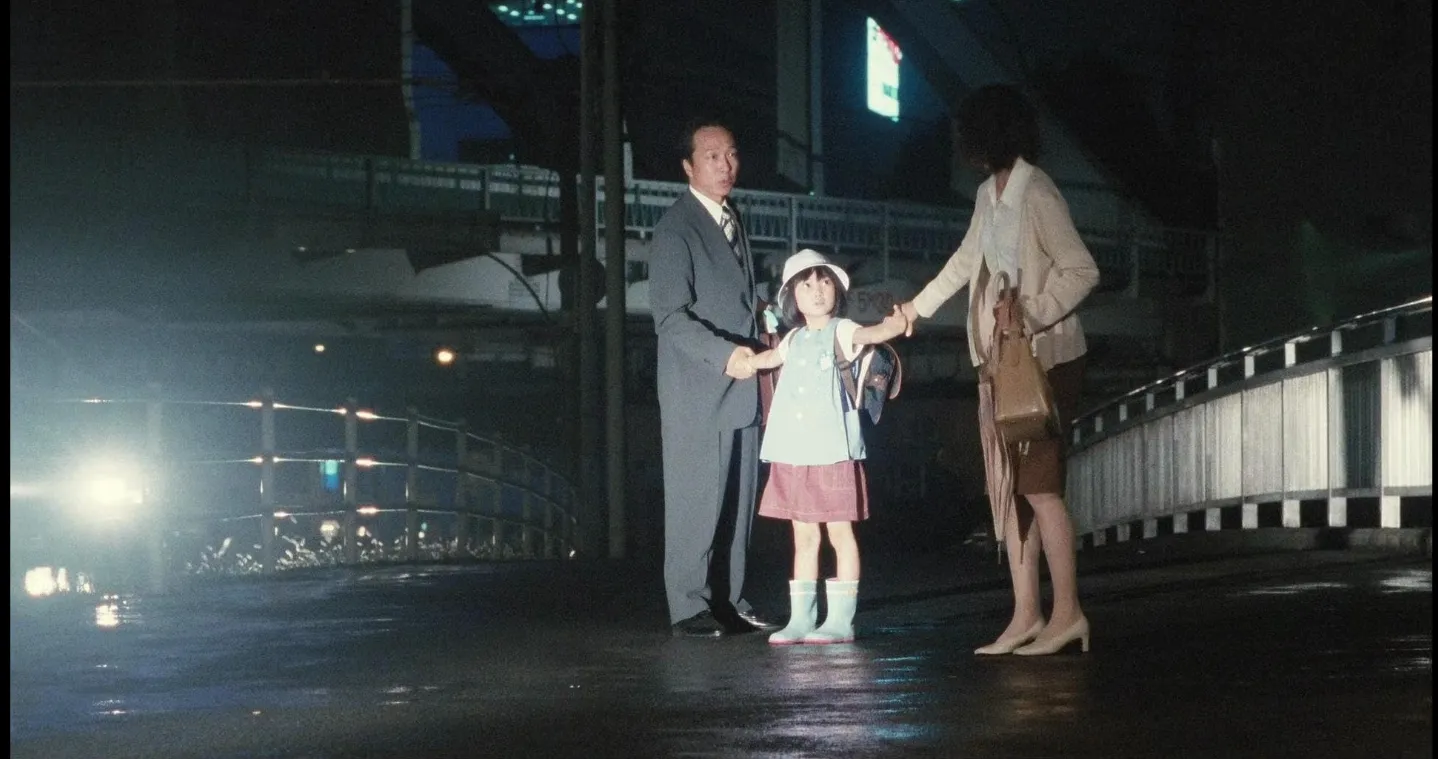
Dark Water (2002) tells the story of a single mother named Yoshimi Matsubara (played by Hitomi Kuroki) who moves into a run-down apartment with her six-year-old daughter, Ikuko (Rio Kanno). They soon begin to be terrorized by strange occurrences related to the constant water leak from the apartment above.
The film is directed by Hideo Nakata, who also directed Ringu, and is adapted from a 1996 short story titled "Floating Water" by Koji Suzuki. In addition to being frightening, Dark Water also touches on themes of loneliness, neglect, and family trauma, which makes the story feel deeper and resonates with the psychological aspects of the audience.
The terror in this film becomes more intense with the appearance of long hair in the bathroom and disturbances that culminate when Yoshimi and her child are haunted by the ghost of a small child.
Film One Missed Call / Photo: imdb.com
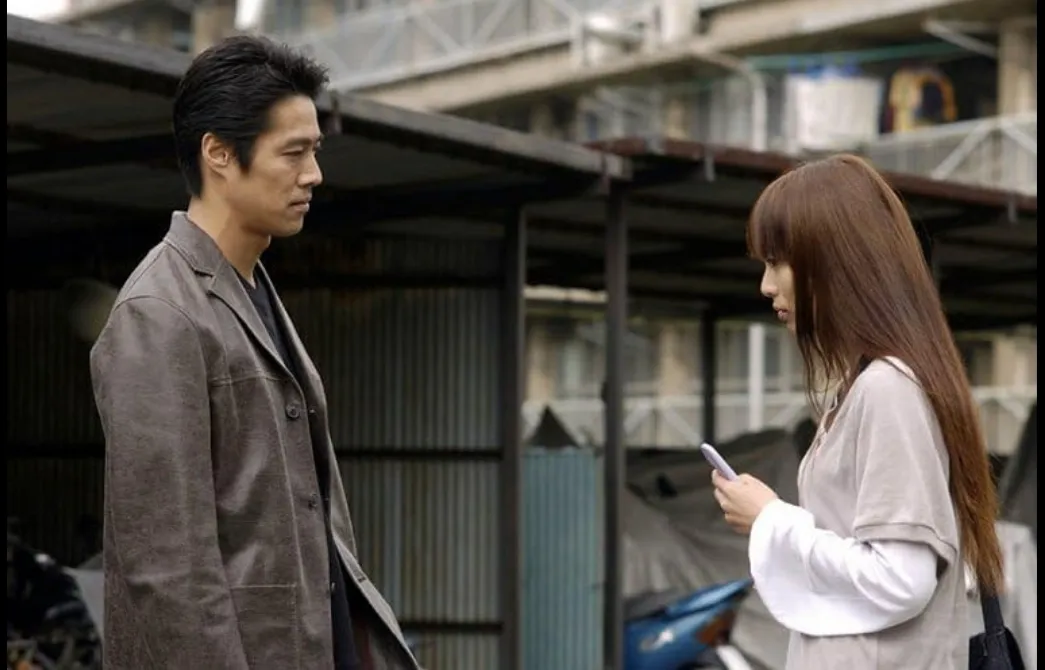
One Missed Call (2003), or known in Japanese as Chakushin ari, tells the story of a mysterious terror where Yumi Nakamura's friends receive strange voicemail messages on their phones. The messages predict the date and time of their deaths, which then become a reality.
Yumi, a young psychology student, and detective Hiroshi Yamashita then investigate this deadly curse. Their investigation leads them to a girl named Mimiko Mizunuma who died from an asthma attack. This film is directed by Takashi Miike and is adapted from the novel Chakushin Ari by Yasushi Akimoto.
The horror concept that utilizes communication technology becomes one of the main attractions of the film, giving a modern twist to classic supernatural horror.
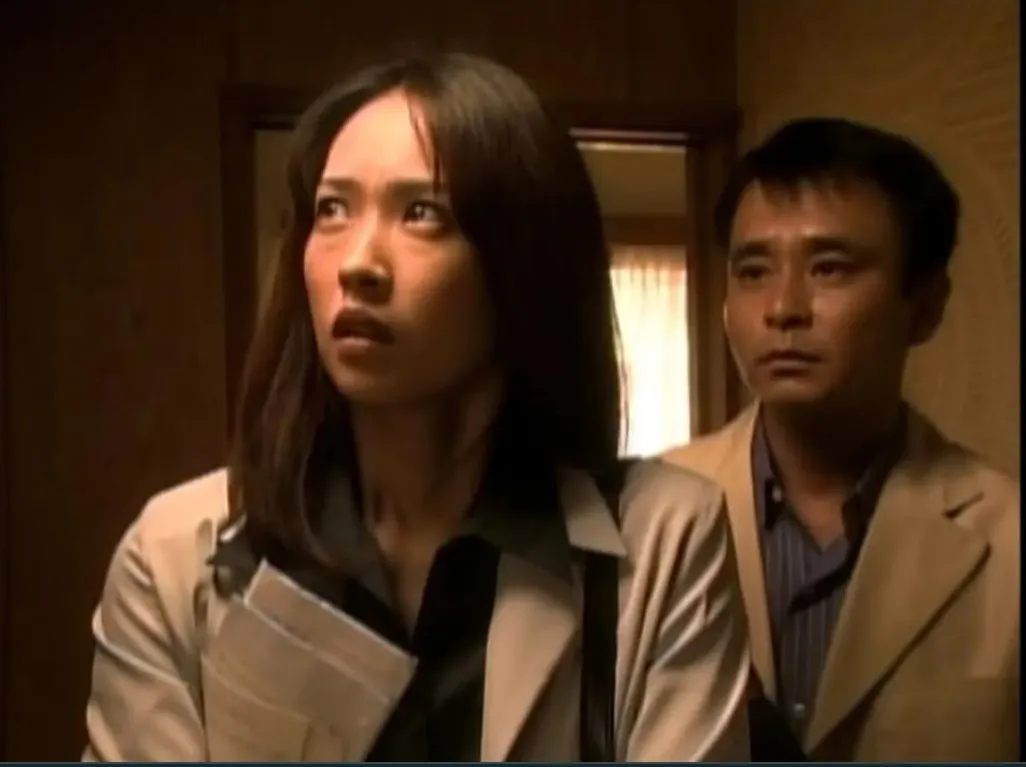
Film Ju-On: The Grudge/Photo: imdb.com
Ju-on: The Grudge introduces the concept of a curse that haunts the house and infects anyone who enters it. The core story of Ju-On remains the same, which is about a property inhabited by an onryo, or a vengeful female ghost. The curse that resides in the dwelling always manages to destroy the mental state of its new inhabitants, subsequently affecting their unfortunate survival.
The non-linear plot forces the audience to piece together the puzzle behind the terror of the figures Kayako Saeki and Toshio Saeki. Kayako is a wife who was murdered by her husband and becomes a restless spirit seeking revenge. These two ghosts then become one of the most globally recognized symbols of Japanese horror.
This film, which also has several sequels and a Hollywood remake, successfully creates a chilling atmosphere and unforgettable terror, making it one of the scariest Japanese horror films.
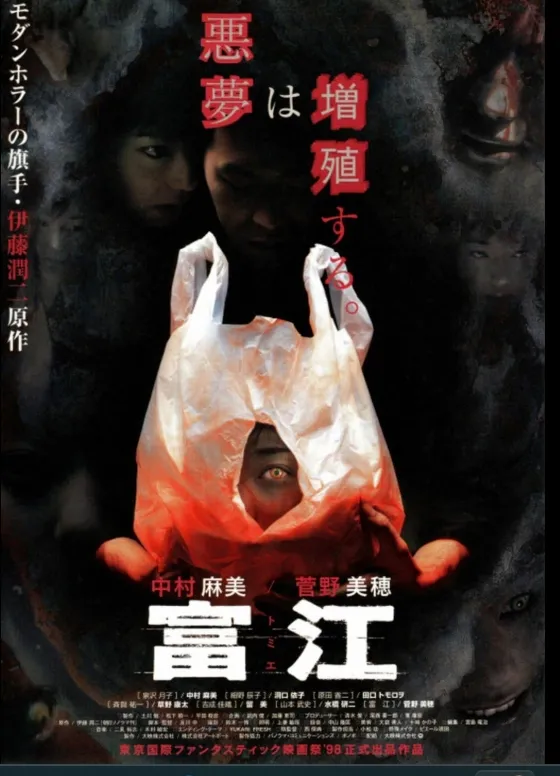
Film Tomie/Photo: imdb.com
Adapted from the manga by Junji Ito, Tomie (1999) tells the story of a beautiful woman who cannot die and has the ability to make anyone around her obsessed to the point of madness. Tomie is an enigmatic and immortal young woman who seduces men, incites jealousy and violence, and regenerates after death.
This film, directed by Toshirō Inomata, serves as the second part in the Tomie film series and consists of three episodic stories that explore the terror brought by Tomie. The combination of body horror and psychological drama gives this film a different feel compared to most other classic Japanese horror films of its era.
The story of Tomie highlights the dark side of human obsession and the horrific consequences of unnatural attraction, creating horror that is more than just ghostly appearances.
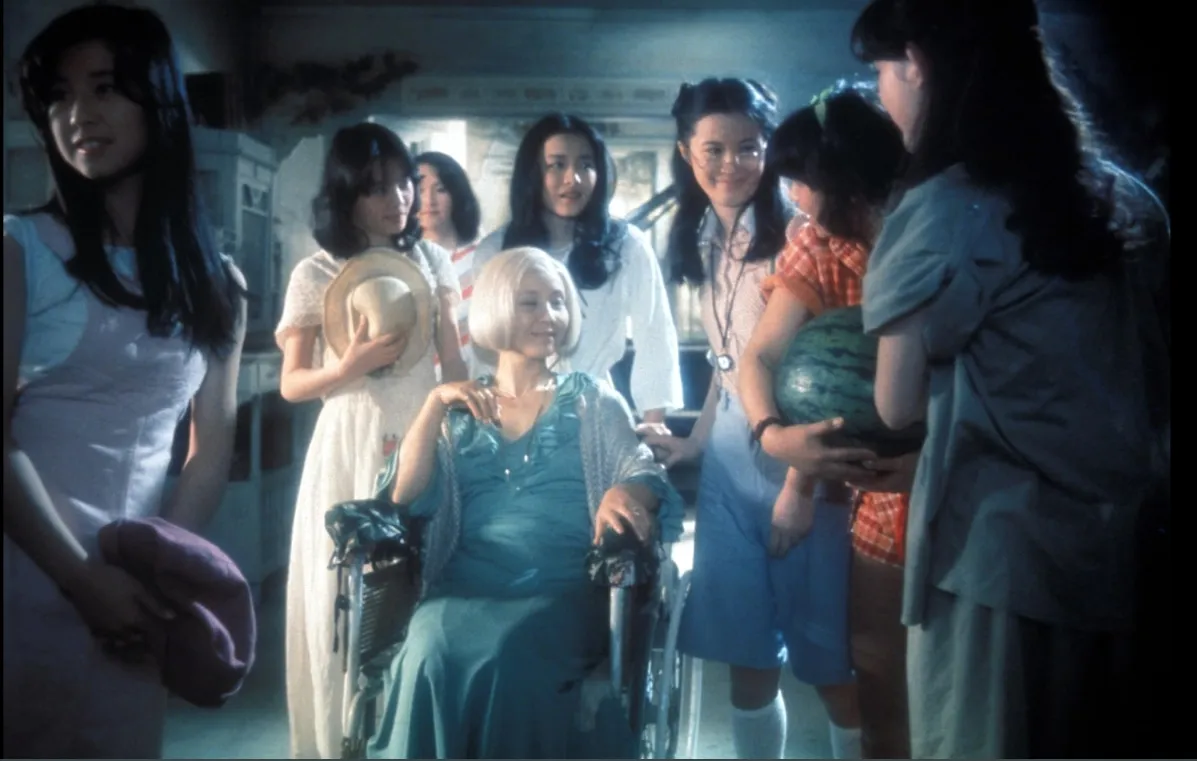
Film House/Photo: imdb.com
House (1977), also known as Hausu, is a Japanese horror-comedy film directed and produced by Nobuhiko Obayashi. The film tells the story of a schoolgirl named Oshare (Kimiko Ikegami) who travels with six of her friends to her sick aunt's rural house, where they encounter supernatural events as the girls are devoured by the house, one by one.
This film is an experimental horror with surreal visuals and striking colors that feel both strange and disturbing. The story of a group of schoolgirls staying in a haunted house is wrapped in unique visual effects reminiscent of the late 1970s that still feel fresh today.
Obayashi was inspired by his daughter's own ideas about what is frightening, and the film also explores the theme of World War II trauma through the character of the aunt, whose bitterness transforms into an evil spirit that devours the girls.
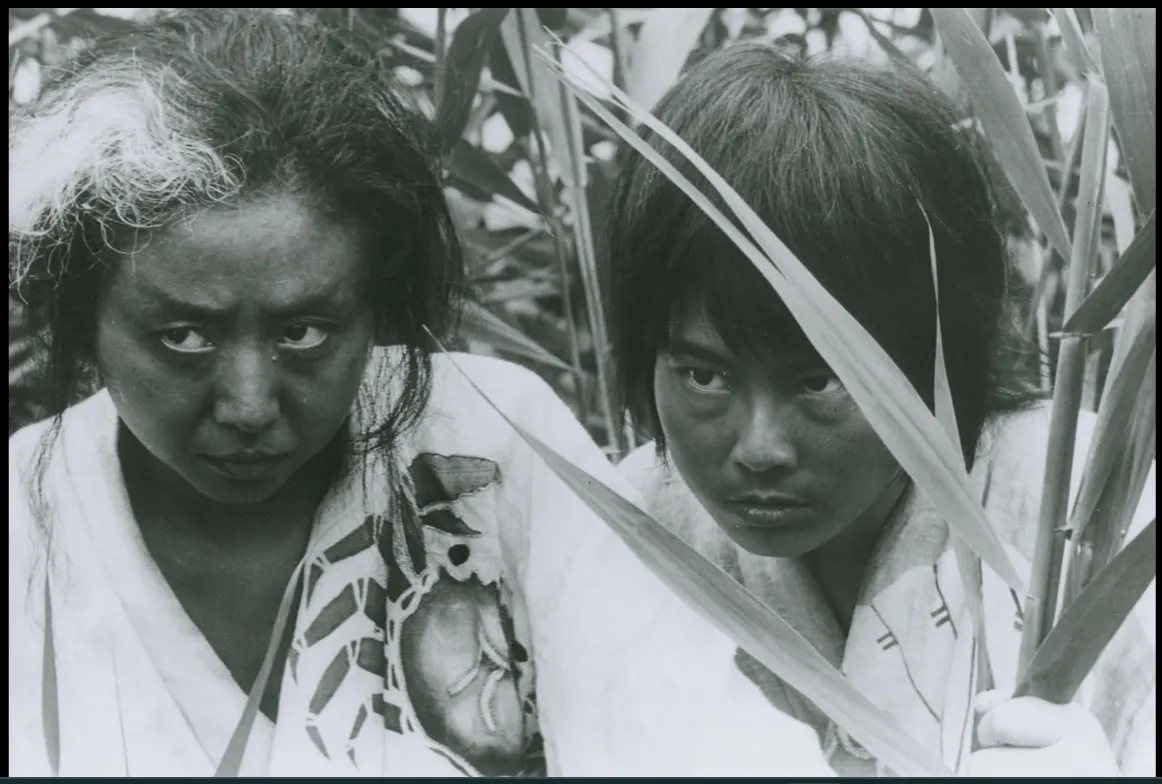
Film Onibaba/Foto: imdb.com
Onibaba (1964), also titled The Hole, is a Japanese historical drama and horror film written and directed by Kaneto Shindō. Set during the civil war in medieval Japan, specifically the 14th century, the film tells the story of two women, a mother (Nobuko Otowa) and her daughter-in-law (Jitsuko Yoshimura), who kill warring soldiers to steal their armor and belongings to survive.
This black-and-white film relies on atmosphere, lighting, and iconic demon masks to create terror without much dialogue. Directed by Kaneto Shindō, the film is based on Buddhist fables and explores themes such as lust, jealousy, and the will to survive in brutal conditions. The horror in Onibaba comes not only from supernatural elements but also from the dark side of human morality pushed by circumstances.
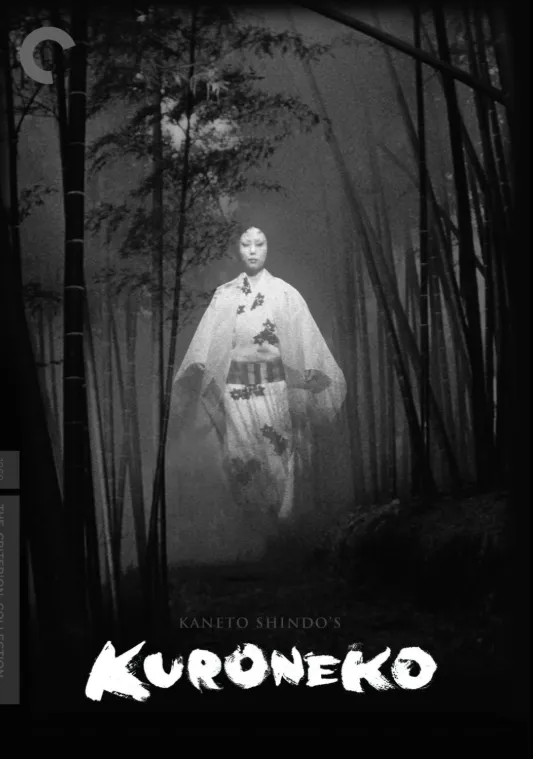
Kuroneko (1968)
Kuroneko (1968), or Yabu no Naka no Kuroneko (Black Cat in the Bamboo Grove), is a Japanese horror jidaigeki film directed by Kaneto Shindō, the same director as Onibaba. This film is an adaptation of a supernatural folk tale set during the civil war in feudal Japan.
The plot of the film revolves around vengeful spirits, or onryō, of a woman and her daughter-in-law, who are raped and murdered by a group of samurai. Their souls then transform into cat ghosts to seek revenge on the samurai.
The combination of supernatural elements and tragic drama makes this film one of the most remembered Japanese horror classics for its visual beauty as well as its terror. Kuroneko features a strong aesthetic with a mysterious atmosphere and deep themes of revenge.
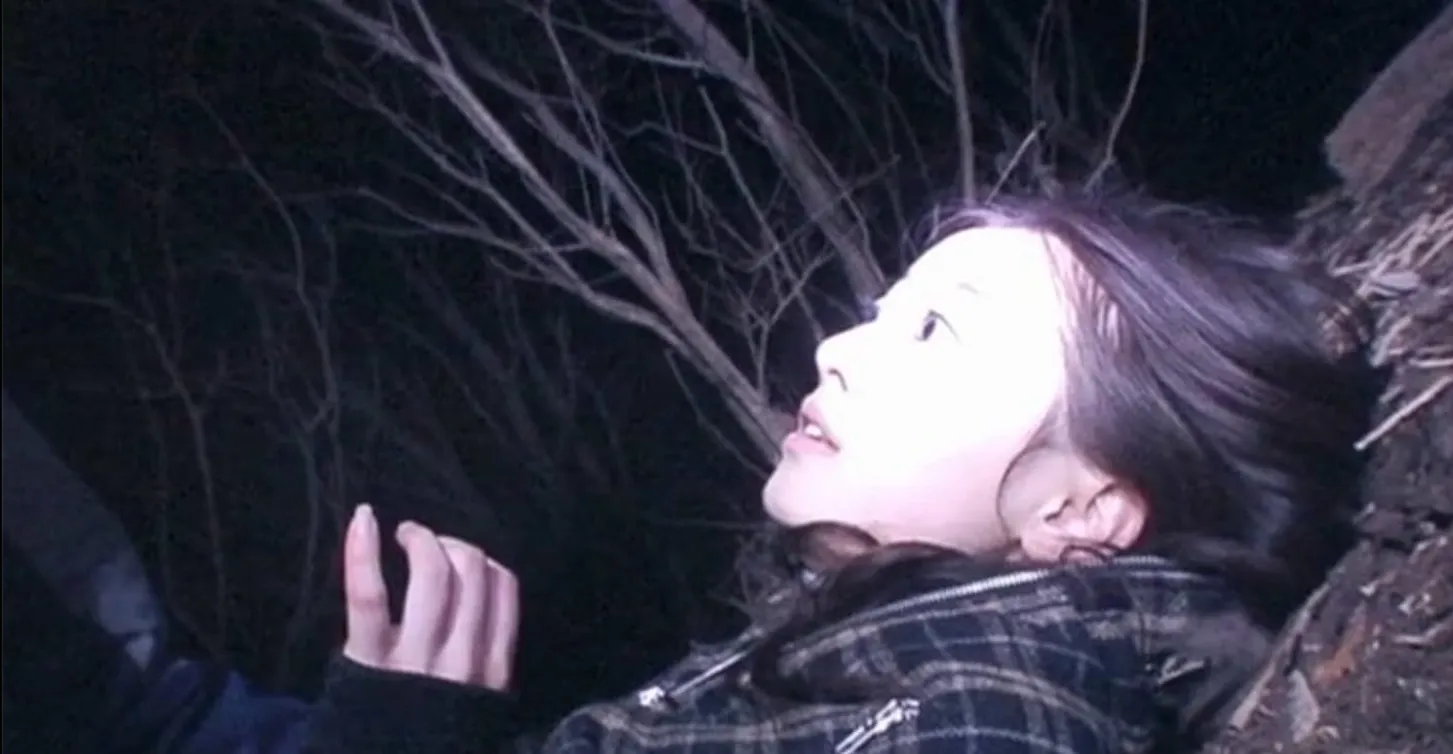
Film Noroi: The Curse/Photo: imdb.com
Noroi: The Curse (2005) is presented in a documentary style or found footage, following the investigation of a paranormal researcher named Masafumi Kobayashi. The investigation centers around an ancient demonic entity named Kagutaba, which leads to the burning of Kobayashi's house, the death of his wife, and Kobayashi's mysterious disappearance.
The story begins when Kobayashi is filming a documentary about mystical occurrences in Japan and investigates a series of strange events that appear unrelated. The film successfully creates a realistic and deeply unsettling horror atmosphere through the found footage format, making the audience feel as if they are watching original recordings of horrific events.
Noroi: The Curse is considered one of the best found footage horror films, with a complex narrative that slowly reveals a terrifying mystery involving ancient rituals and curses.
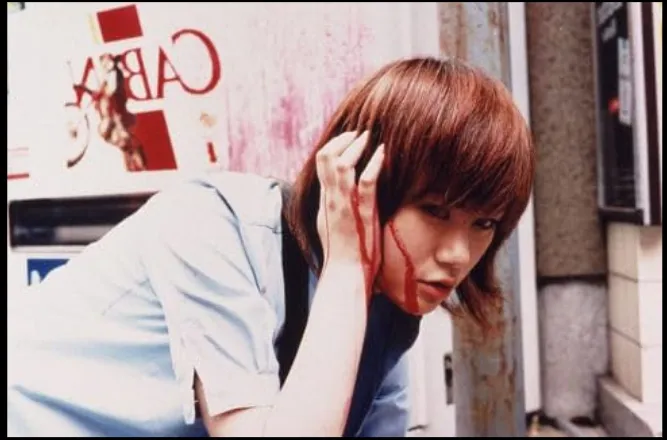
Suicide Club Film/Photo: imdb.com
The Japanese horror film Suicide Club (2001), written and directed by Sion Sono, follows a police investigation into a series of shocking mass suicide cases across Japan. The story begins with 54 schoolgirls jumping together in front of a subway train, triggering an epidemic of mysterious deaths nationwide.
This initial incident sparks an intensive investigation led by Detective Kuroda. As the police attempt to uncover the mastermind behind the bloody tragedy, they discover a mysterious website featuring patterns or codes that seem to predict and manipulate the next victims. The film is known for its controversial subject matter and horrifying presentation.
Suicide Club offers a more sociological and philosophical brand of horror, questioning the phenomenon of mass suicide in modern society in a highly provocative and disturbing way.
What are the main characteristics of classic Japanese horror films?
The main characteristic is the focus on psychological horror, building tension, and supernatural elements such as ghosts (yūrei), often adapted from folklore and mythology.
Which classic Japanese horror film is considered the starting point for the international popularity of J-horror?
Ringu (1998) is considered the starting point for the explosion of Japanese horror's popularity on the international stage.
Who is the author of the work that Kwaidan (1964) is adapted from?
Kwaidan (1964) is adapted from a collection of classic Japanese folklore stories by Lafcadio Hearn.
Who directed Dark Water (2002) and Ringu (1998)?
Both films, Dark Water (2002) and Ringu (1998), were directed by Hideo Nakata.
(kpl/nti)
Cobain For You Page (FYP) Yang kamu suka ada di sini,
lihat isinya
Discover 15 psychological thriller films that offer a tense storyline and unexpected endings. Ready to think critically?

It turns out that Titi's fondness for horror-related things started while she was still in high school.

Titi Kamal is enthusiastic about starring in the film PERUMAHAN LADDALAND because she has been a fan of the Thai version for a long time. Check out her story and acting challenges here.

Aisyah Aqilah claims that the filming location of SAJEN SATU SURO is truly horrifying with a tense atmosphere. Check out her shooting experience and story here.
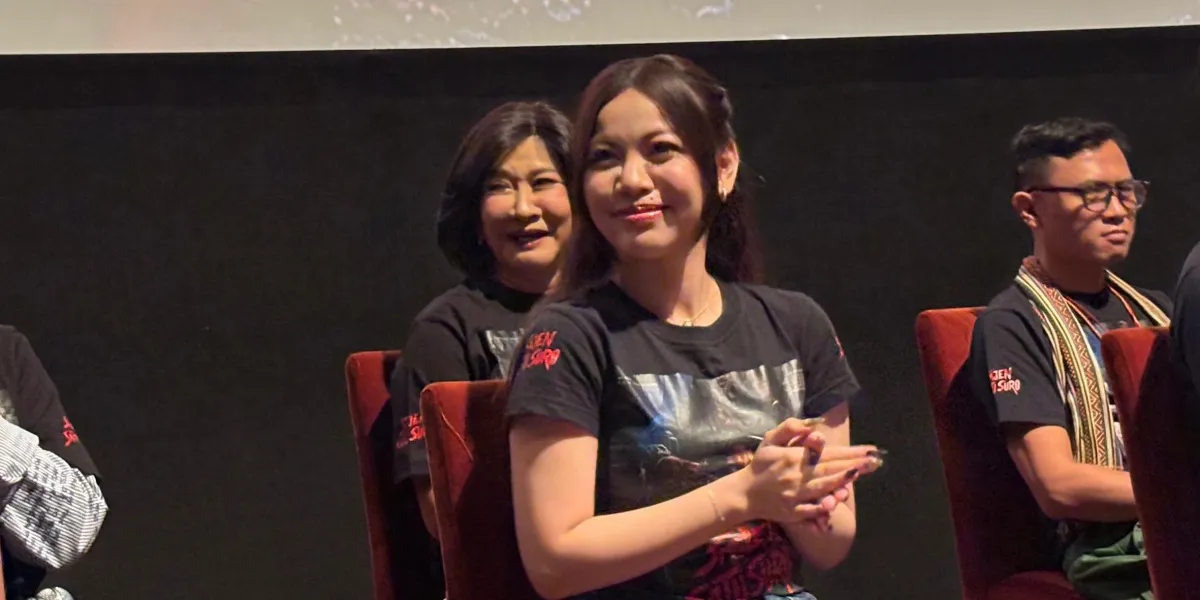
As a village resident interacting with characters from various regions, Laura must adjust her language use according to her conversation partner so that each scene feels natural.

Titi Kamal admits being challenged to star in the film Laddaland Housing, maintaining emotions is the hardest part.
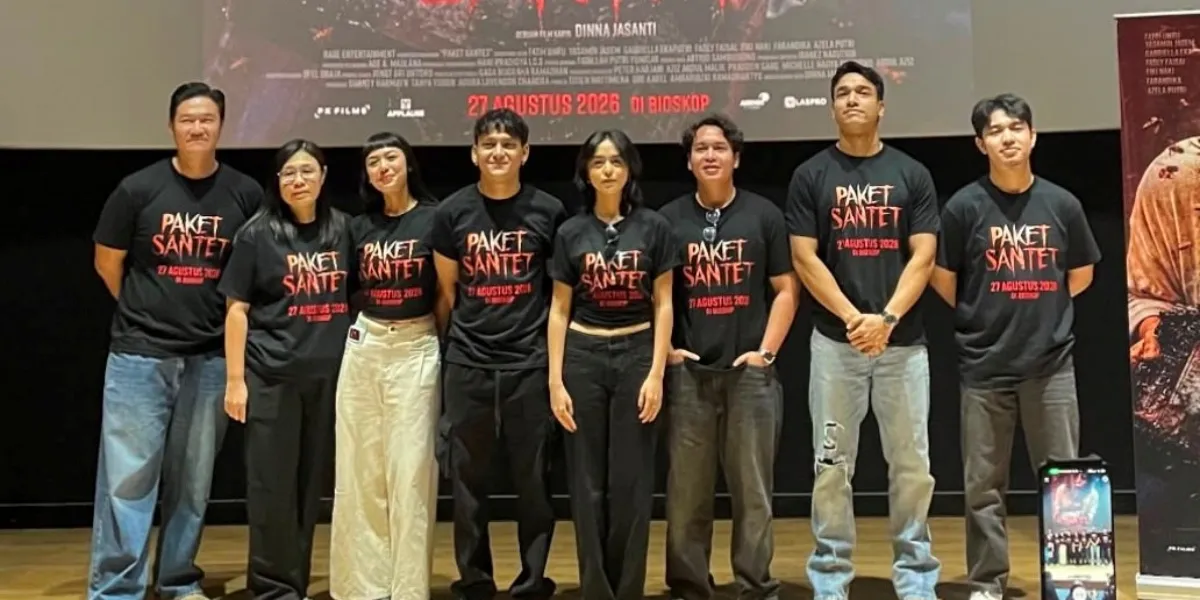
This film directed by Dinna Jasanti is scheduled to be released in theaters starting August 27, 2026, featuring a premise that is close to people's lives, namely the terror from mysterious package deliveries.

Christian Sugiono's wife claimed to have captured a figure believed to be a ghost while hunting for haunted locations with her friends.
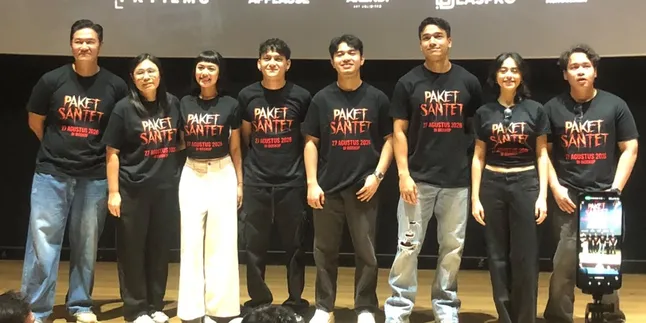
Fiki Naki makes his film debut, admitting he felt inferior shooting alongside Yasamin Jasem.
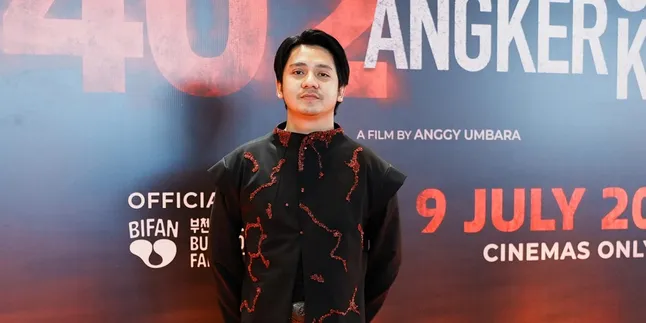
Arbani Yasiz says Juna's character in the film 402 Korean Hospitals is frustrating, here’s why.

Saputra Kori revealed the director of GONJIAM's praise for the film 402 HAUNTED HOSPITAL KOREA. Check out the story behind the shooting and the appreciation here.

Era Lolita remembers Gary Iskak, who remained friendly and professional while shooting LASTRI: ARWAH KEMBANG DESA despite battling illness.
