

 Follow
 Rekomendasi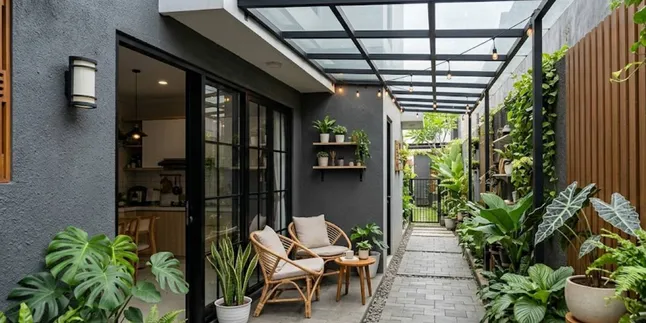
10 Functional Minimalist Canopy Ideas That Make the Side Area of Your House More Comfortable
Minimalist canopy inspiration for narrow side yards with various material and design options that help keep the area bright, shaded, and comfortable to use.
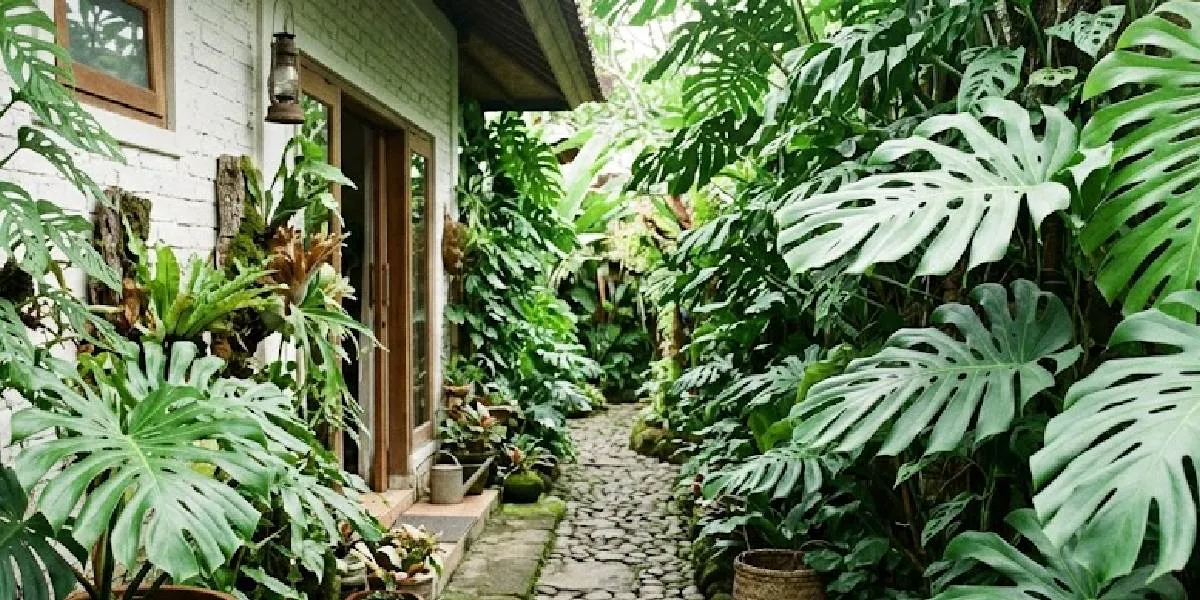
Kapanlagi.com - The side corridor of the house is often only used as an access path without any decorative touches. However, this narrow area has the potential to become a green space that cools the atmosphere of the house while beautifying the appearance of the residence.
One of the plants that is suitable to be the main focus is Monstera. This broad-leaved plant with a distinctive shape can thrive in brightly lit areas but not exposed to direct sunlight, a condition commonly found on the side of the house. With the right arrangement, a simple corridor can be transformed into a small garden that is pleasing to the eye every day.
In addition to selecting the appropriate type of Monstera for the size of the space, the garden's appearance can also be enhanced through a combination of flooring materials, companion plants, lighting, and pot selection. This combination makes the corridor not only function as a circulation path but also brings a refreshing tropical atmosphere.
Monstera is synonymous with a tropical atmosphere thanks to its broad, naturally perforated leaves. This character is further accentuated when paired with white coral stones as ground cover around the plants. The contrast between the green of the leaves and the white of the coral makes the corridor area look cleaner and more attractive.
In addition to beautifying the appearance, coral stones also help maintain soil moisture and reduce soil splashing during rain or watering. The garden area also looks tidier with relatively easy maintenance.
To make it look livelier, plant Monstera at varying heights and then add plants like ferns, calathea, philodendron, or Paris lily as complements. The presence of warm white garden lights can also create a warm atmosphere when night falls.
For modern-style homes, Monstera can be arranged using pots made of concrete or exposed cement. Neutral colors such as white, gray, or black make the natural shape of the Monstera leaves the focal point without being overly excessive.
Concrete pots also have a more stable weight, making them less likely to shift when exposed to wind or during watering. The arrangement can be made in a row following the length of the corridor with uniform spacing to create a clean and orderly appearance.
If the corridor is long enough, place large Monstera plants at several points as main accents, then fill the space in between with smaller plants. To complete the minimalist concept, use exposed concrete flooring, andesite stones, or neutral-colored paving, then add small spotlights directed at the plants so that the area remains attractive at night.
If the side corridor of the house is wide enough, the combination of paving paths and a stretch of ornamental grass can be an interesting choice. This concept maintains the function of the corridor as a walking access while also presenting a green area that feels fresher.
Monstera can be planted on one side of the corridor or alternated on both sides for a more dynamic appearance. Choose light gray, cream, or other natural-colored paving to blend with the garden elements. Small spaces between the paving can also be left to grow grass for a more natural look.
To enrich the plant composition, add ground covers such as ivory vine, peperomia, or Paris lily around the Monstera. With regular watering, pruning of old leaves, and cleaning of the paving path, the corridor will remain lush and comfortable to use every day.
Natural stone walls can be an element that emphasizes the character of Monstera. The natural stone texture creates a contrast with the broad Monstera leaves, resulting in a tropical-themed garden corner without the need for much additional decoration.
Materials such as andesite stone, temple stone, palimanan stone, or paras stone can be chosen according to the house concept. Dark-toned stones give a modern impression, while cream or white colors create a warmer atmosphere. Monstera can be planted directly in the ground or using elongated planters placed parallel to the wall.
To appear more attractive at night, install spotlights or wall lights directed at the plants so that the stone texture and leaf shapes are more clearly visible. Adding coral stones around the base of the plants also helps create a neater appearance, while maintenance such as cleaning moss off the stones and pruning old leaves will keep the area clean and pleasant to the eye.
Combining Monstera with various tropical plants can make the side corridor of your house feel more alive. The layering concept presents a variety of plant heights, creating a look similar to natural vegetation in tropical areas.
Place a large Monstera at the back or corner of the corridor as the main focus. After that, fill the middle area with medium-sized plants such as philodendron, calathea, or alocasia. Meanwhile, the front can be complemented with low-growing plants like peace lily, peperomia, mini ferns, or pothos so that each layer remains clearly visible.
To ensure the overall garden looks harmonious, use pots or planters in coordinating colors. The presence of natural elements such as natural stones, gravel, or wood pieces can also enhance the warmth of the corridor without compromising its neat appearance.
Narrow aisles can still be utilized as green spaces through the use of tiered plant racks. Vertical arrangement helps to increase the collection of plants without reducing walking space.
Monstera should be placed at the bottom of the rack or directly on the floor due to its larger size. On the upper levels, fill with smaller plants or trailing plants like pothos, dischidia, or philodendron to create a more balanced garden composition.
Choose racks made of rust-resistant metal, wood that has been treated for weather protection, or a combination of both to ensure durability in semi-open areas. Use neutral colored pots such as white, matte black, or gray to maintain a clean appearance, then add small garden lights underneath the rack to create a warm ambiance at night. In addition to beautifying the aisle, this arrangement also facilitates the watering and maintenance of the plants.
For those who want to create a more relaxed atmosphere, adding a mini pool next to the Monstera garden can be an interesting choice. The sound of trickling water combined with the lush Monstera leaves creates a tropical ambiance that makes the aisle feel more comfortable to enjoy every day.
The pool does not have to be large. An elongated pool with a depth of about 20–40 centimeters is sufficient to provide an appealing visual effect. Materials such as river stones, natural stones, or andesite stones can be used on the edges to blend with the garden concept. Monstera can then be placed beside the pool and paired with moisture-loving plants, such as ferns, caladiums, or alocasia.
To enhance the atmosphere at night, add underwater lights, garden spotlights, or a small fountain with a gentle flow. In addition to beautifying the appearance, water elements also help create a cooler microclimate around the aisle. To keep it comfortable, make sure the pool is cleaned regularly so that the water remains clear and does not become a breeding ground for mosquitoes.
The side aisle of the house, which was originally just a circulation area, can also transform into a more vibrant green corner. Choosing the right garden concept, supporting materials, and plant combinations will help create a Monstera garden that is not only aesthetic but also pleasing to the eye and easy to maintain. Adjusting the design to the size of the corridor and lighting conditions is an important step so that the plants can grow optimally while enhancing the character of the garden at home.
(kpl/mda)
Cobain For You Page (FYP) Yang kamu suka ada di sini,
lihat isinya
Minimalist canopy inspiration for narrow side yards with various material and design options that help keep the area bright, shaded, and comfortable to use.
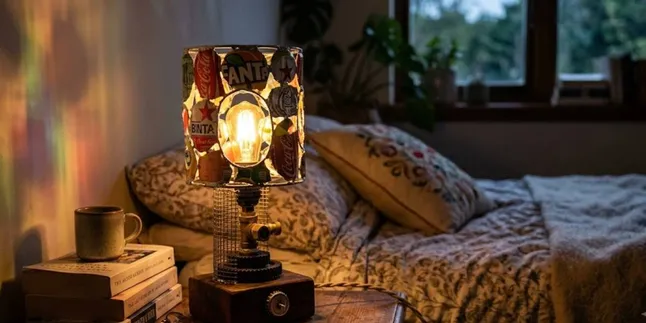
Transform jars or used bottles into aesthetic DIY night lights. Check out the benefits, preparations, and initial steps to create them with costs starting from tens of thousands of rupiah.

Transforming used items into a piggy bank not only helps reduce waste but can also serve as a learning medium for saving and a small home business opportunity.
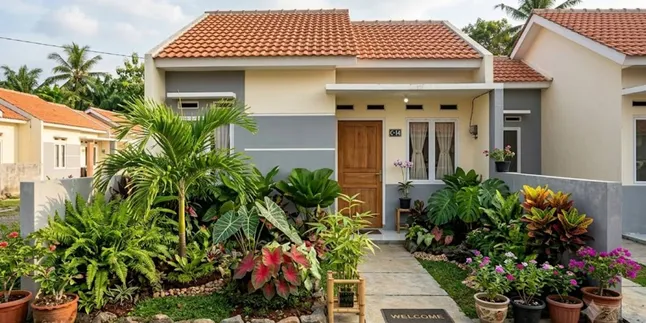
Mini tropical garden ideas for subsidized homes with pots, coral stones, tiered racks, and hanging pots to keep narrow yards neat and comfortable.

A pencil case made from used bottles can be created with a budget starting from Rp20 thousand using various simple techniques. Check out the materials, steps, and opportunities to sell the results.

Recommendations for the best high-rated action anime with stories of warfare, supernatural elements, and fantasy adventures like ATTACK ON TITAN and JUJUTSU KAISEN.

Recommendations for school thriller dramas with gripping stories, ranging from zombie outbreaks, deadly games, criminal cases, to bullying conflicts.

Recommendations for Chinese Romcom movies featuring love stories, comedy, family, and life journeys from various story backgrounds.

Recommendations for Korean dramas about the love story of a widower and a young woman, featuring family stories, background differences, and slowly developing relationships.

Looking for the best Korean action thriller movies? Here are 10 recommendations with thrilling action, plot twists, and intriguing criminal stories.

Looking for K-dramas that are finished on Netflix? Here are 20 recommendations of Korean dramas from various genres that can be watched directly without waiting for new episodes.
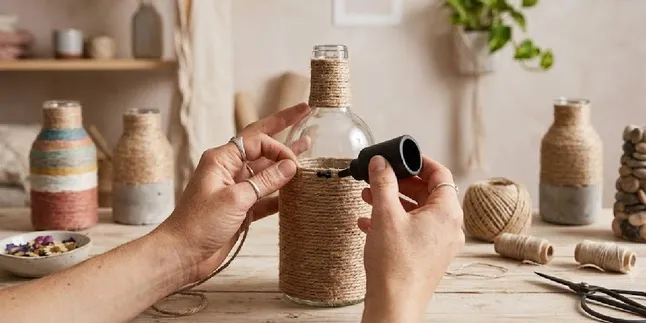
DIY projects with used items can be a way to beautify your room at a low cost. In addition to being environmentally friendly, this hobby also has the potential to generate extra income.
