

 Follow
 Rekomendasi
7 Statements from High EQ People to Strengthen Relationships, Making Communication Healthier
7 statements from high EQ individuals to strengthen relationships, ranging from showing empathy to wisely diffusing conflict.
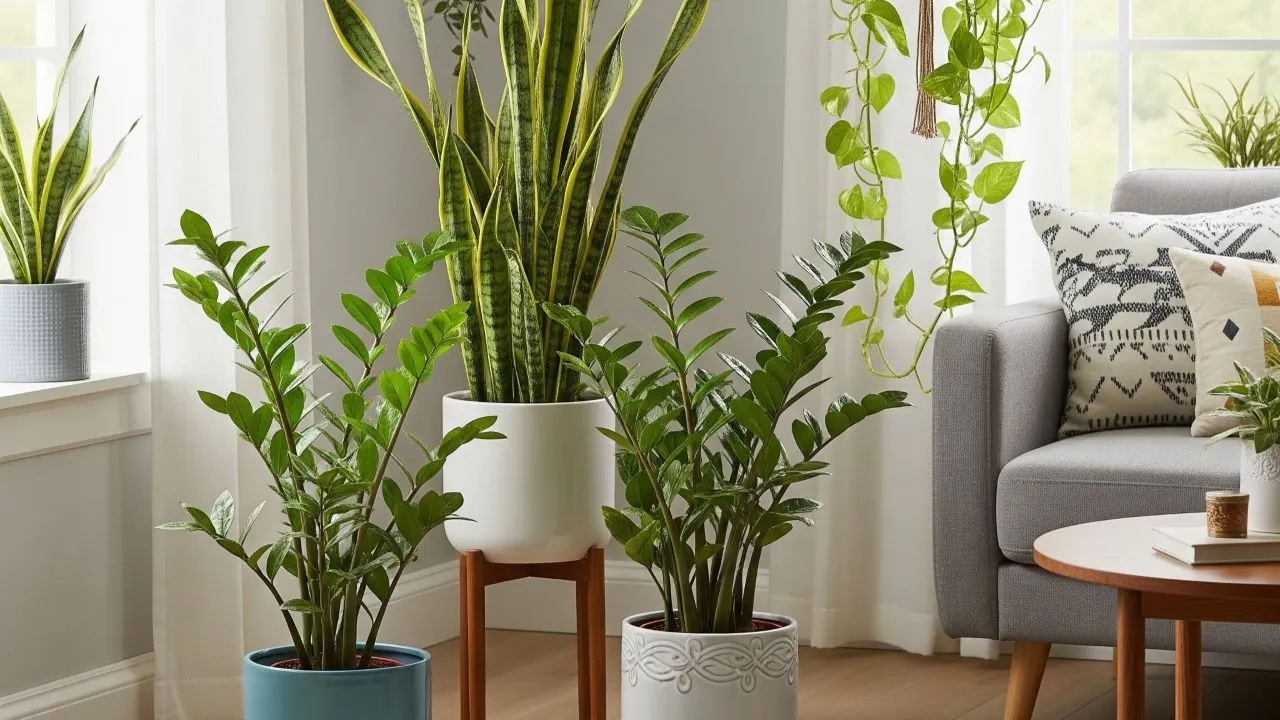
Kapanlagi.com - Introducing plants into the home can be a simple way to make a room feel more alive, green, and comfortable. The presence of green from plants can also provide a natural touch to various corners of the house, from the living room, bedroom, workspace, to areas near windows. However, not everyone has enough time to water, prune, or give special attention to plants every day.
The good news is that there are several plants that are relatively easy to care for and do not require excessive attention. Some types can even continue to thrive even if they are not watered every day or placed in areas with not too strong light. Nevertheless, indoor plants still need suitable basic conditions, such as lighting, air circulation, growing media, and watering adjusted to their needs.
Choosing the right plants is key to keeping the room looking green without making maintenance feel burdensome. By considering the room conditions and the characteristics of the plants, you can create a beautiful yet practical green corner. So, what are the plants that can make a room feel greener without much maintenance? Citing from various sources, Friday (28/8/2026), check out the information review below.
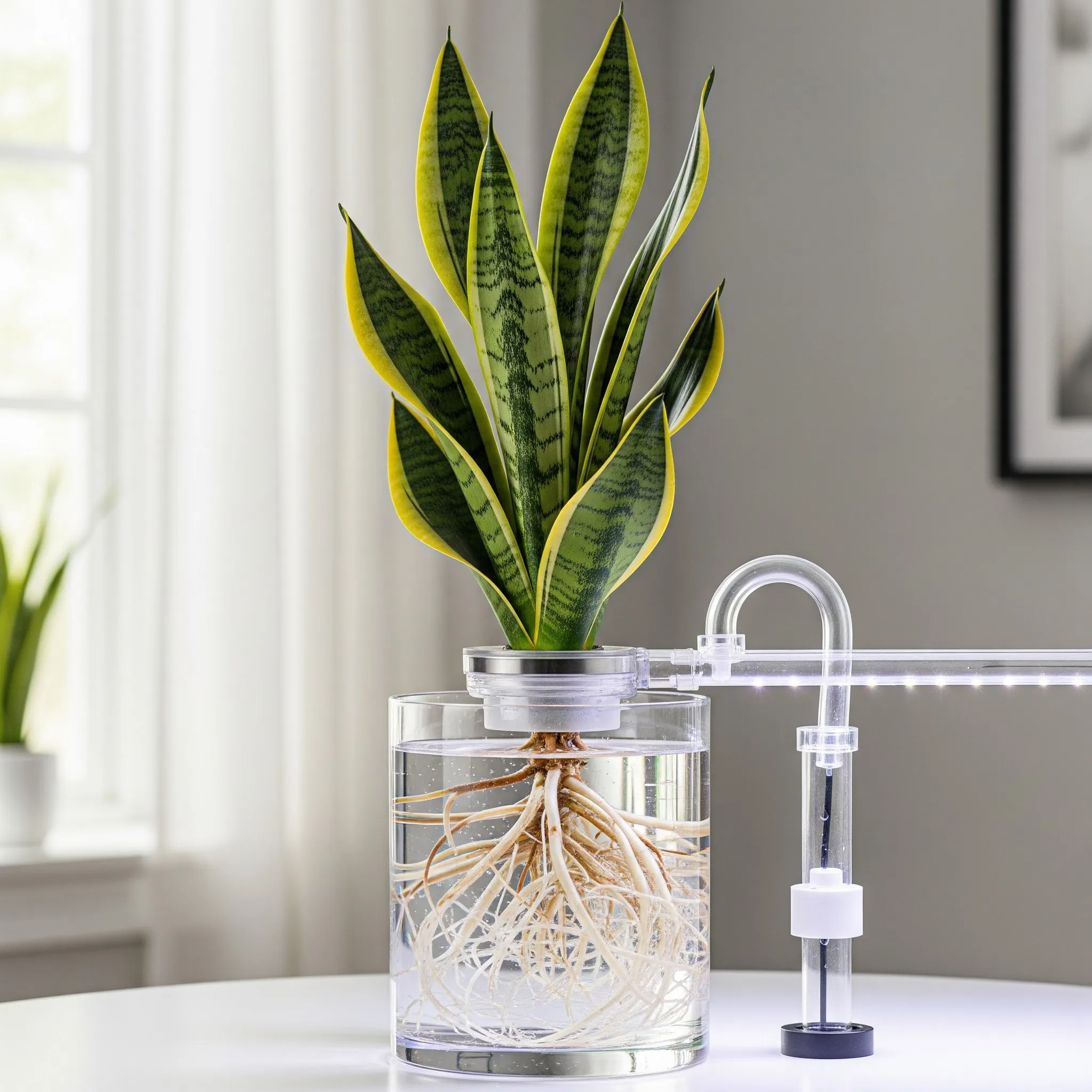
Snake plant or sansevieria is one of the popular plants used as interior decoration because of its upright leaf shape and low space requirement. Its elongated leaves can provide a vertical impression, making it suitable to be placed in corners of the living room, near the work desk, or in empty areas beside furniture. Some varieties have a combination of green and yellow patterns, which also make this plant function as a decorative element.
One reason snake plants are often chosen is their relatively low water needs. This plant has leaf tissues that can store water, so it does not need to be watered too frequently. In fact, overwatering can be a problem because overly wet media for a long time can increase the risk of root rot. Therefore, before watering, check the condition of the planting medium first and ensure that water can drain out through the pot's drainage holes.
To keep it growing well, place the snake plant in an area that receives bright indirect light or sufficient light. This plant is indeed known to be quite tolerant of lower light conditions, but its growth can be more optimal if it receives appropriate lighting. Clean the surface of the leaves when they start to get dusty to keep them looking attractive. With this simple care, the snake plant can be a practical choice to bring a touch of green into the home.
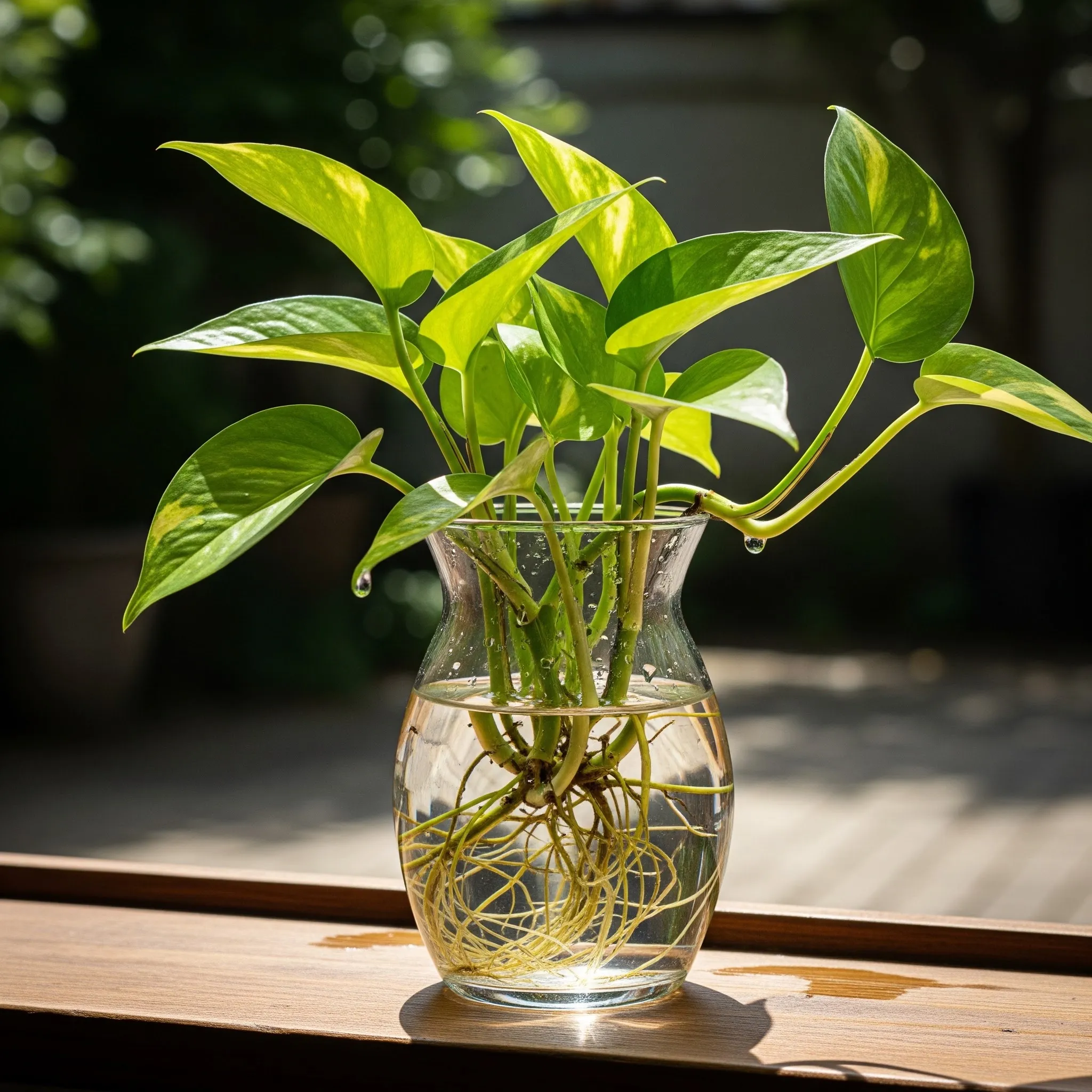
Golden pothos is a climbing plant that is easy to use to beautify various corners of a room. Its leaves are heart-shaped with a green color that in some varieties are adorned with yellow or white patterns. The plant's character, which can grow trailing, makes it attractive to place on shelves, wall ledges, tables, or hanging pots. When its vines start to elongate, the plant will provide an effect like a green curtain that makes the room feel more natural.
This plant is a fairly practical choice for beginners because it is relatively easy to adapt to indoor conditions. Golden pothos can grow in bright indirect light and can still survive in lower light conditions, although its growth may be slower. Watering does not need to be done every day. Wait until the top of the growing medium starts to dry out before watering again, and avoid letting the pot sit in water continuously.
Care for golden pothos can be done by trimming excessively long or unruly vines. Pruning not only keeps the plant's shape tidy but can also stimulate denser growth. Dusty leaves should also be cleaned periodically. If you want to make the room feel greener without cluttering the floor with pots, golden pothos can be a choice because it can utilize vertical space.
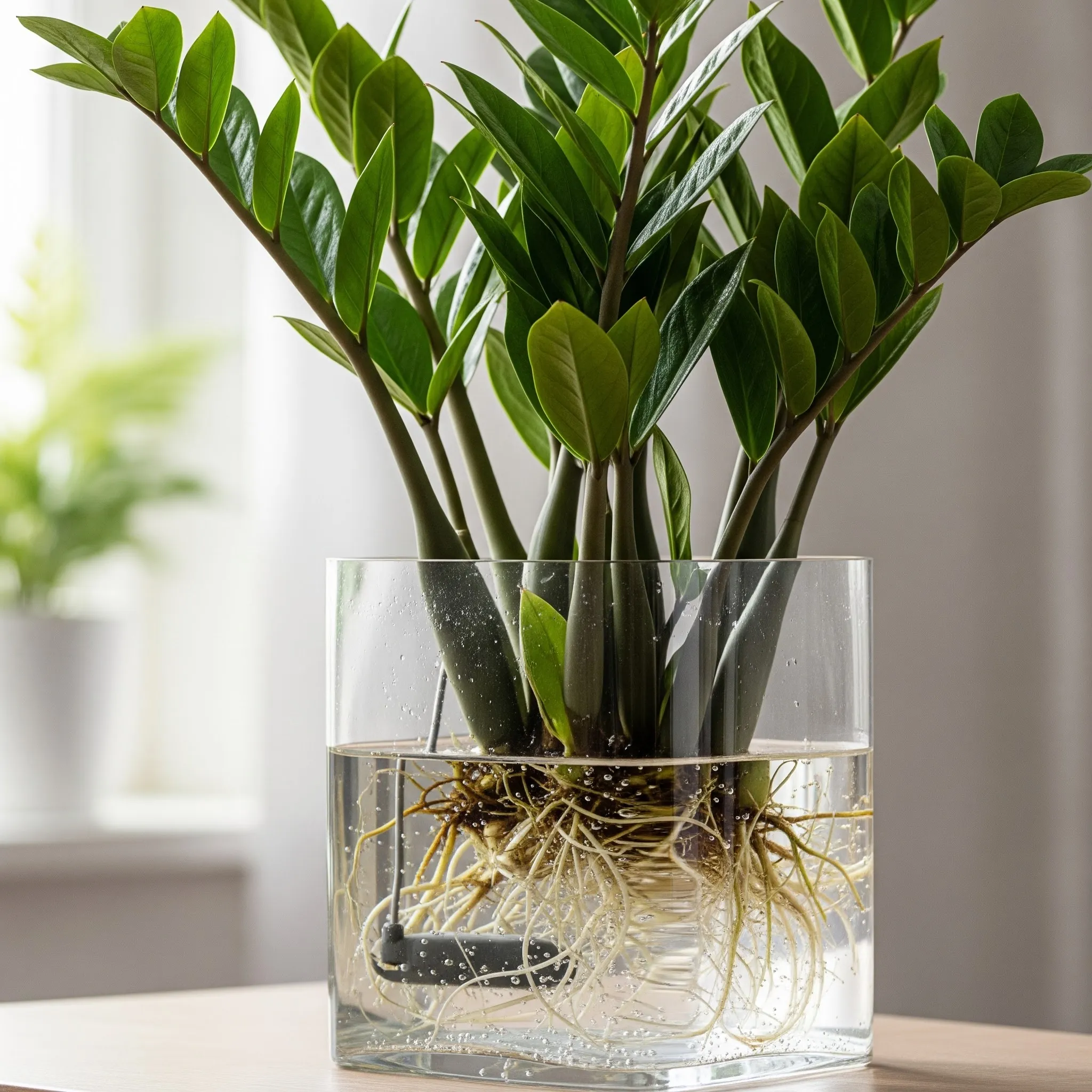
The ZZ plant, or Zamioculcas zamiifolia, is known as one of the relatively easy-to-care-for indoor plants. This plant has thick, glossy leaves that are neatly arranged on the stems, making it suitable for minimalist or modern interior styles. Its compact shape also makes it easy to place in corners of the living room, bedroom, workspace, or other areas that need a touch of green.
The ZZ plant has rhizomes that can store water, making it quite tolerant of periods when watering is not done frequently. This condition makes it suitable for people who are often busy or sometimes forget to water their plants. However, do not use its drought-resistant nature as an excuse to overwater when you remember. Overly wet soil can actually increase the risk of problems with the roots and rhizomes.
For daily care, place the ZZ plant in an area with bright indirect light to low light. Its growth is usually better when it receives adequate lighting, but avoid exposure to direct sunlight that is too strong as it can damage the leaves. Clean the leaves when they are dusty and check the condition of the soil before watering. With this simple routine, the ZZ plant can be a green decoration that does not require much attention.
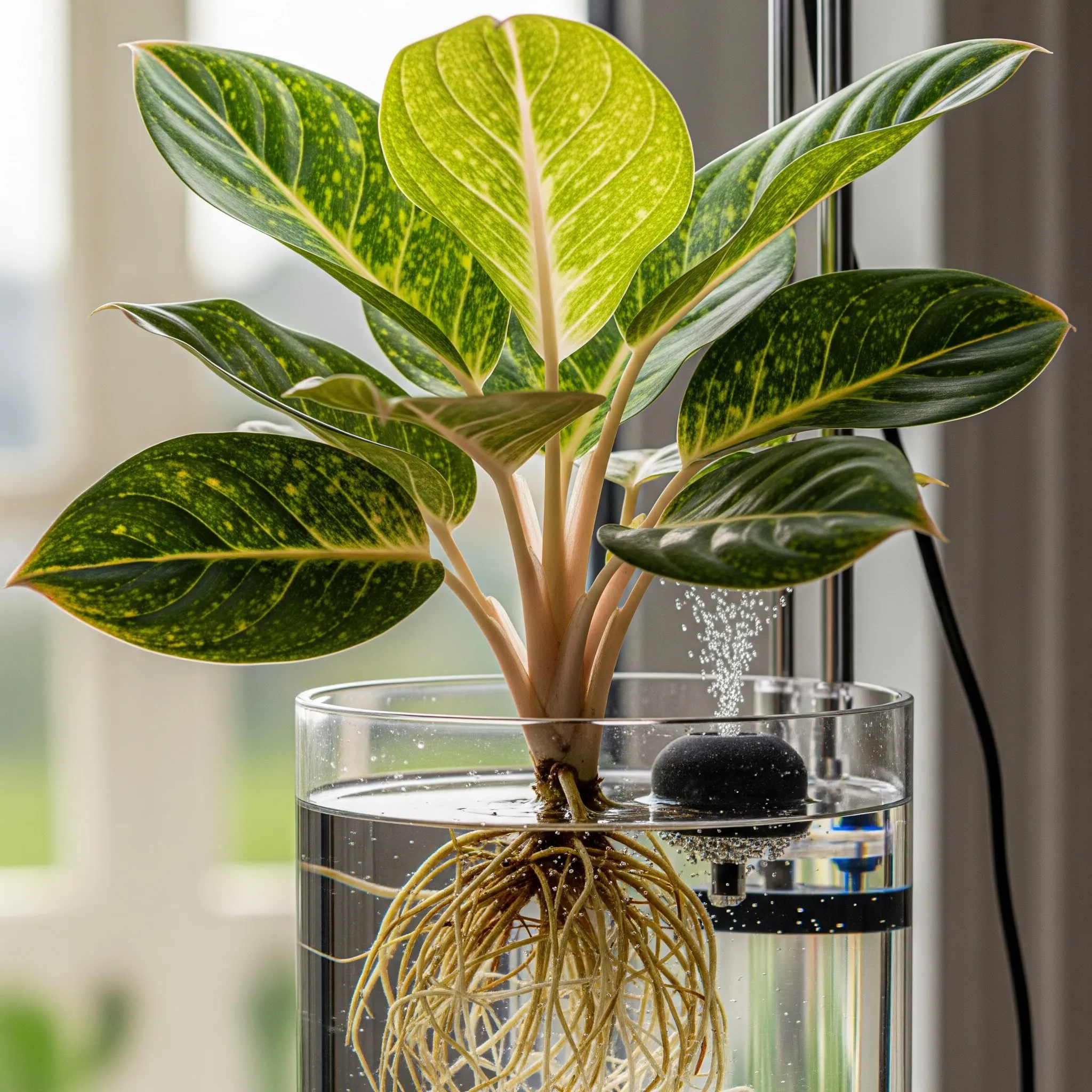
Aglaonema is an attractive choice for those who want to bring in plants with a more decorative leaf appearance. This plant has many variations in leaf color and pattern, ranging from a dominance of green to combinations of green with hints of pink, red, or white in certain varieties. These characteristics make aglaonema not only functional as a plant but also a visual accent that enhances room decor.
Aglaonema is relatively tolerant of low light conditions, making it suitable for rooms that do not receive direct sunlight. However, light requirements can vary depending on the variety, especially for plants with lighter leaf patterns. Too little light can hinder optimal growth and make certain patterns less prominent. Therefore, choose a location with appropriate lighting and avoid exposure to overly harsh direct sunlight.
In terms of watering, aglaonema does not need to be kept constantly in moist media. Water when the top layer of the media starts to dry out and use pots with good drainage. The broad leaves should also be occasionally cleaned with a soft cloth to keep them dust-free. With proper lighting, watering, and drainage, aglaonema can provide a greener and fresher impression to a room without requiring a complicated care routine.
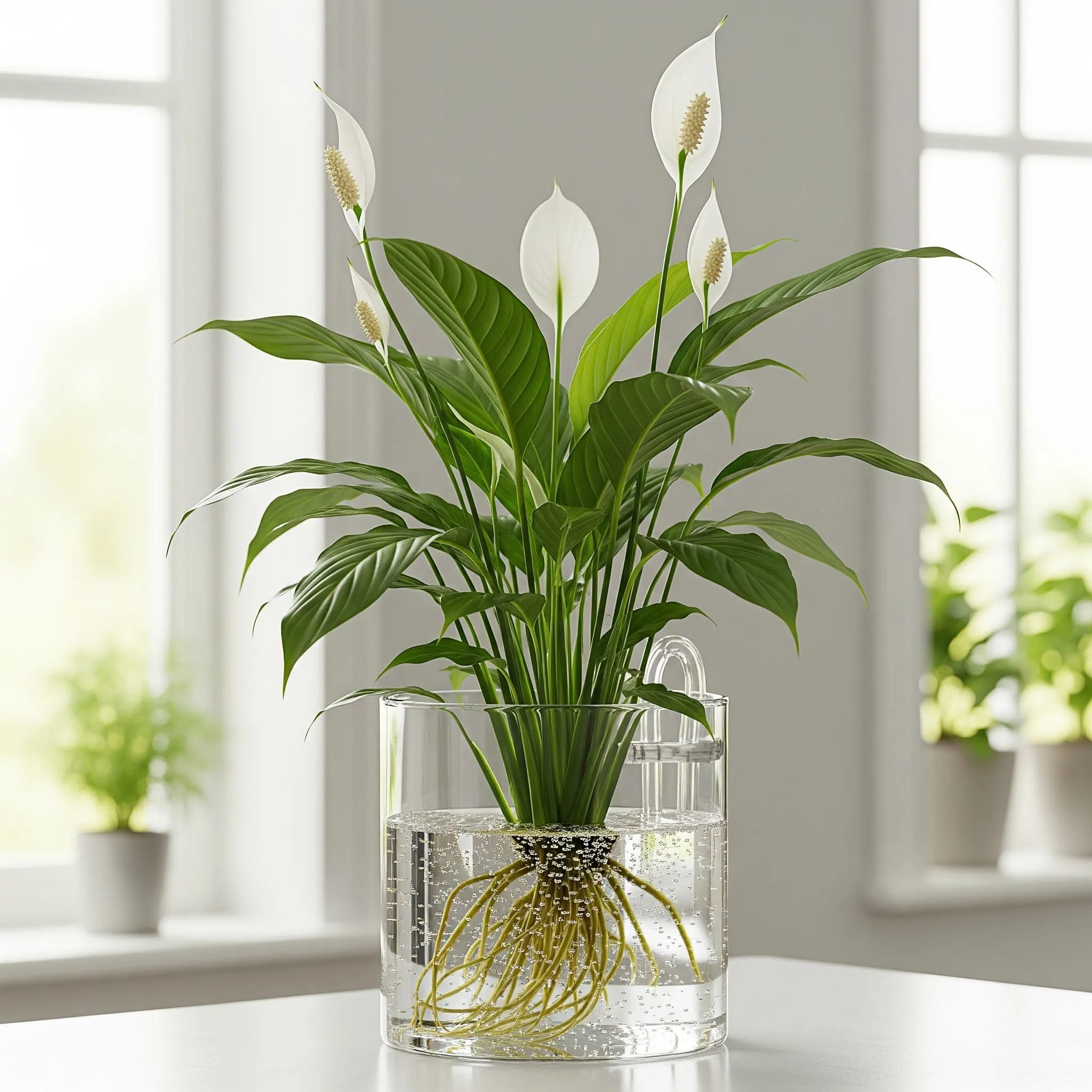
The peace lily, or Spathiphyllum, has an elegant appearance with glossy green leaves and distinctive white flowers. Its lush shape makes this plant suitable for filling empty corners of a room. The presence of white flowers among the green leaves can also provide a softer accent, making it ideal for placement in living rooms, workspaces, or other areas with a minimalist interior style.
This plant can grow indoors in bright indirect light to lower light conditions. Although it is quite tolerant, lighting still affects its growth and ability to produce flowers. The peace lily also enjoys adequate moisture, so avoid placing it in overly dry areas. Watering should be done when the soil begins to dry out, but be sure to avoid continuously waterlogged conditions.
One characteristic of the peace lily that makes it easy to care for is the noticeable change in leaf condition. When it needs water, its leaves can appear wilted and will perk up again after receiving appropriate watering. However, do not wait for the plant to wilt too often. Check the soil periodically and adjust the watering frequency according to the room conditions. With consistent yet simple care, the peace lily can provide a touch of green as well as a floral accent in the home.
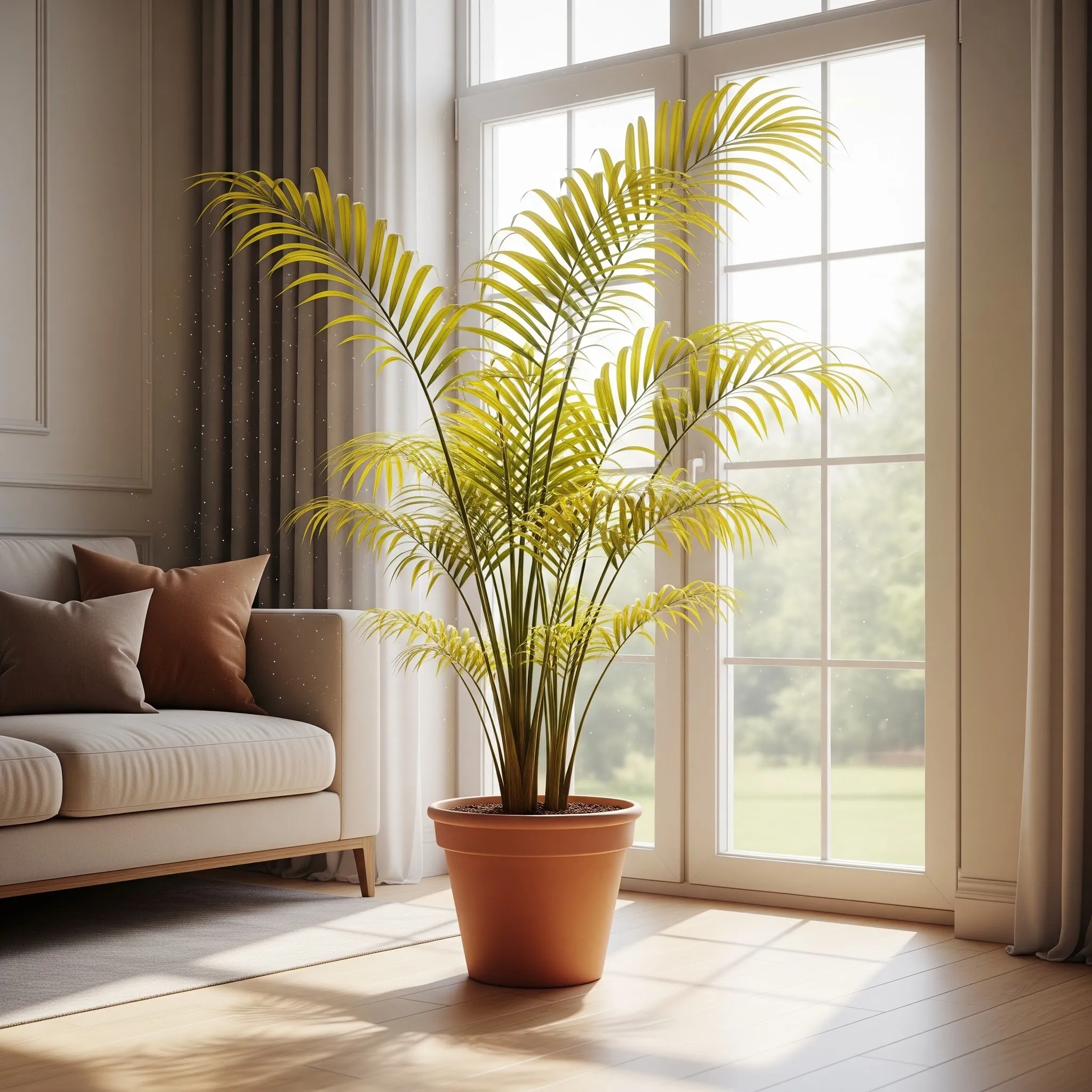
The yellow palm or Dypsis lutescens can be a choice if you want to bring a tropical feel into your home. This plant has many slender stems with long, curved leaves, giving it a lush appearance. Due to its relatively tall shape, the yellow palm is suitable as a floor plant to fill empty corners of a room, especially in homes with high ceilings.
For good growth, the yellow palm requires bright indirect light. Place it near a window or in an area that receives adequate lighting, but avoid strong direct sunlight if the plant is not yet accustomed to it. Air circulation is also important to ensure that the environment around the plant is not too humid. Watering can be adjusted based on the condition of the media and environment, ensuring that water does not pool in the pot.
Compared to smaller plants, the yellow palm does require more space because its canopy can grow. However, this plant can be an effective decorative choice because a single pot can already provide a significant visual impact. Trim any yellowing or damaged leaves and clean the leaves regularly. With the right placement, the yellow palm can make a room feel more tropical, spacious, and refreshing.
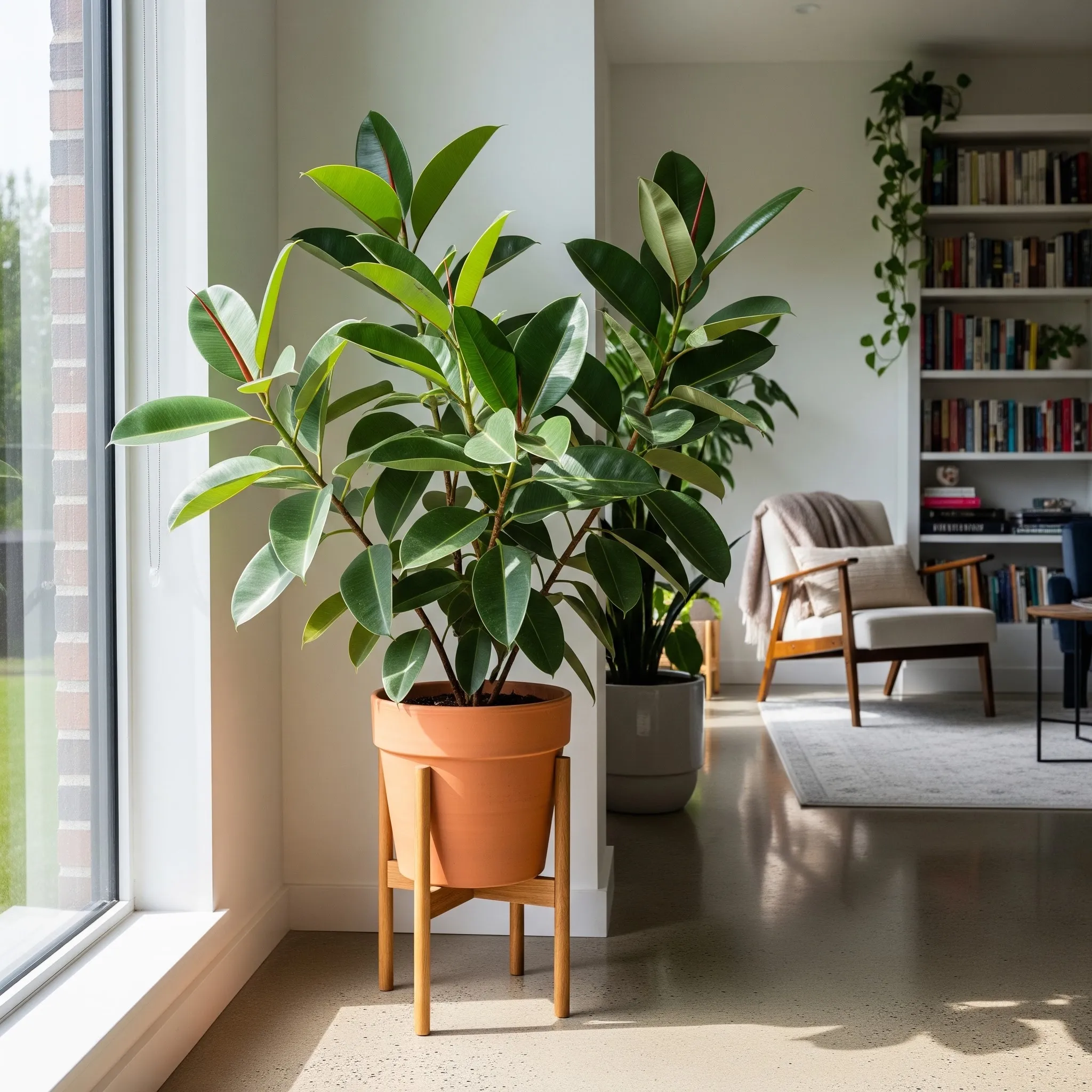
The rubber plant or Ficus elastica has large, thick, and glossy leaves that give an elegant yet natural impression. Its leaf size makes this plant quite prominent when placed indoors, making it suitable as a focal point in certain corners. Varieties with green leaves or specific color combinations can also be tailored to the home interior concept.
The rubber plant enjoys bright indirect light and can adapt to indoor conditions as long as the lighting is adequate. Place the plant near a window with filtered light, not directly under intense sunlight. Watering should be done when the top layer of the medium starts to dry. Like other indoor plants, drainage is important because overly wet media can cause root problems.
Caring for the rubber plant is relatively simple, especially if placed in the right location from the beginning. Its large leaves need to be cleaned occasionally to prevent dust accumulation and reduce the plant's beauty. If the plant starts to grow too tall or does not fit the available space, pruning can be done to shape it. With its strong leaf character and attractive shape, the rubber plant can be a choice to bring a lush atmosphere without requiring daily maintenance.
Some relatively easy-to-care-for options include snake plant, pothos, ZZ plant, aglaonema, peace lily, yellow palm, and rubber plant. Each type still requires appropriate light, water, and air circulation to grow healthily.
Snake plant, pothos, and ZZ plant can be good choices for beginners because their care is relatively simple and they do not require frequent watering. However, the room conditions still need to be adjusted to meet the needs of each plant.
No. The frequency of watering depends on the type of plant, pot size, growing medium, temperature, humidity, and room lighting. It is advisable to check the condition of the planting medium first and avoid watering when the medium is still too wet.
Plants should be placed in an area that receives light according to their needs. Some indoor plants prefer bright, indirect light, while others are more tolerant of low light. An area near a window with filtered light can be one option.
Yes, but choose plants that are relatively tolerant of low light, such as ZZ plant, snake plant, or some types of aglaonema. It is important to remember that being tolerant of low light does not mean the plants do not need light at all.
(kpl/iya)
Cobain For You Page (FYP) Yang kamu suka ada di sini,
lihat isinya
7 statements from high EQ individuals to strengthen relationships, ranging from showing empathy to wisely diffusing conflict.

Recommendations for long-distance love films that test loyalty, from Indonesia to overseas, perfect for weekend viewing.
The causes of avocado trees flowering but the fruits falling off can stem from water, nutrients, weather, and pests.

Recommendations for movies themed around reincarnation and past lives from various countries, complete with brief synopses.

Learn the list of foods that should not be stored in the fridge door along with the reasons according to food safety experts. Protect your family's health and prevent food from spoiling quickly.

A series of movies themed around disguise and double agents that present deep intrigue, stunning action, and unexpected plot twists that keep you guessing.

The word "kepo" which is now officially included in the KBBI, actually comes from the Hokkien language "kaypoh" meaning excessively curious, not an abbreviation of English as many people assume.

A guide to selecting perfume for your wedding day, starting from its differences with daily perfume, recommendations for scents for the bride and groom, to tips for longevity.

KLovers, here are 11 recommendations for movies about gymnasts and young athletes who strive to achieve their dreams, complete with synopses, cast, airing schedules, and fun facts.

Feeling stuck in your annual resolutions? Learn how to get out of your comfort zone without doubt and tolerance for uncertainty now.
Dramas with different casts in season 1 and season 2 present interesting surprises. Check out 6 dramas with actor changes that pique curiosity, yet the characters remain the same.
Discover a selection of heat-resistant plants for canopy-free yards that remain lush and bloom beautifully under extreme sunlight.
