Kapanlagi.com - Who says a canopy-free yard can't look stunning? With the right selection, you can have a green garden filled with cheerful blooms, even under the scorching sun all day long. Choosing heat-resistant plants for a canopy-free yard is the key to creating a sustainable and enchanting landscape.
Especially in tropical climates with high temperatures, plants that can adapt to extreme conditions become a wise choice. This KapanLagi article will guide you in finding various types of plants that are not only resilient but also beautify your yard without worrying about wilting from the sun's rays.
1. Bougainvillea
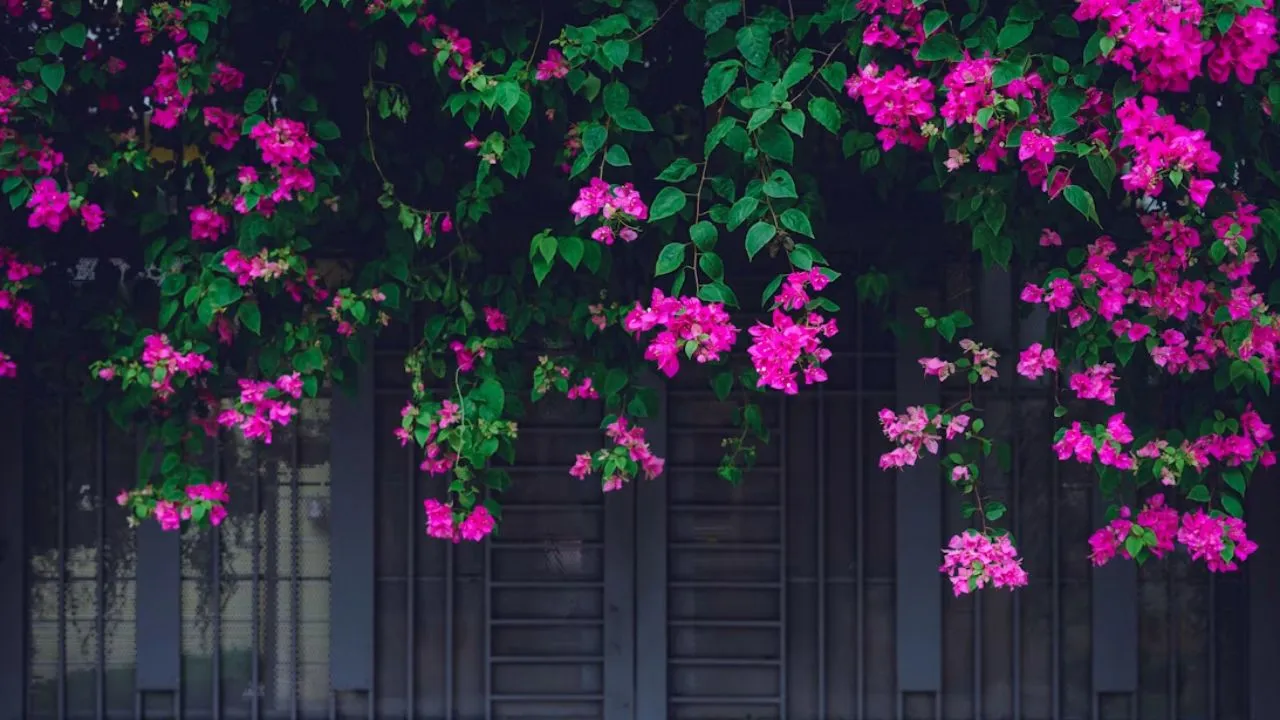
Bougainvillea/Photo by Frodo Wanderer on Unsplash
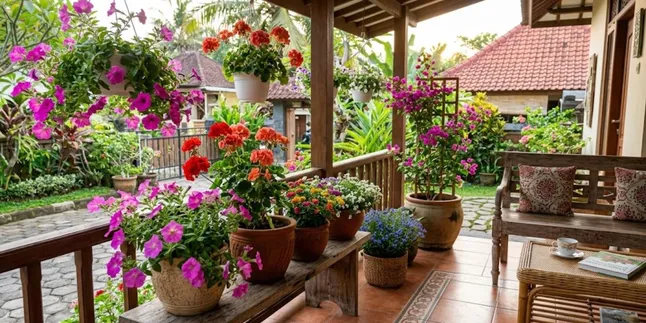
Bougainvillea, or commonly known as paper flower, has become the star among heat-resistant plants for sun-exposed yards due to its ability to withstand extreme temperatures, even above 46°C. This plant is highly tolerant of heat and drought, making it an ideal choice for yards that receive full sun.
To grow optimally and produce abundant flowers, Bougainvillea requires at least 5-6 hours of direct sunlight each day. Partial sunlight exposure can actually reduce the number of flowers. In terms of watering, allow the soil to dry completely between watering sessions to prevent root rot, as this plant is drought-tolerant once established.
This plant prefers well-draining soil, such as sandy or loamy soil, with a slightly acidic to neutral pH level, around 6.0-7.0. Bougainvillea is known for its stunningly colorful bracts, available in shades of purple, red, orange, white, pink, and yellow. With proper care, Bougainvillea can bloom for up to 9-10 months.
2. Adenium Obesum
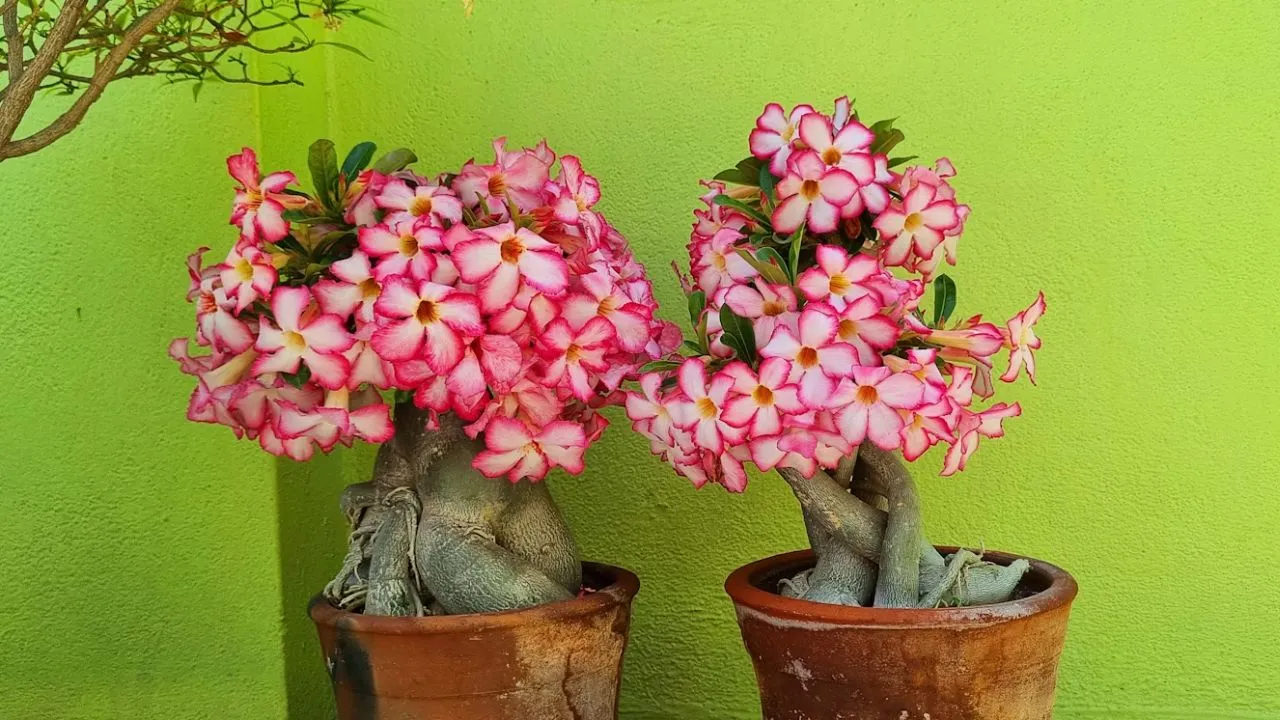
Adenium Obesum/Photo by Muneer ahmed ok on Unsplash
Adenium obesum, popularly known as Japanese Frangipani or Desert Rose, is a heat-resistant plant for open yards that originates from Africa, the Middle East, and Madagascar. Its origins demonstrate its remarkable adaptation to dry and extremely hot environments.
This plant thrives in warm locations and requires sufficient sunlight exposure to bloom optimally for months during the summer. It is important to maintain soil moisture but avoid saturation. Ensure the soil dries completely before watering again, as good drainage is crucial to prevent root rot.
Adenium flourishes in sandy and gravelly soil with a neutral to acidic pH, ideally around 6. The growing medium should be porous and have excellent drainage. This slow-growing succulent plant is often used as bonsai due to its thick and succulent trunk, known as a caudex. This caudex serves as a water reserve, helping Adenium survive in dry and hot climates, while its trumpet-shaped flowers come in charming shades of pink, white, or red.
3. Portulaca Grandiflora
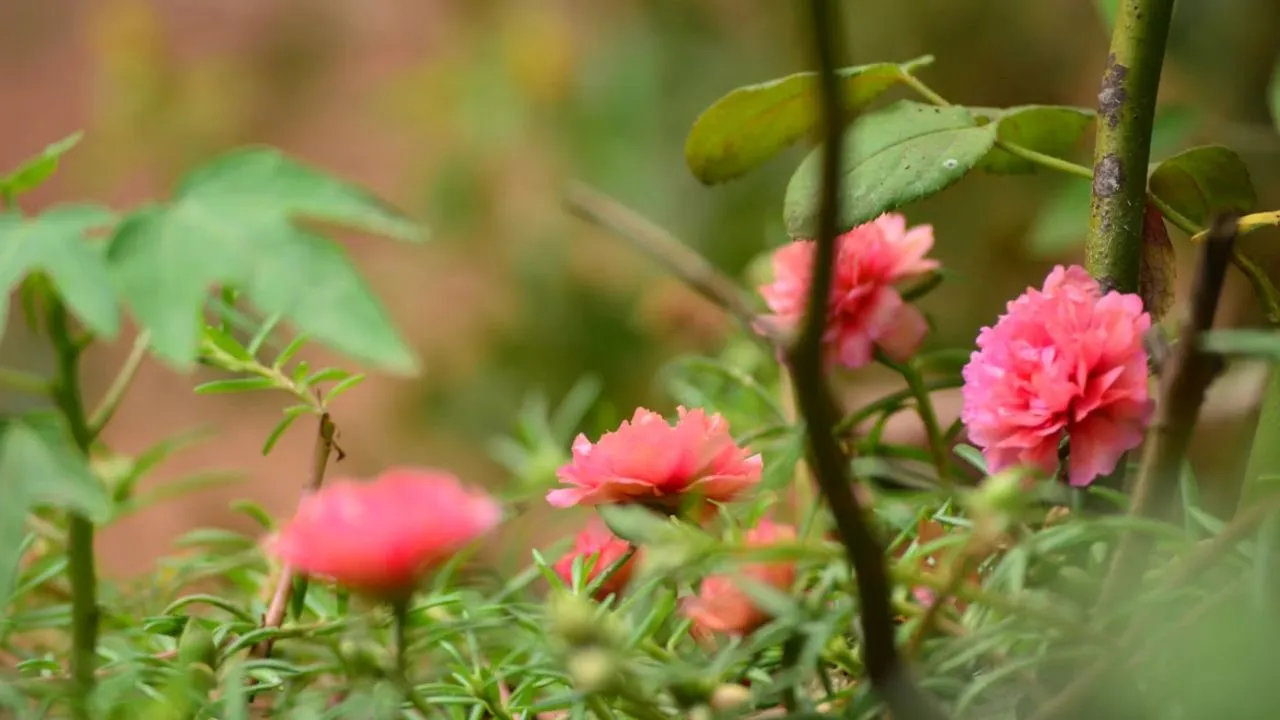
Portulaca Grandiflora/Photo by Dileesh Kumar on Unsplash
Portulaca grandiflora, or Moss Rose, is a heat-resistant plant for open gardens and is known for its resilience to heat and drought. This tiny plant originates from South America, proving its ability to thrive under the sun's rays.
For perfect blooming, Portulaca requires full sunlight, at least 6 hours a day. Its flowers will open wide on sunny days and close at night or during cloudy weather. Although drought-tolerant, regular watering will encourage Portulaca to bloom more profusely. Water the plant when the soil feels dry, but always avoid overwatering, which can trigger root rot.
This plant requires soil with excellent drainage, ideally sandy and rocky, with a pH of 5.5 to 7.0 suitable for its growth. Portulaca is a low-growing annual plant with succulent leaves, producing flowers resembling mini roses in bright colors such as yellow, orange, red, pink, white, and other variations. With a height of 7-15 cm and a spread of up to 25-37 cm, Moss Rose is very ideal as ground cover or container decoration.
4. Lantana Camara
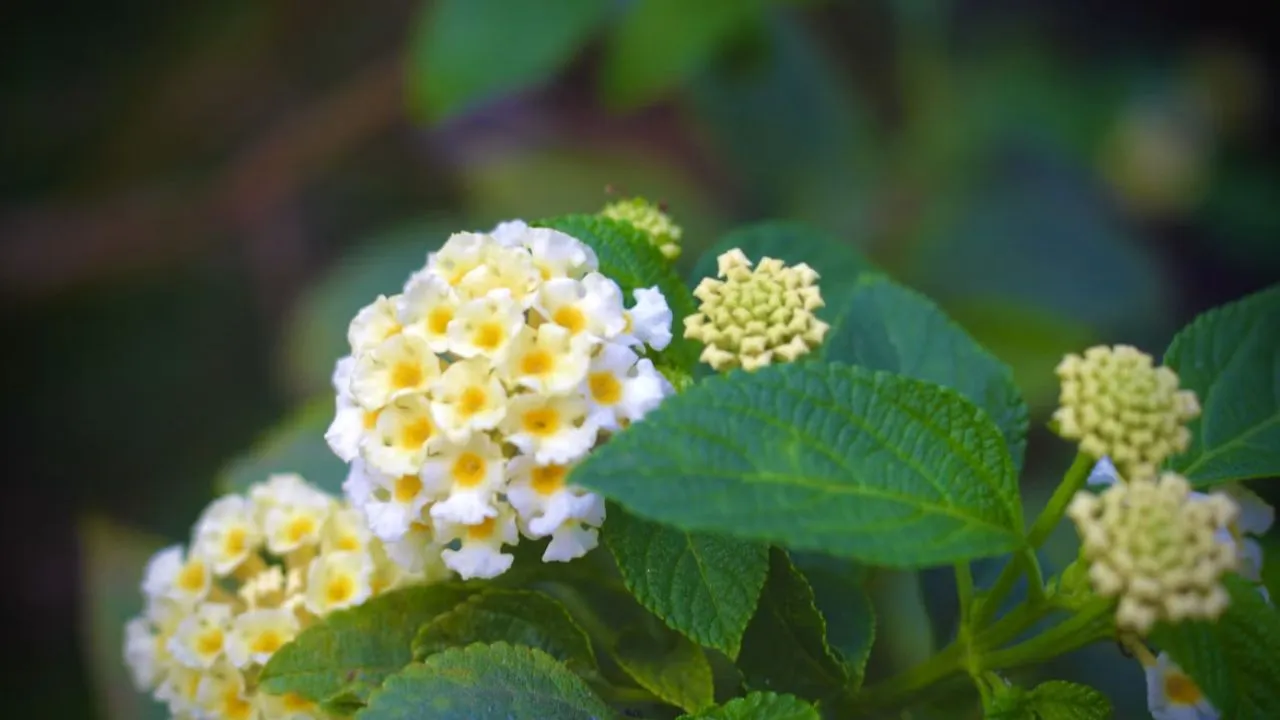
Illustration of Lantana Camara/Photo by Peggie Mishra on Unsplash
Lantana camara, also known as Tembelekan, is a hardy and persistent flowering shrub. This quality makes it an excellent choice as a heat-resistant plant for canopiless yards. Lantana is known for its tolerance to heat, salt, and drought, making it a true fighter in extreme climates.
This plant thrives in full, blazing sunlight, requiring at least 6 to 8 hours of direct sunlight each day. Although it has drought tolerance, Lantana will produce more abundant flowers if it receives regular watering and fertilization. Consistent watering will encourage the formation of more flowers.
Lantana is very easy to cultivate and can grow in a variety of soil types without being fussy. Its flowers form small clusters that are often multi-colored, and they can even change color over time, creating a dynamic appearance. Its appeal also lies in its ability to attract butterflies and hummingbirds. This plant is versatile and can be used as a corner plant, border, ground cover, or in containers, although some of its varieties should be monitored due to their invasive nature.
5. Zinnia Elegans
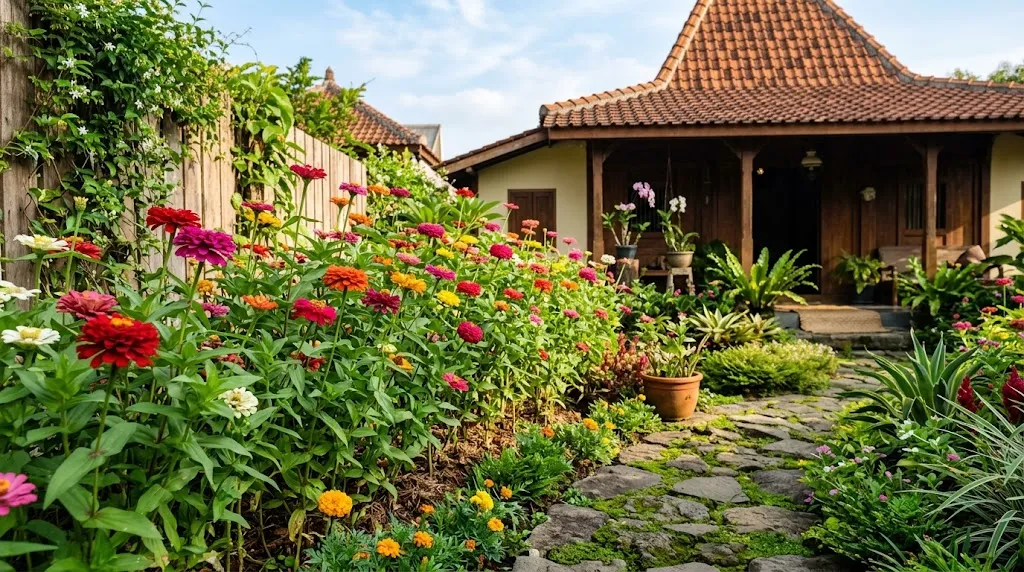
Illustration of Zinnia Elegans/AI Generated
Zinnia elegans is a heat-loving annual flowering plant, making it an ideal choice as a heat-resistant plant for gardens without canopies. Native to Mexico, Zinnia has proven to withstand and bloom beautifully under scorching weather conditions.
For optimal growth, Zinnia requires full sunlight, at least 6-8 hours every day, and thrives in warm climates. In terms of watering, Zinnia prefers moderate watering, which means deeply but not too frequently. Allow the soil to dry slightly between deep watering sessions. Drip irrigation is highly recommended to protect the flowers and prevent diseases.
This plant is easy to grow in fertile, evenly moist soil with good drainage, and is not too picky about soil pH. Zinnia is a bushy, leafy annual plant, typically growing 30-90 cm tall. Available in various flower shapes—single, semi-double, and double—as well as a wide spectrum of colors such as red, yellow, orange, pink, rose, lavender, green, and white. Zinnia continues to bloom from summer to fall and also attracts pollinators to your garden.
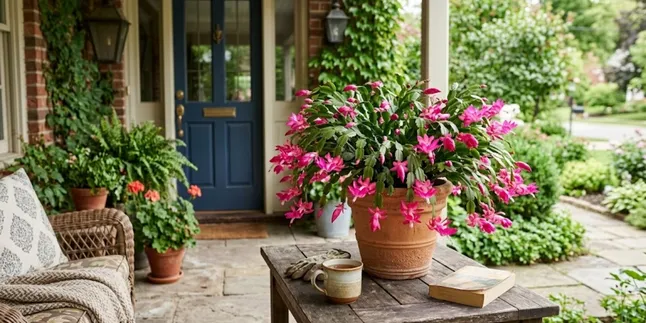
6. Sansevieria Trifasciata
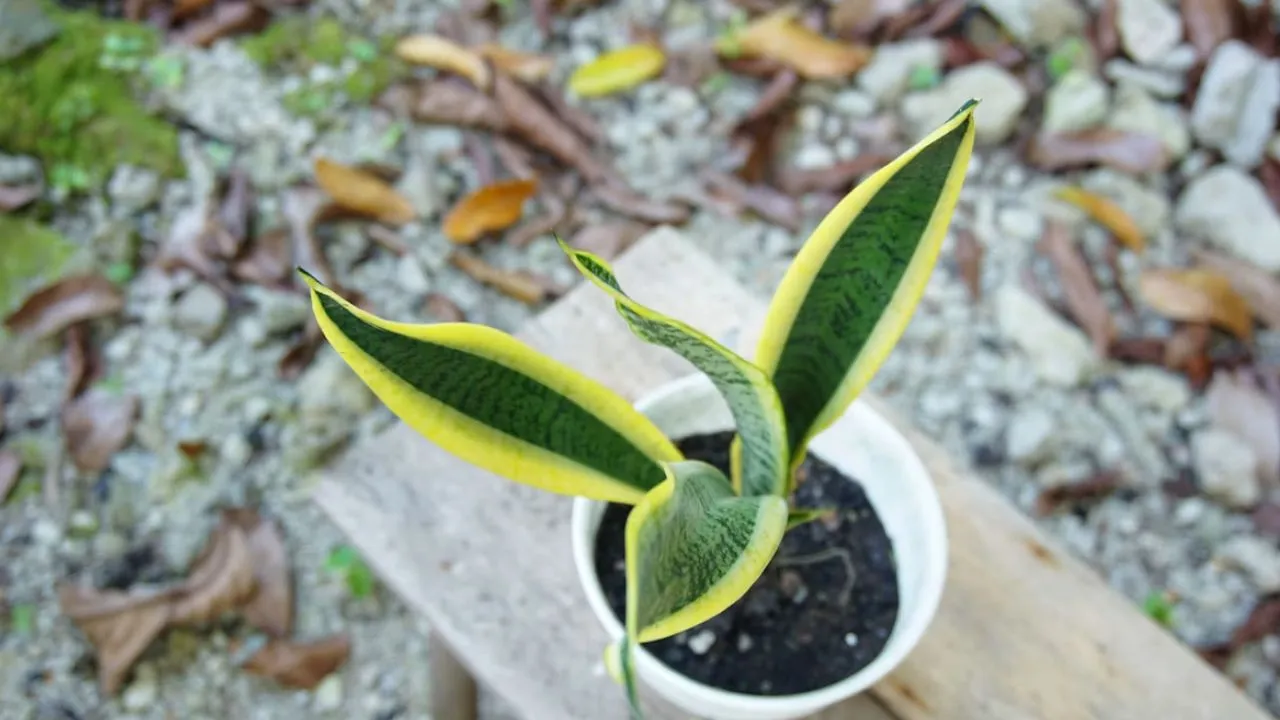
Mother-in-law's Tongue/Photo by aditya hermawan on Unsplash
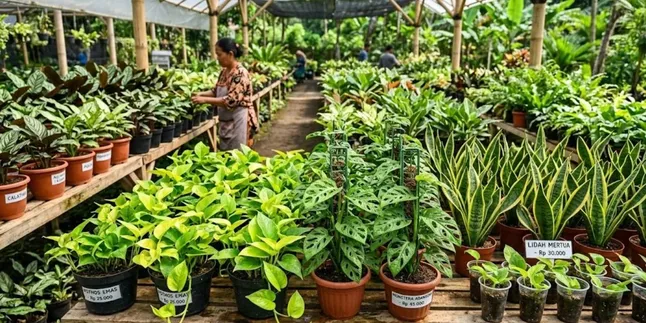
Sansevieria trifasciata, commonly known as Snake Plant, is a heat-resistant plant for a canopy-less yard that is very robust and easy to care for. Its popularity is not only due to its resilience but also its ability to thrive in various temperature conditions and its ease of maintenance.
Snake Plant can thrive in direct sunlight. Although it can also adapt to low light, this plant will show better growth in full sunlight. However, it is important to gradually acclimate the plant to full sunlight if it was previously in a lower light area, with some sources suggesting the gentler morning sun.
This plant is very drought-tolerant and prefers dry soil. Overwatering can actually kill the plant, so water it only when the soil feels dry. Snake Plant can grow in less fertile and dry growing media, preferring a loose soil mix. With upright, stiff, sword-shaped leaves often adorned with yellow stripes, Snake Plant is also known for its remarkable ability to purify the air.
By choosing this heat-resistant plant for your canopy-less yard, you can ensure your garden remains beautiful and vibrant, even under scorching sun conditions. Proper care, including wise watering and soil adjustments, will help these plants thrive in challenging environments.
It is important to water plants in the morning before 9 AM or in the evening after 4 PM, when temperatures are not too high. Ensure that watering is done deeply so that water is well absorbed by the roots, supporting the plants' resilience in extreme weather.
7. Common Questions About Heat-Resistant Plants
Why is it important to choose heat-resistant plants for a canopy-free yard?
It is important to ensure the garden remains beautiful and sustainable under full sunlight and high temperatures, thus preventing plants from wilting or dying.
How many hours of sunlight do most of these heat-resistant plants need?
Most heat-resistant plants require at least 6 hours of direct sunlight every day for optimal growth and flowering.
What are the common characteristics of heat-resistant plants mentioned in the article?
Their common characteristics include drought tolerance, the need for good soil drainage, and the ability to thrive in full sunlight.
How to effectively water heat-resistant plants in extreme weather?
Water the plants in the morning before 9 AM or in the evening after 4 PM, when temperatures are not too high, and ensure deep watering so that water is well absorbed by the roots.
Besides Bougainvillea, Adenium, Portulaca, Lantana, and Zinnia, what other plants are known to be heat and full sun tolerant?
Mother-in-law's Tongue (Sansevieria trifasciata) is also a very heat-resistant plant and can thrive under direct sunlight, although it can adapt to various light levels.
(kpl/nti)
Disclaimer: This translation from Bahasa Indonesia to English has been generated by Artificial Intelligence.


 Follow
 Rekomendasi