Kapanlagi.com - The refrigerator retains heat on several sides as its cooling machine continues to work throughout the day. Many people are unaware that the area around the refrigerator becomes a less safe place to store certain items in the house. In fact, there are several items that should not be placed near the refrigerator because they can damage the items themselves, disrupt the refrigerator's performance, and even pose dangers.
Some people are used to placing items on top, beside, or behind the refrigerator simply because kitchen space at home is limited. This habit may seem trivial and practical, but it can lead to problems ranging from item damage, increased electricity consumption, to a small fire risk in the kitchen every day.
Here are some items that should not be placed near the refrigerator, summarized by KapanLagi.com from various sources, Wednesday (26/8/2026). Check the list one by one to keep the kitchen safe, prolong the refrigerator's lifespan, and prevent the monthly electricity bill from unnecessarily inflating.
1. Stove
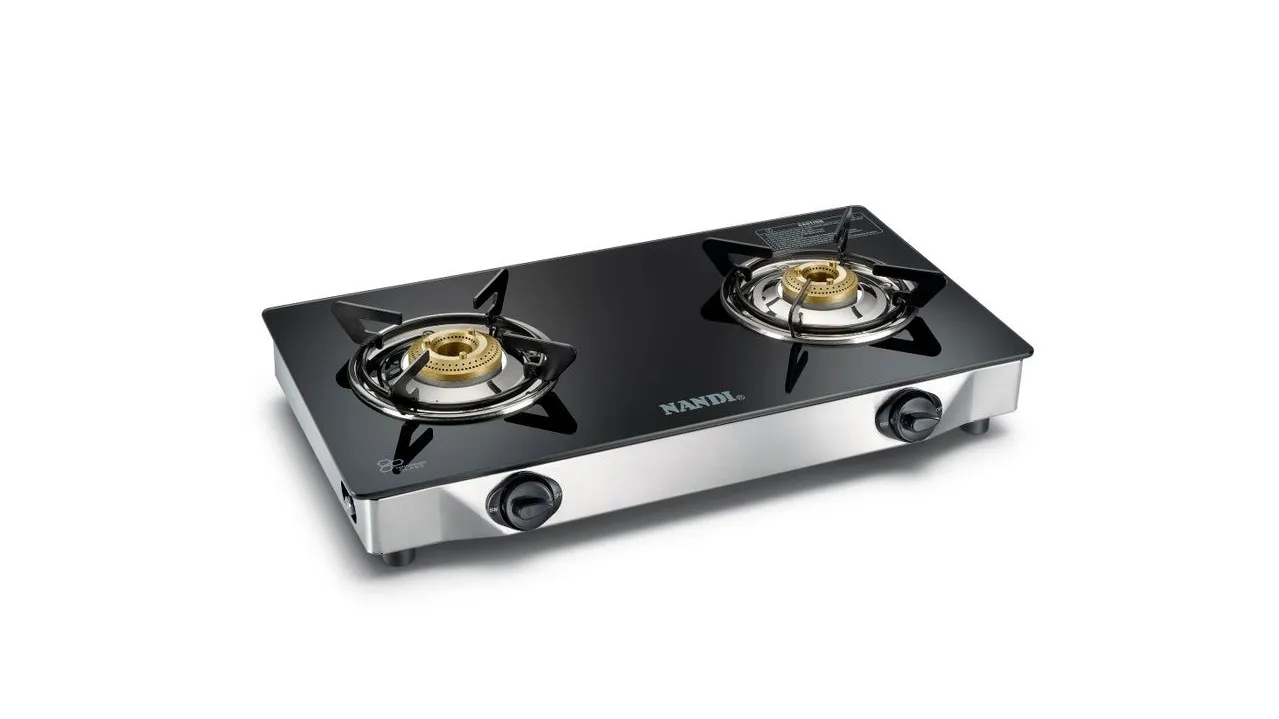
Stove. (Image: Milton Das/Pexels)
The stove is one of the most significant sources of heat in the kitchen. When placed close to the refrigerator, the heat from the stove can radiate and continuously increase the temperature around the refrigerator's body during the cooking process every day.
This condition forces the refrigerator's compressor to work extra hard to maintain the cold temperature inside. If left unchecked for a long time, the compressor components can wear out more quickly, and the refrigerator's lifespan may significantly decrease from the initial estimate.
The solution is to provide enough distance between the stove and the refrigerator when arranging the kitchen. If space is limited, consider using a partition or heat-resistant material between the two to minimize heat transfer to the refrigerator as much as possible.
2. Oven or Microwave Oven
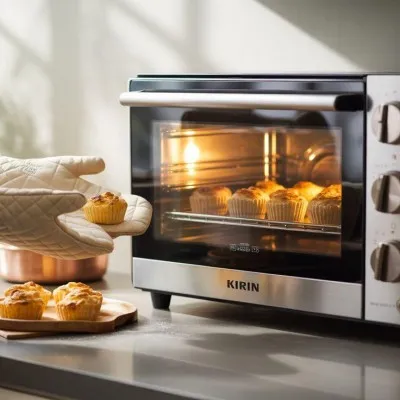
Just like stoves, ovens, and microwave ovens also generate a significant amount of heat when in use. Placing them next to the refrigerator is not an ideal choice, especially if both of these appliances are often used together in close proximity.
The continuous heat from the oven can make the refrigerator's cooling system work harder than usual. In addition to draining electricity, this also risks shortening the lifespan of the electronic components inside the refrigerator over time.
Ideally, the kitchen layout should consider hot zones and cold zones separately. Keeping the oven away from the refrigerator is not just about aesthetics, but a preventive measure so that both can function optimally without interfering with each other.
3. Air Fryer
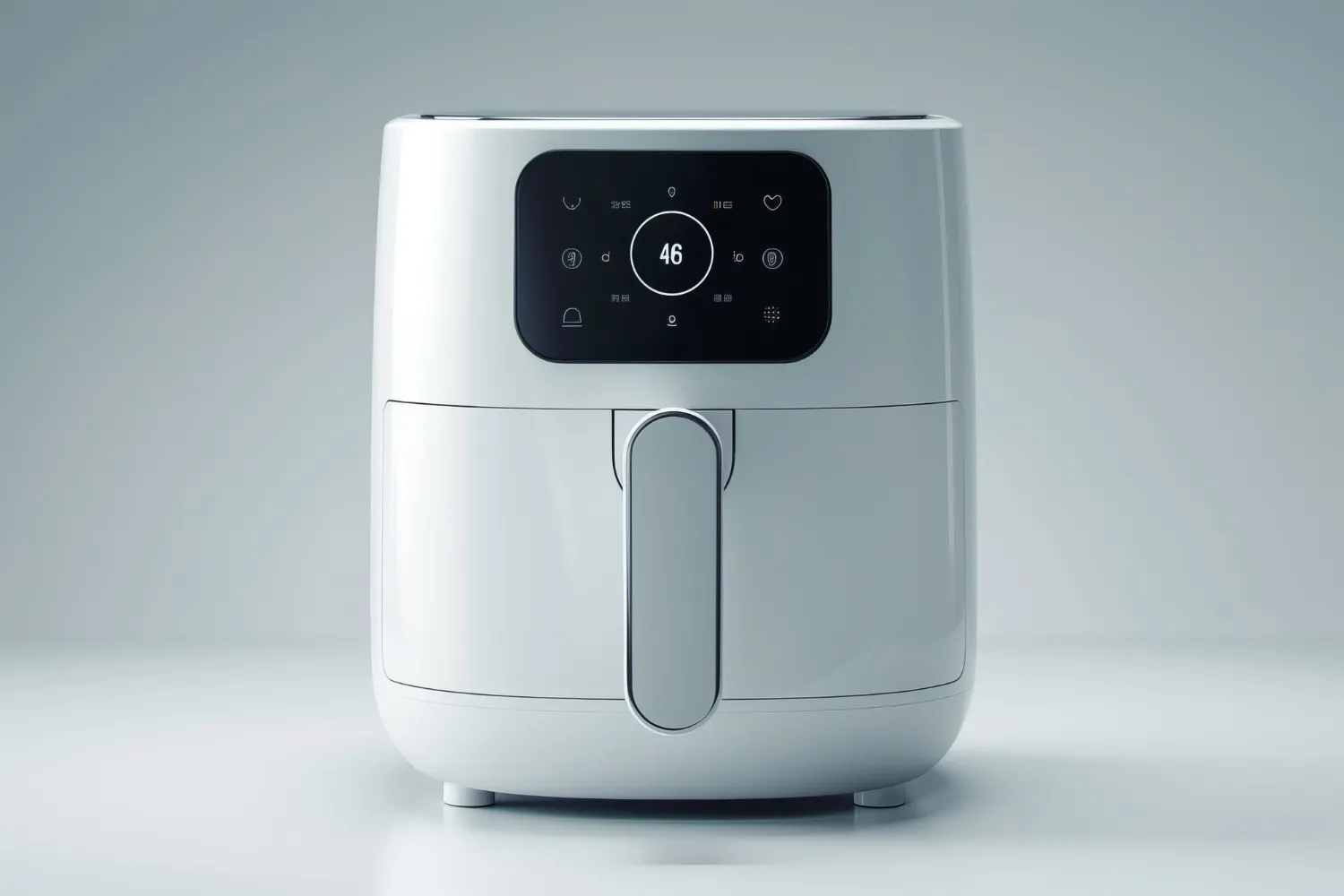
Air Fryer. (Image: Magnific)
Although compact in size, air fryers actually emit quite a bit of heat when operating, especially from their air ventilation parts. Many people are unaware of this and simply place them on top of or beside the refrigerator to save kitchen space.
If the hot air ventilation of the air fryer is directed straight at the refrigerator body, the temperature in that area can gradually increase. This condition has the potential to disrupt the refrigerator's temperature sensor and make its cooling performance less stable over time.
As an alternative, place the air fryer on a separate kitchen counter with adequate air circulation. Also, ensure that the direction of its hot ventilation does not face directly towards the refrigerator or other electronic appliances nearby.
4. Cardboard and Paper Piles
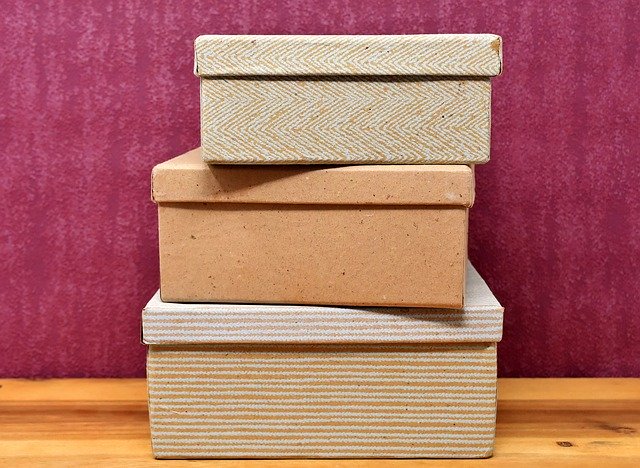
Cardboard, used newspapers, shopping paper, and similar materials are often just piled up in the gap near the fridge because they are considered a safe place. In fact, this habit poses quite serious risks to the safety and performance of the fridge itself.
These materials are classified as easily flammable when near a heat source, including the heat emitted by the fridge's compressor. Besides the fire risk, piles of cardboard and paper can also obstruct the airflow that the fridge needs to dissipate its heat.
It is advisable to store cardboard and paper piles in a separate storage area, away from the hot kitchen area. Regularly tidying up the area around the fridge also helps maintain smooth airflow at all times.
5. Other Heat-Generating Electronic Appliances
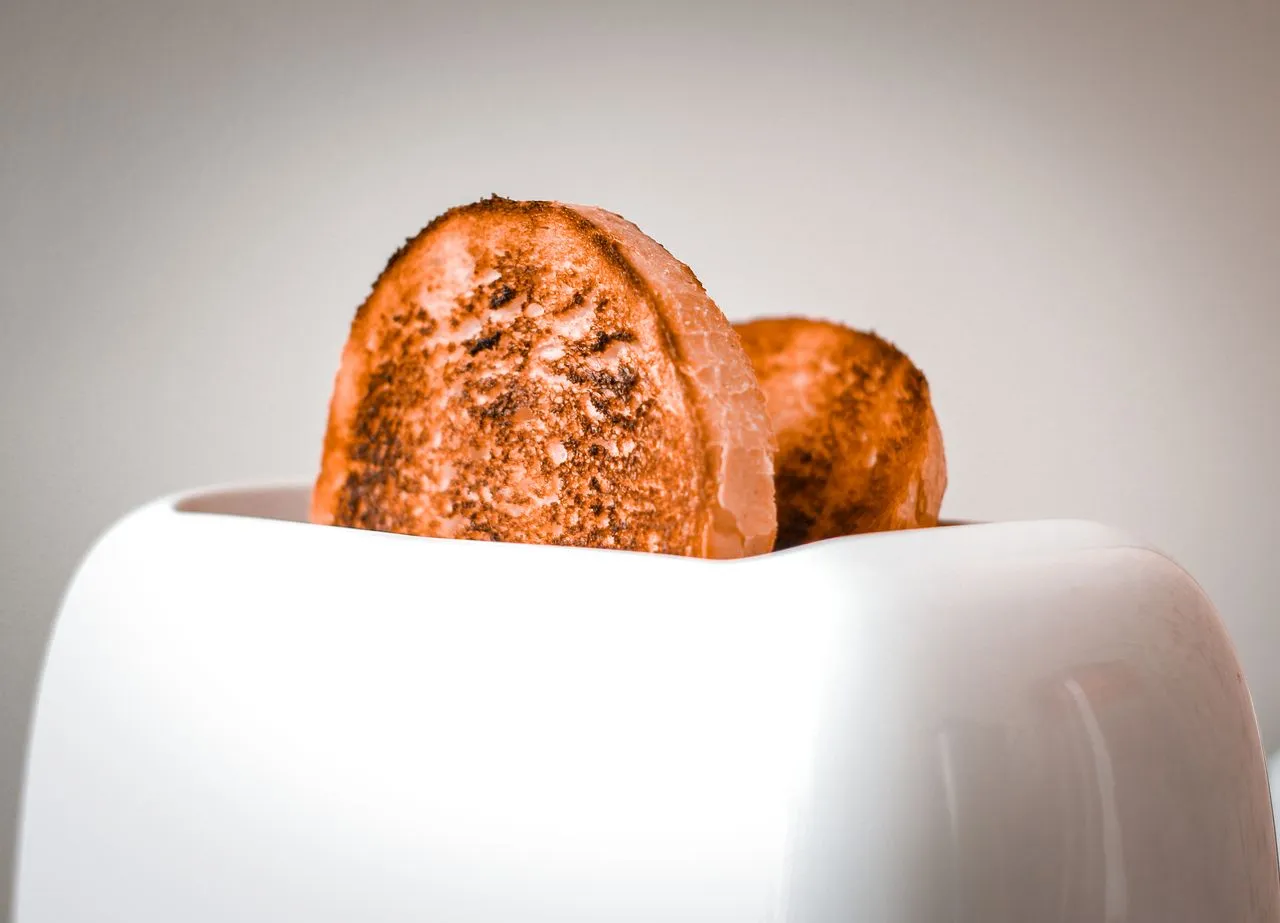
Other Heat-Producing Electronic Equipment. (Image: Photography Maghradze PH/Pexels)
Besides stoves and ovens, there are also other electronic appliances that often go unnoticed, such as toasters, coffee makers, and hot water dispensers. These appliances are often placed next to the fridge because they are considered kitchen utensils.
However, the heat produced by these appliances can gradually but consistently raise the temperature around the fridge. If this happens every day, the fridge's cooling system has to work harder to compensate for the temperature increase in its surroundings.
Provide enough distance and space between the fridge and these heat-generating electronic appliances. Occasionally rearranging the position of kitchen utensils also helps ensure that heat does not get trapped and accumulate in one area.
6. Cleaning Liquids
Dish soap bottles, floor cleaning liquids, and other household chemical products are sometimes placed on top of the refrigerator because their position is considered practical and easy to reach. This habit actually holds potential dangers that should not be underestimated.
If the bottle tips over or leaks unnoticed, the chemical liquid could seep into the crevices of the refrigerator. Liquid entering the electrical components could trigger short circuits or damage to internal components, the repair costs of which can be substantial.
It is advisable to store cleaning liquids in a closed shelf or a special cabinet that is out of reach of the refrigerator area. This step also reduces the risk of household accidents due to unintentional chemical spills.
7. Oil Bottles or Liquid Containers That Are Prone to Spills

Oil Bottles or Liquid Containers That Easily Spill. (Image: azerbaijan_stockers/Magnific)
Cooking oil and other kitchen liquids are often stored on top of the refrigerator because that space is considered an efficient additional storage area. However, this position is vulnerable to being bumped when someone is active in the kitchen.
Containers with liquids that easily spill pose a risk of creating puddles that can seep to the back or ventilation of the refrigerator. In addition to potentially damaging electronic components, oil spills also make the area around the refrigerator slippery and dangerous.
Look for a more stable storage place for oil bottles and kitchen liquids, ideally on a low shelf with a flat surface. Avoid areas that can be easily bumped during cooking activities.
8. Items That Block Refrigerator Ventilation
Cardboard boxes, baskets, shopping bags, and even small shelves are often stacked or placed against the back or sides of the refrigerator, unknowingly blocking its ventilation area. However, this part is crucial for the overall cooling performance of the refrigerator.
The refrigerator needs empty space around its ventilation so that heat from the compressor system can dissipate smoothly. Items blocking the ventilation trap heat, causing the temperature inside the refrigerator to potentially become unstable and electricity consumption to increase.
Each manufacturer usually sets a certain minimum distance between the refrigerator and the walls or surrounding furniture. The refrigerator's manual remains the most accurate reference to ensure that the ventilation is not obstructed by anything.
9. Questions About Items That Should Not Be Placed Near the Refrigerator
1. Why shouldn't the refrigerator be too close to the wall or other furniture? Because the refrigerator needs empty space around it to allow the hot air from the compressor to escape properly. If it is too tight, the heat will be trapped, causing the compressor to work harder and reducing the refrigerator's lifespan.
2. What is the ideal distance between the refrigerator and the stove? There is no standard number that applies to all models, but it is generally recommended to leave enough distance so that the heat from the stove does not directly hit the body of the refrigerator. The installation instructions from the manufacturer remain the most accurate reference.
3. Is it safe to place an air fryer on top of the refrigerator? It is best avoided, especially if the hot air ventilation from the air fryer is directed straight at the body of the refrigerator. Continuous heat can raise the temperature in that area and disrupt cooling efficiency.
4. Why shouldn't cardboard be stacked near the refrigerator? Cardboard and stacks of paper are easily flammable if they are near a heat source, and their presence can also obstruct air circulation around the refrigerator, making the heat dissipation process inefficient.
5. What happens if the refrigerator's ventilation is blocked by items? Blocked ventilation makes it difficult for the refrigerator to expel heat from its cooling system. As a result, the temperature inside the refrigerator can become unstable, the compressor works harder, and electricity consumption may increase.
(kpl/bim)
Disclaimer: This translation from Bahasa Indonesia to English has been generated by Artificial Intelligence.


 Follow
 Rekomendasi