

 Follow
 Rekomendasi
8 Items That Should Not Be Placed Near the Refrigerator, Don't Get It Wrong
Check out 8 items that should not be placed near the refrigerator to keep the cooling performance optimal and avoid the risk of damage from the start.
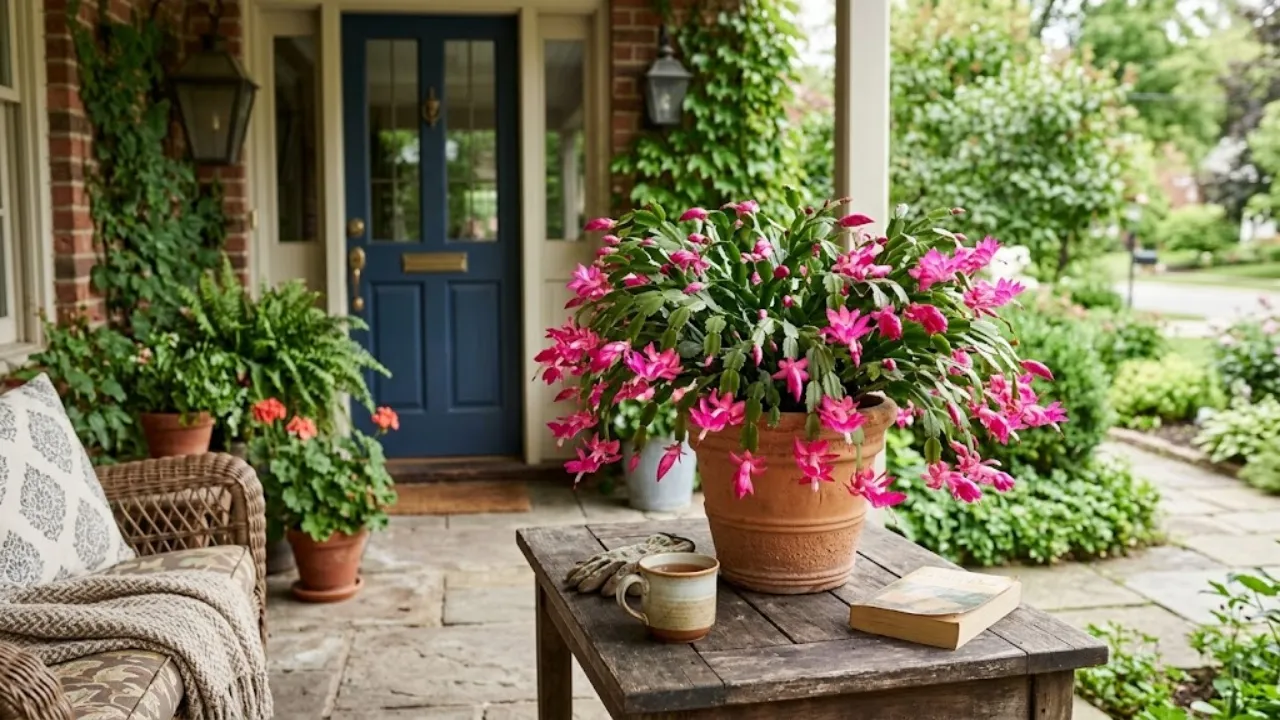
Kapanlagi.com - Cacti that do not look like typical cacti can be an interesting choice for you who want to have ornamental plants with a different appearance. While cacti are usually associated with round, upright stems, and full of spines, some types actually have trailing, flat shapes, or resemble shrub plants.
Interestingly, cacti that do not look like typical cacti come in a variety of shapes. Some have stems that look like leaves, grow sprawling, and even have true leaves. Because of their unique appearance, these plants can create a different atmosphere when placed on a terrace, balcony, or inside the house.
For those of you who are tired of the same old cactus shapes, cacti that do not look like typical cacti deserve a spot on your collection list. Besides having a unique appearance, some types can also produce beautiful flowers, making them even more appealing as ornamental plants.
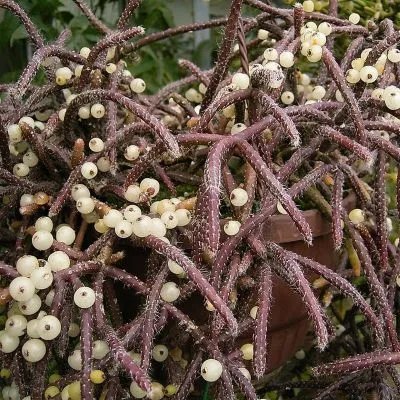
Rhipsalis. (Photo: Wikimedia Commons)
Rhipsalis is a type of cactus that does not look like common cacti because it has slender stems that grow elongated and droop like a climbing plant. This plant does not exhibit the upright spiny form that is typically associated with cacti. Its stems can drape from pots or baskets, making it suitable as a hanging ornamental plant to beautify terraces or indoor areas.
Schlumbergera, or Christmas cactus, has a quite different appearance from common cacti. Its stems are flat and composed of many interconnected segments, while its flowers can appear in bright colors. This characteristic makes it attractive as an ornamental plant, especially when in bloom, producing a more decorative appearance.
Hatiora salicornioides is a cactus that does not look like common cacti because its stems are made up of small segments resembling twigs or a series of tiny bottles. Its growth can form a rather lush clump with curved or drooping stems. This unique shape makes it look more like a branching succulent than a cactus as one might typically imagine.
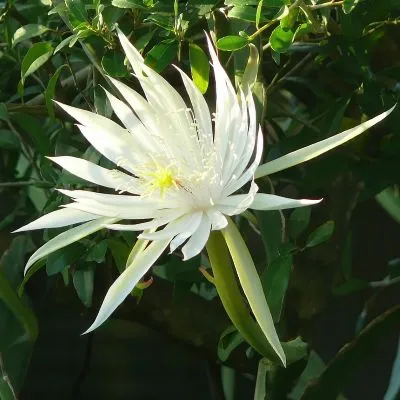
Epiphyllum. (Photo: Wikimedia Commons)
Epiphyllum has flat, elongated stems that somewhat resemble leaves rather than cactus stems. Its wide and drooping shape makes this plant look different when placed in a pot. Because its appearance is not identical to spiny cacti, Epiphyllum can be an interesting choice for those who want to collect cacti that do not look like typical cacti.
Selenicereus undatus, known as the dragon fruit plant, is also part of the cactus group with an unusual appearance. Its stems grow elongated, have several sides or ribs, and tend to climb and trail with the help of supports. Instead of being round or upright like desert cacti, this plant has growth that resembles climbing plants.
Pereskia is one example of a cactus that does not look like typical cacti because it has true leaves that are clearly visible. This plant can grow resembling a shrub or woody plant with a more upright and branching stem. The presence of leaves makes Pereskia seem more easily mistaken for an ordinary plant than a member of the cactus family.
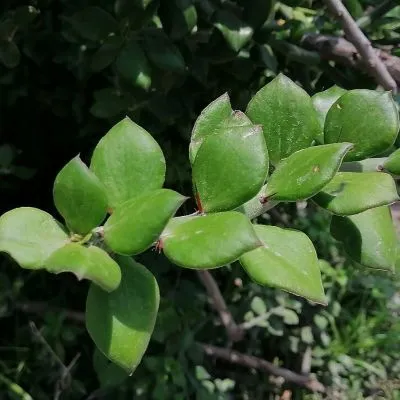
Pereskiopsis. (Photo: Wikimedia Commons)
Pereskiopsis also has a rather unique appearance because it produces clear leaves on its stems. This plant has relatively slender stems and a growth pattern that resembles a small shrub rather than round or columnar cacti. Because it has true leaves, Pereskiopsis is an interesting example of a cactus that does not look like typical cacti.
Ariocarpus has a low body shape and tends to blend in with the ground surface. Some of its species have triangular or rock-like protrusions, making them appear like succulent plants or small rocks at first glance. The spines that are characteristic of many cacti are also greatly reduced in this plant, further distinguishing its appearance.
Astrophytum myriostigma has a round to somewhat elongated body with ribbed surfaces that can create a silhouette resembling a star when viewed from above. This plant is also known to have areoles with very few or even no spines visible on some individuals. Its symmetrical and unique shape makes it suitable to be included in the list of cacti that do not look like typical cacti.
What is meant by cacti that do not look like typical cacti?
Cacti that do not look like typical cacti are types of cacti that have a different appearance from the usual image of cacti, which are typically round or upright and spiny. Some types actually grow hanging, flat, climbing, or even have leaves.
Are uniquely shaped cacti still part of the cactus family?
Yes, even though their appearance is different, these plants still belong to the Cactaceae family as long as they have the appropriate botanical characteristics. The body shapes and growth habits are indeed very diverse within the cactus group.
What are some examples of cacti with unusual shapes?
Some examples include Rhipsalis that grows hanging, Schlumbergera with flat segmented stems, Epiphyllum that has stems resembling leaves, and Pereskia that has true leaves.
Are uniquely shaped cacti difficult to care for?
Not always. The level of care depends on the type, as light, water, growing medium, and humidity needs can vary. It is best to understand the plant's characteristics before determining its location and watering pattern.
Why are cacti with unusual shapes interesting to use as ornamental plants?
Their different shapes can provide variety to the plant collection at home. These cacti can also serve as attractive decorations because they have growth characteristics, colors, or flowers that are not always found in conventionally shaped cacti.
(kpl/sel)
Cobain For You Page (FYP) Yang kamu suka ada di sini,
lihat isinya
Check out 8 items that should not be placed near the refrigerator to keep the cooling performance optimal and avoid the risk of damage from the start.
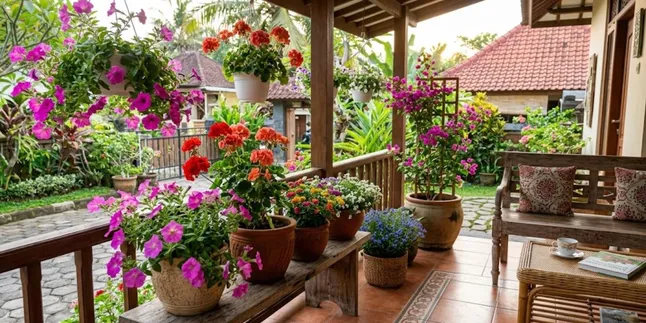
Small flowering ornamental plants that are easy to care for and make the terrace more beautiful can be a choice to bring a fresh atmosphere without needing much space.

Learn how to easily clean the headset jack using simple tools to keep the audio clear and durable.
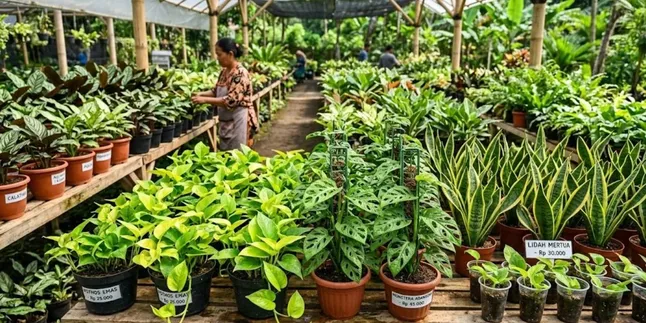
Ornamental plants that are easy to propagate for sale can be a choice for beginners who want to start a plant business from home.
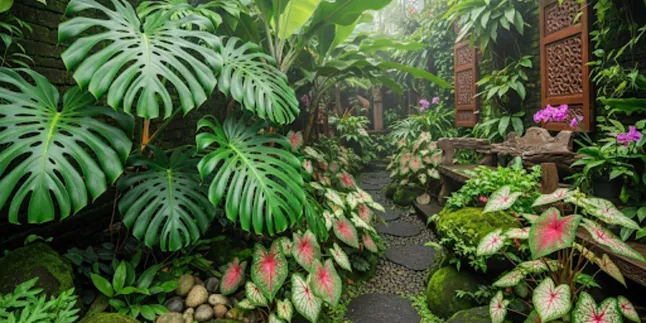
Want your home to look luxurious without the hassle? Discover a range of decorative plants with an exclusive appearance that are surprisingly easy to care for, perfect for beginners and a modern lifestyle.
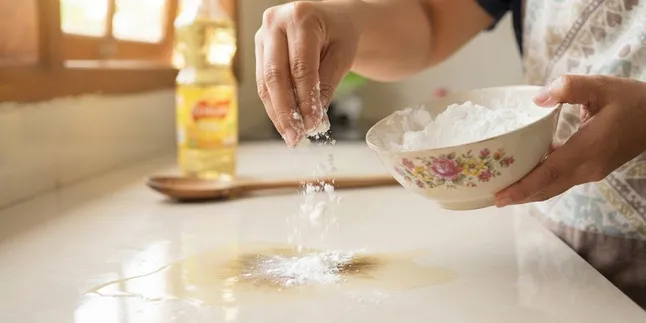
Clean stubborn oil stains at home easily using cornstarch! Check out these 7 practical and effective methods.
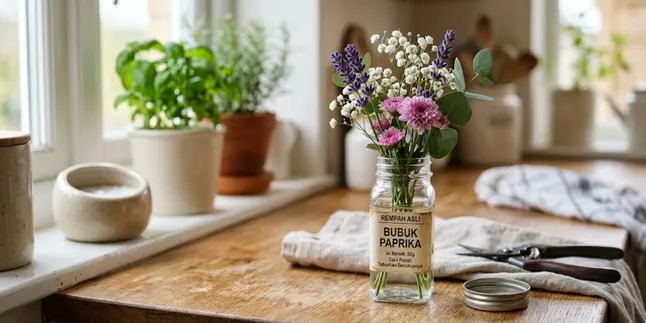
Don't rush to throw away used spice jars; they can be transformed into useful items, ranging from daily spice containers, mini vases, to DIY aromatherapy candles.
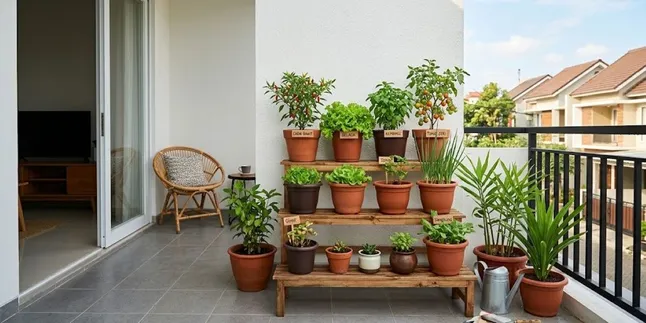
A complete guide to choosing the right pot, from size, material, to aesthetics so that plants thrive and the terrace looks more beautiful.

Confused about choosing the right pants? Find a complete guide to choosing pants according to apple, pear, hourglass, square, and inverted triangle body shapes to appear proportional and confident.

Coconut oil can actually be a lifesaver for stuck zippers! This natural lubricant is effective in reducing friction and restoring the movement of the zipper without damage.

Inspirations for minimalist TV rack models, ranging from space-saving hanging designs to multifunctional ones with hidden drawers.
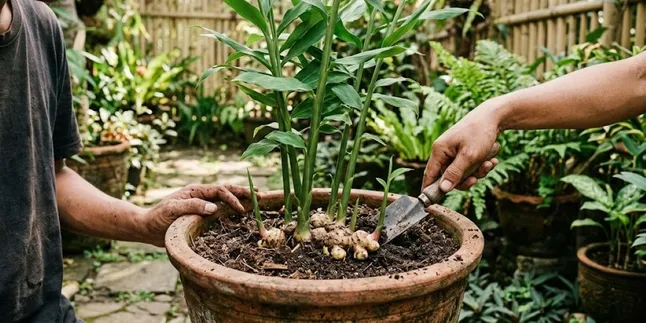
Learn how to care for ginger in pots to grow quickly and be harvested at home. A practical gardening guide for beginners in limited spaces.
