

 Follow
 Rekomendasi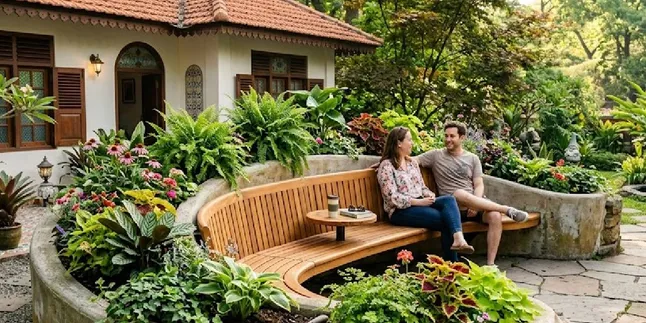
7 Ideas for Garden Benches Integrated with Plant Pots, Making Your Yard Tidier and More Comfortable
Discover 7 inspirations for garden benches integrated with plant pots that are space-saving, aesthetic, and comfortable to beautify your home yard.
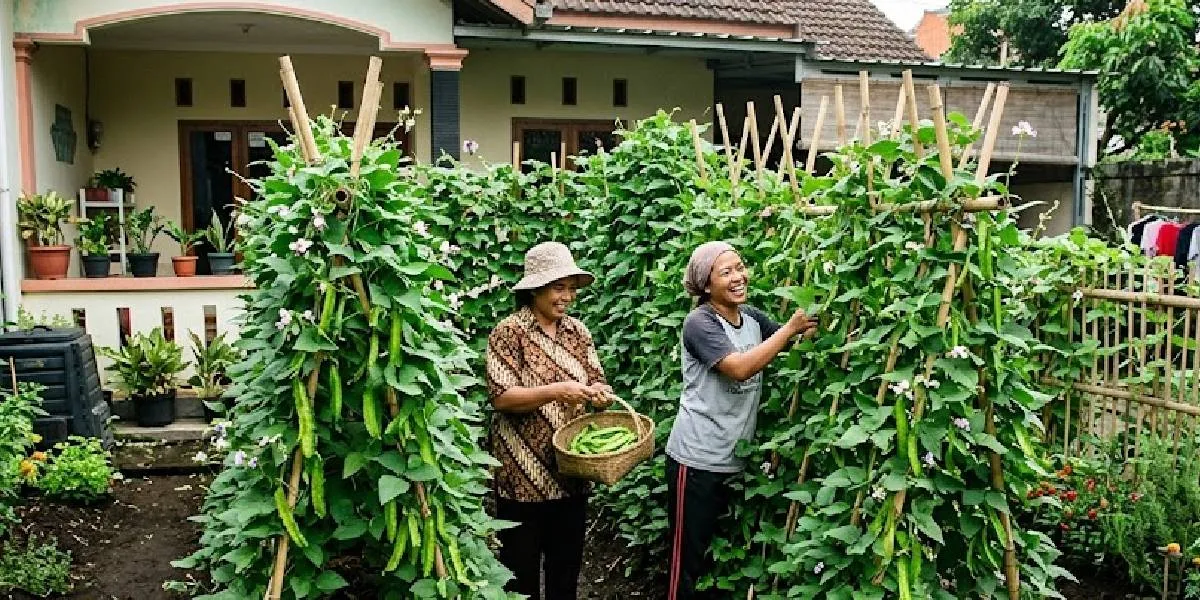
Kapanlagi.com - The empty land around the house is often just filled with weeds or used as a storage place for unused items. In fact, that area can be transformed into a productive kecipir garden that also increases the supply of fresh vegetables for the family.
Kecipir is one of the plants suitable for growing in various types of land because it easily adapts and has many benefits. Almost all parts of the plant can be utilized, from young leaves, flowers, pods, seeds, to the tubers. Kecipir seeds are also known to contain about 29-40 percent protein, making them often referred to as one of the potential sources of plant-based food.
By utilizing fences, walls, and previously unused yards, you can create a simple garden without needing a large area. Here are some inspirations that can be applied at home.
The fence, which usually only serves as a boundary for the yard, can actually be utilized as a natural climbing medium for kecipir plants. This method means you don't need to prepare additional supports because the plant's tendrils will grow following the fence.
To ensure optimal growth, plant kecipir along the fence with a spacing of about 30–50 centimeters between plants. Make sure the location receives direct sunlight for at least six hours every day so that the plants can thrive.
Water regularly and guide the tendrils to climb neatly along the fence. In addition to producing pods of kecipir that can be harvested, this green fence can also provide a fresher look to the front or side area of the house.
Empty wall areas can also be utilized as a vertical garden. You simply need to install wire or netting as a climbing support, and then place pots or planter boxes at the bottom of the wall.
Use planting containers with a diameter of about 30–40 centimeters that have a good drainage system. Fill them with a mixture of loose soil, compost, and rice husks in a ratio of 2:1:1 to ensure the plants' nutritional needs are met.
This vertical garden concept not only saves space but also makes the walls of the house look greener while helping to create a cooler atmosphere.
Narrow land beside the house can still be utilized for planting kecipir by creating an A-frame trellis from bamboo or wood. This structure, about 2–3 meters tall, allows the plants to climb to the top, forming a neat green corridor.
Kecipir seeds are planted on both sides of the trellis so that the tendrils meet at the top. When the plants start to bear fruit, the pods will hang below the frame, making them easier to pick when harvest time comes.
In addition to facilitating maintenance, this type of trellis can also create a shaded area that can be used as a relaxing corner in the yard.
For those without land, vertical areas on the terrace or balcony can also be transformed into a kecipir garden. One way to do this is by using tiered hanging pots as planting media.
Since kecipir has a climbing character, the tendrils will grow down and form a natural green curtain. This appearance makes the balcony or terrace feel more alive without requiring much space.
Hanging pots tend to lose moisture more quickly compared to pots placed on the ground. Therefore, watering needs to be done more frequently, and ensure that each pot has drainage holes to prevent water from pooling and causing root rot.
If the soil conditions in the yard are less fertile, planting kecipir using large polybags can be a practical choice. Use polybags with a diameter of at least 30–40 centimeters to ensure adequate root growth space.
Growing media can be made from a mixture of soil, compost, and rice husk in a balanced ratio. This method makes it easier for you to control the quality of the media so that the plants receive the necessary nutrients from the start of their growth.
Don’t forget to install bamboo stakes as support from the time the seedlings are planted. This step is important so that the roots are not disturbed when the plants start to produce tendrils and need space to climb.
A vacant area behind the house that feels hot can be utilized by building a mini pergola from bamboo. Once the frame is completed, plant kecipir at each post so that its tendrils can climb and cover the top of the pergola.
As it grows, the plants will form natural shade that makes the area beneath it feel cooler. In addition to being a relaxing spot, this pergola will also produce kecipir pods that can be harvested periodically.
To keep its growth maintained, perform regular pruning. This method helps maintain the shape of the plants while also stimulating the emergence of new shoots that will eventually produce more pods.
If you have a larger area beside or behind the house, you can also create a combination garden. Make kecipir the main climbing plant on trellises, and then utilize the space underneath to plant chili or other shorter vegetables.
This planting system allows every part of the land to be maximally utilized. Additionally, the garden will look neater because each type of plant has its own growing space.
Kecipir is also known to be capable of fixing nitrogen from the air, thus helping to improve soil fertility. This characteristic makes this plant suitable for cultivation in areas where soil quality is not very good while keeping the planting area productive.
Planting kecipir from seeds does not require complicated steps. The seeds should be soaked first in warm water for about 6–12 hours before being planted 2–3 centimeters deep in the prepared growing medium.
In suitable conditions, the seeds generally start to germinate after 5–7 days. As the plants begin to grow, prepare stakes or trellises about 1.5–2 meters high so that the vines can develop well.
Daily care is also relatively simple. Watering can be done 1–2 times a day depending on the weather conditions, then add NPK fertilizer when the plants are about 2–3 weeks old. The vines that start to elongate should be directed to the trellis for more orderly growth.
Kecipir usually starts to produce fruit at around two months of age. The first harvest can generally be done when the plants are 3–3.5 months old, and subsequent harvests can be done every 2–3 days during the productive period of about 3–4 months.
In addition to being easy to cultivate, almost all parts of the kecipir plant can be utilized as food ingredients. Young pods are the most commonly consumed part, while young leaves, flowers, seeds, and even the tubers can also be processed into various types of food.
Kecipir is a plant that can grow well in both lowland and highland areas. This plant tends to thrive more optimally in relatively dry climates, making it a popular choice to plant at the beginning of the dry season.
This adaptability makes kecipir suitable for cultivation in various home garden conditions. With regular watering, fertilization as needed, and adequate climbing media, this plant can grow productively even when planted in previously unused land.
In addition to fulfilling the family's vegetable needs, kecipir also has potential as a commodity with economic value. The price at the farmer level can reach around Rp11,000 per kilogram, while in the market it ranges from Rp15,000 to Rp18,000 per kilogram.
Utilizing vacant land to plant kecipir does not always require a large area. House fences, empty walls, balconies, terraces, and backyards can be adapted to the garden concept that best suits the living conditions.
By choosing the right planting method and performing regular maintenance, previously neglected land can be transformed into a productive garden that provides nutritious vegetables while also beautifying the home environment.
(kpl/mda)
Cobain For You Page (FYP) Yang kamu suka ada di sini,
lihat isinya
Discover 7 inspirations for garden benches integrated with plant pots that are space-saving, aesthetic, and comfortable to beautify your home yard.
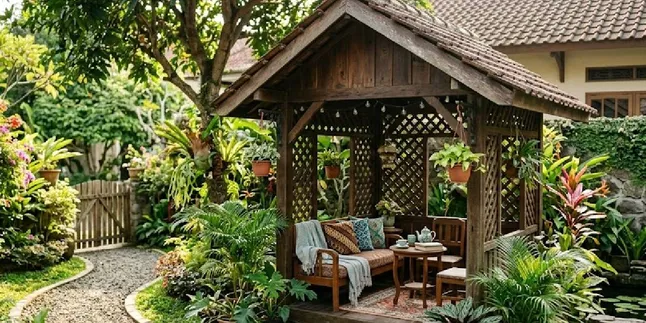
Inspiration for mini gazebos for backyards with various concepts, complete with tips for choosing designs and materials that suit the needs of the home.
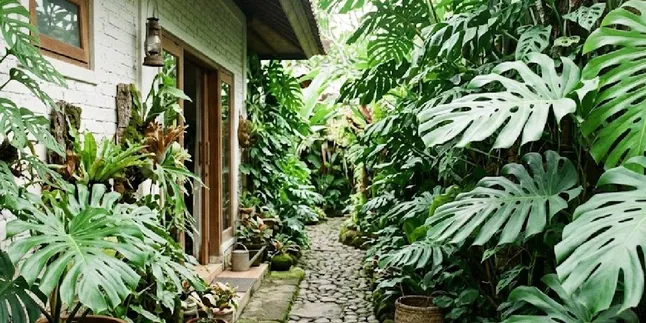
Inspirations for a Monstera garden in the side corridor of the house that combines tropical elements, natural materials, and simple arrangements to make the narrow area feel more alive.
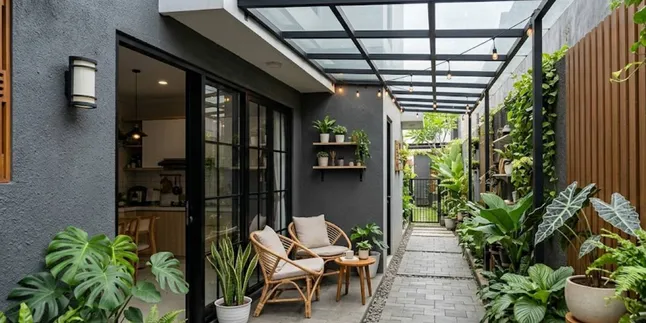
Minimalist canopy inspiration for narrow side yards with various material and design options that help keep the area bright, shaded, and comfortable to use.
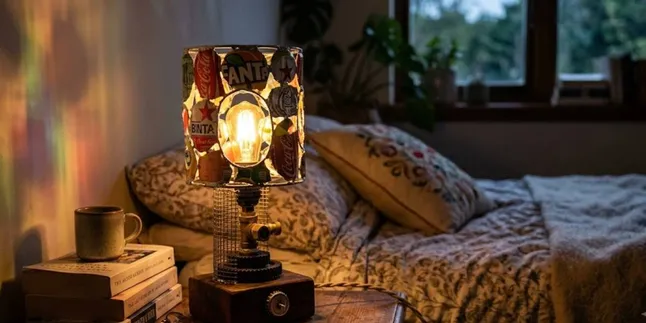
Transform jars or used bottles into aesthetic DIY night lights. Check out the benefits, preparations, and initial steps to create them with costs starting from tens of thousands of rupiah.
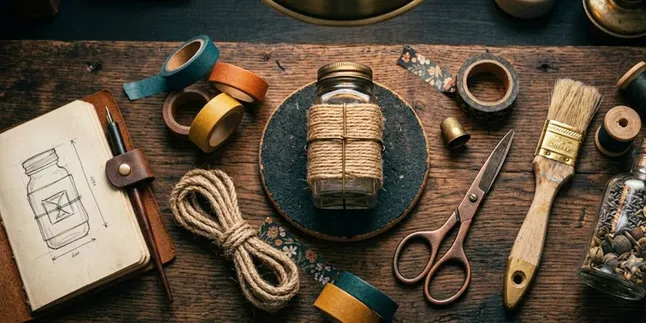
Transforming used items into a piggy bank not only helps reduce waste but can also serve as a learning medium for saving and a small home business opportunity.
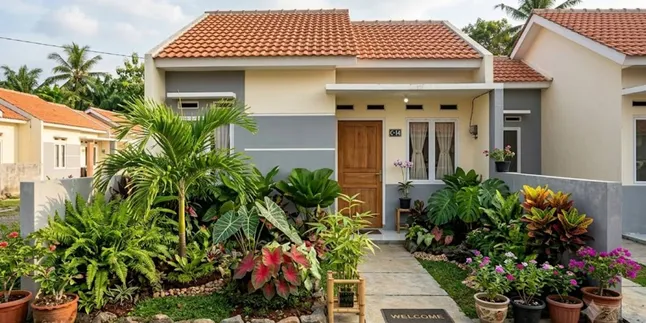
Mini tropical garden ideas for subsidized homes with pots, coral stones, tiered racks, and hanging pots to keep narrow yards neat and comfortable.

A pencil case made from used bottles can be created with a budget starting from Rp20 thousand using various simple techniques. Check out the materials, steps, and opportunities to sell the results.

Recommendations for the best high-rated action anime with stories of warfare, supernatural elements, and fantasy adventures like ATTACK ON TITAN and JUJUTSU KAISEN.

Recommendations for school thriller dramas with gripping stories, ranging from zombie outbreaks, deadly games, criminal cases, to bullying conflicts.

Recommendations for Chinese Romcom movies featuring love stories, comedy, family, and life journeys from various story backgrounds.

Recommendations for Korean dramas about the love story of a widower and a young woman, featuring family stories, background differences, and slowly developing relationships.
