

 Follow
 Rekomendasi
11 Dramas about Quiet Students Who Actually Keep Secrets, Exciting and Thrilling
Explore a series of dramas about quiet students who actually hold big secrets, ready to be an exciting watch during your free time.
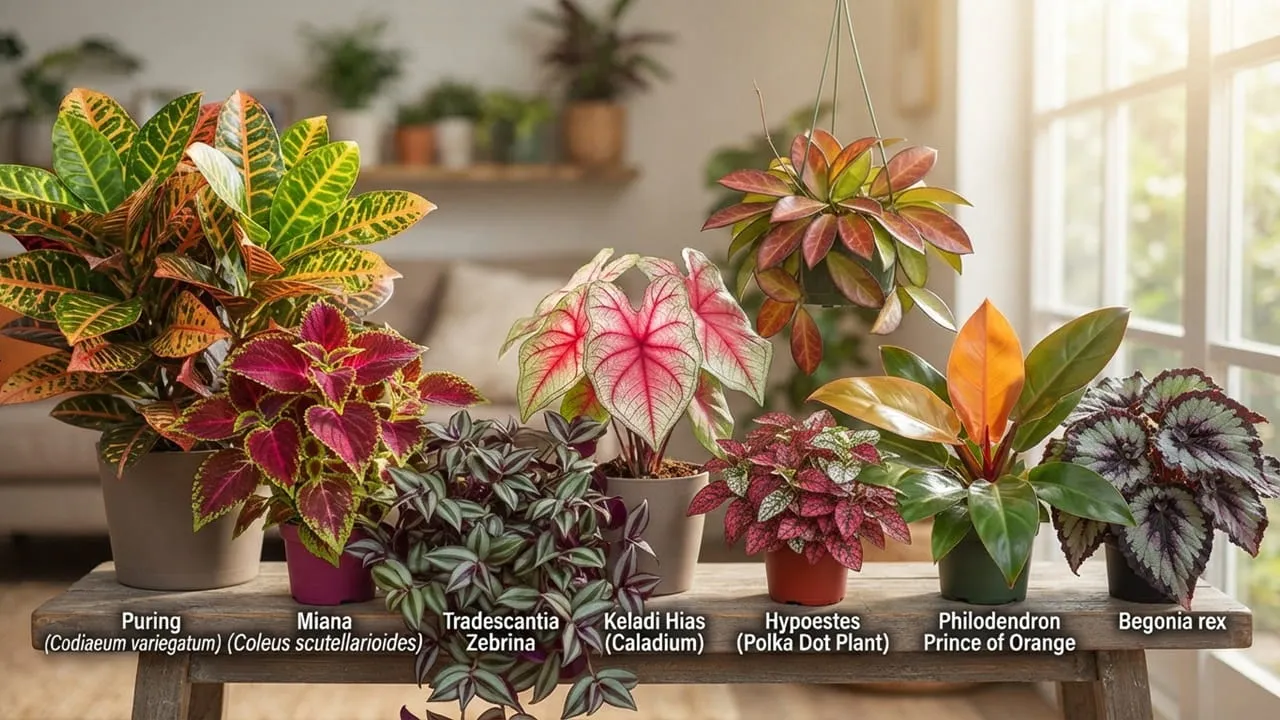
Scientifically, the change or enhancement of leaf color occurs due to a complex biological process involving chlorophyll adjustment and an increase in the plant's natural pigments, particularly anthocyanins and carotenoids. Chlorophyll is responsible for the green color and the process of photosynthesis. However, when plants are exposed to strong sunlight or experience light stress (sun stress), the production of anthocyanin pigments (which produce red, purple, or blue colors) will increase rapidly as a natural protection against excess ultraviolet radiation. Conversely, carotenoids give a yellow to orange hue when chlorophyll levels begin to decrease.
Collecting ornamental plants whose leaves change color when exposed to light provides a very dynamic gardening experience as their appearance continues to evolve over time. In this article, we will comprehensively review various popular varieties of ornamental plants that have enchanting color responses to lighting.
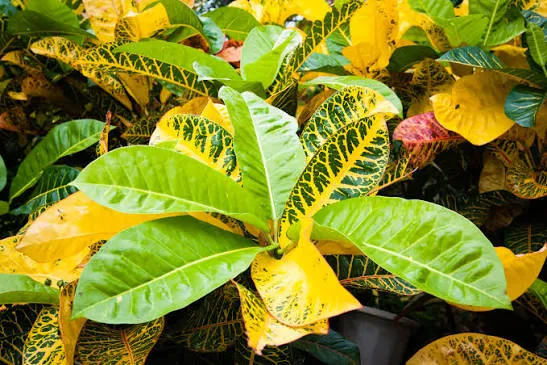
Puring (Codiaeum variegatum / Croton). Photo: Wikimedia Commons
Croton is one of the most famous ornamental plants with a rich variety of leaf patterns and color combinations. This plant can display a combination of green, yellow, orange, red, and even purple in a single leaf.
The influence of light intensity is very significant on the appearance of croton. When placed in an outdoor area that receives direct and bright sunlight, the anthocyanin and carotenoid pigments in its leaves will increase rapidly. This results in very bright, dense, and vibrant leaf colors. Conversely, if this plant is placed in a low-light or shady area, its colors will fade, and the leaves tend to revert to plain green.
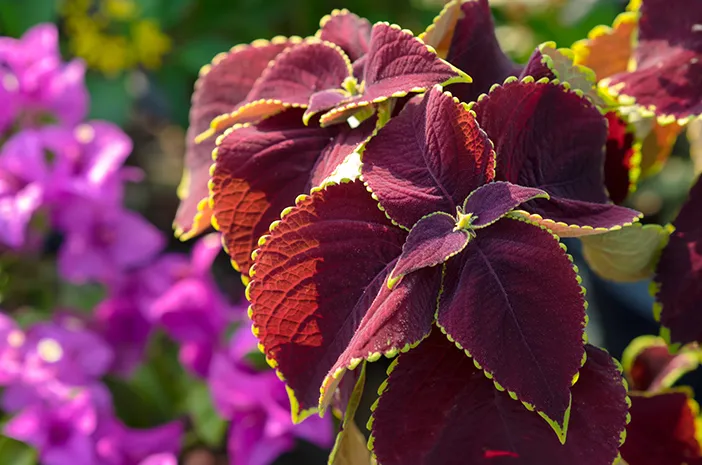
Miana or Coleus (Coleus scutellarioides). Photo: tangerangkab.go.id
Miana is widely known for its highly diverse and vibrant leaf patterns, ranging from lime green, maroon, purple, to golden yellow. Its characteristic of being easy to grow makes it a favorite choice for pot decoration and garden partitions.
The color changes in miana are directly triggered by the level of sunlight exposure it receives. When it receives enough sunlight, the red, magenta, or purple colors in the miana leaves will emerge sharply, brightly, and densely. If placed in a location that is too shady or in a dark room, its color pigments will diminish and the dominant leaves will turn duller or greener.
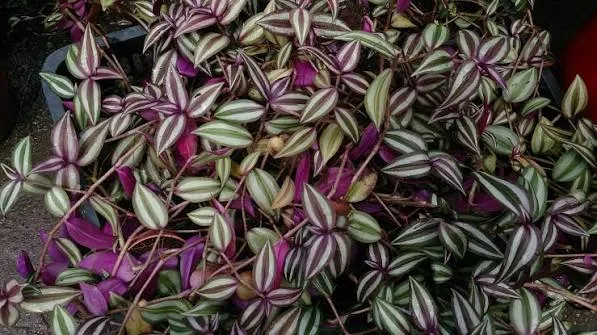
Tradescantia Zebrina (Purple Inch Plant). Photo: Wikimedia Commons
Tradescantia zebrina is a unique climbing ornamental plant with shiny metallic leaves. The upper surface of its leaves is adorned with silver-green and purple stripes, while the underside of the leaves is a deep dark purple.
This plant's response to morning sunlight or bright indirect light is impressive. Sufficient light makes the purple color and its silver accents appear more vibrant, bold, and contrasting. Conversely, if placed in an area with too much shade or darkness, the captivating purple color will fade to a grayish-green.
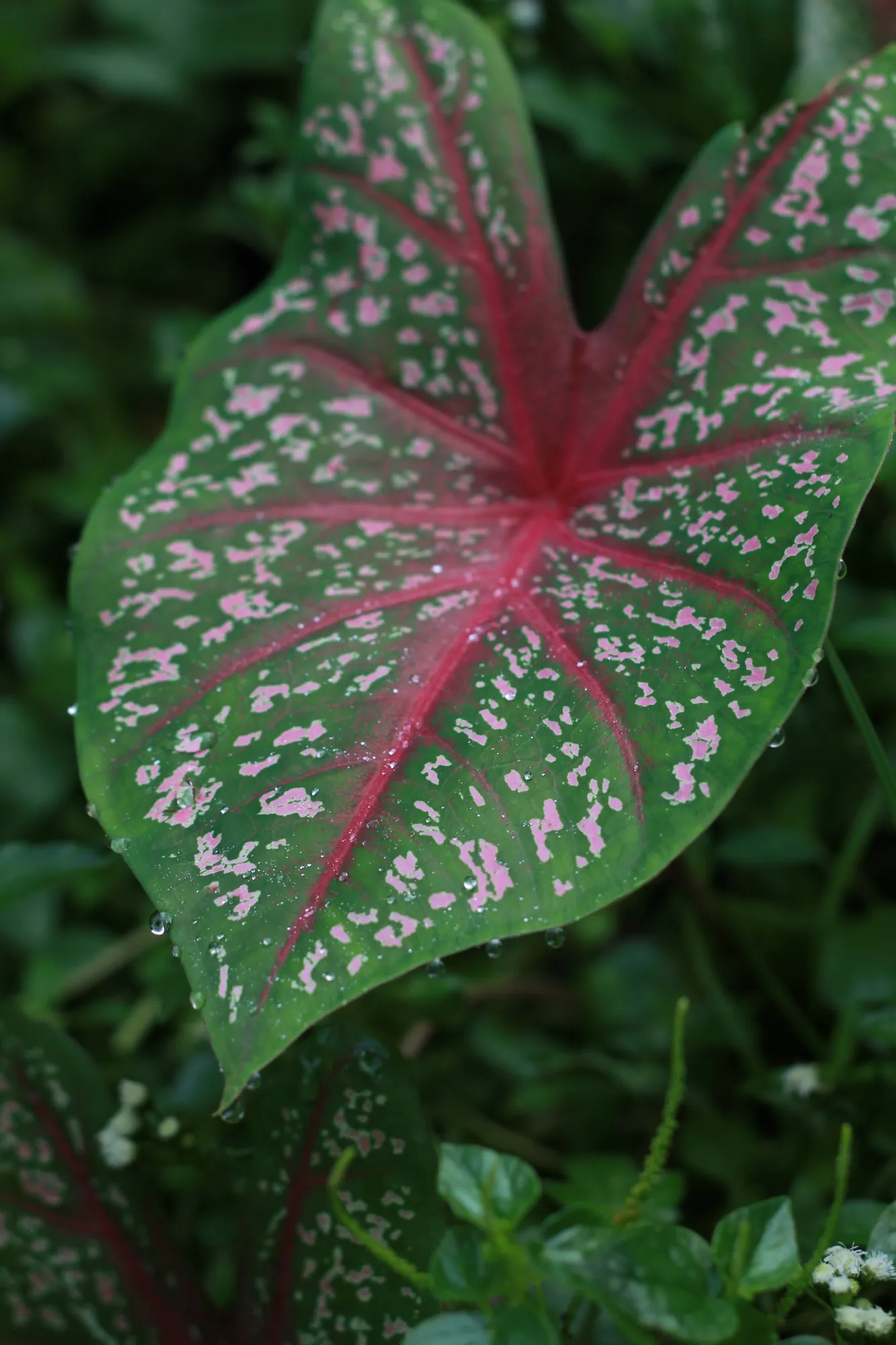
Ornamental Taro (Caladium). Photo: Wikimedia Commons
Ornamental caladium is very captivating to plant lovers due to its heart-shaped leaves and a combination of white, pink, and dark red patterns.
To bring out and maintain the bright red or pink color, ornamental caladium requires adequate bright lighting. Increased lighting will enhance the intensity of the pink and red colors on the leaf surface. However, it is important to note that while they enjoy bright indirect light, direct exposure to harsh sunlight must be avoided to prevent the leaves from burning.
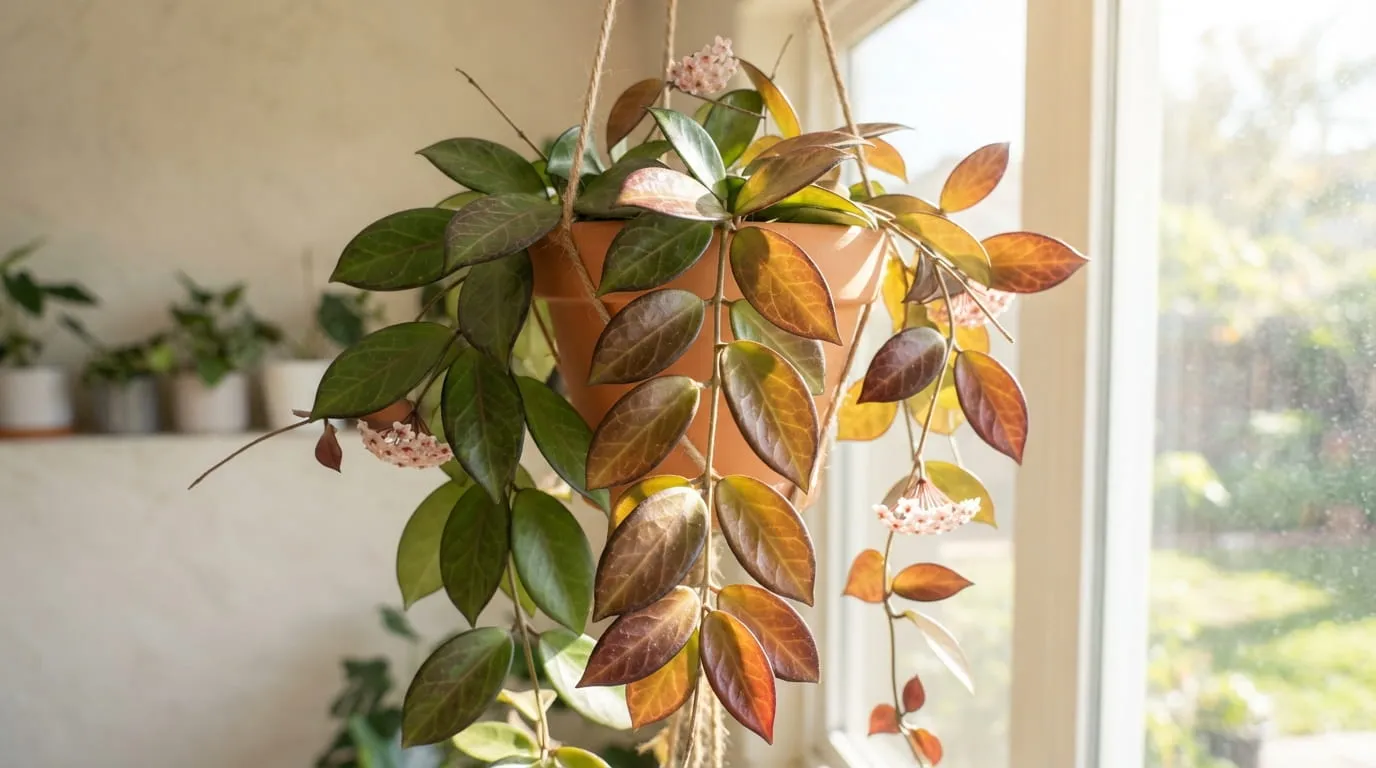
Hoya 'Sunrise' (Wax Plant). Photo: AI Generated
Hoya 'Sunrise' is one of the most sought-after cultivars of hanging ornamental plants from the Hoya family due to the phenomenon of sun stress that is very dramatic. Its stiff, waxy leaves can undergo significant changes in appearance when exposed to light.
When placed in an area with stronger than usual sunlight intensity, this plant produces anthocyanin pigments as a defense mechanism. As a result, the edges to the entire surface of the leaves, which were originally green, will change to a reddish or very exotic golden bronze color.
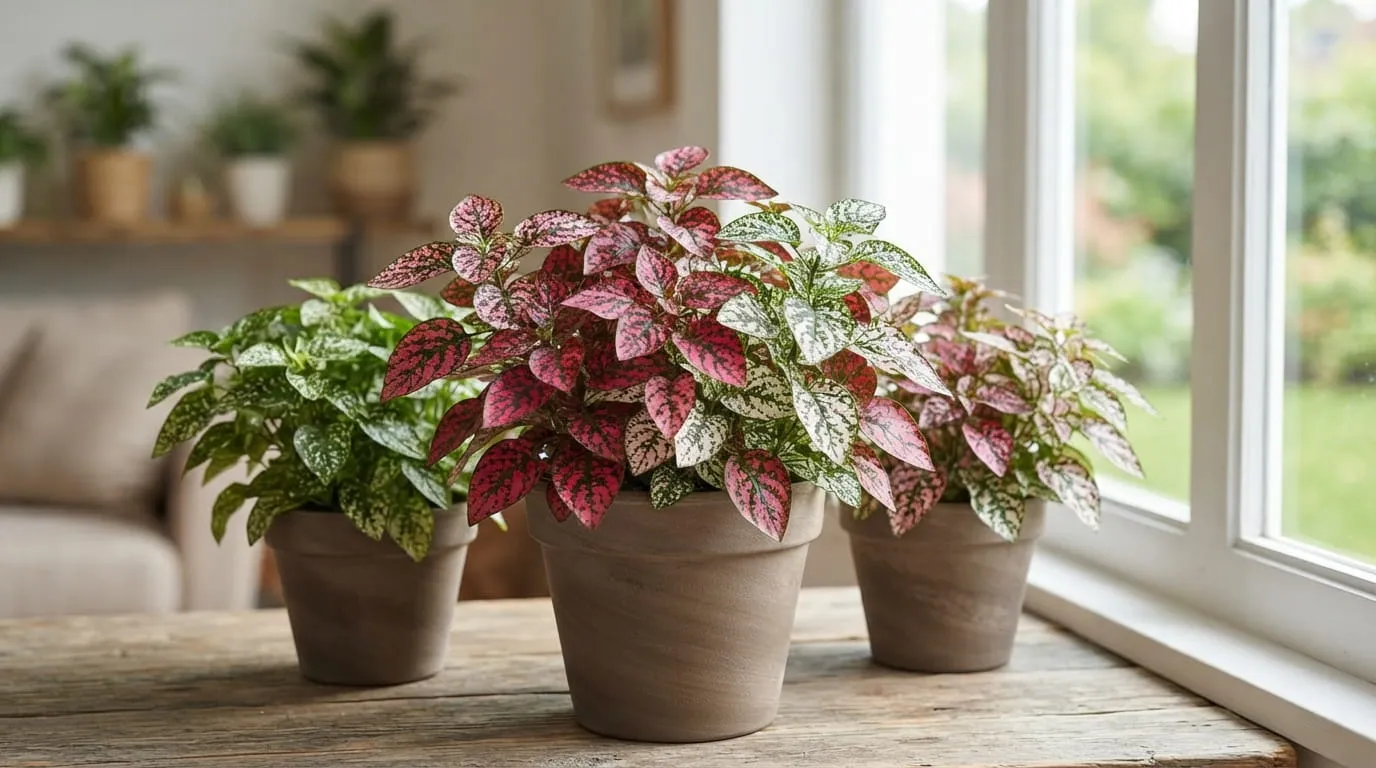
Hypoestes (Polka Dot Plant). Photo: AI Generated
This small ornamental plant has the uniqueness of spots or patterns that are widely scattered across the surface of its leaves. The color of the spots varies between pink, white, and dark red.
High light intensity is the main trigger for the emergence of contrasting pattern colors on Hypoestes. Under bright natural light exposure, the colored spots will appear clear, sharp, and captivating. If there is a lack of lighting, the colored spots will gradually disappear, making the leaves appear dominated by green.
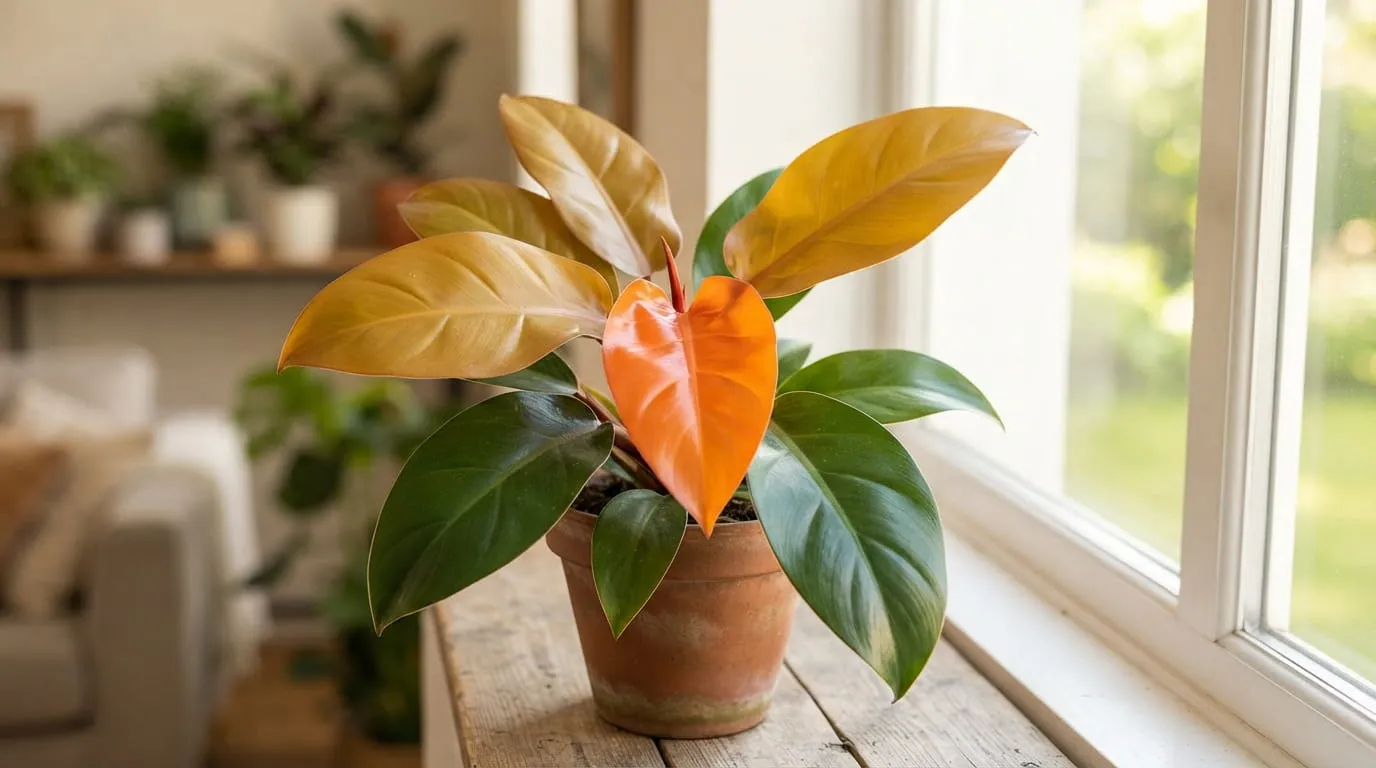
Philodendron Prince of Orange. Photo: AI Generated
Philodendron Prince of Orange is a popular ornamental plant that presents leaf colors that gradually change following the growth phase and light reception.
When new leaf blades emerge, the young leaves will display striking bright orange colors. As the leaves age and interact with bright indirect sunlight, the orange color transitions to copper yellow before eventually developing into shiny dark green. Bright lighting is essential for the orange hue in its young leaves to fully express.
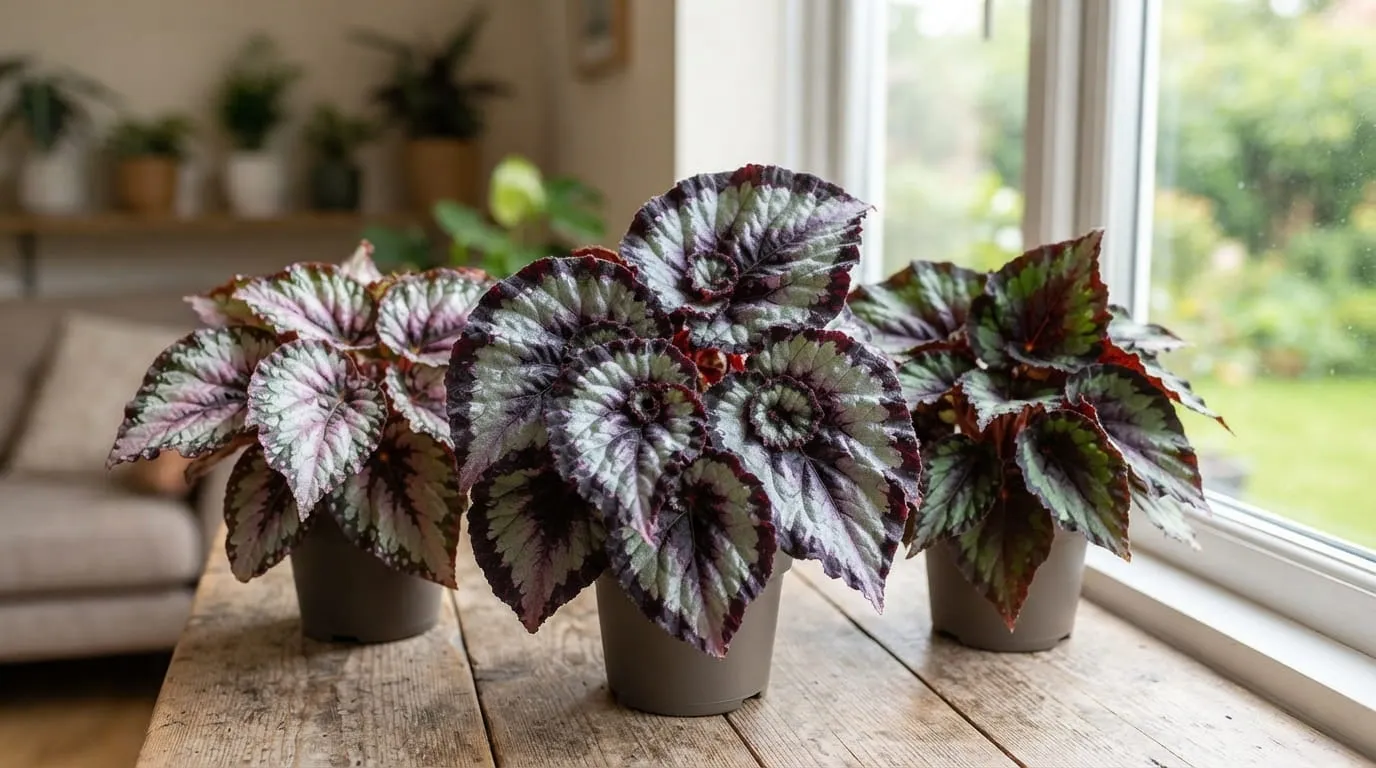
Begonia rex. Photo: AI Generated
Begonia rex is classified as an ornamental plant with very artistic leaves featuring various textures and a combination of silver, green, red, and dark purple hues.
The color and sheen of Begonia rex leaves are greatly influenced by the level of lighting in which it is placed. Exposure to bright indirect light helps activate the color pigments in its leaf patterns, making the silver and purple designs appear more contrasting and luxurious. Placement in too dark an area will reduce the intensity of its characteristic sheen.
Q: Why do the leaves of ornamental plants change color to red or purple when exposed to sunlight?
A: The color change to red or purple occurs due to an increase in anthocyanin pigments. This pigment is produced by the plant as a natural protective mechanism (sun stress) against excessive radiation from strong sunlight exposure.
Q: Can all plants that change color due to light be watered directly under the scorching sun?
A: It is not recommended. Most variegated leaf plants require bright but indirect sunlight. Exposure to excessive direct sunlight can cause the leaf surface to become scorched or burned.
Q: How can I restore the faded leaf color back to green?
A: You can move the pot to an area that receives brighter natural lighting, provide balanced NPK fertilizer, and prune old leaves to encourage the growth of new, more colorful leaves.
(kpl/mab)
Cobain For You Page (FYP) Yang kamu suka ada di sini,
lihat isinya
Explore a series of dramas about quiet students who actually hold big secrets, ready to be an exciting watch during your free time.

8 Korean dramas about missing persons with investigations full of mystery, conspiracy, and surprises that keep you curious.
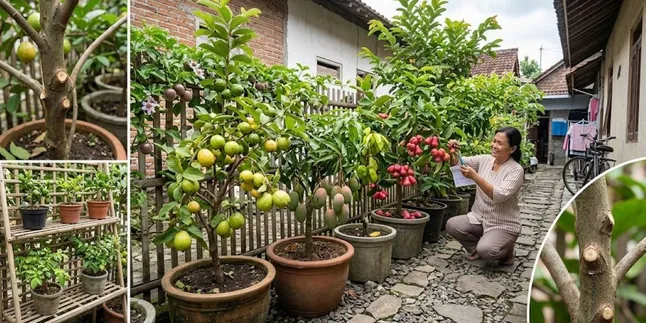
Realize your dream garden in limited space. Learn how to dwarf tall fruit plants so they remain fruitful and productive. Discover techniques, superior varieties, and care tips.

A collection of films about remote villages that hold mysteries and become eerie after sunset. Check out the recommendations here.
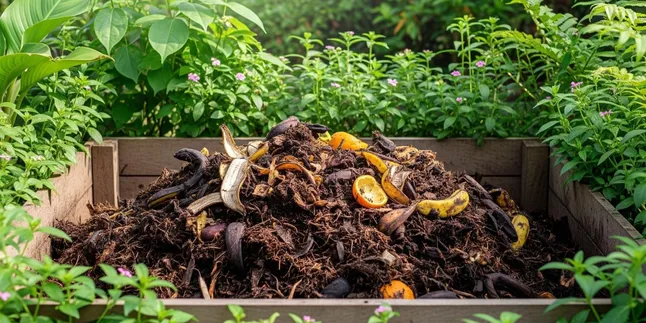
How to make fertilizer from fruit waste in the kitchen is a practical solution to nourish plants while reducing household waste.

Learn how to easily clean the headset jack using simple tools to keep the audio clear and durable.

From Lilo & Stitch to The Mighty Ducks: Game Changers, Disney has successfully presented spin-off series that continue the stories of beloved films. Discover new adventures of iconic characters here.
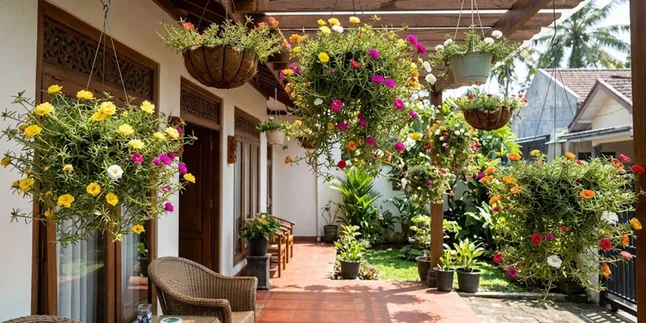
Hanging plants can reduce the scorching impression on the terrace while beautifying the home. Choose heat-resistant types such as Purslane, Petunia, Lantana, and Millions Bells.
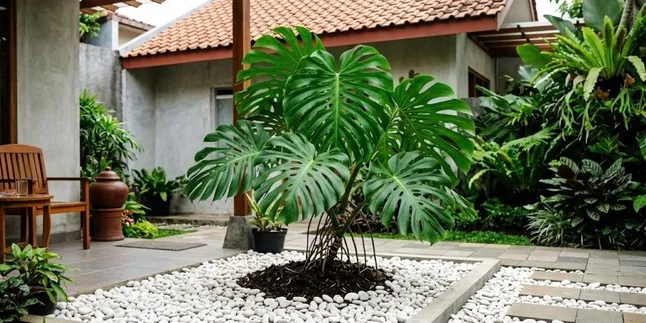
Create an oasis at home with plants that are suitable to combine with coral stones in the garden. The combination of green colors and natural stones is refreshing.

Dive into the world of series that reveal dark secrets and hidden mysteries behind the tranquility of villages.

Looking for movies about apartment dwellers with their own secrets? Check out these 6 exciting recommendations that you must add to your watchlist.

Do you enjoy family dramas full of conflict? Check out 5 series about siblings who reunite after their parents pass away.
