

 Follow
 Rekomendasi
5 Films about Villages That Should Not Be Entered After Sunset, Horror and Tension
A collection of films about remote villages that hold mysteries and become eerie after sunset. Check out the recommendations here.
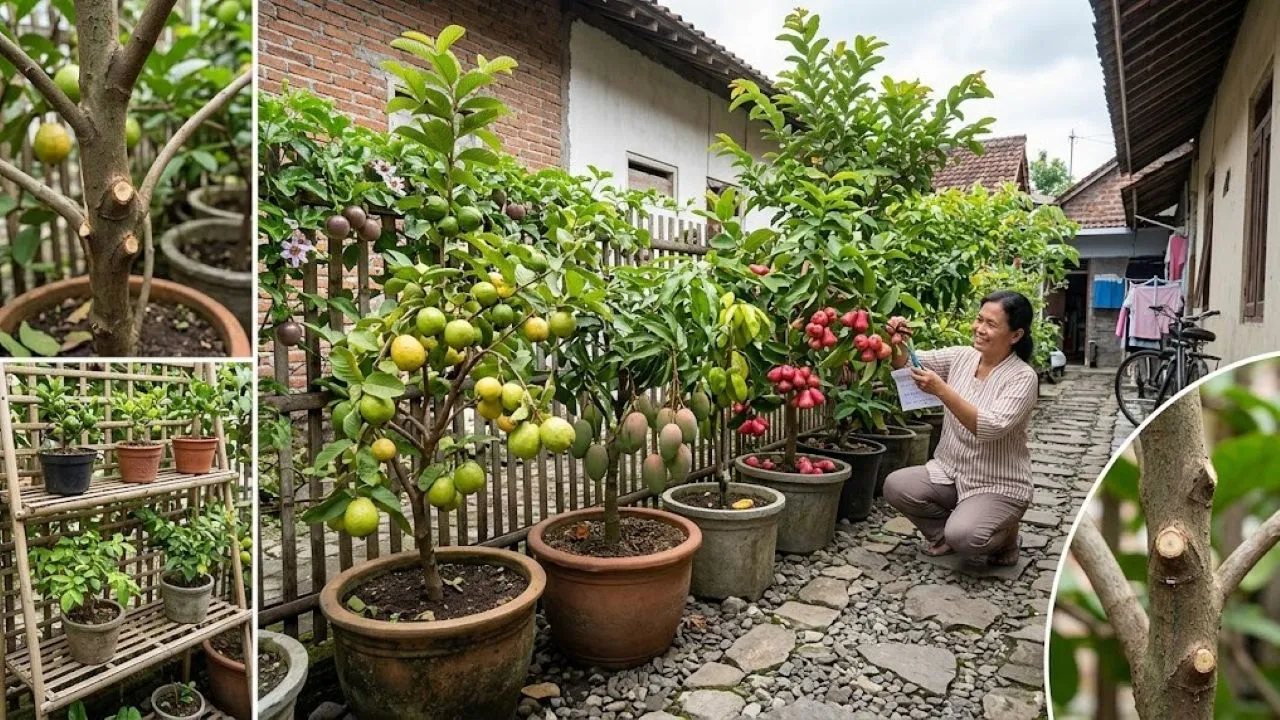
Kapanlagi.com - Having a green yard is the dream of many plant lovers. The term tall fruit plants that can be dwarfed and still produce lots of fruit is now attracting the attention of home gardening enthusiasts. This concept offers a solution for landowners with limited space, allowing them to enjoy fresh harvests from around their homes.
Many people are starting to seek information about tall fruit plants that can be dwarfed and still produce lots of fruit for their personal gardens. This method helps create compact-sized plants without reducing harvest potential. Various types of fruits such as mangoes, oranges, watermelons, and several other varieties can be developed through canopy shaping techniques.
The existence of tall fruit plants that can be dwarfed and still produce lots of fruit provides inspiration for beginner farmers in various places. This planting system is suitable for modern homes, small yards, and urban areas.
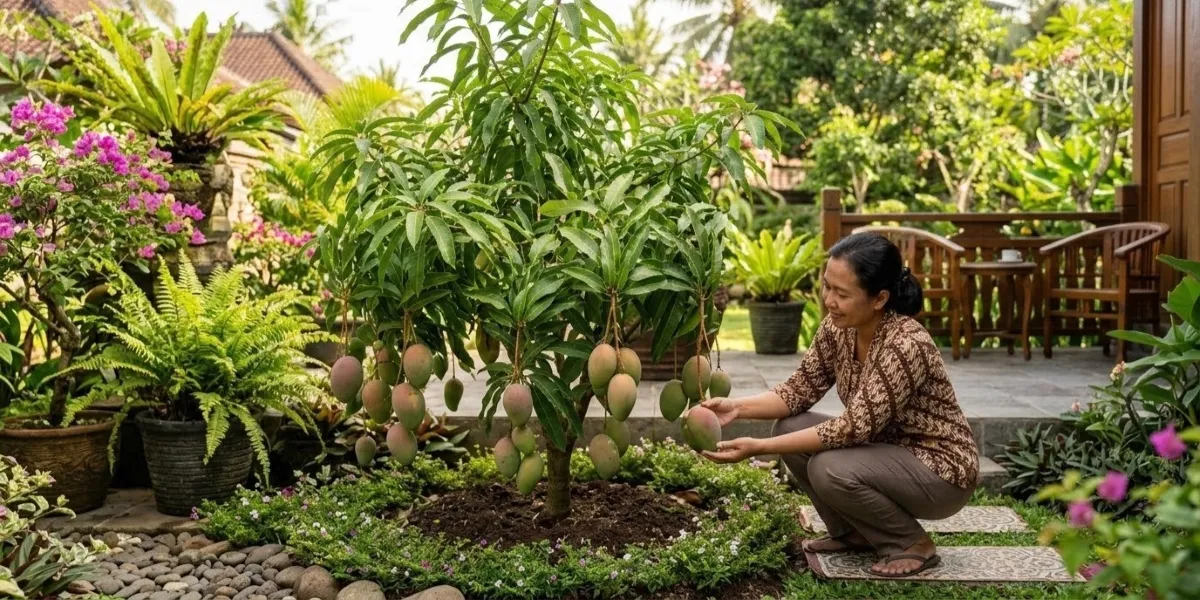
Tall Fruit Plants That Can Be Made Short (AI Generated)
The mango tree is one type of fruit plant that naturally has a very strong growth character and can develop into a large tree with heights reaching dozens of meters if left to grow without regular management or control. Although it has a high growth nature, the mango plant can actually be shaped into a shorter tree through the application of routine pruning techniques that are done correctly, purposefully, and consistently.
This pruning process not only serves to limit the plant's vertical growth but also helps to form a wider, neater, and ideal canopy structure so that all parts of the plant receive sunlight exposure evenly.
Pruning on mango trees is primarily aimed at controlling the growth of branches that are too long or towering upwards, then directing the plant's energy to be more used for forming productive branches that can produce flowers and fruit.
In addition to pruning methods, selecting high-quality mango seedlings from vegetative propagation techniques such as grafting or budding is also an important factor in producing plants that enter the fruiting phase more quickly, have more controlled growth, and are easier to shape according to land needs.
Some types of mangoes that are suitable to be planted in a shorter form include:
Through the application of optimal care, starting from providing balanced nutrition, regulating watering, periodic pruning, to controlling plant disturbances, shorter mango trees can still produce a large quantity of fruit with good quality.
A smaller plant size does not always mean low productivity, as short mango plants are actually easier to care for and monitor, allowing for more optimal fruit formation potential.
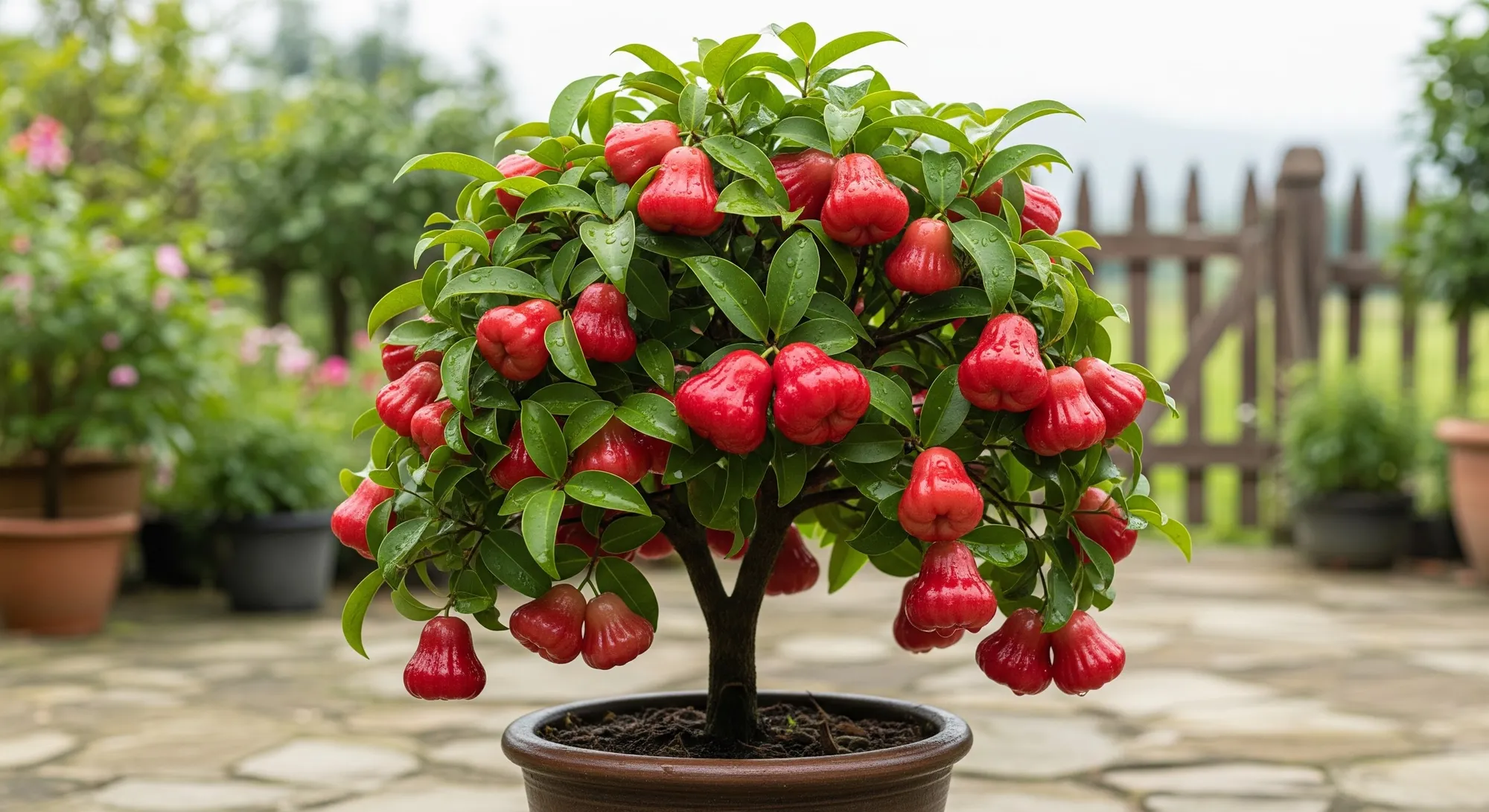
Tall Fruit Plants That Can Be Made Short (AI Generated)
Water apple is one of the fruit plants that has a flexible growth character and is relatively easy to shape into a short-sized tree. This plant has a natural ability to produce many branches, making it very suitable for applying canopy formation techniques through planned pruning.
With good growth management, water apple can be shaped into a more compact, tidy plant while remaining productive even when planted in a limited area.
To ensure the water apple plant can produce fruit optimally, pruning should be done after the harvest period to stimulate the emergence of healthier new shoots that have the potential to produce the next flowers.
Additionally, water apple plants grown in pots can also yield abundant harvests if they receive complete basic needs, such as sufficient sunlight intensity, balanced nutrient-rich fertilizer, and regular watering according to the planting medium and surrounding environment conditions.
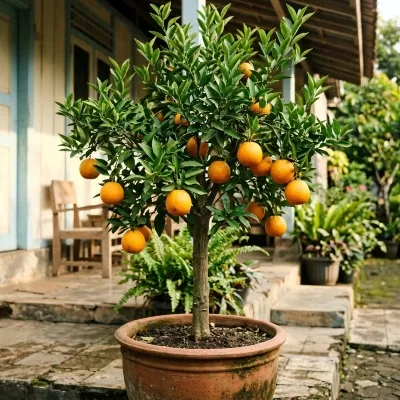
Tall Fruit Plants That Can Be Made Short (AI Generated)
Most types of orange plants have good adaptability to growth control techniques, allowing the height of the plants to be regulated so that they do not grow too tall. Orange plants that come from the grafting method generally have advantages such as shorter growth size, easier control of plant shape, and faster fruiting time compared to orange plants that grow from seeds.
Types of oranges that are suitable to be made short include:
By applying pruning techniques to the main branches as well as irregularly growing branches, orange trees can be shaped like productive shrubs that have a lower structure and are easy to reach during maintenance and harvesting. This form of plant is very beneficial for homeowners because the fruit can be picked more easily without requiring additional tools.
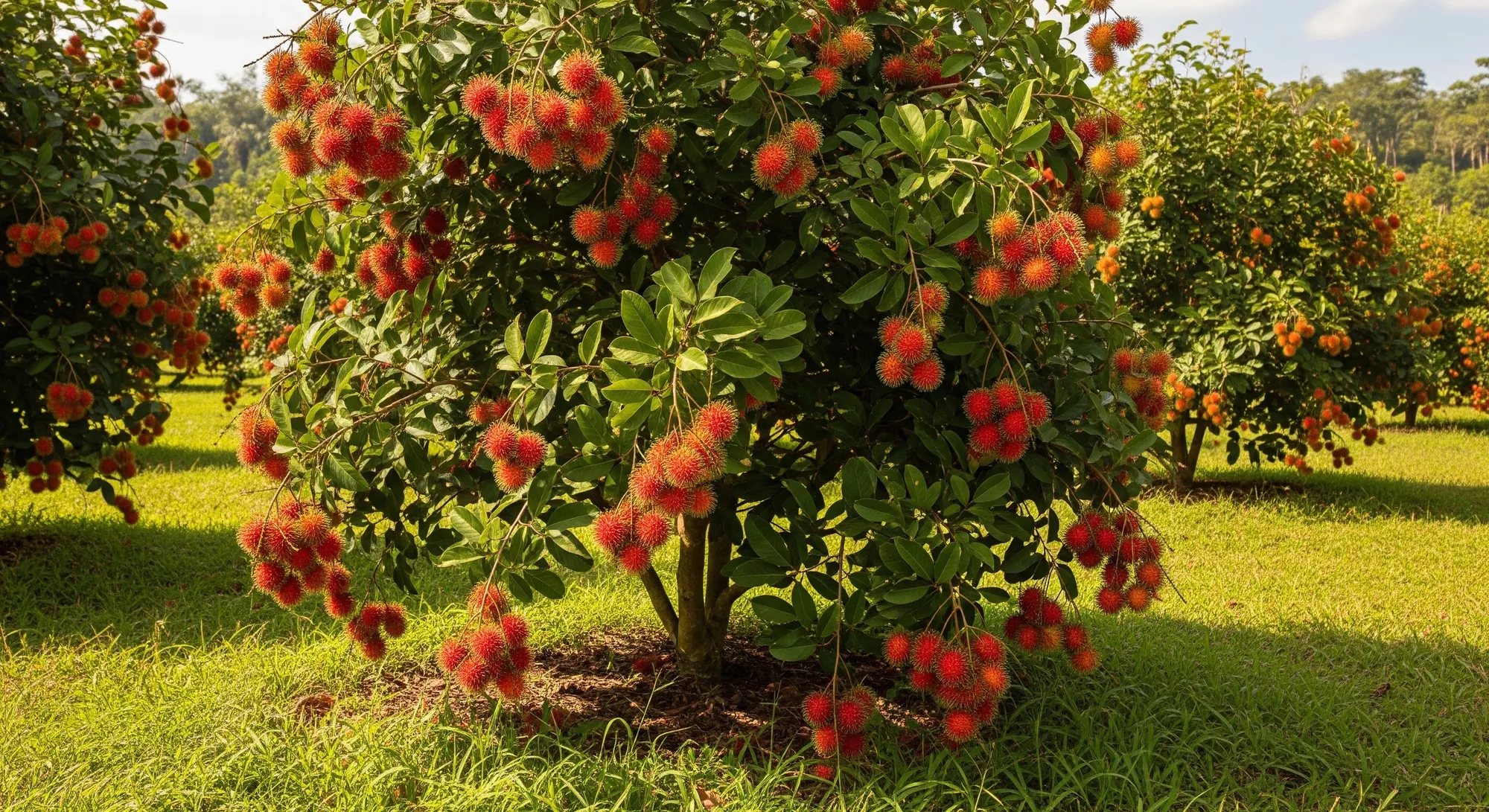
Tall Fruit Plants That Can Be Made Short (AI Generated)
The rambutan tree is known as a tropical fruit plant that naturally has a tall growth with a wide canopy when grown without control. Nevertheless, this growth characteristic does not hinder the formation of shorter rambutan trees.
Farmers and plant enthusiasts often utilize periodic canopy pruning techniques to maintain the height of the plants, manage the direction of branch growth, and create a tree shape that is easier to care for.
The use of rambutan seedlings derived from grafting or budding techniques also offers various advantages compared to seedlings from seeds. These vegetative seedlings typically have a faster fruiting ability, more stable growth characteristics, and plant traits that are more suitable for planting in limited spaces such as home yards or small gardens.
Durian is one of the fruit trees known for its very large size, capable of growing up to dozens of meters if it develops naturally without any growth regulation. Although recognized as a large-sized plant, advances in modern cultivation technology allow durian trees to be controlled to have a shorter size, making them easier to care for, monitor, and harvest.
The selection of superior durian seeds, the application of periodic branch pruning, and the management of nutrient supply according to the plant's needs are important steps to produce durian trees with shorter growth while remaining productive. Some superior durian varieties also have growth characteristics that tend to be lower, making them more suitable for development in home gardens, limited land, or intensive cultivation systems that prioritize ease of care.
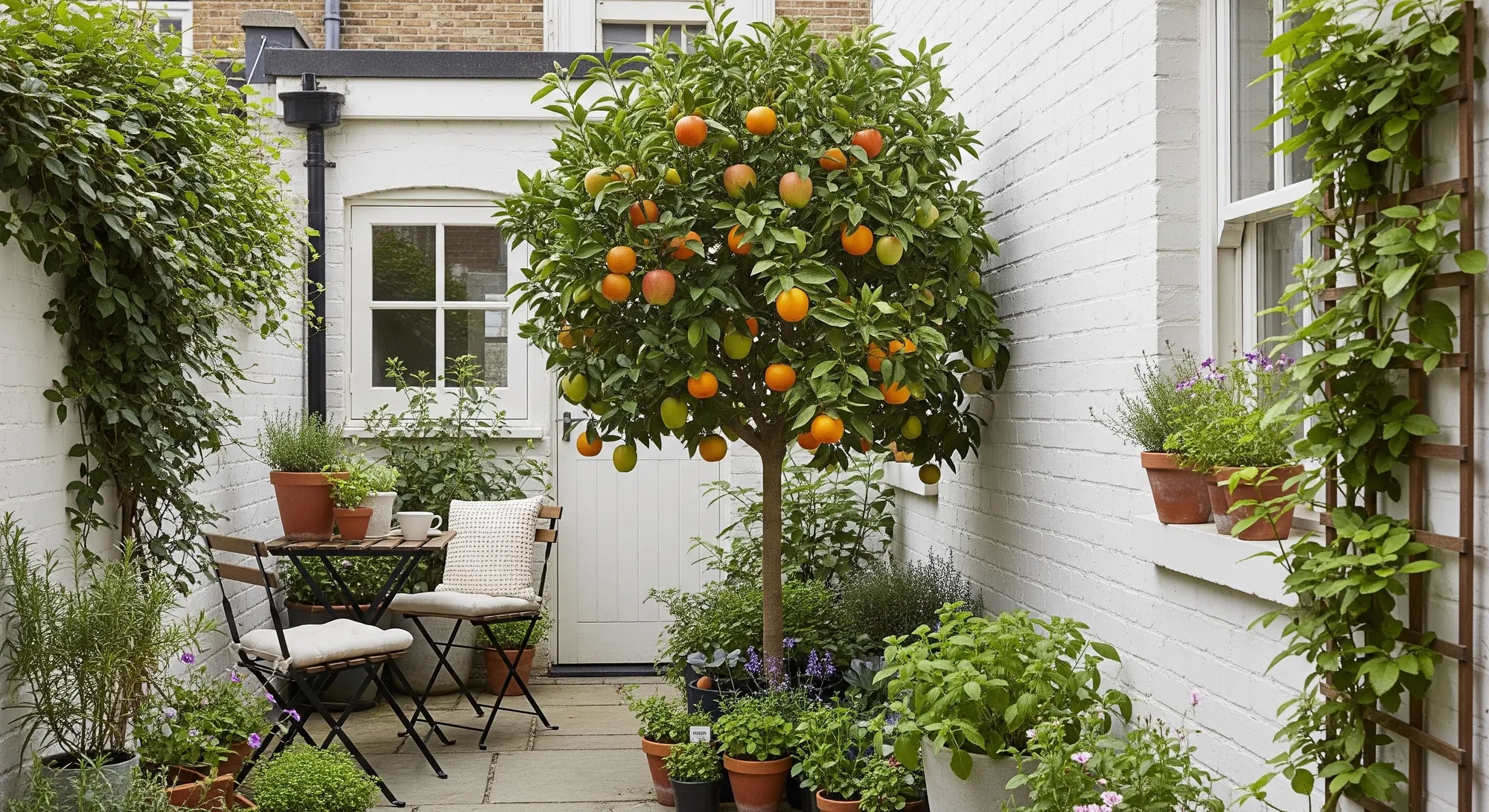
Tall Fruit Plants That Can Be Made Short (AI Generated)
To ensure that tall fruit plants can grow short while still producing a lot of fruit, the following techniques can be applied:
Pruning is the main way to control the height of plants. Branches that grow too long or are unproductive need to be cut so that nutrients can be focused on the formation of flowers and fruit.
Seedlings from grafting, bud grafting, or air layering are usually easier to control compared to plants grown from seeds. In addition to fruiting faster, the size of the plants is also more suitable for limited spaces.
Short fruit plants still require complete nutrition. Fertilizers containing phosphorus and potassium can help stimulate flowering and improve fruit quality.
Shaping the canopy to spread out rather than grow upwards makes the plants easier to maintain. This shape also helps sunlight reach all parts of the plant, allowing the photosynthesis process to run optimally.
Tall fruit plants that can be made short and still produce a lot of fruit are types of large fruit trees by nature, but their growth can be controlled through certain techniques to have a lower height without reducing their ability to produce yields.
Not all types have the same capability, but many fruit plants such as mangoes, oranges, water apples, rambutans, and some varieties of durian can have their growth controlled through pruning, selecting superior seedlings, and proper care.
These plants are suitable for landowners with limited space. Short-sized trees are easier to maintain, more practical during harvest, and still provide abundant fruit yields.
The main techniques include pruning branches, shaping the canopy, selecting seedlings from grafting or budding, and managing nutrition to direct growth more effectively.
(kpl/ses)
Cobain For You Page (FYP) Yang kamu suka ada di sini,
lihat isinya
A collection of films about remote villages that hold mysteries and become eerie after sunset. Check out the recommendations here.
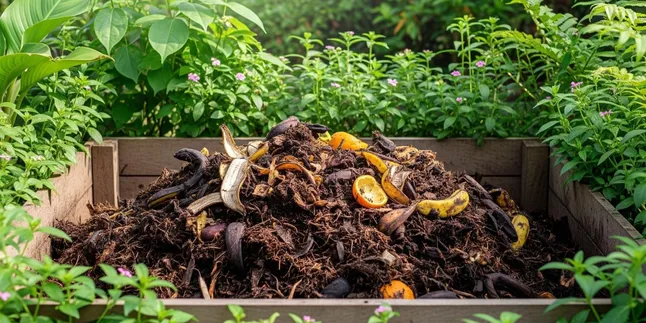
How to make fertilizer from fruit waste in the kitchen is a practical solution to nourish plants while reducing household waste.

Learn how to easily clean the headset jack using simple tools to keep the audio clear and durable.

From Lilo & Stitch to The Mighty Ducks: Game Changers, Disney has successfully presented spin-off series that continue the stories of beloved films. Discover new adventures of iconic characters here.
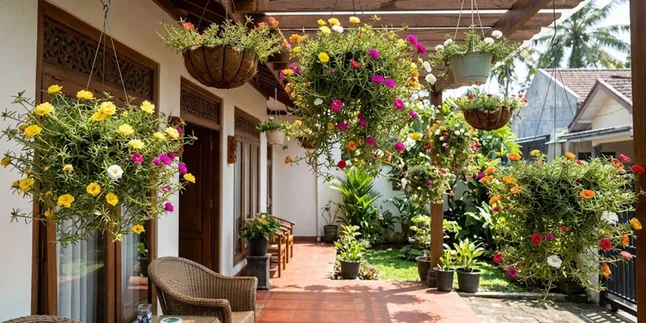
Hanging plants can reduce the scorching impression on the terrace while beautifying the home. Choose heat-resistant types such as Purslane, Petunia, Lantana, and Millions Bells.
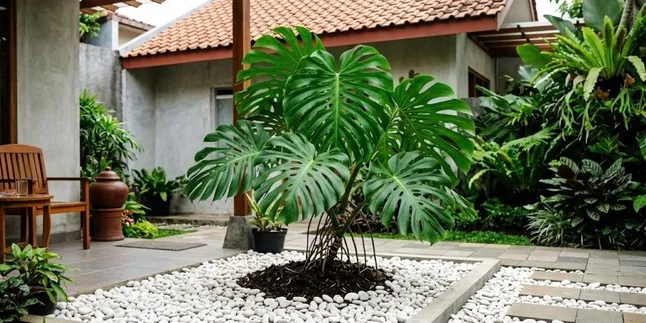
Create an oasis at home with plants that are suitable to combine with coral stones in the garden. The combination of green colors and natural stones is refreshing.

Dive into the world of series that reveal dark secrets and hidden mysteries behind the tranquility of villages.

Looking for movies about apartment dwellers with their own secrets? Check out these 6 exciting recommendations that you must add to your watchlist.

Do you enjoy family dramas full of conflict? Check out 5 series about siblings who reunite after their parents pass away.

9 series about people who can see death, from Korean dramas to Western series full of mystery and fantasy.
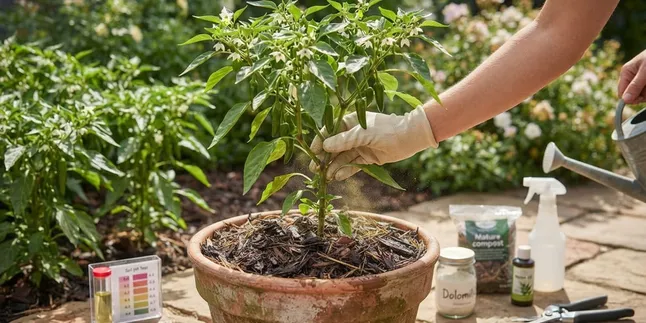
Learn how to completely address the issue of chili plants not fruiting. Discover tips to improve nutrition and lighting.
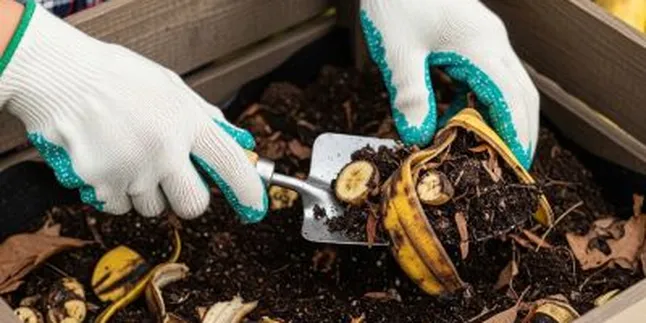
Don't throw away banana peels. Check out 6 easy ways to make fertilizer from banana peels that can be done at home to help meet your plants' nutritional needs.
