

 Follow
 Rekomendasi
6 Ways to Make Fertilizer from Banana Peels, Easy and Can Make Plants More Fertile
Don't throw away banana peels. Check out 6 easy ways to make fertilizer from banana peels that can be done at home to help meet your plants' nutritional needs.
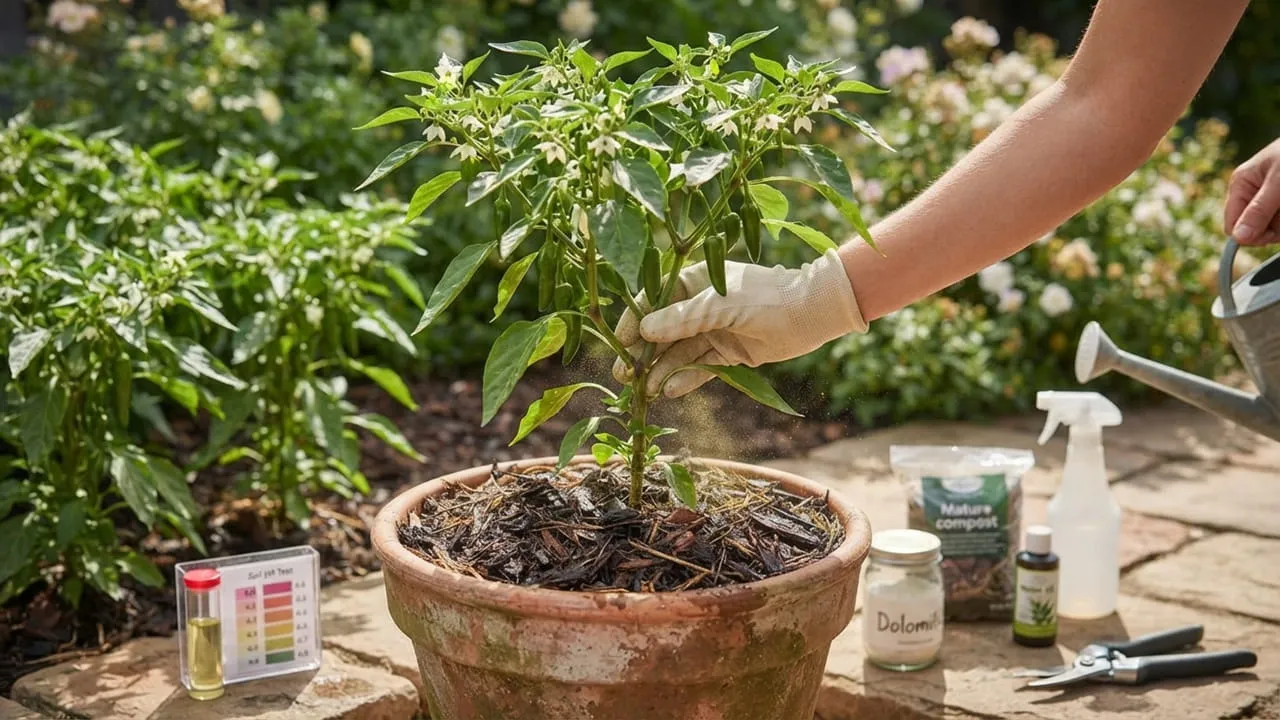
Facing a situation where chili plants grow very lush, their leaves are fresh green, and their stems are sturdy but fail to produce flowers or fruits certainly confuses home gardeners. This condition usually indicates that the plants are stuck in the vegetative growth phase and fail to enter the generative phase.
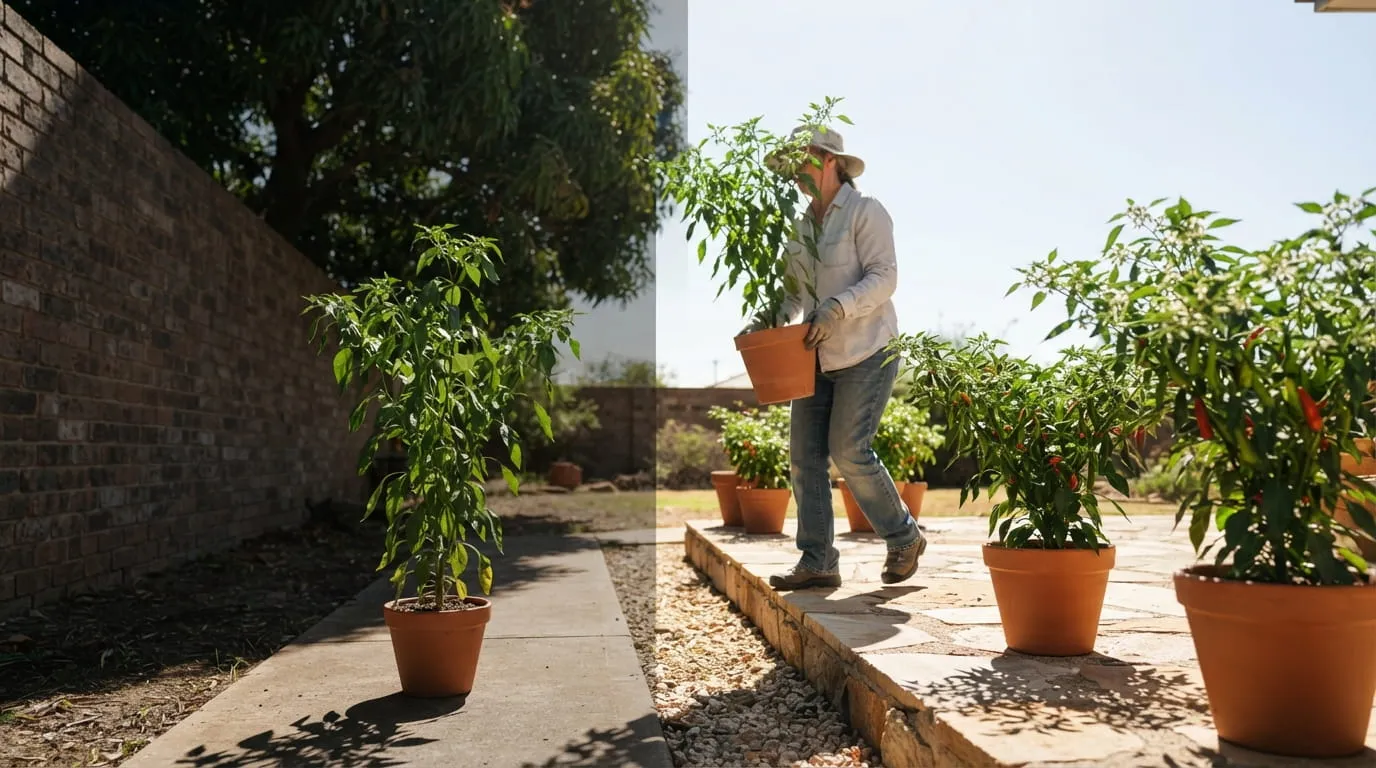
Ensure Plants Receive Sufficient Sunlight. Photo: AI Generated
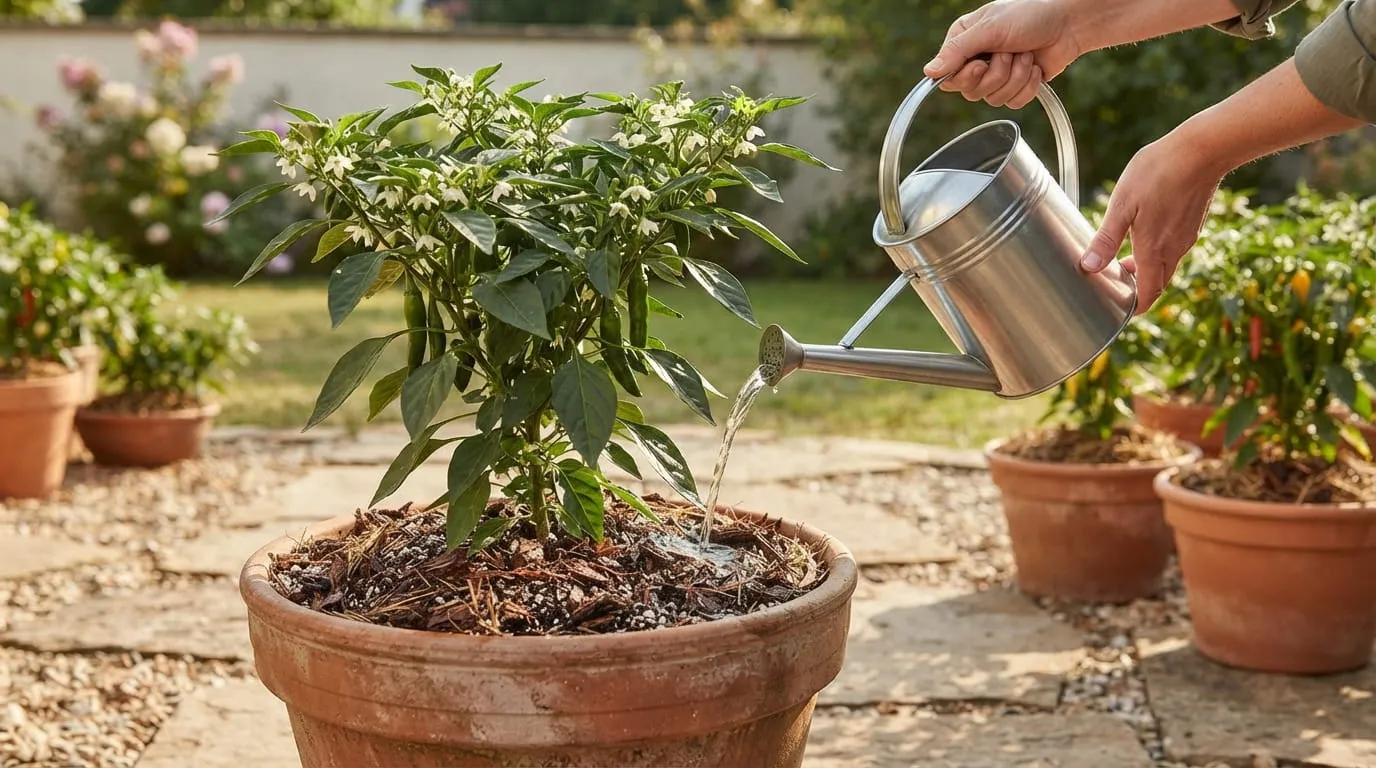
Set the Watering Pattern to Avoid Being Too Wet or Dry. Photo: AI Generated
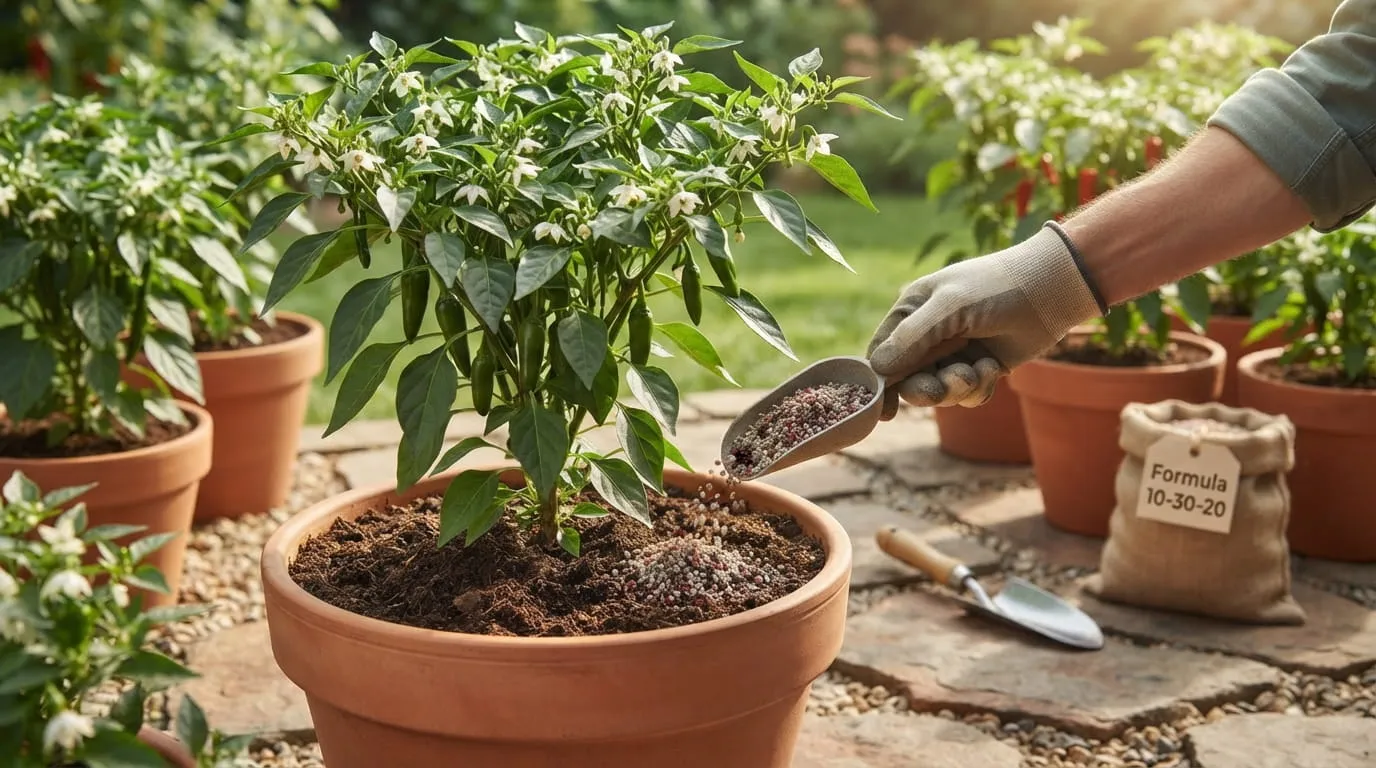
Improve Soil Nutrient Content by Reducing Nitrogen. Photo: AI Generated
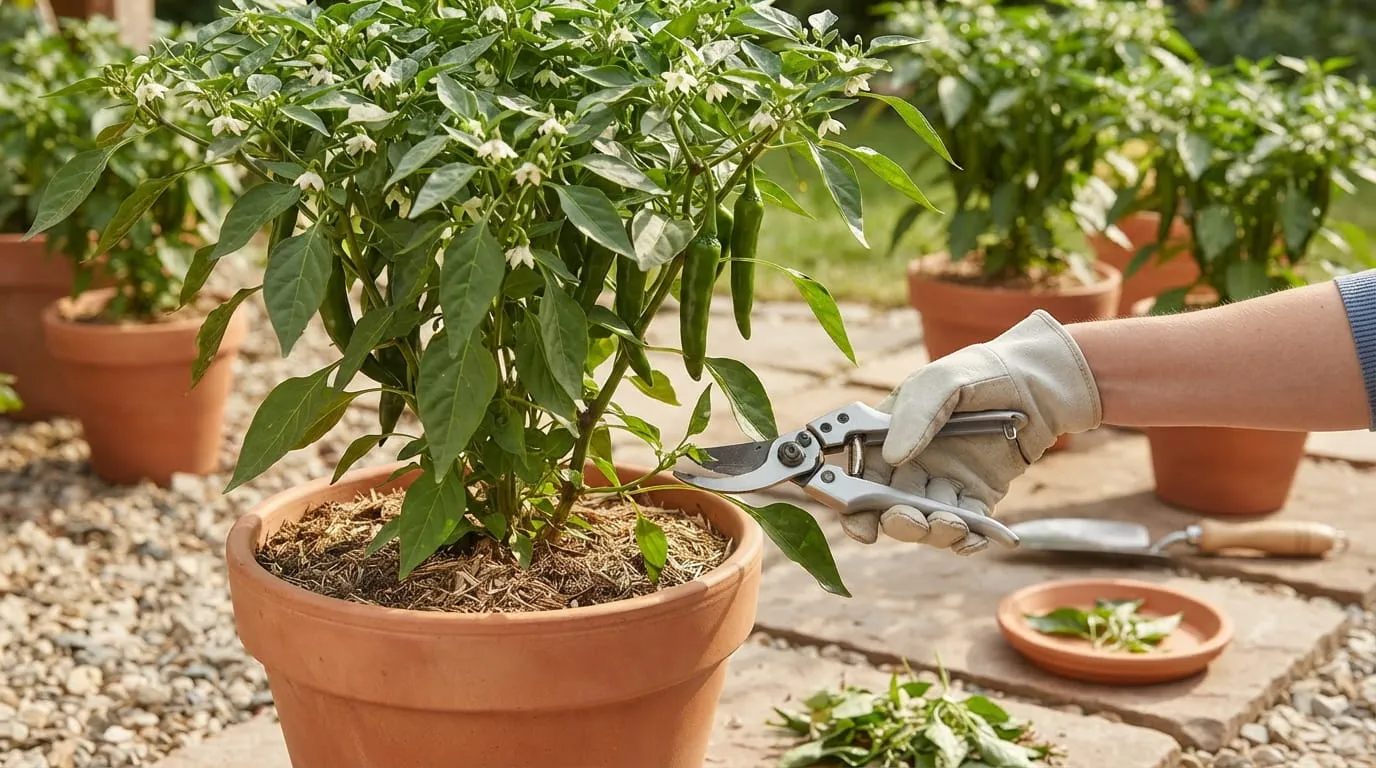
Perform Light Pruning on Dense Leaves and Branches. Photo: AI Generated
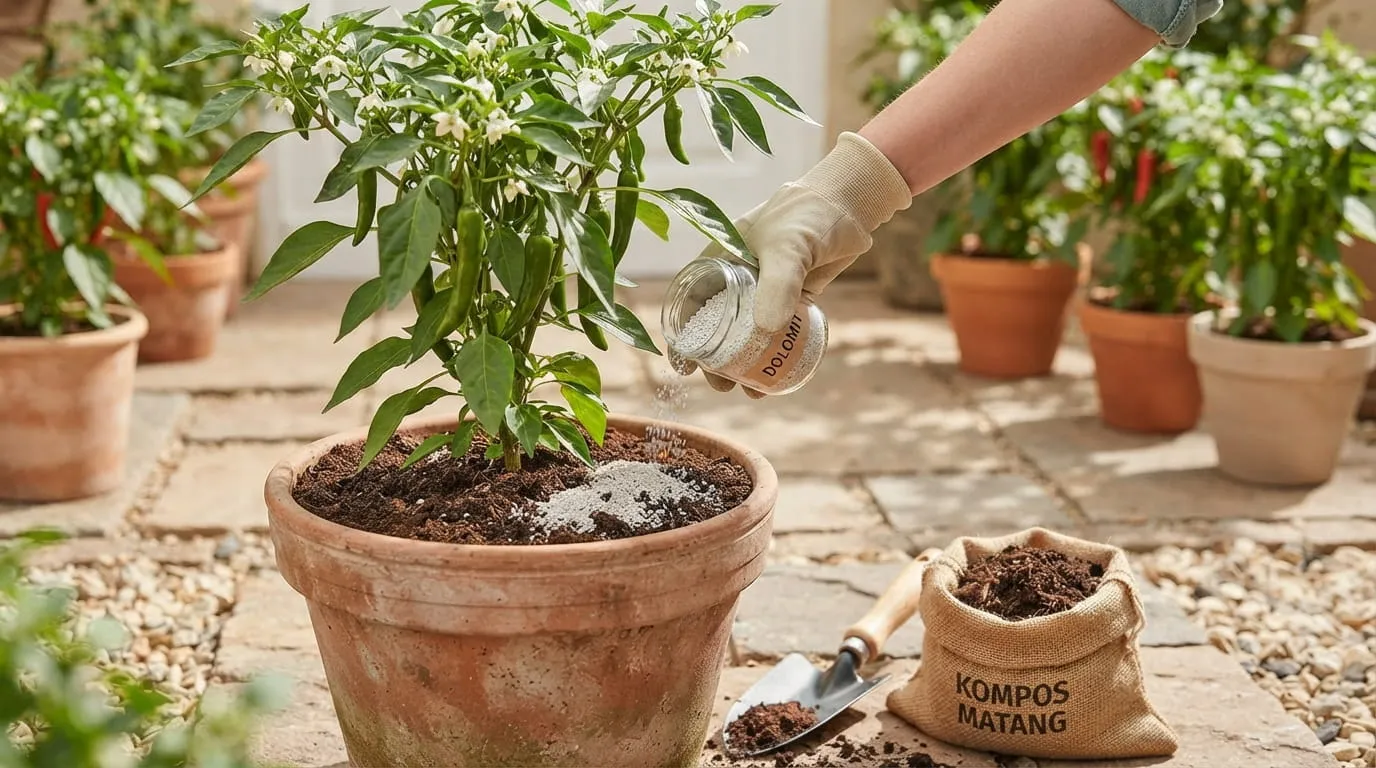
Check and Adjust the Soil Acidity Level (pH). Photo: AI Generated
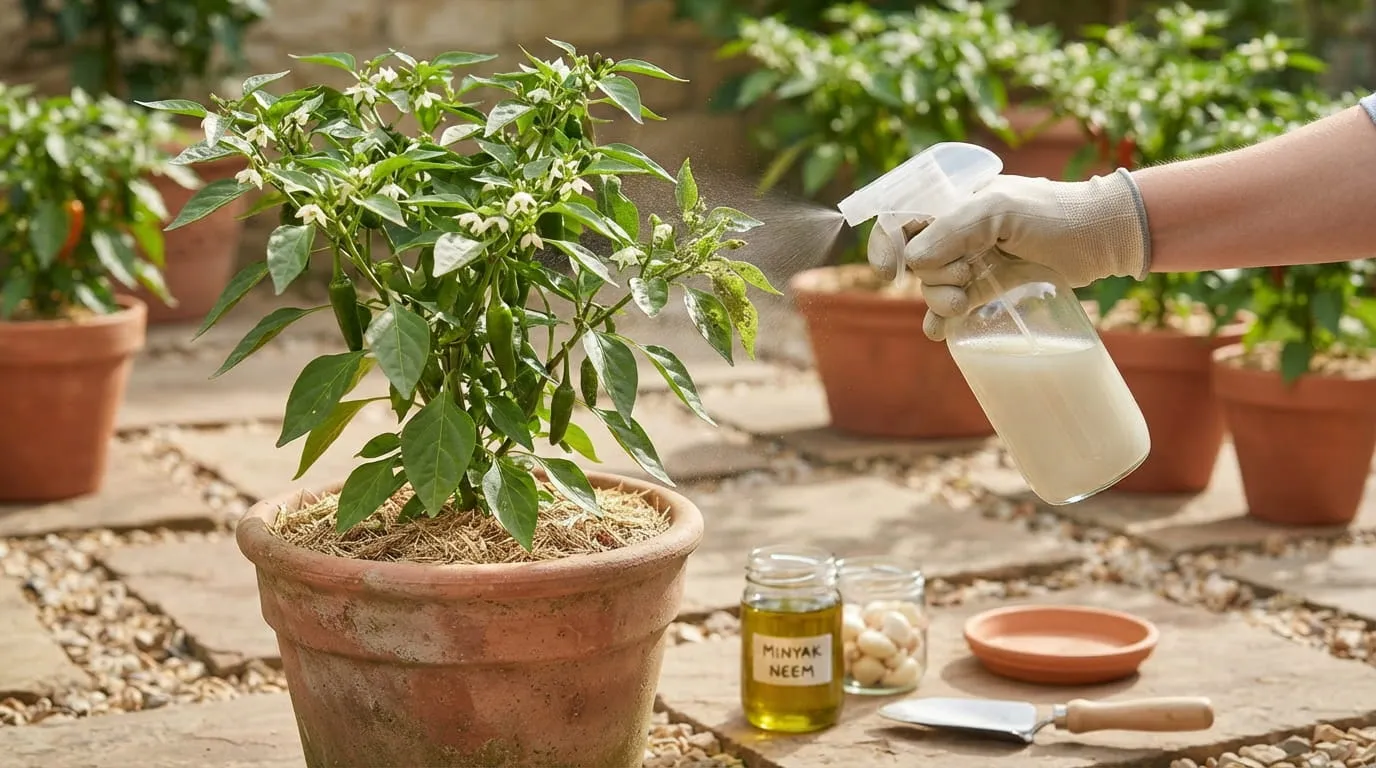
Control Pests and Diseases Affecting Flower Buds. Photo: AI Generated
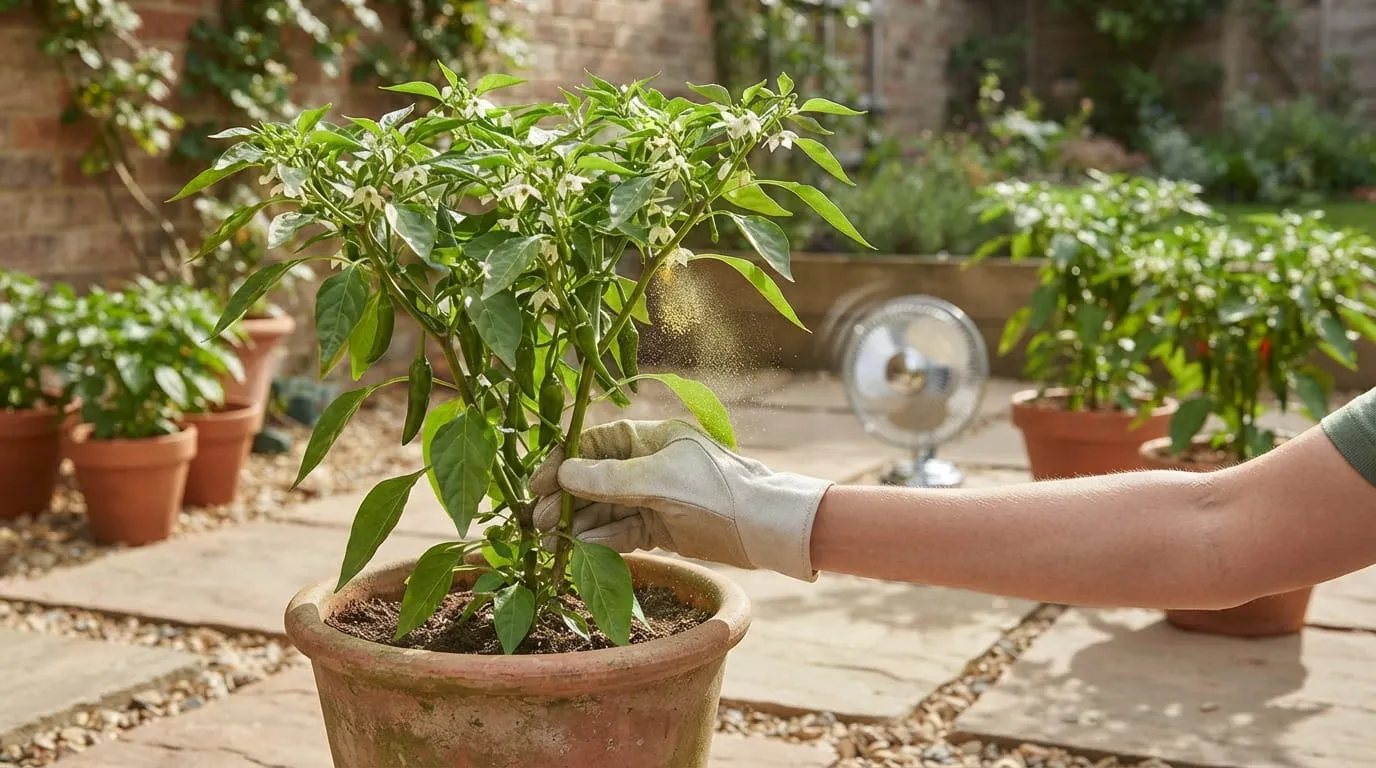
Help the Pollination Process by Gently Shaking the Plants. Photo: AI Generated
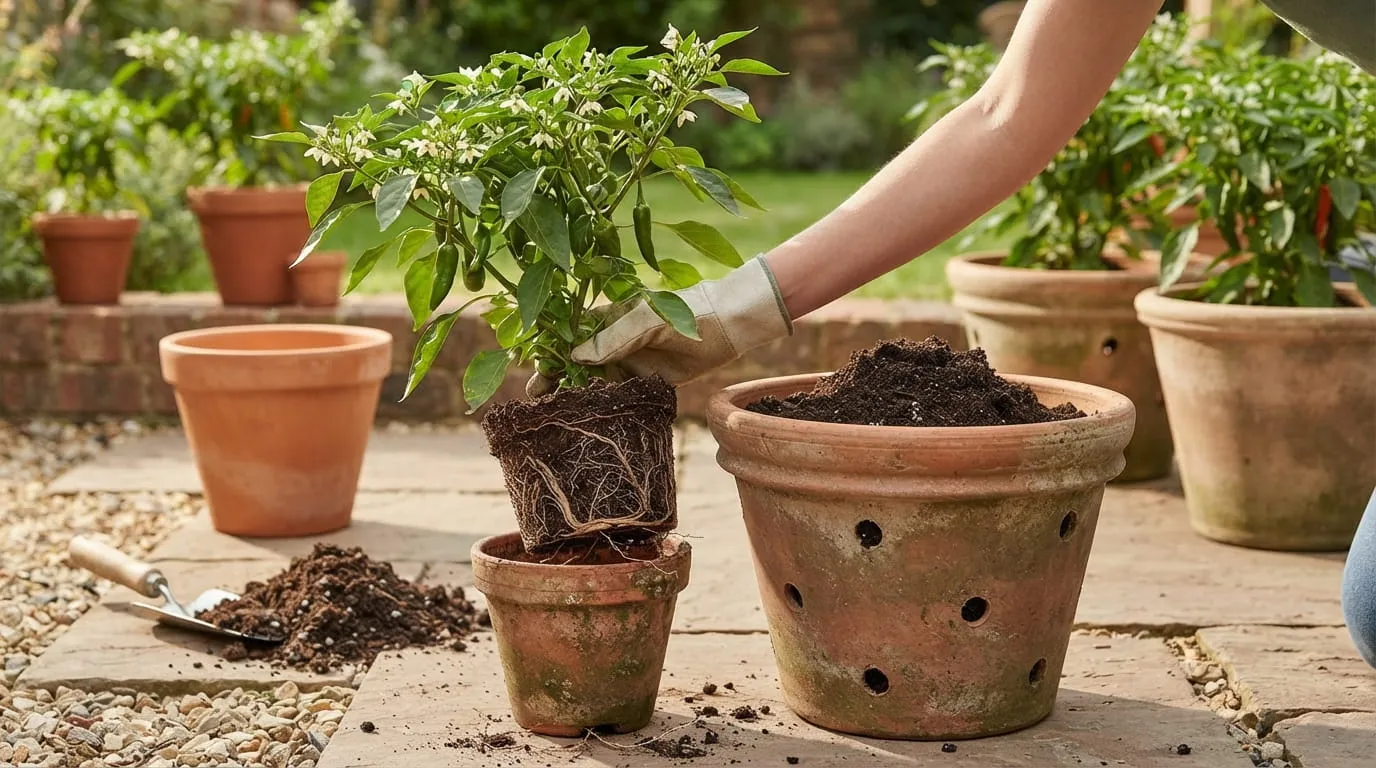
Transfer Plants to a Larger Pot if Roots are Dense. Photo: AI Generated
Q: What nutrients are most important to provide for chili plants to bear abundant fruit?
A: Phosphorus (P) and Potassium (K) are the two main nutrients that must be fulfilled to stimulate flower and fruit formation, while nitrogen should be limited so that the plants do not only focus on leaf growth.
Q: How many hours of ideal daily sunlight are needed for chili cultivation?
A: Chili plants require direct sunlight exposure for at least 6 to 8 hours every day for the photosynthesis process to run perfectly and trigger the generative phase.
(kpl/mab)
Cobain For You Page (FYP) Yang kamu suka ada di sini,
lihat isinya
Don't throw away banana peels. Check out 6 easy ways to make fertilizer from banana peels that can be done at home to help meet your plants' nutritional needs.
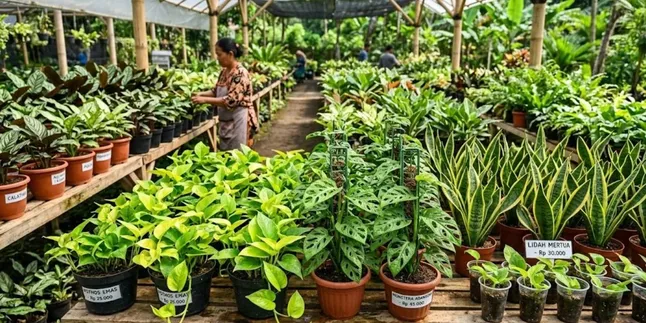
Ornamental plants that are easy to propagate for sale can be a choice for beginners who want to start a plant business from home.

Looking for recommendations for Korean dramas about female characters who boldly say no? Check out the best dramas featuring strong female leads.

A thriller movie with a mind-blowing ending that is full of mystery, unexpected twists, and a story that's hard to guess.

Discover 10 dramas about teachers who strive to help troubled students, presenting touching stories for exciting viewing during your free time.

Missing school days and old friends? Check out 7 dramas about friendships that remain strong even after graduation, filled with warm stories and nostalgia.

Healing each other, these dramas present heartwarming stories of a group of people living together, sharing laughter and tears, until they find the meaning of true family.
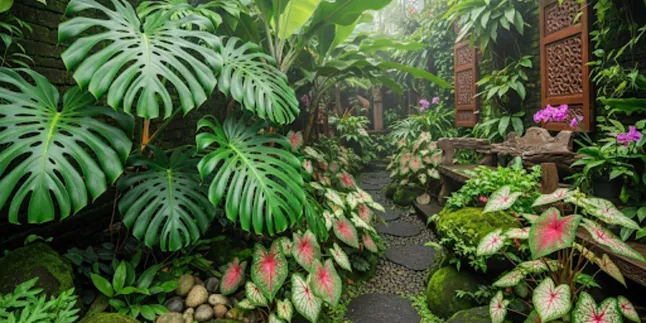
Want your home to look luxurious without the hassle? Discover a range of decorative plants with an exclusive appearance that are surprisingly easy to care for, perfect for beginners and a modern lifestyle.

Check out the list of Indonesian film series starring comedians, from Cek Toko Sebelah to Agak Laen, complete with synopses, cast, and reasons why they are a must-watch.
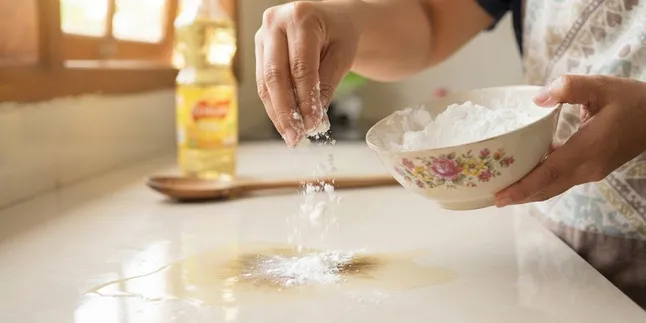
Clean stubborn oil stains at home easily using cornstarch! Check out these 7 practical and effective methods.

Discover 8 thriller films that highlight the theme of being trapped in a house, presenting real tension and intrigue.
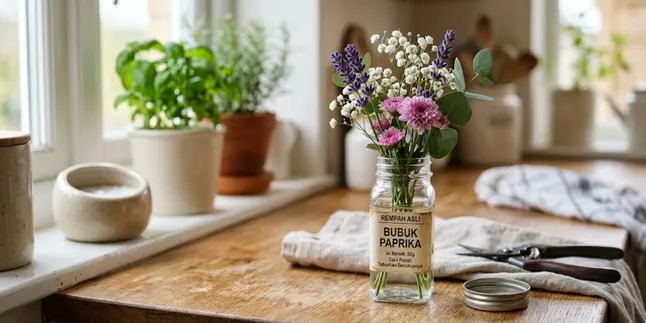
Don't rush to throw away used spice jars; they can be transformed into useful items, ranging from daily spice containers, mini vases, to DIY aromatherapy candles.
