

 Follow
 Rekomendasi
How to Clean the Headset Jack Easily, Keep Audio Clear
Learn how to easily clean the headset jack using simple tools to keep the audio clear and durable.
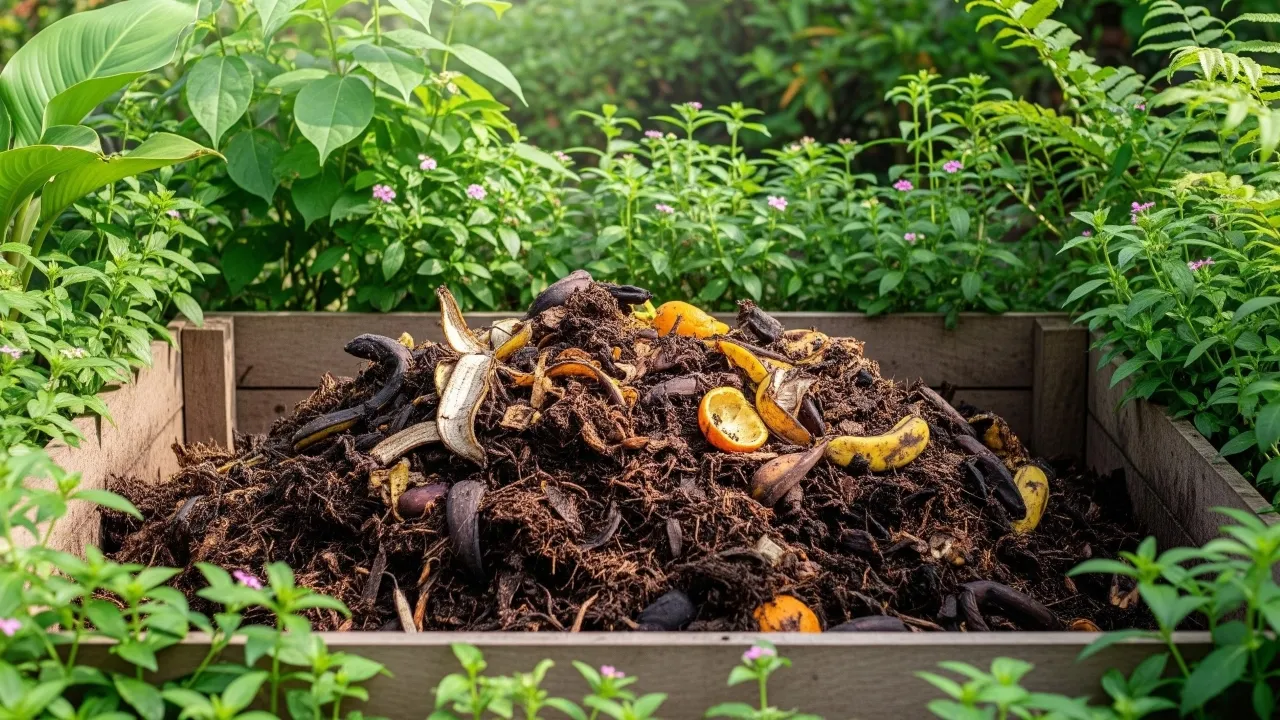
Kapanlagi.com - How to make fertilizer from fruit waste in the kitchen is a practical solution for anyone who wants to nourish plants without having to buy chemical fertilizers. Banana peels, apple skins, and leftover watermelon that are usually thrown directly into the trash still contain many essential nutrients for plant growth.
Making your own fertilizer from fruit waste is also a small step that has a big impact on reducing household waste. Instead of piling up in the trash and ending up in a landfill, fruit waste can be processed into liquid fertilizer that nourishes the soil, strengthens roots, and increases flower and fruit yields.
The process is not complicated and can be done with simple equipment that is already available at home. Here, Kapanlagi.com summarizes from various sources how to make fertilizer from fruit waste in the kitchen, complete with suitable materials and tips for maximum results.
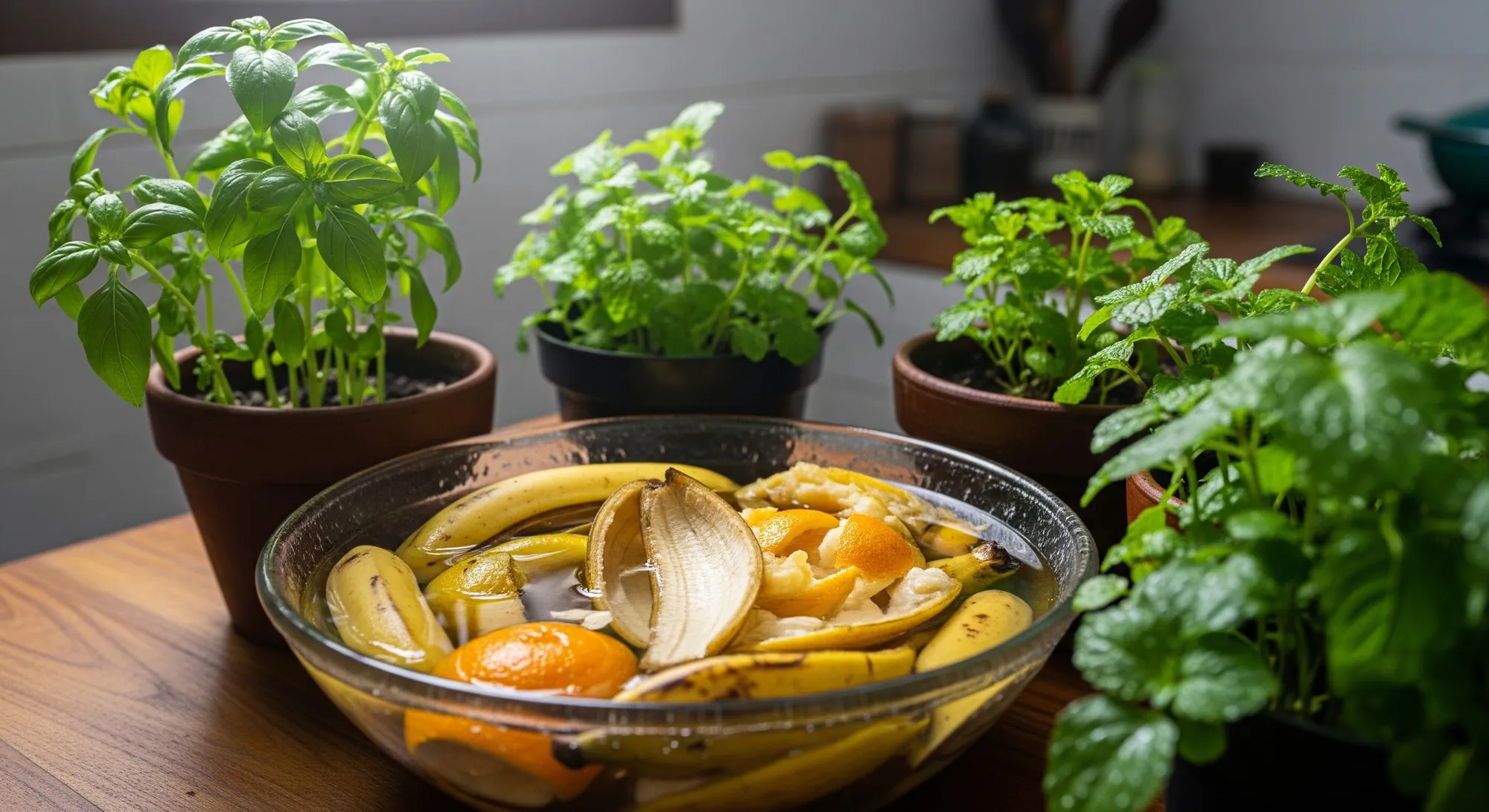
Fruit Waste Can Be Used as Fertilizer. (AI Generated)
Fruit waste such as peels and pulp still contains essential nutrients needed by plants, especially potassium and phosphorus. Banana peels, for example, are known to be rich in potassium, which helps strengthen stems and protect plants from diseases, while also containing phosphorus that supports root development so that plants can absorb soil nutrients optimally.
In addition to banana peels, orange peels and other citrus fruit peels also contribute potassium and phosphorus in small amounts, while also having the added benefit of repelling pests such as ants and aphids. With these contents, fermented or soaked fruit waste can be an affordable and easily obtainable alternative organic fertilizer.
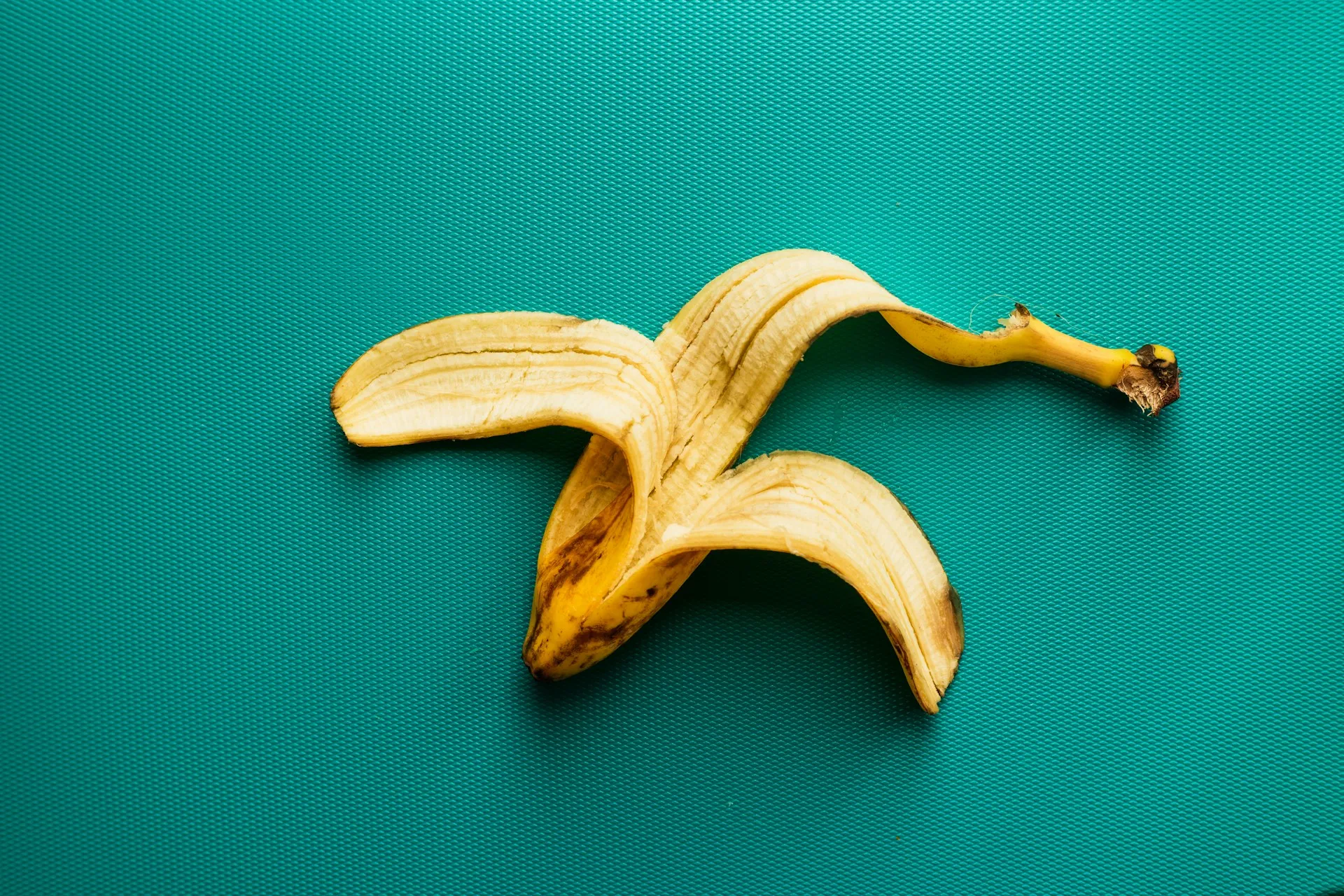
Banana Peel. (Image: Louis Hansel/Unsplash)
Not all fruit waste has the same benefits for plants. Here are some of the most recommended materials:
It is best to avoid fruit waste that is already moldy, as it has the potential to spread fungal spores to plants when the fertilizer is applied.
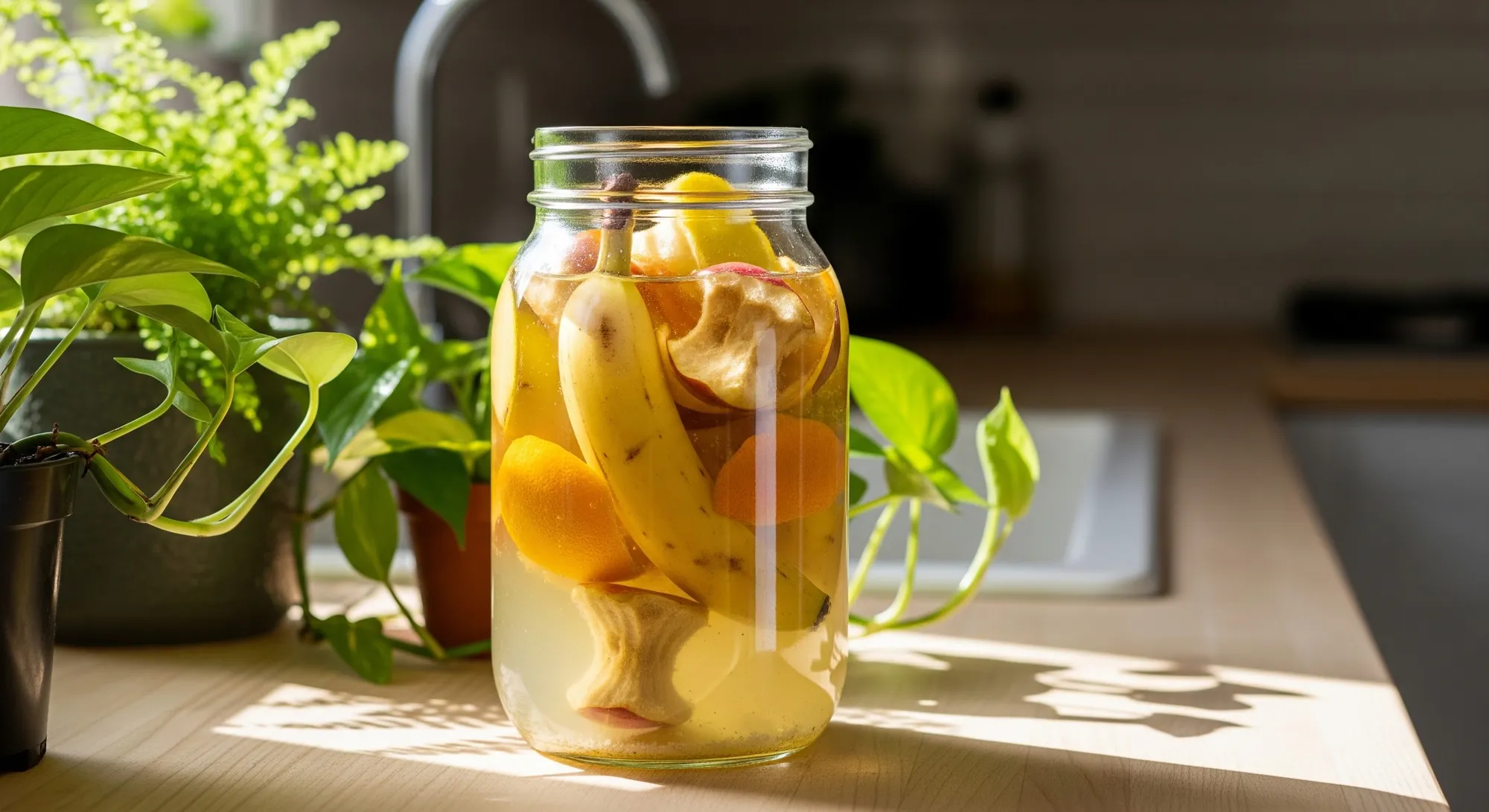
Liquid Fertilizer from Fruit Waste through Fermentation. (AI Generated)
The fermentation method is suitable for those who want fertilizer with a more concentrated and long-lasting nutrient content. Here are the steps:
This fermentation product not only serves as fertilizer but is also believed to help naturally repel pests due to its fermentation aroma.
For those who do not want to wait long, there is a simple soaking method that can be used in a short time:
This method is more suitable for urgent liquid fertilizer needs, although its nutrient content is not as concentrated as that from long-term fermentation.
Liquid fertilizer from fruit waste should not be applied directly in concentrated form as it risks burning the plant roots. Dilute it first with a ratio of about 1:5 to 1:10 with clean water, depending on how concentrated the fermentation or soaking result is.
After dilution, the fertilizer can be applied directly to the area around the plant roots, once or twice a week. The strained fruit pulp should not be thrown away immediately, as it can still be used as compost material or buried around the plants to gradually enrich the soil nutrients.
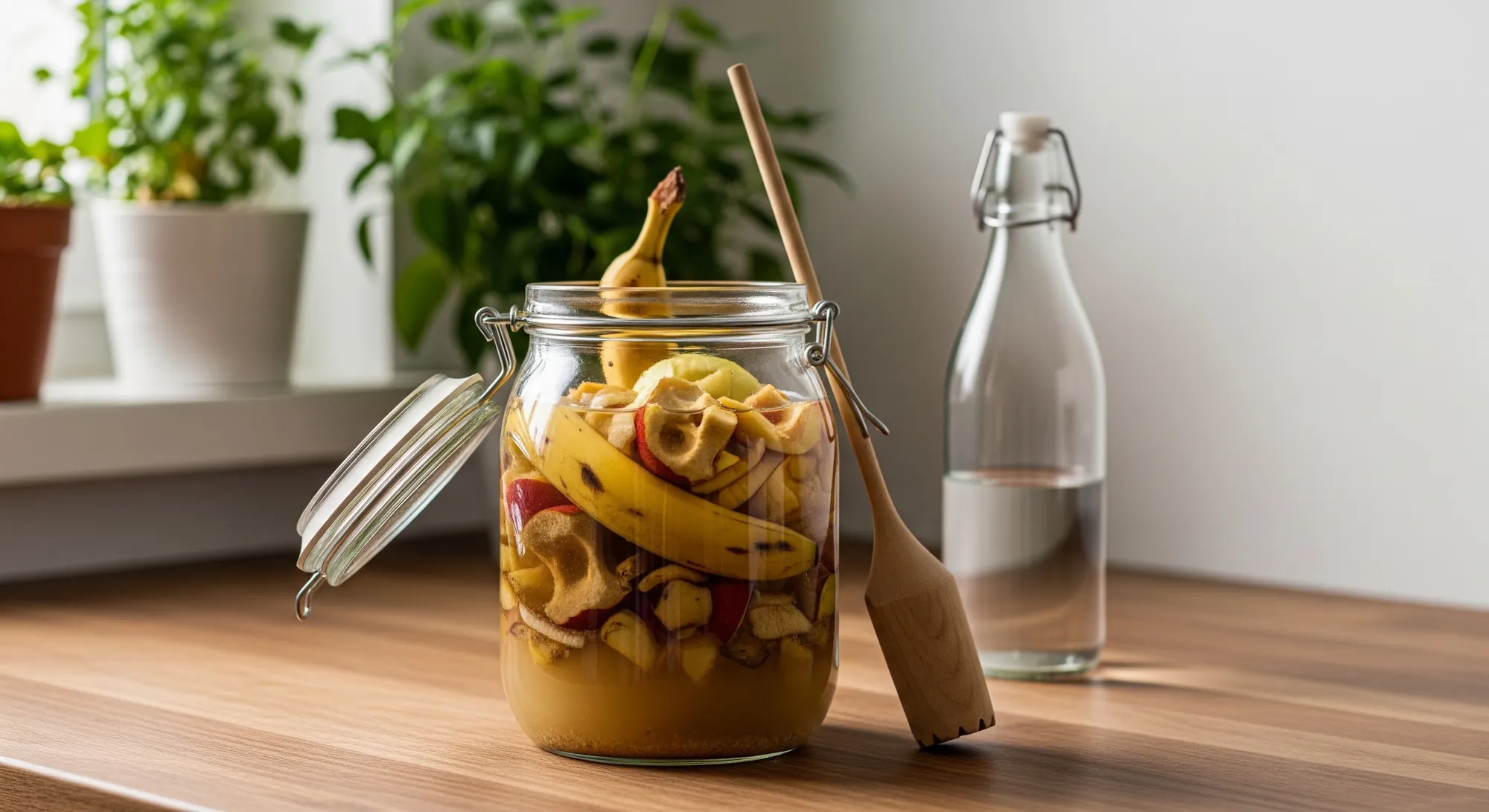
Fertilizer from Fruit Waste. (AI Generated)
To ensure the fertilizer-making process goes smoothly without producing a strong odor in the house, there are several things to pay attention to:
Banana peels, apple peels, orange peels, and watermelon scraps are among the most commonly used because they are rich in potassium and phosphorus.
The fermentation method using sugar takes about 30 to 60 days, while a simple soaking method only takes 24 to 48 hours.
Yes, liquid fertilizer from fruit waste should be diluted at a ratio of about 1:5 to 1:10 with clean water before being applied to the plants.
An unpleasant smell usually arises because the container is tightly closed without air circulation or the water used contains chlorine from the tap.
Liquid fertilizer from fruit waste can generally be applied once or twice a week, depending on the needs of the plants.
(kpl/rao)
Cobain For You Page (FYP) Yang kamu suka ada di sini,
lihat isinya
Learn how to easily clean the headset jack using simple tools to keep the audio clear and durable.

From Lilo & Stitch to The Mighty Ducks: Game Changers, Disney has successfully presented spin-off series that continue the stories of beloved films. Discover new adventures of iconic characters here.

Hanging plants can reduce the scorching impression on the terrace while beautifying the home. Choose heat-resistant types such as Purslane, Petunia, Lantana, and Millions Bells.
Create an oasis at home with plants that are suitable to combine with coral stones in the garden. The combination of green colors and natural stones is refreshing.

Dive into the world of series that reveal dark secrets and hidden mysteries behind the tranquility of villages.

Looking for movies about apartment dwellers with their own secrets? Check out these 6 exciting recommendations that you must add to your watchlist.

Do you enjoy family dramas full of conflict? Check out 5 series about siblings who reunite after their parents pass away.

9 series about people who can see death, from Korean dramas to Western series full of mystery and fantasy.
Learn how to completely address the issue of chili plants not fruiting. Discover tips to improve nutrition and lighting.
Don't throw away banana peels. Check out 6 easy ways to make fertilizer from banana peels that can be done at home to help meet your plants' nutritional needs.
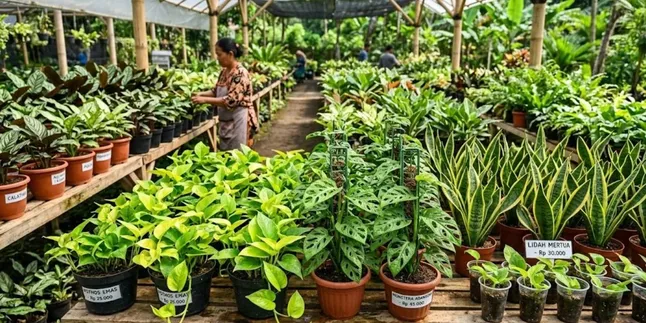
Ornamental plants that are easy to propagate for sale can be a choice for beginners who want to start a plant business from home.

Looking for recommendations for Korean dramas about female characters who boldly say no? Check out the best dramas featuring strong female leads.
