

 Follow
 Rekomendasi
10 Easy Ways to Propagate Pothos, Can Use Water or Plant Media
How to propagate pothos using water, planting media, and layering to quickly grow roots and produce new seedlings.
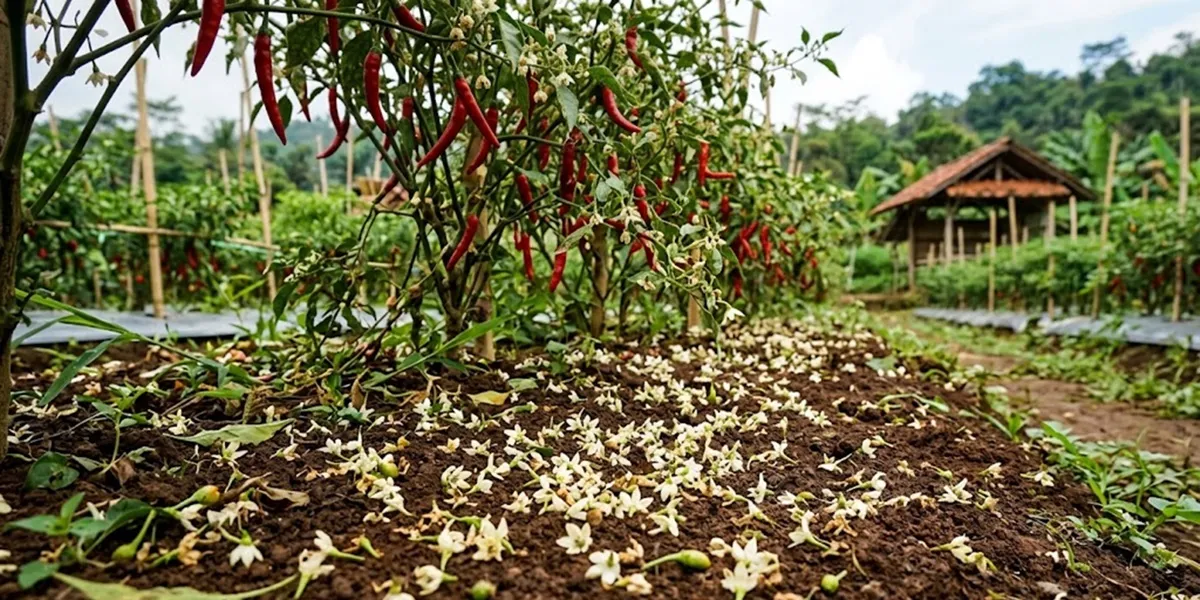
Kapanlagi.com - Seeing your beloved chili plant thriving with lush green leaves, yet its flowers are falling, can certainly frustrate farmers or hobbyists. This phenomenon of falling chili flowers often occurs and is frequently a sign of problems with the plant. Don't worry, flower drop is actually a natural response of the plant to avoid stress. This stress can be triggered by various factors, ranging from extreme environments, nutritional imbalances, to pest or disease attacks.
Falling chili flowers, even when the leaves remain green, often indicate that the plant is struggling to cope with less than ideal conditions. To address this issue and ensure a bountiful chili harvest, a comprehensive approach that considers every aspect of cultivation is required. Here are effective ways to keep chili flowers thriving and producing abundant fruit.
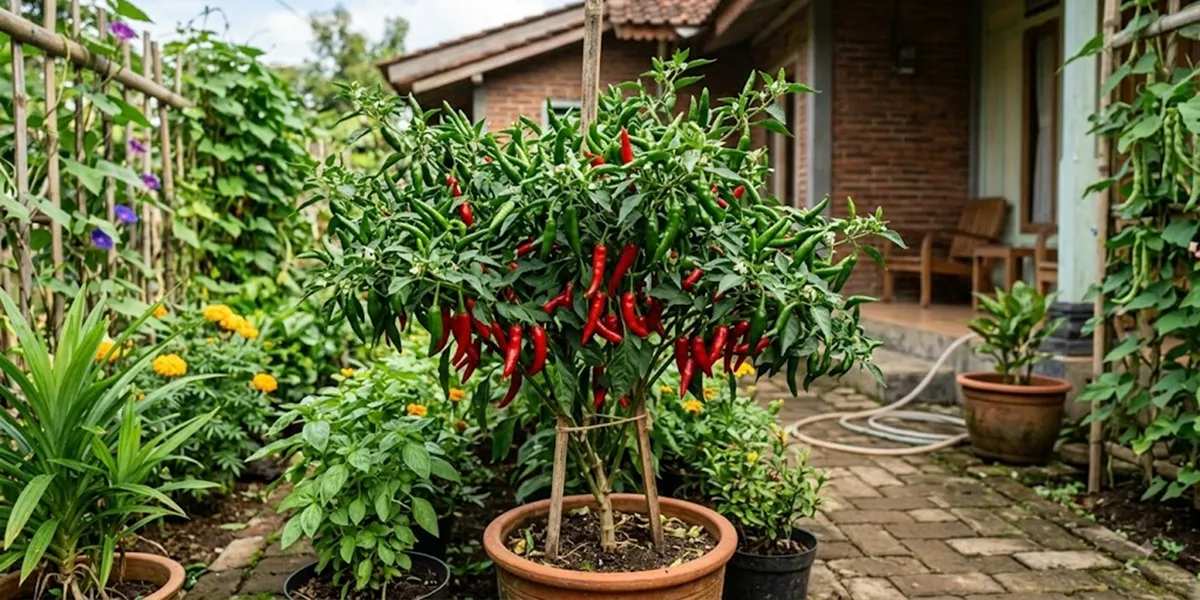
Chili plants. [AI Generated]
Inappropriate temperature and humidity can cause chili flowers to easily drop. Ensure that the plants are in a comfortable environment and do not experience extreme heat or cold.
When the weather is too hot, use shade cloth or place the plants in an area that receives shade. Make sure the humidity is maintained, but avoid overly humid conditions that can increase the risk of disease.
Chili plants require sufficient sunlight to support photosynthesis and the formation of flowers and fruit. Place the plants in a location that receives optimal light exposure every day.
Lack of light can lead to suboptimal growth and flowers being more prone to dropping. However, when the intensity of the sun is too high, provide shade so that the plants do not experience heat stress.
Watering should be done regularly, adjusting to soil and weather conditions. Soil that is too dry during the flowering stage can cause flowers to drop, while continuously wet soil can disturb the roots and trigger diseases.
Avoid watering with too strong a pressure from above as it can shake the flower stems. Ensure the medium remains moist but has good drainage.
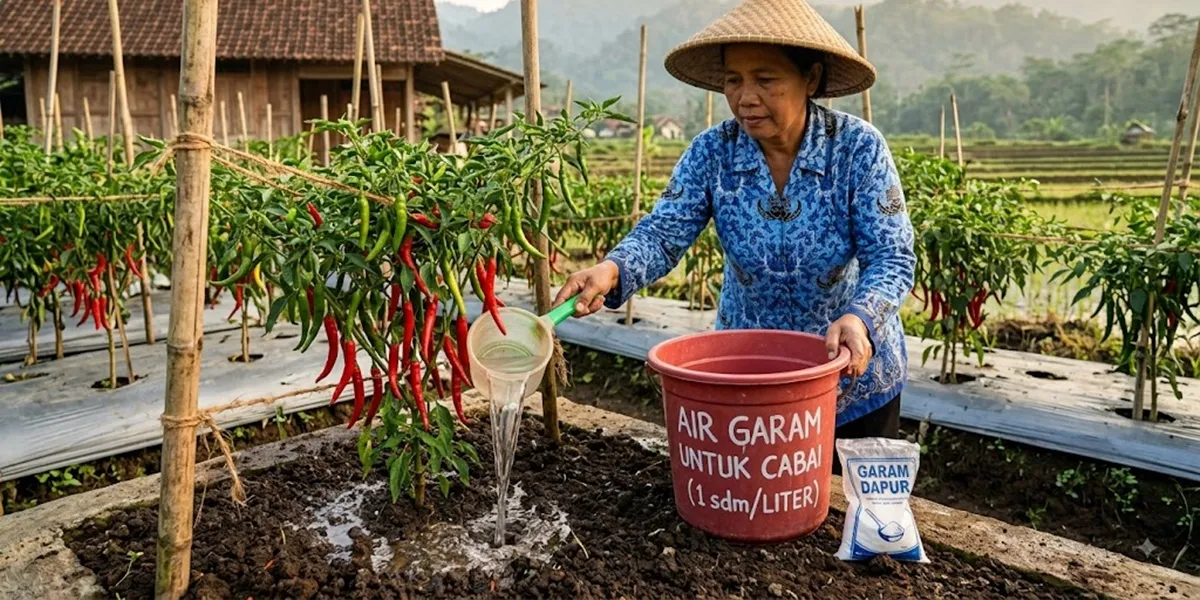
Chili plants. [AI Generated]
Imbalanced nutrients can hinder flower and fruit formation. Avoid excessive use of nitrogen fertilizers when plants enter the flowering phase as it can promote leaf growth over flowers. Use NPK fertilizers according to the needs and growth phase of the plants. Fertilizer application should be adjusted to the condition of the planting medium so that the plants receive nutrients without experiencing excess or deficiency.
In addition to macronutrients, chili plants require micronutrients to support flower and fruit growth. Calcium plays a role in the formation and strength of plant tissues, while potassium supports fruit growth and development.
Boron is also important in the flowering and reproduction processes of plants. If there are signs of deficiency of these elements, provide fertilizers or additional nutrients as needed and in recommended doses.
Thrips, aphids, mites, and various other pests can attack both leaves and flowers, causing drop. Regularly check the plants, especially on young leaves and flowers.
Besides pests, diseases such as anthracnose and viral infections should also be watched out for. Immediately separate or address infected parts of the plant and use pesticides or fungicides according to the type of problem and recommended doses.
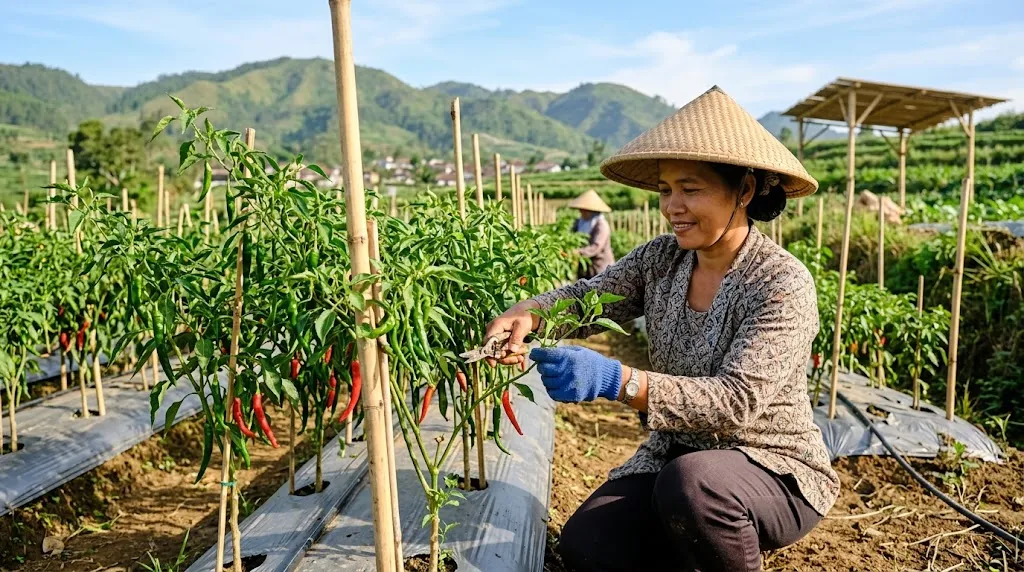
Chili plants. [AI Generated]
If the environmental conditions and nutrition are good but the flowers still drop, pay attention to the pollination process. Disruptions in pollination can cause flowers to fail to develop into fruit.
Additionally, prune water shoots or shoots that grow excessively in the leaf axils. Pruning can reduce nutrient competition, improve air circulation, and help light reach parts of the plant that need it.
The condition of the soil also determines the health of chili plants from the start. Use loose media, with good drainage, and an appropriate pH so that the roots can develop and absorb nutrients optimally.
Remove weeds and plant debris that could potentially be a source of pests or diseases. The use of mulch can also help maintain moisture, stabilize soil temperature, and suppress weed growth.
What causes chili flowers to often drop?
Chili flowers can drop due to extreme temperatures, improper watering, nutrient deficiencies, pest and disease attacks, as well as suboptimal pollination processes.
How to overcome dropping chili flowers?
Adjust temperature and humidity, provide sufficient sunlight, water appropriately, and give balanced nutrients according to the plant's needs.
Can excessive nitrogen fertilizer cause chili flowers to drop?
Yes. Excessive nitrogen can cause the plant to produce more leaves and shoots, resulting in suboptimal growth of flowers and fruits.
Can pests cause chili flowers to drop?
Yes. Thrips, aphids, and mites can attack the flowers and other parts of the plant. Regular inspections and early control help prevent drop.
(kpl/ini)
Cobain For You Page (FYP) Yang kamu suka ada di sini,
lihat isinya
How to propagate pothos using water, planting media, and layering to quickly grow roots and produce new seedlings.
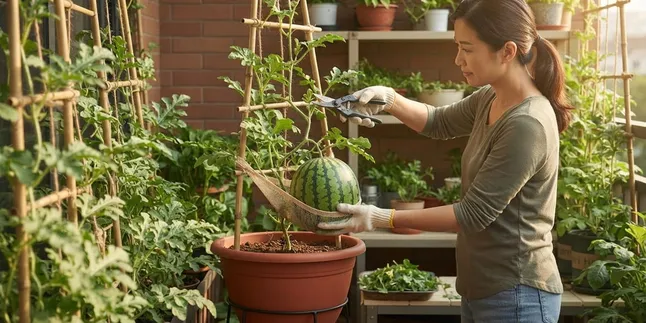
Learn the complete way to plant watermelon in narrow land using pots or polybags. Find tips on choosing mini varieties, planting media, care, and pruning to ensure abundant and sweet fruits.

Discover 12 interesting movies about mummies that are ready to entertain you, from classics to modern films.
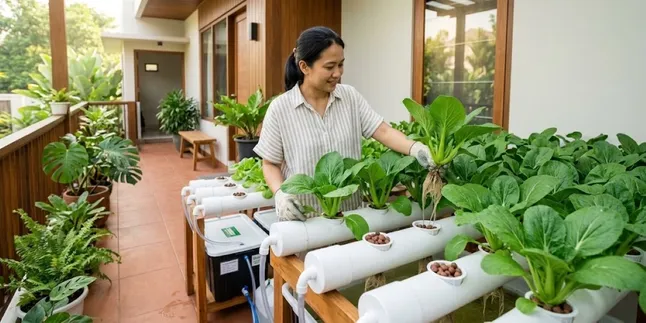
Learn how to grow hydroponic mustard greens without needing soil and large land. Suitable for trying at home with a narrow yard.

Movies set in Ancient Greece do not only revolve around warfare, but also present tales of heroism, intrigue, and adventures inspired by the history and legends of the past.

Take a peek at a drama about a group of neighbors who help each other face problems. The story is warm and touching.
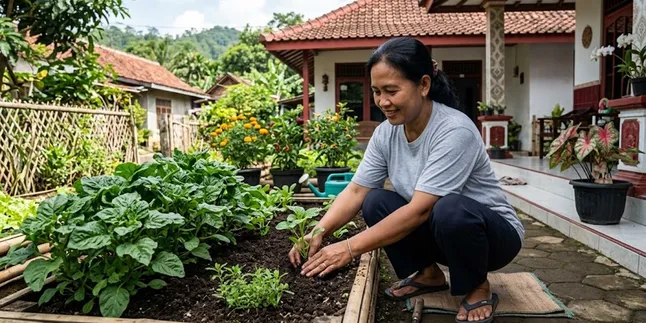
Want to have a stock of healthy vegetables at home? Let's learn how to grow Brazilian Spinach easily, which can be harvested repeatedly and is rich in nutrients for your healthy lifestyle!

K-dramas often depict the stories of new employees adapting to troubled teams. From office intrigues to comedy, these dramas present realistic and inspiring struggles.
Check out 6 movies about prosecutors revisiting old cases, full of mystery, intrigue, and surprises.

Explore the popular hospital series that not only presents thrilling medical cases but also the intrigue and fierce competition among doctors within.

Looking for the best fake dating K-drama recommendations? Discover 11 Korean dramas about fake relationships, marriage contracts, and pretending to date that are guaranteed to make you feel all the feels!

From the stories of heroes to the people's struggle against colonization, these are 15 films about Indonesian independence that are perfect to watch on August 17.
