

 Follow
 Rekomendasi
13 Movies Set in Ancient Greece, Full of Heroic Tales and Mythology
Movies set in Ancient Greece do not only revolve around warfare, but also present tales of heroism, intrigue, and adventures inspired by the history and legends of the past.
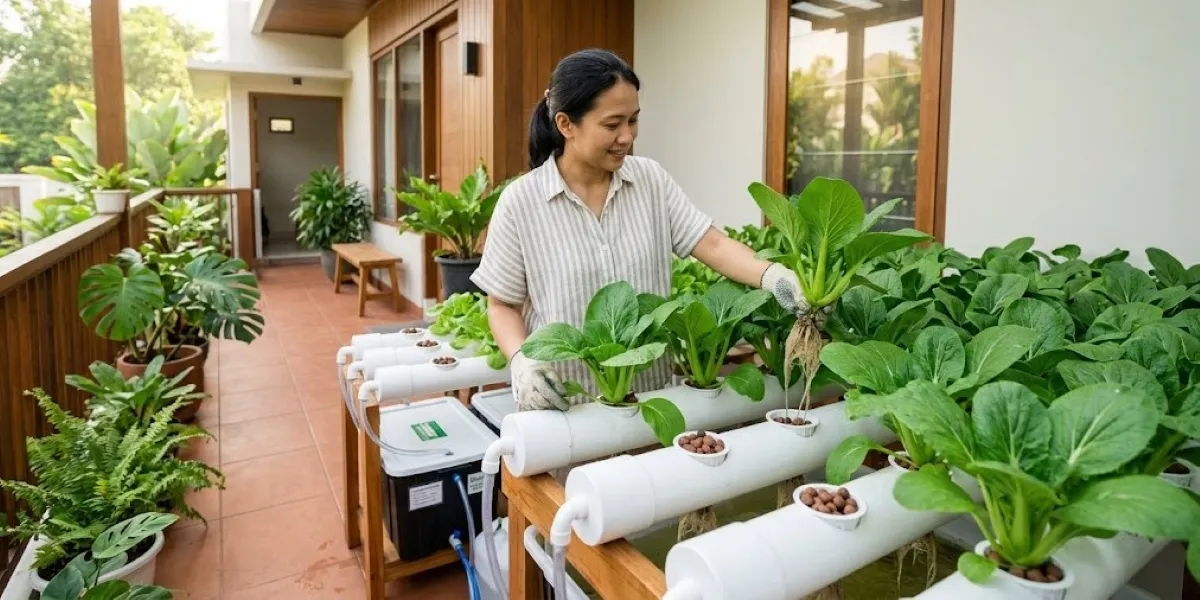
Kapanlagi.com - The method of growing hydroponic mustard greens is now widely sought after by urban residents who want fresh vegetables at home. This method does not require soil, making it suitable for homes with small yards or even no yard at all. Just with water, containers, and nutrients, mustard greens can thrive on the terrace of the house.
Mustard greens are a favorite choice for beginner hydroponics because their growing period is short and their care is not complicated. The roots of mustard greens also easily absorb nutrients from the water, so their growth tends to be faster compared to other vegetables. This reason makes mustard greens suitable to try for anyone who is just starting to learn to garden without soil.
This article will discuss how to grow hydroponic mustard greens step by step, summarized by KapanLagi.com from various sources, Monday (17/8/2026). This guide can help anyone have clean and fresh vegetables without the hassle of dealing with soil. Let's take a look at the complete explanation below.
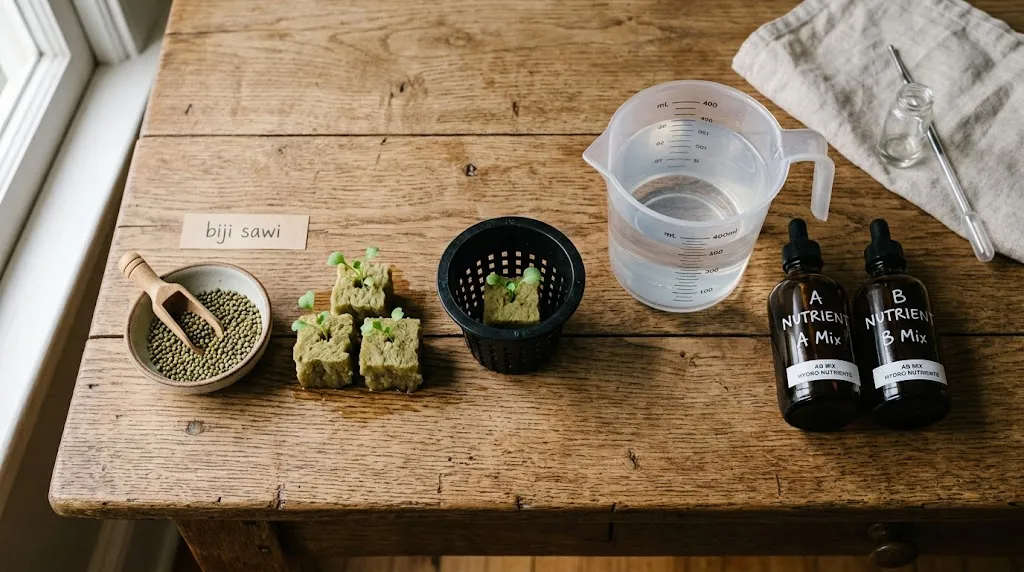
Prepare the Tools and Planting Materials. (Image: AI Generated)
Before planting mustard greens, first prepare the necessary tools and materials. The main materials that must be available are mustard seeds, rockwool as a growing medium, clean water, and AB mix nutrients specifically for hydroponics. The planting containers can use net pots, used plastic bottles, or a wick system made from flannel fabric.
In addition to the planting materials, also prepare a place that receives sufficient sunlight, at least four to six hours a day. Mustard greens are a type of vegetable that needs light to grow optimally, so the position of the planting containers should be close to a window or in an open terrace. Also, ensure that the water used is free from chlorine to prevent root damage.
Other supporting tools such as measuring cups and pH meters can help measure nutrient ratios accurately. However, beginners need not worry if they do not have advanced measuring tools, as the nutrient ratios are usually indicated on the product packaging. The important thing is that all tools and materials are complete before starting the seeding process.
Once the tools and materials are ready, it's time to sow the mustard seeds. Cut the rockwool into small square pieces about two centimeters in size, then moisten with water until evenly damp. Make a small hole in the center of the rockwool using a toothpick, then insert one mustard seed into each hole.
Place the rockwool containing the seeds in a shaded area for the first two days to ensure good germination. Once the seeds start to crack open and small shoots appear, move the rockwool to a spot that receives direct sunlight. Water the rockwool regularly to maintain its moisture throughout the day.
The sowing process usually lasts for seven to ten days until the mustard seedlings grow two to four leaves. During this period, just use plain water without any nutrient mix as the seedlings still rely on the food reserves from the seeds. Healthy seedlings will appear upright with bright green leaves.
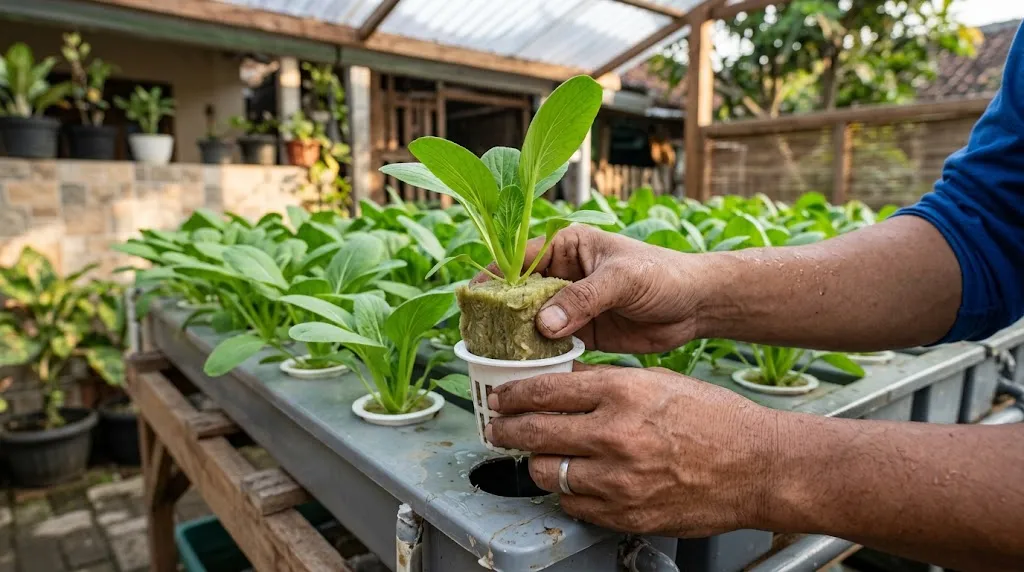
Transfer the Seedlings to the Hydroponic System. (Image: AI Generated)
Seedlings that already have several leaves are ready to be transferred to the main hydroponic system. Insert the rockwool containing the seedlings into the netpot, then place the netpot in the planting container hole that has been prepared. Make sure the bottom of the rockwool touches the nutrient solution so that the roots can directly absorb the food.
For the wick system, use flannel fabric that connects the netpot with the nutrient solution below it. This system is suitable for beginners because it does not require a pump or additional electricity. The nutrient solution will slowly rise to the mustard roots through the capillary action of the fabric.
After the seedlings are transferred, place the planting container in a spot that receives direct sunlight every day. Avoid moving the plants too often as it can stress the roots and hinder growth. Allow the mustard to adapt for a few days before starting a full care routine.
Regular maintenance is the key to successfully growing hydroponic mustard greens. Mix the AB nutrient mix according to the dosage on the package, then dissolve it in water in the planting container. Replace the nutrient solution every seven days to ensure the mustard greens receive fresh food and are not contaminated with algae.
Check the water level in the planting container daily, especially during hot weather as evaporation can occur more quickly. Add regular water if the surface of the solution begins to drop, without needing to add new nutrients before the scheduled replacement. Also, pay attention to the condition of the mustard greens' leaves, as yellowing leaves can be a sign of nutrient deficiency.
Clean the planting container of algae or dirt that may stick to ensure the mustard greens' roots remain healthy. Hydroponic mustard greens also need to be checked for pests such as caterpillars or aphids that can attack even when grown without soil. Immediately separate infested plants to prevent the spread to other plants in the same container.
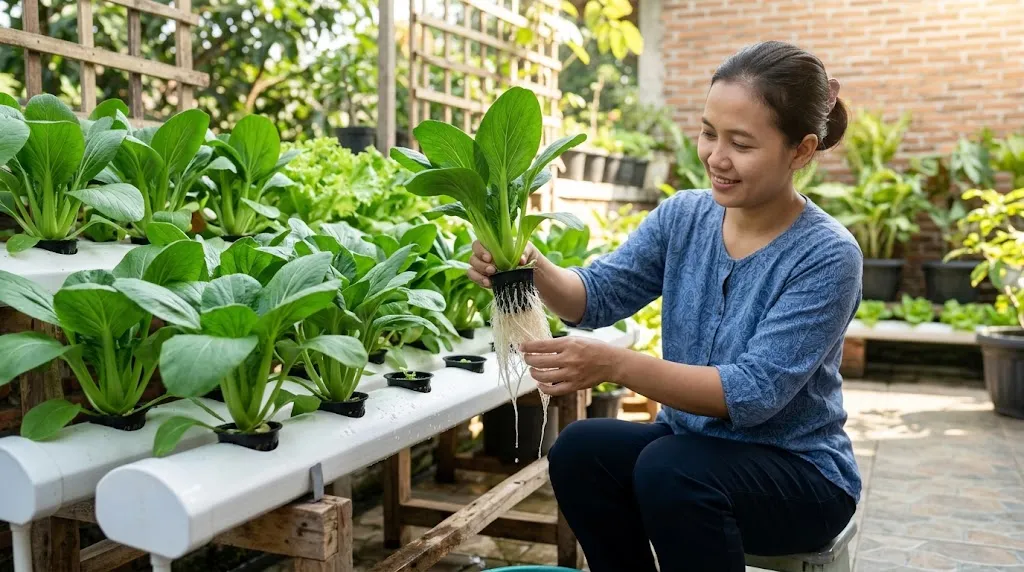
Harvesting Mustard Greens at the Right Time. (Image: AI Generated)
Hydroponic mustard greens are usually ready for harvest after thirty to forty days from sowing. The signs that the mustard greens are ready to be harvested can be seen from the number of leaves that have grown and the size of the stems that are starting to enlarge. Choose to harvest in the morning so that the mustard greens remain fresh and crisp when consumed.
The method of harvesting hydroponic mustard greens is quite easy, which is to pull out the entire plant along with its roots from the net pot. Rinse the roots of the mustard greens with clean water to remove any remaining rockwool that is stuck. The freshly harvested mustard greens can be processed immediately or stored in the refrigerator to keep them lasting longer.
After harvesting, the planting container can be cleaned immediately and refilled with new seeds for the next planting cycle. The hydroponic system allows for repeated planting without the need to change the growing medium as in soil methods. This way, the supply of fresh mustard greens at home can continue throughout the year.
In addition to the main steps, there are several additional things that can help maximize the yield of hydroponic mustard greens. Here are some tips that can be tried at home.
- Adjust the Spacing Between Plants: Leave a distance of about fifteen centimeters between net pots so that the mustard leaves have enough room to grow. Too close spacing can cause the mustard to compete for light and nutrients. Proper spacing also makes it easier to check the plants every day.
- Use Room Temperature Water: Avoid watering the mustard with water that is too cold or hot as it can disrupt nutrient absorption at the roots. Water at room temperature is more easily absorbed by the plants evenly. Let the water sit for a while before using it if it was just taken from the fridge.
- Rotate the Planting Containers: Occasionally rotate the planting containers so that all parts of the mustard receive even sunlight. Plants that are only exposed to light from one side tend to grow crooked. This method helps the mustard greens grow more upright and balanced.
- Record Nutrient Change Schedule: Make a simple note of when the nutrients were last changed so you don't forget the schedule. This note also helps monitor the growth of the mustard greens over time. A consistent schedule makes the plants grow more steadily.
- Choose Quality Seeds: Use mustard seeds from sealed packages that are not expired. Quality seeds have a higher germination rate compared to old seeds. This will directly affect the number of seedlings that successfully grow.
How long can hydroponic mustard greens be harvested? Hydroponic mustard greens are generally ready to be harvested within thirty to forty days from the start of the seeding process.
Does growing hydroponic mustard greens require electricity? Not necessarily. The wick system does not require electricity because the nutrient solution rises to the roots through felt cloth.
What is the best medium for seeding mustard greens? Rockwool is a commonly used seeding medium because it can maintain moisture and support root growth well.
Can regular tap water be used for hydroponics? Tap water can be used as long as it has been allowed to sit first so that the chlorine content evaporates and does not interfere with the growth of mustard greens' roots.
Why do hydroponic mustard greens' leaves turn yellow? Yellowing leaves usually indicate a nutrient deficiency or that the solution has not been changed for too long and needs to be refreshed immediately.
(kpl/bim)
Cobain For You Page (FYP) Yang kamu suka ada di sini,
lihat isinya
Movies set in Ancient Greece do not only revolve around warfare, but also present tales of heroism, intrigue, and adventures inspired by the history and legends of the past.

Take a peek at a drama about a group of neighbors who help each other face problems. The story is warm and touching.
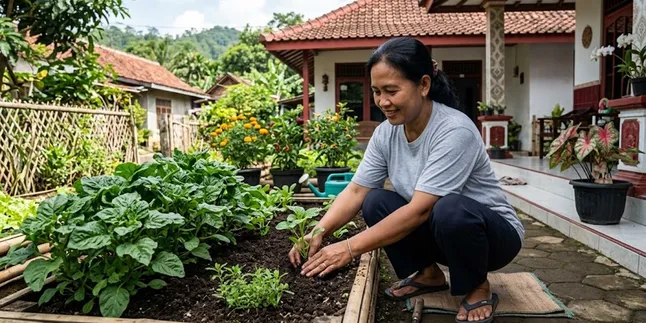
Want to have a stock of healthy vegetables at home? Let's learn how to grow Brazilian Spinach easily, which can be harvested repeatedly and is rich in nutrients for your healthy lifestyle!

K-dramas often depict the stories of new employees adapting to troubled teams. From office intrigues to comedy, these dramas present realistic and inspiring struggles.

Check out 6 movies about prosecutors revisiting old cases, full of mystery, intrigue, and surprises.

Explore the popular hospital series that not only presents thrilling medical cases but also the intrigue and fierce competition among doctors within.

Looking for the best fake dating K-drama recommendations? Discover 11 Korean dramas about fake relationships, marriage contracts, and pretending to date that are guaranteed to make you feel all the feels!

From the stories of heroes to the people's struggle against colonization, these are 15 films about Indonesian independence that are perfect to watch on August 17.

Discover 11 series recommendations that are perfect to watch during the weekend and want to marathon all day on the weekend
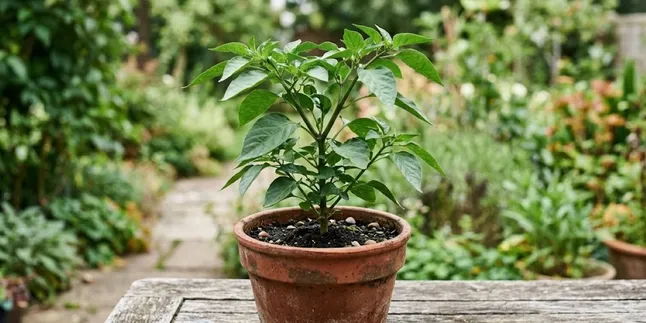
10 ways to address chili plants not bearing fruit so that flowers do not easily drop and the plants can produce fruit again at home.

Shoes that start to emit an unpleasant aroma can certainly disrupt comfort. Fortunately, there are several ways to eliminate shoe odor without washing that can be done using simple materials at home.

This small restaurant in Tokyo only serves one menu, yet it has managed to gain recognition from the Michelin Guide 2026.
