

 Follow
 Rekomendasi
Ideal Exercise Duration, Understand the Right Time Limits and Intensity
Check out the ideal exercise duration each week according to WHO and health experts, plus how to divide it so it doesn't feel overwhelming!

Kapanlagi.com - Shampooing has become one of the hair care routines that is done almost every day. However, many still wonder, can you shampoo every day, especially when the hair feels oily quickly, the scalp sweats easily, or daily activities make the hair feel dirty. On the other hand, there is a belief that washing hair too often can make it dry, brittle, or lose its natural moisture.
In reality, there is no one-size-fits-all rule for shampooing frequency. The need to wash hair can vary depending on hair type, scalp condition, oil production level, activity, and the hair care products used. Oily hair certainly has different needs compared to dry, curly hair, or a scalp that tends to be sensitive.
Therefore, shampooing every day is not automatically good or bad. What is more important is to observe the condition of the hair and scalp after shampooing and to choose the appropriate products. So, can you shampoo every day? Citing various sources, Tuesday (1/9/2026), check out the following information review.

People with oily scalps typically produce more sebum. Sebum actually has an important function as it helps keep the scalp and hair shaft protected, but excessive production can make hair look flat, feel heavy, and get dirty more quickly. In such conditions, washing every day can be a reasonable choice, especially if the hair already feels oily before starting activities. Washing frequency should not only follow general rules but should be adjusted to each individual's scalp condition.
However, washing every day does not mean using a large amount of shampoo or scrubbing the scalp vigorously. The way you wash your hair also affects its condition. Choose a shampoo that suits your scalp type and use just enough to clean oil, sweat, dust, and residue from hair products. Massaging the scalp should be done gently with the fingertips, not with nails, to avoid causing irritation or small wounds.
If after washing the hair feels very dry but the scalp remains oily, the care routine may need to be evaluated. It could be that the products used are too harsh for the hair, while oil production on the scalp remains high. In such conditions, not only the frequency of washing needs to be considered, but also the type of shampoo, how to wash the hair, the use of conditioner, and habits after washing. Therefore, for those with oily hair, washing every day can be done as long as the hair and scalp remain comfortable.
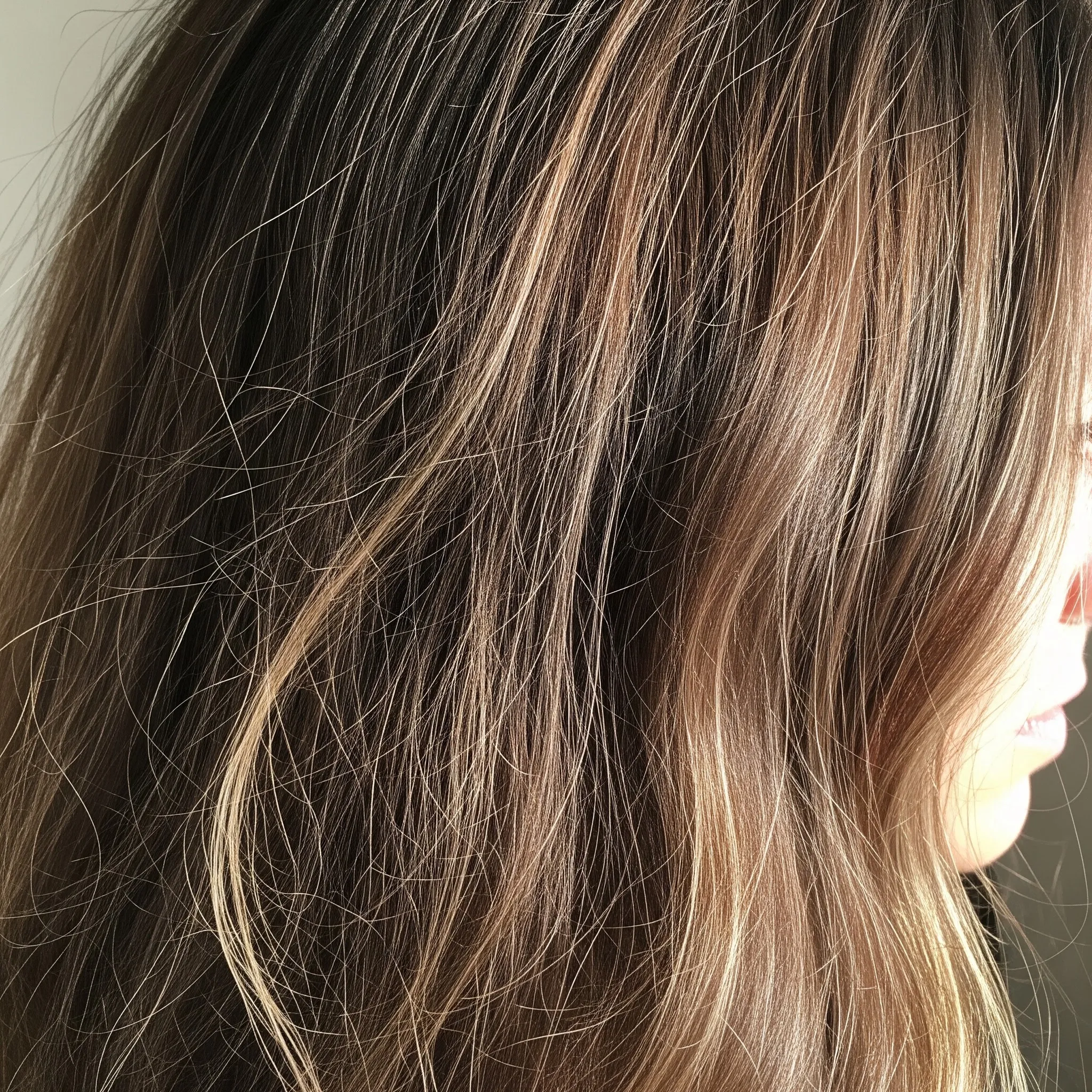
Unlike oily hair, dry hair usually does not require washing as often. The natural oil from the scalp helps maintain moisture in the hair, but this oil takes time to spread from the roots to the hair strands. In very dry or curly hair, this process can take longer. If the hair is constantly washed without considering its needs, it can feel increasingly dry, coarse, tangled, and harder to manage.
Owners of dry hair may consider a longer interval between washes as long as the scalp remains clean and comfortable. However, this does not mean that the hair should be left dirty or excessively oily. If after a few days the hair still feels comfortable, does not smell, and the scalp is not experiencing any issues, less frequent washing may be more appropriate. Weather conditions, physical activity, the use of styling products, and daily habits can also cause washing needs to change over time.
In addition to managing frequency, product selection is also important for dry hair. Shampoos that are too harsh can make hair feel increasingly dry after washing. Using conditioner on the mid-lengths to the ends of the hair can help make it easier to manage. When drying hair, avoid rubbing it too harshly with a towel because wet hair tends to be more vulnerable to damage. With the right care, dry hair does not have to be forced to follow a daily washing routine just because of habit.
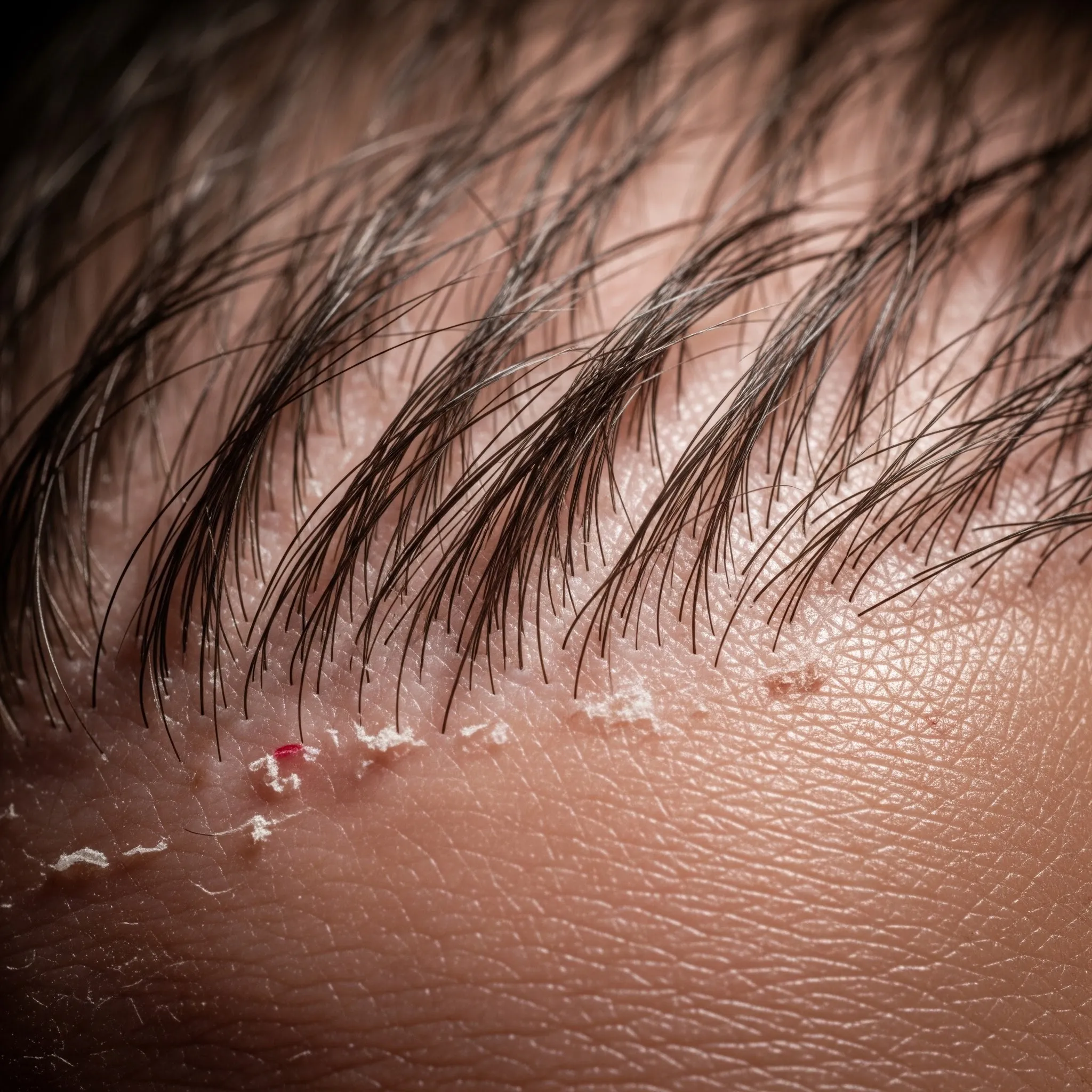
When determining how often to wash your hair, the condition of the scalp is actually one factor that should not be overlooked. The scalp can experience various conditions, ranging from oily, dry, itchy, to dandruff. Two people with similar hair types may not necessarily need the same washing frequency because their scalp conditions can differ. Therefore, paying attention to changes after washing can help determine a more suitable routine.
A scalp that feels very oily, sweaty, or dirty after activity certainly requires more frequent cleansing compared to a scalp that tends to be dry. Conversely, if the scalp feels tight, sore, very dry, or increasingly flaky after washing, the frequency and products used need to be evaluated. Do not assume that discomfort is a sign that the hair is "adjusting," especially if the complaints persist or worsen.
If there are persistent scalp complaints, such as severe itching, redness, sores, concerning hair loss, or dandruff that does not improve despite simple treatments, it is best to consult a dermatologist. Certain conditions require special handling and cannot be resolved simply by changing the washing frequency. This means that the question "is it okay to wash your hair every day" cannot be answered with just a yes or no because the health of each person's scalp is different.

The frequency of washing hair is not only determined by hair type but also by daily activities. Someone who regularly exercises, works in a hot environment, spends a lot of time outdoors, or sweats easily may need to wash their hair more often. Sweat and oil buildup can make the scalp uncomfortable and the hair limp. In such situations, cleaning the hair after certain activities can help keep the scalp comfortable.
However, sweating does not always mean that hair needs to be washed with shampoo every time after an activity. If the hair is only slightly sweaty and the scalp still feels comfortable, rinsing the hair with water or adjusting the care routine may be an option for some people. This is especially worth considering for those with dry hair that easily loses moisture. Conversely, if sweat mixes with excess oil, dust, or styling products, more thorough cleaning may be necessary.
Post-exercise habits are also equally important. Do not let your hair and scalp remain in a very sweaty condition for too long if it starts to feel uncomfortable. Dry your hair well and avoid tying it up while it is still very wet. By adjusting your routine based on activities, one does not need to stick to the same shampooing schedule every day. Hair needs can change depending on the weather, intensity of exercise, work, and activities undertaken.
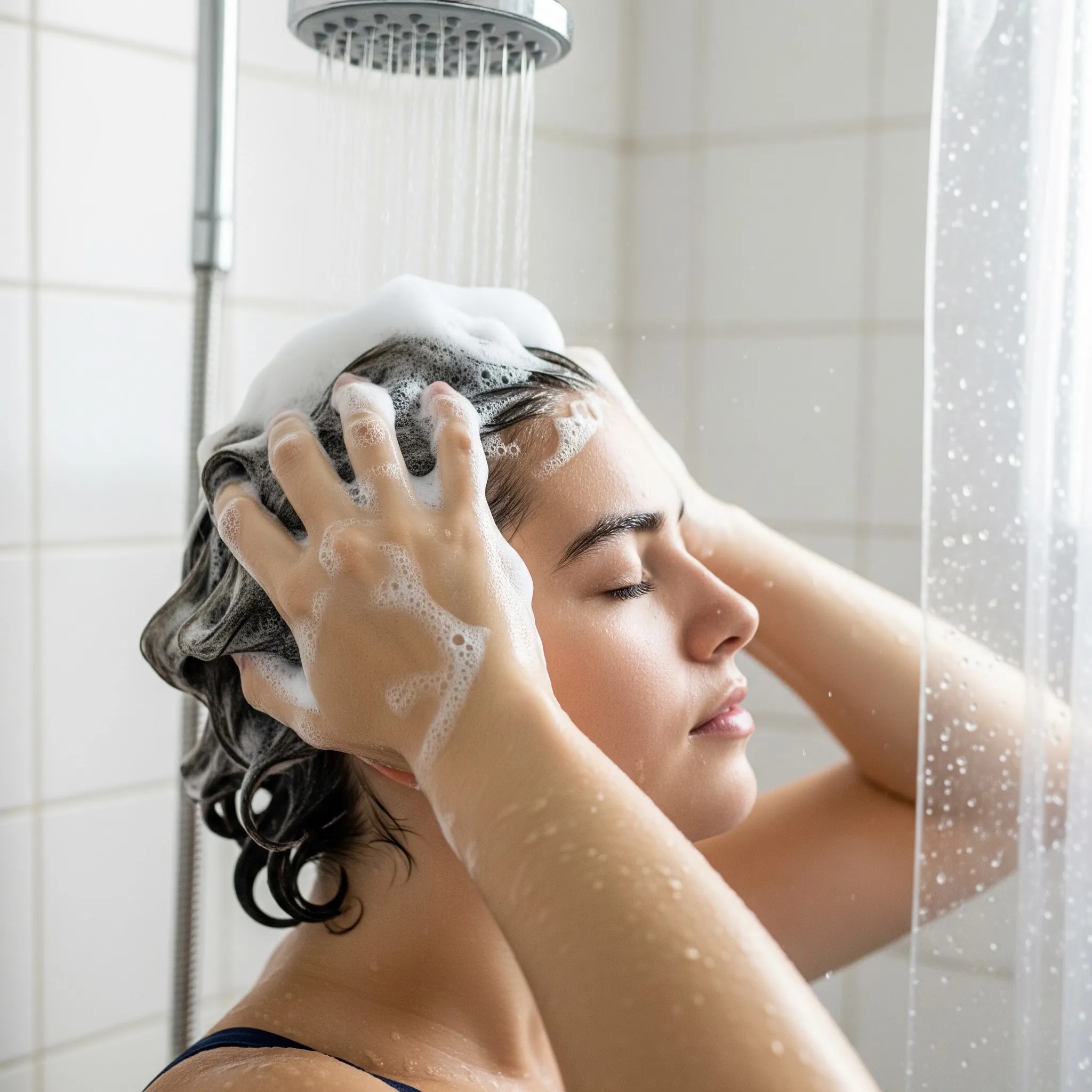
There is a notion that washing hair every day will definitely damage it. In fact, the effects greatly depend on the condition of the hair, the products used, and the washing method. Regularly washing hair does not automatically cause damage if done with the right method. Problems usually arise when hair is too often exposed to unsuitable products, washed with water that is too hot, scrubbed harshly, or treated in a way that causes the hair shaft to lose moisture.
If daily washing is necessary, use a shampoo that suits the needs of the scalp and avoid excessive use. Focus the cleaning primarily on the scalp, as this is where oil, sweat, and dirt accumulate. Meanwhile, the hair shaft and ends do not need to be scrubbed vigorously. The foam from the scalp washing process will generally flow through the hair when rinsed, allowing for gentler cleaning.
Conditioner can also help keep hair manageable, especially for hair that tends to be dry or easily tangled. In addition, pay attention to other habits such as the use of high-temperature styling tools, hair coloring, and chemical processes that can make hair more susceptible to damage. So, if someone needs to wash their hair every day, it doesn't mean they have to stop doing it automatically. What is more important is to ensure that the methods and products used are suitable for the hair's needs.
Determining the frequency of washing is not enough if the products used are not suitable. Shampoos have different formulations, so the needs of oily hair are not always the same as those of dry hair or sensitive scalps. It is better to choose products based on scalp needs and hair condition, rather than just following popular products. For example, if hair often uses styling products, the cleansing needs may differ from hair that rarely uses additional products.
How to use shampoo can also affect the condition of the hair. Pour a sufficient amount into the palm of your hand, then apply it mainly to the scalp and gently massage with your fingertips. Avoid scratching with your nails as it can cause irritation. After that, rinse until no product residue is left. If the hair is very long or the scalp is very oily, the amount and technique of application may need to be adjusted, but excessive shampooing does not automatically make the hair cleaner.
In addition to shampoo, the use of conditioner needs to be applied correctly. Generally, conditioner is better suited to be applied to the mid-lengths to ends of the hair, especially if those areas tend to be dry. Avoid applying too much product to the scalp unless the product is specifically intended for that area. With the right combination of products and gentle washing techniques, one can adjust the washing frequency without sacrificing hair health.
Ultimately, there is no exact number that applies to everyone regarding how often hair should be washed. Some people feel comfortable washing their hair every day, while others may only need to do it a few times a week. These differences are normal because oil production, hair texture, scalp condition, activity level, weather, and individual care habits vary. Therefore, the answer to the question "is it okay to wash hair every day" is essentially acceptable for some people, but not necessarily required or suitable for everyone.
The simplest way to determine the appropriate frequency is to pay attention to the condition of your hair and scalp. If the hair becomes limp quickly, the scalp is oily, or if you sweat frequently, you may need to wash more often. Conversely, if the hair becomes easily dry, brittle, or if the scalp feels very dry after washing, the frequency can be reassessed. Changes to the routine should be made gradually while observing how the hair and scalp respond.
Most importantly, do not make washing your hair every day a mandatory rule just because it is considered cleaner, but do not avoid it simply out of fear of damaging your hair. Hair cleanliness and scalp health need to be achieved with a balance between washing frequency, products used, and care methods. If persistent or disturbing complaints arise, a consultation with a dermatologist can help identify the cause and determine more appropriate treatment.
Yes, especially if the scalp gets oily quickly, often sweats, or is frequently exposed to dirt and dust. However, washing hair every day is not mandatory for everyone. The frequency should be adjusted according to hair type, scalp condition, activity level, and products used.
Washing hair every day does not automatically cause damage. The risk of hair becoming dry or brittle is more influenced by the type of shampoo, hair washing technique, use of water that is too hot, and styling habits. If you must wash your hair every day, use suitable products and wash gently.
There is no one-size-fits-all answer. Hair and scalps that get oily quickly may require more frequent washing, while dry or very curly hair may feel more comfortable if washed less often. Pay attention to the condition of your hair and scalp to determine the most suitable frequency.
Oily hair may require more frequent washing, including daily if necessary. Cleaning helps remove the oil, sweat, and dirt that build up on the scalp. However, use an appropriate shampoo and avoid scrubbing the scalp too hard.
Dry hair generally does not need to be washed every day, especially if the scalp is not oily or dirty. Washing hair too often with unsuitable products can make hair feel drier and more tangled. Conditioner can also be used to help keep hair soft and manageable.
(kpl/iya)
Cobain For You Page (FYP) Yang kamu suka ada di sini,
lihat isinya
Check out the ideal exercise duration each week according to WHO and health experts, plus how to divide it so it doesn't feel overwhelming!

Self reward ideas that won't break the bank to indulge yourself without spending a lot of money.

Discover the secrets to looking your best by choosing the right blush on color that matches your skin tone and undertone, so your makeup looks natural and not dull.

Recommendations for the best dramas about poor students entering elite schools, ranging from Boys Over Flowers to Hierarchy. Discover the analysis of class conflict and the struggles of students in conglomerate schools.

Trains in Indian cinema are not just transportation, but the main stage for love stories, struggles, and self-discovery. Explore iconic films that use the tracks as a canvas for storytelling.

Although they may look similar at first glance, suits and blazers have different functions and characteristics. Understand the detailed comparison of designs, materials, and occasions to ensure your fashion style is always on point and suitable for the event.

Discover the complete guide to the delicious, fresh, and practical spicy tomato eggplant soup recipe that can be made at home. Complete with ingredient measurements, cooking steps, and tips to avoid failure.

Unveiling the intrigue and drama of infidelity, this popular drama tells the story of a woman's struggle against betrayal and the fight for a husband.

Find inspiration through the recommended movies about pilgrimage and self-discovery below.

Check out the complete guide to the practical, delicious, and highly nutritious mushroom and green onion stuffed rolled eggs recipe, complete with how-to instructions and tips for success so you won't fail.

Discover inspiring film recommendations about women's struggles to achieve dreams, from the true stories of NASA scientists to legendary writers, teaching resilience and courage.

Omelettes can have a tempting crispy texture. Try this practical recipe with a combination of cabbage and carrots that are rich in nutrients, complete with sweet and spicy sauce.
