

 Follow
 Rekomendasi
Causes of Avocado Trees Flowering but the Fruits Fall Off
The causes of avocado trees flowering but the fruits falling off can stem from water, nutrients, weather, and pests.

Kapanlagi.com - Blush on is a magical touch for the face, but choosing its color often confuses people. In fact, finding the right cheek color that matches your skin tone and undertone is the key to a fresh and natural look.
Not only does it beautify, but the right blush on can make you look healthier, brighter, and not dull. So, let’s understand more about how to choose the blush on color that suits you best.

Women with cool undertone looking fresh. [AI Generated]
Before hunting for your dream blush on, the first step you must take is to understand your skin's undertone. This undertone is the base color beneath the surface of your skin that significantly affects how makeup colors will look when applied to your face. There are three main categories of undertone that you need to know: warm, cool, and neutral.
If you have a warm undertone, your skin tends to have yellow, golden, or peach hues. Typically, those with a warm undertone will look more suited and radiant when wearing gold jewelry.
For blush on choices, colors like peach, coral, orange, warm rose, apricot, terracotta, or bronze will blend perfectly, providing a healthy natural glow and a warm sun-kissed effect. Avoid pink or purples that can make your face look dull.
Conversely, a cool undertone is characterized by reddish, pink, or bluish hues in the skin. Silver jewelry tends to stand out more and is suitable for those with a cool undertone.
The ideal blush on choices are soft pink, berry, plum, rose, or cool mauve, which will give a bright, fresh, and feminine impression. Avoid blush on with orange or overly warm tones as they can create a less harmonious contrast.
For those lucky enough to have a neutral undertone, this means your skin is a balanced mix between warm and cool, not too yellow or red.
This flexibility allows you to wear both gold and silver jewelry. You can experiment with various blush on colors such as rose, nude pink, dusty peach, and soft coral, including soft options.

Women wearing blush on. [AI Generated]
After understanding your undertone, it's time to adjust your blush on choices to match your skin tone or overall skin color. Generally, skin colors are divided into four main categories: fair/bright, yellowish, medium brown, and dark. Each category has recommended blush on colors that will make your face look the most charming.
For fair or bright skin, you can try soft colors like soft pink, light coral, light peach, or rosy pink that will make your face look bright and fresh without being overwhelming. If you have a cool undertone, baby pink or carnation will provide a very fresh natural hue.
For yellowish skin, which generally has a warm undertone, options like peach, coral, warm rose, terracotta, apricot, orange, or bronze will radiate a bright and glowing facial charm. Peach coral even becomes a universal choice to balance the yellow undertone of yellowish skin.
Those with medium brown skin will look stunning with blush on in warm shades. Try peach brown, coral, terracotta, nude pink, copper, berry, warm brown, golden apricot, mauve, orange, rose, brick red, soft bronze, deep peach, rosy pink, or tawny rose.
Coral is very suitable for daily use because it gives a fresh and healthy effect. Meanwhile, mauve can provide a sweet and elegant hue, especially for medium skin with a cool undertone. Avoid shocking pink or dark colors that can make the face look dull.
Finally, for dark skin or deep skin tone, do not hesitate to choose bold colors that can accentuate the cheeks and provide an interesting contrast. Mauve, brick red, berry, plum, deep rose, fuchsia, dark pink, reddish orange, or bronze are the right choices.
Colors like berry and plum will give a more vibrant result, while brick red and reddish orange create a natural rosy impression. For a shiny and healthy look, an older pink or fruit colors like wild berry and raspberry can be stunning choices.
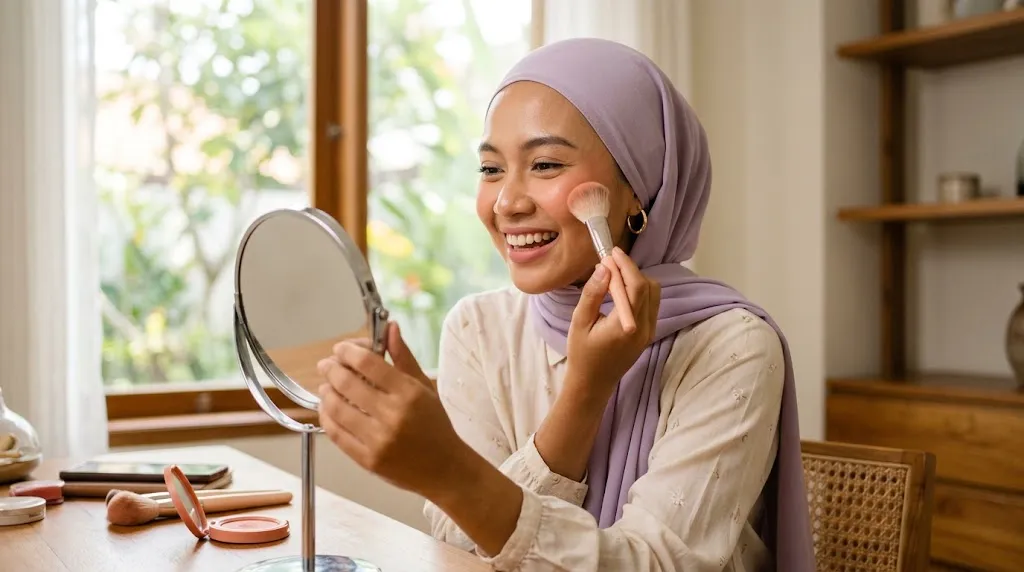
Women wearing blush on. [AI Generated]
In addition to color selection, the texture of blush on also plays an important role. For those of you with medium skin, cream type blush on is often recommended. Its easy-to-blend texture will merge perfectly with the skin, creating a natural result that tends to last longer in tropical climates.
Don't forget about the application technique. Using the right brush and applying blush on with a thin layering technique will make the color blend harmoniously. Start with a small amount of product, then gradually add until you reach the desired intensity. This method will prevent the blush on from looking too thick or uneven.
The world of makeup is about exploration and finding what suits you best. Never hesitate to experiment with different colors and textures of blush on until you find the perfect combination that not only makes your face look fresh but also boosts your confidence.
How to determine skin undertone before choosing blush on?
Pay attention to the base tone of the skin, the color of the veins, and the suitability of gold or silver jewelry. Undertones are generally divided into warm, cool, and neutral.
What blush on color is suitable for medium brown skin?
Medium brown skin is suitable for colors like coral, peach-brown, terracotta, mauve, berry, copper, and warm rose that give a fresh and healthy impression.
Should blush on color be adjusted to skin tone and undertone?
It is advisable to do so. Skin tone determines the intensity of the suitable color, while undertone helps choose the shade so that the blush on looks more blended and natural.
How to apply blush on for a natural and long-lasting result?
Apply gradually using the right brush. The layering technique in thin layers helps the color blend more easily and prevents it from being too thick.
(kpl/ini)
Cobain For You Page (FYP) Yang kamu suka ada di sini,
lihat isinya
The causes of avocado trees flowering but the fruits falling off can stem from water, nutrients, weather, and pests.

Learn the list of foods that should not be stored in the fridge door along with the reasons according to food safety experts. Protect your family's health and prevent food from spoiling quickly.

Feeling stuck in your annual resolutions? Learn how to get out of your comfort zone without doubt and tolerance for uncertainty now.

Create an oasis at home with plants that are suitable to combine with coral stones in the garden. The combination of green colors and natural stones is refreshing.

Ornamental plants that are easy to propagate for sale can be a choice for beginners who want to start a plant business from home.
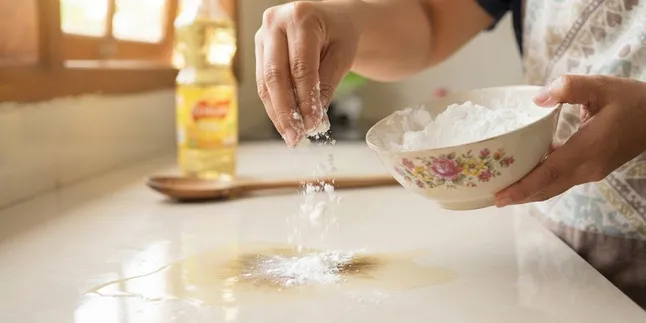
Clean stubborn oil stains at home easily using cornstarch! Check out these 7 practical and effective methods.
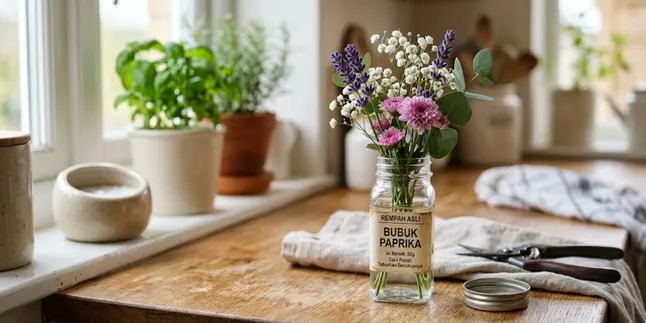
Don't rush to throw away used spice jars; they can be transformed into useful items, ranging from daily spice containers, mini vases, to DIY aromatherapy candles.

Coconut oil can actually be a lifesaver for stuck zippers! This natural lubricant is effective in reducing friction and restoring the movement of the zipper without damage.
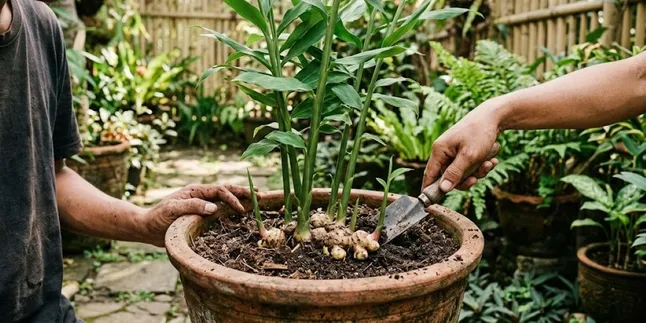
Learn how to care for ginger in pots to grow quickly and be harvested at home. A practical gardening guide for beginners in limited spaces.

Want to have your own fresh vegetables? Baby kailan is the right choice for limited space. Here’s an easy way to plant it in pots or polybags for quick harvesting and always have supplies at home.
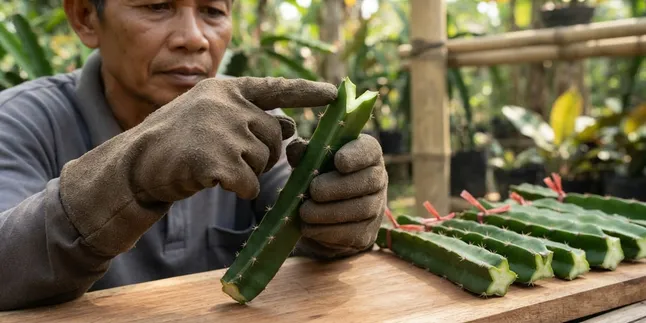
Want to cultivate dragon fruit at home? Check out this step-by-step guide on how to plant dragon fruit from cuttings that is easy, simple, and effective for quick and lush growth.
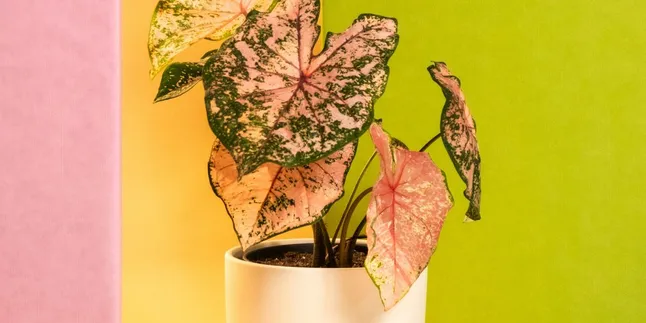
How to overcome curling and wilting taro leaves by identifying the causes and appropriate care steps.
