

 Follow
 Rekomendasi
12 Recommendations for Family Restaurant-Themed Movies Full of Warmth, with Stories that Make You Feel at Home
Family restaurant and culinary-themed films that warm the heart, presenting adventures of taste and inspiring stories.
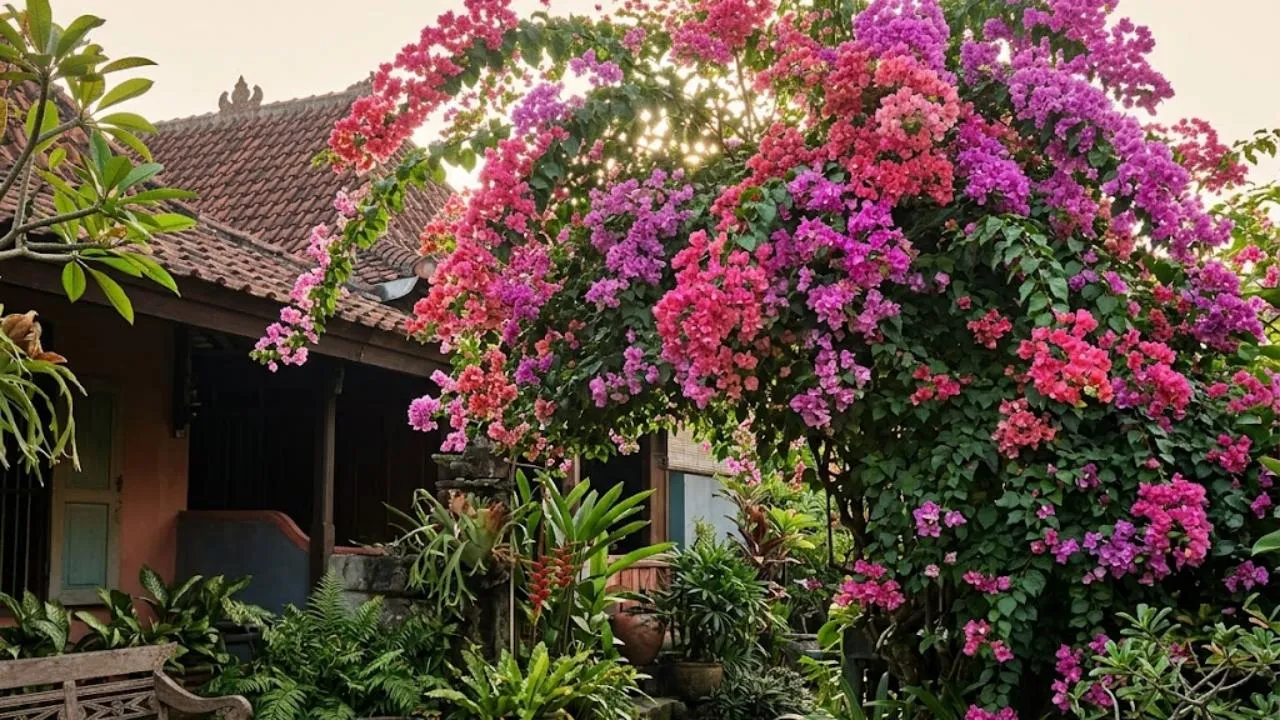
Kapanlagi.com - Bougainvillea is known as an ornamental plant that can bring vibrant colors to your garden. However, to appear lush and colorful, the selection of fertilizer for bougainvillea to bloom quickly cannot be done carelessly. Nutrient content that is too high, especially nitrogen, can actually make the plant busier producing leaves than flowers.
Bougainvillea is actually quite resilient to dry conditions and can grow well without excessive fertilization. When the plant receives enough sunlight, the planting medium has good drainage, and watering is not excessive, the chances of flowers or colorful bracts appearing will be greater.
Fertilization serves as a support, not the sole determinant of flowering success. Therefore, the type of fertilizer, NPK content, timing of application, and plant conditions need to be considered simultaneously. Here’s a guide to choosing and using fertilizer so that bougainvillea blooms more frequently, Friday (21/8/2026).
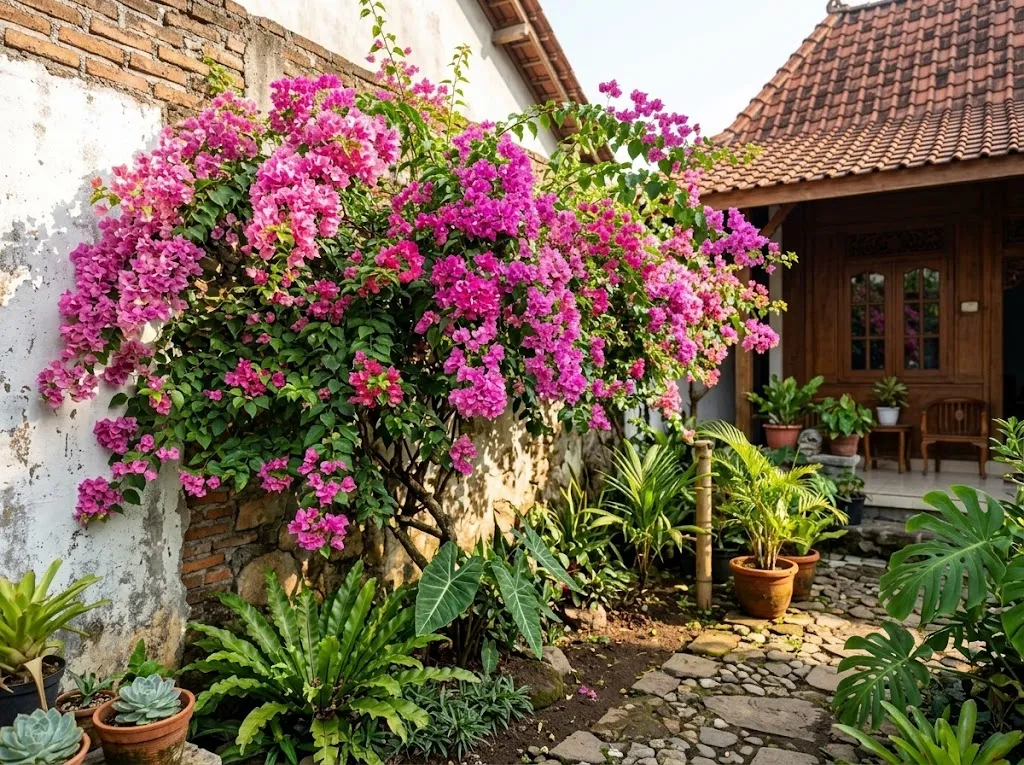
fertilizer for bougainvillea to bloom quickly (AI generated)
Before adding fertilizer, it is important to understand that the issue of bougainvillea not blooming is not necessarily caused by a lack of nutrients. Light intensity is one of the main factors. The University of Florida IFAS explains that bougainvillea needs full sun exposure to produce abundant flowers or bracts. Plants that are too shaded tend to produce more leaves and fewer flowers.
Overwatering can also inhibit flowering. Bougainvillea is relatively tolerant of dry conditions once established and prefers media with good drainage. The University of California Agriculture and Natural Resources mentions that bougainvillea should be watered deeply, then allowed to dry out before the next watering. Soil that is too wet can actually disrupt root health.
Pruning too often is another factor to consider. Bougainvillea produces flowers on new growth, so pruning done too frequently or at the wrong time can reduce the potential growth that will produce flowers.
In other words, fertilizer cannot replace the basic needs of the plant. If bougainvillea is lacking light or is constantly waterlogged, adding fertilizer is not the primary solution.
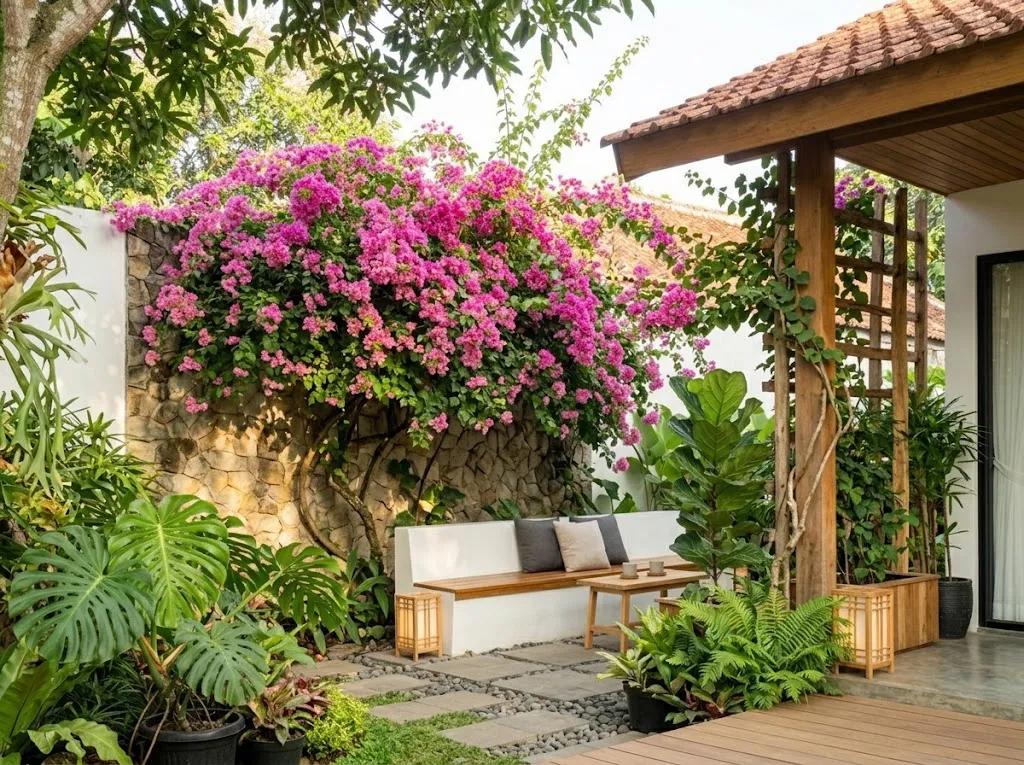
fertilizer for bougainvillea to bloom quickly (AI generated)
Nitrogen or N is a very important element for vegetative growth. This element helps in the formation of new leaves and stems. The problem is that bougainvillea receiving too much nitrogen can grow very lush vegetatively, but actually produce few flowers.
The University of Florida IFAS specifically warns that excessive fertilization, especially nitrogen, can lead bougainvillea to produce leaf and stem growth without optimal flowering. The University of California ANR also suggests choosing fertilizers with a lower first number on the NPK label when the plants have many leaves but few flowers.
Therefore, do not automatically choose fertilizers with high nitrogen content just because you want the plants to grow quickly. For plants that are already quite bushy but have difficulty flowering, a formula with lower nitrogen may be a more suitable choice.
Some NPK formulas mentioned in the sources range from 5-10-10, 10-10-10, or other balanced formulas applied appropriately. Gardening Know How mentions that formulas around 5-10-10 or 10-10-10 can help maintain growth and flowering without overly promoting leaf growth. Meanwhile, the University of California ANR refers to balanced formulas like 5-5-5 or 10-10-10 as one of the options for fertilizing bougainvillea.
These numbers do not mean that every bougainvillea must use the same formula. The condition of the plants, media, climate, and cultivation methods continue to determine fertilizer needs.
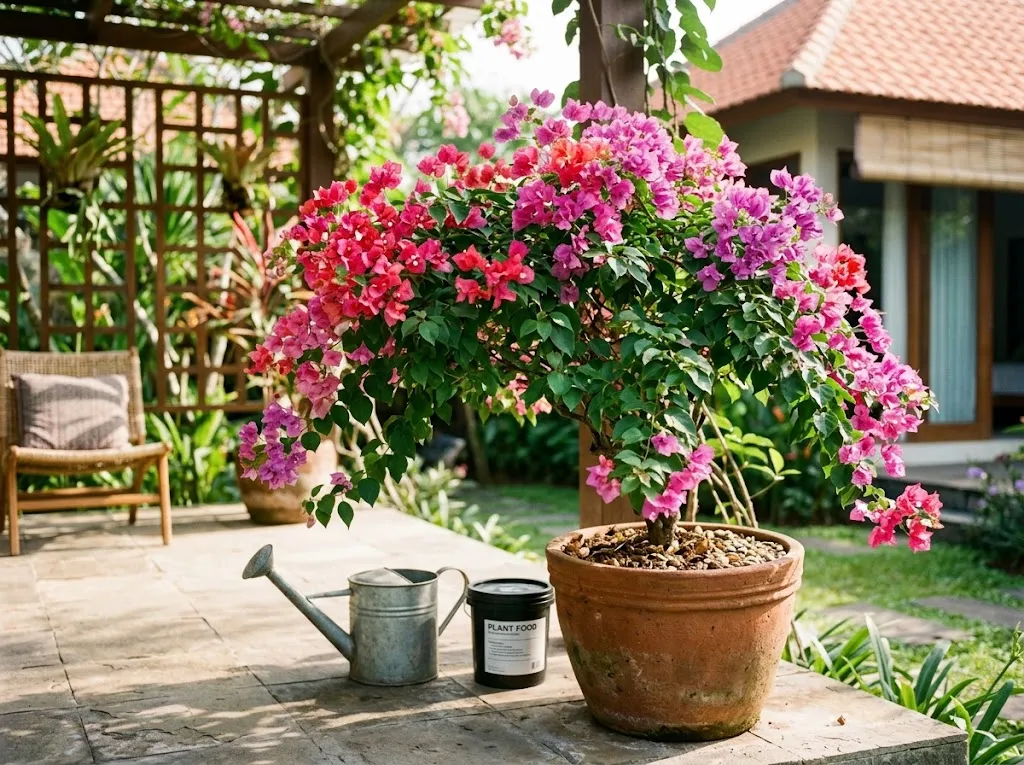
fertilizer for bougainvillea to bloom quickly (AI generated)
Potassium or K often becomes a focus when the main goal of fertilization is to help plants bloom. In the Homes & Gardens material, plant expert Bert Bast explains that fertilizers with higher potash or potassium content can help flower production while also strengthening flower color.
The RHS also provides an interesting approach for bougainvillea in pots. When the plants begin to actively grow, fertilization can use a specific formula to support growth. Once the bracts start to show color, fertilization can be switched to a fertilizer with higher potassium content to help the bracts develop and last longer.
This means that the nutritional needs of bougainvillea do not always have to be viewed as a single formula used all the time. In the growth phase, the plants need nutrients to form new shoots and branches. When entering the flowering phase, the composition of the fertilizer can be adjusted to meet those needs.
However, a high potassium content does not mean that more is always better. Fertilization still needs to follow the dosage on the product label and the condition of the plants. Excess fertilizer can cause salt buildup in the medium, especially in potted plants.
Phosphorus is Also Important, but Don't Overdo It
Phosphorus or P is one of the macroelements related to root development and the reproductive processes of plants. The University of Hawaii Cooperative Extension Service notes that nitrogen and phosphate are important elements in the flowering of bougainvillea, but their application should not be excessive. The source also recommends organic fertilizers or controlled-release fertilizers to help regulate nitrogen release.
This is important because there is a notion that the higher the phosphorus content, the faster the plant will flower. In reality, plants do not always need very high amounts of phosphorus if the growing medium already contains that element.
Therefore, instead of pursuing fertilizers with very high phosphorus content, it is better to choose fertilizers with appropriate composition and ensure that the overall nutritional needs of the plant are met.
Organic Fertilizers Can Be an Option
Organic fertilizers can be used as part of bougainvillea care, especially to help maintain the condition of the growing medium. Organic materials such as compost can help improve soil structure and support soil microorganism activity.
Homes & Gardens mentions that for potted bougainvillea, organic fertilizers can be used to help improve the medium condition sustainably. Gardening Know How also explains that organic fertilizers tend to work more slowly compared to synthetic fertilizers, but they can help improve soil structure and support microbial activity.
Well-matured compost can be used as a medium amendment, but it is still important to pay attention to the quantity. The bougainvillea medium should not be made too heavy and must be able to drain water well.
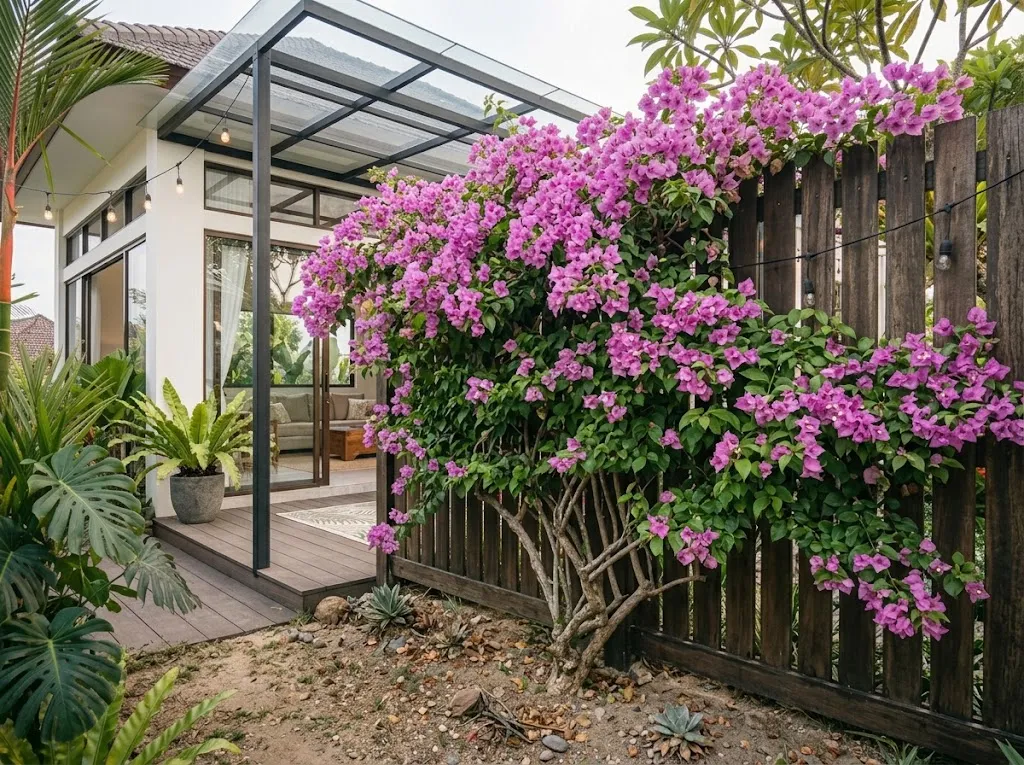
fertilizer for bougainvillea to bloom quickly (AI generated)
Controlled-release fertilizer can be an option for bougainvillea owners who want nutrient delivery to occur gradually. This type of fertilizer releases nutrients slowly, thereby reducing the risk of providing a large amount of nutrients all at once.
The University of Hawaii Cooperative Extension Service recommends organic fertilizers or controlled-release fertilizers to help moderate nitrogen release in bougainvillea. RHS also lists balanced granular fertilizers or controlled-release fertilizers as one option for bougainvillea planted in containers.
This type of fertilizer can be more practical for plants growing in soil, but the dosage must still follow the usage instructions. Plant owners should not add new fertilizer before the previous fertilizer's release period has ended.
Liquid Fertilizer for Bougainvillea in Pots
Bougainvillea planted in pots has slightly different nutrient management needs. Nutrients from the medium can deplete more quickly due to watering and the limited volume of the medium.
Gardening Know How mentions that potted plants can respond to water-soluble liquid fertilizers because the dosage can be more easily adjusted to changes in the plant's needs. RHS also includes the application of liquid fertilizers during the active growth phase, then changing the formula when the bracts start to change color.
Liquid fertilizer should be applied when the plants are healthy and the medium is not extremely dry. Do not increase the fertilizer concentration beyond the instructions in hopes of making the flowers appear faster. The roots of the plants can actually experience problems due to excessively high salt concentrations.
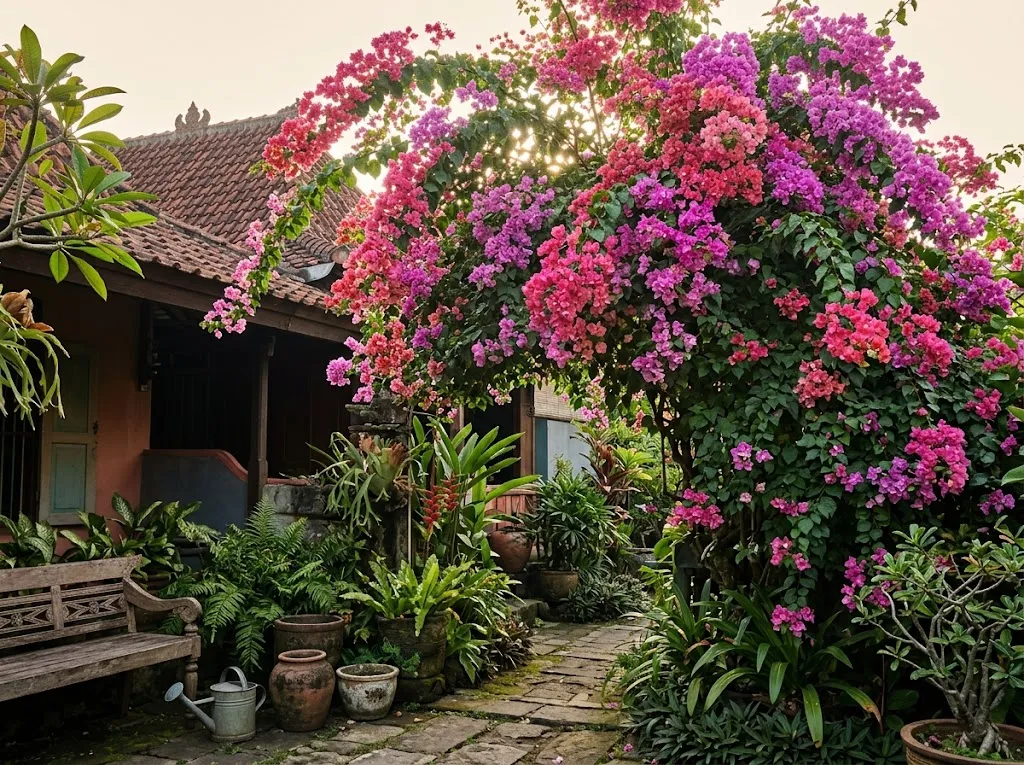
fertilizer for bougainvillea to bloom quickly (AI generated)
The timing of fertilization also affects the results. Gardening Know How recommends starting to apply fertilizer when new growth begins to be active in the spring, marked by the emergence of new leaves and buds. The application is then reduced towards the end of the growing season.
In the context of tropical climates like Indonesia, the term spring certainly does not have to be applied literally. A more important principle is to follow the plant's growth phases. When bougainvillea starts to show new growth after a slower growth period, fertilization can be done as needed.
For plants in the ground, sources from Gardening Know How mention an interval of about four to six weeks during the growing period as one approach. Potted plants may require more frequent applications because nutrients in the media deplete faster. However, Homes & Gardens provides a lighter approach for potted plants, suggesting about once a month during the growing period.
The differences in recommendations indicate that the frequency of fertilization cannot be generalized. The condition of the plants and the type of fertilizer must be the main considerations.
Do Not Fertilize Stressed Bougainvillea
Plants that are experiencing severe drought, pest attacks, have just been transplanted, or have recently had root disturbances should not be given high amounts of fertilizer immediately.
Gardening Know How reminds us that plants under stress from drought, pest pressure, or recent transplantation are not able to absorb nutrients optimally. Newly planted or transplanted bougainvillea should also be given time to adapt before receiving routine fertilization.
The same applies when plants experience root damage. The first priority is to restore root condition, improve drainage, and ensure the plants receive appropriate light.
Common Mistakes When Applying Fertilizer
One of the most common mistakes is assuming that more fertilizer means more flowers. For bougainvillea, this thinking can actually produce the opposite effect. The University of Florida IFAS and the University of Hawaii Cooperative Extension Service both remind us that excessive fertilization can encourage vegetative growth and inhibit flowering.
Another mistake is focusing solely on fertilizer without considering sunlight. Bougainvillea placed in shady areas does not automatically bloom more profusely just because it receives flowering fertilizer.
The next mistake is watering too frequently. This plant prefers a medium with good drainage and does not like to be constantly wet. The University of Florida IFAS emphasizes that too much water can be one of the causes of bougainvillea not flowering.
Excessive pruning should also be avoided. Bougainvillea needs new growth to produce flowers, so pruning should be done with consideration of the plant's growth cycle.

fertilizer for bougainvillea to bloom quickly (AI generated)
If the main goal is to stimulate flowering, choose fertilizers based on the plant's needs, not just looking for the "flower booster" label. For plants that are too lush with leaves but have few flowers, avoid fertilizers with very high nitrogen. A balanced NPK formula or a formula with lower nitrogen can be considered.
When the plant enters the bract formation phase, fertilizers with higher potassium content can be used as directed. Phosphorus remains important as one of the macronutrients, but it does not need to be given excessively if the medium is already sufficient.
Organic fertilizers and controlled-release fertilizers can be options for more gradual nutrient delivery, while liquid fertilizers can help plant owners adjust nutrient delivery to bougainvillea in pots.
The most important thing is that fertilizer is just one part of the care. Place bougainvillea in an area that receives plenty of sunlight, use media with good drainage, avoid overwatering, and perform proper pruning. The combination of these factors makes much more sense than relying on a single type of fertilizer to make the plant bloom.
Not always. Nitrogen primarily encourages the growth of leaves and stems. If given too much, bougainvillea can become very bushy but produce fewer flowers. For plants that have many leaves but rarely flower, a lower nitrogen fertilizer is more suitable.
Potassium can support the flowering process and help the intensity of the bract color. RHS recommends switching to high potassium fertilizer when the bracts start to show color on the plant under certain conditions. The application should still follow the recommended dosage.
There is no one frequency that applies to all plants. Plants in the ground can generally be fertilized at longer intervals, while potted plants may require nutrients more frequently. Gardening Know How mentions about four to six weeks for ground plants and two to three weeks for potted plants during the growing season, while Homes & Gardens recommends about once a month for potted plants.
Check other factors such as light, water, pruning, and root conditions. Bougainvillea requires adequate sunlight to produce good blooms. Plants that are overwatered or pruned too often may also experience a decrease in blooming.
No. Bougainvillea is relatively tolerant of dry conditions once established and does not like media that is constantly wet. Watering should be done with consideration of the media conditions and ensuring that excess water can drain properly.
References
(kpl/yni)
Cobain For You Page (FYP) Yang kamu suka ada di sini,
lihat isinya
Family restaurant and culinary-themed films that warm the heart, presenting adventures of taste and inspiring stories.

Recommendations for movies themed around painters and lost artwork, from stories of art hunters to biographies of world maestros. Perfect for art and mystery lovers.
A complete guide to choosing the right pot, from size, material, to aesthetics so that plants thrive and the terrace looks more beautiful.

House paint colors can reflect the personality of their owners. Here are 7 personality types and the colors that suit them best.

A Korean drama about two male friends falling in love with the same girl, a love triangle story that makes you feel emotional and heartbroken.

Confused about choosing the right pants? Find a complete guide to choosing pants according to apple, pear, hourglass, square, and inverted triangle body shapes to appear proportional and confident.

Coconut oil can actually be a lifesaver for stuck zippers! This natural lubricant is effective in reducing friction and restoring the movement of the zipper without damage.

Beware of 7 sentences usually spoken by someone who is emotionally numb; this sign is often considered normal, yet it carries a heavy burden.

Watch a lineup of the best boxing and martial arts films that tell the story of life's struggles, unyielding determination, and the never-give-up spirit of their characters.
Plants that can be grown from kitchen scraps are diverse and easy to try at home, ranging from vegetables, herbs, tubers, to fruits.

Scale on a steam iron can be prevented with simple habits. Check out 8 ways to prevent scale on a steam iron so that your ironing lasts longer.

Discover 10 Indonesian horror films that highlight village myths, presenting eerie and mysterious stories that pique curiosity.
