

 Follow
 Rekomendasi
8 Inspirations for Anti-Climb Laser Cut Iron Fences, Elegantly Designed for Home Facades
Looking for an anti-climb laser cut iron fence? Check out eight designs that prioritize security while beautifying the front appearance of your home.
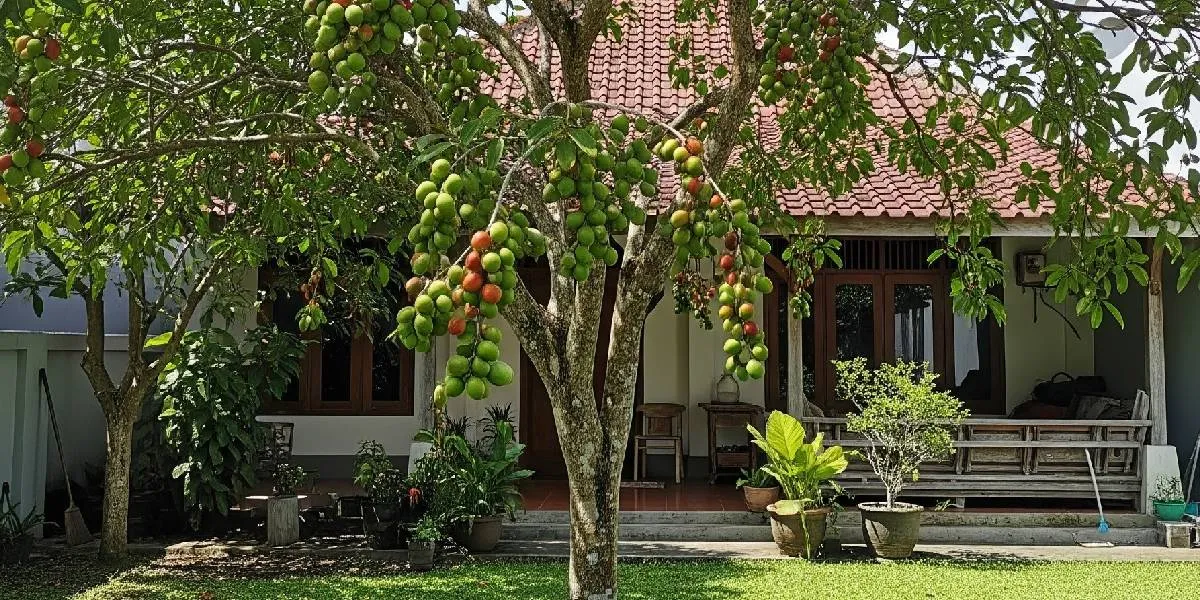
Kapanlagi.com - The menteng tree is once again attracting the attention of fruit plant lovers in Indonesia. This plant, which was once well-known in various regions, is now becoming increasingly rare, leading many people to take an interest in cultivating it as part of efforts to preserve local plants.
In addition to producing fruit that can be consumed, the menteng tree is also a choice for those who want to introduce productive plants in their home gardens. The rising interest has led to an increase in the search for information about its characteristics, habitat, and care methods.
As a tropical fruit plant native to Southeast Asia, the menteng has long been part of Indonesia's biodiversity. However, not everyone knows its scientific name, growth requirements, or cultivation steps.
The menteng tree has the scientific name Baccaurea racemosa. This plant is part of the tropical fruit plant group that has long grown in various regions of Southeast Asia, including Indonesia.
In several areas, menteng is known by different names. Some people refer to it as kepundung, rambai, or rambe. These variations in names indicate that this plant has long been recognized by communities in various regions.
Its natural habitat is in tropical forest areas with adequate rainfall throughout the year. This tree is commonly found in rural areas, mixed gardens, and well-preserved forest areas.
Indonesia is one of the countries with a wide distribution of menteng. In addition to growing naturally, this plant can also be cultivated in yards or family gardens.
Menteng has a distinctive characteristic compared to other fruit plants. Its tree can grow to a height of about 15–25 meters with a woody trunk that grows upright.
The crown generally appears dense with an irregular arrangement of branches. Its leaves are oval-shaped and green, giving a shady impression when the plant is mature.
Menteng flowers appear in clusters that grow on the trunk and branches. After blooming, the fruit will appear in clusters on a single stem.
Menteng fruit is round and small in size. The skin of the fruit will change color when it reaches harvest time. The flesh of the fruit has a sour to sweet-sour flavor, depending on its ripeness, and contains several seeds.
The increasing interest in local fruit plants is one of the reasons why menteng trees are being sought after again. Various plant communities are helping to reintroduce this type of fruit, which was previously rarely cultivated.
In addition to producing fruit that can be utilized by families, menteng is also often used as a collection plant in home yards or gardens. Many plant enthusiasts are interested in growing it as part of their collection of indigenous fruit plants.
Another factor driving the popularity of menteng is its decreasing presence in several regions. This condition has encouraged some communities to participate in preserving it through cultivation in their surroundings.
This plant also has various benefits. The fruit can be consumed directly after ripening, processed into syrup, made into pickles, and used as a fermentation ingredient in several areas. Menteng fruit can also be used as an ingredient in various food preparations.
Besides its fruit, several parts of the plant are traditionally utilized in various regions. The leaves and bark are among the parts that have specific uses in local traditions.
The menteng tree grows well in tropical environments that receive adequate sunlight. Its ideal temperature range is between 21–28 degrees Celsius, although this plant can still grow at temperatures around 14–34 degrees Celsius.
This plant prefers areas with sufficient rainfall and can thrive in various types of soil, including sandy soil, alluvial soil, and clayey soil. Good drainage conditions are still necessary to prevent the roots from being waterlogged.
For routine care, use seedlings from healthy plants and water regularly according to soil conditions. The area around the trunk should be kept clean from weeds and standing water.
Pruning dry branches, providing fertilizer as needed, and periodically checking the plants also help maintain the tree's growth. Additionally, the plant needs sufficient growing space to develop optimally.
When planting menteng in your yard, choose healthy seedlings and determine a location that receives adequate sunlight. Create a planting hole larger than the size of the seedling's roots, then mix the soil with organic material before planting.
Insert the seedling upright into the planting hole, cover it back with soil until the roots are covered, then water it after the planting process is complete. The planting distance should also be considered to ensure the plants have enough space during their growth period.
With suitable environmental conditions and regular care, the menteng tree can grow well and become part of efforts to preserve the existence of local fruit plants in Indonesia.
(kpl/mda)
Cobain For You Page (FYP) Yang kamu suka ada di sini,
lihat isinya
Looking for an anti-climb laser cut iron fence? Check out eight designs that prioritize security while beautifying the front appearance of your home.

Kitchen design inspiration with a washing area to prevent dampness, ranging from semi-outdoor concepts to material selection to keep the kitchen clean and comfortable.
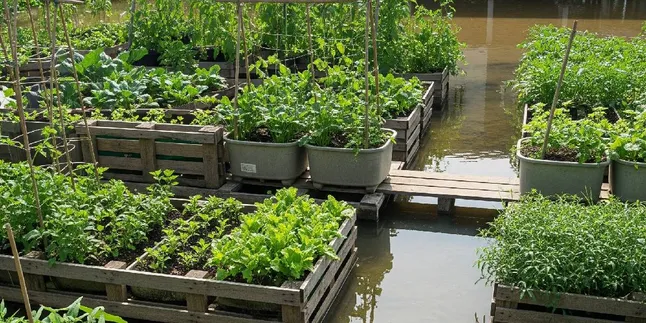
Homes in flood-prone areas can still have productive yards. Check out various land arrangement concepts that help keep the yard beneficial throughout the year.

The 2026 Bhayangkara Day carries the theme of 80 Years of Service, Polri for the Community. Check out the messages, logo meanings, ceremony locations, and the messages behind the 80th Polri commemoration.

Ruben explained that his facial hair grows quite fast. However, during his time in the Holy Land, he intentionally did not shave his beard to be more focused on performing worship.
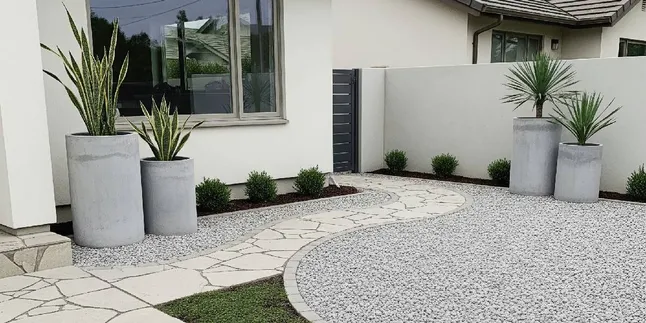
Want your home garden to stay tidy even if it's rarely cleaned? A number of low-maintenance landscaping concepts can be a choice for various types of modern residences.

The preparations for Taylor Swift and Travis Kelce's wedding are said to be getting more extravagant. A giant castle is reportedly being built at Madison Square Garden to realize a fairy tale-like celebration.

Not all anime villains are hated. These five characters actually have touching stories that make many fans hope they become protagonists.

Netflix has finally announced the release schedule for ONE PIECE: HEROINES. This latest spin-off will highlight Nami's story with several original scenes.

Check out the merchandise from Lula Lahfah's latest film that successfully evokes emotions. Discover the story behind HARUSNYA HOROR and the support from netizens here!

Take a peek at the excitement of Natasha Wilona exploring the iconic landmarks of California. Check out her vacation photos from Beverly Hills to the Hollywood Sign here!

Check out Joshua Suherman's funny edits from the film Joshua Oh Joshua. Old scenes transformed into hilarious content that brings nostalgia and laughter.
