

 Follow
 Rekomendasi
How to Set KTP Size in Word to Match CM, MM, and Inch Standards
The KTP size in Word needs to be adjusted to ISO 7810 standards for precise printing results. Check the dimensions and the steps to set it up.
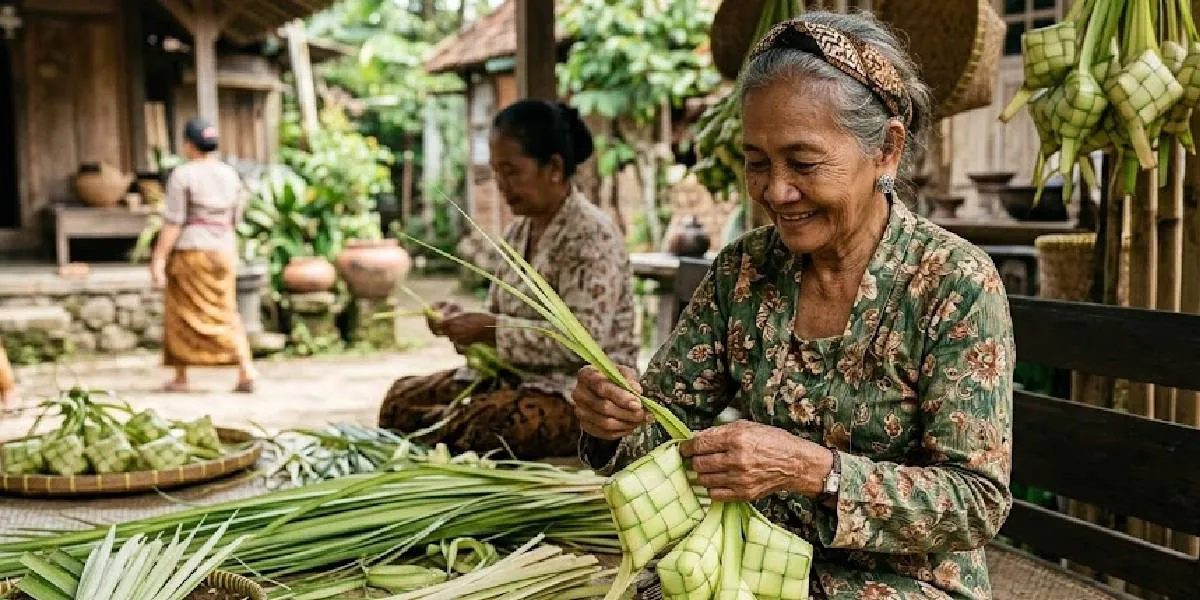
Kapanlagi.com - The method of making traditional ketupat requires several important stages, starting from selecting young coconut leaves, shaping the pouch, filling it with rice, to the boiling process. Each step affects the final result of the ketupat, which should be dense, chewy, and not easily spoiled.
Ketupat is made from rice that is placed into a woven young coconut leaf shaped like a diamond. Besides being a dish often served during Eid al-Fitr, ketupat is also related to the kupatan tradition, which uses simple ingredients but has a long history in the culture of the community.
According to the Journal of Ethnic Foods, ketupat is part of the culinary heritage made from rice wrapped in young coconut leaves. This dish is known as a symbol of gratitude and an apology in the Eid tradition.
The initial step in making traditional ketupat is selecting the right janur. Young coconut leaves that are yellowish-green and still flexible are easier to shape compared to older janur that are brown.
Before weaving, the janur needs to be cleaned first. Wipe the surface of the leaves with a damp cloth, then remove the hard midrib or spine of the leaves so that the strands are easier to fold and arrange.
The weaving process begins by preparing two strands of janur. One strand is rolled three times around the hand with the base facing upwards, while the other strand is rolled three times with the base facing downwards.
The two rolls are then crossed and woven alternately like making a small basket. The weaving needs to be kept tight so that the rice does not spill out during the boiling process.
The shape of the square or diamond container is created by continuing the weaving pattern until the entire part is assembled. After that, the tail of the janur is pulled to tighten the shape and the base of the leaves is tucked in to close the casing.
Citing the Roots page of the National Heritage Board of Singapore, the size of the ketupat can be determined by wrapping the strand of janur around the hand four times. The head and tail of the weave become areas that require a higher level of precision.
For those who are not accustomed to making the weave themselves, ready-to-use ketupat casings are also available in traditional markets and can be used for the next stage.
After the casing is finished, the next step is to fill it with rice and boil the ketupat. The amount of rice added and the cooking time determine the density of the ketupat's texture.
The rice needs to be washed until the rinse water is clear. After that, soak it for about 30 minutes to 1 hour before draining. A little salt can be added for a more savory taste, while lime water can be used if you want the ketupat texture to be denser and last longer.
The rice filling should not be done to the top. Fill the casing with rice about two-thirds full to allow space for the rice to expand during the boiling process.
To cook it, boil water in a large pot until it reaches a boil, then add the ketupat. Make sure the entire ketupat is submerged in water for even cooking.
The ketupat needs to be boiled for 4 to 5 hours while adding hot water if the amount of water in the pot decreases. Another alternative to save gas is to use a boiling technique and then let the ketupat sit in a covered pot repeatedly.
Once cooked, remove the ketupat and rinse with cold water. This step is taken to clean the slime that adheres to the surface of the janur.
Food research states that ketupat generally uses glutinous rice with a soft texture and moderate amylose content. However, some regions also use dry rice with a high amylose content, making the grains easier to separate. In several areas, rice is also cooked with coconut milk to produce a richer flavor.
Cooked ketupat needs to be stored properly to maintain its quality. Handling after boiling affects the durability of ketupat for several days.
After being rinsed with cold water, ketupat can be hung in a place with good air circulation. This method helps reduce residual boiling water on the surface of the janur and keeps the ketupat from molding quickly.
If not consumed immediately, ketupat can be stored in a closed container in the refrigerator. Under these conditions, ketupat can last for three to five days.
Before serving again, stored ketupat can be steamed for 10 to 15 minutes. The reheating process using steam helps restore the texture of the ketupat to remain soft and fluffy.
According to a review in Comprehensive Reviews in Food Science and Food Safety, stored rice can harden due to the retrogradation process of starch. Heating with hot steam is one way to help restore its soft texture.
Ketupat is not only known as a rice-based food, but it also has connections to the history and traditions of the community. The tradition of eating ketupat during Eid is said to have been popularized by Sunan Kalijaga in the 15th century during the Demak Sultanate as part of the spread of Islamic teachings blended with Javanese culture.
Before it developed in Islamic tradition, the woven form of ketupat is also believed to have existed in the tradition of offerings to Dewi Sri, which is related to fertility and agriculture.
In Javanese philosophy, the word ketupat is often associated with the term ngaku lepat, which means to acknowledge mistakes. Meanwhile, laku papat refers to the four actions in the series of Eid celebrations.
Awang Azman, a sociocultural expert from Universiti Malaya, stated that ketupat has evolved and adapted to local cultures through syncretism, which is the practice of combining various beliefs and cultures.
Ketupat also has various forms in different regions of the archipelago and Southeast Asia. Some of them include triangular-shaped ketupat palas, ketupat landan which is boiled using coconut husk ash water, puso from the Philippines, and the katupat typical of the Chamorro tribe in the Mariana Islands.
The differences in rice types, wrapping shapes, and accompanying side dishes make each region have its own characteristics. Ketupat is usually served with coconut milk-based dishes such as chicken opor, rendang, and pumpkin soup because its texture can absorb the broth well.
(kpl/mda)
Cobain For You Page (FYP) Yang kamu suka ada di sini,
lihat isinya
The KTP size in Word needs to be adjusted to ISO 7810 standards for precise printing results. Check the dimensions and the steps to set it up.

News item text in English can be learned through 7 steps, starting from understanding the structure to opening opportunities to become a freelance writer.

Natural stone and mini elephant grass terrace models present a combination of neat, cool natural elements that are suitable for various home concepts.
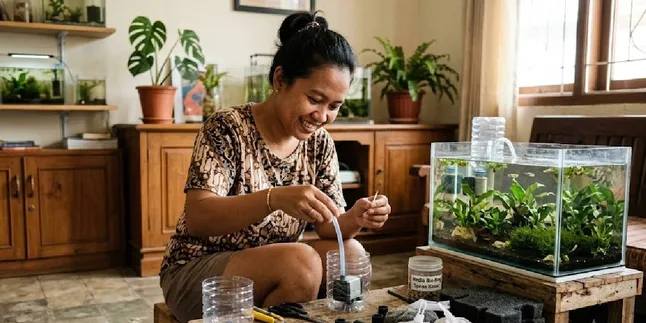
A guide on how to make your own aquarium filter using used bottles, sponges, and an aerator, complete with assembly steps and maintenance.
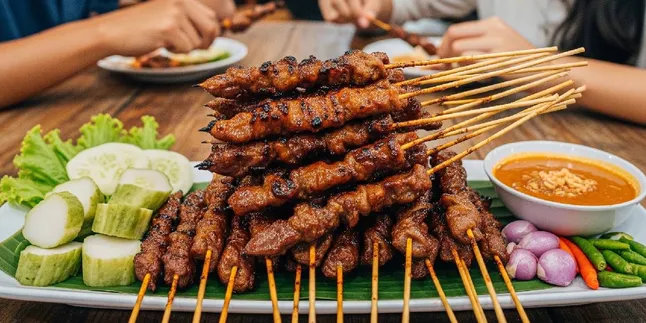
Looking for maranggi satay in Kemang? Here is a list of dining places around South Jakarta with menu options, prices, locations, and opening hours.

Recommendations for Chinese dramas about swapped children with stories full of family secrets, identity quests, and revealed past conflicts.

Check out 8 original examples of opening prayers for MPLS for Islam and Christianity as references to welcome new students in the new academic year.

Used hebel can be repurposed into a strong and aesthetic plant pot rack. Check out the tools needed and the steps for making it from start to finish.

A list of Korean dramas about mafia falling in love that combines conflicts of the criminal world, action, and the emotional relationships of the characters.

Creating a tropical food forest requires a combination of mutually supportive plants. Get to know 10 types of plants that can help maintain garden productivity throughout the year.
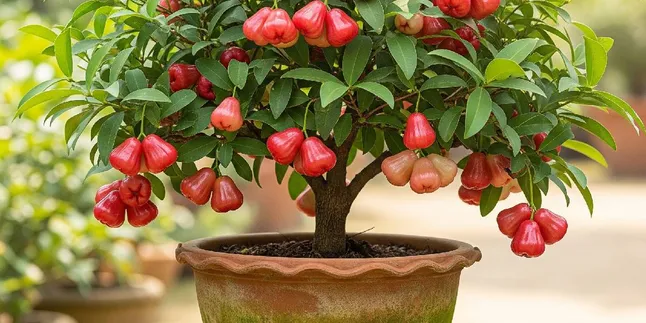
Limited land is no longer an obstacle to planting fruit trees. Here are 10 types of fruit plants that can be kept short yet remain productive.

Thai horror comedy films present supernatural stories with unique humor. Here are five recommendations that offer unique tales from various backgrounds.
