

 Follow
 Rekomendasi
8 Places for Maranggi Satay in Kemang and Surrounding South Jakarta to Try in 2026
Looking for maranggi satay in Kemang? Here is a list of dining places around South Jakarta with menu options, prices, locations, and opening hours.
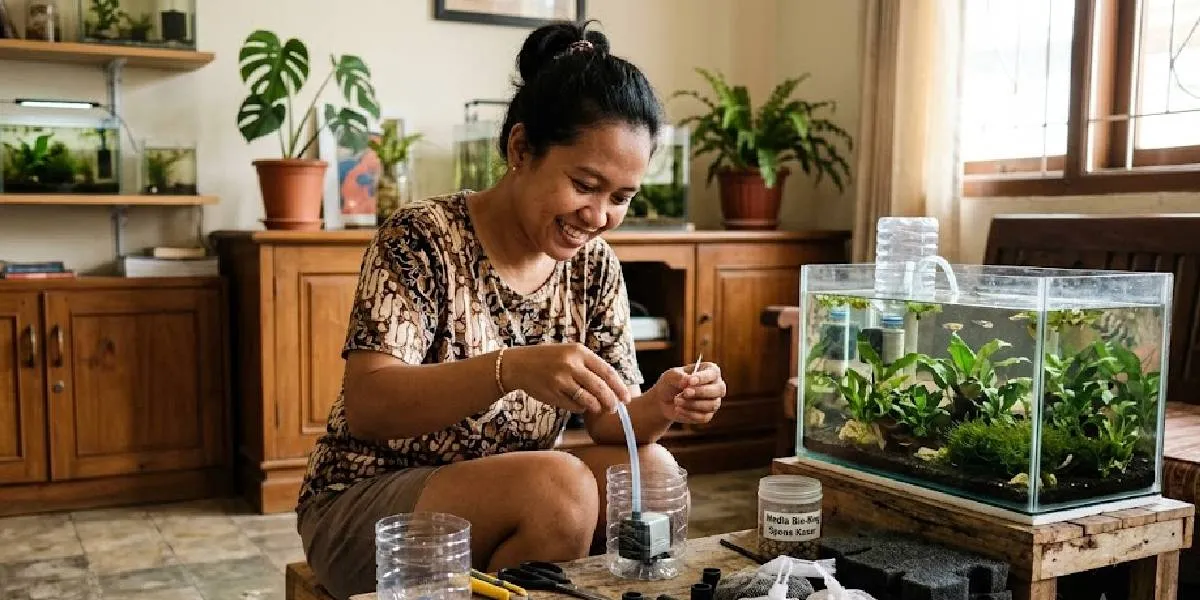
Kapanlagi.com - Understanding how to make a homemade aquarium filter can be a choice for fish hobbyists who want to maintain water quality at a more affordable cost. DIY filters can be made using simple materials such as used bottles, sponges, plastic containers, and small pumps according to the aquarium's needs.
Water in aquariums that easily becomes cloudy often makes fish owners look for practical maintenance solutions. In addition to affecting the appearance of the aquarium, water conditions are also related to the comfort of the fish, so the filtration system needs to be considered.
Various filter models can be made at home, ranging from plastic bottle filters, sponge filters with aerators, to simple hanging filters. Each model has a different arrangement of materials and mechanisms, allowing it to be tailored to the size of the aquarium and the type of fish being kept.
One of the commonly used methods to create an aquarium filter is by utilizing an old plastic bottle. This model is suitable for small to medium aquariums because the materials needed are easy to find and the manufacturing process is not complicated.
To make a bottle filter, prepare a used plastic bottle sized 1-2 liters, coarse sponge, filter cotton, gravel or biological media like bioring, a hose, and a small air pump. Make sure the bottle is cleaned and free of detergent residues that could disrupt water quality.
The bottle is then cut into two parts. The bottom part serves as a place to arrange the filter media, while the top part with the cap is flipped to help hold the media and direct the flow of water.
After that, make several small holes in the body of the bottle using a soldering iron or hot nail. These holes will serve as the water entry points, allowing for better circulation.
The filter media is arranged from bottom to top with sponge or cotton as mechanical filters, followed by gravel or bioring as biological media. This arrangement helps trap dirt before the water passes through the biological media.
The next step is to install the aerator hose in the middle of the bottle. The air bubbles moving upwards will pull water through the filter media via the principle of airlift.
The assembled filter can be placed in the corner of the aquarium tank. Connect the hose to the air pump located outside the aquarium, then turn it on and observe whether the water flow is working well.
Once the filter is active, the cycling process needs to be done. The filter should be allowed to operate for several weeks while monitoring ammonia and nitrite levels until the water conditions stabilize before adding fish.
In addition to the used bottle model, sponge filters are one of the options for aquariums containing small fish, larvae, or betta fish. The water flow from this filter is gentler, reducing the risk of small fish being sucked in.
The materials needed include coarse plastic sponge, 1/2 to 3/4 inch PVC pipe, air hose, air pump, and one check valve. Cellulose sponges are not recommended as they decompose more easily when used in water.
The sponge is cut to the height of the tube, then a hole is made in the middle for inserting the pipe. The sponge part functions to filter particles while also serving as a habitat for beneficial bacteria.
On the PVC pipe, make several small holes at the bottom that will be inside the sponge. These holes help the water enter the filter system.
The pipe is then attached to the sponge and fitted with an aeration stone at the bottom. As air moves up, water will also be pushed through the sponge, allowing the filtration process to occur.
The check valve is installed on the hose between the pump and the filter. This component prevents water from being sucked back towards the air pump when the power is off.
After all parts are installed, place the sponge filter in the corner of the bottom of the aquarium. The filter can be attached using a suction cup if necessary, then the pump is turned on until bubbles appear.
Maintenance of the sponge filter also needs to be done regularly. When cleaning the sponge, use water from the aquarium, not tap water, so that the good bacteria colony can survive.
According to Aqua-Fish.net, the sponge filter works by drawing water through the porous sponge to trap dirt while allowing good bacteria to break down ammonia and nitrite, and this suction effect is produced by both air pumps and powerheads.
Another model that can be made at home is a hanging aquarium filter or hang-on-back (HOB) using a small plastic container. This model makes the filter media easier to access during maintenance.
To make it, prepare a small waterproof plastic box and a mini submersible pump with power suitable for the size of the aquarium. The container is then shaped so that it can be hung on the rim of the aquarium.
Create hooks on the side of the container so that it can attach to the aquarium wall. After that, make holes as the inlet and outlet for the water.
The filter media is arranged in layers with the sequence of filter cotton, sponge, and then biorings or ceramics. This arrangement helps the filtration process occur gradually.
A small pump is installed to draw water from the aquarium to the filter container. The water then passes through the filter media before being returned to the aquarium.
The inlet and outlet channels need to be adjusted to ensure that the water movement remains balanced. Ensure that the surface water enters through the intake section, passes through the media, and then returns through the nozzle.
Before use, conduct a test by turning on the pump and ensuring there are no leaks. The flow strength also needs to be adjusted so that it is not too strong for certain fish.
The size of the filter should be adjusted to the capacity of the aquarium. A filter that is too small can make the filtration process less effective, while a filter that is too large can create a current that is too strong for fish like bettas and shrimp.
The arrangement of media also plays a role in the filter's operation. Media is generally divided into three types: mechanical media such as cotton and sponge, biological media like biorings or ceramics, and chemical media such as activated carbon or zeolite.
When cleaning the filter, avoid washing all the media at the same time. Total cleaning can eliminate the good bacteria colony that helps maintain water quality.
Filter media should be rinsed using aquarium water, not tap water. Soap and chlorine should also be avoided as they can kill good bacteria.
The cycling process is still necessary after installing the filter. Monitor ammonia and nitrite levels for the first few weeks, then gradually add fish to avoid a sudden increase in toxins.
Feeding also needs to be controlled because leftover food that decays can turn into ammonia. The filter should remain on for 24 hours to allow the nitrogen cycle to run and the bacteria to receive oxygen.
Even with a filter in use, partial water changes should still be done regularly. As much as 20-30 percent of the water can be replaced every week using water that has been settled overnight.
Homemade aquarium filters can help keep the water clean if properly maintained. In addition to paying attention to the filtration system, aquarium owners also need to understand the needs of the fish and the environmental conditions in which the fish are kept.
(kpl/mda)
Cobain For You Page (FYP) Yang kamu suka ada di sini,
lihat isinya
Looking for maranggi satay in Kemang? Here is a list of dining places around South Jakarta with menu options, prices, locations, and opening hours.

Recommendations for Chinese dramas about swapped children with stories full of family secrets, identity quests, and revealed past conflicts.

Check out 8 original examples of opening prayers for MPLS for Islam and Christianity as references to welcome new students in the new academic year.
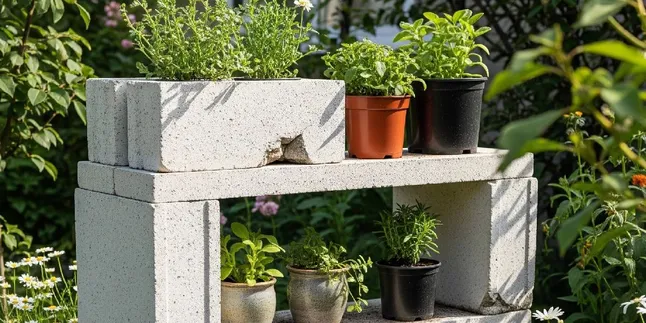
Used hebel can be repurposed into a strong and aesthetic plant pot rack. Check out the tools needed and the steps for making it from start to finish.

A list of Korean dramas about mafia falling in love that combines conflicts of the criminal world, action, and the emotional relationships of the characters.
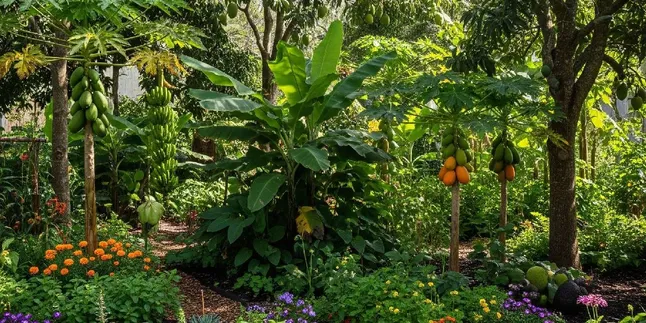
Creating a tropical food forest requires a combination of mutually supportive plants. Get to know 10 types of plants that can help maintain garden productivity throughout the year.
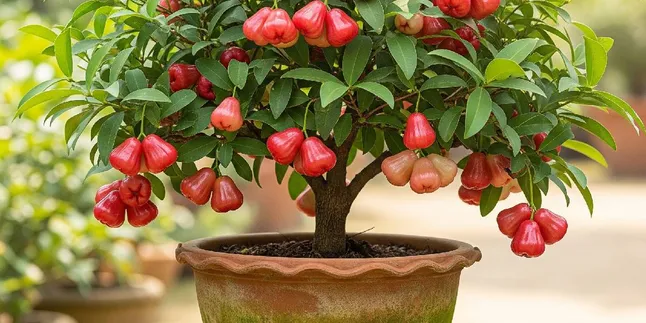
Limited land is no longer an obstacle to planting fruit trees. Here are 10 types of fruit plants that can be kept short yet remain productive.

Thai horror comedy films present supernatural stories with unique humor. Here are five recommendations that offer unique tales from various backgrounds.
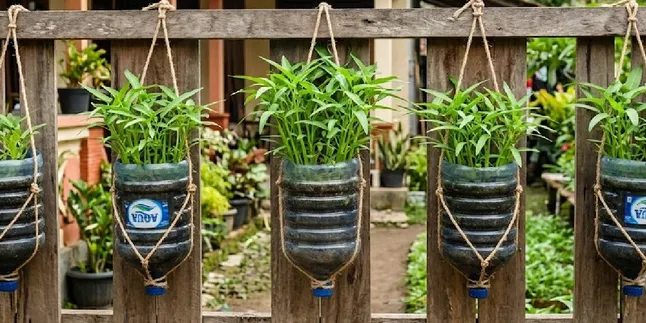
A used 19-liter gallon can be transformed into a space-saving hanging water spinach pot. Check out eight ideas, how to make it, and tips for optimal plant growth.
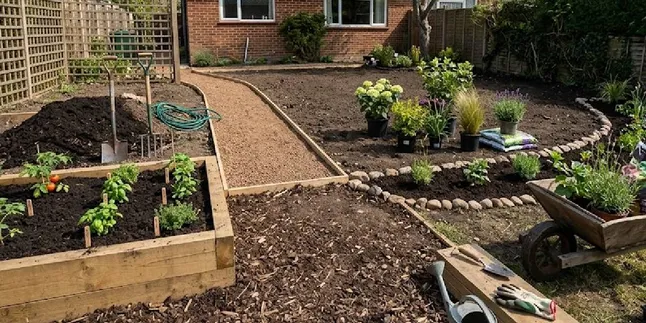
How to create a garden at home can start from land planning, selecting plants, arranging small areas, to routine maintenance.
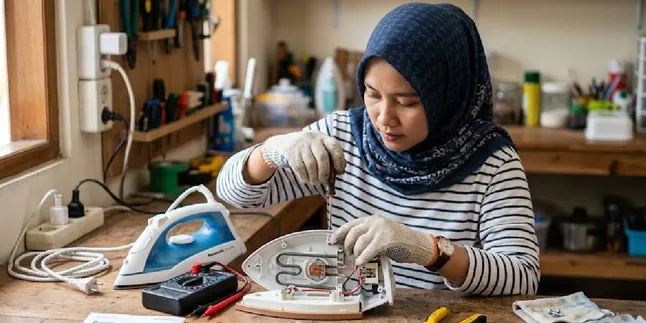
An iron that doesn't heat up can be resolved by checking the electricity, internal components, and cleaning the scale on the plate.
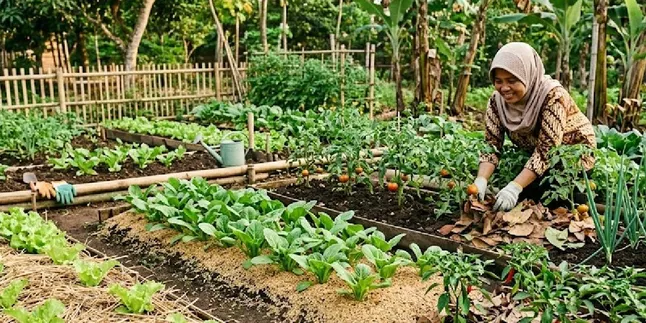
Various natural materials such as dry leaves to coconut husks can be used as substitutes for plastic mulch in vegetable gardens.
