

 Follow
 Rekomendasi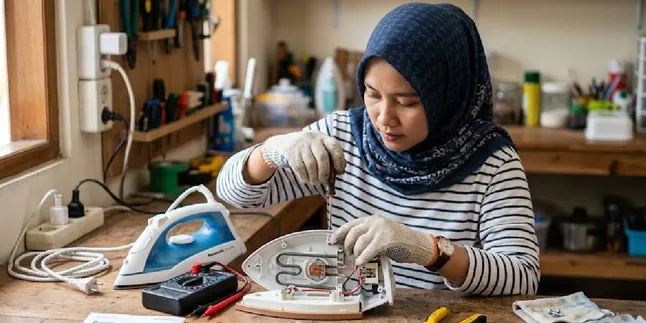
How to Fix an Iron That Doesn't Heat Up: From Checking the Cord to Cleaning the Scale
An iron that doesn't heat up can be resolved by checking the electricity, internal components, and cleaning the scale on the plate.
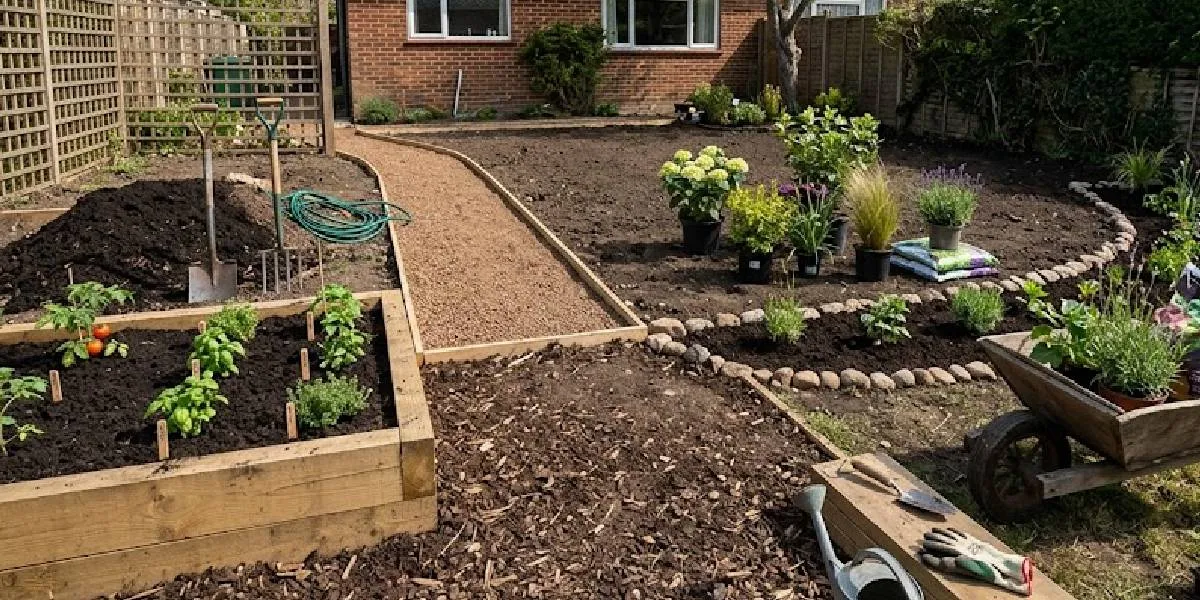
Kapanlagi.com - Having green space at home does not always require a large yard. The way to create a garden can start by recognizing the land conditions, determining the concept, and choosing suitable plants so that the area feels more organized.
The process of creating a garden needs to be done gradually, starting from measuring the area, paying attention to sunlight exposure, preparing the soil, and performing maintenance after the plants grow. With proper planning, empty land can be transformed into a garden that is easy to maintain.
Before starting to buy plants, it is important to understand some basic things such as garden design, water needs, soil types, and the characteristics of the plants to be selected. Here is a guide to creating a home garden from scratch to the maintenance stage.
The initial stage in creating a garden is planning the area to be used. Measure the land area and pay attention to its shape and surface condition, as this will determine the number of plants, the arrangement of garden elements, and the most suitable style.
In addition to the land size, lighting is an important factor. Observe how long the area receives sunlight each day. Most productive plants require a flat location with direct sunlight exposure for 6-8 hours a day.
The garden concept should also be adjusted to the character of the house. Style options can include minimalist gardens, tropical gardens, dry gardens, or Japanese-style gardens. After determining the theme, create a simple sketch that includes the position of plants, pathways, and decorative elements.
When creating garden paths, consider the size to ensure they remain comfortable to use. A path that is about 1.5 meters wide can allow two people to walk past each other comfortably, while maintenance paths can be made about 90 cm wide.
Planning also includes a drainage system. Ensure the garden has drainage channels so that water does not pool during watering or rain. Infiltration holes made slightly below the garden surface can help with water absorption.
The placement of seating areas and main garden elements should also be considered from the start. Areas close to the house are usually easier to use compared to garden elements that are placed too far away.
After the garden design is completed, the next step is to prepare the planting media. The condition of the soil is one of the factors that determines the long-term growth of plants.
Start by clearing the land of weeds, trash, and debris that can interfere with plant growth. Weeds should be pulled out completely, including the roots, to prevent them from easily growing back.
The soil then needs to be loosened using a hoe so that plant roots have room to grow. Add compost or manure as needed to improve the quality of the planting media.
After that, let the soil sit for a few days to allow nutrients to be absorbed. Shape the garden contours according to the design that has been made, then compact it so that it does not easily change due to rain.
The selection of plants should follow the climatic conditions around the house. The gardening principle that is often used is to place the right plants in the right location and at the right time according to the climate zone.
During the planting process, place larger plants first so that smaller plants are not trampled. For seeds, the ideal planting depth is about three times the diameter of the seed, while seedlings should be planted at the same depth as their initial position in the pot.
After all the plants are in the ground, water them until the roots establish well. Plants generally require about 2.5 cm of water per week. Watering can be done manually or using an automatic system to keep the watering schedule more regular.
For beginners, starting with seedlings purchased from a local nursery can be a good option. Seedlings are usually better suited to local conditions and easier to care for compared to starting entire plants from seeds.
Narrow spaces can still be used to create a garden by utilizing vertical areas and selecting the right elements. Simple arrangements can help small spaces maintain a green area.
The minimalist concept can be applied by limiting the number of plants and providing empty space using grass, white gravel, or paving. This composition makes the garden feel less crowded despite its limited size.
Vertical gardens are one option to maximize walls or fences. Tiered shelves or PVC pipe frames covered with plastic tarps can be used as plant holders. Tarps are necessary to help protect the walls from water seepage and plant roots.
For homeowners who want a low-maintenance garden, the dry garden concept can be a choice. A combination of gravel, sand, and drought-resistant plants like cacti and succulents can be used for the area.
Additionally, pots and used items can also be utilized as plant containers. Bottles, jugs, or other recycled media can be used to save space while reducing the use of new pots.
Plant height arrangement is also important so that a small garden still appears to have dimension. Tall plants can be placed in the background, medium plants in the middle, and low plants or ground cover in the front area.
The selection of plants determines the care requirements of a garden. For beginners, plants that are resistant to various conditions and do not require excessive attention can be a good choice.
Snake plant or Sansevieria is one such plant that is resilient to various conditions and requires little water. This plant is suitable for those who are just starting to care for a garden.
Aglaonema or Chinese evergreen has a variety of leaf patterns and can thrive in low-light areas. This plant can be placed in shady areas or used as indoor decorative plants.
Pothos is also a flexible choice as it can grow in both water and soil. Its fast growth makes it suitable for hanging pots or vertical gardens.
Bougainvillea is known as a flowering plant that is heat-resistant. Meanwhile, cacti and succulents are suitable for dry gardens as they do not require much water.
Ornamental palms can provide a tropical feel with relatively slow growth, so they do not need frequent pruning. Plants like red shoots and tea plants can also be used as borders or living fences.
To create a lush impression, broad-leaved plants like Monstera and Calathea can be a good choice. The size of the leaves helps create a green appearance in the home garden.
Once the garden is finished, maintenance still needs to be done regularly. Watering should be adjusted to the needs of the plants, accompanied by periodic pruning, fertilization at least once a month, and weeding.
Dry leaves and garden decorations also need to be cleaned to keep the area organized. In parts of the house that are exposed to heat, choosing the right plants can help maintain the condition around the walls.
Tom Turner, quoted from Goodreads, wrote, "Physically, a garden must have boundaries; however, in thought, it can reach the boundaries of the universe we know."
The cost of creating a simple garden can vary depending on the size of the land and the concept chosen. Expenses can be made gradually by purchasing plants little by little, using used pots, and making compost from kitchen scraps and dry leaves.
I have rearranged it with a new structure and removed the boilerplate source section.
(kpl/mda)
Cobain For You Page (FYP) Yang kamu suka ada di sini,
lihat isinya
An iron that doesn't heat up can be resolved by checking the electricity, internal components, and cleaning the scale on the plate.
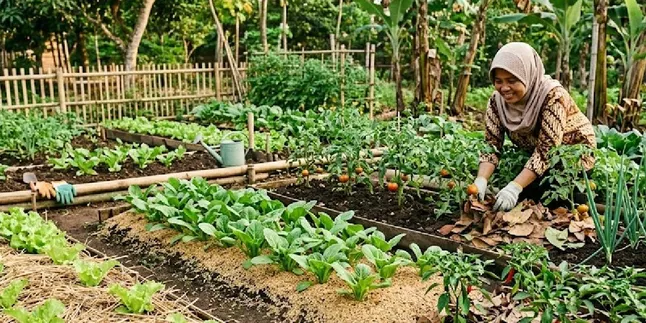
Various natural materials such as dry leaves to coconut husks can be used as substitutes for plastic mulch in vegetable gardens.
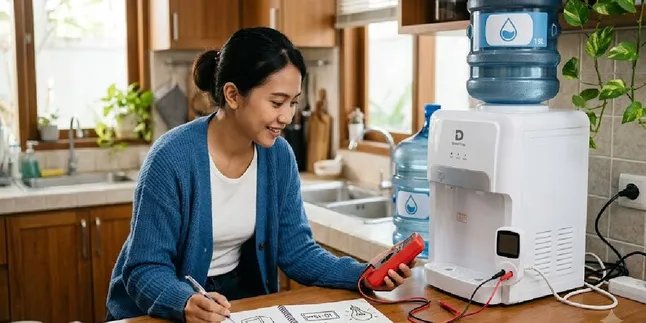
Whether a dispenser is power hungry or not depends on its power consumption, features, and usage habits. Check the watt consumption and how to save on it.
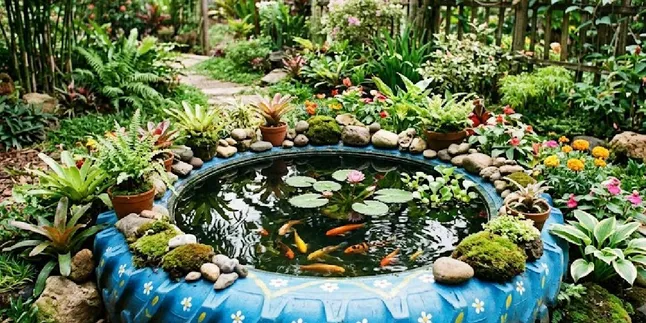
A mini pond made from used tires can be created with simple steps, starting from choosing the tires to maintenance to keep it clean and comfortable.
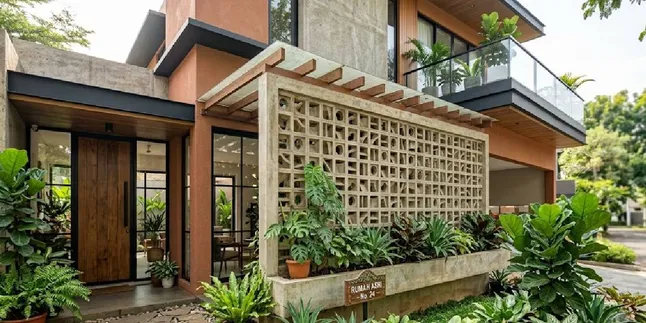
Concrete rosters on home facades can be combined with ornamental plants. Check out 7 motif options and types of plants that are suitable.
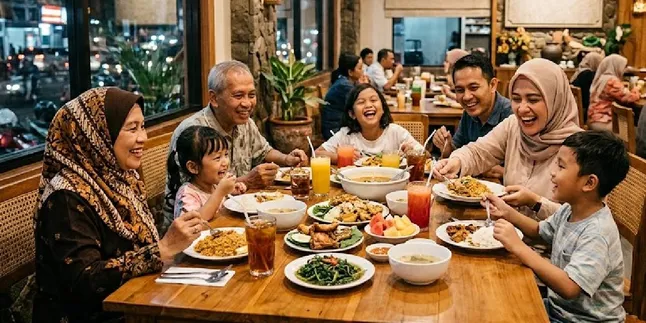
Recommendations for family dining places in West Jakarta with menu options, prices, facilities, and atmosphere suitable for dining together.
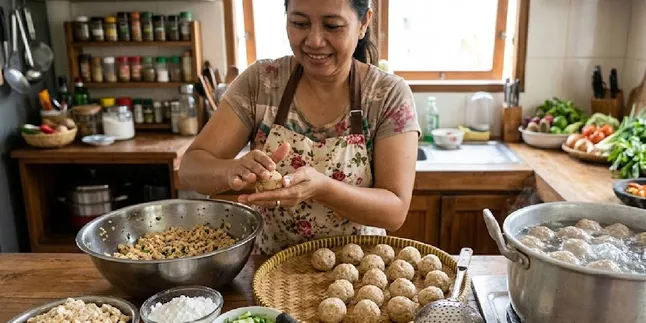
How to make tempe meatballs without meat with a chewy texture can be done at home. Check out the ingredients, steps, and tips to ensure the results don't easily fall apart.
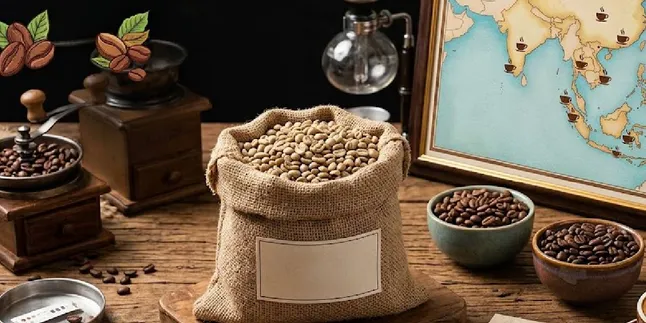
TasteAtlas has released a list of the 10 best coffee beans in Asia 2026. Indonesia contributes three representatives alongside premium coffees from Thailand, Laos, and India.

This collection of films and dramas featuring Gong Yoo presents a variety of genres, ranging from fantasy, zombie, to romance. Most of them also achieve high ratings and receive widespread appreciation.
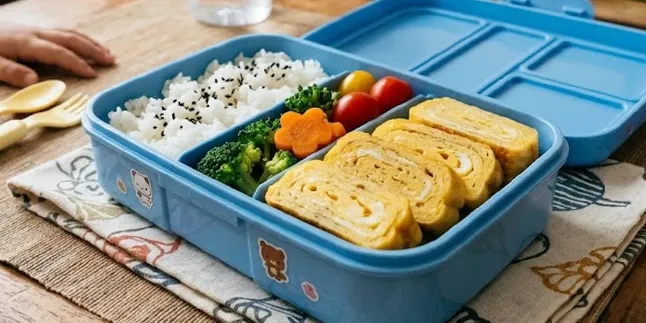
Tamagoyaki can be a practical, nutritious school lunch option that is ready in 10 minutes. Check out the ingredients, rolling technique, and serving ideas.
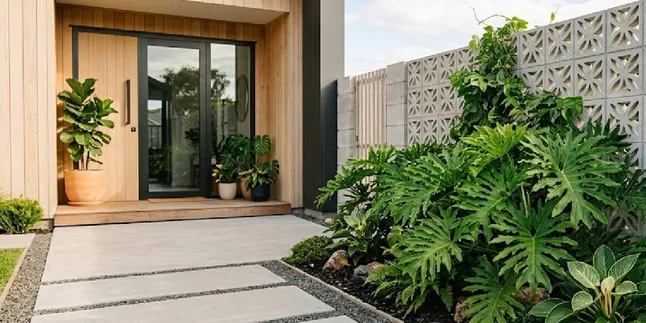
The combination of concrete roster and philodendron can create a cool and modern home garden. Check out six inspiration layouts below.
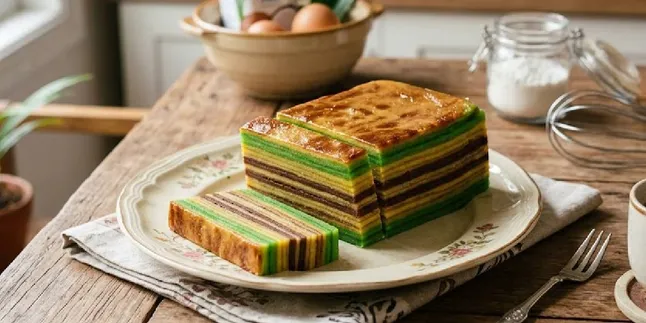
Want to make a layer cake without tapioca flour? Try this recipe that combines hunkwe flour and wheat flour to create a soft and chewy texture.
