

 Follow
 Rekomendasi
10 Alternatives to Plastic Mulch for Vegetable Gardens from Household Materials
Various natural materials such as dry leaves to coconut husks can be used as substitutes for plastic mulch in vegetable gardens.
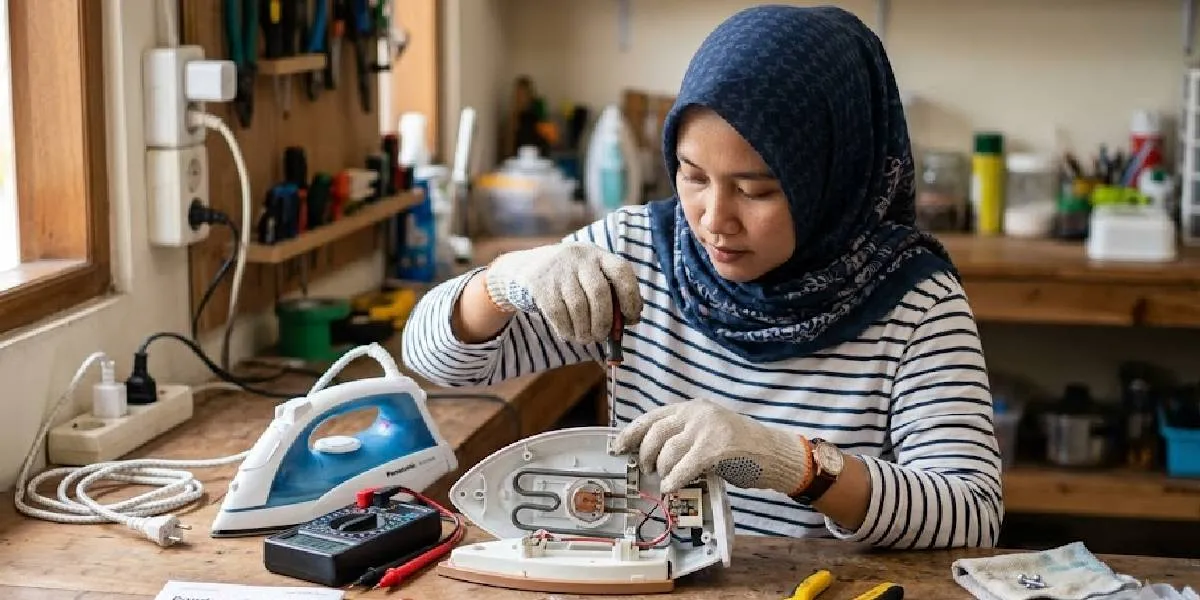
Kapanlagi.com - An iron that doesn’t heat up often hinders the activity of tidying clothes. However, this problem does not always mean that the device needs to be replaced immediately because some issues can still be fixed at home.
How to fix an iron that doesn’t heat up can start with simple checks such as the outlet, power cord, and temperature settings. If the exterior is not problematic, the cause could be from components like the thermostat, thermal fuse, heating element, or even scale that obstructs heat transfer.
Before conducting any checks, make sure the iron is unplugged from the power source to avoid the risk of electric shock. A step-by-step inspection of the easiest components is a good starting point before opening the device's interior.
Many cases of irons not heating up actually stem from simple issues with the power source or device settings. Therefore, the first step to take is to ensure that the electrical flow is functioning properly.
Try plugging another electronic device into the same outlet. If the other device also does not turn on, the issue is likely with the power source. Moving the iron to a different outlet can help determine the cause of the problem.
In addition to the outlet, the condition of the power cord also needs to be checked. Gently wiggle the cord while the iron is plugged in and observe the indicator light. If the light flickers or goes out, there is a possibility that the internal wiring of the cord is damaged.
Frayed, discolored, or physically damaged cords should also be inspected. If a replacement cord is necessary, use one that matches the power specifications of the device.
Temperature settings are another aspect that should not be overlooked. Make sure the knob is not in the MIN or OFF position. The temperature can be adjusted based on the type of fabric, such as low temperature for silk and rayon, medium for cotton and linen, and high for denim or canvas.
The indicator light can also be a clue. When the light does not turn on at all, the problem may lie in the electrical circuit or fuse. Meanwhile, if the light is on but the plate remains cold, the issue could originate from the thermostat or heating element.
Some modern irons feature an auto-off function based on motion sensors. An iron with this feature can heat up again after being moved. If it hasn’t activated, unplug the device for 10-30 minutes to perform an electronic reset.
Before disassembling, also check the manual included with the iron. According to information from DoItYourself.com, incorrect settings can be one of the reasons the device is not functioning properly.
If basic checks do not reveal any issues, internal components become the next focus. This stage requires caution as it relates to the electrical system.
The thermostat functions to regulate temperature stability through a bimetal plate. To check it, turn the temperature knob to several levels and observe the heat changes. If there is no reaction, the thermostat contacts can be cleaned using a small brush to remove dust.
If the thermostat still does not work after cleaning, the component is likely damaged and needs to be replaced.
The thermal fuse is also an important part of the iron's safety system. This component will permanently cut off power when the temperature is too high. It usually comes in the form of a small cylinder with a heat-resistant sheath.
The thermal fuse can be checked using a multimeter. If the measurement shows OL, it means the fuse has blown and must be replaced with one that has the same Celsius temperature rating.
Additionally, the heating element needs to be checked because this component generates heat. Measuring resistance using a multimeter can help determine its condition.
A good heating element generally shows a value of around 10-20 ohms. Meanwhile, an infinite measurement result can be a sign that the element is broken or burned out.
In steam irons, the water pump is also a part that needs attention. The pump is responsible for flowing water from the tank to the steam chamber. When the iron is turned on, a sound from the pump is usually heard. If there is no sound at all, it is possible that the pump is damaged.
Quoting iFixit, if continuity is not found in the heating element, that component is dead and the iron may need to be replaced. If unsure about disassembly, inspection by a technician can be an option.
Not all irons that feel cold have component damage. Sometimes heat is still produced, but crust on the plate hinders its spread to the fabric.
Cleaning the plate is one of the important maintenance steps, especially for steam irons that have small holes that can easily become clogged with mineral deposits.
Before cleaning, ensure the iron is cool and unplugged. For the plate, a mixture of white vinegar and water in a 1:1 ratio can be used. Dip a soft cloth into the mixture and then wipe it on the surface of the plate.
Another alternative is to use non-gel toothpaste. Apply it to the plate, let it sit for a few minutes, gently scrub, and then clean until dry.
The steam holes also need to be maintained because blockages can cause heat not to spread evenly. Clean each hole using a small needle or cotton bud dipped in vinegar, then rinse with clean water. If available, the self-clean feature can be utilized.
Using distilled water or demineralized water also helps reduce crust formation. The mineral content in tap water can accelerate the formation of deposits, especially in areas with hard water.
When storing an iron, wait until the device is completely cool. Store it upright and keep it away from damp areas to prevent rusting. The cord should also be loosely coiled so that the copper strands inside do not get damaged quickly.
If all steps have been taken but the iron still does not heat up, the condition of the heating element needs to be considered. According to beko.com, when the element has burned out, in many cases, repairing the device is no longer cost-effective, so replacing the unit may be an option.
Understanding the causes of an iron not heating can help reduce the risk of recurring damage. Issues do not always stem from the iron itself but can also be related to the home's electrical installation and usage habits.
A damaged cord or plug can obstruct the flow of electricity to the heating element. Cords that are frequently bent, frayed, or loose plugs are also at risk of causing electrical disruptions.
Problematic outlets are another cause that needs attention. Worn or melted socket holes can cause unstable electrical currents and should be replaced immediately.
Incorrect temperature settings can also cause the iron not to heat even though the indicator light is on. Ensure that the temperature level is always adjusted according to the fabric type being ironed.
Continuous use of high temperatures can accelerate thermostat wear. Additionally, electrical surges and the age of use can cause both thermal fuses and heating elements to fail.
Using multiple high-power devices simultaneously can also cause a drop in electrical current. For safety, use electrical components labeled SNI and avoid excessive electrical loads.
Scale from burnt fabric residues or mineral deposits should also be cleaned regularly. Routine maintenance helps keep the plate and steam holes functioning well.
(kpl/mda)
Cobain For You Page (FYP) Yang kamu suka ada di sini,
lihat isinya
Various natural materials such as dry leaves to coconut husks can be used as substitutes for plastic mulch in vegetable gardens.
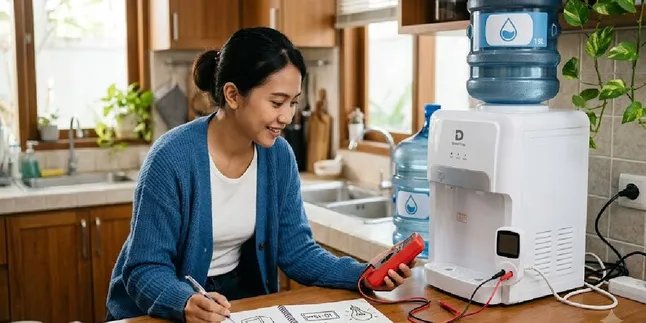
Whether a dispenser is power hungry or not depends on its power consumption, features, and usage habits. Check the watt consumption and how to save on it.

A mini pond made from used tires can be created with simple steps, starting from choosing the tires to maintenance to keep it clean and comfortable.

Concrete rosters on home facades can be combined with ornamental plants. Check out 7 motif options and types of plants that are suitable.

Recommendations for family dining places in West Jakarta with menu options, prices, facilities, and atmosphere suitable for dining together.

How to make tempe meatballs without meat with a chewy texture can be done at home. Check out the ingredients, steps, and tips to ensure the results don't easily fall apart.

TasteAtlas has released a list of the 10 best coffee beans in Asia 2026. Indonesia contributes three representatives alongside premium coffees from Thailand, Laos, and India.

This collection of films and dramas featuring Gong Yoo presents a variety of genres, ranging from fantasy, zombie, to romance. Most of them also achieve high ratings and receive widespread appreciation.
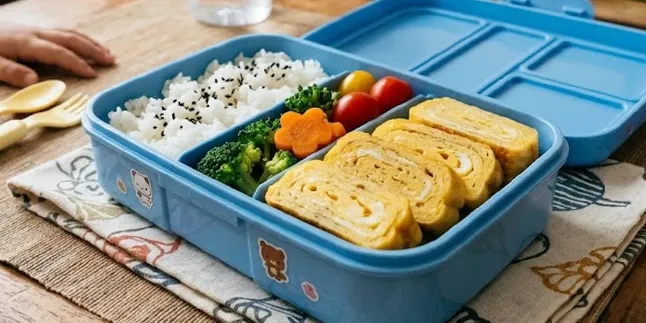
Tamagoyaki can be a practical, nutritious school lunch option that is ready in 10 minutes. Check out the ingredients, rolling technique, and serving ideas.

The combination of concrete roster and philodendron can create a cool and modern home garden. Check out six inspiration layouts below.
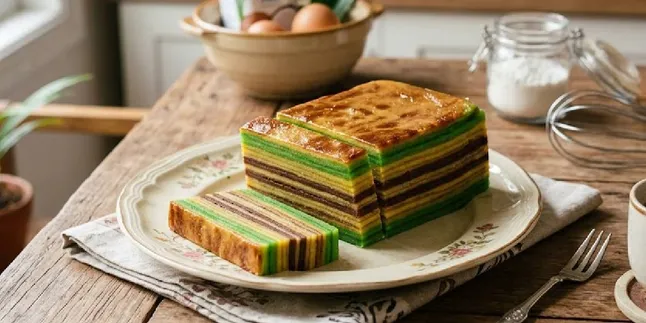
Want to make a layer cake without tapioca flour? Try this recipe that combines hunkwe flour and wheat flour to create a soft and chewy texture.

The combination of concrete roster and agave plants can beautify the house facade without requiring complicated maintenance. Check out various inspirations suitable for different housing styles.
