

 Follow
 Rekomendasi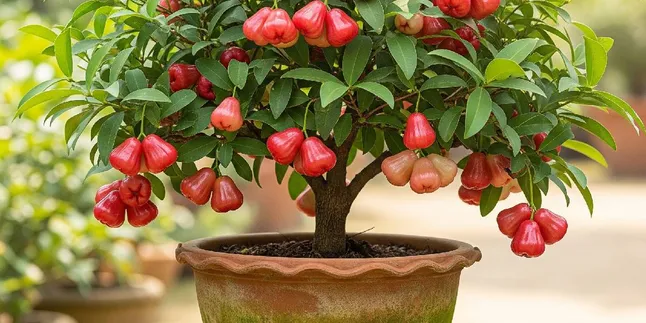
10 Ways to Plant Short Fruit Trees So that a Narrow Yard Can Still Yield
Limited land is no longer an obstacle to planting fruit trees. Here are 10 types of fruit plants that can be kept short yet remain productive.
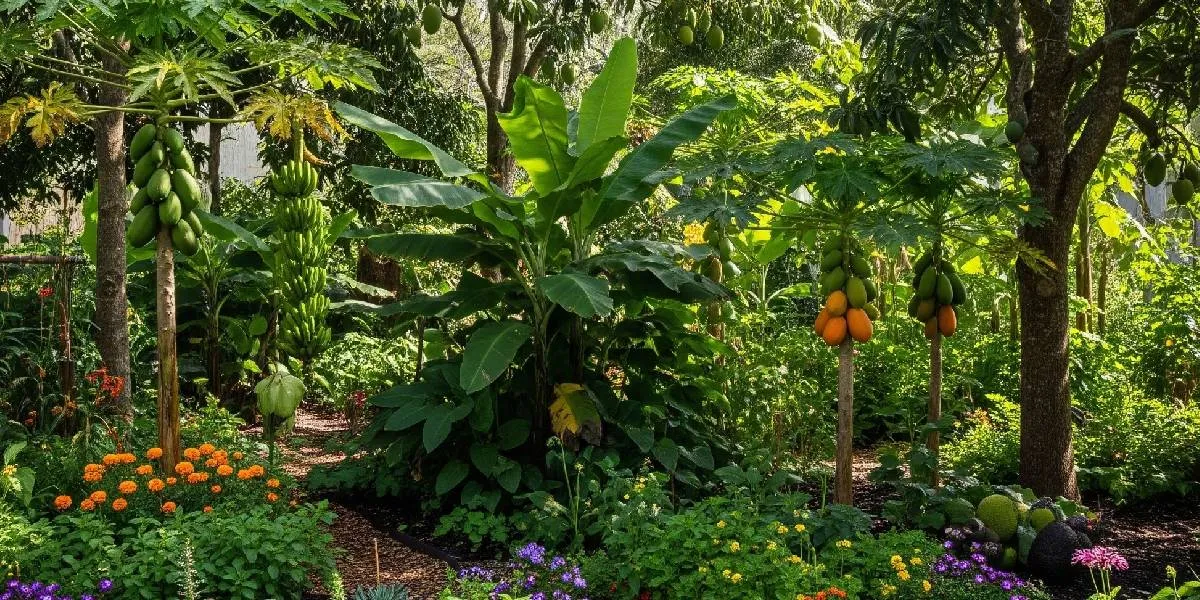
Kapanlagi.com - Tropical food forests are becoming one of the gardening concepts increasingly applied because they can produce a variety of food ingredients in one area. This system is designed to resemble a forest ecosystem, where each type of plant has a different function that complements one another.
Unlike monoculture gardens that rely on only one or two commodities, food forests combine large trees, fruit plants, food crops, spices, and ground cover in one area. This arrangement helps maintain soil fertility while also increasing harvest yields sustainably.
The success of building a food forest is greatly influenced by the selection of plant types from the beginning. The right combination of plants can create a more balanced growing environment, maintain soil moisture, and make optimal use of every layer of planting space.
One of the most common plants to be the first inhabitants of a tropical food forest is the banana. This plant can grow quickly, easily adapt to various soil conditions, and produce fruit in a relatively short time, making it suitable as a pioneer plant.
In addition to producing fruit, almost every part of the banana plant has benefits. Its stem stores water reserves that help maintain soil moisture, while the fallen leaves turn into natural mulch, thereby adding organic matter to the soil.
The shade from the banana plants also creates a more comfortable microclimate for young plants. Excessive sunlight exposure can be reduced, allowing other plants a better opportunity to grow during the early stages of food forest formation.
Papaya is also a plant that is worth planting from the start because it can produce harvests in less than a year if grown under ideal conditions. Its presence can meet food needs while waiting for long-lived fruit trees to start producing.
The size of the papaya canopy, which is not too wide, allows sunlight to still reach the plants in the understory. This condition enables annual plants and various types of tubers to receive adequate lighting.
The added value of papaya comes not only from its fruit. Its leaves are also often utilized as food and as a raw material for making natural pesticides, thus increasing its functions in the food forest.
Moringa is the next choice because it is known as a multipurpose plant with high nutritional content. Its leaves can be harvested repeatedly throughout the year, making it a sustainable source of vegetables, both for household needs and business.
This plant has a rapid growth rate and can withstand hot conditions and dry seasons better than many other plants. This characteristic makes moringa suitable for cultivation in various tropical regions of Indonesia.
Regular pruning produces biomass that can be used as green manure or mulch. This method helps increase the organic matter content of the soil while reducing the use of chemical fertilizers.
After the early plants begin to grow, the presence of large-sized trees becomes an important part of forming the structure of the food forest. One of them is the jackfruit, which can produce large quantities of fruit when it reaches productive age.
In addition to ripe fruit, young jackfruit can also be processed into various dishes. Its seeds can be utilized as food sources, so almost all of its harvest has economic value.
The canopy of the jackfruit tree helps create a shadier area for the understory plants. As long as pruning is done periodically, the balance between shade and sunlight can be maintained.
Another plant commonly found in tropical food forests is the coconut. This tree occupies the highest canopy layer without casting too dense a shadow due to its elongated leaf shape.
Its economic value is also very high because almost all parts of the plant can be utilized, from the fruit, leaves, husk, shell, to the trunk for various household and industrial needs.
The root system of the coconut is relatively non-dominating on the soil surface. Therefore, various other plants can still grow beneath it as long as their water and nutrient needs are met.
In addition to fruit trees, a tropical food forest also requires food crops that can fill the empty spaces while the main trees have not fully grown. Cassava is one of the options because it is easy to cultivate, does not require complicated care, and can adapt to various land conditions.
The tubers serve as a source of carbohydrates, while the young leaves can be processed as vegetables. With two products that can be utilized simultaneously, cassava provides added value in a single planting cycle.
The presence of cassava also helps maximize land during the early growth of fruit trees. This plant can fill areas that are still open without hindering the development of the main plants.
The next important plant is sweet potato. Its creeping nature covers the soil surface tightly, thereby suppressing weed growth and maintaining soil moisture, especially during the dry season.
In addition to producing tubers as a source of carbohydrates, sweet potato shoots can also be utilized as vegetables. This combination allows one plant to meet more than one family food need.
As a ground cover, sweet potato also helps reduce the risk of erosion when heavy rain falls. This ecological role is one of the reasons why this plant is widely used in food forest systems.
For those who want to achieve harvest results more quickly, chili can be an option. While the tree canopy is not too dense, chili still receives enough sunlight for optimal growth.
Chili also adds variety to garden produce because a food forest does not only produce fruits. The relatively stable market demand makes this plant have good economic value.
Its cultivation can utilize the empty spaces between perennial plants. With proper management, land productivity increases without having to expand the planting area.
When fruit trees start to form a canopy, the lower part of the food forest can still be utilized using rhizome plants. Ginger is one type that can grow well in shaded areas, making it suitable to be placed underneath larger trees.
Ginger has a relatively high demand as a kitchen spice and beverage ingredient. Its harvest period is also relatively shorter compared to fruit trees, making it a source of additional yield.
Planting ginger also makes the previously empty lower layer of the garden more productive. Thus, every space within the food forest can be utilized to the fullest.
In addition to ginger, turmeric is an almost always present complement in tropical food gardens. Its rhizome is used as a cooking spice, herbal medicine ingredient, and natural dye for various food preparations.
Turmeric can still grow in areas with limited light intensity. Therefore, this plant remains productive even when under the shade of taller trees.
Its care is also relatively simple, making it suitable for beginners who are just starting to build a food forest. The small space requirement makes turmeric easy to combine with various other types of plants.
When designing a food forest, the selection of initial plants is an important step. Bananas, papayas, and moringa are among the types that are often chosen due to their rapid growth and their ability to help create an environment that supports the development of other plants.
The concept of a food forest is not limited to just fruit trees. This system also integrates vegetable plants, spices, cover crops, climbing plants, and plants that play a role in maintaining soil fertility, thus forming a mutually supportive ecosystem.
A food forest can be implemented even on land of about 50–100 square meters. The key is to arrange the plants based on canopy layers so that the entire growing space is utilized efficiently.
The climatic conditions in Indonesia are very supportive of the application of this concept because various fruit trees, food crops, and tubers can grow well in tropical regions. To maintain garden productivity throughout the year, choose plants with different harvest times, perform regular pruning, use organic mulch, add compost regularly, and optimize the use of every layer of growing space.
(kpl/mda)
Cobain For You Page (FYP) Yang kamu suka ada di sini,
lihat isinya
Limited land is no longer an obstacle to planting fruit trees. Here are 10 types of fruit plants that can be kept short yet remain productive.

Thai horror comedy films present supernatural stories with unique humor. Here are five recommendations that offer unique tales from various backgrounds.
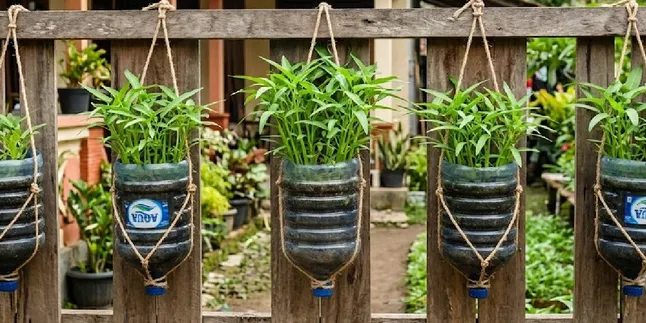
A used 19-liter gallon can be transformed into a space-saving hanging water spinach pot. Check out eight ideas, how to make it, and tips for optimal plant growth.
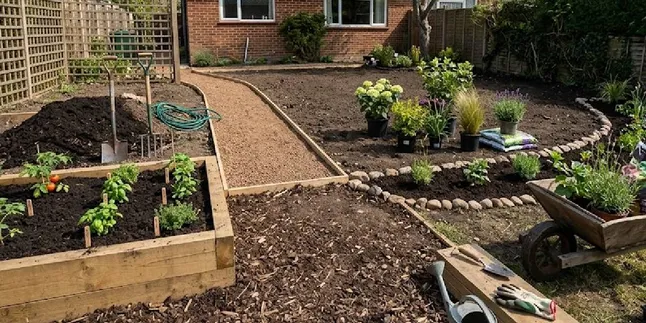
How to create a garden at home can start from land planning, selecting plants, arranging small areas, to routine maintenance.

An iron that doesn't heat up can be resolved by checking the electricity, internal components, and cleaning the scale on the plate.
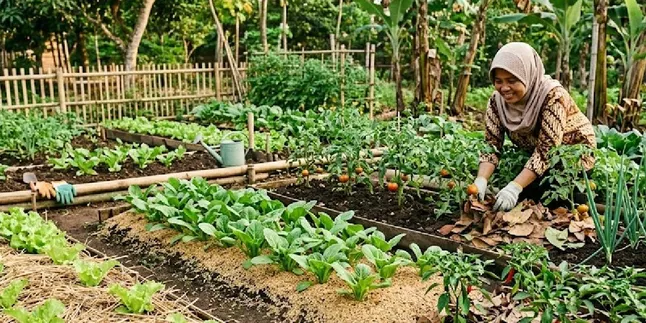
Various natural materials such as dry leaves to coconut husks can be used as substitutes for plastic mulch in vegetable gardens.

Whether a dispenser is power hungry or not depends on its power consumption, features, and usage habits. Check the watt consumption and how to save on it.
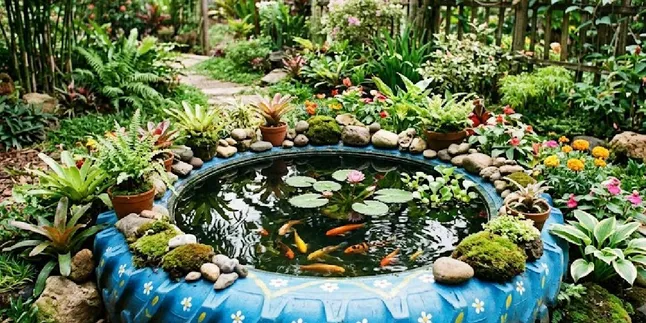
A mini pond made from used tires can be created with simple steps, starting from choosing the tires to maintenance to keep it clean and comfortable.
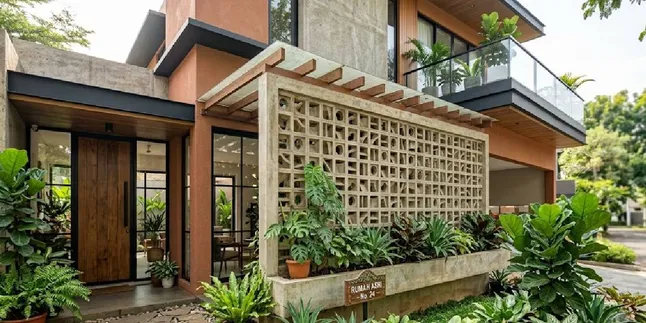
Concrete rosters on home facades can be combined with ornamental plants. Check out 7 motif options and types of plants that are suitable.
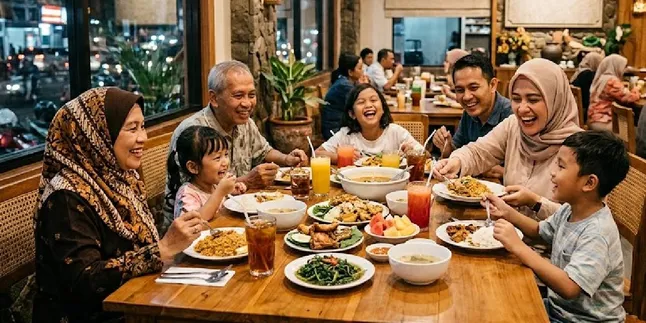
Recommendations for family dining places in West Jakarta with menu options, prices, facilities, and atmosphere suitable for dining together.
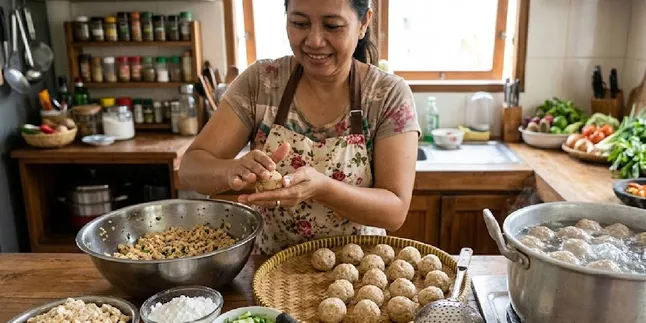
How to make tempe meatballs without meat with a chewy texture can be done at home. Check out the ingredients, steps, and tips to ensure the results don't easily fall apart.
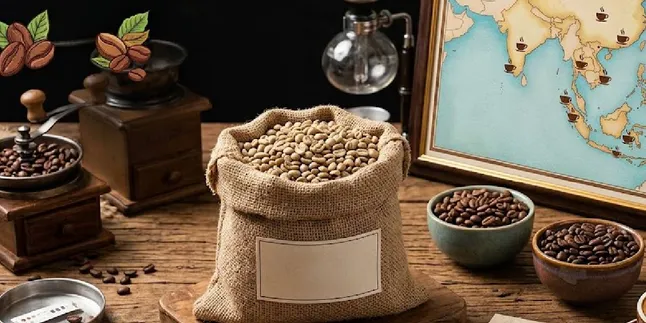
TasteAtlas has released a list of the 10 best coffee beans in Asia 2026. Indonesia contributes three representatives alongside premium coffees from Thailand, Laos, and India.
