

 Follow
 Rekomendasi
Kiky Saputri is Protective to Safeguard Her Child's Health; Father Must Shower After Smoking
Kiky Saputri sets strict rules regarding children's health, especially applying this to her own family.
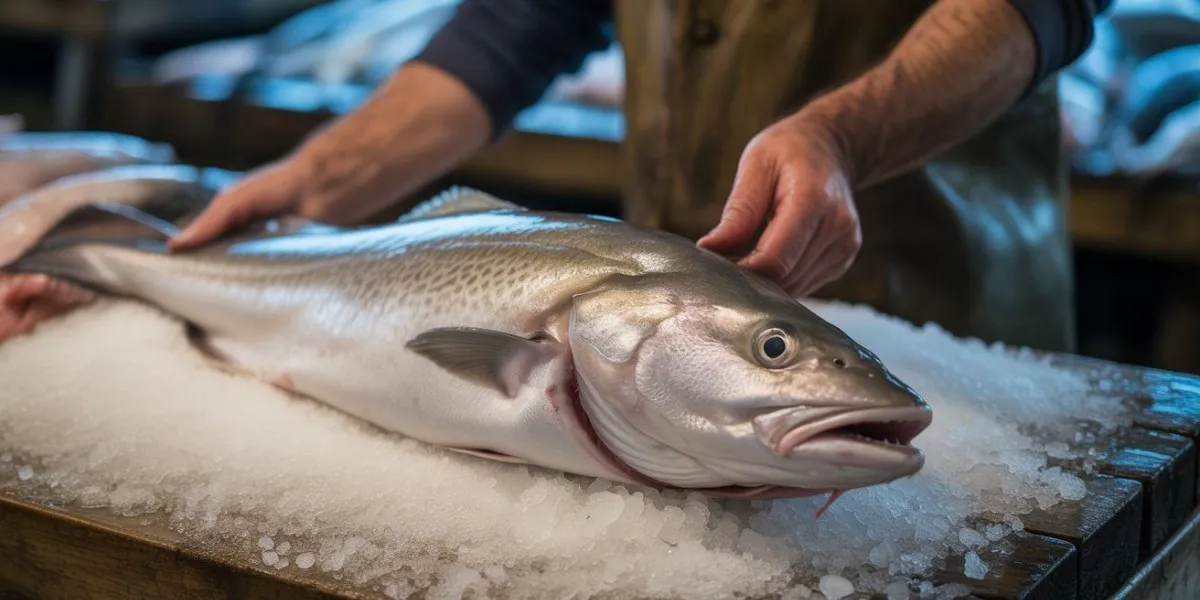
Kapanlagi.com - Fish is a source of protein and essential nutrients that are very beneficial for body health. The omega-3, vitamins, and minerals in fish can support growth, brain intelligence, and maintain heart health.
However, the optimal benefits from fish can only be obtained if we consume fish that is truly fresh and of good quality. Mistakes in choosing fish can pose a risk of food poisoning or other health issues.
According to Indonesian National Standard (SNI) 2729:2021, fresh fish has specific characteristics that can be recognized through several physical indicators. Understanding how to choose the right fresh fish will help you obtain quality food ingredients for your family.
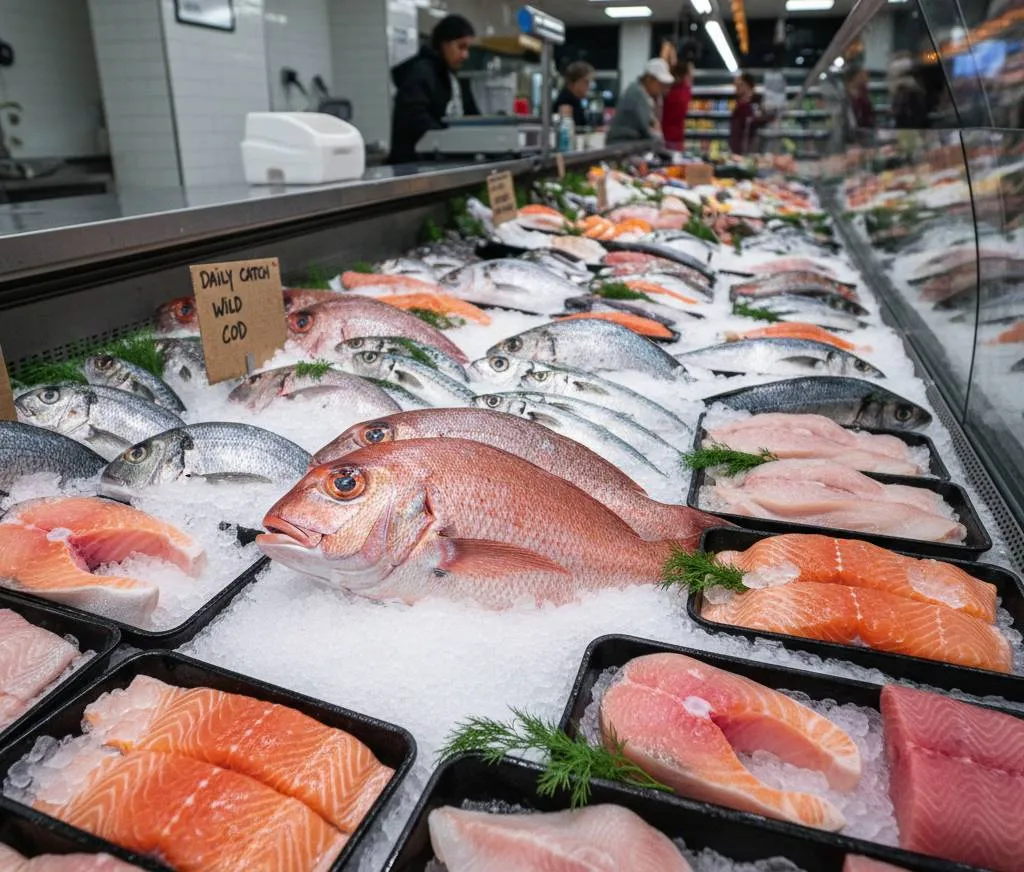
Fresh fish is fish that has just been caught or stored in conditions that maintain its natural freshness without undergoing the process of decay. Fish in this category has distinctive physical characteristics that are easy to recognize, ranging from the appearance of the eyes, gills, scales, to the texture of the flesh, which is still in optimal condition.
According to Standar Nasional Indonesia (SNI) 2729:2021 published by the National Standardization Agency, fresh fish is defined as finned fish that meets certain quality criteria. This standard includes parameters such as bulging and clear eyes, bright dark red gills, scales that adhere strongly, and flesh that is firm and elastic.
The quality of fresh fish is greatly influenced by the handling from the moment it is caught until it reaches the consumer. Fish that are not handled properly will quickly experience a decline in quality, marked by changes in color, texture, and the emergence of unpleasant odors. Therefore, understanding the quality standards of fresh fish is important for consumers.
Choosing the right fresh fish not only guarantees the deliciousness of the dish but also food safety for the family. Fish that is no longer fresh can be contaminated with harmful bacteria that can potentially cause food poisoning with symptoms such as nausea, vomiting, diarrhea, and even more serious health issues.
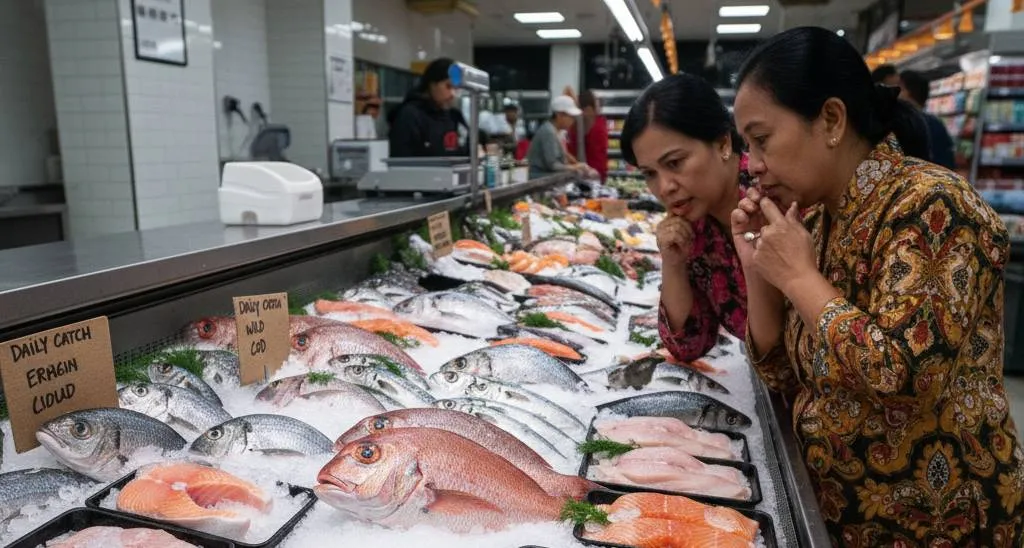
image by AI
The eyes of the fish are the first and easiest indicator to assess the freshness of the fish. The way to choose fresh fish can start by carefully observing the condition of the fish's eyes before deciding to buy.
1. Clear and Bright Eyes
Fresh fish have eyes that appear clear, bright, and shiny with a deep black center. The surface of the eyes looks moist and glossy, indicating that the fish has just been caught or stored properly.
2. Bulging Eye Shape
Fresh fish eyes will appear protruding or bulging out, not sunken in. When gently touched, the surface of the eyes feels firm and elastic, not soft or wrinkled.
3. No Color Change
The white part of fresh fish eyes remains a natural yellowish white, not reddish or grayish. Any color change in the eyes indicates that the fish has started to undergo decomposition.
4. Eyes Intact in Their Sockets
Fresh fish eyes are still intact and in their normal position, not sunken or detached from their sockets. This condition indicates that the fish has not suffered physical damage or been stored for too long.
5. Not Cloudy or Murky
Avoid buying fish with eyes that appear cloudy, murky, or covered with a white film. This condition is a clear sign that the fish is no longer fresh and should not be consumed.
The gills are the respiratory organs of fish that are very sensitive to changes in freshness. Checking the gills is one of the most accurate and reliable ways for consumers to choose fresh fish.
1. Bright Red Color
Fresh fish have gills that are bright dark red or fresh pink, similar to the color of fresh meat. This color indicates that the fish has just been caught and is still in prime condition for consumption.
2. Not Dark Colored
Avoid fish with gills that are brownish, blackish, or grayish. These color changes indicate that oxidation and decomposition have already occurred, thus the quality of the fish has drastically decreased.
3. Transparent Mucus
According to SNI 2729:2021, fresh fish gills produce a thin layer of mucus that is transparent or clear. This mucus serves to protect the gills and is a natural sign of the fish's freshness.
4. Not Cloudy Mucus
If the gills are already slimy with a cloudy, yellowish color, or have a sour smell, this is a sign that the fish is no longer fit for consumption. Cloudy mucus indicates that the growth of decomposing bacteria has occurred.
5. Intact Gill Texture
Fresh fish gills have a structure that is still intact and not separated. The way to choose fresh fish through the gills is by lifting the gill cover on the side of the fish's head and directly observing its condition.

The external appearance of fish reflects its overall quality and freshness. Skin and scales that are in good condition indicate that the fish has been handled properly from the time it was caught until it is marketed.
1. Shiny and Bright Skin
Fresh fish has skin that appears shiny, bright, and brightly colored according to its type. The surface of the skin looks naturally moist and not dull or pale.
2. Scales Firmly Attached
Fresh fish scales are firmly attached to the fish's body and are difficult to remove even when held or rubbed gently. Scales that easily come off indicate that the fish has been stored for a long time or not handled properly.
3. No Spots or Wounds
Examine the surface of the fish's body to ensure there are no strange spots, wounds, or physical damage. Quality fish have a smooth and unblemished body surface.
4. Clear Surface Slime
Choosing fresh fish can also be done by observing the natural slime that coats the fish's body. Fresh fish has a thin layer of clear slime, not thick gray or yellowish slime.
5. Color Not Faded
The natural color of fresh fish remains clear and not faded. Fish that are no longer fresh will experience a change in color to a duller appearance and lose their natural shine.
The texture of the meat is an important indicator in determining the freshness of fish. Physical examination by pressing the fish meat can provide accurate information about the quality of the fish to be purchased.
1. Firm and Resilient Meat
Fresh fish meat feels firm, resilient, and elastic when pressed with a finger. This texture indicates that the protein structure of the meat is still in good condition and has not undergone deterioration.
2. Returns to Original Shape
When pressed with a finger, fresh fish meat will immediately return to its original shape without leaving a mark. This is a sign that the elasticity of the meat is still optimal and the fish is still very fresh.
3. Not Soft or Easily Crushed
Avoid fish with meat that feels soft, easily crushed, or leaves an indentation when pressed. This condition indicates that the decay process has begun and the fish is not suitable for consumption.
4. Tight Fish Belly
Choosing fresh fish also includes examining the belly of the fish. A fresh fish belly feels tight and firm, not soft or easily torn when pressed.
5. Brightly Colored Meat
Fresh fish meat has a bright and clear color according to its type. Dull, pale, or discolored meat indicates that the quality of the fish has declined.
6. Strong Muscle Fibers
According to SNI 2729:2021, fresh fish has strong and compact muscle fibers. An intact meat structure indicates that the fish has not undergone the process of autolysis or tissue breakdown.
Aroma is a very important indicator of freshness that is often overlooked. The sense of smell can detect chemical changes in fish that are not visually apparent, making it an effective way to select fresh fish.
1. Fresh Sea Aroma
Fresh sea fish has a light and fresh sea aroma, not pungent. This aroma comes from natural compounds in the fish's body and is a sign of freshness.
2. Freshwater Aroma for Freshwater Fish
Fresh freshwater fish has a light freshwater aroma and does not smell muddy. A strong muddy smell indicates that the fish comes from unclean waters or has been stored for too long.
3. No Pungent Fishy Smell
Avoid fish with a very pungent or sharp fishy smell. An excessive fishy smell indicates that the fish has begun to decay due to bacterial and enzymatic activity.
4. No Sour or Rotten Smell
Fish that is no longer fresh will emit a sour, rotten, or ammonia-like smell. This odor is the result of protein decomposition and is a clear sign that the fish is not suitable for consumption.
5. Smell the Gills
An accurate way to select fresh fish is to smell the gills of the fish. Fresh fish gills do not have a pungent smell, while gills of fish that are no longer fresh will smell sour or rotten.
6. Don't Hesitate to Smell the Fish
Do not hesitate to bring the fish close to your nose before buying. Honest fishmongers will allow buyers to check the aroma of the fish to ensure its freshness.
In addition to knowing how to choose fresh fish, it is also important to understand additional tips when shopping and how to store fish properly to maintain freshness until it is time for processing.
1. Choose a Clean Selling Place
Buy fish at a clean and hygienic place. The cleanliness of the selling place greatly affects the quality of the fish being sold. Avoid places that have many flies or poor sanitation conditions.
2. Pay Attention to Storage Methods at the Market
Choose fish that are stored on refrigerated shelves or on ice. Fish left at room temperature will quickly experience a decline in quality and spoilage.
3. Buy Fish in the Morning
The best time to buy fish is in the morning when the fish has just arrived from the auction or catch. Morning fish is generally fresher compared to afternoon fish.
4. Lift the Body of the Fish
A way to choose fresh fish can also be done by lifting the body of the fish. Fresh fish will feel firm and not limp when lifted, while fish that is not fresh will bend downwards.
5. Store in the Refrigerator Immediately
After purchasing, immediately store the fish in the refrigerator or freezer. Clean the scales and gut the fish first, then place it in a closed container or plastic before storing.
6. Do Not Store in Water
Avoid storing fish in water as it can accelerate spoilage. Store fish in a dry condition or wrapped in plastic to maintain freshness.
7. Use within 1-2 Days
Fresh fish should be processed within 1-2 days after purchase if stored in a regular refrigerator. For longer storage, place the fish in the freezer.
8.Pay Attention to the Liquid on Fish Fillet
For fish fillets, pay attention to the liquid that comes out. Clear and shiny liquid indicates the fish is still fresh, while liquid that is white like milk indicates the fish has started to rot.
The main characteristics of fresh fish are clear and bulging eyes, bright red gills, scales that adhere firmly, firm and elastic flesh, and a fresh aroma typical of the sea or freshwater without a strong fishy smell. All these indicators must be met to ensure the fish is truly fresh and suitable for consumption.
The way to check the gills is by lifting the gill cover on the side of the fish's head. Fresh fish gills are bright dark red or pink, not brownish or black. The gills should also exude a thin transparent mucus, not cloudy mucus or a sour smell, which indicates the fish is no longer fresh.
Fresh fish has a light characteristic aroma, not a strong fishy smell. An excessive fishy smell indicates that the fish has started to decay due to bacterial activity. Fresh fish should only have the aroma of the sea or fresh water, so a pungent fishy smell is a sign that the fish is no longer fit for consumption.
The way to test the elasticity of fish meat is by pressing the body of the fish with your index finger. Fresh fish meat will feel firm and will immediately return to its original shape after being pressed without leaving a mark. If the meat feels soft or the pressure mark does not return, it indicates that the fish is no longer fresh.
Fresh fish can be stored in a regular refrigerator for 1-2 days after purchase. For longer storage, the fish should be placed in the freezer after being cleaned and put into a closed container or plastic. Make sure the fish is not stored in water as it can accelerate the decay process.
Avoid buying fish with cloudy and sunken eyes, dark or slimy gills, easily shedding scales, soft flesh, and a strong fishy or rotten smell. Also avoid places that are not clean, have many flies, or where fish are not stored in a cold environment, as this can affect the quality and safety of the fish.
The SNI 2729:2021 standard is very important as a reference in choosing fresh fish because it provides clear and measurable quality parameters. This standard includes criteria for the eyes, gills, scales, flesh, texture, and smell of the fish that must be met to ensure food safety and nutritional quality. Following the SNI standard helps consumers obtain the best quality fish for their family's health.
(kpl/fed)
Cobain For You Page (FYP) Yang kamu suka ada di sini,
lihat isinya
Kiky Saputri sets strict rules regarding children's health, especially applying this to her own family.

Want to stay healthy like Hotman Paris Hutapea? Check it out here and let’s live healthily!

Ryana Dea experienced digestive issues that required her to be hospitalized for 5 days, here’s her condition.

Ricky Harun reveals his experience with severe skin irritation caused by makeup and alcohol-based cleansers. Check out the cause and his story here!

DJ Katty Butterfly is experiencing a serious health condition that led to her being taken to the hospital, a ruptured cyst, and she must undergo recovery.

Fahmi Bo and his wife want to reconcile and hold a renewal of vows on November 22, 2025, check out the story behind this decision.

Venna Melinda always provides an understanding of the harmful effects of smoking habits.

Venna Melinda collaborates with WITT for the Puteri WITT 2026 event, which carries the theme of healthy living without smoking.

Kak Seto recently experienced a mild stroke that affected his thinking ability, with a delay in examination for 4 days.

Vega Darwanti reveals Tukul Arwana's condition is improving, but he still needs rest and therapy.

Dwi Andhika, after recovering from illness, is now more selective in choosing jobs.

Vidi Aldiano looks thin due to kidney cancer treatment, but he remains optimistic and focused on his health.
