

 Follow
 Rekomendasi
How to Choose Fresh Shrimp
A complete guide on how to choose fresh shrimp by paying attention to color, texture, aroma, and the physical condition of the shrimp to produce quality dishes that are safe to consume.
Kapanlagi.com - Purple sweet potatoes are one of the favorite tubers that are often processed into various delicious dishes. Their beautiful purple color and sweet taste make this tuber popular for kolak, chips, and even modern cakes. However, not all purple sweet potatoes have the same quality when purchased in the market.
Knowing how to choose good purple sweet potatoes is very important for maximum processing results. Quality sweet potatoes will yield a soft texture and a characteristic natural sweetness. Mistakes in selection can result in dishes that are hard or less sweet.
Quoting from Jurnal Biotropikal Sains, tubers are agricultural commodities commonly found in tropical areas such as Indonesia, and their growth does not depend on the climate. With the various types and appearances of sweet potatoes available in the market, it is important to know the characteristics of quality purple sweet potatoes before buying.
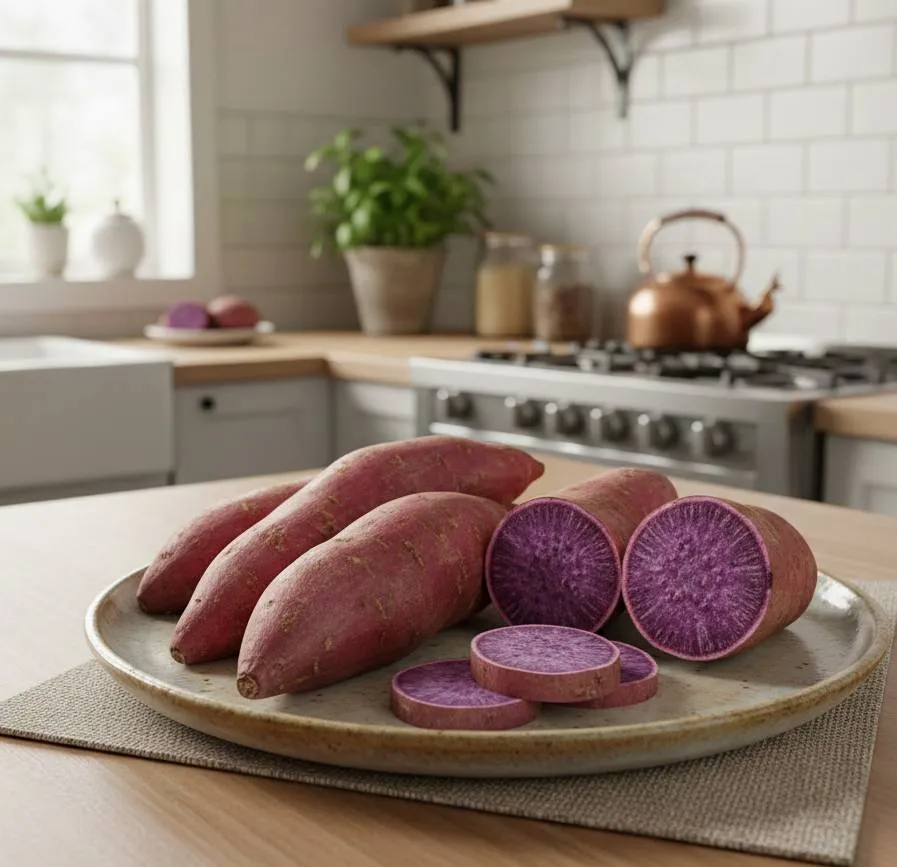
Purple sweet potato or purple sweet potato is a tuber variety with a distinctive and attractive color. The main advantage of this tuber lies in its high antioxidant content, especially anthocyanins which give it a deep purple color. The darker the color of the tuber, the better its quality usually is, as it indicates a good level of ripeness.
Quality purple sweet potatoes have several specific characteristics that distinguish them from those that are no longer fresh. These characteristics include skin condition, texture, weight, aroma, and overall physical shape. Understanding these characteristics will help in selecting good purple sweet potatoes while shopping.
The differences in variety and growing conditions can affect the taste and texture of purple sweet potatoes. Tubers harvested at the right time will have a higher natural sugar content, resulting in a strong sweet flavor. Their texture will also be softer and more tender after being steamed or boiled.
Fresh purple sweet potatoes contain sufficient moisture, making them feel relatively heavy when lifted. In contrast, sweet potatoes that have been stored for too long after harvest will lose their moisture and feel lighter. Poor storage conditions can also accelerate the rotting and drying process in sweet potatoes.

The skin of the purple yam is the first indicator to assess its quality. Choose yams that have fresh, firm, and smooth skin as this indicates that the yam has just been harvested. Healthy skin should be bright in color and free from black spots or rotten patches that indicate decay.
Avoid choosing yams with dull and soft skin as this is a sign that the yam has started to rot or has been on the market for too long. Wrinkled skin or any damage indicates that the yam is beginning to dry out or has been exposed to poor storage conditions. Ensure that the yam's skin is not punctured as it may have started to rot.
Also, pay attention to whether there are concave spots or deep wounds on the surface of the yam's skin. Such spots can be a sign that the yam is wilting or affected by disease. Besides being less sweet, yams in this condition are also not suitable for consumption as they can affect health.
The surface of a good purple yam skin should not be too fibrous. Yams with smooth skin will be easier to clean and process. A texture that is too rough or has many fibers can indicate that the yam is too old or of a variety that is less suitable for consumption.
The ideal shape for purple sweet potatoes to be processed is one that is fat in the middle with a pointed end. Sweet potatoes with this shape are usually fresher and have a soft texture after being cooked. Avoid choosing potatoes that are bent, cracked, or have parts that look rotten, as they will be difficult to process.
Size is also an important consideration in how to choose good purple sweet potatoes. Larger sweet potatoes tend to be easier to process and yield softer flesh. However, make sure the size matches your processing needs to avoid wasting any parts.
When selecting, try pressing the tip of the purple sweet potato to determine its ripeness. Choose sweet potatoes with a pointed tip that feel somewhat firm when pressed, as this indicates they are ripe, not too young or old. Sweet potatoes with a slightly firm texture at the tip are suitable for making crispy chips.
Purple sweet potatoes with a blunt tip or that feel soft should be avoided, as this indicates they are not fully ripe. The level of ripeness greatly affects the final result of the dish, especially for foods that require a crispy or fluffy texture. Sweet potatoes that are too young will taste bland and less sweet.

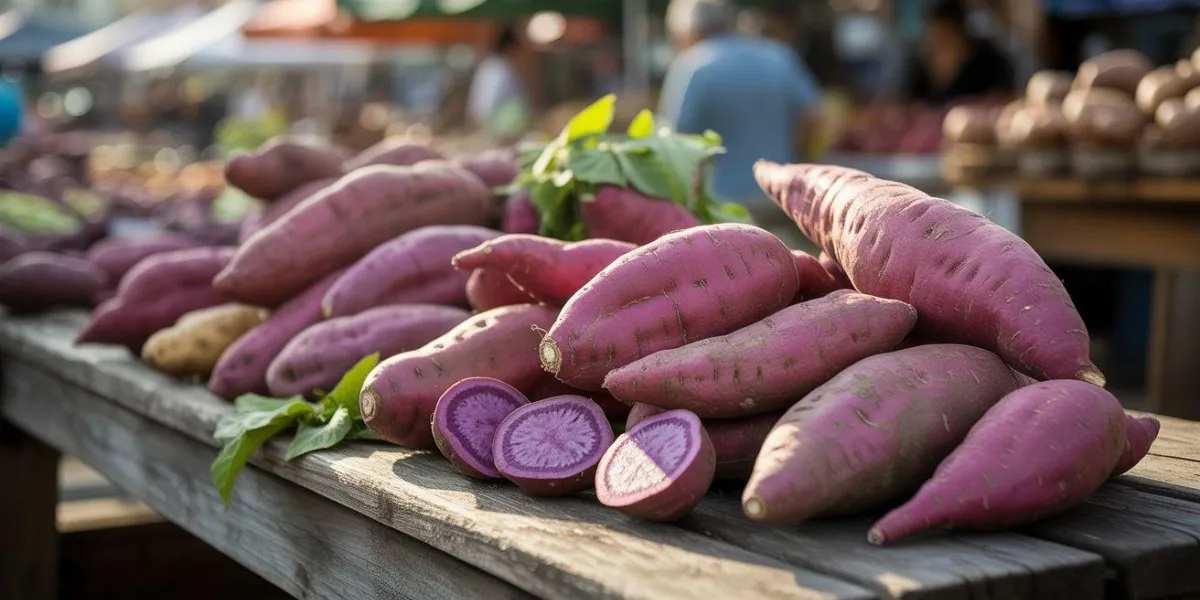
selling purple sweet potatoes - image by AI
The texture of a good purple yam should feel solid and heavy when lifted. This weight indicates that the yam contains sufficient moisture and is still fresh. If the yam feels light or lighter than it should, it is likely that the yam has started to dry out or has lost its moisture.
Another way to select a good purple yam is to feel the entire surface of the yam to ensure there are no soft spots. A fresh yam will feel firm and solid throughout. Soft areas indicate the presence of internal decay that is not visible from the outside.
Purple yams that have been stored for too long usually undergo drying, making their texture harder and drier. This condition makes the yam difficult to process, and the result will not be soft even if steamed or boiled for a long time. The internal moisture of the yam is crucial for achieving the desired fluffy texture.
Also pay attention to whether the yam has sprouted or not, as the presence of sprouts indicates that the yam has exceeded its harvest time. Yams that have sprouted usually have a hard texture and their taste is no longer sweet. In fact, some experts suggest that yams that have sprouted fall into the category of unfit for consumption due to the presence of toxic compounds.
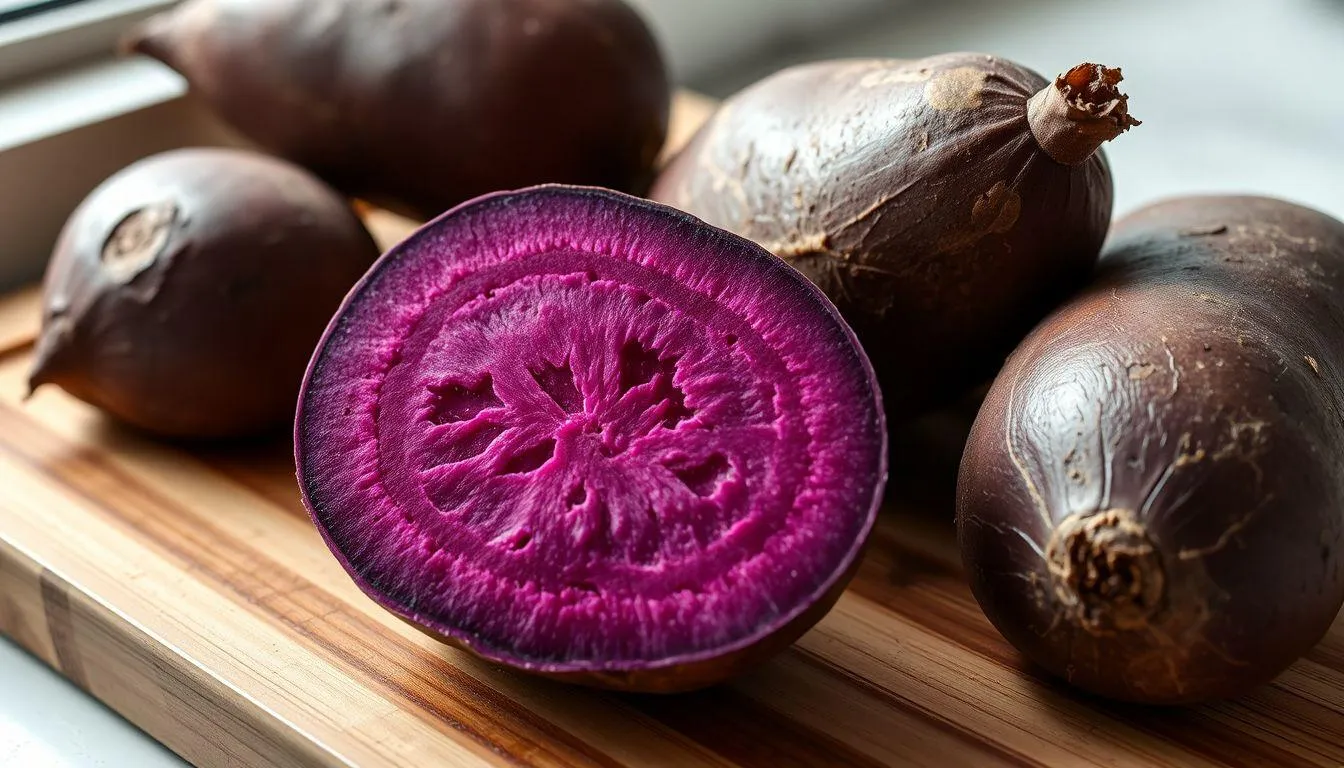
Observing the Color and Aroma of Purple Sweet Potatoes (c) AI Illustration
The deep color of purple sweet potatoes indicates a good level of ripeness and a high anthocyanin content. The older the sweet potato, the darker its color and the sweeter its taste due to a higher natural sugar content. Don’t hesitate to choose sweet potatoes with a strong purple color and not pale.
Pale purple sweet potatoes usually indicate that they have been harvested for a long time or are not fully ripe. The color of the sweet potato flesh is also an important quality indicator to pay attention to. High-quality purple sweet potatoes will have a distinctive and uniform purple color throughout the flesh without any white or brown spots.
The aroma of fresh purple sweet potatoes should be fragrant and not smell rotten. A distinctive and natural sweet aroma indicates that the sweet potato is of good quality and ready to be processed. Smell the sweet potato before buying to ensure there are no odors deviating from its normal characteristics.
If the sweet potato has an unpleasant or sour smell, it may be a sign that it is starting to rot or has been stored for too long. Sweet potatoes with an odor are not fit for consumption and should be avoided. A strong smell also indicates that fermentation or rotting processes have already occurred inside the sweet potato.
After learning how to choose good purple sweet potatoes, it is also important to understand how to store them to maintain their quality. Do not store sweet potatoes in a damp place as excess moisture can accelerate rotting. Store sweet potatoes in an open basket with good air circulation to prevent them from wilting or wrinkling quickly.
Avoid placing sweet potatoes in direct sunlight as exposure to sunlight can cause them to dry out quickly and lose moisture. A cool, dry room temperature is the ideal condition for storing purple sweet potatoes. If stored properly, sweet potatoes can last for several weeks without a decline in quality.
If you want to store sweet potatoes in the refrigerator, place them in an airtight container to prevent odor contamination from other foods. However, refrigeration should only be for sweet potatoes that have been peeled or cut. Whole sweet potatoes are better stored at room temperature with good ventilation.
For long-term storage, sweet potatoes can be cooked and cut into pieces before freezing in the refrigerator. This method makes it easier to use sweet potatoes anytime without the need for processing from scratch. Frozen sweet potatoes can last for several months with good quality if stored properly.
Sweet purple sweet potatoes have a dark, rich purple skin with a dense and soft texture. In contrast, younger sweet potatoes that are less sweet tend to have slightly wrinkled skin, a lighter color, and feel dry to the touch. Fully cooked sweet potatoes will also feel heavier due to their higher natural sugar content.
It is advisable to avoid consuming sprouted purple sweet potatoes as this indicates that the sweet potato has passed its harvest time. Sprouted sweet potatoes have a hard texture, lack sweetness, and according to some experts, contain toxic compounds that are not suitable for consumption. Choose fresh sweet potatoes without sprouts for safe and quality processing.
Purple sweet potatoes stored properly in a cool, dry, and well-ventilated place can last for several weeks. Avoid storing them in damp places or exposing them to direct sunlight as this will accelerate spoilage. For longer storage, sweet potatoes can be cooked and frozen in the refrigerator for several months.
Pay attention to the skin condition, which should be smooth without black spots or holes, a dense and heavy texture, a rich purple color, and a fragrant aroma without any rotten smell. Choose sweet potatoes with a thick center and pointed, firm ends when pressed. Avoid sweet potatoes with dull skin, soft texture, or sunken spots as they indicate poor quality.
The size of the sweet potato does not directly affect the taste, but larger sweet potatoes tend to be easier to process and yield softer flesh. What is more important is the level of ripeness and freshness of the sweet potato, indicated by a deep color, firm texture, and fragrant aroma. Choose the size according to processing needs to avoid waste.
A perfectly cooked purple sweet potato has a deep, dark purple color, pointed ends that feel firm when pressed, and a dense, heavy texture. Ripe sweet potatoes also have a distinctive sweet aroma and should not smell sour or rotten. Avoid sweet potatoes with blunt or soft ends as this indicates they are not perfectly cooked and will taste bland.
Purple sweet potatoes with too much fibrous skin should be avoided as they may indicate that the sweet potato is too old or of a lesser variety. Choose sweet potatoes with relatively smooth skin surfaces that are not too rough for easier cleaning and processing. Smooth skin also indicates that the sweet potatoes are still fresh and newly harvested.
(kpl/fed)
Cobain For You Page (FYP) Yang kamu suka ada di sini,
lihat isinya
A complete guide on how to choose fresh shrimp by paying attention to color, texture, aroma, and the physical condition of the shrimp to produce quality dishes that are safe to consume.

Ria Ricis and her daughter, Moana, are enjoying a happy moment during their year-end holiday abroad. They spent 8 hours on the plane, here's their excitement!

A complete guide on how to choose the right condom size for your needs. Learn how to measure the penis, determine the right size, and important tips for optimal condom performance.

Before everyone knew, it turns out Safa Marwah had received a DM from Lisa Mariana who claimed to be pregnant by Ridwan Kamil, here is her confession.

Annisa Dalimunthe Indonesia Fashion Runway, a stunning 6-year-old child singer who performed at the prestigious event.

Hotman Paris's nostalgic journey to Australia recalls the hard times of washing dishes by himself until he succeeded. Check out his story of struggle and inspiration here!

Recommendations for Chinese dramas with themes of young love featuring warm stories, full of struggle, and emotional bonds.

Many people are looking for something to watch to relieve stress. Of course, light and entertaining shows are very much needed in such situations. Recommendations for adult romantic Chinese dramas might be a good choice.

Ari Wibowo, an Indonesian actor, has just celebrated his 55th birthday, with a sweet surprise from his children. Check out the full information below!

A series of Chinese dramas that drain your emotions but still provide a warm and satisfying ending.

Raisa Marie is known to be a model who has ventured into acting. It's no surprise that this beautiful woman still possesses a supermodel aura when wearing any outfit.

Interested in watching Chinese dramas? If so, here are some exciting recommendations for Chinese dramas that kapanlagi.com has compiled from various sources.
