

 Follow
 Rekomendasi
Ridwan Kamil Absent from Divorce Hearing, Atalia Emphasizes No Third Party AK, LM, or SM
Atalia Praratya, through her legal representative, reaffirms that there is no third party in her divorce lawsuit.
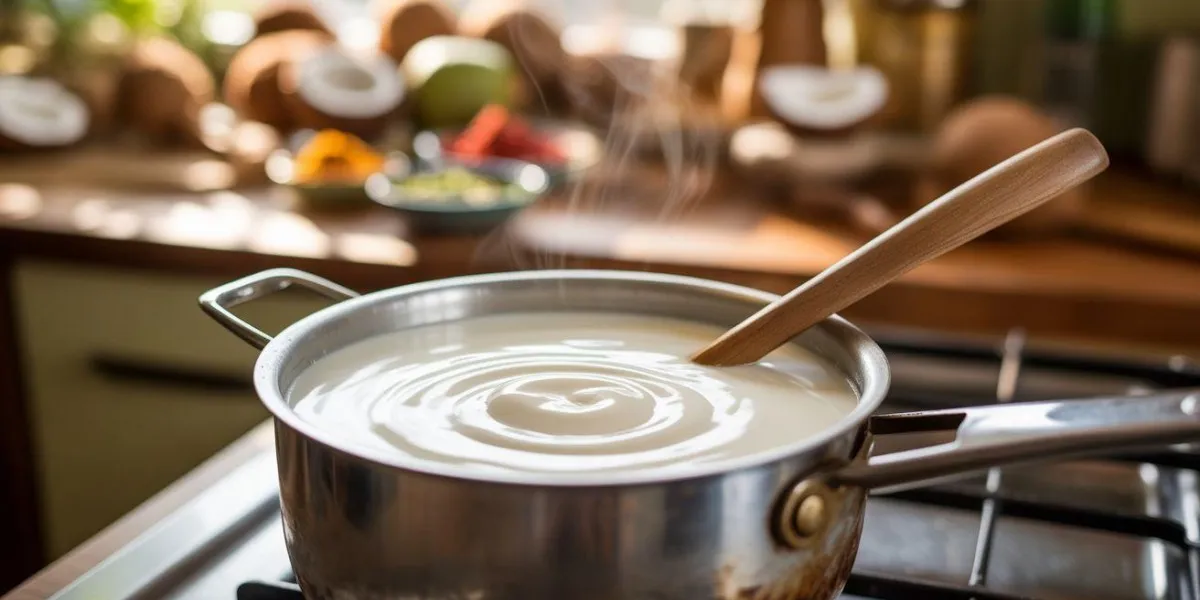
Kapanlagi.com - Cooking coconut milk without curdling is an important skill in many Indonesian dishes. Curdled coconut milk can change the texture and flavor of the dish, so it's crucial to know the right techniques. In this article, we will discuss effective ways to keep coconut milk smooth and creamy while cooking.
First, use high-quality coconut milk, either from fresh coconuts or trusted packaged coconut milk. Quality coconut milk will be more stable when heated. Additionally, it's important to cook over low heat and stir gently to avoid separation.
Lastly, adding other ingredients gradually can also help. For example, if you are making curry or gulai, add the coconut milk after the spices are cooked. By following these steps, you can enjoy delicious dishes without worrying about the coconut milk curdling.
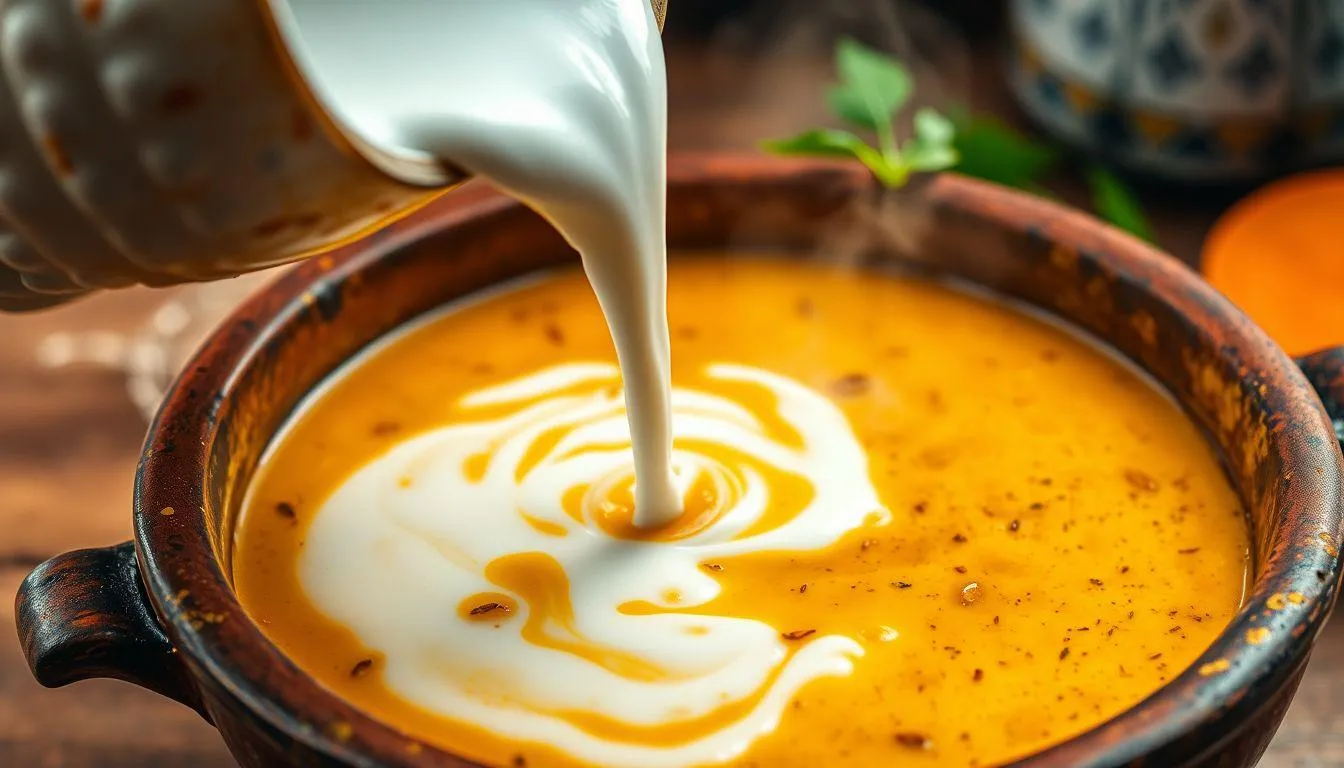
Understanding the Problem of Broken Coconut Milk in Cooking (c) AI Illustration
Coconut milk is an important ingredient in various Indonesian dishes that provides a rich flavor and thick texture to the food. However, many people face challenges when the coconut milk they cook breaks and clumps.
Broken coconut milk is characterized by the appearance of white clumps on the surface of the dish and the separation of oil from water. This condition not only ruins the appearance of the dish but also reduces the savory flavor that should be produced.
Understanding how to cook coconut milk so that it does not break is very important for producing quality dishes. With the right techniques, you can create perfect coconut milk dishes with a smooth texture and appetizing taste.

Why Coconut Milk Can Curdle When Cooked (c) AI Illustration
Citing from the book National Movement for Exclusive Coconut Milk (2015) by Dr. Zainal Gani, coconut milk contains nonymethyl-ketone compounds that easily evaporate at high temperatures. At around 80 degrees Celsius, coconut milk can break, causing its delicious aroma to disappear and forming white clumps on the surface of the dish.
The main cause of broken coconut milk is the use of excessively high temperatures during cooking. Heating with high flames causes uneven heating, so the fat in the coconut milk separates from its water content and forms clumps that do not blend with the dish's broth.
Lack of stirring is also an important factor that makes coconut milk prone to breaking. Coconut milk left unstirred will experience separation between the oily thick layer and its liquid part, especially in the center of the pot, which is hotter than the edges.
The quality of the coconut milk used also affects the likelihood of breaking. Low-quality coconut milk or coconut milk that has been stored for a long time is more susceptible to separation when cooked because its emulsion structure is no longer stable.
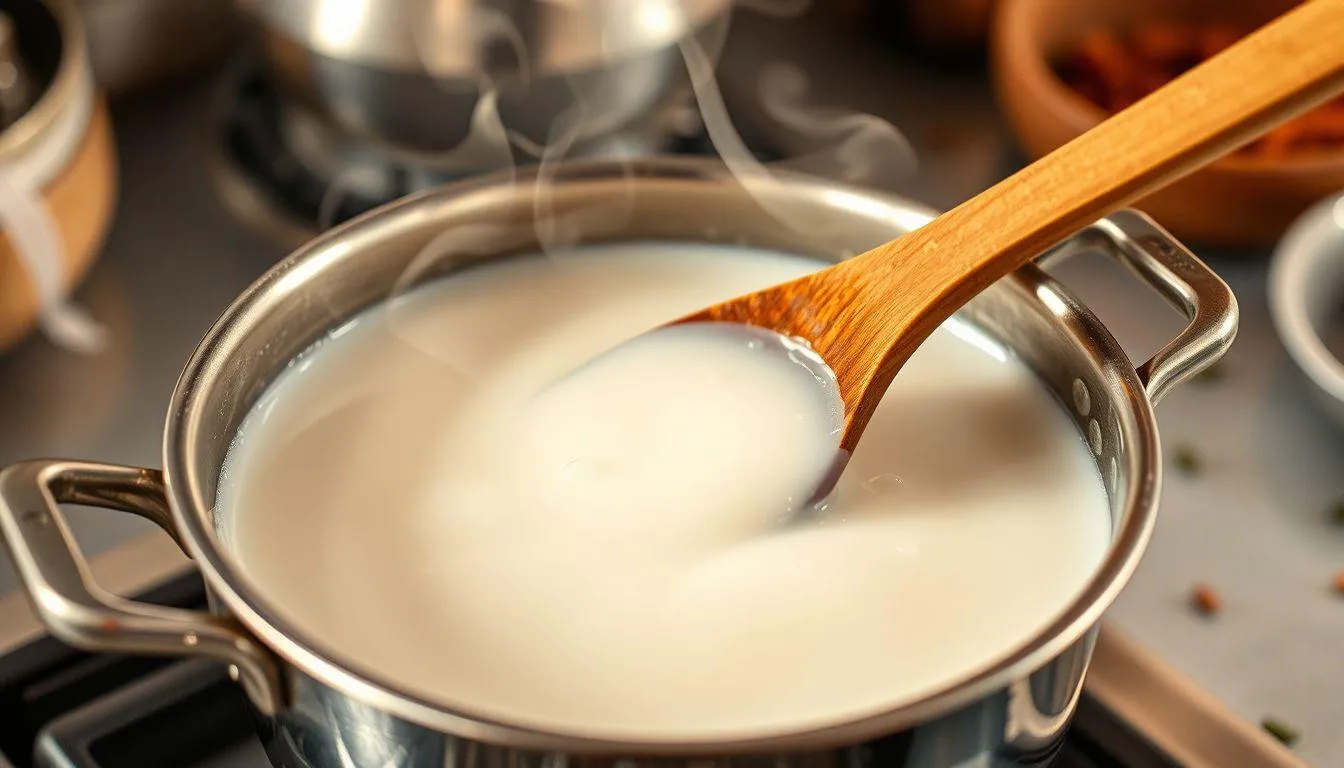
Basic Techniques for Cooking Coconut Milk to Prevent Curdling (c) AI Illustration
The first technique to master is to use low to medium heat when cooking coconut milk. High temperatures will cause the coconut milk to splatter, bubble, and eventually curdle, making it difficult to mix with other ingredients in the dish.
Stirring regularly and gently is the key to cooking coconut milk without curdling. Stir the coconut milk from the center outwards because the center tends to be hotter, so this stirring helps balance the temperature across the entire surface of the dish.
Adding coconut milk at the final stage of cooking is highly recommended, especially for soups like opor, gulai, or sayur lodeh. Add the coconut milk when all the ingredients are almost cooked, stir until it boils, then immediately turn off the heat to maintain the stability of the coconut milk's texture.
Quoting from the book Special Dishes of the Archipelago: Various Kolak, Ice, and Porridge (2010) by Raditha Hapsari, when cooking coconut milk, stir for about 5 minutes regularly using medium heat. Another effective method is to add small banana leaves into the coconut milk and heat it on low heat until it boils to maintain the stability of the coconut milk even if it is stirred infrequently.
Practical Tips to Prevent Coconut Milk from Curdling (credit:unsplash.com/id/@izgubljenausvemiru)
1.Add Rice Flour
Mix a little rice flour into the coconut milk before cooking to help maintain its consistency. Rice flour acts as a natural thickener that strengthens the structure of the coconut milk and binds it with the cooking sauce without altering the taste, as long as it is not used excessively.
2.Use Banana Leaves
Adding a clean banana leaf while cooking is an effective traditional trick. Banana leaves contain natural enzymes that help stabilize the emulsion of the coconut milk, keeping its texture thick and preventing the separation of oil and water, while also imparting a distinctive fragrant aroma.
3.Avoid Acidic Ingredients
Coconut milk is very sensitive to acidic food ingredients such as lime, tomatoes, or tamarind. If the recipe requires acidic ingredients, it is best to add them after the dish is cooked or after the coconut milk has been thoroughly mixed with the dish.
4.
Choose Quality Coconut Milk
Use fresh coconut milk from mature coconuts that produce thick and high-quality coconut milk. If using packaged coconut milk, choose products with guaranteed quality because packaged coconut milk is generally processed with technology that minimizes the risk of separation.
5. Add Thin Coconut Milk First
For dishes that require both thin and thick coconut milk, cook the thin coconut milk first until it boils. After that, only add the thick coconut milk at the final cooking stage to achieve optimal texture and flavor.
6. Do Not Leave the Dish
Try to keep stirring the dish once the coconut milk has been added. Consistently and slowly stirring will keep the coconut milk solid and prevent the formation of lumps on the surface of the dish.
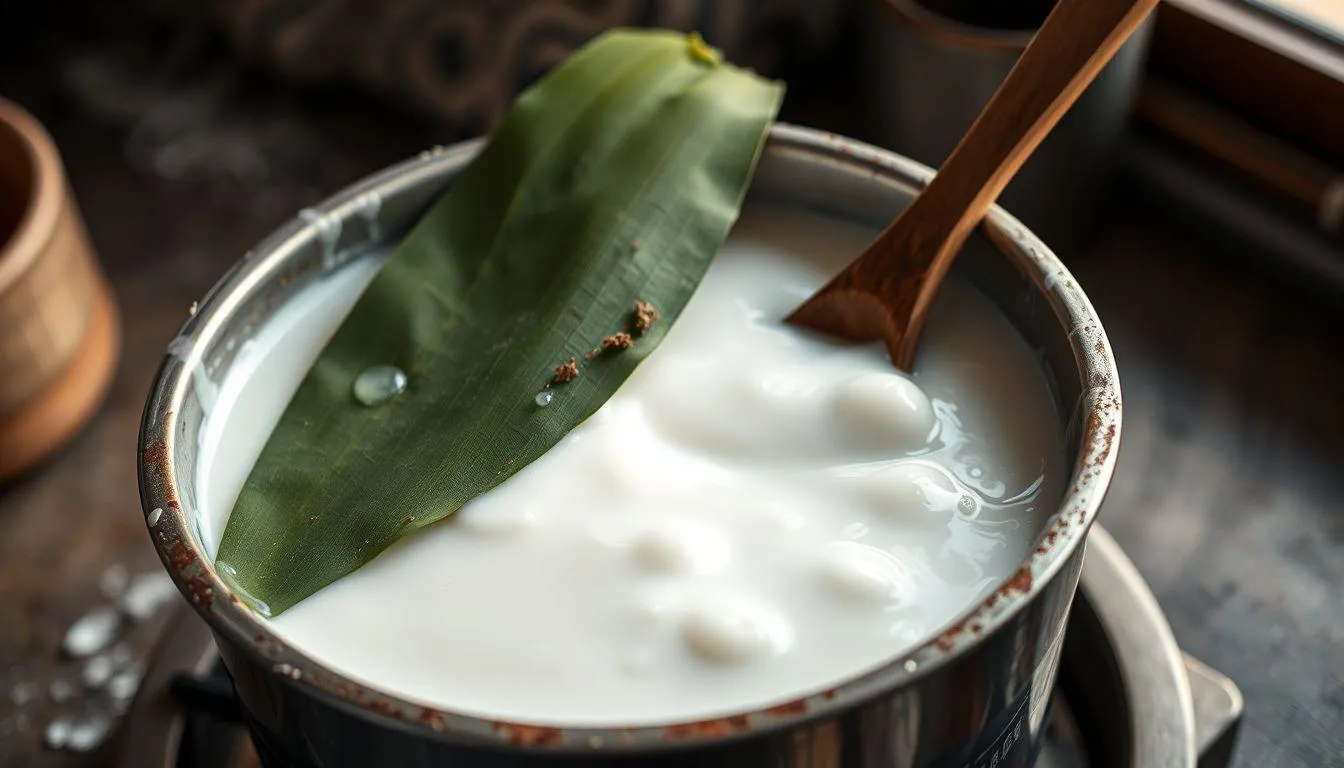
How to Handle Coconut Milk That Has Already Split (c) AI Illustration
If the coconut milk you are cooking has already curdled and clumped, don’t panic because there are still ways to fix it. The first step is to immediately lower the heat so that the coconut milk doesn’t curdle further and the clumps can gradually reduce.
Insert a clean banana leaf into the dish. Adjust the size of the banana leaf to fit the diameter of the pan or pot being used, and then continuously stir the coconut milk slowly until it re-emulsifies and the clumps disappear.
Another alternative if you don’t have a banana leaf is to use a tea strainer to stir the curdled coconut milk. Gently stir with the tea strainer while continuing to heat over low heat until the coconut milk comes back together and the texture improves.
Once the coconut milk starts to re-emulsify, add a little salt and kaffir lime leaves to help stabilize the coconut milk emulsion. Keep stirring until the coconut milk is completely boiling with a smooth texture, then turn off the heat and let the dish settle for a moment before serving.
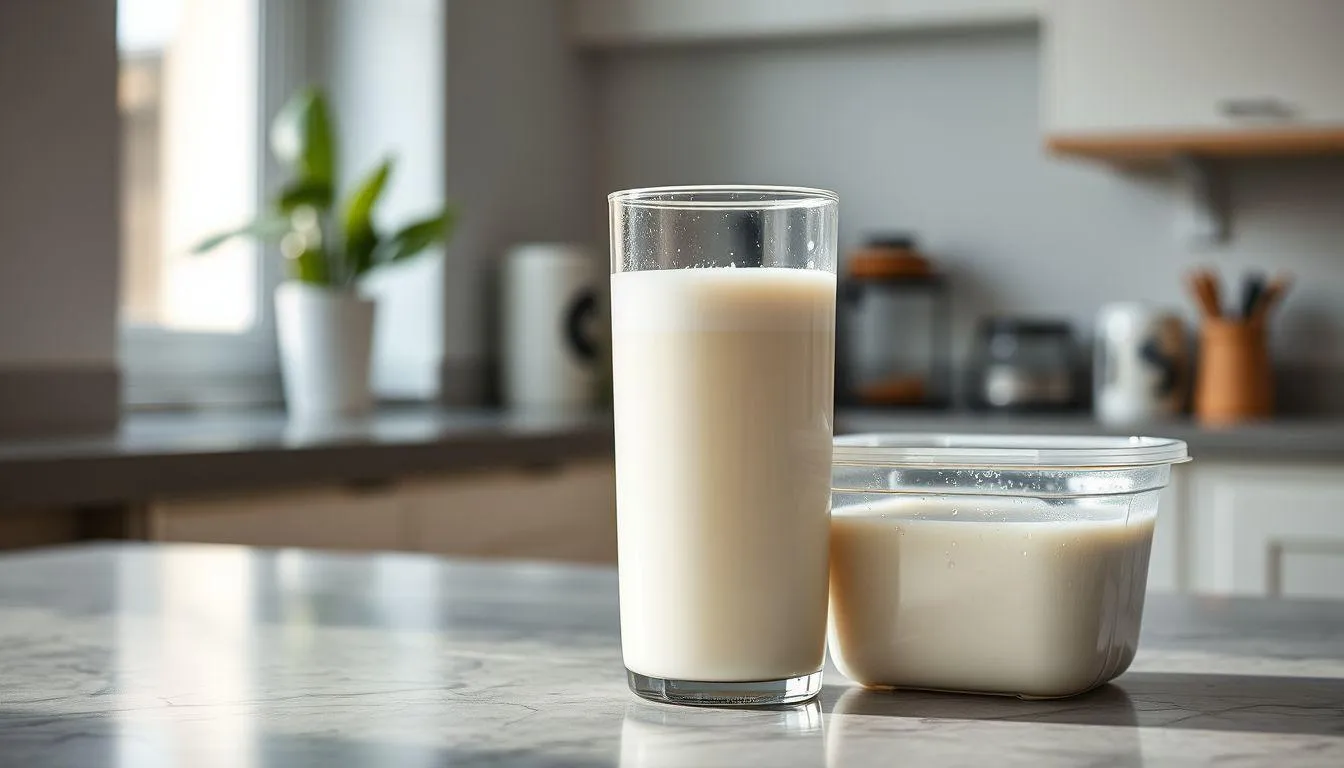
How to Properly Store Coconut Milk (c) AI Illustration
Coconut milk is a relatively stable oil emulsion, but if left for 5-10 hours at room temperature, it will separate into skim at the bottom and cream at the top. Coconut milk is also prone to spoilage because it is easily contaminated by decaying microbes, which cause color changes, rancid smells, and make it unfit for use.
To properly store coconut milk, use a plastic container with a tight lid. Store coconut milk in the refrigerator or freezer to maintain freshness and prevent the growth of bacteria that can degrade the quality of the coconut milk.
If coconut milk is stored in the freezer and you want to use it, thaw it slowly at room temperature first. Avoid thawing coconut milk by heating it directly, as this can damage the emulsion structure and make the coconut milk prone to splitting when cooked.
Fresh coconut milk should be used within 1-2 days if stored in the refrigerator. For longer storage, freeze coconut milk in a sealed container and use it within a maximum of 1 month to maintain optimal flavor and texture quality.
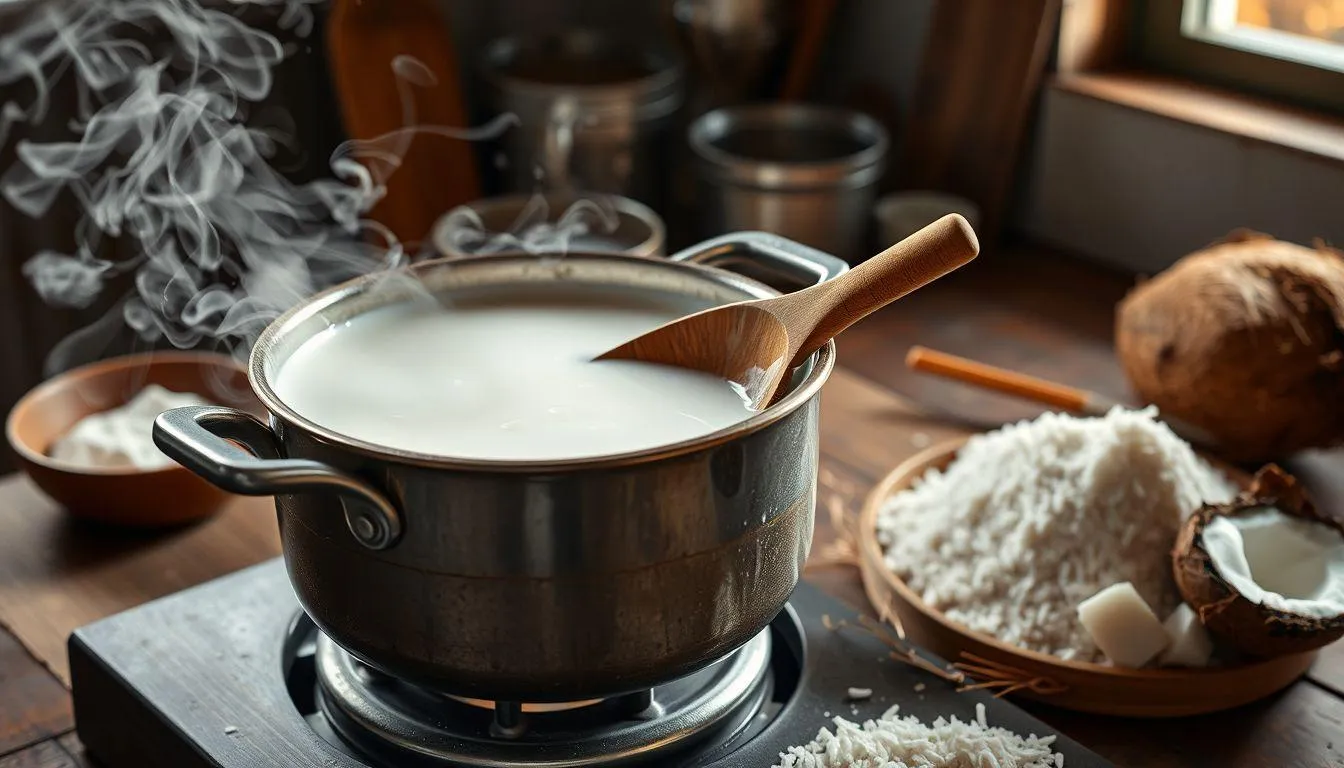
FAQ (Frequently Asked Questions) (c) AI Illustration
Packaged coconut milk is generally processed with technology that minimizes the risk of curdling because it has been stabilized. However, both packaged and fresh coconut milk still require the right cooking techniques with low heat and regular stirring for the best results.
The cooking time for coconut milk should not be too long, just about 5 minutes with regular stirring over medium to low heat. Add the coconut milk at the final stage of cooking, stir until it boils, then turn off the heat immediately to maintain the quality of the coconut milk.
Adding a little rice flour will not change the taste of the dish as long as it is not used excessively. Rice flour serves only as a natural thickener that helps to combine the coconut milk with the sauce without affecting the flavor.
Regular stirring is very important to balance the temperature throughout the surface of the dish and to prevent the coconut milk from curdling. The center of the pot tends to be hotter, so stirring from the center outward helps maintain the stability of the coconut milk's texture.
Broken coconut milk can still be fixed by lowering the heat, adding banana leaves, and continuously stirring until the coconut milk re-emulsifies. Another alternative is to use a tea strainer to stir the broken coconut milk with slow movements.
The basic principle of cooking coconut milk to prevent it from breaking is the same for all types of dishes, which is to use low heat and stir regularly. However, for soupy dishes like opor or gulai, coconut milk should be added at the end, while for rendang, the coconut milk is cooked longer on low heat until it reduces.
Choose mature coconuts that, when tapped, produce a loud sound and feel heavy. Mature coconuts produce thicker and higher quality coconut milk with optimal fat content, making it more stable when cooked and resulting in a maximum savory flavor.
Come on, read articles about guides and other interesting topics on Kapanlagi.com. If not now, when?
(kpl/vna)
Cobain For You Page (FYP) Yang kamu suka ada di sini,
lihat isinya
Atalia Praratya, through her legal representative, reaffirms that there is no third party in her divorce lawsuit.

Chelsea Olivia and Nastusha often appear stylish on various special occasions. Let's take a look at some of their portraits below, KLovers!

Atalia Praratya attended the hearing, the lawyer revealed the fact that they have been separated for 6 months.

Time travel has always been an intriguing mystery to discuss. It's no wonder that it has also been used as an idea for creative works. The development of this idea can be found in Chinese time travel dramas.

Prilly Latuconsina has just realized her childhood dream by visiting Tokyo DisneySea with her boyfriend, Omara Esteghlal. Check out their fun moments below!

Check out the portraits of the friendship between Nabila Syakieb and Yasmine Wildblood, who were initially brought together in a soap opera title and have now become like siblings.
A complete guide on how to cook tender beef empal using traditional Javanese and Sundanese techniques. Learn tips for choosing meat, marinating spices, and the right pounding technique.

Many Indonesian celebrities look fashionable while enjoying their winter vacation in South Korea. Let's take a look at their cool photos, KLovers!

Find the synopsis of Record of Ragnarok, watching order, and links to watch the exciting anime with Indonesian subtitles!

In Gilang's eyes, his father was an incredibly great man even though the late one was not a perfect human being. Check out the complete information about Wendy Indra here!

Many Indonesian celebrity families choose Korea as their vacation destination and try on hanbok. Let's take a look at some of the photos!

Ecchi is an anime that highlights fanservice featuring sexy characters to attract viewers' interest. However, it's not just that; an exciting storyline is also a reason why these hard ecchi anime recommendations are highly sought after.
